Get in Touch with TiAlloy Company

Nickel Alloy Products
Nickel Alloy Supplier for Plate, Sheet, Coil, Pipe, Tube, Bar and Forgings
TiAlloy supplies nickel-based alloys, Inconel, Hastelloy, Monel and Incoloy materials for chemical processing, oil and gas, power generation, heat treatment, marine, aerospace, heat exchangers and industrial equipment. Available forms include nickel alloy plate, sheet, coil, strip, seamless and welded pipe, tube, bar, rod, wire and forgings.
Representative Nickel Alloy Families
Nickel 200 / 201
Alloy 400 / K-500
Alloy 600 / 601
Alloy 617 / 625
Alloy 690 / 718
800 / 800H / 800HT
Alloy 825 / 925
C22 / C276
B2 / B3
Alloy 59 / 686
Nickel Alloy Plate
Sheet & Coil
Strip
Pipe & Tube
Bar & Rod
Wire
Forgings
01 / 04
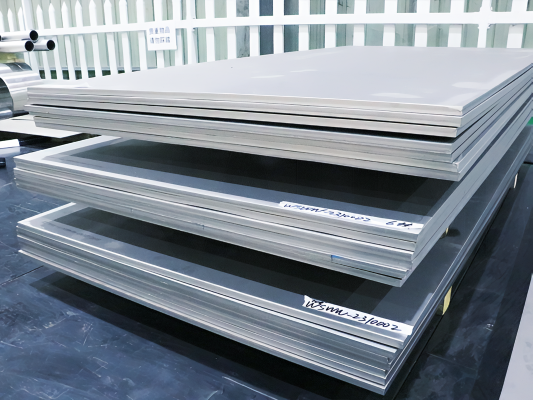
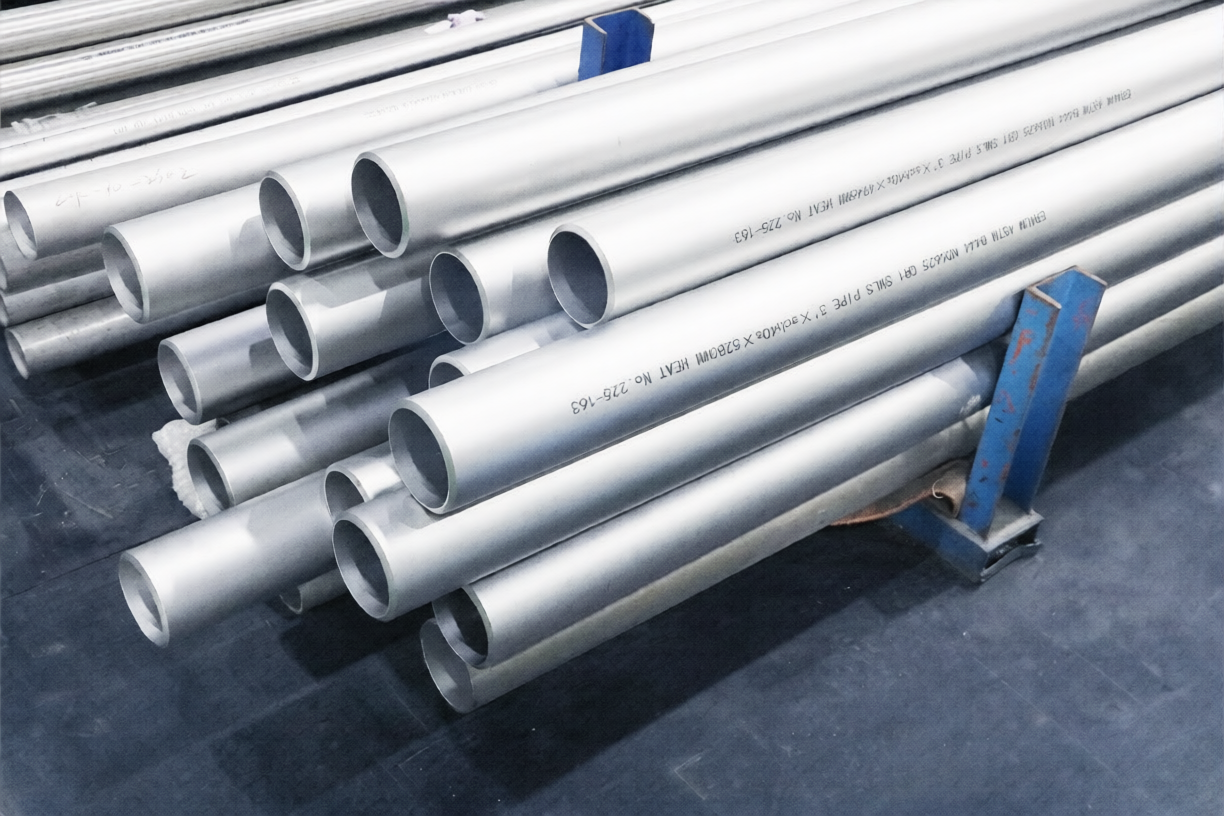
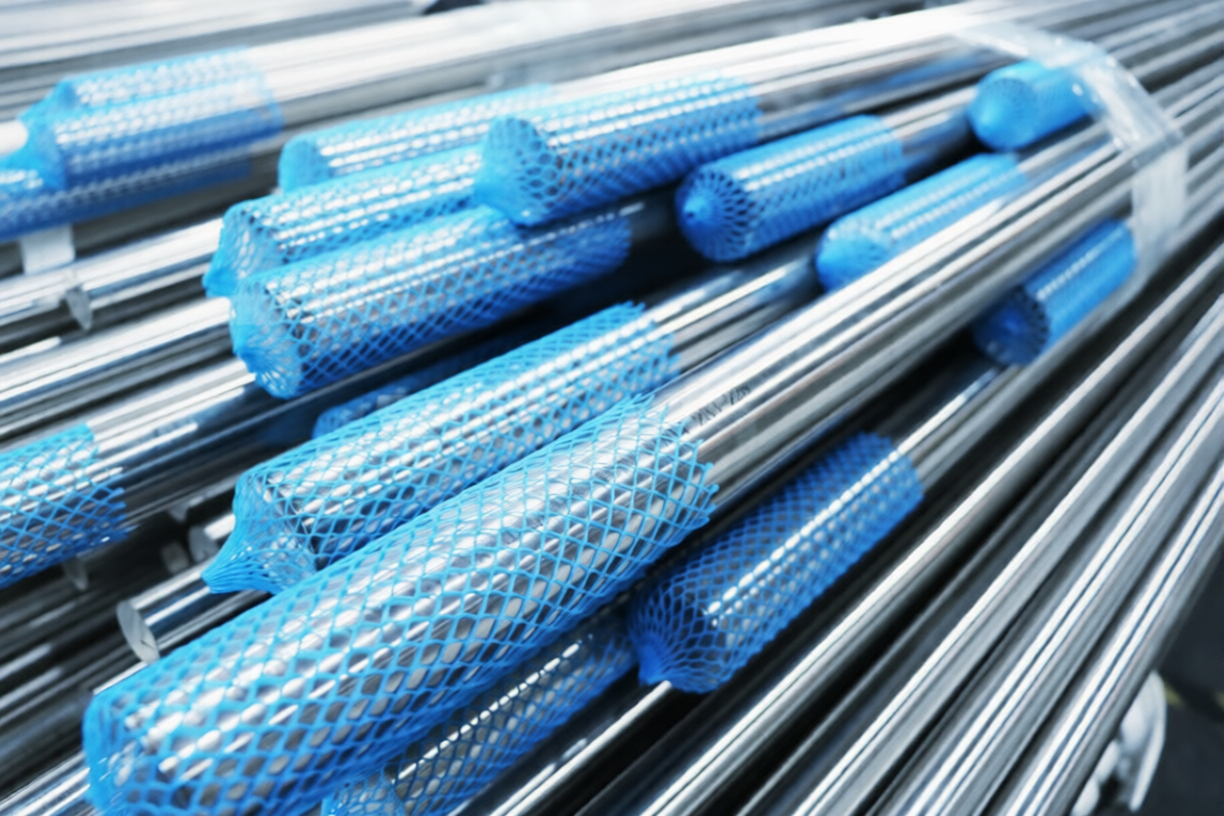

Product Form 01
Nickel Alloy Plate & Sheet
Plate and sheet for chemical processing, pressure equipment, energy systems, heat treatment and industrial fabrication.
Ni
Nickel Alloy Supply
Supply Experience
20+ years of metal supply and international export experience
Manufacturing Routes
VIM · VAR · ESR · Forging · Rolling · Heat Treatment where applicable
Inspection & Documentation
MTC · EN 10204 3.1 · PMI · NDT when specified
02
Nickel Alloy Grades
Nickel Alloy Grades & Alloy Families
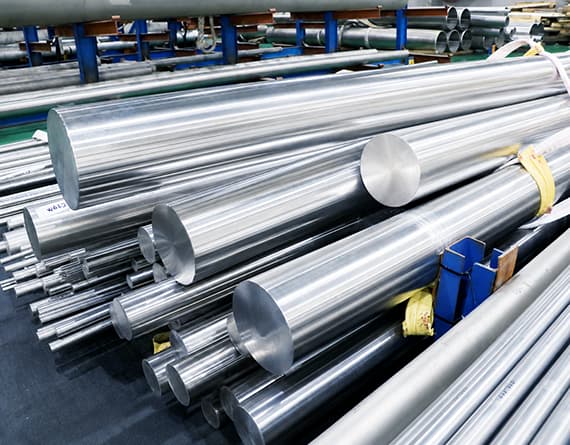
Explore nickel alloy grades by composition family, including commercially pure nickel, nickel-copper, nickel-chromium, nickel-chromium-molybdenum, nickel-molybdenum, nickel-iron-chromium, age-hardenable nickel alloys and high-temperature nickel-based superalloys.
Alloy Family 01
Commercially Pure Nickel
High-purity nickel grades used where corrosion resistance, electrical properties and controlled low-carbon chemistry are important.
High Nickel Purity
Alloy / Common Designation
UNS
Nickel 200
N02200
Nickel 201
N02201
Alloy Family 02
Nickel-Copper Alloys
Nickel-copper alloys combine corrosion resistance with useful strength for marine, chemical and industrial service.
Marine & Chemical Service
Alloy / Common Designation
UNS
Alloy 400 / Monel 400
N04400
Alloy K-500 / Monel K-500
N05500
Alloy Family 03
Nickel-Chromium Alloys
Nickel-chromium alloys for oxidation resistance, furnace service, heat treatment, power generation and elevated-temperature equipment.
Oxidation & Heat Resistance
Alloy / Common Designation
UNS
Alloy 600 / Inconel 600
N06600
Alloy 601 / Inconel 601
N06601
Alloy 602CA
N06025
Alloy 617 / Inconel 617
N06617
Alloy 690 / Inconel 690
N06690
Alloy Family 04
Nickel-Chromium-Molybdenum Alloys
Corrosion-resistant nickel alloys used in chemical processing, pollution control and aggressive chloride-containing process environments.
Severe Corrosion Service
Alloy / Common Designation
UNS
Alloy 625 / Inconel 625
N06625
Alloy C-22 / Hastelloy C-22
N06022
Alloy C-276 / Hastelloy C-276
N10276
Alloy C-2000 / Hastelloy C-2000
N06200
Alloy 59
N06059
Alloy 686 / Inconel 686
N06686
Alloy G-30 / Hastelloy G-30
N06030
Alloy G-35 / Hastelloy G-35
N06035
Alloy Family 05
Nickel-Molybdenum Alloys
High-molybdenum nickel alloys developed for demanding reducing chemical environments and specialized process equipment.
Reducing Environments
Alloy / Common Designation
UNS
Alloy B-2 / Hastelloy B-2
N10665
Alloy B-3 / Hastelloy B-3
N10675
Alloy Family 06
Nickel-Iron-Chromium Alloys
Nickel-iron-chromium alloys used across high-temperature equipment, chemical processing, heat exchangers and demanding process service.
Heat & Process Service
Alloy / Common Designation
UNS
Alloy 800 / Incoloy 800
N08800
Alloy 800H / Incoloy 800H
N08810
Alloy 800HT / Incoloy 800HT
N08811
Alloy 825 / Incoloy 825
N08825
Alloy 925 / Incoloy 925
N09925
Alloy Family 07
Age-Hardenable Nickel Alloys
High-strength nickel alloys for aerospace, energy, oil and gas and demanding mechanical components.
High Strength
Alloy / Common Designation
UNS
Alloy 718 / Inconel 718
N07718
Alloy 725 / Inconel 725
N07725
Alloy X-750 / Inconel X-750
N07750
Alloy Family 08
High-Temperature Nickel-Based Superalloys
Nickel-based superalloys for furnaces, thermal processing, turbine systems, power generation and elevated-temperature equipment.
Elevated Temperature
Alloy / Common Designation
UNS
Alloy X / Hastelloy X
N06002
Nimonic 75
N06075
Nimonic 80A
N07080
Nimonic 90
N07090
Nimonic 263
N07263
Haynes 230
N06230
Alloy Family 09
Special Corrosion-Resistant Alloys
High-alloy corrosion-resistant materials for chemical processing, acid service, heat exchangers and demanding process environments.
Chemical Process Service
Alloy / Common Designation
UNS
Alloy 20
N08020
Alloy 28
N08028
Alloy 31
N08031
Ni
Alloy Range
Need a Nickel Alloy Grade Not Listed?
Send the alloy designation, UNS number, ASTM or ASME specification and required quantity for material availability review.
03
Nickel Alloy Product Forms
Nickel Alloy Products & Available Forms
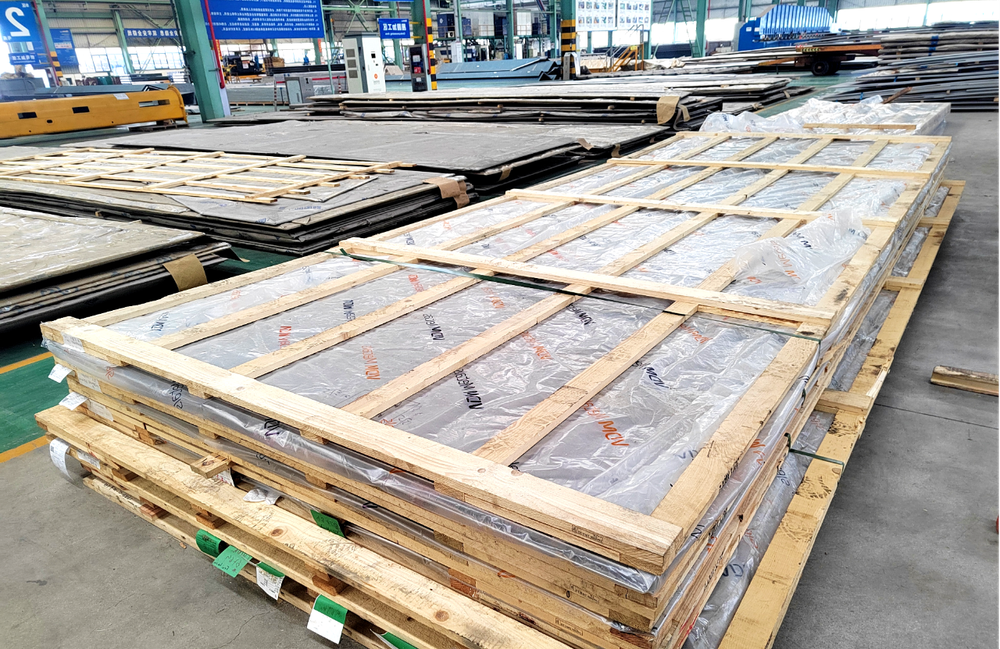
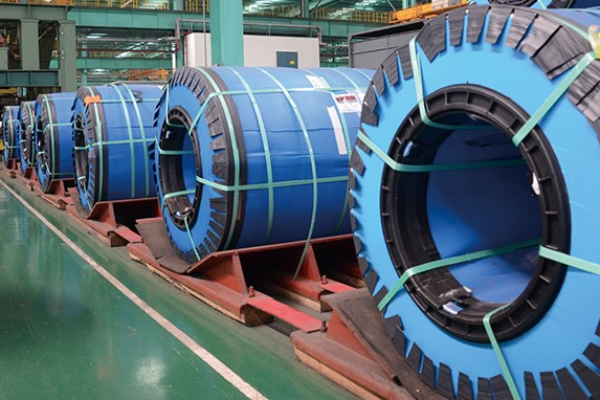
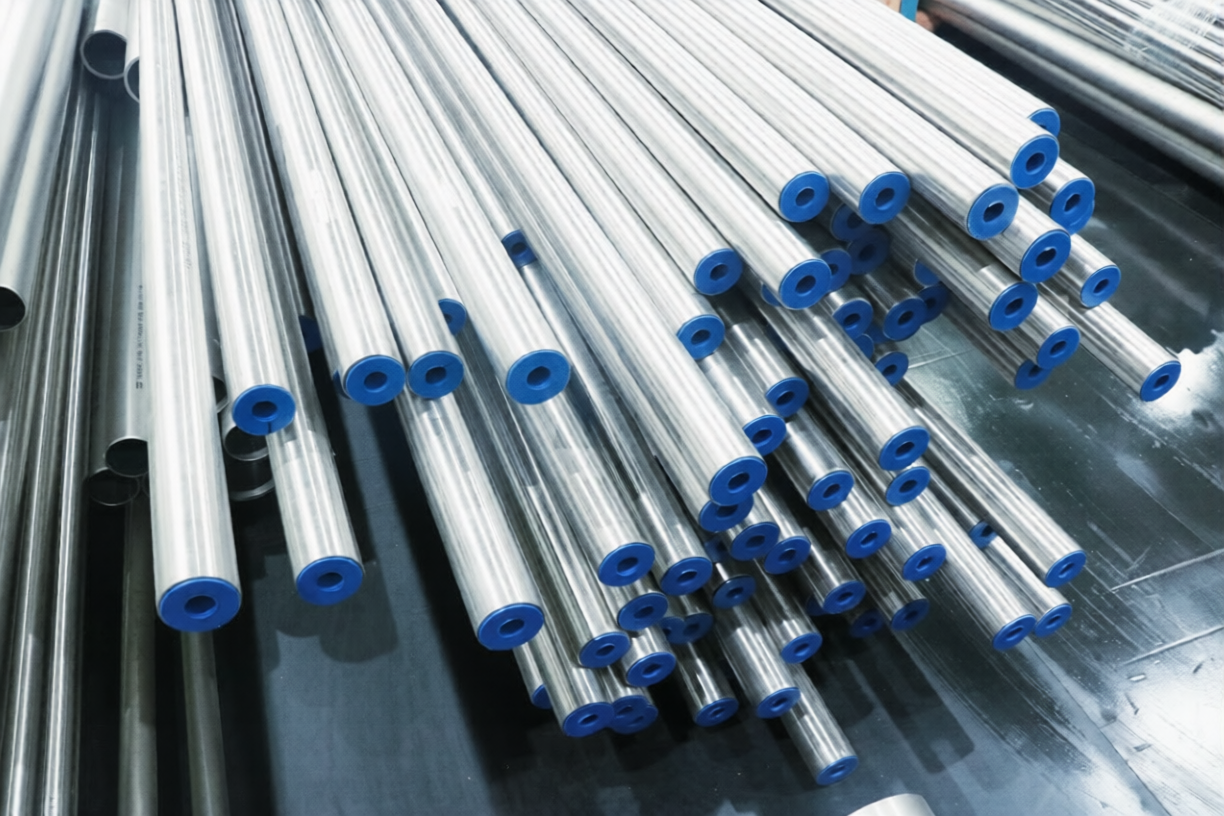
TiAlloy supplies nickel alloy plate, sheet, coil, strip, pipe, tube, bar, rod, wire and forgings across Inconel, Incoloy, Hastelloy, Monel and commercially pure nickel grades, with custom nickel alloy products available to drawing and specification.
 Nickel Alloy Products
01
Plate & Sheet
 Nickel Alloy Products
02
Coil & Strip
 Nickel Alloy Products
03
Pipe & Tube
Nickel Alloy Products
04
Bar & Rod
 Nickel Alloy Products
05
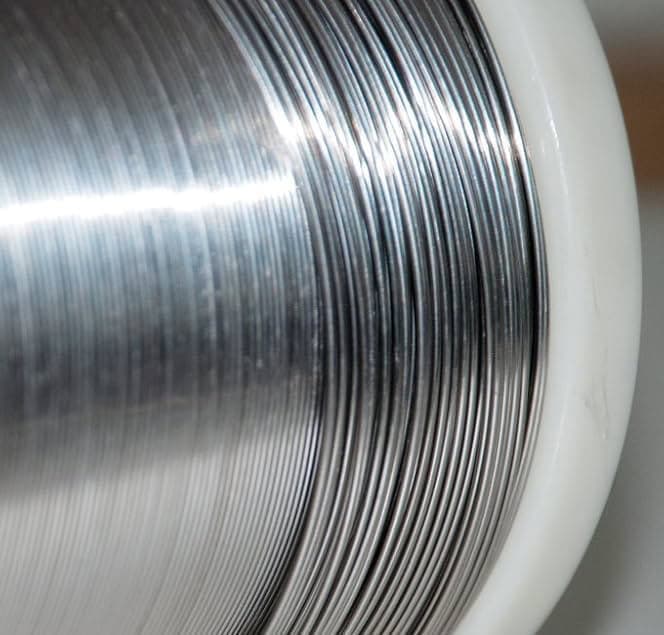
Wire
 Nickel Alloy Products
06
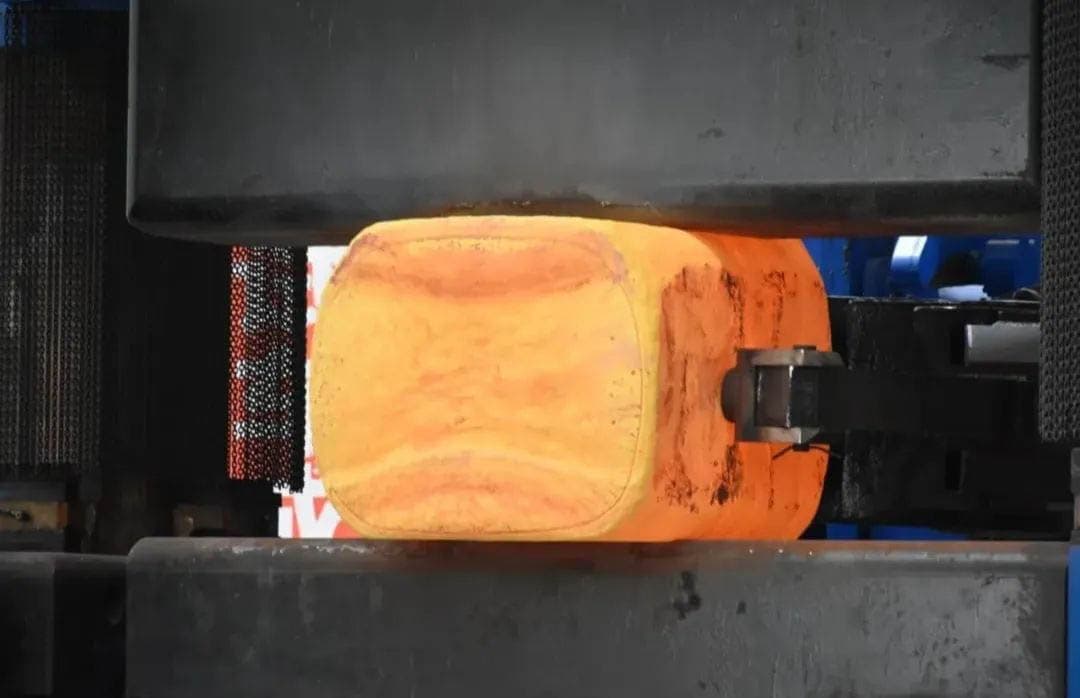
Forgings
 Nickel Alloy Products
07
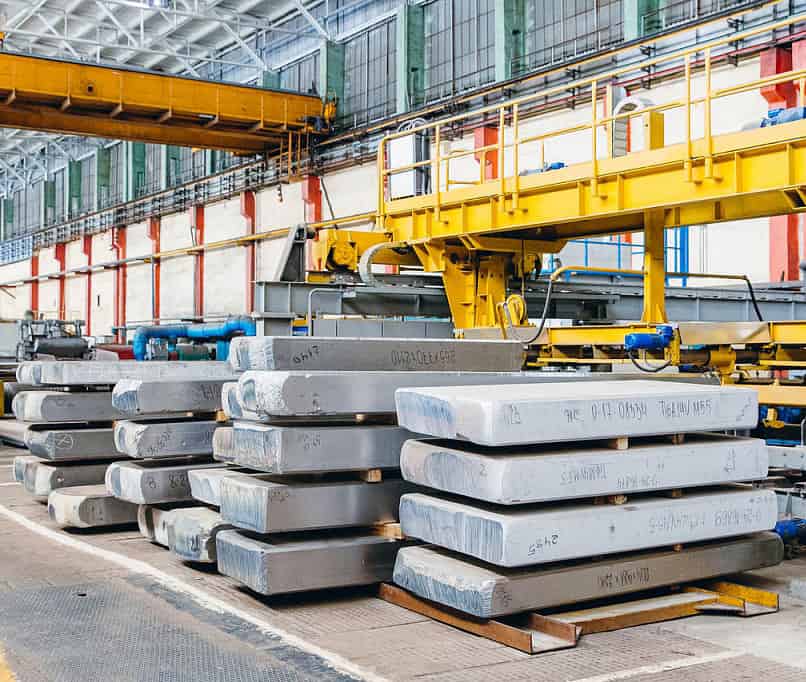
Custom Products
Ni
Product Forms
Need a Specific Nickel Alloy Grade, Product Form or Size?
Send the alloy grade, product form, dimensions, quantity and specification for availability, processing review and quotation.
04
Nickel Alloy Comparison
Common Nickel Alloy Grade Comparison
Compare common nickel alloy grades and understand differences in corrosion resistance, temperature capability, mechanical strength and industrial applications before confirming the required UNS designation and material specification.
Inconel 600 vs 601 Comparison
Inconel 600 vs 601: Temperature and Oxidation Resistance Differences
The difference between Inconel 600 and Inconel 601 is mainly their balance of general high-temperature performance and oxidation resistance. Alloy 601 contains aluminum and is more strongly associated with furnace applications and oxidizing high-temperature environments.
UNS Designations
600 — N06600
601 — N06601
601 — N06601
Comparison
Inconel 600
Inconel 601
Main Difference
General-purpose nickel-chromium alloy for corrosion resistance and high-temperature service.
Nickel-chromium alloy with aluminum addition for improved resistance to high-temperature oxidation.
Applications
Chemical processing, heat-treatment equipment and general elevated-temperature components.
Industrial furnaces, furnace fixtures, thermal processing and cyclic oxidation service.
Selection Note
For buyers comparing Inconel 600 vs 601 for high-temperature service, Alloy 601 is generally evaluated first when oxidation resistance and furnace atmosphere are the dominant requirements.
Inconel 625 vs Hastelloy C276
Inconel 625 vs Hastelloy C276: Corrosion Resistance and Application Differences
The difference between Inconel 625 and Hastelloy C276 is largely the balance between mechanical strength and severe chemical corrosion resistance. Both contain chromium and molybdenum, but C276 is particularly associated with aggressive chemical processing and acid service.
UNS Designations
625 — N06625
C276 — N10276
C276 — N10276
Comparison
Inconel 625
Hastelloy C276
Main Difference
Combines broad corrosion resistance with useful mechanical strength and fabrication capability.
Strongly focused on resistance to severe chemical media, acids and highly corrosive process environments.
Applications
Marine systems, offshore equipment, chemical processing and corrosion-resistant structural components.
Chemical reactors, scrubbers, pollution-control systems and aggressive acid-processing equipment.
Selection Note
When comparing Inconel 625 vs Hastelloy C276 corrosion resistance, process chemistry, acid concentration, chloride level and temperature should determine the final grade.
Inconel 625 vs 718 Comparison
Inconel 625 vs 718: Strength, Corrosion Resistance and Applications
The key difference between Inconel 625 and Inconel 718 is their design priority. Alloy 625 emphasizes corrosion resistance and solid-solution strengthening, while Alloy 718 is precipitation hardenable and selected when substantially higher mechanical strength is required.
UNS Designations
625 — N06625
718 — N07718
718 — N07718
Comparison
Inconel 625
Inconel 718
Main Difference
Solid-solution strengthened alloy with strong corrosion resistance in marine and process environments.
Age-hardenable nickel alloy developed for high tensile and yield strength.
Applications
Chemical piping, seawater equipment, offshore systems and corrosion-resistant fabricated components.
Aerospace components, turbine parts, oil and gas equipment, fasteners and high-load mechanical parts.
Selection Note
Buyers searching Inconel 625 vs 718 strength should treat 718 as the strength-led option, while 625 is commonly selected where corrosion resistance and fabrication dominate.
Hastelloy C22 vs C276 Comparison
Hastelloy C22 vs C276: Corrosion Resistance and Chemical Service Differences
Hastelloy C22 and C276 are both corrosion-resistant Ni-Cr-Mo-W alloys, but their chemistry gives them different strengths. C22 contains more chromium and is strongly associated with oxidizing environments and localized corrosion resistance.
UNS Designations
C22 — N06022
C276 — N10276
C276 — N10276
Comparison
Hastelloy C22
Hastelloy C276
Main Difference
Higher chromium supports resistance to oxidizing media, pitting and crevice corrosion.
High molybdenum content supports broad resistance in severe chemical and reducing environments.
Applications
Chloride-containing process equipment, mixed chemical media and localized-corrosion-sensitive systems.
Chemical processing, acid handling, reactors, scrubbers and severe corrosion-control equipment.
Selection Note
For Hastelloy C22 vs C276 corrosion resistance, oxidizing contaminants, chloride concentration, reducing acids and temperature should all be reviewed.
Incoloy 800H vs 800HT Comparison
Incoloy 800H vs 800HT: Chemistry and High-Temperature Service Differences
The difference between Incoloy 800H and 800HT is mainly tighter chemistry control for elevated-temperature performance. Alloy 800HT specifies a narrower carbon range together with controlled aluminum plus titanium.
UNS Designations
800H — N08810
800HT — N08811
800HT — N08811
Comparison
Incoloy 800H
Incoloy 800HT
Chemistry
Controlled carbon chemistry for improved creep and rupture properties in elevated-temperature service.
Tighter carbon control together with specified aluminum plus titanium content.
Applications
Furnaces, petrochemical heaters, heat-treatment equipment and long-term high-temperature components.
Similar elevated-temperature equipment where the tighter 800HT material requirements are specified.
Selection Note
The practical 800H vs 800HT difference includes chemistry, grain-size and heat-treatment requirements, not operating temperature alone.
Inconel 625 vs Incoloy 825 Comparison
Inconel 625 vs Incoloy 825: Corrosion Resistance, Strength and Acid Service
Inconel 625 and Incoloy 825 are both corrosion-resistant nickel alloys, but they serve different design priorities. Alloy 625 offers higher mechanical strength and strong chloride resistance, while Alloy 825 contains copper and molybdenum and is widely used in acid-processing and chemical equipment.
UNS Designations
625 — N06625
825 — N08825
825 — N08825
Comparison
Inconel 625
Incoloy 825
Main Difference
High-nickel Ni-Cr-Mo-Nb alloy combining corrosion resistance with comparatively high mechanical strength.
Ni-Fe-Cr-Mo-Cu alloy designed around corrosion resistance in acid-containing chemical and process environments.
Applications
Offshore equipment, seawater systems, chemical processing, chloride service and high-strength corrosion-resistant components.
Sulfuric and phosphoric acid processing, chemical equipment, pickling systems, heat exchangers and oil and gas service.
Selection Note
When comparing Inconel 625 vs Incoloy 825 corrosion resistance, Alloy 625 is commonly considered when chloride resistance and strength are important, while Alloy 825 is frequently evaluated for sulfuric, phosphoric and other acid-processing environments.
Inconel 718 vs X-750 Comparison
Inconel 718 vs X-750: Strength, Heat Treatment and High-Temperature Applications
Inconel 718 and Inconel X-750 are precipitation-hardenable nickel alloys used for high-strength service. Alloy 718 is particularly associated with very high mechanical strength and structural components, while X-750 is widely used where high-temperature strength, oxidation resistance and spring performance are required.
UNS Designations
718 — N07718
X-750 — N07750
X-750 — N07750
Comparison
Inconel 718
Inconel X-750
Main Difference
Ni-Cr-Fe precipitation-hardening alloy known for very high strength and good structural stability after aging.
Ni-Cr precipitation-hardening alloy combining elevated-temperature strength, oxidation resistance and useful spring properties.
Applications
Aerospace structures, turbine components, oil and gas tools, bolts, fasteners and high-load rotating components.
High-temperature springs, fasteners, turbine components, furnace hardware and heat-resistant mechanical parts.
Selection Note
For buyers comparing Inconel 718 vs X-750 strength and temperature performance, 718 is normally evaluated first for maximum structural strength, while X-750 remains important for springs and components requiring a combination of strength and oxidation resistance at elevated temperature.
Ni
Grade Compare
Need Another Nickel Alloy Grade Comparison?
Send the two nickel alloy grades together with service temperature, process media, chloride or acid exposure, pressure and application requirements for a specification-based comparison.
05
Nickel Alloy Material Standards
Nickel Alloy Standards — ASTM, ASME & SAE AMS
Nickel alloy material requirements are commonly specified through ASTM product standards, ASME BPVC material specifications and SAE AMS aerospace specifications. The applicable standard depends on alloy grade, UNS designation, product form, condition and end use.
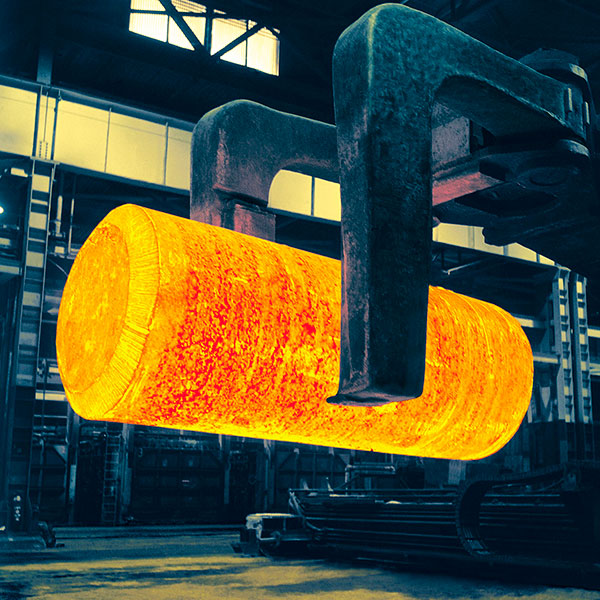
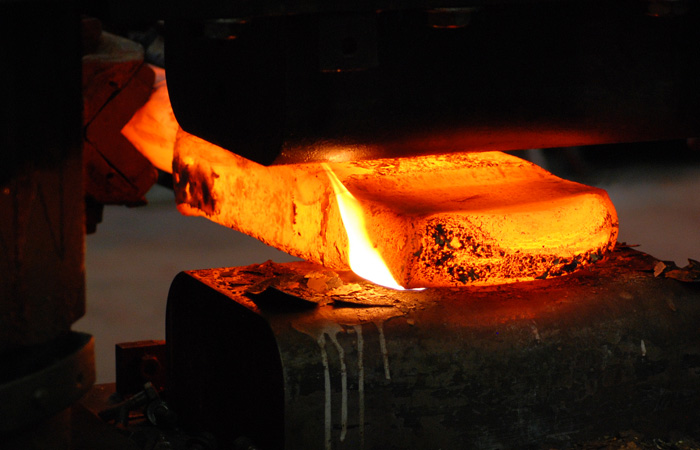
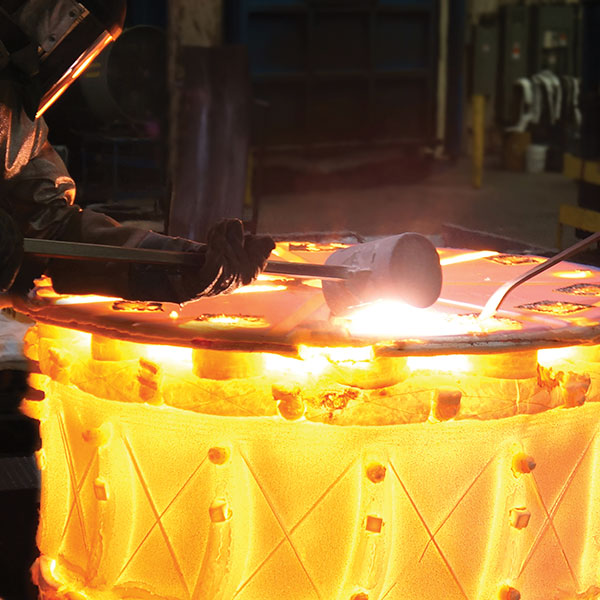
01 / Industrial
ASTM
Product Standards
Plate, sheet, pipe, tube, bar, forgings and fittings.
ASTM B443 Inconel 625 Plate
ASTM B444 Inconel 625 Seamless Pipe / Tube
ASTM B575 Hastelloy C276 Plate
ASTM B574 Hastelloy C276 Bar
ASTM B423 Incoloy 825 Pipe / Tube
ASTM B670 Inconel 718 Plate
02 / Pressure Equipment
ASME
BPVC Section II Part B
Boilers, pressure vessels, exchangers and process equipment.
ASME SB-443 Alloy 625 Plate
ASME SB-444 Alloy 625 Pipe / Tube
ASME SB-575 C22 / C276 Plate
ASME SB-574 C22 / C276 Bar
ASME SB-409 / SB-407 800 / 800H / 800HT
ASME SB-637 Precipitation-Hardening Alloys
03 / Aerospace
AMS
SAE Aerospace Materials
High-strength, turbine and heat-resistant nickel alloys.
AMS 5599 Inconel 625 Sheet / Plate
AMS 5581 Inconel 625 Tubing
AMS 5596 Inconel 718 Sheet / Plate
AMS 5662 / 5663 Inconel 718 Bar / Forgings
AMS 5542 Inconel X-750 Sheet / Plate
AMS 5667 Inconel X-750 Bar / Forgings
Full Nickel Alloy Specification Range
ASTM Standards
Flat Products
B162 Nickel 200 / 201 ·
B127 Monel 400 ·
B168 Inconel 600 / 601 and covered Ni-Cr alloys ·
B409 800 / 800H / 800HT ·
B424 Alloy 825 ·
B443 Alloy 625 ·
B575 C22 / C276 / 59 / 686 ·
B670 Alloy 718 ·
B872 precipitation-hardening nickel alloys
Seamless Pipe / Tube
B161 Nickel 200 / 201 ·
B163 condenser / heat-exchanger tube ·
B165 Monel 400 ·
B167 Ni-Cr-Fe alloys ·
B407 800 / 800H / 800HT ·
B423 Alloy 825 ·
B444 Alloy 625 ·
B622 corrosion-resistant Ni-Cr-Mo alloys
Welded Pipe / Tube
B515 Ni-Fe-Cr welded tube ·
B619 welded corrosion-resistant nickel alloy pipe ·
B626 welded corrosion-resistant nickel alloy tube ·
B704 Alloy 625 / 825 welded tube ·
B705 Alloy 625 / 825 welded pipe ·
B673 Ni-Fe-Cr-Mo-N welded pipe
Bar / Forgings / Fittings
B160 Nickel 200 / 201 bar ·
B164 Monel 400 bar / wire ·
B166 Ni-Cr alloy rod / bar / wire ·
B425 Alloy 825 bar ·
B446 Alloy 625 bar ·
B574 C22 / C276 / 59 / 686 bar ·
B564 nickel alloy forgings ·
B637 precipitation-hardening bars / forgings ·
B366/B366M wrought fittings ·
B462 forged flanges / fittings / valve parts ·
B472 billets and bars for reforging
ASME Materials
Flat / Tubular
Common BPVC Section II Part B references include
SB-127,
SB-162,
SB-163,
SB-165,
SB-167,
SB-168,
SB-409,
SB-423,
SB-424,
SB-443,
SB-444,
SB-575,
SB-619,
SB-622 and
SB-626, where adopted by the governing BPVC edition.
Bar / Forgings
Common references include
SB-164,
SB-166,
SB-425,
SB-446,
SB-564,
SB-574 and
SB-637.
The required ASME edition and adopted specification revision should be confirmed with the order.
SAE AMS
Inconel 600
AMS 5540 sheet / strip / plate ·
AMS 5580 tubing ·
AMS 5665 bars / forgings / rings
Inconel 625
AMS 5599 sheet / strip / plate ·
AMS 5581 seamless or welded tubing ·
AMS 5666 bars / forgings / rings
Inconel 718
AMS 5596 sheet / strip / plate ·
AMS 5589 seamless tubing ·
AMS 5662 solution-treated bars / forgings / rings ·
AMS 5663 solution and precipitation heat-treated bars / forgings / rings
Inconel X-750
AMS 5542 sheet / strip / plate ·
AMS 5667 bars / forgings / rings
Specification Control
Confirm the alloy / UNS designation, product form, ASTM, ASME or AMS specification, applicable revision or BPVC edition, dimensions, heat-treatment condition, inspection requirements and material certification before production.
STD
ASTM
ASME
AMS
ASME
AMS
Need Nickel Alloy to a Specific Material Specification?
Send the alloy, product form, specification, required condition and quantity for standard review, availability and quotation.
06
Process
Condition
Condition
Nickel Alloy Melting, Heat Treatment & Mill Condition
From Melting Route to Final Finish
Nickel alloy melting, remelting, heat treatment and final surface condition depend on alloy grade, product form, specification and service requirements. The required production route should be defined according to the material and final application.
Melting & Remelting
Nickel Alloy Melt Route
VIM
Vacuum Induction Melting
Composition · gas · impurity control
VAR
Vacuum Arc Remelting
Cleanliness · segregation · solidification control
ESR
Electroslag Remelting
Inclusion control · structural uniformity
VIM + VAR / ESR
Double / Multiple Melt
Critical-service or specification-controlled routes
Melting route is specification-dependent. VIM, VAR, ESR or combined melt practices may be specified according to alloy grade, product form, cleanliness requirements and service conditions; they are not universal requirements for every nickel alloy product.
01 / FORMING
HOT WORKED
Hot Rolled · Forged
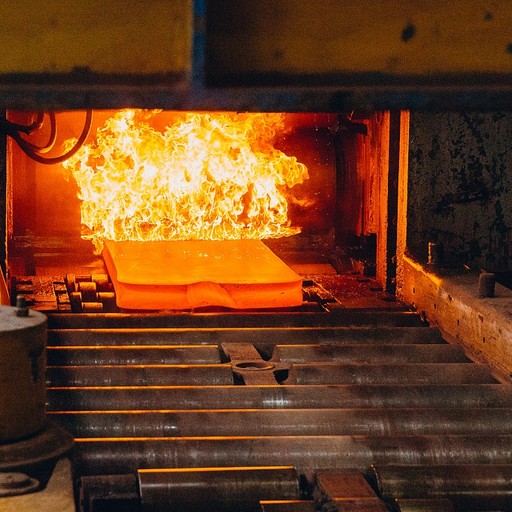
02 / CONDITION
HEAT TREATED
Annealed · Solution Annealed · Aged
03 / CLEANING
PICKLED / CLEANED
Scale Removal · Surface Preparation

04 / FINISHING
MACHINED / POLISHED
Peeled · Turned · Ground · ID / OD Polished
Heat Treatment Depends on Alloy
Grade-Specific Condition
Inconel 625
Annealed / Solution Annealed
Inconel 718
Solution Treated / Solution Treated + Aged
Inconel X-750
Specification-specific solution treatment and ageing
Final heat-treatment condition follows the applicable ASTM, ASME or SAE AMS specification, product form and required mechanical properties.
Supply Conditions
Available by Product Form
Plate / Sheet / Strip
Hot Rolled · Cold Rolled · Annealed / Solution Annealed · Pickled · Polished
Pipe / Tube
Solution Annealed · Pickled · Bright Annealed where applicable · ID / OD Polished
Bar / Rod
Hot Rolled · Forged · Annealed · Peeled · Turned · Ground · Polished
Forgings
As Forged · Heat Treated · Rough Machined · Finish Machined
Define the Supply
Alloy / UNS
Product Form
Melting Route
ASTM / ASME / AMS
Heat Treatment
Surface Finish
Dimensions
Inspection
HT
06
Process
Process
Specify the Required Production & Supply Condition
Send the alloy grade, product form, specification, required melting route, heat treatment, surface condition and dimensions for supply confirmation.
07
Nickel Alloy Manufacturing & Processing
Nickel Alloy Manufacturing & Processing Capabilities
Nickel alloy production routes are selected according to alloy grade, UNS designation, product form, applicable ASTM / ASME / AMS standard and final service requirement. TiAlloy supports nickel alloy plate, sheet, strip, pipe, tube, bar, rod, wire and forgings with coordinated forming, heat treatment, finishing and machining review.
Usually Defined with the Order
Grade / UNS · Product Form · Standard · Condition · Finish
Nickel 200 / 201
Monel 400
Inconel 625
Inconel 718
Hastelloy C276
Incoloy 825
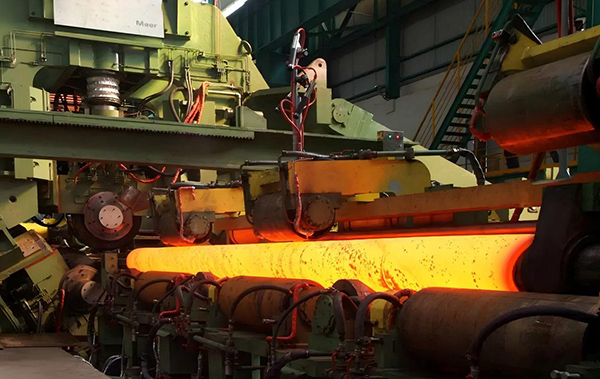
Primary Processing
Nickel alloy manufacturing may involve forging, hot rolling, cold rolling, ring rolling or tube-making routes depending on the required product form, dimensions and material specification.
Production Logic
Process Route Follows the Alloy and Product Form
High-temperature grades, corrosion-resistant grades and precipitation-hardening nickel alloys do not all follow the same route. Flat products, tubular products, long products and forgings are reviewed against the required alloy family, specification and final application before production or supply is confirmed.
Typical Supply Scope
Common manufacturing and processing coverage includes nickel alloy forging, nickel alloy hot rolling, cold rolling, solution annealing, ageing, seamless tube production, bar finishing, plate processing, machining and cut-to-size supply for industrial procurement.
Flat, Long & Forged Product Routes
Forging · Hot Rolling · Cold Rolling · Ring Rolling
Used for nickel alloy plate, sheet, strip, bar, rod, forging stock, rings and discs, with route selection depending on alloy family, section size and specification requirements.
Condition Control for Tubular and Mill Products
Tube Making · Solution Annealing · Bright Annealing · Ageing
Seamless pipe and tube, along with selected bar or forging grades, may require alloy-specific heat-treatment conditions to meet ASTM, ASME or AMS material requirements.
Dimensional and Surface Preparation
Pickling · Peeling · Turning · Grinding · Polishing · Machining
Final processing may include surface cleaning, tighter tolerance finishing, semi-finished machining or fully machined nickel alloy components according to drawing and order definition.

Tube manufacturing, annealing and finishing routes are reviewed according to alloy grade, tube size, wall thickness and inspection requirements.

Bar and forging supply can include peeled, turned, ground, polished or machined condition for tighter dimensional control and improved final surface quality.
MFG
Processing Route
Need a Specific Nickel Alloy Production or Processing Route?
Send the alloy grade, product form, size, ASTM / ASME / AMS specification and required finish or heat-treatment condition for availability review and quotation.
08
Size / Custom
Nickel Alloy Dimensions & Processing
Nickel Alloy Sizes & Custom Processing
Nickel alloy dimensions are supplied according to grade, product form and material specification. Standard mill sizes, cut lengths and custom dimensions can be reviewed together with tolerance, finish, machining and inspection requirements.
Useful RFQ Information
Grade / UNS · Product Form · Dimensions · Tolerance · Finish · Quantity
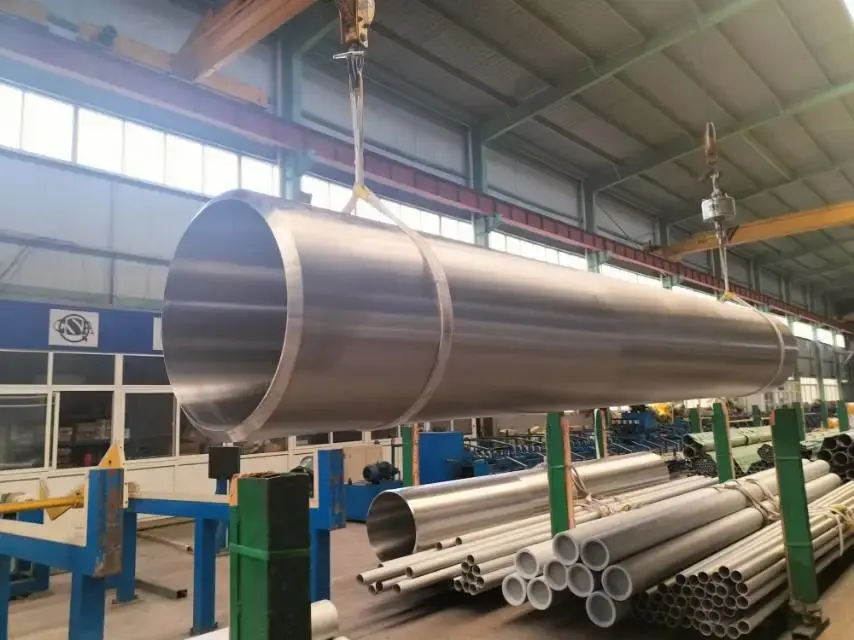
Size Control
Thickness · Width · Length · OD · Wall Thickness · Diameter · ID · Machining Allowance
01 / FLAT PRODUCTS
Plate / Sheet / Coil
Thickness
Width
Length
Coil Width
Cut-to-Size
Nickel alloy plate and sheet dimensions are confirmed according to grade, specification and required finished size.
02 / TUBULAR PRODUCTS
Pipe / Tube
OD
Wall Thickness
Length
NPS
Schedule
Cut Length
Seamless and welded nickel alloy tube dimensions are reviewed against manufacturing route, tolerance and applicable ASTM / ASME specification.
03 / LONG PRODUCTS
Bar / Rod
Diameter
Length
Tolerance
Turned Size
Ground Size
Nickel alloy round bar can be supplied in mill, peeled, turned, ground or polished dimensions where required.
04 / DRAWING PARTS
Forgings / Custom Parts
OD
ID
Height
Drawing Dimensions
Machining Allowance
Rings, discs, blocks and custom nickel alloy components can be reviewed from drawings or dimensional RFQ data.
Custom Processing
From Mill Size to Required Dimension
Additional processing can be specified with the material order to reduce downstream preparation before fabrication or machining.
Cutting
Saw Cutting · Plate Cutting · Cut Length · Blank Preparation
Slitting
Coil / Strip Width Control · Narrow Strip Supply
Bar Finishing
Peeling · Turning · Grinding · Polishing
Machining
Drilling · Boring · Milling · Rough / Finish Machining
Tube Finishing
Cut Length · End Preparation · ID / OD Polishing
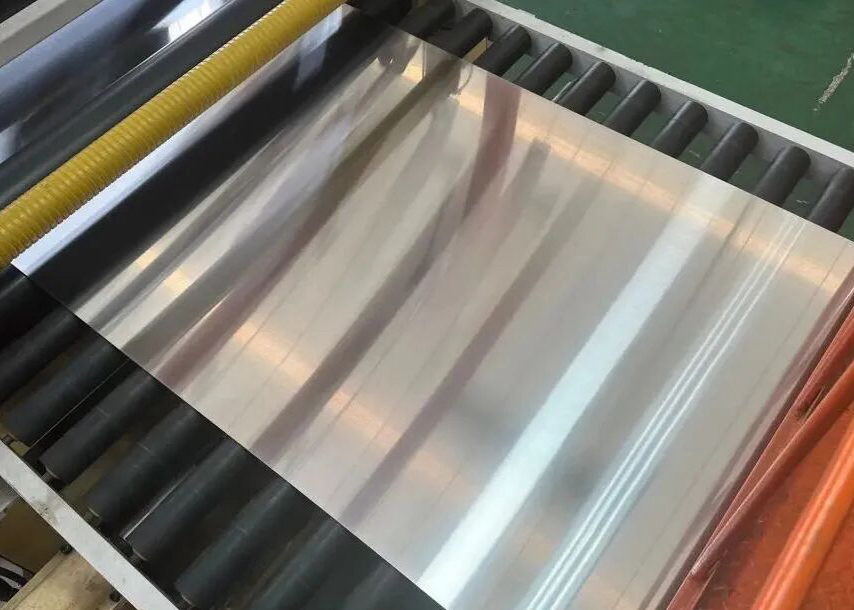
Define the Required Size
Alloy / UNS
Product Form
Material Standard
Dimensions
Tolerance
Finish / Processing
Quantity
SIZE
Cut / Machine
Need a Non-Standard Nickel Alloy Size?
Send the alloy, product form, dimensions, tolerance, finish, processing requirement and quantity for size availability review.
09
Service Environment
Nickel Alloy Service Categories
Corrosion-Resistant & High-Temperature Nickel Alloys
Nickel alloys are selected for very different service demands. Some grades are developed primarily for acids, chlorides and aggressive chemical environments, while others are selected for oxidation resistance, elevated-temperature stability or high mechanical strength.
Selection Inputs
Media · Temperature · Pressure · Chlorides · Acids · Strength · Fabrication
CR
Corrosion
Resistance
Resistance
Nickel Alloys for Aggressive Chemical & Chloride Service
Corrosion-resistant nickel alloys are commonly considered for chemical processing, pollution-control systems, heat exchangers, acidic process streams and chloride-containing environments where conventional stainless steels may not provide sufficient resistance.

Chlorides / Seawater
Alloy 625 · C22 · C276 · Alloy 59 · Alloy 686
Mixed Acids
C276 · C22 · Alloy 59 · Alloy 31 · Alloy 825
Reducing Acids
Hastelloy B2 · B3 · selected Ni-Mo alloys
Pollution Control
C276 · C22 · Alloy 59 · Alloy 625 · Alloy 686
General Chemical Service
Alloy 625 · Alloy 825 · Alloy 31 · C22 · C276
Typical Corrosion-Resistant Grades
Alloy 625 · Hastelloy C276 · Hastelloy C22 · Alloy 59 · Alloy 686 · Hastelloy B2 · Hastelloy B3 · Incoloy 825 · Alloy 31
HT
High Temperature
& Strength
& Strength
Nickel Alloys for Heat, Oxidation & High-Strength Service
High-temperature nickel alloys are used where oxidation resistance, creep strength, thermal stability or precipitation-hardened mechanical strength is required in furnaces, power equipment, thermal-processing systems and aerospace or turbine-related components.

Oxidation Service
Inconel 600 · 601 · 602CA · Haynes 230
Furnace Equipment
Alloy 601 · 602CA · 617 · Hastelloy X · Haynes 230
Elevated-Temp Strength
Alloy 617 · Inconel 718 · X-750 · Nimonic 80A · Nimonic 90
Turbine / Aerospace
Inconel 718 · X-750 · Nimonic 75 · 80A · 90
Thermal Processing
Inconel 600 · 601 · 602CA · Hastelloy X · Haynes 230
Typical High-Temperature / High-Strength Grades
Inconel 600 · 601 · 602CA · Alloy 617 · Inconel 718 · X-750 · Hastelloy X · Nimonic 75 · 80A · 90 · Haynes 230
Material Selection Logic
Define the Service First
Process Media
Temperature
Pressure
Corrosion Mechanism
Mechanical Load
Product Form
Specification
Alloy selection should be confirmed against the actual operating environment, fabrication route and governing design specification.
Ni
Service
Selection
Selection
Need a Nickel Alloy for a Specific Service Environment?
Send the process media, operating temperature, pressure, required product form and material specification for grade and supply review.
10
Industries
Nickel Alloy Industrial Applications
Nickel Alloy Industries & Applications
Nickel alloys are used in chemical processing, oil and gas, marine, aerospace, power and high-temperature equipment where corrosion resistance, heat resistance or high mechanical strength is required.
Chemical & Petrochemical
Reactors · Heat Exchangers · Process Vessels · Acid Piping
C276 · C22 · 625 · 825 · Alloy 59

Oil & Gas
Downhole Tools · Subsea · Wellheads · Sour Service · Fasteners
625 · 718 · 725 · 925 · K-500

Marine & Offshore
Seawater Piping · Pumps · Valves · Shafts · Offshore Equipment
625 · Monel 400 · K-500 · C276 · 825

Desalination & Heat Exchange
Condensers · Tubing · Tube Sheets · Evaporators · Brine Systems
625 · 825 · C276 · C22 · Monel 400

Power Generation
Boilers · Steam Systems · Turbine Parts · Piping · Fasteners
600 · 625 · 690 · 718 · 800HT
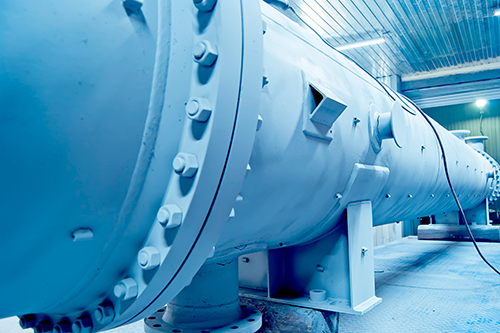
Heat Treatment & Furnaces
Radiant Tubes · Retorts · Furnace Internals · Trays · Fixtures
601 · 602CA · 617 · Hastelloy X · Haynes 230

Aerospace & Gas Turbine
Turbine Parts · Forgings · Rings · Fasteners · Structural Components
718 · X-750 · 625 · Nimonic 80A · Nimonic 90
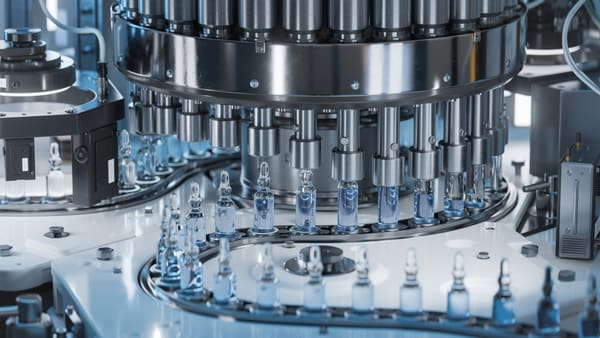
Environmental & Pollution Control
FGD · Scrubbers · Absorbers · Ducting · Waste Treatment
C276 · C22 · Alloy 59 · 625 · Alloy 686
Application-Based Supply
Common requirements include Inconel 625 for marine and chemical processing, Inconel 718 for aerospace applications, C276 / C22 for chemical and FGD systems, and 601 / 617 / Haynes 230 for high-temperature furnace service.
APP
Industry
Service
Service
Need Nickel Alloy for a Specific Application?
Send the service environment, equipment type, product form and material specification for supply review.
11
Inspection
Nickel Alloy Quality Release
Nickel Alloy Inspection, Testing & Certification
Nickel alloy orders can be supplied with heat-number traceability, material testing and inspection documentation according to the product specification and purchase requirements.
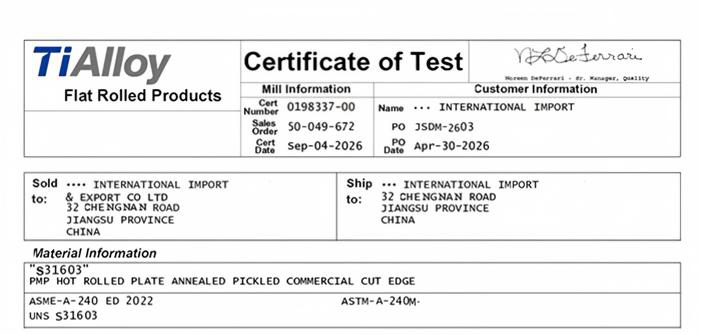
Heat Number Traceability
Heat No.
Material
Test Results
MTC / MTR
Heat-number identification can be maintained through material handling, processing and final documentation where required by the order.
01
Heat Number
Material identification, grade / UNS and traceability reference.
02
Chemical Analysis
Chemistry verification against the applicable nickel alloy specification.
03
Mechanical Testing
Tensile strength · yield strength · elongation · hardness where applicable.
04
Product / NDT Testing
UT · ET · hydrostatic · dimensional · visual or other testing when required.
05
Document Release
MTC / MTR · EN 10204 3.1 · 3.2 or third-party inspection when specified.
01 / Material Verification
Identity & Chemistry
Chemical Analysis · PMI · Heat Number · Grade / UNS
Material verification supports nickel alloy identification and traceability before final release.
02 / Product Testing
Mechanical & NDT
Tensile · Hardness · UT · ET · Hydrostatic · Dimensional Inspection
Test scope follows product form, material specification and purchase requirements.
03 / Documentation
Certification & Release
MTC / MTR · EN 10204 3.1 · EN 10204 3.2 · Third-Party Inspection
Certificate and witness requirements should be confirmed before production or release.

UT, ET, hydrostatic and dimensional inspection can be applied where required by the governing product specification or purchase order.

Material certificates can record heat number, chemical composition, mechanical properties and required inspection results.
Testing Scope Depends on the Product
Required inspection varies by nickel alloy grade, product form and governing ASTM, ASME or SAE AMS specification. PMI, UT, ET, hydrostatic testing, mechanical testing and EN 10204 certification should therefore be confirmed against the actual RFQ rather than treated as universal requirements for every product.
QC
Test
Certify
Certify
Need Specific Inspection or Certification Requirements?
Define the alloy, product form, material standard, testing scope and required certificate type with the RFQ.
12
Supply & Export
Nickel Alloy Supply
Nickel Alloy Supply, Quotation & Export
Send the alloy grade, product form, size, quantity and specification for quotation, processing and international supply review.
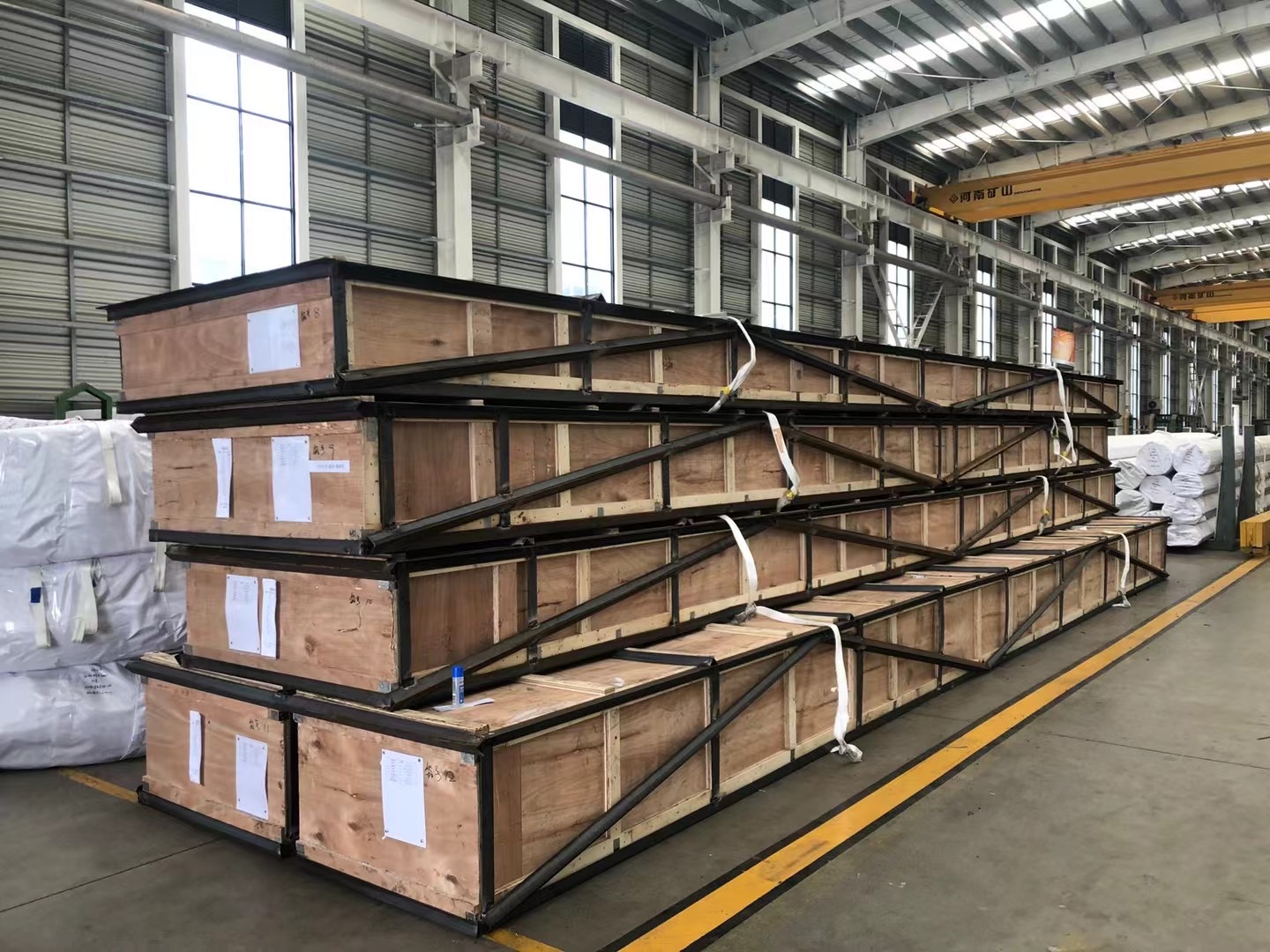
Material preparation, inspection and export packing.
01
RFQ
Grade · Form · Size · Quantity · Standard
02
Quotation
Price · MOQ · Lead Time · Processing
03
Supply
Material · Inspection · Documentation · Packing
04
Export
Incoterms · Shipping Documents · Delivery
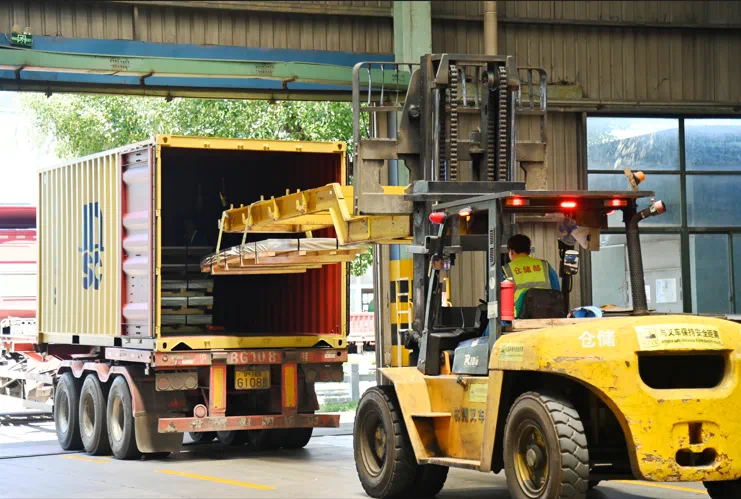
International shipment according to order size and delivery requirements.
Quote
Quotation
Based on alloy, form, size, quantity and specification.
Supply
MOQ & Lead Time
Confirmed according to grade, product form and order requirements.
Export
Packing & Documents
Export packing, MTC / MTR and required shipment documents.
Delivery
International Supply
EXW · FOB · CFR · CIF or other agreed Incoterms.
RFQ
Nickel
Alloy
Alloy
Request a Nickel Alloy Quote
Grade · Product Form · Size · Quantity · Standard · Inspection
13
FAQ
Nickel Alloy Technical Questions
Nickel Alloy FAQs
Answers to common questions about nickel alloy grades, product forms, standards, applications, testing, certification and supply.
01 What nickel alloy grades does TiAlloy supply?
Supply scope includes Nickel 200 / 201, Monel 400 / K-500, Inconel 600 / 601 / 617 / 625 / 690 / 718 / 725 / X-750, Incoloy 800 / 800H / 800HT / 825 / 925, Hastelloy C22 / C276 / B2 / B3, Alloy 20 / 28 / 31 / 59 and other nickel-based alloys.
02 What nickel alloy product forms are available?
Nickel alloys are available as plate, sheet, coil, strip, pipe, tube, bar, rod, wire and forgings. Cut-to-size, machining, surface finishing and other processing can be reviewed with the RFQ.
03 What is the difference between Inconel 625 and Inconel 718?
Inconel 625 combines corrosion resistance with good strength and is normally supplied without precipitation hardening. Inconel 718 is precipitation-hardenable and is widely selected when substantially higher mechanical strength is required.
04 What is the difference between Hastelloy C22 and C276?
Both are Ni-Cr-Mo corrosion-resistant alloys. C276 contains more molybdenum and includes tungsten, while C22 has higher chromium. Selection depends on the actual chemical medium, concentration, temperature and process conditions.
05 What is the difference between Inconel 600 and Inconel 601?
Inconel 600 is a general-purpose Ni-Cr alloy with good high-temperature and corrosion performance. Inconel 601 contains aluminum, improving oxidation resistance and making it particularly useful for furnace and thermal-processing equipment.
06 What is the difference between Incoloy 800H and 800HT?
Both are controlled versions of Alloy 800 for elevated-temperature service. 800HT has tighter carbon, aluminum and titanium controls and a specified heat treatment intended to support high-temperature creep and rupture properties.
07 Which nickel alloys are used for high-temperature service?
Common high-temperature grades include Inconel 600, 601, 602CA, Alloy 617, Hastelloy X and Haynes 230. Grades such as 718, X-750 and Nimonic alloys are also used where elevated-temperature mechanical strength is important.
08 Which nickel alloys are commonly used for corrosion-resistant applications?
Frequently considered corrosion-resistant nickel alloys include 625, C276, C22, Alloy 59, Alloy 686, B2, B3, 825 and Alloy 31. The correct grade depends on the corrosive medium, concentration, temperature and contamination conditions.
09 What ASTM standards are commonly used for nickel alloys?
ASTM specifications depend on the alloy and product form. Common examples include ASTM B443 for Alloy 625 plate / sheet / strip, ASTM B444 for seamless Alloy 625 pipe and tube, and ASTM B575 for several Ni-Cr-Mo corrosion-resistant alloys.
10 Can nickel alloys be supplied to ASME or SAE AMS specifications?
Yes, where the required alloy and product form are covered by the applicable specification. ASME material specifications are commonly used for pressure equipment, while SAE AMS specifications are widely used for aerospace and high-performance applications.
11 Can nickel alloy materials be supplied with EN 10204 3.1 certification?
Yes. EN 10204 3.1 inspection certification can be supplied when specified and applicable to the order. EN 10204 3.2 requirements should be agreed before production or material release.
12 Can PMI, UT, ET or third-party inspection be arranged?
PMI, ultrasonic testing, eddy-current testing, hydrostatic testing and third-party inspection can be arranged where applicable. The required inspection scope should be defined according to the product form, governing specification and purchase order.
13 Can nickel alloys be supplied in custom sizes or with machining?
Yes. Depending on the alloy and product form, supply can include cut-to-size plate, slitting, bar finishing, tube finishing, machining and drawing-based custom dimensions. Feasibility is confirmed against the actual size and specification.
14 What information is required to request a nickel alloy quotation?
Provide the alloy grade or UNS number, product form, dimensions, quantity, material standard, heat-treatment or surface condition, inspection requirements and required delivery terms. Drawings can be included for machined or custom products.
ASK
Nickel
Alloy
Alloy
Need Help with a Nickel Alloy Requirement?
Grade · Product Form · Size · Standard · Application · Quantity