Get in Touch with TiAlloy Company

Super Duplex 2507 · UNS S32750 · EN 1.4410
Super Duplex 2507 Stainless Steel for Aggressive Industrial Service
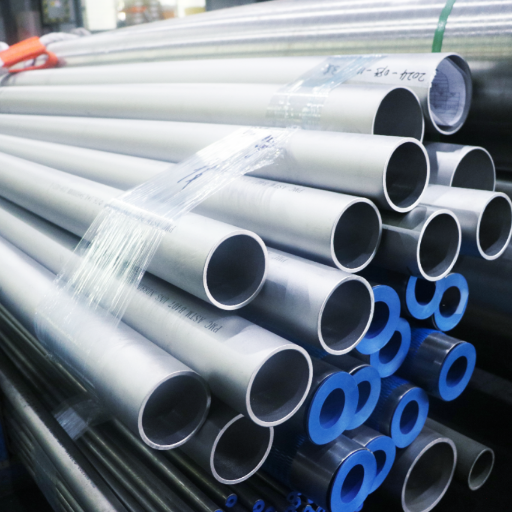
TiAlloy supplies Super Duplex 2507 plate, sheet, coil, pipe, tube, round bar and forged components for offshore, chemical processing, desalination, marine and other chloride-containing industrial applications. Product sourcing, processing, inspection documentation and export delivery are coordinated to the requirements of each order.
2507 Plate
2507 Sheet
2507 Coil
2507 Pipe
2507 Tube
2507 Bar
Forgings
Supply Scope
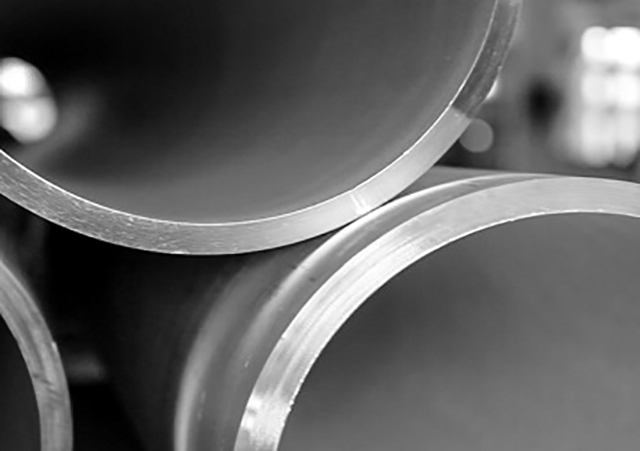
Plate · sheet · coil · pipe · tube · bar · forgings · cut-to-size processing
20+ Years
Reported metal manufacturing experience
30,000+ m²
Reported production base
Project Supply
Flat products, pipe, tube, bar and forged components
Export Support
Inspection documents, packing and international delivery coordination
Super Duplex 2507 Supply
UNS S32750
EN 1.4410
Solution-Annealed Products
Cut-to-Size
MTC / MTR
EN 10204 3.1 When Specified
PMI & NDT When Specified
Export Packing
Super Duplex 2507 Performance
Corrosion Resistance, Fabrication and Inspection of Super Duplex 2507
Super Duplex 2507 combines high chromium, molybdenum and nitrogen content with a ferritic-austenitic duplex structure. It is widely used where high resistance to pitting, crevice corrosion and chloride stress corrosion cracking is required together with high mechanical strength.
UNS
S32750
EN
1.4410
Structure
Ferrite + Austenite
Alloy System
25Cr–7Ni–4Mo–N
Duplex Quality Control
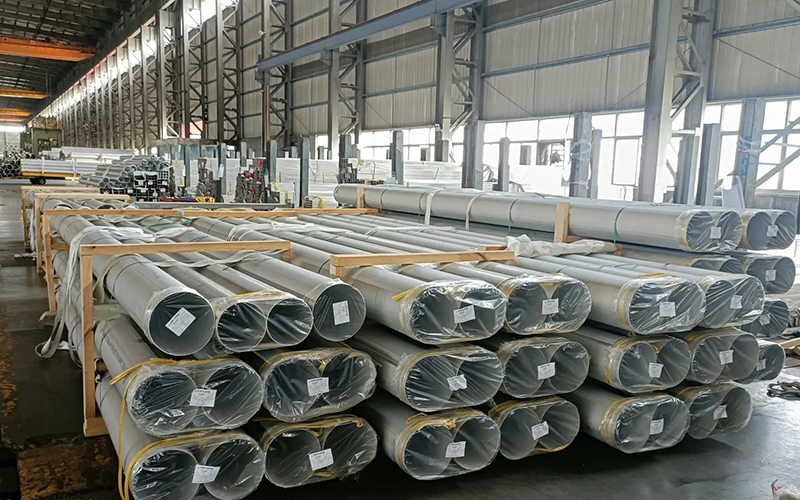
ISO 17781 requirements can be applied where specified for duplex stainless steel fabrication, welding and quality control.
Performance Through Material and Fabrication Control
The corrosion resistance of 2507 depends on the alloy chemistry and duplex microstructure as well as welding, heat treatment, surface condition and the operating environment.

Corrosion Environment
Chloride and Process Service
2507 is used in aggressive chloride-containing and process environments where resistance to localized corrosion and chloride SCC is important.
- Chloride concentration and process chemistry
- Operating temperature and pressure
- Crevices, deposits and flow conditions
- Pitting and crevice-corrosion exposure

Fabrication
Welding and Heat Treatment
Duplex phase balance and corrosion performance are influenced by thermal history, so welding and heat treatment require controlled procedures.
- Qualified welding procedure and filler metal
- Controlled weld heat input
- Solution annealing where applicable
- Pickling, passivation and surface finishing
Inspection
Testing and Traceability
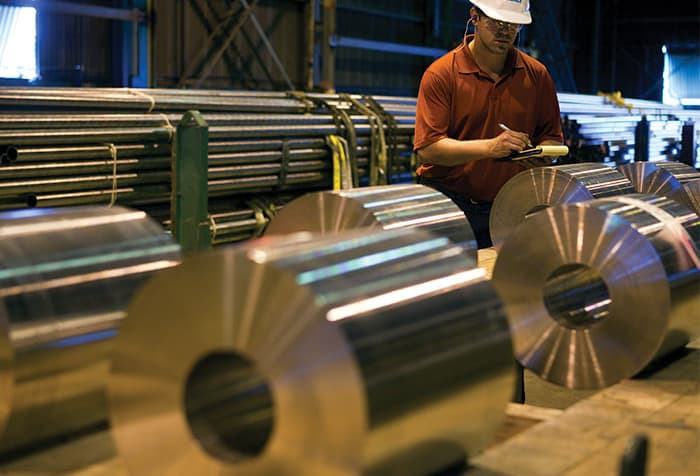
Inspection documentation can include standard material results and supplementary testing required for duplex products or project specifications.
- Heat-number and lot traceability
- MTC / MTR and EN 10204 documents
- ASTM A923 testing when specified
- PMI, NDT and third-party inspection when required
2507
Super Duplex Stainless Steel
Available Forms
Plate
Sheet
Coil
Pipe
Tube
Round Bar
Forgings
Material Documentation
MTC / MTR
EN 10204 3.1
Heat Traceability
PMI When Specified
NDT When Specified
ASTM A923 When Specified
Super Duplex 2507 Product Range
Super Duplex 2507 Product Forms and ASTM Standards
Super Duplex 2507 plate, sheet, coil, pipe, tube, bar and forged components are supplied to the applicable product specification, dimensions, condition and processing requirements.
UNS S32750
EN 1.4410
Plate to Forgings
Cut-to-Size Processing
Product Form
ASTM Standard
Ordering Format
Typical Supply
Plate / Sheet / Coil
ASTM A240/A240M
Thickness × width × length, or coil width / thickness
Solution annealed, pickled, mill finish or cut-to-size as ordered
Pipe
ASTM A790/A790M
NPS × schedule or OD × wall thickness × length
Seamless or welded route according to specification and order
Tube
ASTM A789/A789M
OD × wall thickness × straight length
Seamless or welded tube with ordered dimensional and surface requirements
Round Bar / Shapes
ASTM A276/A276M or A479/A479M
Diameter or section size × length
Hot-finished, forged, peeled, turned, ground or machined as applicable
Forgings / Flanges
ASTM A182/A182M F53
Component size, class, drawing or rough forging dimensions
Forged, heat treated and machined according to the ordered component
Applicable Specification
Standards are shown without edition years. The applicable revision, product dimensions, condition and any supplementary project requirements should be stated in the order.
Processing and Supply Options
Super Duplex 2507 can be supplied as mill material or with additional cutting, finishing and machining according to the required dimensions, surface condition and delivery format.
01
Processing
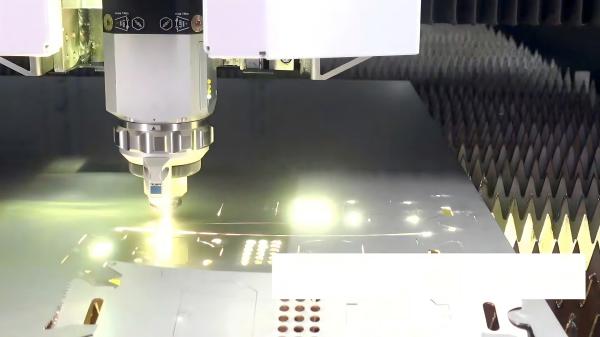
Cutting and Machining
Raw material can be processed closer to final dimensions before shipment.
- Cutting and sawing
- Straightening and leveling
- Peeling and centerless grinding
- Chamfering and CNC machining
02
Surface & Condition
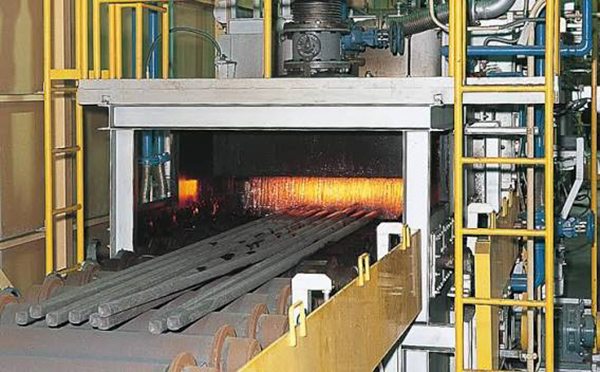
Heat Treatment and Finish
Surface and delivery condition can be specified according to product form and final use.
- Solution annealed condition as applicable
- Pickling and passivation
- Ground or polished finish where feasible
- Surface protection before packing
03
Supply & Delivery
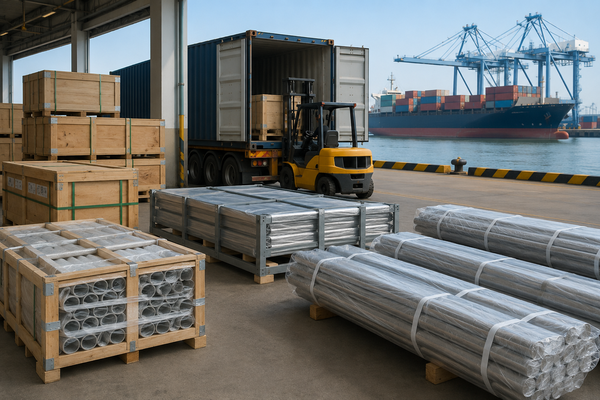
Order Quantity and Delivery
Production and processing routes are arranged according to dimensions, quantity and delivery requirements.
- Mill or processed supply route
- Raw or finished dimensions
- Fixed or production lengths where applicable
- Export packing and shipping marks
2507
Super Duplex Stainless Steel
Product Form, Processing and Delivery
Request a 2507 Quote
Send the required ASTM specification, product form, dimensions, quantity, surface condition and processing requirements for quotation.
Super Duplex 2507 Technical Data
UNS S32750 Super Duplex 2507 Chemical Composition and Mechanical Properties
UNS S32750 is a high-alloy super duplex stainless steel based on approximately 25% chromium, 7% nickel and 4% molybdenum with nitrogen addition. Its ferritic-austenitic structure combines high mechanical strength with strong resistance to localized corrosion in demanding chloride-containing environments.
UNS
S32750
EN
1.4410
EN Name
X2CrNiMoN25-7-4
Type
Super Duplex
Alloy System
25Cr–7Ni–4Mo–N super duplex stainless steel.
Material Chemistry
2507 Chemical Composition
Nominal producer reference values, mass %.
Chromium
25
Cr · nominal %
Nickel
7
Ni · nominal %
Molybdenum
4
Mo · nominal %
Nitrogen
0.30
N · nominal %
Carbon
≤0.030
C · %
Manganese
≤1.2
Mn · %
Silicon
≤0.8
Si · %
Phosphorus
≤0.035
P · %
Sulfur
≤0.015
S · %
Copper
≤0.5
Cu · %
Chemistry Reference
Values above are producer reference chemistry for S32750. Contractual chemical limits follow the applicable product standard and the material test certificate.
Mechanical Properties
ASTM A240 Plate, Sheet and Strip Reference
Minimum room-temperature values for UNS S32750 flat products.
0.2% Yield Strength
550
MPa min.
High proof strength compared with common austenitic stainless steels.
Tensile Strength
795
MPa min.
Minimum tensile strength reference for S32750 plate, sheet and strip.
Elongation
15
% min.
Elongation requirement depends on the applicable product form and standard.
Grade
UNS S32750
Product Reference
Plate / Sheet / Strip
Condition
Annealed / solution-treated product
Standard
ASTM A240/A240M
Product Form Matters
Mechanical-property requirements vary between plate, pipe, tube, bar and forging specifications. The governing product standard and ordered condition determine final acceptance values.
Material Designations
S32750, 1.4410, SAF 2507 and F53
Related names should be kept within their correct product and specification context.
Product standard and product form remain separate from the base alloy designation.
UNS S32750
UNS material designation commonly identified as Super Duplex 2507.
EN 1.4410
European material number associated with the S32750 super duplex alloy family.
X2CrNiMoN25-7-4
European steel name describing the chromium-nickel-molybdenum-nitrogen alloy system.
SAF 2507
Alleima commercial designation for its UNS S32750 super duplex stainless steel.
ASTM A182 F53
Forging grade associated with UNS S32750 for applicable forged piping components and flanges.
UNS S32760
A separate super duplex UNS grade and not an automatic substitute for UNS S32750.
Technical Reference
Additional 2507 Material Controls
Pitting Resistance
PREN Above 40
Super Duplex 2507 is characterized by a high pitting resistance equivalent number. PREN is a comparative alloy indicator rather than an in-service corrosion guarantee.
Intermetallic Phase Testing
ASTM A923 When Specified
Supplementary testing for detrimental intermetallic phases can be specified where required by the product or project specification.
Duplex Quality Control
ISO 17781 Where Applicable
Supplementary microstructure sampling, testing and acceptance requirements can be applied where specified for the project.
Super Duplex 2507 Applications and Service Environments
Localized Corrosion
2507 provides high resistance to pitting and crevice corrosion in chloride-containing environments. Performance varies with chloride concentration, temperature, deposits, crevice geometry and surface condition.

Alloy Chemistry
Chromium, molybdenum and nitrogen support localized-corrosion resistance, while nickel contributes to the balanced ferritic-austenitic duplex structure.

General and Acid Corrosion
2507 is used in selected acidic and chemical-process environments. Actual corrosion rate depends on concentration, temperature, contaminants, oxidizing conditions and process flow.

Mechanical and Physical Properties
High yield strength is a key characteristic of Super Duplex 2507. Final mechanical-property requirements depend on product form, specification, dimensions and delivery condition.
Service Temperature and Application Boundaries
Super Duplex 2507 is primarily used where high corrosion resistance and high strength are required at moderate service temperatures. Extended exposure to elevated temperatures can alter duplex microstructure and should be considered against the applicable material specification and design requirements.
Fabrication also influences final performance. Welding, heat treatment and surface finishing should preserve the required duplex structure and corrosion-resistant condition.

Super Duplex 2507 Quality Control
Super Duplex 2507 Manufacturing, Inspection and Material Traceability
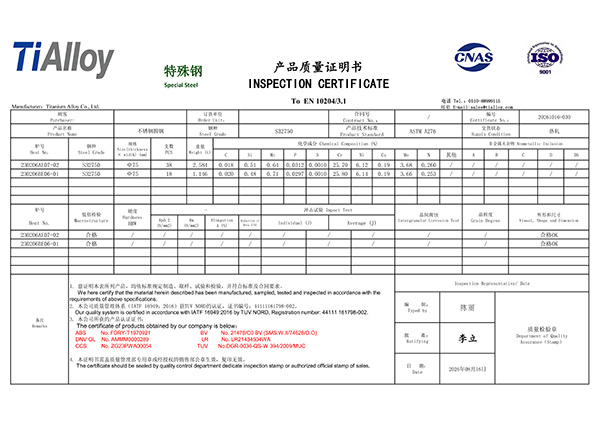
Super Duplex 2507 products can be supplied with heat-number traceability, material test documentation and inspection records according to the applicable product standard and ordered inspection scope. Production and inspection routes vary between plate, pipe, tube, bar and forged products.
Heat Number Traceability
MTC / MTR
EN 10204 3.1 When Ordered
PMI & NDT When Specified
Third-Party Inspection Available
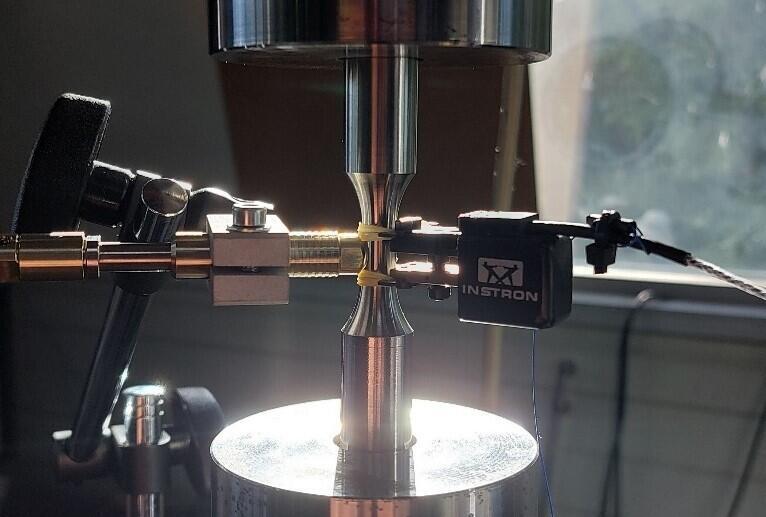
Product Quality Records
Manufacturing, heat treatment, inspection and traceability documentation follow the applicable product and project requirements.
Manufacturing and Traceability Flow
Product-form-specific manufacturing, heat treatment, testing, identification and documentation are maintained as separate parts of the material supply record.
01
Manufacturing
Product Route
Plate, pipe, tube, bar and forged products follow different forming, finishing and dimensional-control routes according to the applicable product specification.
02
Thermal Processing
Heat Treatment
Solution heat treatment and cooling are controlled according to product form and specification to obtain the required duplex metallurgical condition.
03
Testing
Sampling & Testing
Chemical, mechanical, corrosion or microstructure test samples are taken according to the governing test method, product standard and supplementary project requirements.
04
Verification
Inspection
Inspection can include chemical analysis, mechanical testing, dimensional checks, PMI, NDT and supplementary duplex testing when specified.
05
Identification
Material Traceability
Heat number, lot identification, piece marking and cut-piece identification can be maintained through processing and inspection according to the ordered traceability requirement.
06
Documentation
Certification & Packing
Material certificates, inspection records, product marking, packing lists and export shipping marks are prepared according to the ordered documentation and delivery scope.
Identification
Material Traceability Chain
Stage 01
Heat Number
Stage 02
Product / Lot
Stage 03
Piece Marking
Stage 04
Cut Piece
Stage 05
Inspection Record
Stage 06
MTC / Packing List
Inspection and Documentation
Standard inspection follows the applicable product specification. Supplementary inspection, testing and certification can be included when specified in the order or project requirements.
Inspection / Record
Scope
Typical Application
Availability
Chemical Analysis
Heat chemistry against the applicable product specification
Plate, pipe, tube, bar and forging supply
Per Standard
Mechanical Testing
Tensile, yield and elongation requirements as applicable
Product-form-specific acceptance
Per Standard
Dimensional Inspection
Thickness, OD, wall, length, section size and ordered tolerances
Final product and processed dimensions
Standard / Order
PMI
Positive material identification for alloy verification
Project or customer supplementary inspection
When Specified
NDT
UT, PT, ET or other applicable examination by product form
Pipe, tube, plate, forgings or processed components
When Specified
ASTM A923
Testing for detrimental intermetallic phases
Supplementary duplex quality control
When Specified
ISO 17781
Duplex microstructure sampling, testing and acceptance controls
Applicable project or fabrication requirements
When Specified
EN 10204 3.1
Material inspection certificate and test results
Ordered material documentation package
As Ordered
Third-Party Inspection
Witness, review or inspection according to agreed scope
Project-specific inspection plans
Available
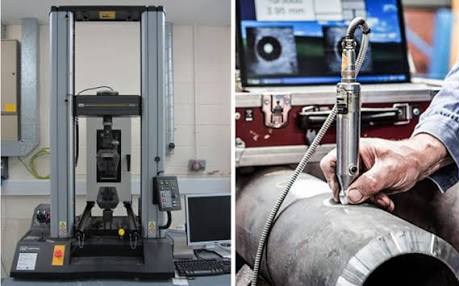
Manufacturing and inspection records remain linked to the product form, heat identification and ordered quality requirements.
Supplementary Duplex Quality Control
Microstructure, Sampling and Material Records
Duplex quality control can include supplementary microstructure and intermetallic-phase testing in addition to the chemical, mechanical and dimensional requirements of the applicable product standard.
ISO 17781:2017
Provides supplementary methods and requirements for duplex stainless steel microstructure quality control, including specimen sampling, testing, acceptance criteria and laboratory records where the standard is invoked.
ASTM A923-25
Provides test methods for detecting detrimental intermetallic phases in duplex austenitic-ferritic stainless steels. Applicability, sampling and acceptance requirements should follow the ordered specification.
Heat Number
Lot Identification
Piece Marking
Inspection Results
MTC / MTR
Packing List
Super Duplex 2507
Inspection & Documentation
MTC / MTR
EN 10204 3.1
Heat Traceability
PMI When Specified
NDT When Specified
ASTM A923 When Specified
Third-Party Inspection
Request Inspection Details
Super Duplex 2507 Supply
Super Duplex 2507 Procurement and Supply Information
TiAlloy supplies Super Duplex 2507 plate, sheet, coil, pipe, tube, bar and forged products for industrial and export orders. Product availability, processing, inspection, packing and delivery are confirmed according to the required form, dimensions and quantity.
UNS S32750
Plate to Forgings
Processed Supply
Inspection Options
Export Delivery
Product Forms
Plate to Forgings
Sheet, coil, pipe, tube, round bar and forged products.
MOQ
Order Specific
Confirmed according to product form, size and supply route.
Lead Time
Confirmed With Quote
Based on material availability, processing and inspection scope.
Processing
Raw or Finished
Cutting, grinding, machining and finishing where applicable.
Inspection
As Ordered
Standard and supplementary inspection can be included.
Delivery
International Supply
Export packing, shipping marks and delivery terms as quoted.
Information for Quotation
A quotation is prepared against the required material, product form, dimensions, quantity, processing and inspection scope so the commercial offer reflects the actual supply requirement.
RFQ Information
Material and Order Details
- Grade UNS S32750 / Super Duplex 2507
- Product Form Plate, sheet, coil, pipe, tube, bar, forging or finished component
- Specification Applicable ASTM, ASME, EN or project specification
- Dimensions Thickness, OD, wall, diameter, length and required tolerances
- Quantity Pieces, total length, weight or order quantity
- Condition Surface, heat-treatment condition and required processing
- Inspection Certificate, PMI, NDT, ASTM A923 or third-party inspection when required
- Destination Country, port or delivery location for packing and freight quotation
Commercial Offer
Quotation Scope
- Price Basis Quoted against the confirmed grade, form, dimensions and quantity
- MOQ Confirmed for the selected product form and production route
- Lead Time Material and processing schedule stated with the quotation
- Processing Any cutting, machining, grinding or finishing included in the offer
- Inspection Included testing, certification and supplementary inspection identified separately
- Packing Export packing and product protection matched to the ordered form
- Delivery Terms Incoterm and freight basis stated according to the agreed quotation
- Documentation Material certificates and export documents included according to order scope
Processing, Packing and Delivery
Super Duplex 2507 can be supplied in mill condition or with additional processing. Packing and product protection are selected according to material form, finished condition and shipping method.
01 / Processing
Cut and Finished Supply
Material can be supplied at mill dimensions or processed closer to the required finished size.
- Plate and bar cutting
- Sawing and length cutting
- Peeling and grinding
- Chamfering
- CNC machining where applicable
02 / Protection
Export Packing
Packaging is selected according to product form, dimensions and the required shipping protection.
- Bundles and reinforced supports
- Wooden cases where appropriate
- Pipe and tube end protection
- Surface and moisture protection
- Shipping marks and identification
03 / Delivery
Export and Logistics
International delivery is arranged according to the commercial terms and final shipment configuration.
- EXW, FOB, CIF or agreed delivery basis
- Sea, air or courier shipment as applicable
- Commercial invoice and packing list
- Export shipping marks
- Destination-specific document support
Commercial Supply
2507 Order Information
MOQ
Confirmed Per Product
Minimum quantity depends on grade, form, dimensions and production route.
Lead Time
Stated With Quotation
Processing and inspection requirements are included in the quoted schedule.
Small Quantity
Available on Request
Trial and smaller quantities can be evaluated according to size and availability.
Export Delivery
Quoted by Destination
Packing, freight and delivery terms are confirmed for the required destination.
Order-Specific Supply
Availability, MOQ, processing route, inspection scope and delivery schedule can vary between 2507 plate, pipe, tube, bar and forged products. These items are confirmed with the quotation rather than applied as one general condition to every product form.
2507
Super Duplex Stainless Steel
Request a Super Duplex 2507 Quotation
Request a 2507 Quote
Send the required material form, dimensions, quantity, inspection requirements and destination for pricing and delivery information.
Grade
Product Form
Size
Quantity
Inspection
Destination
Super Duplex 2507 Product Dimensions
Super Duplex 2507 Size Range and Supply Capability
UNS S32750 is supplied in plate, sheet, strip, pipe, tube, capillary tube, rolled bar, forged bar and custom forged components. Rolled and forged product ranges are separated according to manufacturing route and section size.
UNS S32750
Rolled & Forged Supply
Standard & Custom Sizes
Cut-to-Size Processing
Minimum Strip Thickness
0.05 mm
Precision Super Duplex 2507 strip.
Maximum Plate Width
3000 mm
Rolled plate up to 60 mm thickness.
Maximum Welded Pipe OD
1219 mm
Large-diameter welded tubular supply.
Maximum Forged Bar Diameter
Ø500 mm
Heavy forged bar in custom lengths.
Typical 2507 Supply Range
Rolled plate and bar cover standard mill dimensions, while heavy sections move to forged production.
Product Form
Diameter / Width
Thickness / Wall
Length
Supply Route
Plate / Sheet
Width up to 3000 mm
0.5–60 mm
Mill / custom
Hot rolled, cold rolled, cut-to-size
Strip / Coil
Width 10–1000 mm
0.05–0.4 mm
Coil supply
Precision strip / slit coil
Capillary Tube
OD 1.0–6.35 mm
Order specific
Custom
Small-diameter precision tube
Seamless Pipe / Tube
OD 6.35–508 mm
Schedule / custom
Mill / custom
Seamless tube and process pipe
Welded Pipe / Tube
OD 6.35–1219 mm
Project specific
Custom
Welded and large-diameter supply
Rolled Round Bar
Ø3–150 mm
Solid bar
6000 mm / custom
Rolled, peeled, turned or ground
Forged Round Bar
Ø150–500 mm
Solid forged section
Custom
Forged, rough machined or finished machined
Forgings / Rings / Flanges
To drawing
Project specific
Component specific
Rings, discs, shafts, blocks and flanges
Typical Supply Capability
Exact dimensions, wall thickness, tolerance, length and quantity are confirmed with the quotation.
Dimensions by Product Form
Select a product group to view its dimensional range, manufacturing route and available finishing options.
Rolled Plate / Sheet
Plate & Sheet
Hot-rolled and cold-rolled Super Duplex 2507 flat products for fabricated equipment, pressure components and cut plate supply.
- Thickness 0.5–60 mm
- Max Width 3000 mm
- Length Mill / custom
- Surface Pickled / mill finish
- Processing Cut-to-size available
Precision Strip
Strip & Coil
Thin-gauge coil and slit strip for precision fabricated parts and narrow-width applications.
- Thickness 0.05–0.4 mm
- Width 10–1000 mm
- Form Coil / slit strip
- Edge As ordered
- Processing Custom slit width
Small Diameter
Capillary Tube
Precision small-diameter Super Duplex 2507 tube below the normal seamless tube range.
- OD 1.0–6.35 mm
- Wall Order specific
- Length Custom
- Surface As ordered
Seamless
Seamless Pipe & Tube
Seamless production covers smaller tubing through larger process piping.
- OD 6.35–508 mm
- Wall Schedule / custom
- Length Mill / custom
- Surface Pickled / polished
Welded
Welded Pipe & Tube
Welded production extends the available diameter range for large industrial and process piping.
- OD 6.35–1219 mm
- Wall Project specific
- Length Custom
- Finish As ordered
Rolled Route
Rolled Round Bar
Rolled Super Duplex 2507 bar for machining, shafts, fasteners and fabricated components.
- Diameter Ø3–150 mm
- Length 6000 mm
- Custom Fixed length available
- Finish Peeled / turned / ground
Forged Route
Forged Round Bar
Heavy round sections move from rolled production to forging above the normal rolled bar range.
- Diameter Ø150–500 mm
- Length Custom
- Condition Forged / machined
- Finish Rough or finish machined
Drawing Based
Custom Forgings
Heavy components are quoted according to drawing dimensions, section size and individual piece weight.
- Forms Rings / discs
- Forms Shafts / blocks
- Forms Flanges
- Size To drawing
Heavy Section Supply
Rolled to Forged Transition
>60 mm
Heavy Plate / Block
Sections above the normal rolled plate range move to a forged plate or forged block route.
Ø150–500 mm
Forged Round Bar
Heavy round bar is supplied by forging in custom lengths with machining allowance where required.
To Drawing
Special Forgings
Rings, discs, shafts, blocks and flanges are quoted according to final dimensions and piece weight.
Dimension Support
Custom Size Supply
Cut-to-Size Plate
Plate blanks can be cut from larger mill plates to required width and length.
Fixed-Length Bar
Rolled and forged bars can be supplied in ordered lengths.
Tube Cut Length
Seamless, welded and capillary tubes can be supplied in specified lengths.
Machined Forgings
Forged components can be supplied rough-machined or closer to final dimensions.
Size Availability
Maximum dimensions can vary with section thickness, individual piece weight, heat-treatment route, surface condition and inspection requirements. Non-standard dimensions are confirmed with the quotation.
2507
UNS S32750
Need a Specific Super Duplex 2507 Size?
Request Size & Price
Send the product form, dimensions, quantity and specification for size availability and quotation.
Super Duplex 2507 Engineering Tools
2507 Standard Selector
Identify the exact ASTM/ASME specifications for your 2507 super duplex requirements. Ensure compliance across diverse industrial applications.
2507 RFQ Readiness Checker
Validate your Request for Quotation parameters. Verify that all critical dimensions, conditions, and testing requirements are specified.
Inspection Plan Builder
Configure customized testing and inspection protocols. Generate a comprehensive quality control framework for your 2507 orders.
They can point to related 2507 material, but they are not free-standing substitutes. UNS S32750 is the alloy designation, EN 1.4410 is a European designation, SAF 2507 is a producer commercial name, and F53 belongs to ASTM A182 forged-component scope; state the product form and governing standard.
Not always. Choose only after the service, corrosion mode, fabrication route, and life-cycle case are defined.
Match it to form: A240/A240M for plate, sheet, and strip; A790/A790M for pipe; A789/A789M for tube; A276/A479 for bars as applicable; and A182/A182M F53 for qualifying forged piping components. Then state the current edition, SI or inch-pound system, delivery condition, dimensional tolerances, supplementary requirements, certificate type, ASTM A923 applicability, nondestructive tests, and third-party witness points.
Metal mass is only one part of the change. Each branch may add a fitting, cut, fit-up, qualified filler, purge setup, controlled weld cycle, NDT location, repair exposure, traceability transfer, and document point; an isometric revision can therefore alter both factory work and the inspection schedule. Send the isometric or bill of materials before requesting a firm date.
Use an approved procedure, compatible filler, clean preparation, controlled heat, correct shielding or purge, and specified inspection. Grade selection alone can’t fix a poor joint.
Yes. Provide raw size, final datums, tolerance, allowance, and the agreed inspection stage.
No universal rule makes every method mandatory. Project specifications should identify whether Method A, B, or C applies, the sampling location, acceptance criterion, reporting format, retest rule, and witness status. That detail matters because chemistry and tensile compliance don’t necessarily exclude detrimental intermetallic phase.
Product form, dimensions, quantity, raw or finished condition, standard, heat treatment, testing, third-party inspection, machining, surface finish, packing, Incoterm, and destination all matter. Exact price and timing require a complete RFQ; this page doesn’t publish a universal range.