Get in Touch with TiAlloy Company

Round · Square · Hex · Flat · Industrial Supply
Titanium Bar & Rod Manufacturer
Titanium bar and rod for machining, OEM production and industrial project requirements.
TiAlloy manufactures and supplies titanium bar in commercially pure and titanium alloy grades, with stock review, made-to-order production, precision finishing, material inspection and export supply matched to the purchase specification.
Core Forms
Round · Square · Hex · Flat
Key Grades
Grade 2 · 5 · 23
Bar Specification
ASTM B348 / B348M
Supply
Stock Review · Made to Order
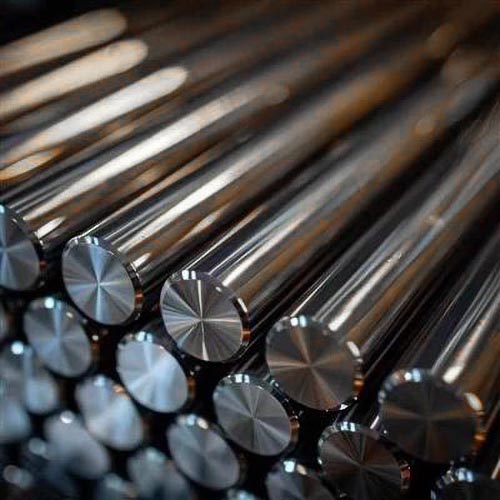
Titanium Bar & Rod
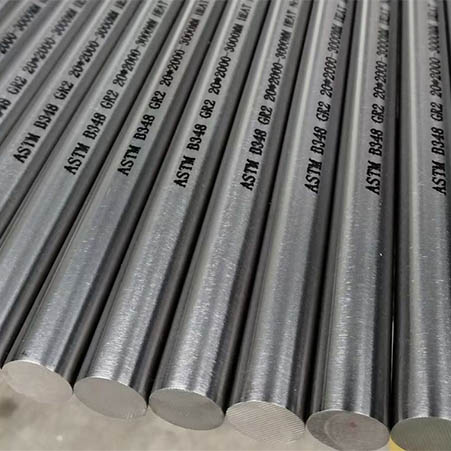
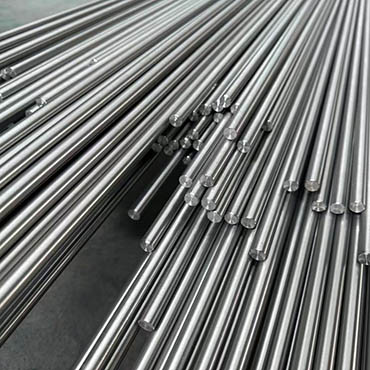
20+ years metal manufacturing experience · 30,000+ m² production and processing base
Grade, production route, inspection and lead time are confirmed against the actual size and order requirement.
TITANIUM
Bar / Rod RFQ Review
Send the grade, specification, section,
dimensions and quantity.
Add finish, tolerance, inspection requirements
and delivery destination where specified.
Request Titanium Bar Quote
Alloy Family · Grade · Specification · Condition
Titanium Bar Grades, Standards & Conditions
Purchase Specification Logic
Grade first. Specification next.
Condition completes the order.
TiAlloy reviews the alloy together with product form, governing specification, ordered condition and revision before titanium bar production or supply is confirmed.

Titanium Bar Alloy Range
Grade availability is reviewed against bar size, required condition, specification and order quantity.
01
CP / CORROSION
Grade 1 ·
Grade 2
· Grade 3 · Grade 4 · Grade 7 · Grade 12
Gr2 R50400 · Gr7 R52400 · Gr12 R53400
02
ALPHA + BETA
Grade 5 / Ti-6Al-4V
· Grade 9 / Ti-3Al-2.5V ·
Grade 23 ELI
· Ti-6-6-2
R56400 · R56320 · R56407 · R56620
03
HIGH-TEMPERATURE
Ti-8-1-1 · Ti-6-2-4-2 · Ti-6-2-4-6
R54810 · R54620 / R54621 · R56260
04
BETA / NEAR-BETA
Ti-15-3-3-3 · Ti-10-2-3 · Ti-17 · Ti-15Mo
R58153 · specialty route · R58650 · R58150
05
RUSSIAN / GOST
ВТ1-0 · ОТ4-1 · ОТ4 · ВТ5-1 ·
ВТ6 · ВТ8 · ВТ9 · ВТ14 · ВТ20 · ВТ22
Also reviewed: ВТ1-00 · ВТ1-2 · ОТ4-0 · ВТ5 · ВТ6С · ВТ3-1
· Russian bar route: ГОСТ 26492-85
ASTM B348 / B348M
Industrial Bar & Billet
Primary Grade-number route for annealed titanium and titanium-alloy bars and billets.
AMS 4928
Ti-6Al-4V Bar
Aerospace Grade 5 route. Form, size and revision must match the order.
AMS 4972
Ti-8Al-1Mo-1V Bar
Ti-8-1-1 bar route with heat-treatment condition defined by the specification.
ASTM F67 / F136
Medical-Material Routes
F67 covers CP titanium Grades 1–4; F136 covers Ti-6Al-4V ELI / UNS R56401.
GOST / Condition
Order-Specific Route
Russian / GOST bar grades and heat-treatment condition are confirmed against the invoked specification.
Specification Note
ASTM B348/B348M Grade 23 = UNS R56407 · ASTM F136 Ti-6Al-4V ELI = UNS R56401 · Russian ВТ / ОТ designations follow their invoked GOST / purchase specification.
Do not assume cross-standard equivalence without review.
Section Geometry · Size Language · Supply Range
Titanium Bar Shapes, Sizes & Supply Range
Start with the section, then define its controlling dimensions and length. Round titanium bar is ordered by diameter; square and hexagonal bar by across-flats; flat and rectangular sections by thickness × width.
Round Bar / Rod
ØD
ØD × Length
Diameter controls the section.
Square Bar
AF
Across-Flats × Length
State the section across opposite faces.
Hex Bar
AF
Across-Flats × Length
Hex uses the across-flats dimension.
Flat / Rectangle
W
T
T × W × Length
Thickness and width are controlled separately.
Custom Profiles
DRAWING
Drawing-Defined
Geometry, tolerance and length from drawing.
Real Product Range
Precision Sections to Large Custom Bar
Size capability changes with alloy, section geometry, specification, condition and manufacturing route. Extended dimensions are reviewed against the actual order rather than one universal maximum size.

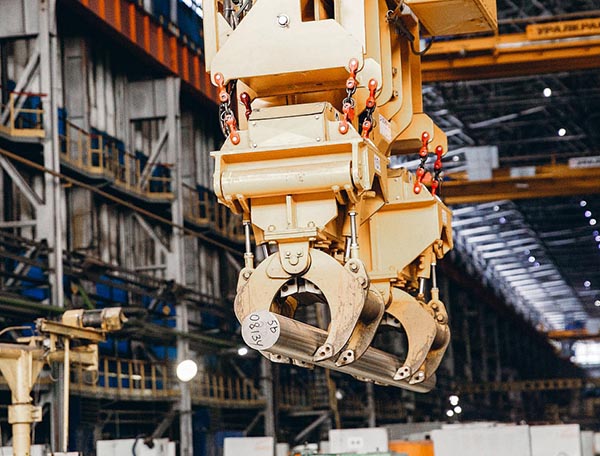
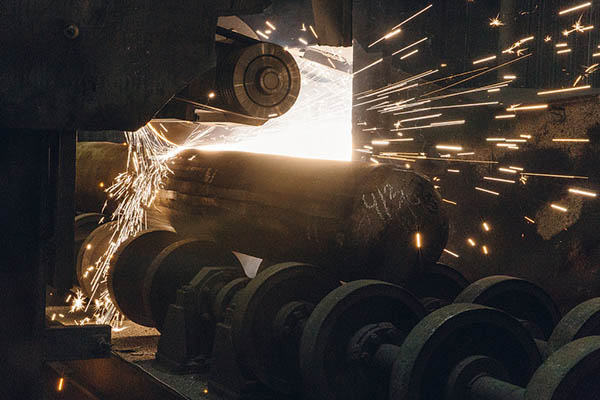
Round Bar / Rod
ØD × L
Diameter × length
Square / Hex
AF × L
Across-flats × length
Flat / Rectangle
T × W × L
Thickness × width × length
Custom Profile
Drawing
Geometry + tolerance + length
Supply Range
01
Regular
Established production sections
02
Extended
Larger / non-routine dimensions
03
Custom
Drawing-defined geometry
Rod and round bar are treated as one round-section product family on this page. Quote the actual diameter, length, grade, specification, condition and finish required.
Grades & Standards
Have a size schedule or section drawing?
Send section, dimensions, length, grade,
quantity and destination for review.
Titanium Forgings
Send Size Requirement

Wuxi · China · Titanium Bar Manufacturing
Inside TiAlloy Titanium Bar Manufacturing
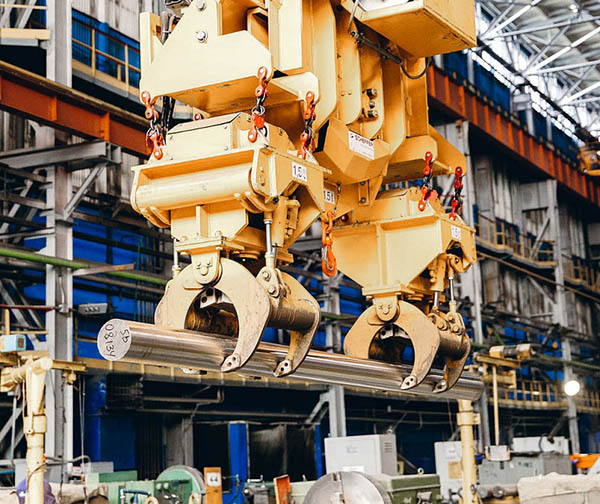
Real factory space, titanium bar production, processing, inspection and export execution behind the material supplied to industrial customers.
30,000 m² refers to the overall TiAlloy production and processing base—not a dedicated titanium-bar-only workshop.
Actual titanium bar responsibilities are defined by the quoted grade, dimensions, condition, finishing, inspection and documentation scope.
The Factory Behind the Order
Manufactured in China. Supplied Worldwide.
TiAlloy combines in-house manufacturing and processing, stock availability and made-to-order supply with internal inspection, third-party inspection paths and export-order execution.
In-house
Production & processing
Order-specific
Inspection & export release
For a Bar Order
What this manufacturing base actually supports
01
Stock Review
Available material is checked against grade, section, dimensions and condition.
02
Made-to-Order
Production and processing are reviewed against the quoted bar requirement.
03
Inspection
Internal inspection and third-party inspection paths are organized where specified.
04
Export Release
Marking, documentation, packing and shipment follow the confirmed order.
Next: follow the titanium bar manufacturing route.
M05 separates starting stock, hot work,
finishing and inspection.
Manufacturing Route
Titanium Forgings
Discuss Titanium Bar
Hot Work · Condition · Finishing · Inspection
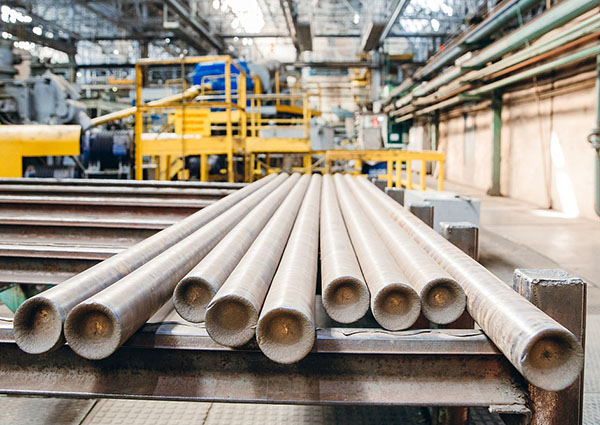
From Starting Stock to Finished Titanium Bar
A titanium bar order does not follow one mandatory sequence. Alloy, section size, specification, ordered condition, surface requirement and inspection scope determine which hot-working and finishing branches are used.
 01
01
Grade, heat identity, section and required route are reviewed before further processing.
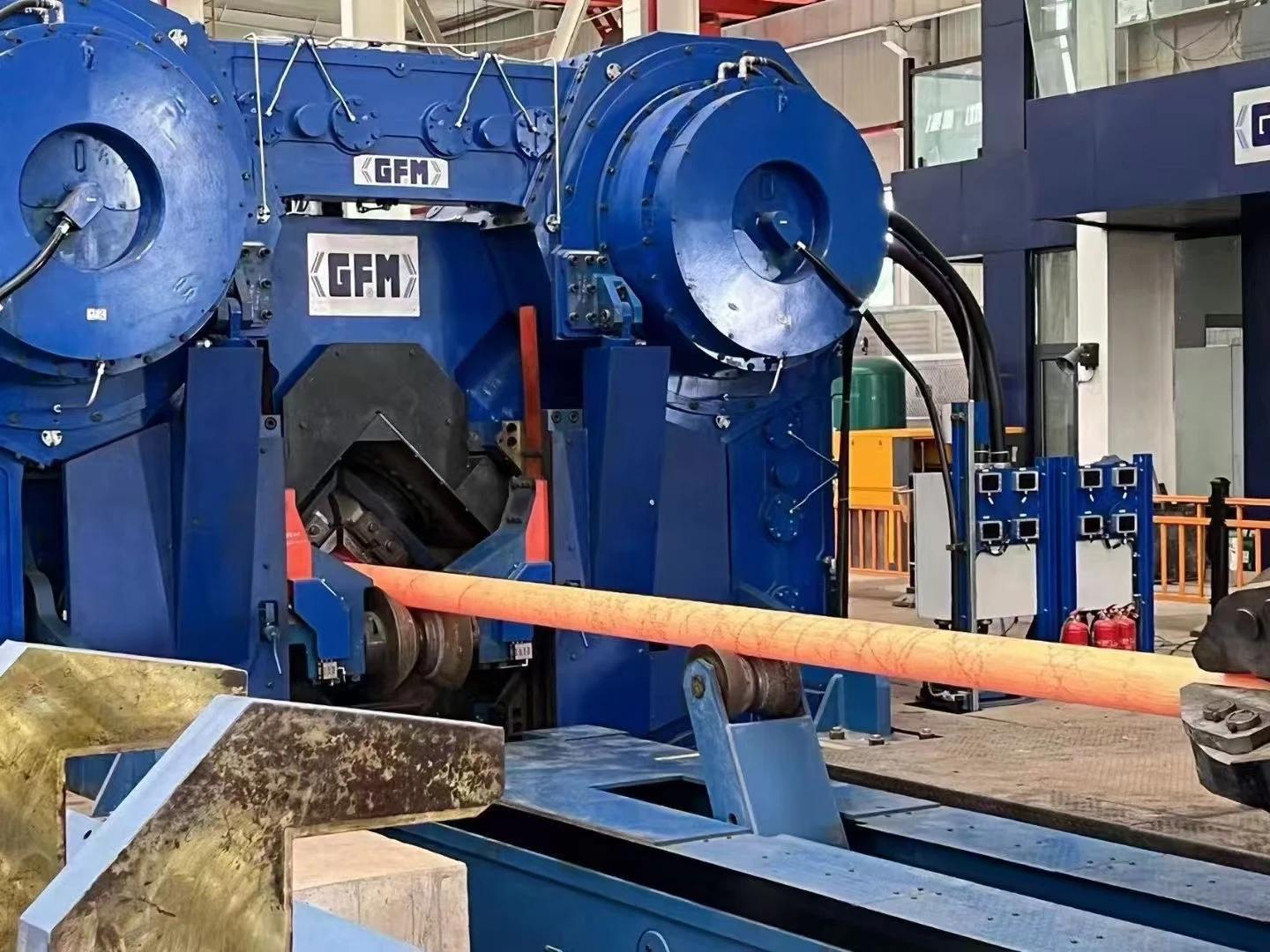 02
02
The hot-working route is selected for the required alloy, section, dimensions and ordered product.
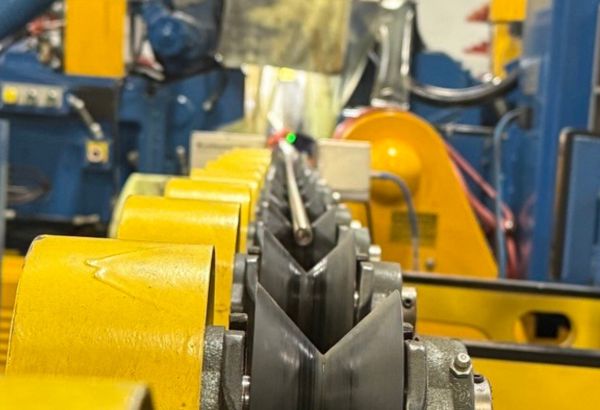 03
03
Heat treatment, straightening and surface finishing enter the route only when required.
04
Finished dimensions, identification and ordered inspection are checked before release.
A
Starting Stock
Billet / semi-finished stock
B
Hot-Worked Section
Forged and/or rolled route
C
Required Condition
Heat treatment when specified
D
Straightened Bar
Ready for selected finish route
E
Finished Bar
Cut, inspected and identified
Finish Route
After hot work, the order can branch.
Route A
No Additional Precision Finish
Used only where the ordered specification and surface condition permit it.
Route B
Peeling / Turning
Removes surface material and prepares the ordered bar condition or machining stock.
Route C
Grinding — When Required
Used where tighter diameter, surface or machining-ready condition is specified.
Merge
Cut & Inspect
Final length, dimensions, identity and tests.
Product-Standard Boundary
Forged bar describes a manufacturing route. It does not automatically mean the ordered product is an ASTM B381 titanium forging.
The governing product specification remains the one invoked by the purchase order.
Next: precision titanium bar and finishing capability.
M06 covers peeled, turned and ground bar
with tolerance, straightness and surface requirements.
Precision & Finishing
Titanium Forgings
Review Manufacturing Route
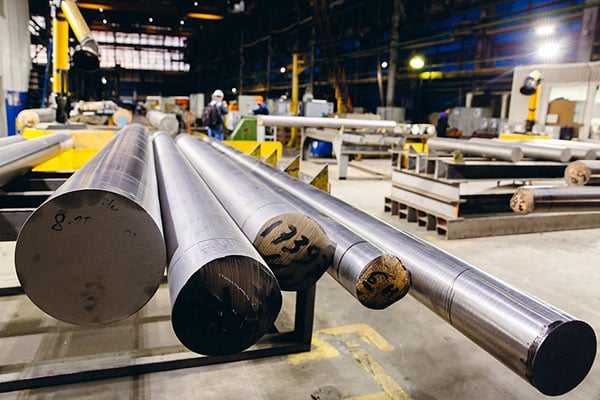
Large Diameter & Heavy Section Titanium Bar
Large Diameter & Heavy Section Capability
TiAlloy supplies large diameter titanium bar and engineering-reviewed heavy sections for industrial, OEM and project requirements beyond ordinary machining-stock dimensions.
Large Diameter Round Bar
Beyond Ø457.2 mm
Selected finished-bar combinations. Exact maximum
depends on grade, route, ordered length,
condition and final finish.
Supply Boundary
Regular · Extended · Engineering Review
Order Language
Grade · Finished Section · Manufacturing Route ·
Length · Piece Weight · Finish
Heavy Section
Round · Square · Flat / Rectangle · Forged Bar
where available and confirmed by engineering review.
Finished product comes before starting material.
Finished titanium bar is supplied to the ordered section and final condition. Made-to-order bar does not imply stock. Billet / starting material remains a manufacturing input and is not used to inflate finished-bar capability. Forged bar describes a manufacturing route and does not automatically mean an ASTM B381 forging.
LARGE BAR
Titanium Bar Selection
Have a large diameter or heavy-section titanium bar requirement?
Send grade, finished section, route, length,
piece weight, condition, finish and inspection.
Review My Titanium Bar RFQ
Melting Equipment & Ingot Quality Control
Titanium Melting Before Bar Production
Titanium bar quality begins with a controlled ingot. Melting, electrode preparation and remelting are reviewed before forging and rolling.
10T EBCHM
17T · 10T · 6T VAR
Single · Double · Triple Melt
Melt Route
EBCHM and VAR establish a more controlled ingot route before bar production
Melting practice is selected by alloy, specification and required ingot quality. The melting route affects chemistry control, structural consistency and the starting condition for forging and rolling.
01
Charge preparation
Automatic selecting, weighing and mixing helps control titanium sponge and master-alloy additions. Weighing error is controlled to ≤0.2%.
02
Electrode preparation
35 / 100 MN hydraulic pressing and vacuum plasma welding support electrode-block preparation before remelting.
03
EBCHM primary melting
The 3150 kW electron-beam cold-hearth route supports high-purity melting and helps improve raw-melt consistency.
04
VAR final refining
17-ton, 10-ton and 6-ton VAR furnaces are used for single, double or triple melting to reduce segregation and improve ingot uniformity.
Why It Matters for Titanium Bar
A more uniform ingot gives forging and rolling a more consistent starting condition and supports downstream mechanical-property control and finished bar inspection.
MELT → BAR
Procurement & Technical Review
Discuss melting route, remelting practice and titanium bar requirements
Send the grade, standard, bar size, quantity and project requirement. If melting route or remelting level is important, we can review it together before quotation.
EBCHM / primary melt
→
VAR remelt
→
forging / rolling
→
finished titanium bar
Material Passport
What the Titanium Bar MTC Should Tie Together
The certificate is useful only when its material identity and reported results correspond to the actual titanium bar.
Material Identity
Heat / lot · grade · product form
matched to marking and order documents.
Chemical Results
Actual heat chemistry
against the ordered grade and specification.
Mechanical Results
Tensile · yield · elongation
and other required results.
Physical Product
Dimensions · straightness · surface · condition
Additional Testing
UT / NDT / PMI / third-party inspection
when specified or requested.
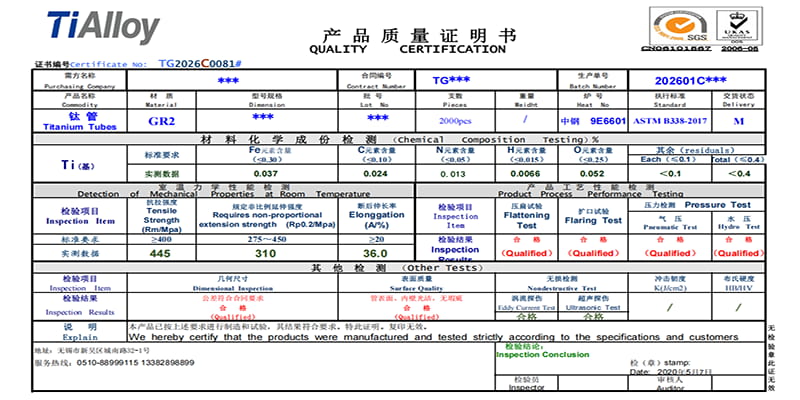
Keep heat identity, specification and reported results visible.
EN 10204 Documentation
3.1 / 3.2 when ordered
Type 3.1 is validated by the manufacturer's authorized inspection representative independent of production. Type 3.2 adds purchaser or independent inspection validation as ordered.
PMI / Grade 23 Chemistry
Handheld XRF is not full titanium chemistry.
XRF can support alloy identification but does not establish O, N or H compliance and must not be used alone to prove Grade 23 / ELI chemistry.
Titanium inspection records should form one traceable chain. Titanium bar MTC, EN 10204 documentation, dimensional records and specified NDT should all refer back to the correct material identity.
TRACEABILITY
Titanium Bar Release
Need a specific inspection and document package?
Send certificate type, NDT / PMI and third-party inspection
requirements with the RFQ.
Define Inspection Package
Titanium Bar Applications
Titanium Bar Across Critical Industrial Environments
Titanium bar is selected according to the required alloy, service environment, mechanical properties, dimensions and downstream component requirements.
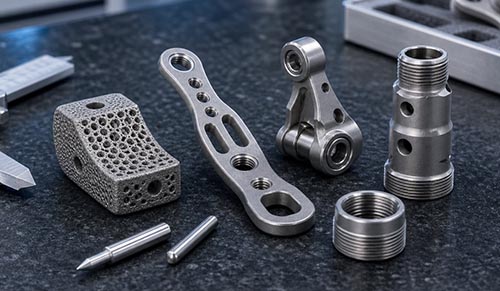
Titanium bar stock for downstream medical-component manufacturing
Grade, specification, condition and inspection scope must match the customer's downstream medical-material requirements.
Grade 23 / Ti-6Al-4V ELI
High-strength bar for machined aerospace parts
Alloy, condition and inspection requirements depend on the specified component route.
Ti-6Al-4V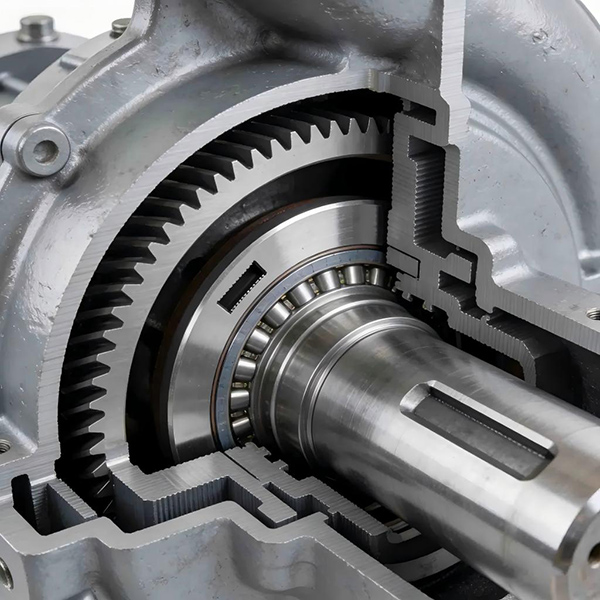
Corrosion-resistant stock for process components
Material selection depends on process chemistry, component design and service conditions.
Grade 2 Titanium
Other Application Routes
Selected by service requirement
Marine / Offshore
Power / Energy
Oil & Gas — Where Specified
Automotive / Motorsport
Industrial Equipment
Application Boundary
Industry use does not automatically establish qualification. Final material acceptance depends on the ordered grade, specification, service conditions and required approval route.
BAR → SERVICE
Application Review
Tell us where the titanium bar will be used.
Send the application, grade, size, quantity and inspection requirements.
Titanium Bar Inspection & Quality Release
Inspection from Material Verification to Final Shipment
Inspection is matched to the titanium grade, product specification, dimensions, condition and customer requirements before release.
01
Chemical Analysis
Grade chemistry · interstitial elements
02
Mechanical Testing
Tensile · yield · elongation
03
Metallography
Macro · microstructure · phase condition
04
NDT / Ultrasonic
UT · surface examination where specified
05
Final Release
Dimension · marking · packing · shipment
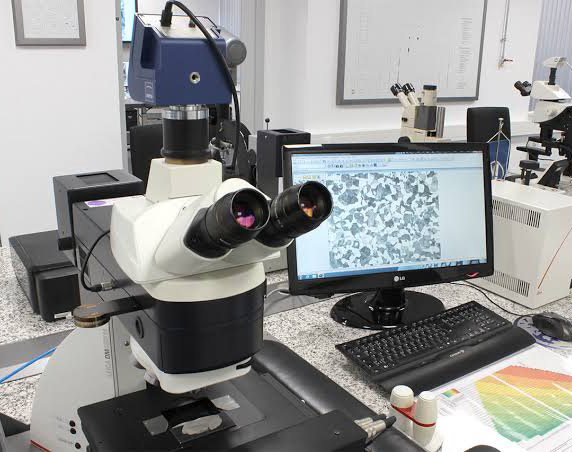
Test scope follows the ordered grade and specification.
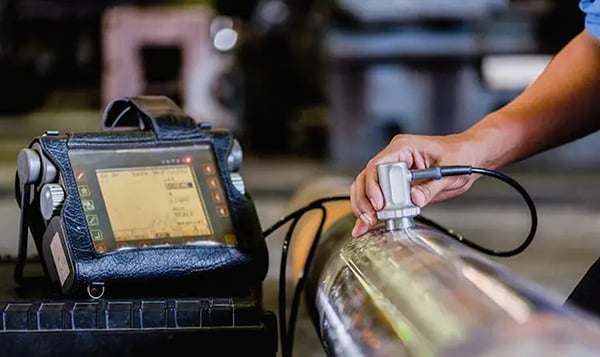
NDT is applied where required by specification or order.
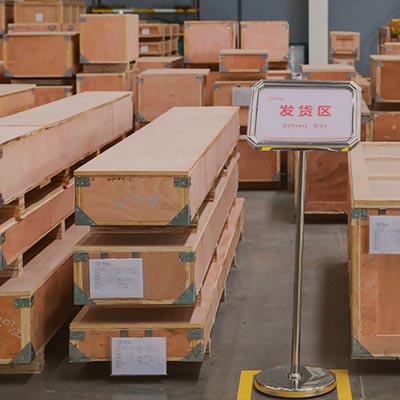
Identification and protective packing are checked before dispatch.
Before Shipment
Final Release Check
Dimensions
Surface
Traceability
Certificates
Marking
Packing
Shipment
Inspection Boundary
Not every titanium bar order requires every test shown above. Final inspection scope follows the governing specification, grade, dimensions, condition and supplementary customer requirements.
TEST → RELEASE
Quality Route
Need a titanium bar inspection scope reviewed?
Send the grade, specification, size, quantity and required testing scope.
Final Procurement Step
Send Your Titanium Bar Requirement
You do not need a completed ten-field specification sheet before contacting us. For a titanium bar quote or titanium bar price, send the basic purchasing information below — or send the drawing and let us review the missing details with you.
Enough to start a quotation
Minimum RFQ
01
Grade
02
Standard
03
Size
04
Quantity
05
Destination
Or send the drawing.
A drawing, BOM or purchasing specification can be enough to begin. Mark the material grade or governing standard if it is already fixed.
Helpful if already known
Shape · Length · Condition · Finish · Tolerance · Inspection — add these when they matter to the order. They are not required before the first enquiry.
No need to complete every optional item before contacting sales. We can identify what still needs confirmation before quotation.
Quote Basis
ASTM B348 quote, custom titanium bar or finished machining stock:
the quotation is based on the ordered grade, standard, dimensions, quantity,
condition, inspection scope and delivery destination.
SUPPORT & SPECIFICATIONS
Frequently Asked Questions
Precision answers directly from the melt source. Navigate the matrix to clarify grade capabilities, traceability standards, and pricing factors.
A manufacturer. We melt, forge, and roll in-house, so the EN 10204 3.1 report is tied to our own heat numbers.
For reducing acids, chlorides, and crevice-corrosion service, Grade 7 (Ti-0.2Pd) leads; for hot acids and brines, Grade 12. Grade 2 covers general seawater and oxidising media. The Grade-to-Medium Matrix above maps all eight grades to their working environment.
ASTM B348 is the general commercial specification for titanium bars and billets across grades; AMS 4928 is the tighter Ti-6Al-4V (Grade 5) aerospace specification with defined mechanical minimums (about 130 ksi tensile, 120 ksi yield, annealed). We furnish Grade 5 bar to either, matched to your application.
Grade 23 is the extra-low-interstitial version of Grade 5, with oxygen held to a maximum of about 0.13% (vs 0.20% in Grade 5) for higher fracture toughness. It is used as fracture-critical and medical-grade material, as raw stock to ASTM F136 that a device maker qualifies within their own FDA-regulated supply chain.
By grade and condition, diameter and form, surface and processing, quantity tier, and Incoterm and destination duties, so there is no single titanium bar price per kg that fits every order. Because those factors move the number so much, and because titanium spot data online mixes retail, bulk, and scrap quotes, we quote against your exact parameters and give international and US buyers a full landed-cost picture rather than a headline figure that customs will change anyway.
Both. Orders are tiered from qualification samples through small batches to bulk runs, and we cut to length so a smaller order isn't forced into standard mill lengths. Send your sizes and quantity for an MOQ and lead-time confirmation.
No. Titanium welding and TIG filler rod are consumables for joining, supplied as fine wire; titanium bar and rod stock is solid mill product for machining and fabrication. This page covers solid titanium rod and bar stock, not welding consumables.
Yes, an EN 10204 3.1 report with per-heat traceability, plus certification to the relevant ASTM/AMS standard. Because we are the melt source, the heat number on the bar and the results on the certificate come from the same floor.
Trending now