Get in Touch with TiAlloy Company

Stainless Steel Products
Stainless Steel Supplier for Plate, Sheet, Coil, Pipe, Tube and Bar
TiAlloy supplies a broad range of austenitic, ferritic, martensitic, precipitation-hardening, duplex, super duplex and high-alloy stainless steels in plate, sheet, coil, strip, pipe, tube, bar and custom processed forms. See our stainless steel foil page for related specification guidance.
Representative Stainless Steel Grades
201 / 202
301
304 / 304L
309S / 310S
316 / 316L / 316Ti
317L
321 / 347
409 / 430 / 444
410 / 420 / 440C
17-4PH / 15-5PH
2101 / 2304 / 2205
2507 / S32760
904L
254SMO / S31254
Stainless Steel Plate
Sheet & Coil
Strip
Pipe & Tube
Bar & Rod
Custom Processing
20+ Years
Metal supply and export experience
30,000+ m²
Reported production base
Broad Grade Range
Austenitic · Ferritic · Martensitic · PH · Duplex
Inspection Support
MTC · EN 10204 3.1 · PMI · NDT when specified
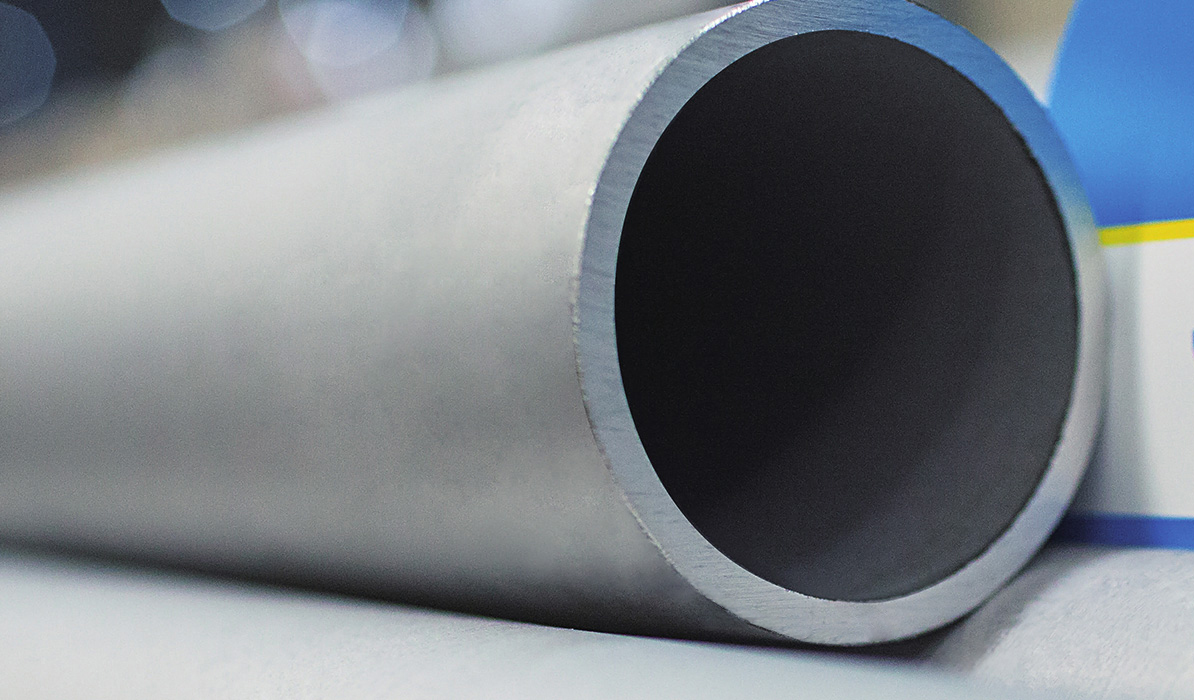
Stainless Steel Products
Austenitic, ferritic, martensitic, precipitation-hardening, duplex, super duplex and high-alloy stainless steel.
Grade Families
Austenitic · Ferritic · Martensitic · PH · Duplex
Product Forms
Plate · Sheet · Coil · Strip · Pipe · Tube · Bar
Documentation
MTC & Inspection Records
Stainless Steel Grades
Stainless Steel Grades and Alloy Families
TiAlloy supplies stainless steel across austenitic, ferritic, martensitic, precipitation-hardening, duplex, super duplex and high-alloy families. Plate, sheet, coil, strip, pipe, tube and bar are available across a broad range of grades, sizes and processing conditions.
Stainless Steel Supply Overview
Product Forms
Plate · Sheet · Coil · Strip · Pipe · Tube · Bar · Rod · Forgings
Supply Conditions
Hot rolled · Cold rolled · Annealed · Solution annealed · Pickled · Ground · Polished
Standards & Documentation
ASTM · ASME · EN · JIS · EN 10204 3.1 · PMI and NDT when specified

Broad Grade Range
Alloy, product form, size and condition are confirmed according to the order specification.
Main Stainless Steel Families
From general-purpose austenitic grades to duplex, high-strength and highly alloyed stainless steels for chemical processing, heat treatment, marine, energy and industrial applications.
01
Austenitic
02
Ferritic
409 · 410S · 430 · 439 · 441 · 444
Magnetic stainless steels used in automotive, appliance, heat-transfer and oxidation-resistant components.
03
Martensitic
410 · 420 · 431 · 440C
Heat-treatable stainless steels for applications requiring hardness, mechanical strength and wear resistance.
04
PH Stainless
17-4PH · 15-5PH
Precipitation-hardening stainless steels combining high strength with useful corrosion resistance for shafts, valves and precision mechanical components.
05
Duplex
2101 · 2304 · 2205
Ferritic-austenitic stainless steels combining higher strength with improved resistance to chloride stress corrosion cracking.
06
Super Duplex
2507 · UNS S32760
Higher-alloy duplex stainless steels for offshore, desalination, seawater and aggressive chloride-containing environments.
07
High Alloy
904L · 254SMO / UNS S31254
Highly alloyed austenitic stainless steels for more demanding chemical, acidic and chloride-containing service.
Supply
Product Forms
Plate · Sheet · Coil · Strip · Pipe · Tube · Bar · Forgings
Availability varies by alloy, dimension, standard, processing condition and order quantity.
Grade Availability
Not every stainless steel grade is available in every product form or dimension. Final supply is confirmed against the required grade, ASTM or EN standard, size, condition, quantity and inspection requirements.
7
Alloy Families
Product Forms
Plate · Sheet · Coil · Pipe · Tube · Bar
Processing
Cut · Slit · Polish · Grind · Machine
Inspection
MTC · EN 10204 3.1 · PMI · NDT
Stainless Steel Products
Stainless Steel Products and Available Forms
TiAlloy supplies stainless steel plate, sheet, coil, strip, pipe, tube, bar, rod, wire and forgings for industrial, chemical, marine, heat-exchanger, food-processing, energy and general fabrication applications. Austenitic, ferritic, martensitic, precipitation-hardening, duplex, super duplex and high-alloy stainless steels are available in multiple product forms according to grade, standard, size and processing condition.
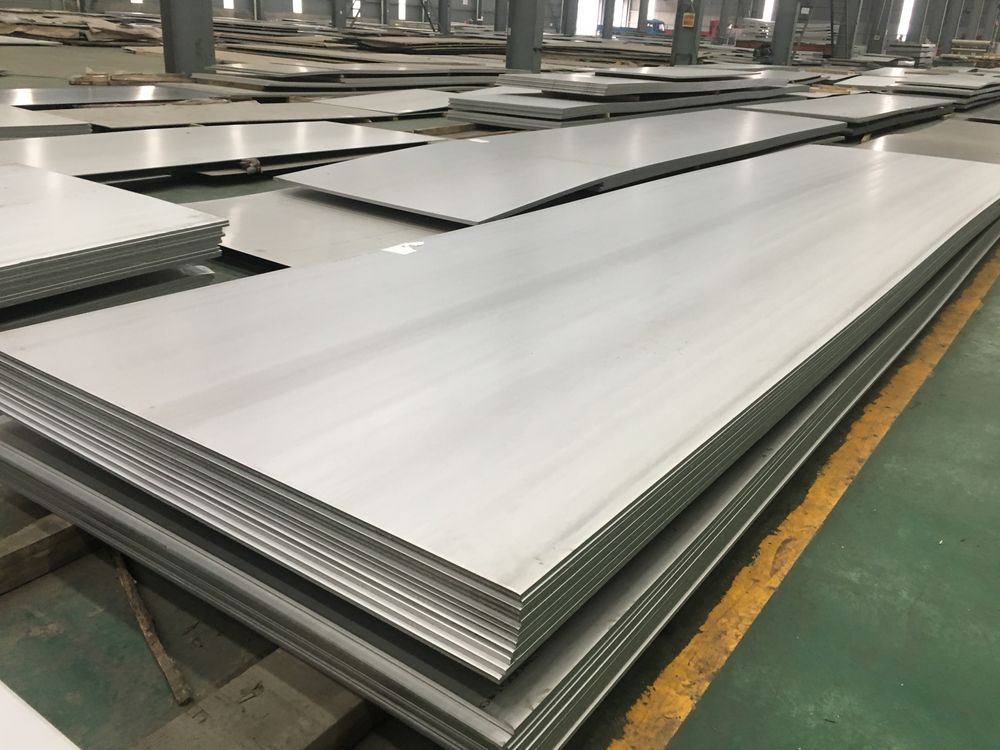
Flat Products
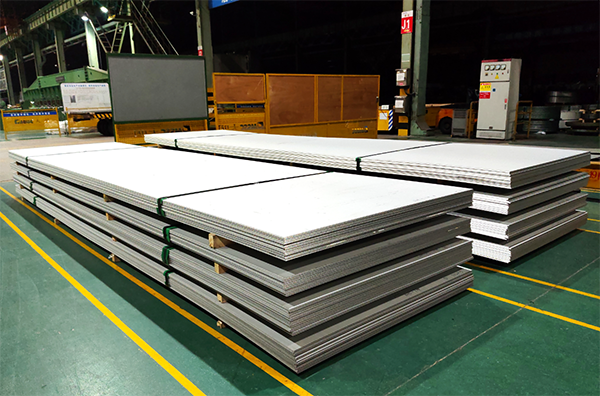
Stainless steel plate, sheet, coil and strip in hot-rolled and cold-rolled conditions.
Product Group 01
Flat Products
Stainless steel flat products cover heavy plate, thin sheet, coil and precision strip, with cutting, leveling, slitting and surface processing available according to the order.
Stainless Steel Plate & Sheet
Stainless steel plate and sheet for pressure equipment, chemical processing, tanks, fabrication, food equipment, marine structures and industrial components.
Conditions
Hot rolled · Cold rolled · Annealed · Pickled
Processing
Cut to size · Leveling · Polishing · Machining
Grades
Austenitic · Duplex · Super Duplex · High Alloy
Stainless Steel Coil & Strip
Stainless steel coil, slit coil and precision strip for forming, stamping, shims, gaskets, spring components and thin fabricated parts.
Supply
Coil · Slit Coil · Narrow Strip · Cut Sheet
Processing
Slitting · Leveling · Edge control · Cut to length
Finishes
No.1 · 2B · BA · Polished as specified
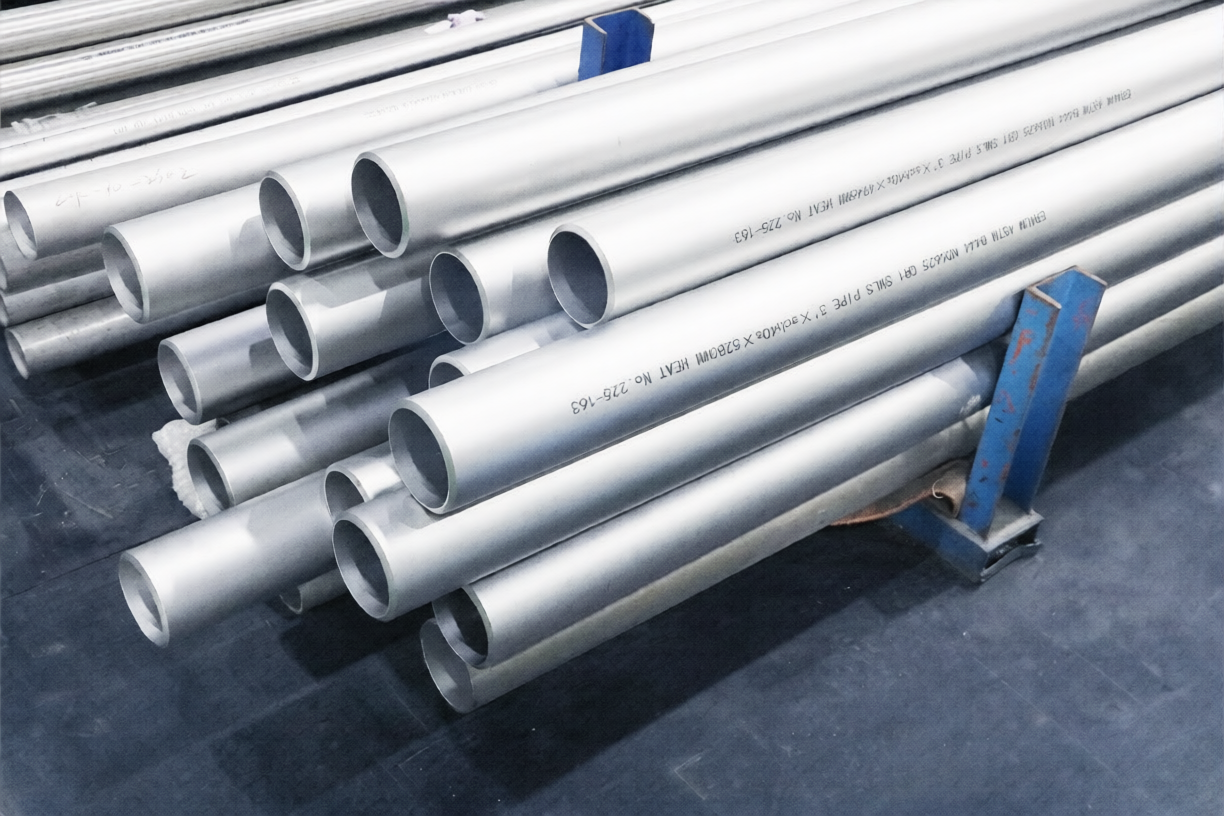
Tubular Products
Seamless and welded stainless steel pipe and tube for process, pressure and heat-transfer service.
Product Group 02
Pipe & Tube
Stainless steel pipe and tube are supplied in austenitic, duplex and other grades for process piping, pressure systems, heat exchangers, boilers and general industrial service.
Stainless Steel Pipe
Seamless stainless steel pipe and welded stainless steel pipe for chemical processing, pressure piping, energy equipment, marine systems and chloride-containing service according to grade.
Manufacture
Seamless · Welded
Grades
Austenitic · Duplex · Super Duplex
Processing
Cut length · Pickled · Polished ID/OD when specified
Stainless Steel Tube
Stainless steel tube for heat exchangers, condensers, boilers, process equipment and general tubing applications, with seamless and welded routes according to specification.
Applications
Heat exchanger · Boiler · Condenser · Process tube
Manufacture
Seamless · Welded · Cold finished where specified
Inspection
Dimensional · NDT · PMI when specified
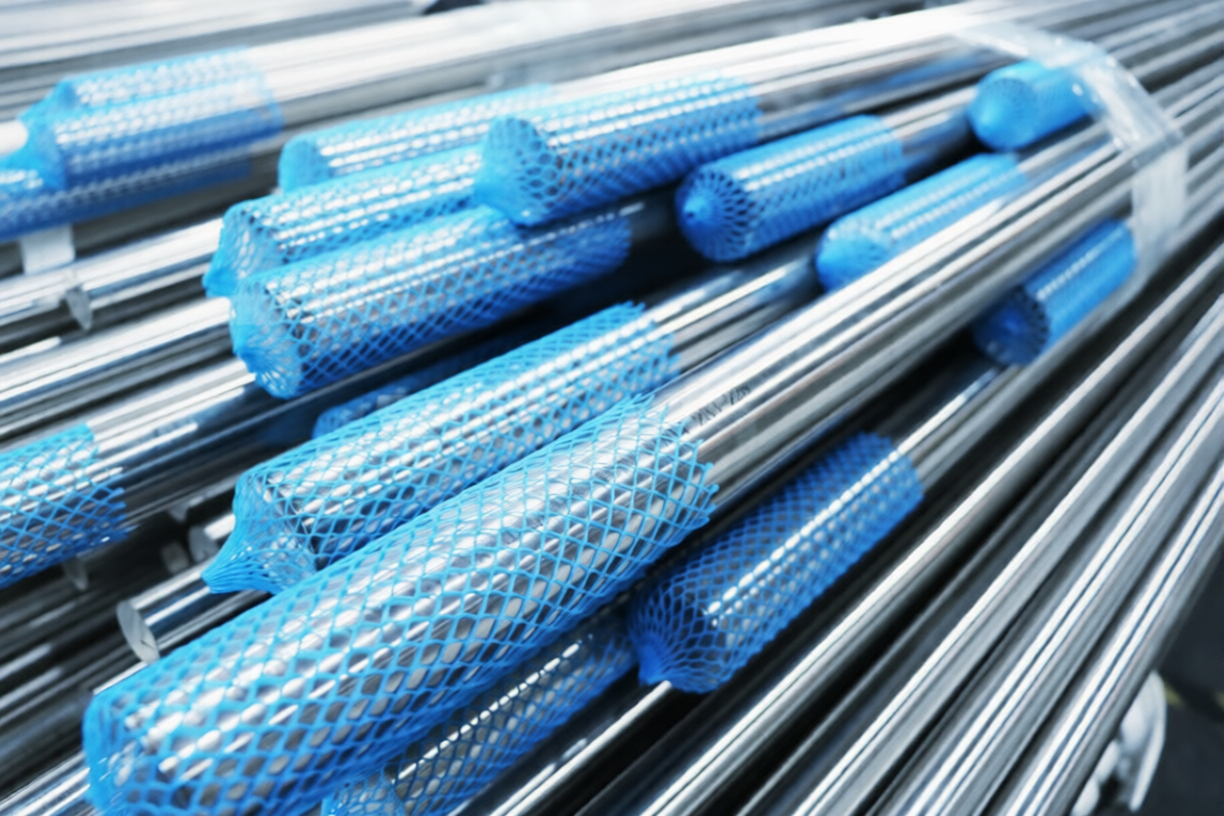
Long Products
Stainless steel bar, rod, wire and custom forms for machining and fabricated components.
Product Group 03
Bar, Rod & Custom
Stainless steel long products include round bar, rod, flat bar, hex bar and wire, together with forgings and drawing-based components for machining, valves, fasteners and industrial equipment.
Stainless Steel Bar & Rod
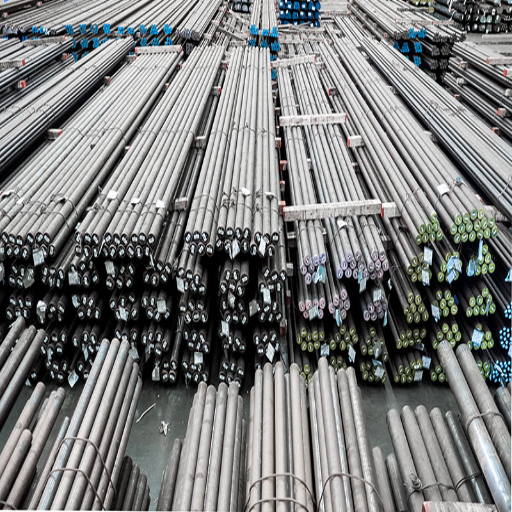
Stainless steel round bar, rod, flat bar and hex bar for machining, shafts, fasteners, valve parts, pump components and general engineering applications.
Shapes
Round · Flat · Hex · Square
Conditions
Hot rolled · Forged · Peeled · Turned · Ground
Processing
Saw cutting · Centerless grinding · Machining
Stainless Steel Wire, Forgings & Custom Forms
Stainless steel wire and forged products can be supplied for springs, fasteners, rings, discs, shafts, flanges, blocks and drawing-based components according to grade and order requirements.
Forms
Wire · Ring · Disc · Shaft · Flange · Block
Processing
Forging · Heat treatment · Machining · Surface finishing
Supply
Standard dimensions or drawing-based custom products
Stainless Steel Supply
Processing & Documentation
Flat Products
Slitting · Leveling · Cut to Size · Polishing
Long Products
Saw Cut · Peeled · Turned · Ground · Machined
Inspection
MTC · EN 10204 3.1 · PMI · NDT when specified
Product Availability
Product form, ASTM or EN standard, grade, size, surface condition, heat treatment, tolerance and inspection requirements are confirmed for each order. Not every stainless steel grade is available in every form or dimension.
SS
Product Forms
Flat Products
Plate · Sheet · Coil · Strip
Tubular Products
Seamless Pipe · Welded Pipe · Tube
Long & Custom
Bar · Rod · Wire · Forgings
Request Stainless Steel Quote
Grade · Form · Size · Quantity · Standard
Stainless Steel Standards
ASTM Standards for Stainless Steel Products
Stainless steel specifications vary by product form, alloy family and service requirement. Flat products, pipe, tube, bar and forgings are supplied to separate ASTM standards covering their respective manufacture, properties and testing requirements.
Product Standards
Applicable specification depends on grade, product form and service.
Main Standards
ASTM Product Scope
Flat Products
A240 · A666
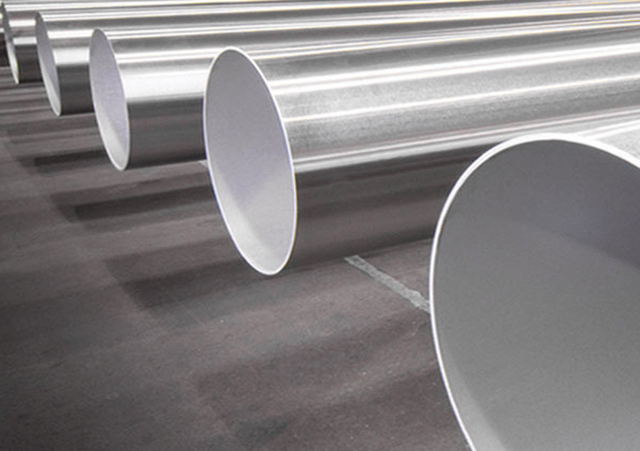
Pipe & Tube
A312 · A213 · A269 · A789 · A790
Bar & Forgings
A276 · A479 · A182
01 · Flat Products
Plate, Sheet & Strip
Stainless Steel Plate, Sheet & Strip
ASTM A240/A240M covers stainless steel flat products for pressure vessel and general applications, including many austenitic, duplex and super duplex grades.
Austenitic Stainless Steel Flat Products
ASTM A666 covers specified austenitic sheet, strip, plate and flat bar, including applicable temper and cold-worked conditions.
Specification Details
Grade · Thickness · Width · Length · Surface Finish · Edge Condition · Hot or Cold Rolled
02 · Tubular Products
Pipe & Tube
Austenitic Stainless Steel Pipe
Seamless, welded and heavily cold-worked stainless steel pipe for high-temperature and general corrosive service.
Heat-Exchanger & Boiler Tube
Seamless ferritic and austenitic boiler, superheater and heat-exchanger tubes according to listed grades.
General-Service Stainless Steel Tube
Seamless and welded austenitic stainless steel tubing for corrosion-resistant and temperature service.
Duplex Stainless Steel Tube
Seamless and welded ferritic-austenitic stainless steel tubing including commonly specified duplex grades.
Duplex & Super Duplex Pipe
Seamless and welded duplex stainless steel pipe for corrosive and chloride-containing service.
Specification Details
Grade · OD or NPS · Wall or Schedule · Length · Seamless or Welded · Heat Treatment · NDT
03 · Long & Forged Products
Bar & Forgings
Stainless Steel Bar
Bars and shapes including round, flat, hex and other profiles for general engineering applications.
Pressure-Service Bar
Stainless steel bars and shapes for boilers and other pressure-related applications.
Forgings, Flanges & Fittings
Stainless steel forgings, flanges, forged fittings, valves and related pressure-system components.
Specification Details
Grade · Diameter or Drawing Size · Shape · Heat Treatment · Finish · Machining · Inspection
Inspection & Certification
Material Certification & Traceability
Material documentation is supplied according to the purchase specification. EN 10204 3.1, PMI, NDT and third-party inspection are available when specified and applicable.
Heat Number
Chemical Analysis
Mechanical Tests
Dimensional Inspection
PMI
NDT
EN 10204 3.1
3.2 when required
ASTM
Product Standards
Flat Products
A240 · A666
Pipe & Tube
A312 · A213 · A269 · A789 · A790
Bar & Forgings
A276 · A479 · A182
Surface Finish & Product Condition
Stainless Steel Surface Finishes and Product Conditions
Stainless steel surface finish and cleanliness influence appearance, cleanability, fabrication and corrosion performance. TiAlloy supplies hot-rolled, cold-rolled, pickled, bright annealed, brushed, polished and ground surfaces across stainless steel plate, sheet, coil, strip, pipe, tube, bar and rod, according to the product specification and ordered condition.
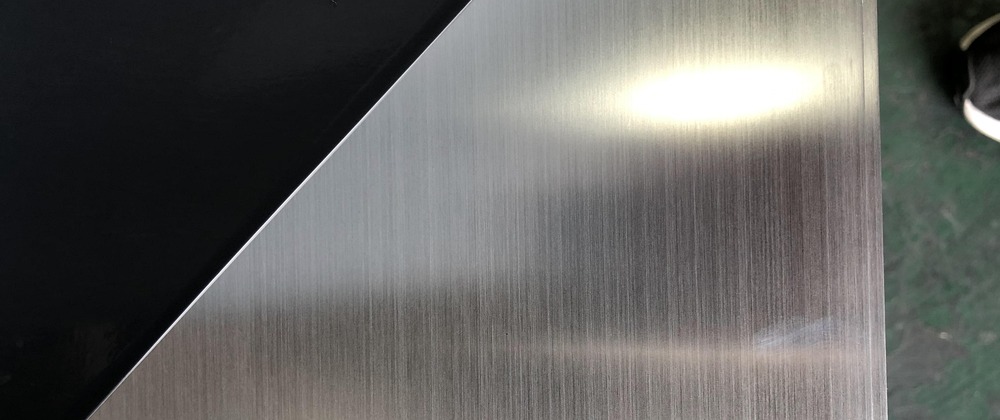
Surface Condition
Finish, roughness and surface treatment can be specified according to product form and service requirements.
Finish Range
Product Surfaces
Flat Products
No.1 · 2B · BA · No.4 · Brushed · Polished
Pipe & Tube
Pickled · Bright Annealed · ID / OD Polished · Electropolished
Bar & Rod
Hot Rolled · Peeled · Turned · Ground · Bright Drawn
Surface Conditions by Product Form
Available surface condition depends on stainless steel grade, manufacturing route, dimension and final application. Specific polishing, roughness or cleanliness requirements can be included in the order specification.
01 · Flat Products
Stainless Steel Plate
No.1 · Annealed & Pickled · Ground · Polished
Hot-rolled stainless steel plate is commonly supplied annealed and pickled, with grinding, polishing and cut-surface preparation available when specified.
02 · Flat Products
Sheet, Coil & Strip
2B · BA · No.4 · Brushed · Polished · Mirror
Cold-rolled stainless steel sheet, coil and strip are available in industrial and decorative finishes for fabrication, food equipment, architectural work and precision components.
03 · Tubular Products
Stainless Steel Pipe & Tube
Annealed & Pickled · BA · OD Polish · ID Polish · Electropolish
Stainless steel pipe and tube can be supplied pickled, bright annealed or mechanically polished, with internal and external polishing or electropolishing available when required.
04 · Long Products
Stainless Steel Bar & Rod
Hot Rolled · Peeled · Turned · Ground · Centerless Ground · Bright Drawn
Stainless steel bar and rod are supplied in surface conditions selected for machining, dimensional control, shaft production, fasteners and precision mechanical components.
Finish & Tolerance
Specification Requirements
ASTM A480/A480M
General requirements for stainless steel plate, sheet and strip include dimensional, tolerance, finish and ordering provisions used together with the applicable material specification.
Surface Roughness
Polishing grit or surface roughness can be specified where cleanability, hygienic service, sealing or process performance requires a controlled surface.
Surface Treatment
Pickling, Passivation & Surface Cleaning
Free-iron contamination, residual heat tint, scale and unsuitable surface preparation can cause staining or localized corrosion even when the specified stainless steel grade is correct. Pickling and passivation requirements can therefore be included where the application or fabrication route requires additional surface cleaning.
Pickling
Oxide & Heat-Tint Removal
Removes scale, heat tint and surface oxides generated during hot processing or welding.
Passivation
Free-Iron Removal
Chemical cleaning removes free iron and other surface contamination before the passive surface re-forms.
Inspection
Finish & Cleanliness
Surface finish, roughness, cleanliness and final condition can be inspected when specified with the order.
ASTM A380/A380M
ASTM A967/A967M
Pickling
Stainless Steel Passivation
Surface Cleanliness
SURFACE
Finish & Condition
Flat Products
No.1 · 2B · BA · No.4 · Polished
Pipe & Tube
Pickled · BA · ID / OD Polish · Electropolish
Bar & Rod
Peeled · Turned · Ground · Bright Drawn
Stainless Steel Grades
Stainless Steel Grade Comparison
Common stainless steel grades differ in alloy content, strength, corrosion resistance and temperature capability. This overview compares widely used austenitic, duplex, super duplex and high-alloy grades supplied in plate, pipe, tube, bar and other product forms.
Grade Range
Austenitic · Duplex · Super Duplex · High Alloy
Grade
Family
Main Characteristics
304L
Austenitic
General-purpose stainless steel for fabrication, tanks, food equipment and industrial components.
316L
Mo Austenitic
Higher pitting resistance than 304L and widely used in chemical, marine-related and process equipment.
321
Stabilized Austenitic
Titanium-stabilized grade for applications involving elevated-temperature exposure and resistance to sensitization.
2205
Duplex
Higher strength than common 300-series grades with improved resistance to chloride stress corrosion cracking.
2507
Super Duplex
High-strength stainless steel with higher pitting and crevice-corrosion resistance for aggressive chloride service.
904L
High-Alloy Austenitic
High-nickel and molybdenum alloy for demanding chemical, acidic and chloride-containing environments.
S31254
6Mo Austenitic
Highly alloyed stainless steel with strong resistance to localized corrosion in demanding chloride-containing service.
304L vs 316L
316L contains molybdenum and generally provides better pitting resistance in chloride-containing environments.
316L vs 2205
2205 provides substantially higher strength and improved chloride stress corrosion cracking resistance.
2205 vs 2507
2507 has higher Cr, Mo and N alloying and provides greater resistance in more aggressive chloride service.
Stainless Steel Supply
Stainless Steel Supply, Processing and Export
TiAlloy is an international stainless steel supplier and exporter for plate, sheet, coil, strip, pipe, tube, bar, rod, wire and custom processed products. Quotations are prepared against the required grade, product form, ASTM or EN specification, dimensions, quantity, surface condition and inspection requirements.
Quotation Information
01
Grade
02
Product Form
03
Dimensions
04
Quantity
05
Standard
06
Inspection
01
Commercial
Quotation
Stainless steel quotations are prepared against the requested material grade, product form, size, quantity, standard, finish and documentation scope. Plate, pipe, tube, bar and other product forms can be combined within one enquiry where required.
Grade
Product Form
Size
Quantity
ASTM / EN Standard
Surface Condition
02
Value-Added Supply
Processing
Stainless steel processing is coordinated according to the product and order requirement. Available services include cut-to-size plate, coil slitting, leveling, polishing, bar grinding, saw cutting, machining and other custom stainless steel processing.
Cut to Size
Slitting
Leveling
Polishing
Grinding
Machining
03
Quality Documentation
Inspection & Certification
Material documentation and inspection requirements are confirmed with the order. Heat-number traceability, MTC, EN 10204 Type 3.1, PMI, NDT and third-party inspection can be supplied or arranged when specified and applicable.
MTC
Heat Number Traceability
EN 10204 3.1
PMI
NDT
3.2 / Third Party when required
04
International Supply
Export & Delivery
International stainless steel orders can be prepared with export packing, shipping marks and delivery documentation according to the shipment. Destination port, Incoterm and freight requirements can be included with the quotation where requested.
Export Packing
Seaworthy Packing
Shipping Marks
Incoterms
Destination Port
Freight Coordination
Order Information
Supply Terms
Quote Response
Within one business day
MOQ
Confirmed by grade and product form
Lead Time
Confirmed with the quotation
Small Quantities
Quoted on request where available
Packing
Export packing according to shipment requirements
Stainless Steel Supply
Availability, MOQ, processing route and lead time vary by stainless steel grade, product form, dimensions, quantity and inspection scope. Final commercial and technical requirements are confirmed with the quotation before the order is placed.
SUPPLY
International Orders
Products
Plate · Coil · Pipe · Tube · Bar
Processing
Cut · Slit · Polish · Grind · Machine
Export
Packing · Documents · Freight Coordination
Stainless Steel Applications
Stainless Steel Industries and Applications
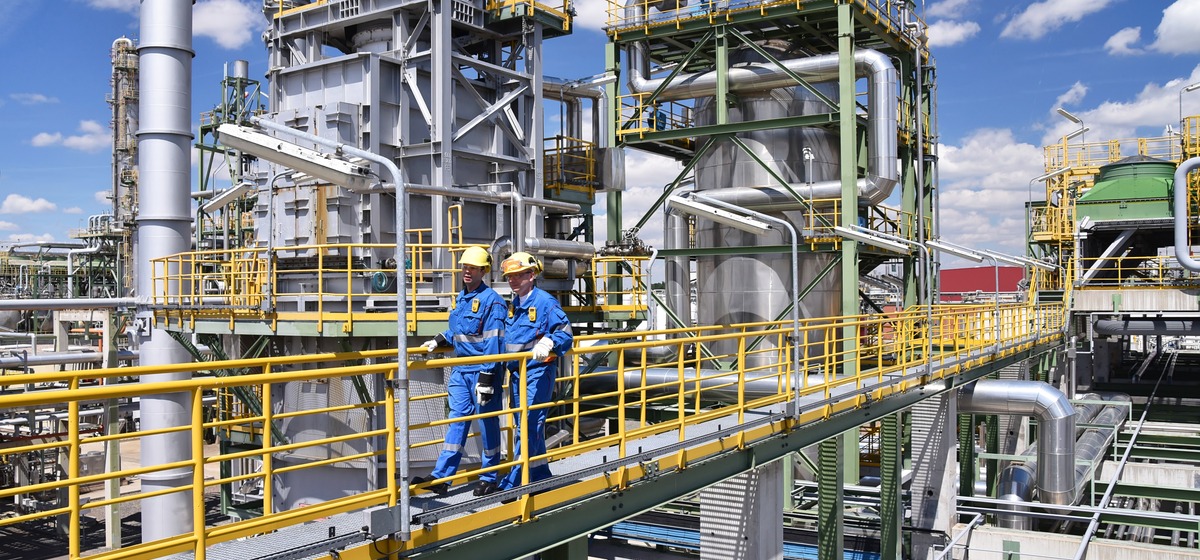
Stainless steel is supplied for chemical processing, marine and offshore systems, heat exchangers, food and pharmaceutical equipment, power generation, desalination and water treatment. Grade, product form and finish vary with corrosion exposure, temperature and service conditions.
01
Chemical Processing
Chemical & Petrochemical
Stainless steel is widely used for process piping, vessels, reactors, pumps and corrosion-resistant chemical equipment exposed to acids, chlorides and aggressive process media.
Materials
316L · 904L · Duplex 2205 · Super Duplex 2507 where applicable
Products
Plate · Pipe · Tube · Bar · Forgings
Service
Acids · Chlorides · Process media · Vessels · Process piping
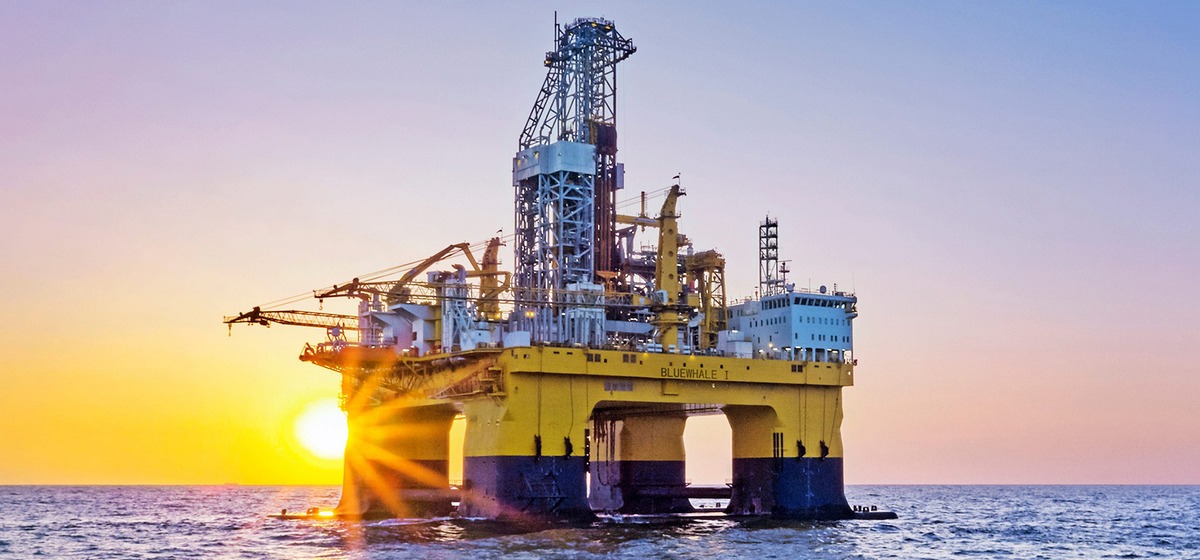
02
Marine Engineering
Marine & Offshore
Marine stainless steel and duplex grades are used for seawater piping, offshore process equipment and components exposed to chloride-containing environments.
Materials
316L · Duplex 2205 · Super Duplex 2507
Products
Plate · Pipe · Tube · Bar · Forgings
Service
Seawater · Chlorides · Splash zones · Offshore process systems
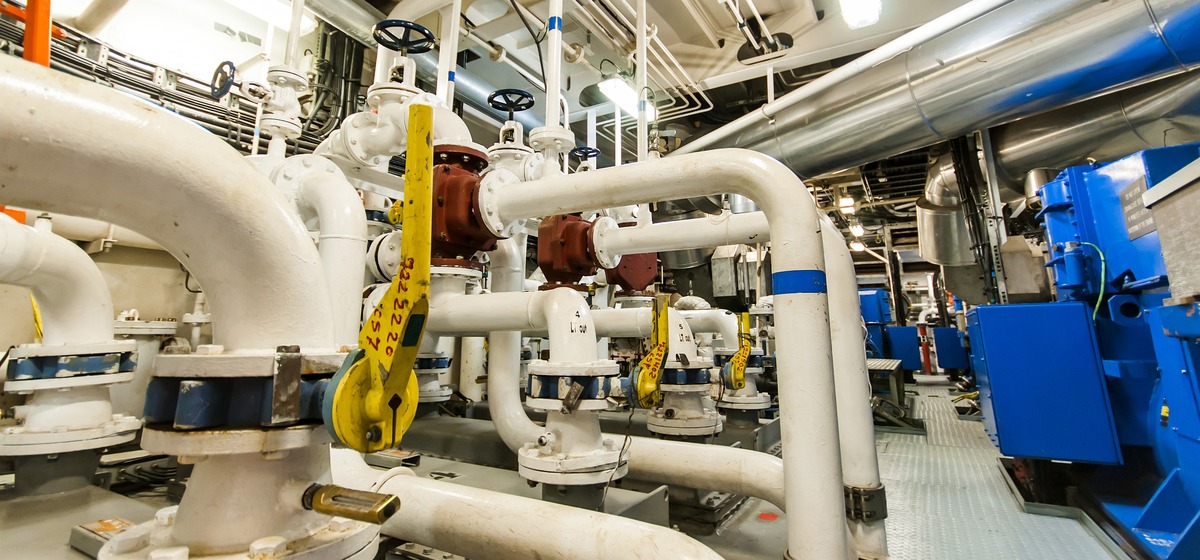
03
Heat Transfer Equipment
Heat Exchangers & Process Equipment
Stainless steel heat exchanger tube, pipe and plate are used in condensers, coolers, boilers and process equipment requiring corrosion resistance and controlled dimensions.
Materials
304L · 316L · 321 · Duplex 2205 · 2507 depending on service
Products
Heat Exchanger Tube · Pipe · Plate · Bar
Service
Cooling water · Condensers · Process media · Thermal cycling

04
Hygienic Processing
Food, Beverage & Pharmaceutical
304L and 316L stainless steel are commonly supplied for hygienic tanks, piping and processing equipment requiring corrosion resistance, cleanability and controlled surface finish.
Materials
304L · 316L
Products
Sheet · Plate · Pipe · Tube · Bar
Service
Hygienic surfaces · Wash-down · Cleanability · Passivated equipment

05
Elevated Temperature
Power Generation & High-Temperature Equipment
High-temperature stainless steels are used in power equipment, furnace components and hot process systems where oxidation resistance and thermal stability are important.
Materials
321 · 347 · 309S · 310S · 316L depending on service
Products
Plate · Pipe · Tube · Bar
Service
Elevated temperature · Oxidation · Thermal cycling · Hot process systems

06
Water & Seawater
Desalination & Water Treatment
Duplex and high-alloy stainless steels are used in desalination, reverse-osmosis and industrial water-treatment systems exposed to seawater, brine and high chloride concentrations.
Materials
Duplex 2205 · Super Duplex 2507 · 904L where appropriate
Products
Pipe · Tube · Plate · Bar · Forgings
Service
Seawater · Brine · RO systems · High-chloride process water
INDUSTRIES
Stainless Steel Applications
Corrosion Service
Chemical · Marine · Desalination
Process Equipment
Heat Exchange · Food · Pharmaceutical
Temperature Service
Power · Furnaces · High-Temperature Equipment
SUPPLY NETWORK
Our Mill & Supply Network
We work with established mills and specialty metal producers across stainless steel, titanium and nickel alloys to support a wider range of grades, forms and delivery requirements.


01
Pricing follows the engineering
These factors affect how TiAlloy prices any quote: provided here so you can be sure to come back a complete request the first time.
Grade and alloy content
Why it moves the number: Molybdenum, nickel and nitrogen content set the raw material cost floor.
State in your enquiry: Grade, or the service data if you want us to recommend one.
Form and dimension & Order quantity
Why it moves the number: Non-standard thickness or wall may require a dedicated production run. A production slot has a minimum economic tonnage per heat.
State in your enquiry: Stainless steel plate sizes or wall and diameter, plus tolerance class. Tonnage or piece count, and whether it repeats.
Certificate type & Test scope
Why it moves the number: EN 10204 3.2 adds an independent inspector and calendar time. Impact, intergranular corrosion and eddy current testing add process steps.
State in your enquiry: 3.1 or 3.2, and the nominated inspection body. Required tests and acceptance criteria.
02
Production lead time is quoted as a confirmed production slot with the quotation.
We are happy to make two formal promises to you because these are the areas where customers are most frequently let down.
Firstly, TiAlloy quotes a production slot, not a “hoped for date.” Secondly, if the production slot moves, we proactively inform you, no need to chase us! We specify the minimum order quantity by grade and form, not as a flat figure for everything and confirm this in writing with the quote.
03
Strict Delivery Standards
Delivery terms deserve the same rigorous approach, because specifying the Incoterm determines when duty, freight and brokerage are charged: it’s a contract term, not an accounting term.
For the importer of record, the entry documentation required and the process that governs payment of these duties and taxes is published by U.S. Customs and Border Protection. Tell us the Incoterms you use and we’ll quote within them.
04
Send this and the quote comes back
Grade or service parameters, dimensions and form, quantities, certificate and tests required, and shipping terms and final destination. That’s all you need to make a complete inquiry.
Any inquiry less than that gets you an estimate that is less granular than it looks – and that’s the trap behind most low price quotes.
Building the enquiry now?
Estimate flat product weight, then request a quote using the button on the left panel.
Technical Resources
Stainless Steel Technical Resources
Reference stainless steel grades, product standards and PREN values alongside the main product information on this page. These resources support comparison of common stainless steel, duplex and super duplex materials without replacing the applicable material or project specification.
01
Stainless Steel Grade Comparison
Compare common austenitic, heat-resistant, duplex, super duplex and high-alloy stainless steels by general corrosion resistance, strength and service characteristics.
02
ASTM Standards Reference
Reference common ASTM specifications for stainless steel plate, sheet, strip, pipe, tube, bar and forgings by product form.
03
PREN Calculator
Calculate and compare Pitting Resistance Equivalent Number values from chemical composition for stainless steel, duplex and super duplex grades.
About PREN
PREN is a comparative alloy index calculated from chemical composition. It is useful for comparing pitting-resistance potential between stainless steel grades, but it should not be used alone to establish suitability for seawater, chloride or other corrosive service.
Stainless Steel Grades
ASTM Standards
Duplex & Super Duplex
PREN
Request Technical Data
FAQ — Stainless Steel Sourcing Questions
Safety is achieved through verification of origins not with an assertion of nationality. Seek the company’s business license, an raw unedited plant video, and heat traceability certificate prior to purchasing, then confirm delivered material by matching the heat numbers on the tags and using an XRF or OES analyser to verify the alloy. Specify EN 10204 3.2, when its use justified, and an independent inspector sign it off for you.
What differentiates a mill from a reseller? Four key areas: 1) the certificate is issued by the actual melting plant, 2) grades beyond 304/316 are offered, 3) quote details grade, standard and test scope, 4) lead time is expressed as a production slot. We are a stainless steel distributor but where traceability is critical, the first factor stands alone.
Split the question by exposure, because a single answer does not encompass a hull fitting and a hand rail. For pristine immersion, the honest answer is super austenitic or super duplex – grades that sit above the PREN 32 cut-off point, which within our choice of grades is 904L, 2205 and 2507. For splash zone and near-coastal air, 316L works where it is rinsed by rain or rinsed on a maintenance cycle, but it will stain and slowly pit under the build-up of salts, and a crevice such as a bolted flange hastens the pit. The key inputs are chloride level at a point in the cycle, maximum metal temperature and is a crevice present. Send us those three and we will tell you what grade we would recommend, and we will do so clearly stating where 316L is being asked to perform a task it cannot.
Both 321 and 347 are stabilised by titantium and niobium respectively, to retard sensitisation at welds, and 310S has the highest combined chromium and nickel in our ranges, for corrosion resistance to oxidation. Stabilized types are the response most often used when a welded structure will repeatedly pass through the disintegration range.
Chloride level measured, temperature of peak metal temperature, is there a crevice present, what strength is needed, what method of fabrication will be used. Whether a grade is familiar should be last on that list, because that is the input that more often than not results in both over- and under- specification.
Correct bar. It is rolled via the bar route, and then either peeled, ground or drawn to the specification ordered, and the quotation states this.
Both are fixed per grade and form, because the lot for a duplex heat and a 304 coil run do not have the same minimum. We reaffirm the figure in writing at quotation along with the production slot, so request with your grade, form and dimensions and you will receive an answer specific to your needs, rather than a range.