Get in Touch with TiAlloy Company

Austenitic Stainless Steel
304 / 304L Stainless Steel Supplier
TiAlloy supplies 304 and 304L stainless steel in plate, sheet, coil, pipe, tube, bar and related product forms. Send the required grade, product standard, dimensions, quantity, finish and inspection scope for a specification-based quotation.
Plate
·
Sheet
·
Coil
·
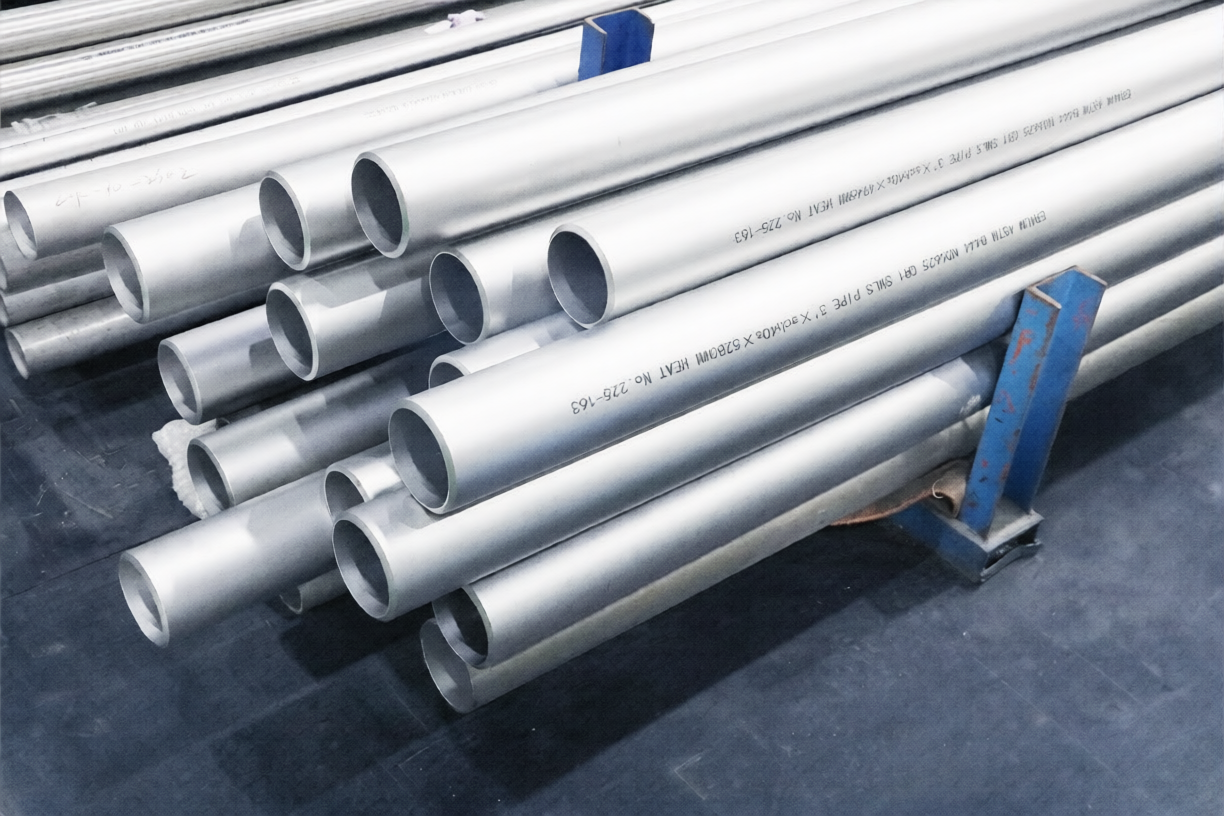
Pipe
·
Tube
·
Bar & Rod
304
UNS S30400
EN 1.4301 · JIS SUS304
Standard 18Cr-8Ni austenitic stainless grade.
304L
UNS S30403
EN 1.4307 · JIS SUS304L
Low-carbon 304 variant for applicable welded and thermal-service requirements.
Request 304 / 304L Size & Price
Include product form, standard, size, quantity,
surface or condition, required documents and destination.
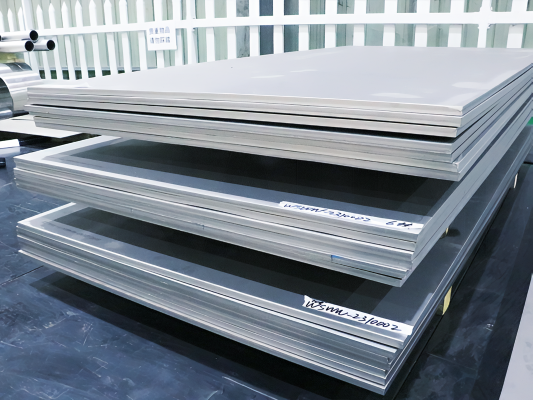
304 / 304L Stainless Steel
 Coil / Sheet
 Bar / Rod
Supply route
Availability depends on product form, standard, dimensions,
finish, quantity, processing and source-mill route.
Additional PMI, NDT or certification requirements should be stated with the RFQ.
Standards by form
Plate / Sheet / Strip
ASTM A240 / ASME SA-240
Pipe
ASTM A312 / ASME SA-312
Tube
ASTM A269 / A213
Bar / Rod
ASTM A276 / A479
Grade Selection
304 vs 304L Stainless Steel — What Actually Changes
304 and 304L belong to the same chromium-nickel austenitic stainless steel family. The main purchasing difference is the lower carbon limit of 304L and the way that requirement affects welding, sensitization control and material certification.
304
UNS S30400
The purchasing difference
304L
UNS S30403
C ≤ 0.07%
Carbon
For ASTM A240 annealed flat products, 304L carries the
lower maximum carbon requirement.
C ≤ 0.030%
Standard 304 chemistry
Welding
Lower carbon in 304L reduces susceptibility to chromium-carbide
precipitation and sensitization after relevant welding or thermal exposure.
Lower-carbon route
Higher specified minimums in some product standards
Mechanical
Product specifications can assign different minimum mechanical
requirements to 304 and 304L. The governing product form and
standard remain controlling.
Grade-specific minimums
General 304 corrosion envelope
Corrosion
304L mainly changes the carbon-related sensitization route.
It does not add molybdenum or create a new chloride-resistance class.
Not a chloride upgrade
S30400
Certification
Some material may be supplied with 304 / 304L dual certification
when the actual chemistry and test results satisfy the applicable
requirements for both grades. Verify the MTC.
S30403
What “L” does not mean
304L means lower carbon.
It does not mean added molybdenum, improved seawater resistance
or an automatic upgrade for chloride service.
When the choice usually matters
Specify 304
When the applicable product standard and project requirement
call for S30400 and no lower-carbon grade is required.
Specify 304L
When S30403 or a lower-carbon route is specifically required,
particularly for relevant welded or thermally exposed fabrication.
Review another alloy
When chloride exposure, seawater, stronger chemical service,
higher strength or another design requirement exceeds the
304 / 304L service envelope.
Specification boundary
Carbon limits and mechanical requirements depend on the ordered
product form and governing specification. The ASTM A240 carbon
values shown above apply to the flat-product comparison used here;
pipe, tube, bar, forging and other product forms must be checked
against their applicable specifications and purchase order.
Product Forms
304 / 304L Stainless Steel Product Forms
Within our stainless steel supply range , 304 and 304L are supplied across flat products, tubular products, bars and structural profiles. Each form follows its own dimensional language, product specification, delivery condition and inspection route.
One grade family, nine product routes
Select the required product form first, then confirm the governing specification, dimensions, condition, processing, inspection and documentation requirements before quotation.
Product-form rule:
ASTM A240 covers plate, sheet and strip within its scope;
pipe, tube, bar, angle and channel follow their applicable product specifications.
9 product forms
Sheet · Plate · Coil · Pipe · Tube · Bar · Flat Bar · Angle · Channel
Availability review
Stock status and sourcing route are checked against grade, form, size and quantity.
Form-specific standards
Product standards are matched to the actual ordered form and service requirement.
Order-specific scope
Finish, processing, testing, marking, documentation and packing are confirmed per order.
 Sheet
Sheet
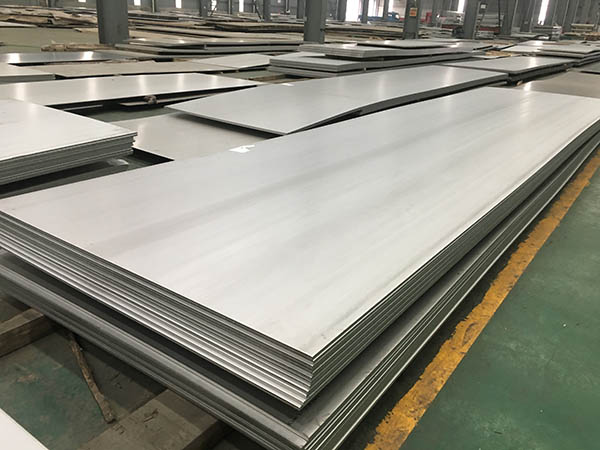
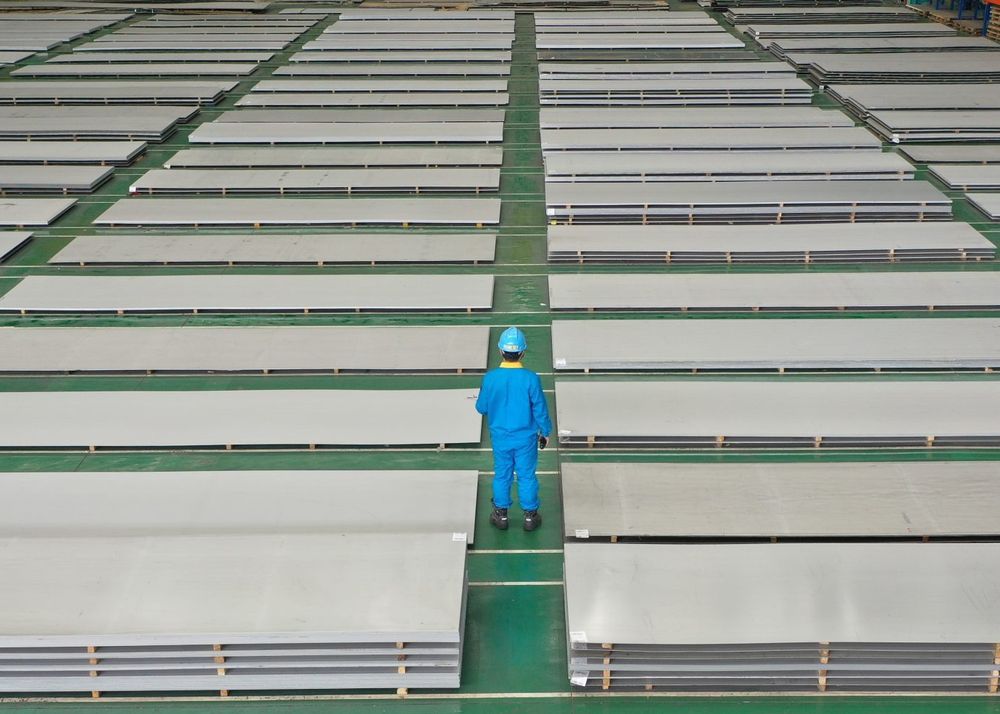
304 / 304L Stainless Steel Sheet
Sheet is supplied as flat cut lengths for formed panels, enclosures, equipment surfaces, tanks and fabricated components. Thickness, rolling route, finish and flatness should be stated with the inquiry.
Common specification route:
ASTM A240/A240M or ASME SA-240; ASTM A480/A480M supplies
applicable general flat-product requirements.
Condition & Finish
Cold- or hot-rolled as specified; 2B, BA, No.1,
No.4, HL, polished or project finish where applicable.
Processing
Cut-to-size, shearing, profile cutting, forming and
protective film subject to order review.
- Thickness × width × length
- Finish and flatness requirement
- Edge / protective-film requirement
- Quantity, documents and packing
 Plate
Plate
304 / 304L Stainless Steel Plate
Plate is supplied for fabricated equipment, vessels, bases, covers and machined components. Cutting route, edge condition, machining allowance and flatness should match the final part requirement.
Common specification route:
ASTM A240/A240M or ASME SA-240, with applicable
ASTM A480/A480M general requirements.
Condition & Surface
Hot- or cold-rolled route as ordered; No.1,
pickled or project-specific finish where applicable.
Processing
Cut profiles, holes, bevels and machining allowance
according to drawing review.
- Thickness × width × length
- Flatness and surface acceptance
- Cutting / machining requirement
- Testing, marking and documentation
 Coil
Coil
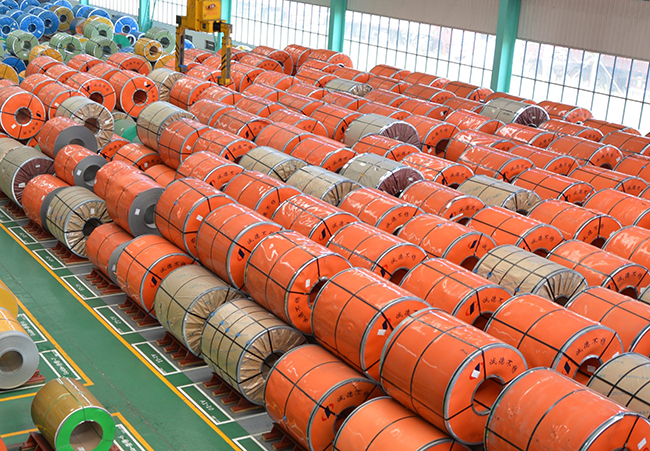
304 / 304L Stainless Steel Coil
Flat-rolled coil is used for stamping, roll forming, cut-to-length processing and continuous fabrication. Coil width, mass and inside diameter should be matched to the buyer’s downstream equipment.
Common specification route:
ASTM A240/A240M flat-product grade requirements,
with ASTM A480/A480M where applicable.
Coil Configuration
Mill or slit edge, coil ID, target / maximum coil mass,
finish and surface protection as specified.
Processing
Slitting, cut-to-length, edge control and
surface protection subject to route review.
- Thickness and width
- Coil ID / OD or mass limit
- Edge and finish
- Downstream processing and packing limits
 Pipe
Pipe
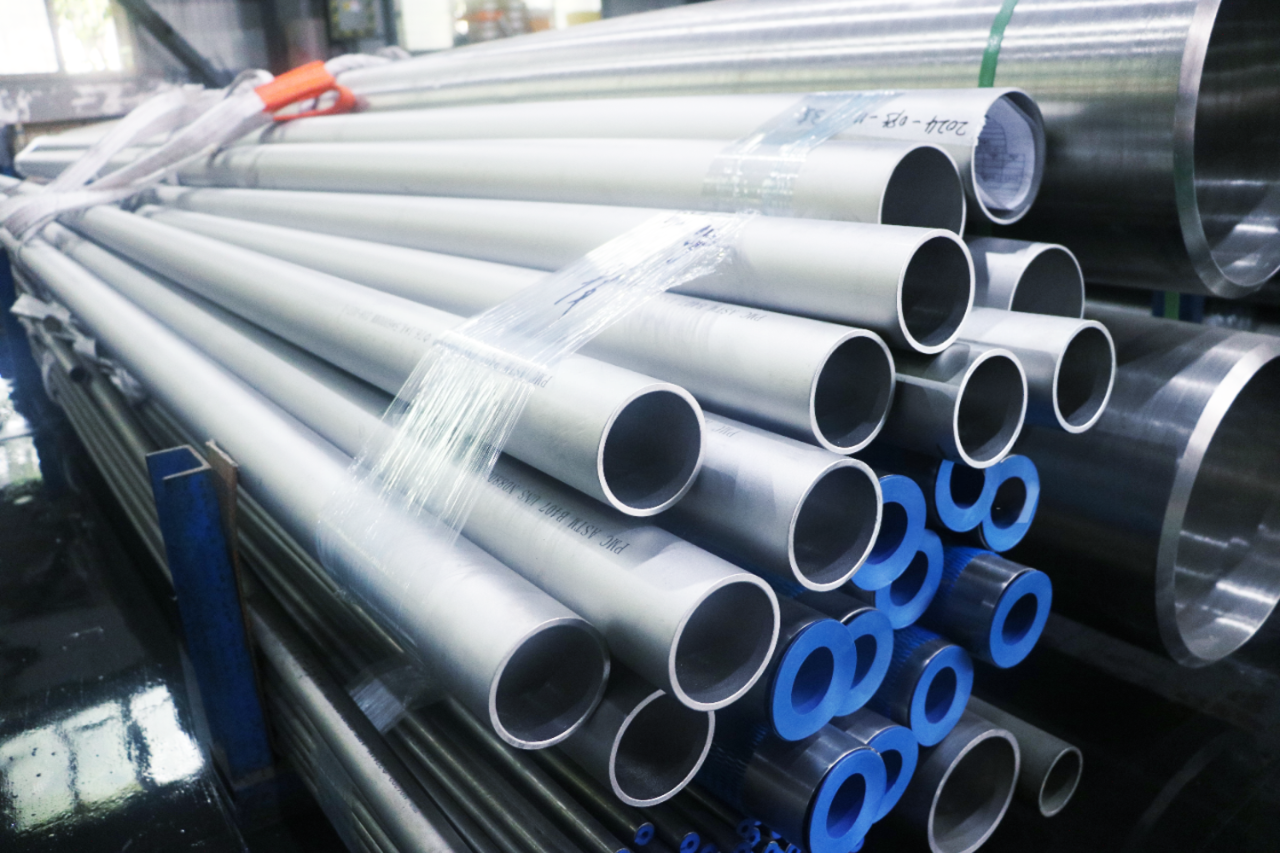
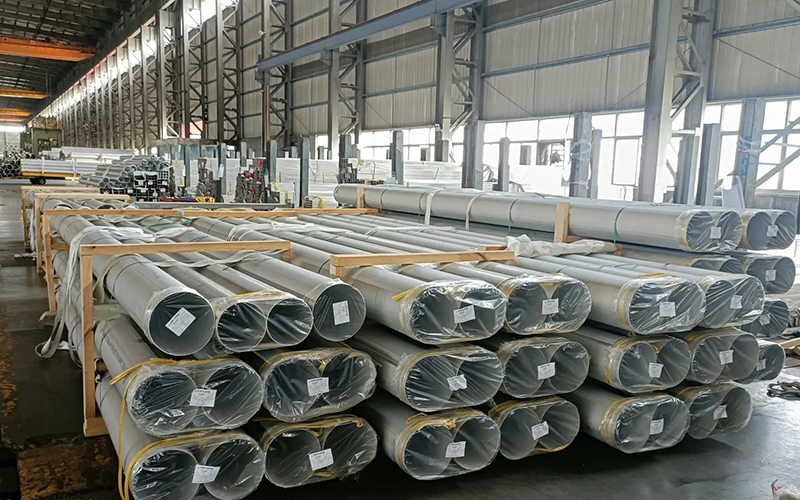
304 / 304L Stainless Steel Pipe
Pipe is supplied for process piping, utilities and industrial systems. Orders should identify pipe terminology such as NPS, schedule or actual wall thickness together with manufacturing route and end condition.
Common specification route:
ASTM A312/A312M or ASME SA-312 within their applicable scopes.
Manufacturing Route
Seamless or welded route according to the ordered
specification and dimensional requirement.
Inspection
Hydrostatic / NDE and supplementary tests according
to the governing specification or when separately ordered.
- NPS / OD and schedule / wall
- Length and end preparation
- Manufacturing route
- Testing and documentation
 Tube
Tube
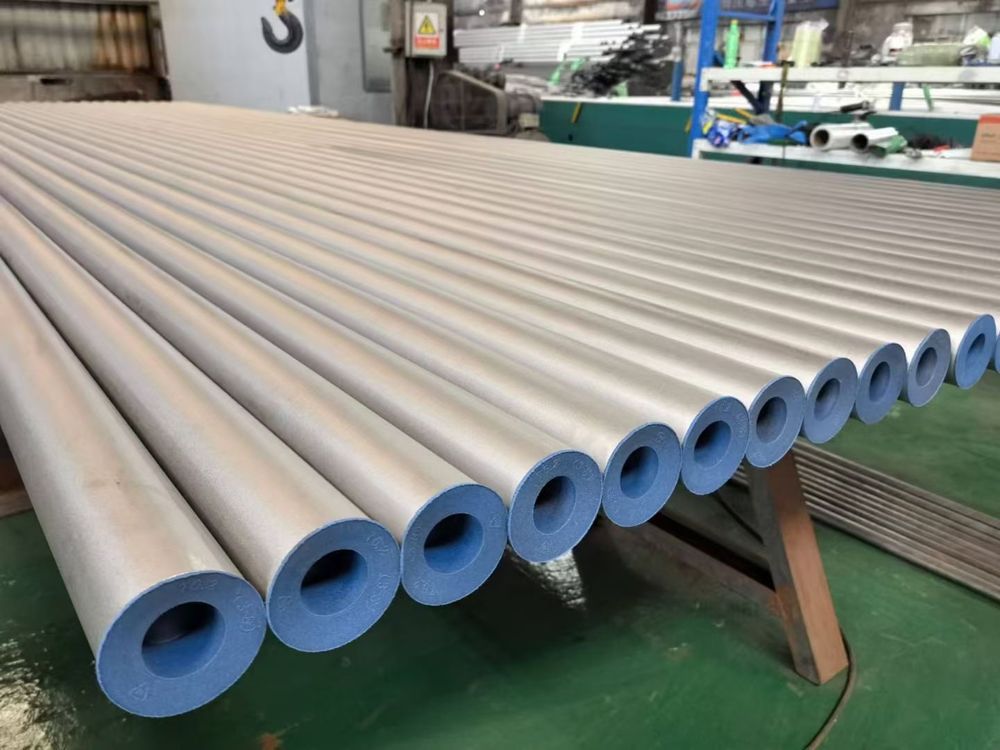
304 / 304L Stainless Steel Tube
Tube is ordered by outside diameter and wall thickness for general service, heat-transfer, sanitary, mechanical and fabricated-equipment applications. Intended service should be identified before the product standard is selected.
Common specification routes:
ASTM A269/A269M, ASTM/ASME A/SA-213,
ASTM A270/A270M or ASTM A554 according to service and scope.
Surface
Pickled, bright or mechanically polished routes,
including specified ID / OD finish where applicable.
Inspection
Dimensional and applicable hydrostatic,
nondestructive or service-specific testing.
- OD × wall thickness
- Length and seamless / welded route
- Surface / roughness requirement
- Testing, cleanliness and packing
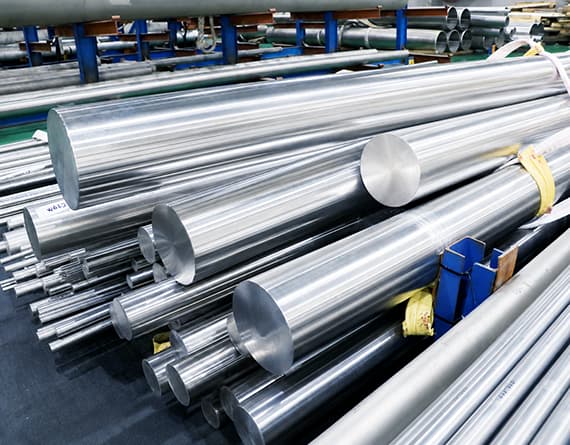 Bar & Rod
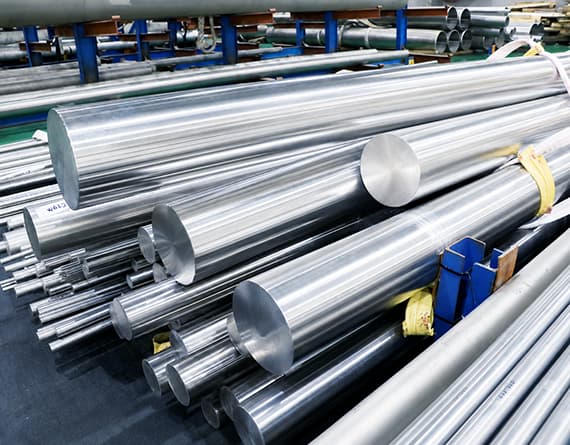
304 / 304L Stainless Steel Bar & Rod
Round, square and hexagonal solid bars are used for shafts, fittings, fasteners and machined parts. Tolerance, straightness and surface condition should match the downstream machining route.
Common specification routes:
ASTM A276/A276M and ASTM A479/A479M where applicable,
with ASTM A484/A484M general requirements.
Condition
Hot-finished or cold-finished routes; peeled,
turned, ground or polished where specified.
Processing
Cut lengths, end preparation and drawing-based
machining requirements subject to review.
- Round / square / hex shape
- Diameter or across-flat size
- Length, tolerance and straightness
- Surface and machining allowance
 Flat Bar
304 / 304L Stainless Steel Flat Bar
Flat bar is supplied for frames, brackets, supports, straps and fabricated assemblies. It should be distinguished from slit strip by the ordered section, edge, tolerance and route.
Common specification route:
ASTM A276/A276M for applicable bars and shapes,
with ASTM A484/A484M general requirements.
Section
Width × thickness × length together with edge,
tolerance and straightness.
Processing
Cutting, drilling and fabrication preparation
according to order requirements.
- Width × thickness × length
- Edge and dimensional tolerance
- Surface condition
- Processing and packing
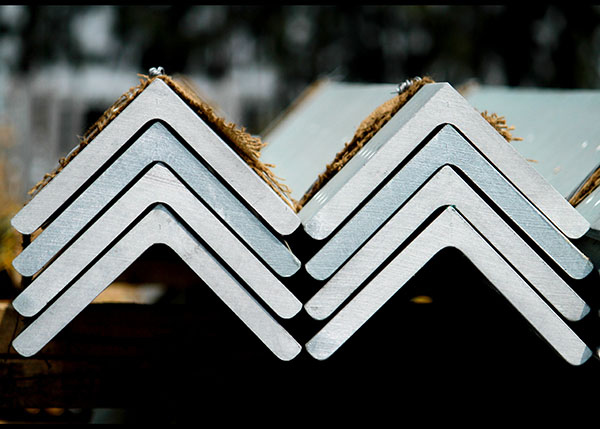 Angle
Angle
304 / 304L Stainless Steel Angle
Equal and unequal stainless steel angles are used for equipment frames, supports, platforms, guards and fabricated assemblies. The complete section dimensions should be stated rather than relying on the word “angle” alone.
Common specification route:
ASTM A276/A276M for applicable bars and hot-rolled or
extruded shapes, with ASTM A484/A484M general requirements.
Section
Equal or unequal angle, leg × leg × thickness,
length and dimensional tolerance.
Processing
Cutting, drilling and drawing-defined fabrication
requirements subject to review.
- Equal / unequal section
- Leg dimensions × thickness
- Length and tolerance
- Surface and fabrication requirement
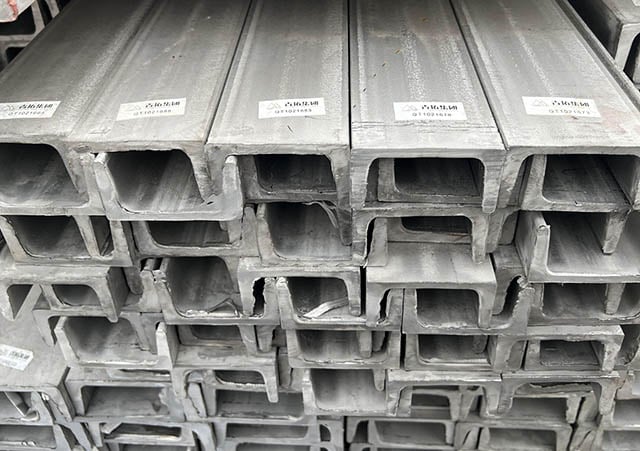 Channel
304 / 304L Stainless Steel Channel
Stainless steel channel is used for frames, rails, equipment bases and fabricated structures. State a recognized section designation or provide a dimensioned drawing so different channel geometries are not treated as equivalent.
Common specification route:
ASTM A276/A276M for applicable bars and hot-rolled or
extruded shapes, with ASTM A484/A484M general requirements.
Section
Overall height, flange width, web / flange thickness,
internal geometry and length.
Order Controls
Route, tolerance, straightness, surface,
cutting and fabrication requirements.
- Section designation or drawing
- Height × flange × thickness
- Length and straightness
- Surface and processing scope
Grade Identification
304 / 304L Grade Identity & Equivalent Designations
304 and 304L are identified differently across UNS, EN and JIS designation systems. These cross-references help identify the material family, but the governing product specification still controls the actual purchase requirements.
Designation system
304
UNS S30400
Chromium-nickel austenitic stainless steel
304L
UNS S30403
Low-carbon chromium-nickel austenitic stainless steel
Common type
304
Type 304
304L
Type 304L
UNS
S30400
Unified Numbering System
S30403
Unified Numbering System
EN steel number
1.4301
Common European counterpart to 304
1.4307
Common European low-carbon counterpart
EN steel name
X5CrNi18-10
Associated with EN 1.4301
X2CrNi18-9
Associated with EN 1.4307
JIS designation
SUS304
Japanese grade designation
SUS304L
Japanese low-carbon grade designation
Purchase basis
Grade / UNS
Product Form
Governing Specification
Dimensions
Condition / Finish
Testing / Certification
Equivalent designation does not mean automatic substitution
UNS S30400, EN 1.4301 and SUS304 identify closely corresponding 304-type stainless grades; the same principle applies to S30403, 1.4307 and SUS304L. However, different standards can impose different chemistry, mechanical, dimensional, condition, testing and certification requirements. Approval should therefore be based on the complete material specification rather than the designation name alone.
Specification boundary
Grade cross-reference is an identification aid, not a complete
purchase specification. Plate, sheet, pipe, tube, bar, forging
and other product forms must be ordered to the applicable product
standard and agreed delivery requirements.
Product Specifications
304 / 304L Standards by Product Form
The grade name does not determine the complete purchase standard. Plate, pipe, tube, bar and forged components follow different ASTM or ASME product specifications, each with its own scope, dimensions, testing and delivery requirements.
 Grade + Form + Specification
Order hierarchy
01
Grade / UNS
02
Product Form
03
Product Specification
04
Dimensions / Condition / Testing
Flat Products
Plate / Sheet / Strip
A240
ASTM A240/A240M · ASME SA-240
Flat-product material specification
Chromium and chromium-nickel stainless steel plate,
sheet and strip within the specification scope.
Order with
Thickness · width · length · finish · condition · flatness · quantity
Tubular
Pipe
A312
ASTM A312/A312M · ASME SA-312
Austenitic stainless steel pipe
Common route for seamless, welded and heavily
cold-worked welded austenitic stainless steel pipe.
Order with
NPS / OD · schedule / wall · route · length · ends · testing
Tubular
General-Service Tube
A269
ASTM A269/A269M
General-service stainless tubing
General corrosion-resisting and low- or
high-temperature tubing within the specification scope.
Order with
OD · wall · seamless / welded · length · surface · testing
Heat Transfer
Boiler / Heat-Exchanger Tube
A213
Seamless tube route
Service and manufacturing route matter
Seamless and welded heat-transfer tube can follow different specifications.
ASTM A213 / ASME SA-213
Seamless
ASTM A249 / ASME SA-249
Welded
Order with
Service · OD · wall · route · length · testing
Long Products
Bar / Rod / Shapes
A276
ASTM A276/A276M
Bars and applicable shapes
Rounds, squares, hexagons and applicable
hot-rolled or extruded shapes.
ASTM A276
General bars & shapes
ASTM A479 / ASME SA-479
Pressure-related applications where specified
Order with
Shape · diameter / section · condition · tolerance · length · surface
Forged Components
Flanges / Fittings / Valve Parts
A182
F304 · F304L
Forged pressure-system components
Common route for forged or rolled stainless flanges,
forged fittings, valves and related pressure components.
Order with
Grade · component · class / rating · dimensions · drawing · testing
General requirements
Used where invoked
A480
Stainless flat-rolled products
A999
Stainless / alloy steel pipe
A1016
Applicable steel tube specifications
A484
Stainless bars, billets and forgings
Complete RFQ basis
Grade / UNS
Product Form
Product Standard
Dimensions
Condition / Finish
Testing / Certification
Procurement Rule
A material standard is not the whole purchase specification
Ordering “304 stainless steel to ASTM” is incomplete.
Confirm grade or UNS, product form, governing product specification,
dimensions, delivery condition, surface, required testing and
inspection documents. General requirements and dimensional standards
apply only where relevant to the ordered product.
Request Standard & Size Review
Stock Program / Supply Availability
304 / 304L Stock & Supply Availability
TiAlloy supports 304 and 304L requirements across flat products, pipe, tube, bar and structural profiles. Stock, processing inventory and production routes are combined to match size, quantity, finish and delivery requirements.
30,000+ Tons Stainless Steel Stock
Sheet · Plate · Coil · Pipe · Tube · Bar & Rod · Flat Bar · Angle · Channel
Product Forms
9 Forms Covered
Processing
Cut · Slit · Polish · Machine
Supply Route
Stock + Production


30,000+ tons of stainless steel stock supports routine and project orders
The ranges shown below cover TiAlloy’s regular 304 / 304L stock and supply program. Exact heat, quantity, surface condition and release schedule are checked against the RFQ.
Product
Regular Stock / Supply Range
Common Condition
Availability
Sheet
ASTM A240
0.3–6.0 mm thickness
Widths 1000 · 1219 · 1250 · 1500 · 1524 mm;
lengths 2000 · 2438 · 2500 · 3000 · 3048 mm.
2B · BA · No.4 · HL
PVC film · cut-to-size
Regular Stock
Plate
ASTM A240
3–100 mm regular range
Widths 1500 · 2000 · 2500 mm;
lengths 3000 · 6000 · 8000 · 12000 mm.
No.1 · Pickled
Cut plate · profile blanks
Stock + Cut
Coil
ASTM A240
0.3–6.0 mm × up to 2000 mm
Widths 1000 · 1219 · 1250 · 1500 · 1524 mm;
coil ID commonly 508 / 610 mm.
2B · BA · No.1
Slitting · cut-to-length
Regular Stock
Pipe
ASTM A312
NPS 1/8–24 in regular supply
SCH 5S · 10S · 40S · 80S; larger welded OD
and special wall by production route.
Seamless · Welded
Pickled · plain / beveled
Stock + Production
Tube
A269 / A213 / A249
OD 6–219.1 mm
Wall approx. 0.5–12 mm;
common straight lengths 4–7 m.
Seamless · Welded
Pickled · bright · polished
Stock + Production
Bar & Rod
A276 / A479
Round Ø3–300 mm
Square and hex in common sizes;
larger diameters by production route.
HR · CF · Peeled · Ground
Saw-cut · fixed length
Regular Stock
Flat Bar
ASTM A276
10–300 mm width
Approx. 2–30 mm thickness;
standard and cut lengths available.
Hot / Cold Finished
Cut · drilled · polished
Stock + Production
Angle
Equal / Unequal
Approx. 20 × 20 to 150 × 150 mm
Common thickness 3–15 mm;
larger sections available by supply route.
Mill Finish
Fixed length · fabrication prep
Stock + Production
Channel
Standard / Custom
Approx. 40–200 mm section height
Standard sections and drawing-based formed channels
supplied according to size and quantity.
Mill / Fabricated
Cut length · custom sections
Production Route
Special & non-standard sizes
Sizes outside the regular stock program can be supplied through
parent-stock cutting, slitting, welded fabrication, forging,
processing or mill production according to product form,
quantity, tolerance and finish.
30,000+ T
Stainless Steel Stock
Check current 304 / 304L stock before you place the order
Send the product form, standard, dimensions and quantity. We will match the requirement against stock, processing inventory and the fastest supply route.
Supply Operations / Order Execution
TiAlloy Company Stainless Supply Operations
TiAlloy combines stainless steel production, stock, processing, inspection and export coordination into one supply operation. 304 / 304L plate, sheet, coil, pipe, tube, bar and structural products can be handled under the same project requirement, from material allocation through shipment release.
20+ Years
Metal manufacturing and international supply experience
30,000+ m²
Production and processing base
Multi-Form
Flat · tubular · long · processed products
Global
Export packing and international order support
Operating Principle
A stainless order does not stop at material availability.
Product form, processing route, inspection requirement,
documentation and shipment preparation are controlled against
the same confirmed purchase requirement.

Stainless Operations
Four supply routes under one order review
01 / FLAT
Flat Product Operations
Stock coil, sheet and plate are matched to thickness, width, length, finish and downstream processing before release.
02 / TUBULAR
Pipe & Tube Operations
Seamless and welded routes are selected according to standard, diameter, wall, length, finish and inspection scope.
03 / LONG
Bar & Long Products
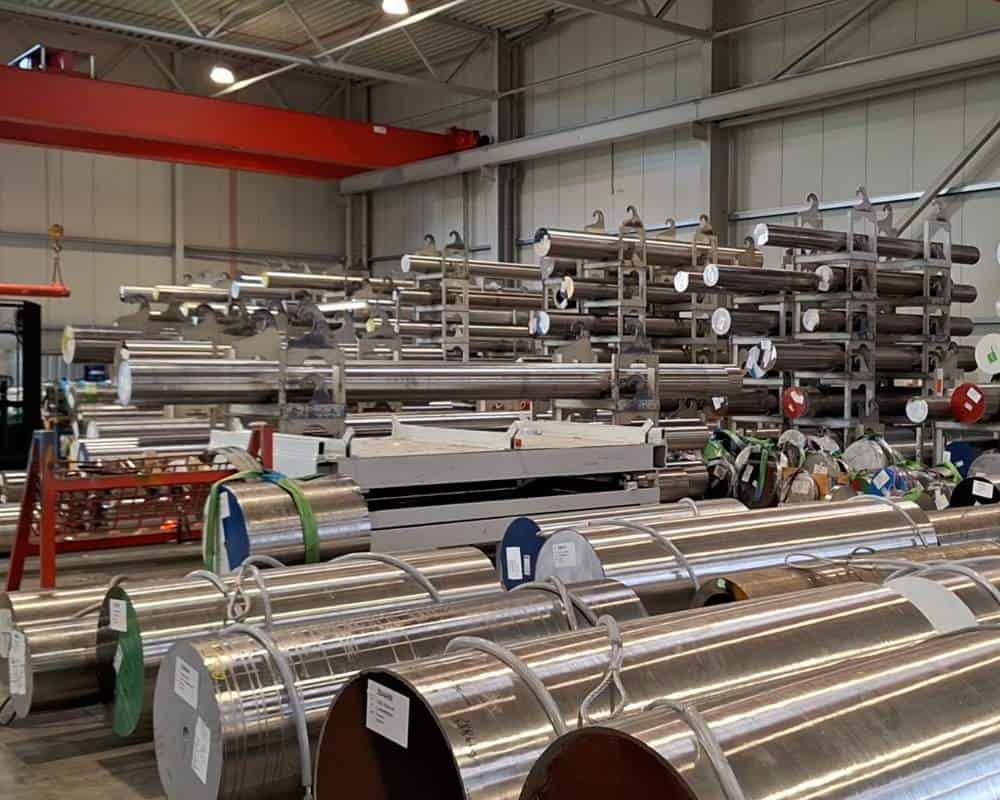
Round, flat, square and structural products can be supplied in mill condition or with cutting, grinding and machining.
04 / PROJECT
Multi-Item Project Supply
Plate, pipe, tube, bar and processed parts can be coordinated against one BOM, inspection plan and export shipment.
Order Execution
RFQ / BOM Review
→
Material Allocation
→
Production / Processing
→
Inspection
→
MTC & Documentation
→
Export Packing
→
Shipment Release
ONE RFQ
Multi-Form Stainless Supply
Send the complete 304 / 304L material list
Plate, sheet, coil, pipe, tube, bar and processed items can be reviewed together for material route, processing, inspection, documentation and export delivery.
Applications / Equipment / Product Form
304 / 304L Applications & Equipment
304 and 304L are used across fabricated equipment, hygienic processing, tanks, utility piping, heat-transfer systems and general industrial machinery. The useful question is not only where the grade is used, but which product form becomes each part of the finished equipment.
Sheet
Plate
Pipe
Tube
Bar
Profiles

Typical 304 / 304L supply includes equipment panels, tank sections, product-contact tubing, supports and machined components where the specified service environment is suitable.

01
Food & Beverage Equipment
Hygienic Processing
Typical Parts
Tanks, covers, equipment panels, product-contact lines, mixer parts and fabricated processing components.
Product Forms
Sheet · Plate · Tube · Bar
02
Tanks & Fabricated Vessels
General Process Equipment
Typical Parts
Tank shells, covers, bottoms, internal supports, platforms and fabricated equipment sections.
Product Forms
Plate · Sheet · Flat Bar · Profiles
03
Utility & Process Piping
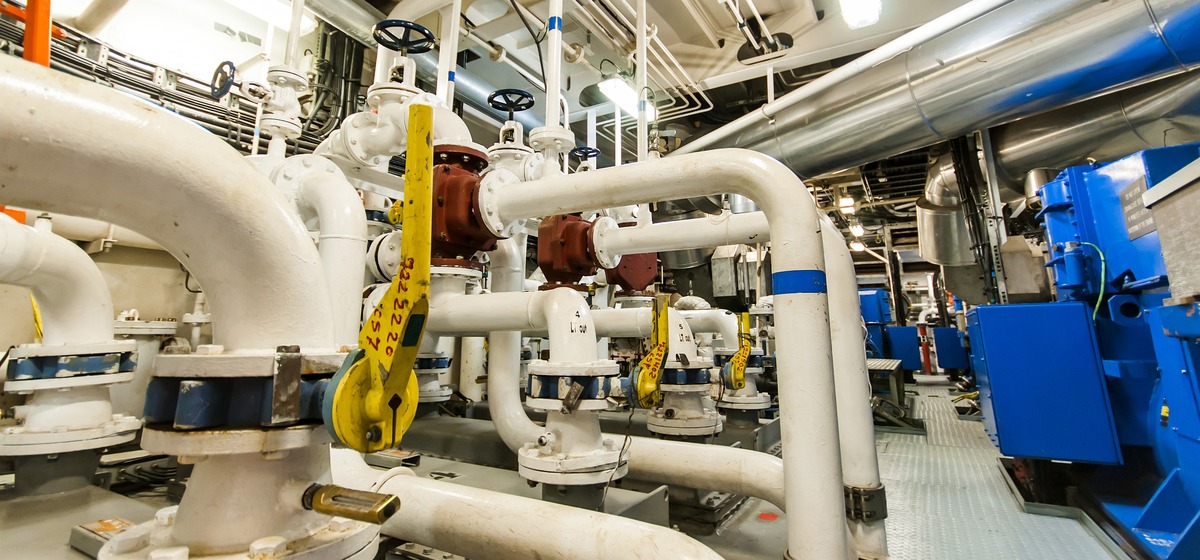
Fluid Handling
Typical Parts
Utility lines, process piping, fabricated spools, connections and associated support components.
Product Forms
Pipe · Tube · Bar · Profiles
04
Heat Exchangers & Thermal Equipment
Heat Transfer
Typical Parts
Heat-exchanger tubes, utility piping, shells, support plates, tie rods and equipment hardware.
Product Forms
Tube · Pipe · Plate · Bar
05
Machinery & Fabricated Equipment
Industrial Fabrication
Typical Parts
Machine covers, guards, frames, brackets, shafts, pins, rollers and drawing-based components.
Product Forms
Sheet · Plate · Bar · Flat Bar
06
Frames, Supports & General Fabrication
Structural Components
Typical Parts
Equipment frames, supports, rails, brackets, platforms and general fabricated structures.
Product Forms
Angle · Channel · Flat Bar · Sheet
Material Boundary
Match 304 / 304L to the actual service environment
Application suitability depends on media, chloride exposure,
temperature, cleaning chemistry and fabrication condition.
Higher chloride, seawater, strongly acidic or more severe
environments may require 316L, duplex or a higher-alloy grade.
Application Review
Define the service before material selection
Media
Process Fluid
Temperature
Operating Range
Cleaning
Chemical Cycle
Surface
2B / No.4 / Polished
Fabrication
Weld / Form / Machine
304 / 304L
Application Review
Match the material form to the equipment requirement
Send the application, required product form, dimensions, service conditions and quantity. TiAlloy can review the material and supply route before quotation.
Material Identity / Heat Traceability / Documentation
Material Identity & Traceability
304 / 304L traceability keeps the delivered material aligned with its heat or lot reference, product marking, inspection documentation and shipment records. The certificate supplied with the order must correspond to the material released.
Traceability Principle
Grade, product form, size and heat / lot identity are carried
through handling, processing, inspection and packing so the
released material remains linked to its documentation.

Traceability follows the material — not only the paperwork
Grade, size and heat / lot reference remain identifiable
through processing and shipment preparation according to the
applicable order requirement.
01 / Material Identity
Grade & Product Form
Confirm 304 / UNS S30400 or
304L / UNS S30403, product form and
governing specification.
02 / Heat or Lot
Source Reference
Heat, lot or batch reference links the material to its
associated manufacturing and test record.
03 / Product Marking
Physical Identification
Grade, heat / lot, size and required identification are
retained or transferred through processing as applicable.
04 / Verification
PMI When Specified
PMI can be arranged when specified with the order
to support grade verification before release.
05 / Documentation
MTC / Inspection Record
MTC and ordered inspection records are checked against
the released material identity.
06 / Shipment
Packing Identity
Package marking and packing records connect the released
material to the shipment item and customer order.
Release Check
Three records should tell the same material story
Physical Material
Product Marking
Grade, size and heat / lot identification on the material or package.
Documentation
MTC / Test Record
Material identity and reported test results correspond to the represented heat or lot.
Shipment
Packing Reference
Package label, item quantity and shipping record connect the metal to the order.
By Order Scope
Verification & documentation
Certificate
MTC / 3.1 as ordered
Grade Check
PMI when specified
Testing
NDT when applicable
Third Party
Witness / 3.2 when agreed
Shipment
Packing list & ID
TRACE
Material to Certificate
Need MTC, PMI or defined traceability?
Send the grade, product form, standard and required inspection or documentation scope before quotation.
Independent Inspection / Pre-Shipment Verification
Third-Party Inspection for 304 / 304L Stainless Steel
Independent inspection can be coordinated before shipment for 304 stainless steel and 304L stainless steel plate, sheet, coil, pipe, tube, bar and processed components. The purchaser defines what must be witnessed or verified.
Buyer-Controlled Verification
Customer representatives or an agreed independent inspector can attend the relevant inspection stage before final material and document release.
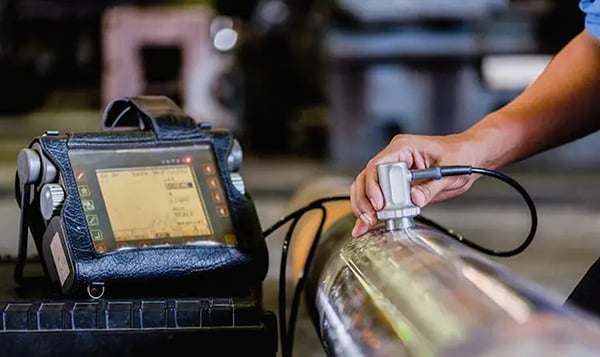
Third-Party Inspection Scope
Verify the order against the material — before it leaves.
A 304 / 304L stainless steel third-party inspection can cover grade and heat identity, dimensional inspection, quantity, surface condition, product marking, PMI when specified, agreed NDT or witness testing, MTC / MTR review and pre-shipment packing verification.
Inspection points should be defined with the RFQ or purchase order so material availability, testing, inspector attendance and document release can be coordinated without delaying shipment.
Typical Verification
Grade & Heat Identity
/
Dimensions
/
PMI
/
NDT
/
MTC / MTR
/
Packing & Marking
Customer-appointed inspection companies are welcome.
SGS, Bureau Veritas, TÜV or another purchaser-appointed or mutually agreed inspection company can be coordinated when required. Where EN 10204 Type 3.2 or witnessed certification is specified, the responsible validation route should be agreed before production and certificate release.
Release Route
PO / ITP
→
Inspector Attendance
→
Verification
→
Inspection Report
→
Shipment Release
TPI
Independent Verification
Include inspection requirements with the RFQ
Send the inspection company, witness points, PMI / NDT scope, certificate requirement and required release documents.
Export Logistics / Shipment Protection / International Delivery
Export Packing, Marking & Container Loading
304 and 304L stainless steel plate, sheet, coil, pipe, tube, bar and processed components are packed according to product form, dimensions, surface condition, handling method, transport route and destination requirements before international shipment.
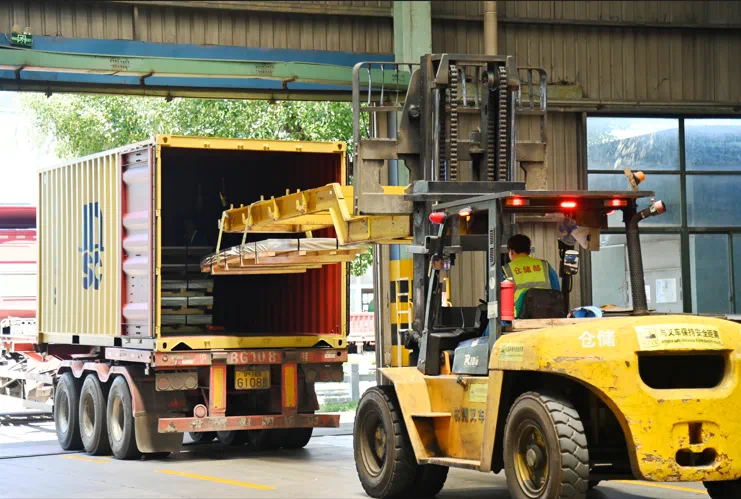
Container condition, package placement, cargo stability, visible marking and final loading status can be reviewed before shipment release.
PACK / MARK / LOAD
A usable export packing plan protects the stainless steel,
preserves material identification and allows the receiving
customer to reconcile each package with the packing list and
purchase requirement.
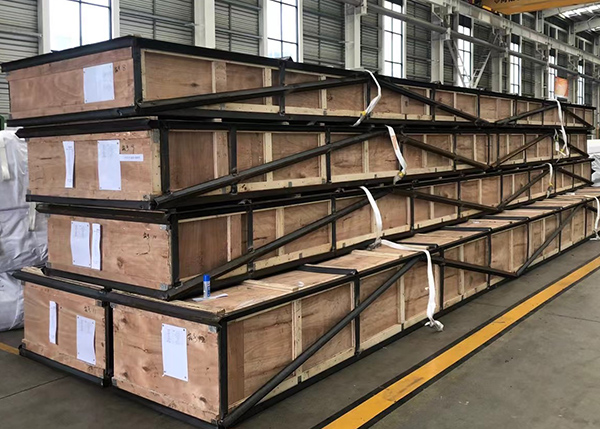
Product-Specific Packing
The package follows the product — not one default packing method.
304 / 304L stainless steel plate and sheet may require edge, surface and pallet protection; coil requires stable support and wrapping; pipe and tube can require end caps, bundling, waterproof protection or wooden cases; bar and processed parts can be secured by bundle, skid, pallet or case according to dimensions and handling requirements.
Where wooden export packing is specified, destination-country requirements and applicable ISPM 15 treatment or marking should be confirmed before shipment.
Shipping Marks
The package must still be identifiable after the material disappears inside it.
Shipping marks can be prepared against the agreed purchase and
packing requirements so the receiving team can connect the
package to the order. Depending on the shipment, marking may
include customer or PO reference, material grade, dimensions,
quantity, package or bundle number, weight, destination and
handling information as agreed.
Surface & Transit Protection
Finished stainless surfaces need protection from handling before they need protection from distance.
Wrapping, moisture barriers, end protection, edge protection, separators and other protective measures are selected according to product form, surface finish, package weight, transport route and confirmed customer requirement.
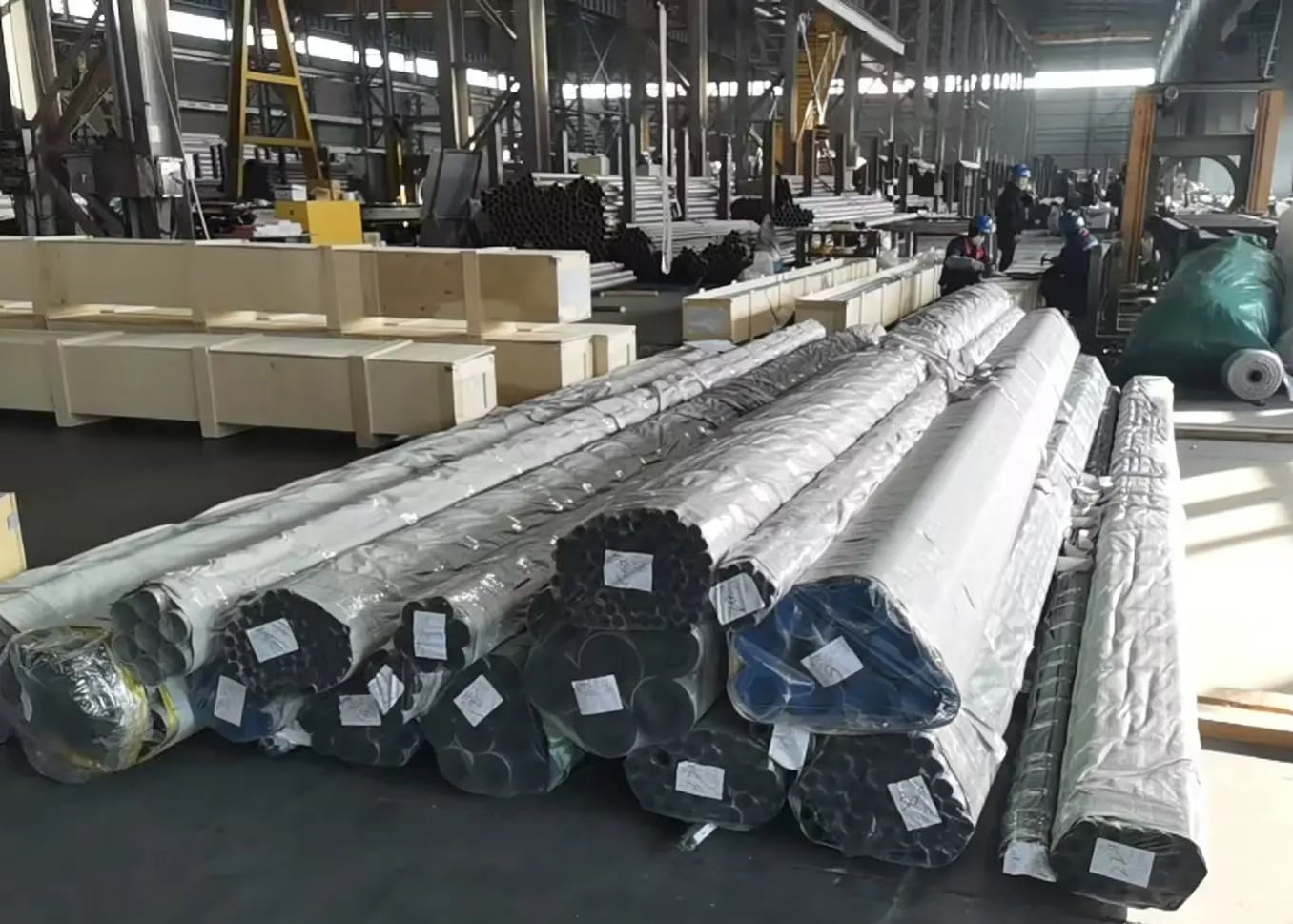
Export Release
Packed
→
Marked
→
Quantity Checked
→
Loaded
→
Secured
→
Seal / Loading Record
EXPORT
Packing & Loading Review
Define packing and destination requirements with the RFQ
Send the product form, package restrictions, surface protection, shipping marks, destination, Incoterm and any special loading or wooden-packing requirement.
Production Equipment & Processing Capability
Production Equipment for Stainless Steel & Specialty Alloys
Rolling, coil processing, heat treatment, cutting and finishing routes are matched to alloy grade, product form and order requirements.
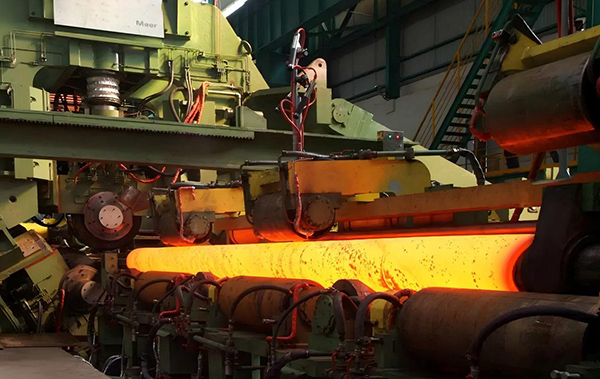 01 / PIPE
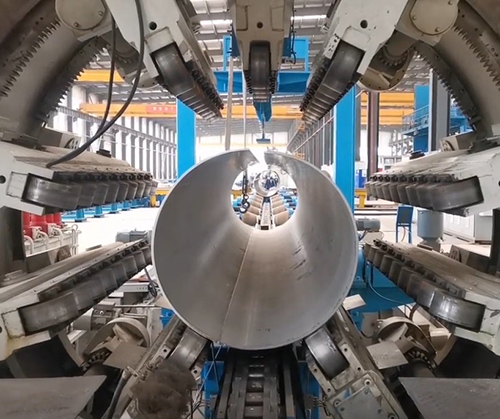
Tube & Pipe
Seamless Tube Cold Rolling Mill
Cold rolling supports tighter OD, wall-thickness control and improved tube surface condition.
Control:
OD · Wall · Ovality
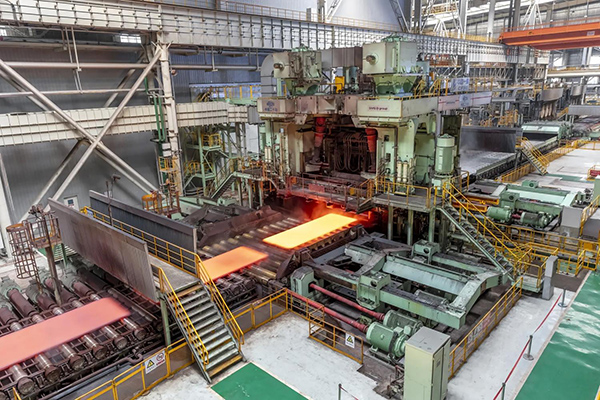 02 / PLATE
Plate Production
Plate Rolling Mill
Controlled rolling produces plate to the required thickness, width and dimensional profile.
Control:
Thickness · Width · Flatness
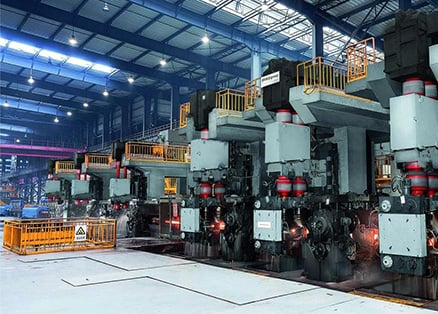 03 / BAR
Bar & Long Products
Round Bar Rolling Mill
Multi-pass rolling converts billets into round bar for machining and fabrication requirements.
Control:
Diameter · Roundness · Straightness
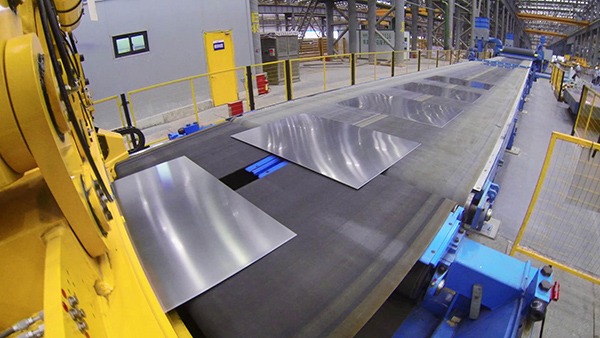 04 / CTL
Coil-to-Sheet
Cut-to-Length & Leveling Line
Coil is leveled and cut into specified sheet or plate lengths for downstream fabrication.
Control:
Flatness · Length · Width
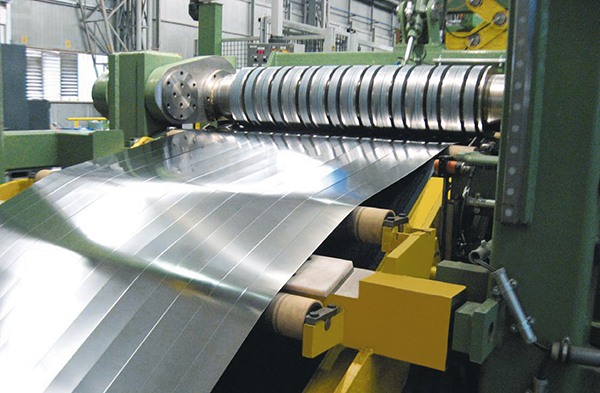 05 / SLIT
Strip & Coil
Coil Slitting Line
Wide coil is slit into narrower strip widths for forming, stamping and tube production.
Control:
Width · Burr · Edge
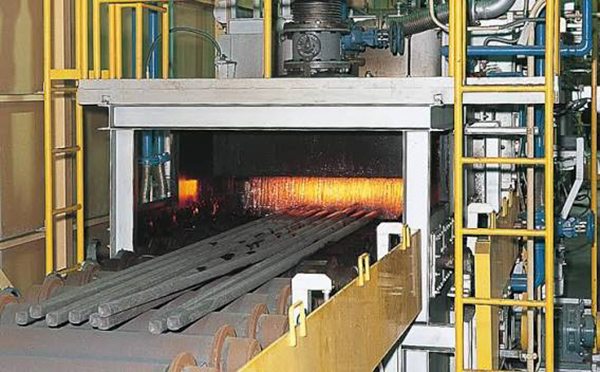 06 / HT
Thermal Processing
Heat Treatment Furnace
Controlled thermal cycles support the specified alloy condition and delivery requirement.
Control:
Temperature · Hold · Cooling
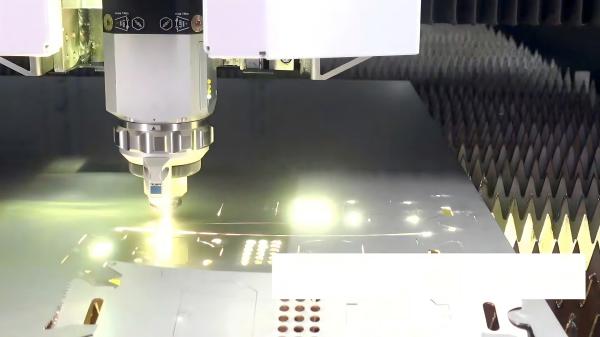 07 / CUT
Precision Fabrication
Laser Cutting System
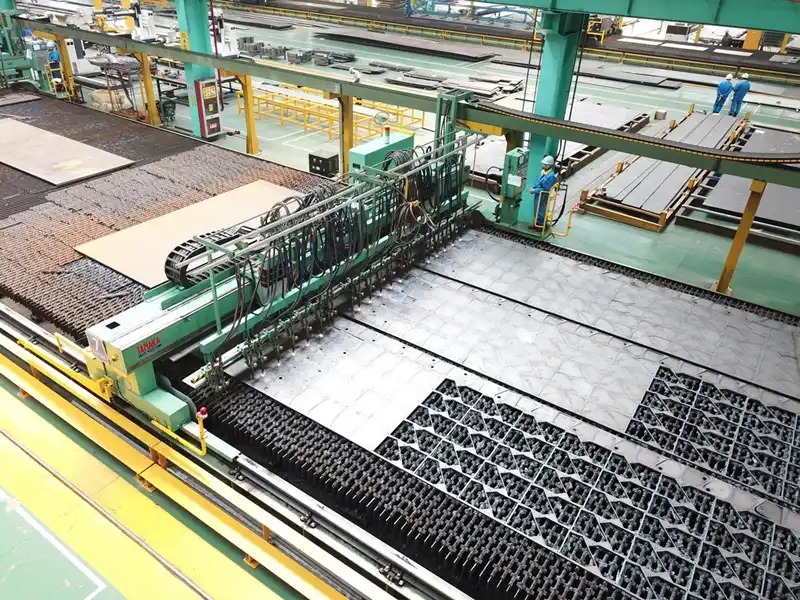
CNC laser cutting produces blanks and profiles from customer drawings for plate and sheet orders.
Control:
Geometry · Edge · Repeatability
 08 / FINISH
Surface Processing
Surface Finishing & Polishing Line
Grinding and polishing prepare stainless steel surfaces to the specified finish and appearance.
Control:
Finish · Roughness · Appearance
Production Route / Order Matching
Processing is matched to the material and purchase specification.
Discuss Production Requirements
Send the grade, product form, dimensions, quantity, finish and inspection requirements for production-route review.
304/304L Stainless Steel Technical Tools
-
Evaluate your Request for Quote against industry standards to ensure precise pricing and avoid procurement delays.
-
Determine the optimal material grade for your specific application environment and corrosion resistance requirements.
-
Quickly navigate international manufacturing standards (ASTM, ASME, EN) applicable to your 304/304L specifications.
-
Analyze and align multiple supplier quotes to ensure accurate technical and commercial procurement comparisons.
Release the Specification Before You Release the Order
Share with TiAlloy your grade, form, standard, dimension, finish, inspection, packaging, and destination requirements. TiAlloy will examine any discrepancies and submit an order-specific 304 stainless steel quote without using vague assurances instead of confirmed specifications.
When should an industrial order specify 304L instead of 304?
Specify 304L when the approved design or fabrication plan requires a lower carbon limit to reduce sensitization risk after relevant thermal exposure. Confirm the weld condition and service medium.
What does the L mean in 304L stainless steel?
“L” identifies a low-carbon grade variant. BSSA lists 0.030% maximum carbon for 304L and 0.08% for 304; the product standard still controls all ordered chemistry and mechanical requirements.
Is 316 stainless steel always better than 304 or 304L?
No. Match the alloy to the service medium; chloride exposure and nitric-acid duty can point in different directions.
Which product form and standard should appear on the RFQ?
Name the delivered form first: sheet/plate/strip, pipe, general tube, heat-exchanger tube or bar. Cite a candidate route such as ASTM A240, A312, A269, A249 or A276/A479, then verify current scope, revision and general requirements. Add the drawing, design code, dimensions, condition, tests, marking and document type because the standard number alone cannot describe the finished order.
What information is needed to quote 304/304L stainless steel?
Provide grade, form, standard, dimensions, tolerance, finish, processing, tests, document type, quantity, packing, destination, Incoterm and schedule. Missing fields are reviewed before price or lead time is confirmed.
Which inspection and material documents can be requested?
Start with a heat-linked inspection document reporting chemical composition, relevant 304 stainless steel mechanical properties and ordered results. Depending on the purchase specification, add positive material identification, pressure or nondestructive testing, dimensional and surface records, third-party witness, marking continuity, packing evidence and destination documents. Quality should approve both the document type and the technical content before shipment.
How do finish, processing and packaging affect price?
Added operations change yield, routing, inspection and handling. Normalize those operations and the delivery destination before comparing offers.
Trending now