
Get in Touch with TiAlloy Company

Grade 23 Titanium · Extra Low Interstitial
Grade 23 Titanium Ti-6Al-4V ELI Manufacturer
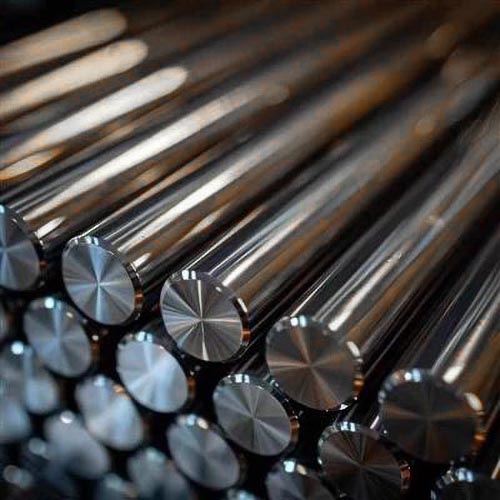
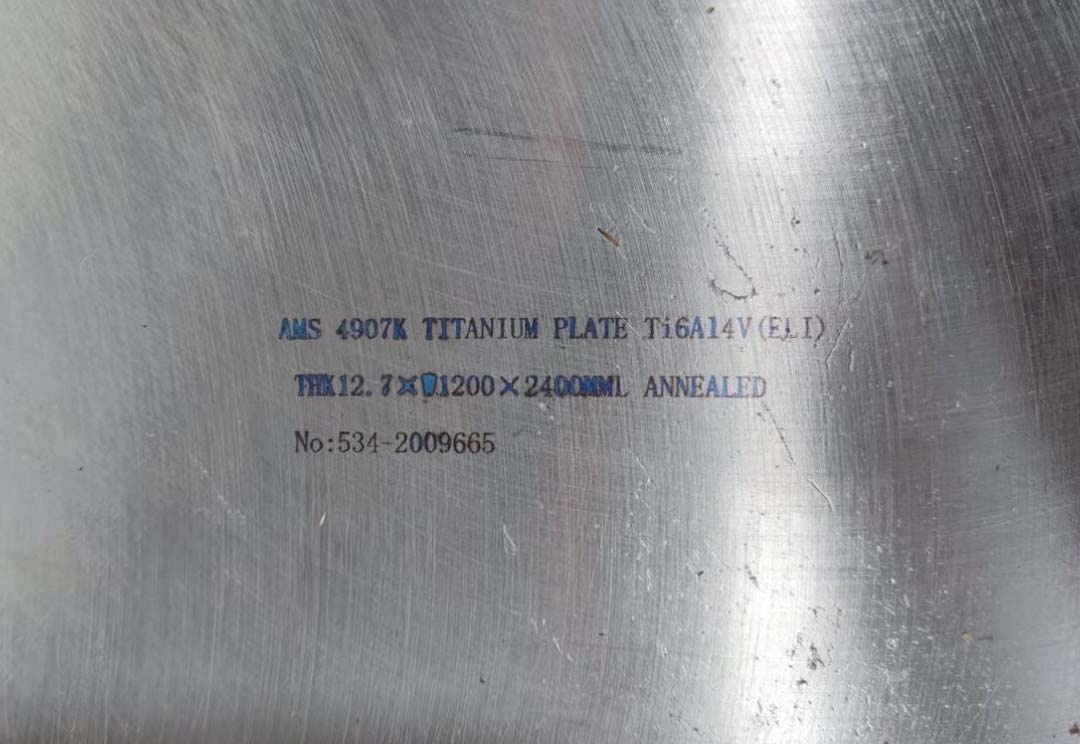
TiAlloy supplies Grade 23 / Ti-6Al-4V ELI in precision plate, bar, forging and wire routes for medical-material, aerospace and demanding engineering specifications. Product form, governing specification, condition, inspection and documentation are confirmed with the actual order.
Grade 23 ELI identity follows the governing specification. General ASTM Grade 23 wrought product routes use UNS R56407, while the ASTM F136 surgical-implant material route uses UNS R56401.
RFQ Definition
Product form · governing standard · dimensions · condition · quantity · inspection / documentation · destination
Alloy
Grade 23 / Ti-6Al-4V ELI
Controlled-interstitial alpha-beta titanium alloy
General ASTM Grade 23
UNS R56407
Product-form specification route
Medical Material Route
ASTM F136 · UNS R56401
When the F136 route is specified
Core Product Forms
Plate · Bar · Forging · Wire
Route confirmed by form and specification
Grade 23 Titanium · Product Forms
Product Forms & Purchase Routes
Grade 23 / Ti-6Al-4V ELI is purchased through product-form-specific standards. Select the required form first, then confirm the governing specification, condition, dimensions, inspection and documentation for the actual order.
Flat Product Route
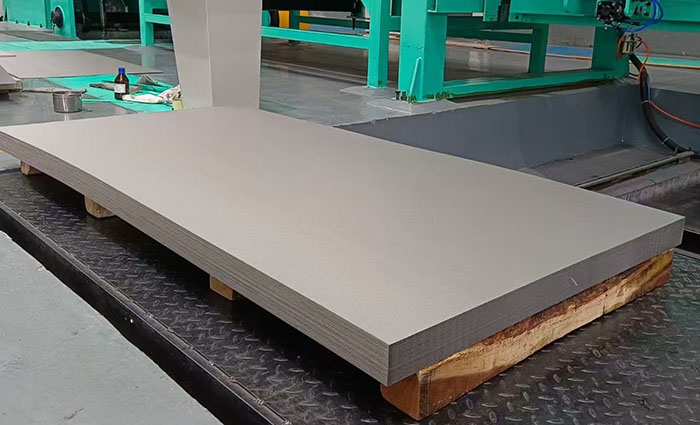
Grade 23 Plate, Sheet & Strip
Flat Grade 23 material is ordered by the governing product specification, dimensions, tolerance and condition. Medical or aerospace requirements should be identified separately rather than inferred from the Grade 23 name alone.
General ASTM
ASTM B265 Grade 23 · UNS R56407
Medical Route
ASTM F136 may apply when the surgical-implant material
specification is explicitly required.
Aerospace
AMS flat-product routes are confirmed by the required
specification and material condition.
Define With RFQ
Plate / sheet / strip · standard and revision · thickness × width × length or coil definition · tolerance · condition · surface · quantity · inspection / documentation
Bar & Billet Route
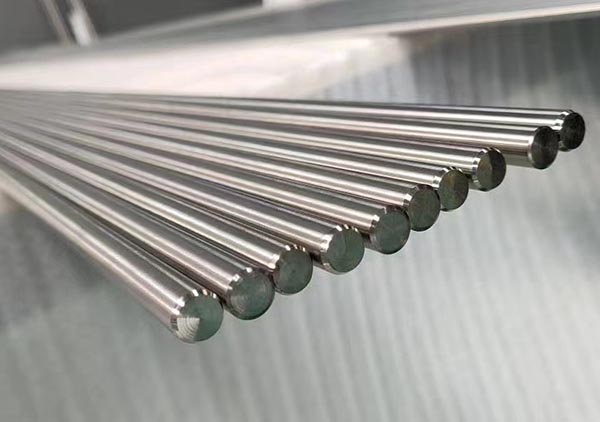
Grade 23 Bar, Rod & Billet
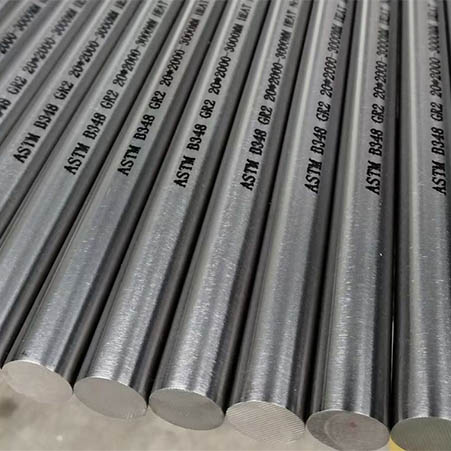
Bar and billet are central Grade 23 purchase forms for precision machining, medical-material and aerospace routes. Diameter, section, condition, straightness, surface and inspection scope should be defined with the governing specification.
General ASTM
ASTM B348/B348M Grade 23 · UNS R56407
Medical Route
ASTM F136 bar may be specified for the medical-material
route; material identity and documentation follow that
purchase specification.
Aerospace
AMS bar / forging-stock routes are separated by form,
condition and engineering requirement.
Define With RFQ
Bar / rod / billet · standard and revision · diameter or section · length · tolerance · straightness · condition · surface · quantity · testing / documentation
Forging Route
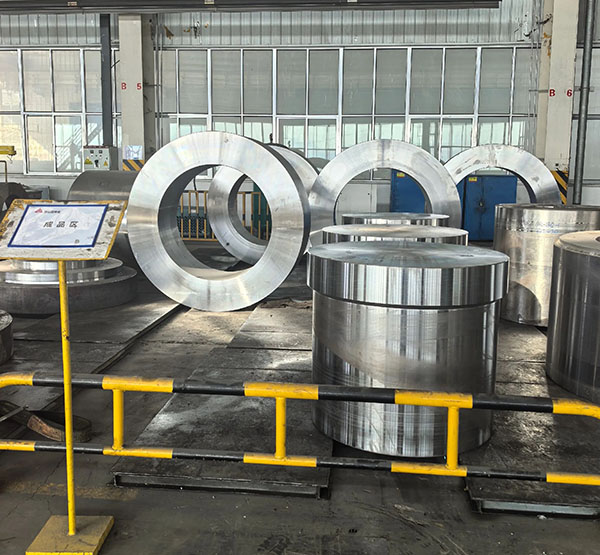
Grade 23 Forgings, Rings & Blanks
Forging orders require more than an alloy designation. Starting stock, forged geometry, machining allowance, condition, inspection and traceability should be aligned with the drawing and governing material specification.
General ASTM
ASTM B381 Grade F-23 · UNS R56407
Medical Route
Surgical-implant forging requirements follow the applicable
medical forging route and starting-material specification.
Aerospace
AMS forging and ring routes may require specific annealed,
duplex-annealed or fracture-toughness conditions.
Define With RFQ
Forging / ring / disc / blank · material specification · drawing · starting stock · finished or rough dimensions · machining allowance · condition · quantity · inspection / documentation
Material Wire Route
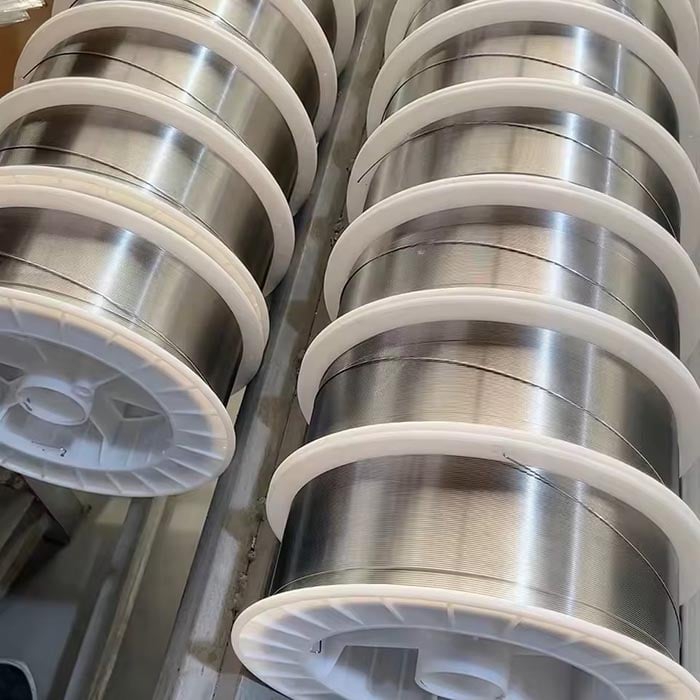
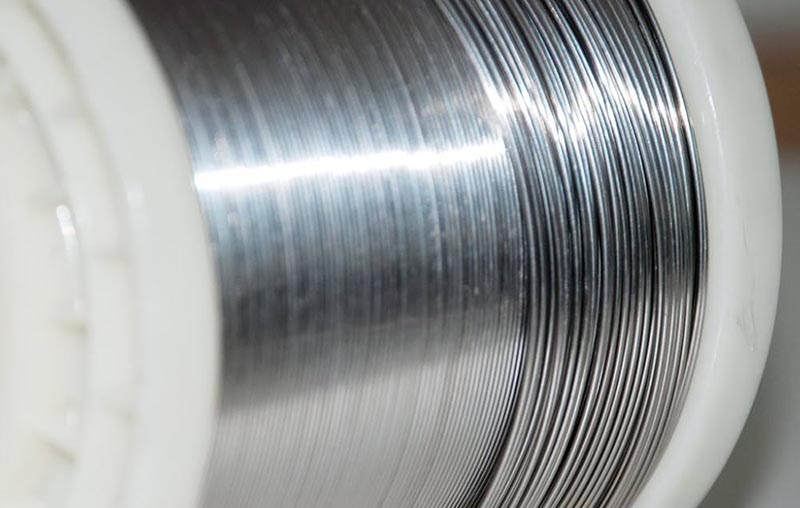
Grade 23 Titanium Wire
Grade 23 wire may be purchased as base material under a material specification or under a separate medical-material route. Welding filler metal is a different product identity and should not be inferred from ordinary Grade 23 wire.
General ASTM
ASTM B863 Grade 23 · UNS R56407
Medical Route
ASTM F136 wire applies only when that medical-material
specification is explicitly required.
Welding Filler
Ti-6Al-4V ELI welding filler follows its own welding-wire
specification route and is not equivalent to ASTM B863 material wire.
Define With RFQ
Material wire or welding filler · governing specification · diameter · delivery form / coil / spool requirement · condition · surface · quantity · documentation
Special Pipe Route
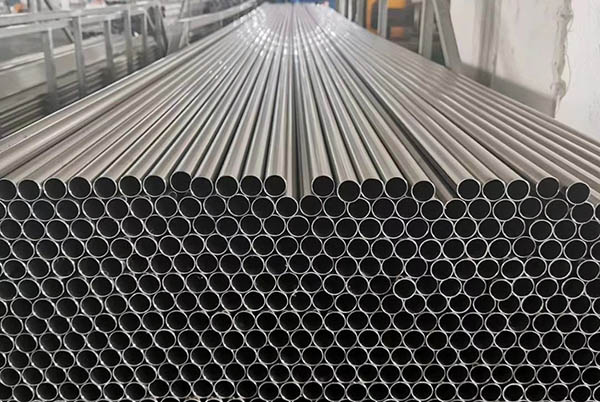
Grade 23 Seamless & Welded Pipe
Grade 23 can enter specific seamless or welded pipe routes, but pipe should not be presented as the same procurement category as condenser or heat-exchanger tubing. The required project specification should be confirmed before quotation.
Seamless Pipe
ASTM B861 Grade 23 · UNS R56407
Welded Pipe
ASTM B862 Grade 23 · UNS R56407
Route Boundary
Grade 23 pipe should not be marketed as an ASTM B338
condenser / heat-exchanger tube route.
Define With RFQ
Seamless or welded pipe · governing specification · OD × wall × length · tolerance · condition · quantity · inspection / documentation · project requirement
Send the required product form, governing standard, dimensions, condition, quantity and inspection scope to confirm the actual Grade 23 supply route.
Check Grade 23 AvailabilityGrade 23 Titanium · Specification Identity
Standards, UNS & Manufacturing Route Identity
Grade 23 / Ti-6Al-4V ELI is not released for purchase by alloy name or UNS number alone. Product form, governing specification, revision, material condition and manufacturing route determine the actual material identity used for an order.
Route Principle
Grade 23 identity follows the governing specification, product form and condition — not one universal UNS label. General ASTM Grade 23 wrought products commonly use UNS R56407. ASTM F136 surgical-implant material uses UNS R56401. Aerospace ELI identity is further defined by the exact AMS product form and material condition.
ROUTE 01
General Wrought Grade 23
Grade 23 · UNS R56407
Flat Products
ASTM B265-25
Annealed strip, sheet and plate route.
Bar / Billet
ASTM B348/B348M-25
Grade 23 bar and billet material route.
Forging
ASTM B381-26 · Grade F-23
Titanium alloy forging route under UNS R56407.
Material Wire
ASTM B863-26
Grade 23 base-material wire route.
Pipe
ASTM B861-24 / B862-23
Seamless and welded Grade 23 pipe routes.
Purchase Boundary
The Grade 23 designation does not automatically create an ASTM F136 medical-material order. Release the material against the required product specification and revision.
Review Product Forms →
ROUTE 02
Medical Material Route
ASTM F136-26 · UNS R56401
Wrought Material
ASTM F136-26
Wrought annealed Ti-6Al-4V ELI for surgical-implant
manufacture: strip, sheet, plate, bar, forging bar and wire.
Implant Forging
ASTM F620-26
Alpha-plus-beta titanium alloy forgings for surgical implants,
including forging routes based on F136 starting material.
International
ISO 5832-3:2021
Wrought Ti-6Al-4V material for the manufacture of surgical implants.
Microstructure
ISO 20160:2006
Microstructure classification for alpha-plus-beta titanium
implant bars up to 100 mm or equivalent section.
Medical Boundary
ASTM F136 does not define a titanium tube or pipe product route, and material compliance does not by itself constitute approval of a finished medical device.
Medical Material Route →
ROUTE 03
Aerospace & Special Condition
Ti-6Al-4V ELI · Form + Condition Controlled
Flat / Annealed
AMS4907N
Annealed ELI sheet, strip and plate route.
Damage Tolerant
AMS4905G
Damage-tolerant ELI plate in the beta-annealed condition.
Bar / Forging
AMS4930M / AMS6932D
Annealed bar, forging, ring or forging-stock routes,
according to the exact specification scope.
Fracture Toughness
AMS4931H
Duplex-annealed ELI bars, forgings and rings with
fracture-toughness requirements.
Welding Filler
AMS4956J
Ti-6Al-4V ELI welding filler metal wire in controlled packaging.
Aerospace Boundary
Product form and condition are part of the material identity. Annealed, beta-annealed, duplex-annealed and welding-filler routes should not be treated as interchangeable.
Aerospace Material Routes →
Manufacturing Route Boundary
ASTM F3001-14(2021) · Powder-Bed-Fusion Ti-6Al-4V ELI
Additively manufactured Ti-6Al-4V ELI components follow a separate route covering feedstock, process planning, microstructure, mechanical properties, thermal processing / HIP, inspection, marking and packaging. Wrought Grade 23 properties should not be transferred automatically to an AM component.
Confirm Specification RouteGrade 23 Titanium · Commercial Supply
Supply Range, Availability & Commercial Conditions
Grade 23 availability is confirmed against the actual product form, governing specification, dimensions, condition, quantity, processing and inspection scope. Stock, production, made-to-order and qualified sourcing are different commercial routes and should not be treated as the same availability status.
Flat Product Supply
Plate, Sheet & Strip
Flat-product availability is reviewed against the required standard, thickness, width and length or coil definition, condition, tolerance, surface, quantity and inspection scope.
Availability Basis
Ready stock is only stated after the requested dimensions
and quantity are checked. Production or qualified-source
supply may be used for other requirements.
Supply Route
The final route may depend on flat-product standard,
material condition, cut size, surface, testing and
documentation requirements.
Quote Confirmation
Product form · standard / revision · dimensions · tolerance ·
condition · surface · quantity · inspection · documents · destination
Detailed plate and sheet size capability is maintained on the product-form page rather than duplicated as a generic Grade 23 limit.
Plate & Sheet Supply →Long Product Supply
Bar, Rod & Billet
Bar and billet availability depends on diameter or section, length, tolerance, straightness, condition, surface, quantity and the exact material or aerospace / medical specification route.
Availability Basis
Stock status is confirmed against the requested diameter,
length and quantity. Other sizes may require production,
finishing or qualified-source supply.
Supply Route
Peeled, ground, machined or other finished conditions can
change the processing route, commercial minimum and lead time.
Quote Confirmation
Diameter / section · length · standard / revision · tolerance ·
condition · surface · quantity · testing / documentation · destination
Section size and finished condition should be confirmed together because finishing requirements can materially change the supply route.
Bar & Rod Supply →Forged Product Supply
Forgings, Rings, Discs & Blanks
Forging supply is reviewed against the material route, drawing, starting section, rough or finished dimensions, machining allowance, condition, quantity and inspection requirements.
Availability Basis
Forged products are typically confirmed against the actual
geometry and quantity rather than treated as a generic
ready-stock Grade 23 item.
Supply Route
The route may involve documented TiAlloy production,
cooperating manufacturing or a qualified manufacturing
source according to the quoted forging requirement.
Quote Confirmation
Drawing · standard / revision · starting material route ·
rough / finished dimensions · allowance · condition · quantity ·
inspection / documentation
Forging price and lead time depend strongly on geometry, manufacturing route, machining scope and inspection requirements.
Titanium Forging Supply →Wire Supply
Grade 23 Titanium Wire
Wire availability is confirmed by material identity, governing specification, diameter, delivery form, condition, surface, quantity and documentation requirement.
Availability Basis
Material wire and welding filler are treated as different
purchase routes. Availability is confirmed against the exact
wire identity and requested delivery form.
Supply Route
Diameter, surface, coil / spool definition, specification
and inspection scope can change production and commercial requirements.
Quote Confirmation
Material wire / filler identity · specification · diameter ·
delivery form · condition · surface · quantity · documentation · destination
Confirm the required material-wire or filler-wire route before requesting availability or comparing quotations.
Titanium Wire Supply →Special Pipe Supply
Seamless & Welded Grade 23 Pipe
Grade 23 tubular requirements should first be defined as seamless or welded pipe under the governing project specification. Availability depends on OD, wall, length, manufacturing route, quantity and inspection scope.
Availability Basis
Pipe availability is reviewed as a project-specific tubular
requirement rather than a generic condenser or heat-exchanger
tube stock item.
Supply Route
Seamless or welded route, dimensions, condition, inspection,
documentation and project requirements determine the commercial route.
Quote Confirmation
Seamless / welded · specification · OD × wall × length ·
tolerance · condition · quantity · testing / documentation · destination
Grade 23 pipe should not be priced or described as an ASTM B338 condenser / heat-exchanger tube route.
Titanium Tube & Pipe Supply →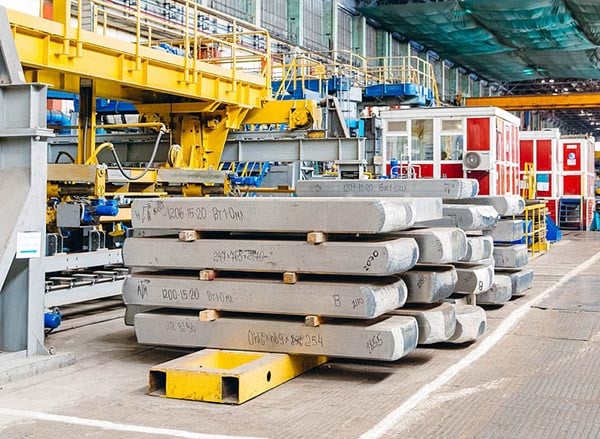
Availability
Confirmed against actual form, specification, size, condition, quantity and required processing.
MOQ
Depends on product form, section size, manufacturing route, quantity, processing and testing scope.
Lead Time
Confirmed after material route, production / sourcing, secondary processing and inspection requirements are defined.
Price Drivers
Form, size, tolerance, condition, quantity, machining, testing, documentation and destination.
Send the exact Grade 23 product form, governing specification, dimensions, condition, quantity and inspection requirement so the available supply route can be checked before quotation.
Check Size & AvailabilityGrade 23 Titanium · ELI Material Identity
What ELI Really Means
Ti-6Al-4V ELI remains an alpha-beta titanium alloy based on aluminum and vanadium. The ELI route adds tighter control of oxygen and other interstitial or residual elements, so material identity should be read through the governing specification and actual heat analysis, not through the alloy name alone.
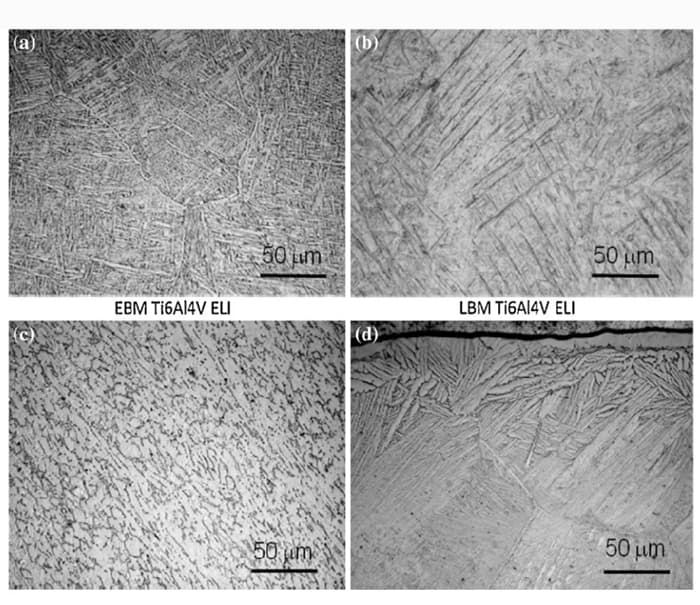
Grade 23 is still Ti-6Al-4V. Its engineering distinction comes from tighter control of interstitial and residual elements, particularly oxygen, rather than from a claim of universally higher strength.
Ti-6Al-4V remains the alloy system.
Grade 23 belongs to the same alpha-beta titanium alloy family as conventional Ti-6Al-4V. Aluminum and vanadium remain the primary alloying elements; ELI does not create a new base alloy.
- Al 5.5-6.5% reference range
- V 3.5-4.5% reference range
- Ti balance
Oxygen is central, but ELI control is broader than one element.
Oxygen, iron, carbon, nitrogen and hydrogen are controlled through the applicable material route. Lower permitted interstitial content is part of what distinguishes Grade 23 ELI from standard Ti-6Al-4V material.
The purchase value is damage tolerance, not a stronger marketing label.
Ductility
Lower interstitial control can support a different
strength-ductility balance from standard Ti-6Al-4V.
Damage Tolerance
ELI producer data emphasize fracture toughness and
fatigue crack-growth behavior for demanding applications.
Low Temperature
ELI is also selected where low-temperature or cryogenic
mechanical behavior forms part of the engineering review.
Producer Reference Examples
The values below illustrate current ATI and Carpenter Ti-6Al-4V ELI producer references. They are not presented as universal acceptance limits for every ASTM, AMS or medical specification route.
Oxygen · O
0.13% max
ATI / Carpenter producer reference
Iron · Fe
0.25% max
ATI / Carpenter producer reference
Carbon · C
0.08% max
ATI / Carpenter producer reference
Nitrogen · N
0.03 / 0.05%
ATI / Carpenter reference difference
Hydrogen · H
0.0125 / 0.013%
ATI / Carpenter reference difference
Read Chemistry by Identity
Order acceptance follows the governing specification and revision. Producer references help describe the alloy, while the actual heat analysis belongs to the heat / lot documentation supplied with the material order.
Grade 23 Titanium · Engineering Data
Engineering Data, Condition & Microstructure
Grade 23 data should be read together with product form, governing specification, section, orientation and material condition. Producer references describe alloy behavior; order acceptance belongs to the governing specification and actual heat / lot test record.
Mechanical Reference
ATI 6-4 ELI producer reference
Useful current producer data for Ti-6Al-4V ELI / UNS R56407. Final acceptance remains specification- and product-form-specific.
Tensile Strength
828
MPa minimum
0.2% Yield Strength
759
MPa minimum
Elongation
10
% minimum
Hardness: 32 HRC maximum on ATI’s current producer reference.
ATI bar reference also lists 25% reduction in area.
Typical Physical Reference
Physical properties describe behavior, not order acceptance.
Density
4.43 g/cm³
Young’s Modulus
107-122 GPa
Thermal Conductivity
6.6 W/m·K
Mean CTE, 0-100°C
9.0 × 10⁻⁶ /°C
Condition follows the specification route
Annealed
Common wrought route; exact treatment and acceptance follow the governing specification.
Beta Annealed
Specific route such as AMS4905G damage-tolerant ELI plate.
Duplex Annealed
Specific route such as AMS4931H fracture-toughness bar, forging and ring.
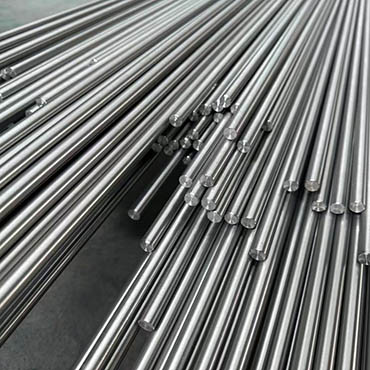
Microstructure
Alpha + beta is the alloy family; the actual structure comes from processing history.
Ti-6Al-4V properties are strongly influenced by microstructure, while microstructure is created by thermomechanical history and heat-treatment condition.
Evidence Rule
Where metallography is required, use evidence from the actual material, section and condition rather than a decorative “standard Grade 23 microstructure” image.
Grade 23 Titanium · Material Selection
Grade 23 vs Grade 5
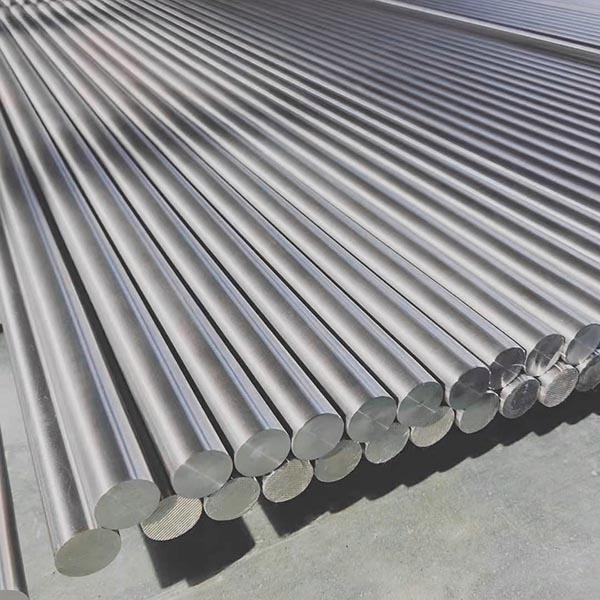
Grade 5 and Grade 23 belong to the same Ti-6Al-4V alpha-beta alloy family. The Grade 23 ELI route uses tighter control of key interstitial and residual elements and is selected through its governing specification, not as a universal performance upgrade over Grade 5.
Common Alloy Family
Both routes are Ti-6Al-4V. The selection changes when chemistry control, damage tolerance, low-temperature behavior or a specific medical / aerospace specification becomes part of the requirement.
Standard Ti-6Al-4V Route
Grade 5
Ti-6Al-4V · standard interstitial levelGrade 5 is the conventional Ti-6Al-4V route used across a broad range of structural, aerospace and industrial requirements. Its acceptance criteria still depend on the product specification, form and condition selected for the order.
TiAlloy Producer Chemistry Reference
O
≤0.20%
Fe
≤0.30%
C
≤0.10%
N
≤0.05%
H
≤0.0125%
Producer reference shown for route comparison, not as a substitute for the governing purchase specification.
Selection Intent
Use the Grade 5 route when the governing specification, drawing and required material condition call for conventional Ti-6Al-4V rather than an ELI-controlled material route.
Extra Low Interstitial Route
Grade 23 ELI
Ti-6Al-4V ELI · tighter chemistry controlGrade 23 remains Ti-6Al-4V, but the ELI route applies tighter control to key interstitial and residual elements. The purpose is not to create a universally stronger alloy; the route is associated with material specifications that place greater emphasis on toughness, damage tolerance or low-temperature performance.
TiAlloy Grade 23 Producer Reference
O
≤0.13%
Fe
≤0.25%
C
≤0.08%
N
≤0.03%
H
≤0.0125%
ATI producer reference used for like-for-like comparison. Actual acceptance follows the selected Grade 23 specification.
Selection Intent
Use the Grade 23 ELI route when the governing medical, aerospace, fracture-critical, low-temperature or customer specification explicitly requires ELI-controlled Ti-6Al-4V.
Selection Rule
Do not reclassify material by test results alone. A Grade 5 heat that happens to show low oxygen, similar strength or favorable toughness does not automatically become Grade 23. Material identity follows the governing specification, required chemistry, condition, testing and traceability route.
Review Specification Route →Grade 23 Titanium · Medical Material Route
ASTM F136 Medical Implant Material Route
ASTM F136 defines a wrought annealed Ti-6Al-4V ELI material route, UNS R56401, for use in the manufacture of surgical implants. Material conformity, forging requirements, microstructure evidence and finished-device regulatory obligations remain separate parts of the medical supply chain.
 ASTM F136-26 · UNS R56401
ASTM F136 covers wrought annealed Ti-6Al-4V ELI supplied as strip, sheet, plate, bar, forging bar and wire for surgical-implant manufacture.
ASTM F136-26 · UNS R56401
Wrought annealed Ti-6Al-4V ELI for surgical-implant manufacture. Forms include strip, sheet, plate, bar, forging bar and wire.
ASTM F620-26 · Implant Forgings
Surgical-implant titanium-alloy forgings follow a separate forging specification; F136 / R56401 material can form part of that starting-material route.
ISO 5832-3:2021 · Wrought Ti-6Al-4V
International material route defining characteristics and test methods for wrought Ti-6Al-4V used in the manufacture of surgical implants.
ISO 20160:2006 · Bar Microstructure
Microstructure classification for alpha-plus-beta titanium implant bars up to 100 mm diameter or equivalent section, where this evidence is applicable.
Regulatory Boundary
Material conformity is not finished-device approval. FDA consensus-standard recognition and device clearance / approval should be verified separately for the applicable submission.
Medical Supply Boundary
Material to Device
01
Raw Material
F136 / ISO material identity, chemistry, mechanical and metallurgical requirements.
02
Forging Route
F620 when the purchase requirement enters a surgical-implant forging specification.
03
Microstructure Evidence
Material- and section-specific metallurgical evidence where required by the applicable route.
04
Finished Device
Device design, manufacturing validation and regulatory status remain separate from raw-material conformity.
For ASTM F136 material, define the exact product form, standard revision, dimensions, condition, quantity, inspection and documentation requirement before quotation.
Grade 23 Titanium · Aerospace Material Routes
Aerospace, Fracture-Critical & Low-Temperature Routes
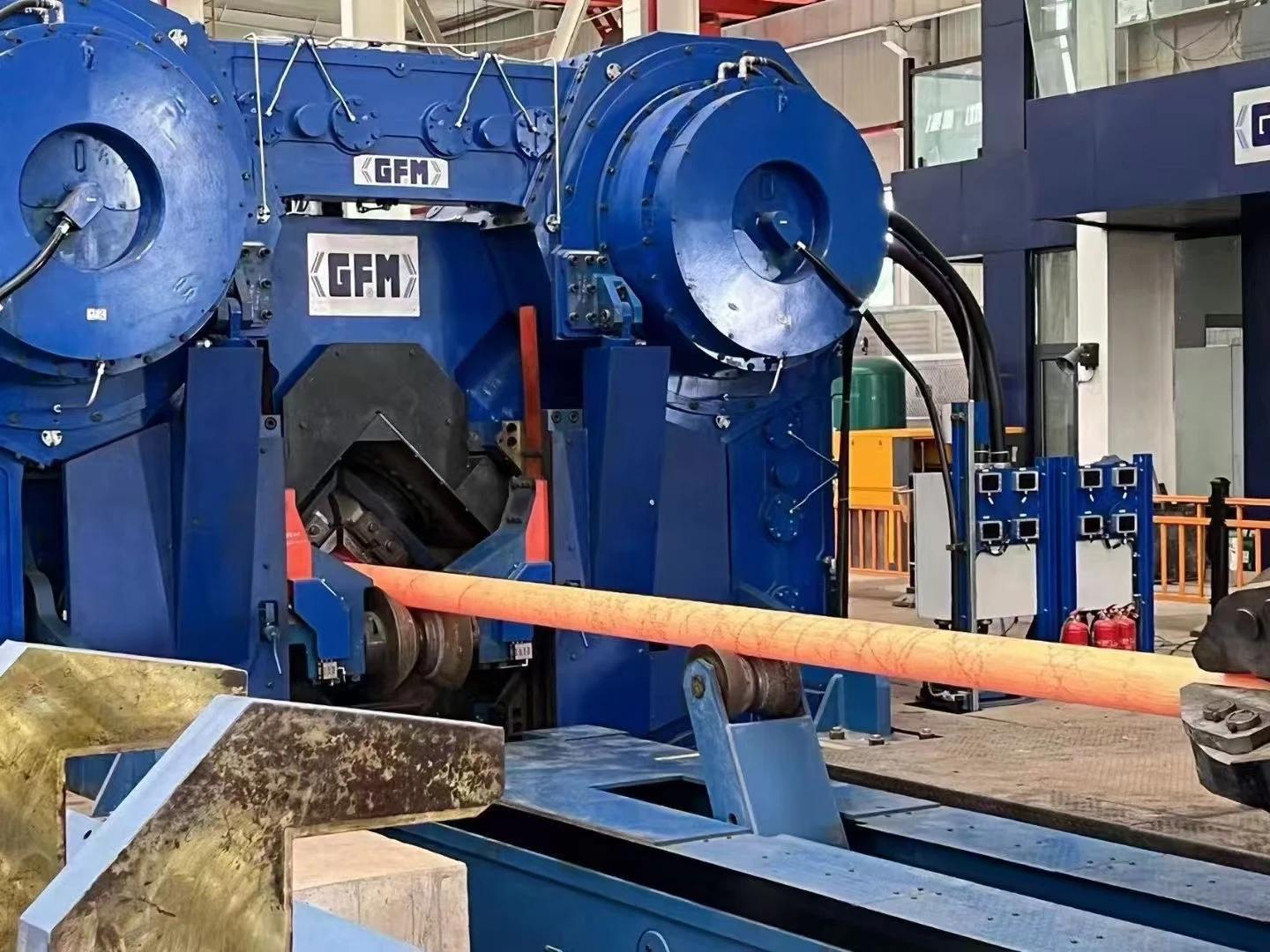
Aerospace Ti-6Al-4V ELI should be purchased by the exact AMS product form and condition. Annealed, beta-annealed, duplex-annealed and welding-filler routes serve different engineering requirements and should not be treated as interchangeable.
Aerospace Selection Principle
In aerospace ELI material, condition is part of the material identity.
Start with the required product form, then confirm the exact AMS specification and condition. Damage-tolerant plate, fracture-toughness bar or forging, and ordinary annealed ELI material are separate purchase routes even though they share the Ti-6Al-4V ELI alloy family.
Annealed
Beta Annealed
Duplex Annealed
Fracture Toughness
Welding Filler
ROUTE 01
Annealed ELI
AMS Specifications
AMS4907N Sheet & strip
Long / Forging Route
AMS4930M · AMS6932D Bar, wire, forging, ring or forging-stock routes as defined by each specification
Engineering Intent
Conventional annealed Ti-6Al-4V ELI aerospace material where the drawing or purchase specification does not call for a separate damage-tolerant or fracture-toughness condition.
ROUTE 02
Damage-Tolerant Plate
AMS Specification
AMS4905G Ti-6Al-4V ELI plate
Material Condition
Beta Annealed Condition is integral to this damage-tolerant plate route
Engineering Intent
Used where the purchase requirement specifically calls for the damage-tolerant ELI plate route. It should not be substituted automatically with ordinary annealed sheet, strip or plate material.
ROUTE 03
Fracture-Toughness Route
AMS Specification
AMS4931H Bars, forgings and rings
Material Condition
Duplex Annealed Fracture-toughness requirements form part of this route
Engineering Intent
A specific fracture-critical material route, not a general “higher grade” version of AMS4930. Product form, section, heat treatment and required test evidence should follow the exact purchase specification.
Separate Product Identity
AMS4956J · Welding Filler Wire
AMS4956J covers Ti-6Al-4V ELI wire for welding filler metal. It should not be treated as interchangeable with ordinary Grade 23 material wire or with AMS4930 long-product material.
ELI producer literature also associates the alloy with improved damage tolerance and better mechanical behavior at cryogenic temperatures. Actual aerospace acceptance still follows the specified AMS route, product form, condition and required test evidence.
Grade 23 Titanium · Precision Fabrication
Forming, Welding & Machining Ti-6Al-4V ELI
Grade 23 fabrication is controlled through process discipline rather than a claim of easy machinability. Heat removal, rigid machining, clean tooling and surfaces, qualified welding protection and the correct material or filler-wire identity all affect the finished result.
 Precision Machining
Titanium’s low thermal conductivity concentrates heat near the cutting zone, while its low modulus increases the importance of machine, fixture and workpiece rigidity.
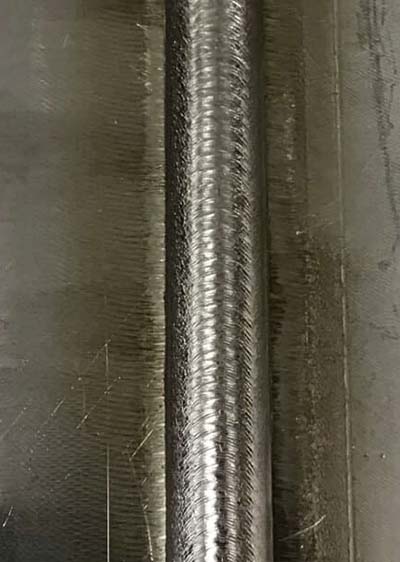
Use rigid setups, sharp tooling, controlled cutting action and effective coolant delivery. Avoid rubbing or tool dwell while the tool and work remain in moving contact.
GTAW and other qualified fusion-welding routes require clean joints and filler, inert primary shielding and, where required, trailing and backside protection while the titanium remains reactive.
Forming response depends on material condition, section, geometry, tooling and springback. Any subsequent heat treatment should follow the governing specification or qualified process.
Wire Identity Boundary
ELI wire is not one product identity.
ASTM B863 Grade 23
Base-material Grade 23 wire under the general wrought material route.
ASTM F136-26
Wire supplied within the wrought annealed medical-material route when F136 is the governing specification.
AMS4956J
Ti-6Al-4V ELI welding filler metal wire; not interchangeable with ordinary Grade 23 material wire.
Heat
Manage heat generation and removal at the machining or joining interface.
Tooling
Maintain sharp tools, stable fixturing and controlled cutting contact.
Shielding
Protect the weld and hot titanium from atmospheric contamination.
Cleanliness
Control contamination on workpieces, fixtures, joints and filler material.
Grade 23 Titanium · Manufacturing Evidence
Grade 23 Manufacturing & Supply Evidence
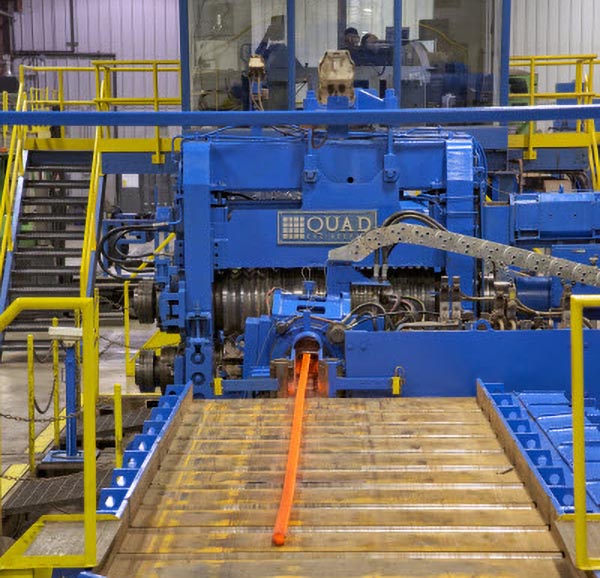
Manufacturing evidence should connect a real process to a defined product form and a controlled result. TiAlloy distinguishes its own confirmed production scope from cooperating manufacturing and qualified manufacturing sources rather than presenting every operation as one in-house process chain.
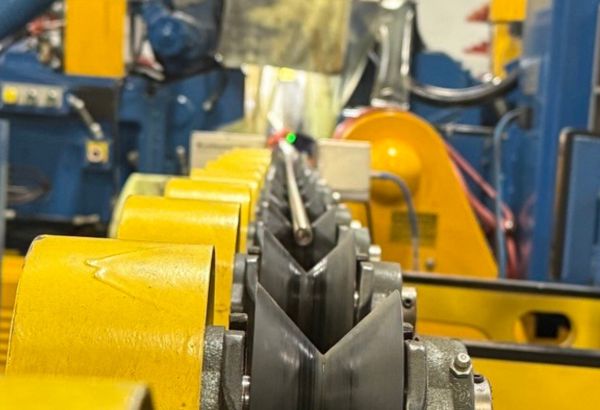 Manufacturing Evidence
Product form, dimensions, condition, surface, tolerance and traceability are controlled through the actual manufacturing and supply route agreed for the order.

Process
Rolling · Leveling · Cutting
Product
Plate · Sheet
Controlled Result
Thickness · Flatness · Dimensions · Surface · Material traceability
Process
Hot Work · Peeling · Grinding · Finishing
Product
Bar · Rod · Billet
Controlled Result
Diameter · Straightness · Surface · Length · Heat / lot identity
Process
Drawing · Finishing
Product
Material Wire
Controlled Result
Diameter · Surface · Delivery Form · Specification identity
Process
Forging · Rough Machining
Product
Ring · Disc · Blank
Controlled Result
Geometry · Machining Allowance · Condition · Traceability
Process
Saw Cutting · CNC · Drawing-Based Processing
Product
Cut Blank · Machined Component
Controlled Result
Dimensions · Tolerance · Surface · Drawing requirement
Manufacturing Source Identity
State who performs the work.
Own Production
Operations performed within TiAlloy’s confirmed production and processing scope should be identified as such in the supply route.
Cooperating Manufacturing
Production performed with cooperating manufacturing facilities should remain distinct from TiAlloy-owned operations.
Qualified Manufacturing Source
Qualified external production routes may be used where the specification, product form or order requirement calls for a different manufacturing source.
Production route, source identity, product form, processing and inspection scope should be confirmed against the actual Grade 23 requirement before manufacturing or supply is released.
Grade 23 Titanium · Quality Evidence
Metallurgical Quality, Inspection, MTC & Heat/Lot Traceability
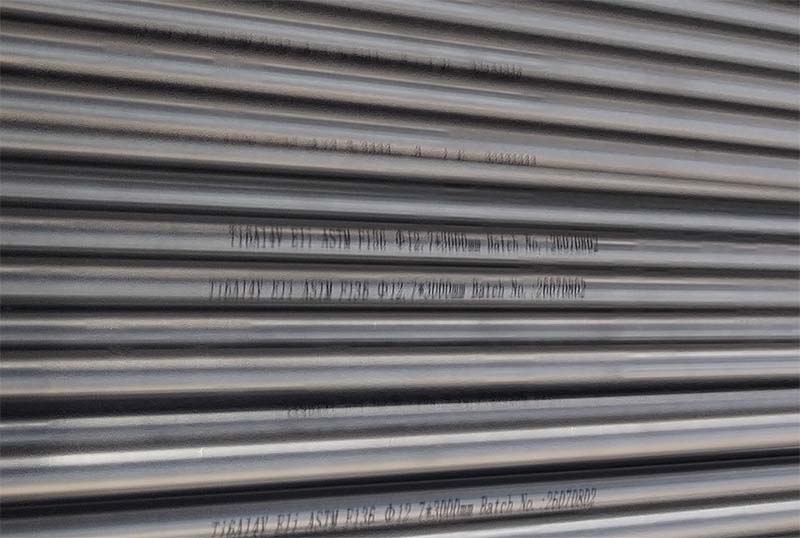
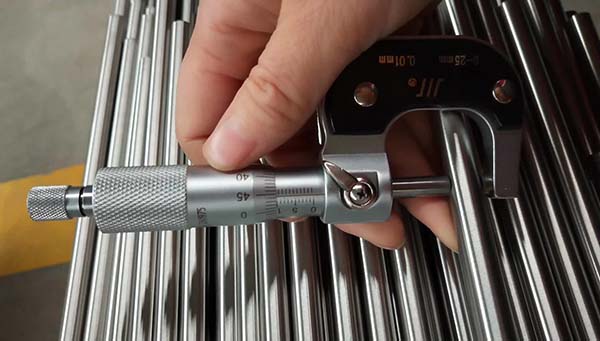
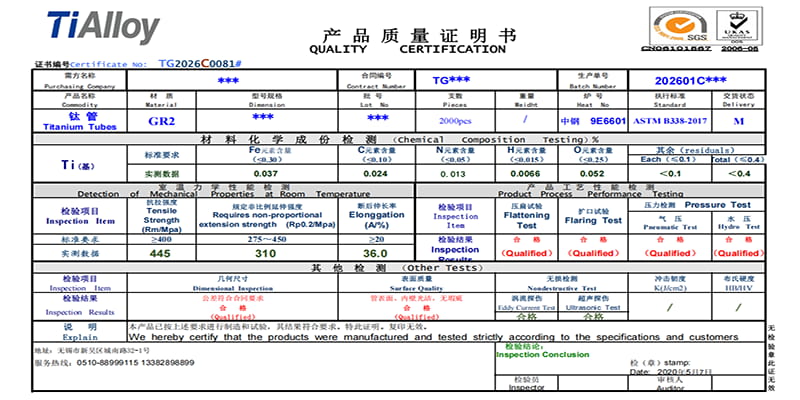
Grade 23 release evidence should connect the supplied material to its governing specification, heat or lot, applicable test results, product marking, MTC and shipment identification. Inspection scope depends on the actual product form and purchase requirement rather than one universal Grade 23 test package.
 Product Identity
Grade, governing specification, heat or lot identification and order marking should remain connected to the corresponding quality record throughout processing and shipment.
Chemistry
Al, V, Fe and controlled interstitials such as O, N and H against the applicable specification and actual heat analysis.
Mechanical
Tensile, yield and elongation, with RA or hardness where the governing specification or order requires them.
Metallurgical
Material condition and microstructure evidence where required by the applicable medical, aerospace or customer route.
NDT
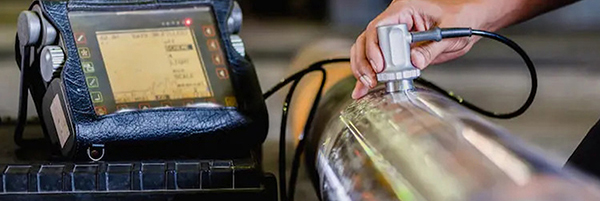
UT, surface examination or other NDT only where specified, applicable or agreed for the product and order.
Dimensions / Surface
Dimensions, tolerance, straightness or flatness and surface condition as applicable to the supplied product form.
PMI & Interstitial Boundary
Handheld XRF can support rapid alloy identification and mix-up control, but it does not replace the O / N / H laboratory verification required for Grade 23 interstitial chemistry control. These results should be tied to the applicable heat / lot record.
Traceability Backbone
Material to Shipment
01
Heat / Lot
Starting material identity.
02
Test
Applicable chemistry and test results.
03
Marking
Product remains linked to the record.
04
MTC
Applicable verified results and identity.
05
Packing ID
Package remains linked to the order.
06
Shipment ID
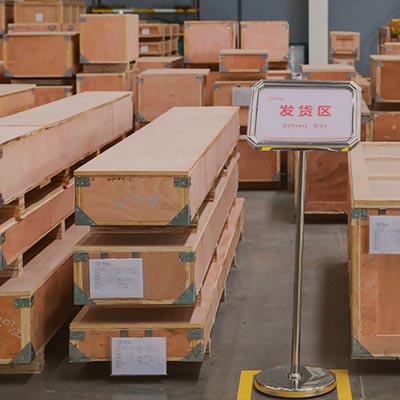
Dispatch remains traceable to documentation.
Actual Grade 23 Order Evidence
Product · governing standard / revision · UNS · dimensions · quantity · condition · actual tests · marking · MTC · packing · shipment identification
Additional NDT, EN 10204 3.1 documentation and third-party inspection should be defined with the actual purchase requirement rather than assumed for every Grade 23 order.
Grade 23 Titanium · Final RFQ
Grade 23 RFQ Desk & Buyer FAQ
A quote-ready Grade 23 request starts with material identity and ends with the actual delivery and quality requirement. Send the governing specification, revision, product form, dimensions, quantity, condition and inspection scope so the supply route can be confirmed without assumptions.
Buyer FAQ
Six questions that directly affect purchase definition
01 Is Grade 23 always UNS R56401?
No. General ASTM Grade 23 wrought product routes commonly use UNS R56407, while ASTM F136 medical-material requirements use UNS R56401. The governing specification determines the material identity used for the order.
02 What is the difference between Grade 23 and Grade 5?
Both belong to the Ti-6Al-4V alpha-beta alloy family. Grade 23 ELI uses tighter control of key interstitial and residual elements and is purchased where the applicable specification calls for an ELI-controlled material route. It should not be treated as a universal higher-strength replacement for Grade 5.
03 Does Grade 23 automatically comply with ASTM F136?
No. ASTM F136 is a specific wrought annealed Ti-6Al-4V ELI medical-material specification with its own product forms, chemistry, mechanical and metallurgical requirements. “Grade 23” alone does not establish F136 compliance.
04 Can you confirm stock or production availability?
Availability is confirmed against the actual product form, specification, dimensions, condition, quantity and required processing. Stock, production, made-to-order and qualified-source supply are treated as different commercial routes.
05 What affects Grade 23 price, MOQ and lead time?
Product form, dimensions, tolerance, quantity, material condition, surface, machining or secondary processing, testing, documentation and destination can all affect the commercial route. Price, MOQ and lead time are therefore confirmed against the actual RFQ rather than one fixed value.
06 What inspection and documentation can be specified?
Define the required chemistry, mechanical testing, metallurgical examination or NDT where applicable, together with MTC requirements. EN 10204 3.1 documentation and third-party inspection should be specified or agreed when required for the order.
Grade 23 / Ti-6Al-4V ELI
Send a quote-ready Grade 23 requirement.
Include the governing specification and revision, product form, dimensions, quantity, condition, inspection / documentation requirement and destination. TiAlloy will confirm the applicable supply route against the actual RFQ.