Get in Touch with TiAlloy Company

Titanium Flagship Alloy · UNS R56400
Ti-6Al-4V Grade 5 Titanium Manufacturer
Melted, forged, rolled, heat treated and finished in-house.
TiAlloy manufactures Grade 5 / Ti-6Al-4V from in-house EB / PAM primary melting and VAR remelting through ingot production, forging, rolling, bar and wire processing, heat treatment, finishing, machining and final inspection. Supply routes include plate, bar, forgings, wire and drawing-based processed parts.
Grade 5 is the standard Ti-6Al-4V route under UNS R56400. Product form, governing specification and revision, material condition, dimensions, processing and inspection define the actual order.
Manufacturing Base
Wuxi, China · 30,000 m² manufacturing base · 20+ years of titanium manufacturing experience
 Grade 5 · Ti-6Al-4V
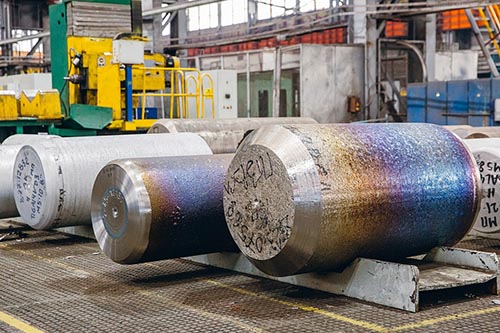
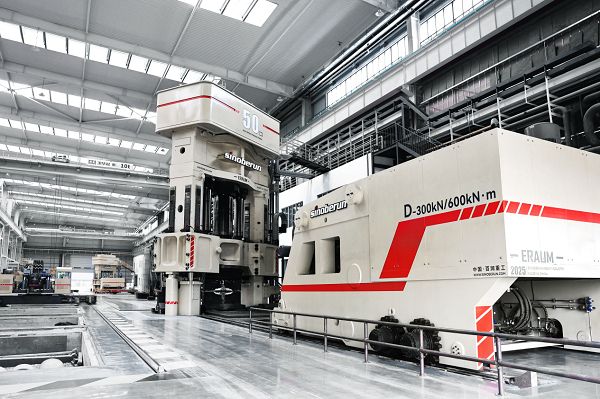
Forged rings, billets, plate, bar and drawing-based stock are manufactured through the Grade 5 route defined for the actual product and specification.
01 · Primary Melt
EB / PAM
In-house titanium primary melting
02 · Remelt
VAR
Grade 5 ingot production
03 · Breakdown
Ingot → Billet / Slab
Preparation for mill products
04 · Mill Products
Forge · Roll · Bar · Wire
Product-form manufacturing
05 · Condition
Heat Treat · Finish
Condition and surface control
06 · Release
Machine · Inspect · Trace
Finished-product verification
Grade 5 Titanium · Product Manufacturing
Product Forms & Manufacturing Routes
Grade 5 / Ti-6Al-4V is not one generic product. Select the required form first, then align the starting material, manufacturing route, governing specification, condition and finished-product requirement.
Flat Product Route
Grade 5 Plate, Sheet & Strip
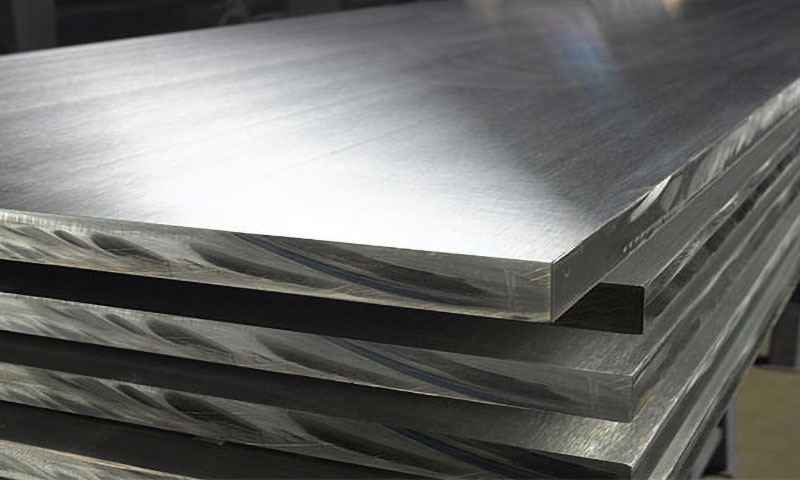
Grade 5 flat products begin with the appropriate ingot / slab route and continue through rolling, dimensional control, leveling, cutting and final surface / inspection requirements.
01
Ingot
Grade 5 heat identity
02
Slab
Breakdown route
03
Rolling
Thickness development
04
Level / Cut
Geometry control
05
Release
Surface / inspection
General ASTM
ASTM B265-25 Grade 5 · UNS R56400
Order Definition
Plate / sheet / strip · standard and revision · thickness ×
width × length / coil · tolerance · condition · surface · quantity
Titanium Plate & Sheet →
Detailed size capability belongs on the product-form page.
Long Product Route
Grade 5 Bar, Rod & Billet
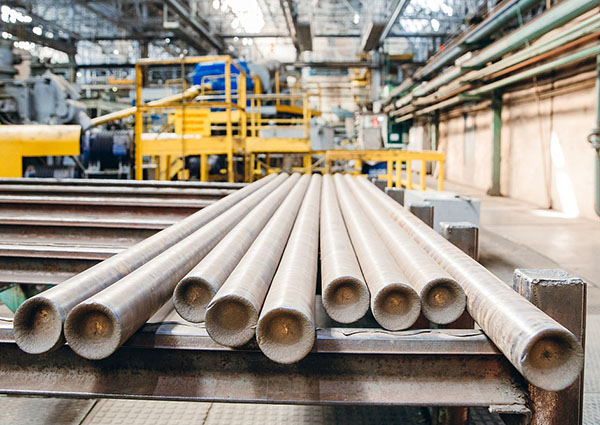
Grade 5 bar and rod manufacturing connects billet breakdown, hot working, straightness control and finishing operations to the final diameter, surface and delivery condition.
01
Billet
Heat traceability
02
Hot Work
Section development
03
Straighten
Geometry control
04
Peel / Turn
Surface preparation
05
Grind / Finish
Final delivery
General ASTM
ASTM B348/B348M-25 Grade 5 · UNS R56400
Order Definition
Bar / rod / billet · standard and revision · diameter /
section · length · tolerance · straightness · condition · surface
Titanium Bar & Rod →
Finished diameter and surface influence the manufacturing route.
Forging Route
Grade 5 Forgings, Rings, Discs & Blanks
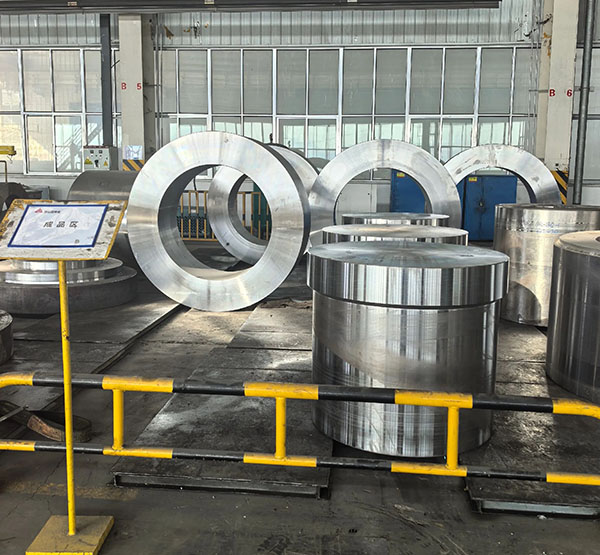
Forging orders connect the starting billet, forging geometry, required material condition, machining allowance and inspection directly to the finished purchase definition.
01
Billet
Starting stock
02
Forge
Ring / disc / blank
03
Condition
As specified
04
Rough Machine
Allowance control
05
Inspect
Drawing / test scope
General ASTM
ASTM B381-26 Grade F-5 · UNS R56400
Order Definition
Ring / disc / forging / blank · drawing · standard and
revision · rough / finished dimensions · allowance · condition · inspection
Titanium Forging →
Drawing and machining allowance should be defined before quotation.
Material Wire Route
Grade 5 Titanium Wire
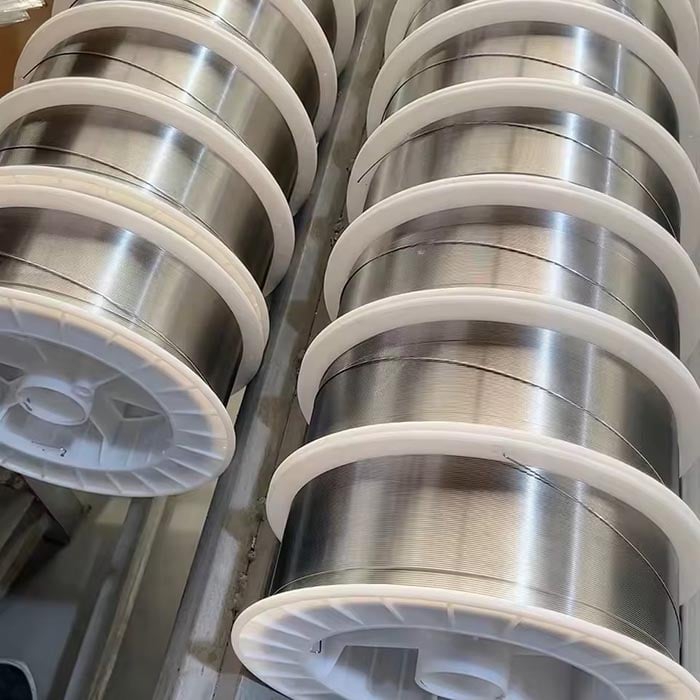
Grade 5 material wire is purchased by diameter, specification, condition, surface and delivery form. Welding filler metal is treated as a separate product identity.
01
Rod
Starting material
02
Draw
Diameter reduction
03
Condition
Order-specific
04
Finish
Surface control
05
Pack
Coil / straight form
General ASTM
ASTM B863-26 Grade 5 · UNS R56400
Route Boundary
ASTM B863 material wire and Ti-6Al-4V welding filler wire
are separate purchase identities.
Titanium Wire →
Specify material wire or welding filler before quotation.
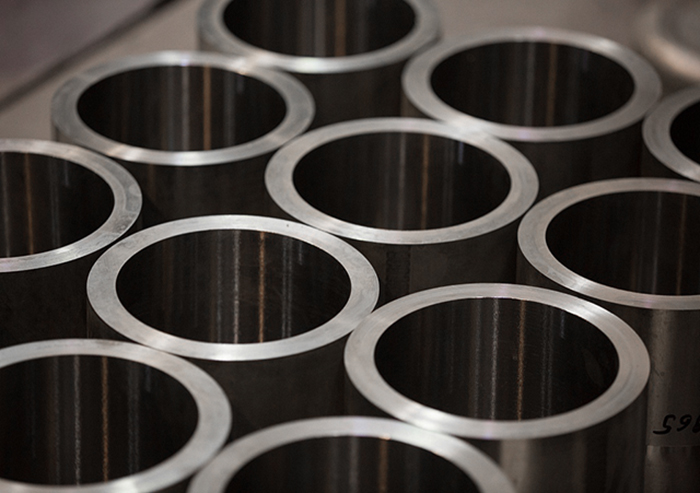
Grade 5 Tubular Route
Grade 5 Seamless & Welded Pipe
Grade 5 tubular requirements should first be identified as a seamless or welded pipe route. Manufacturing condition, dimensions and inspection are then confirmed against the applicable pipe specification and project requirement.
01
Route
Seamless / welded
02
Form
Pipe geometry
03
Size
OD / wall / length
04
Condition
By specification
05
Inspect
Order scope
Pipe Standards
ASTM B861-24 seamless pipe · ASTM B862-23 welded pipe ·
Grade 5 / UNS R56400
Important Boundary
Grade 5 should not be marketed as an ASTM B338 condenser /
heat-exchanger tube grade.
Titanium Tube & Pipe →
Confirm the actual pipe specification before quotation.
Select the Grade 5 product form first, then define the governing specification, dimensions, condition, finished surface, quantity and inspection scope so the correct manufacturing route can be confirmed.
Check Product Route & AvailabilityGrade 5 Titanium · In-House Melting
EB / PAM Primary Melting, VAR Remelting & Grade 5 Ingot Production
TiAlloy controls Grade 5 / Ti-6Al-4V upstream from the melt: charge preparation, EB or PAM cold-hearth primary melting, VAR remelting and conditioned ingot release are managed in-house before the material enters billet, slab, forging or mill-product breakdown.
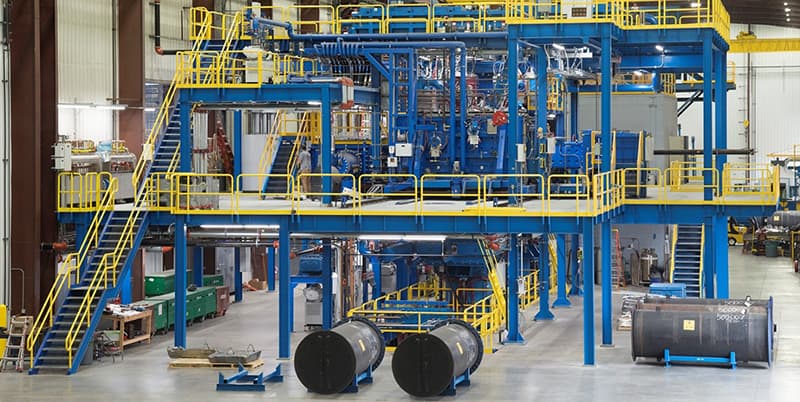 In-House Titanium Melting
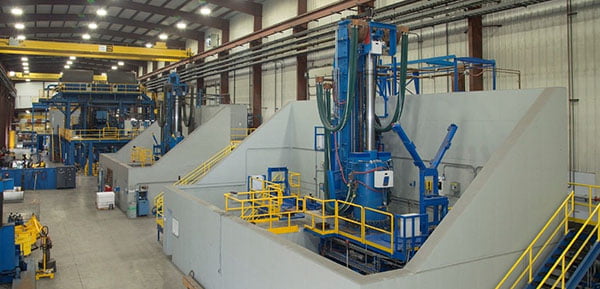
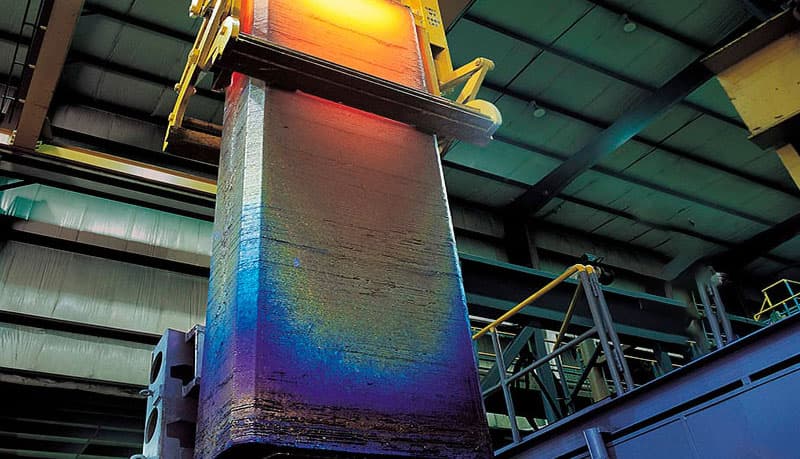
EB / PAM cold-hearth primary melting and VAR remelting establish the ingot route before Ti-6Al-4V moves into breakdown forging, slab, billet and downstream product manufacturing.
Why Melt Control Matters
Cold-hearth EB / PAM provides an upstream refining stage for charge management and inclusion control, while VAR remelting develops the controlled ingot route for downstream processing. The objective is not simply to produce an ingot, but to maintain chemistry consistency, ingot integrity and heat identity before the material reaches billet, slab, forging or rolled product.
01 · CHARGE
Sponge & Alloy Preparation
Titanium sponge, approved alloy additions and applicable
melt-route raw material are prepared against the Grade 5 heat.
02 · PRIMARY MELT
EB / PAM Cold Hearth
Primary cold-hearth melting establishes the upstream refining
and remelt-electrode route.
03 · REMELT
VAR
Vacuum arc remelting converts the prepared electrode into the
controlled Ti-6Al-4V ingot route.
04 · INGOT
Condition & Identify
The ingot is conditioned, identified and released for billet,
slab or forging breakdown while retaining heat traceability.
The required melting sequence is order-specific. Single, double or additional remelting is not assumed for every Grade 5 order; the route is defined by the governing specification, customer requirement and intended application.
Grade 5 Titanium · Mill Transformation
From Grade 5 Ingot to Plate, Bar, Forging & Wire
A finished Ti-6Al-4V product does not follow one universal route. After ingot conditioning, the same Grade 5 heat can enter slab, billet or rod-stock breakdown and then move through the manufacturing path required by the final product form.
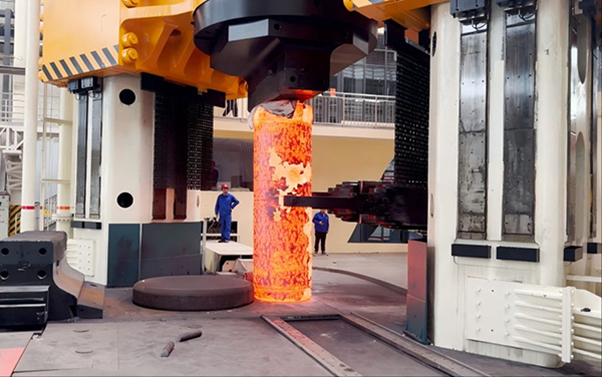 Ingot Breakdown
Conditioned ingot enters billet, slab or rod-stock breakdown before the material is transformed into the required Grade 5 product form.
Heat Identity Backbone
Grade 5 heat identity remains linked to the downstream material route as the ingot is transformed into billet, slab, rod stock and the final mill product.
01 · FLAT
Slab Route
Ingot → slab breakdown → rolling → leveling / cutting
Plate · Sheet
Thickness · flatness · dimensions · surface
02 · LONG PRODUCT
Billet Route
Ingot → billet → hot working → straighten → peel / grind
Bar · Rod · Billet
Diameter · straightness · length · finished surface
03 · FORGING
Forging Stock Route
Billet / stock → forging → condition → rough machining
Ring · Disc · Forging · Blank
Geometry · machining allowance · condition · inspection scope
04 · WIRE
Rod Route
Rod stock → drawing → straight / coil route → finishing
Grade 5 Wire
Diameter · delivery form · surface · packing definition
Manufacturing Logic
Plate, bar, forging and wire are not interchangeable production routes. Each form requires its own breakdown, deformation, condition, dimensional-control and finishing path before final release.
Grade 5 Titanium · Condition to Finished Product
Heat Treatment, Finishing & Secondary Manufacturing
TiAlloy continues the Grade 5 manufacturing route beyond billet, plate, bar and rough forging. Heat treatment, straightening, peeling, grinding, cutting, machining and final surface processing can be integrated into the delivery route so the material is supplied in the condition required by the purchase specification.
Manufacturing Condition
Condition is part of the product definition.
Grade 5 heat treatment is selected around product form, section size, governing specification and required condition.
01
Annealed
Common Grade 5 delivery route where the governing product specification defines annealed material.
02
Stress Relief
Applied when fabrication history or the customer requirement calls for residual-stress control.
03
Solution Treatment
Used only where the governing specification requires a heat-treatable Ti-6Al-4V route.
04
Aging / STA
STA supply is order-specific and must be aligned with form, section and the applicable specification.
Section size matters. Cooling response and final properties are not identical for sheet, plate, bar and large forgings.
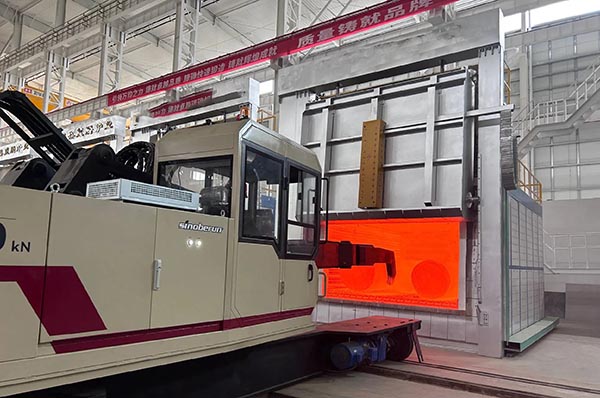 In-House Heat Treatment
Annealed and heat-treated routes are defined around the actual Grade 5 purchase requirement.
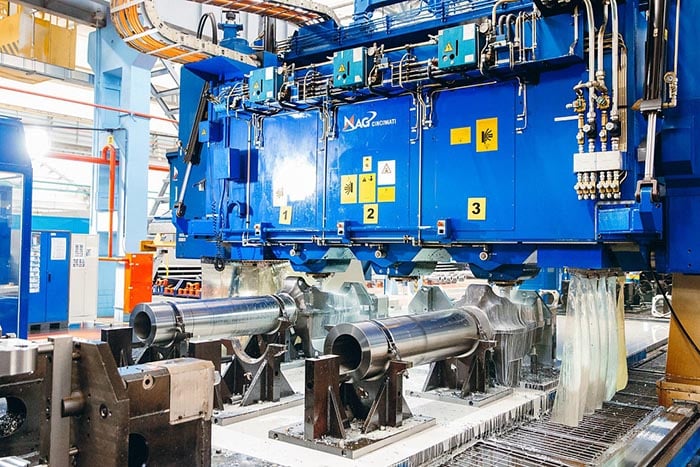
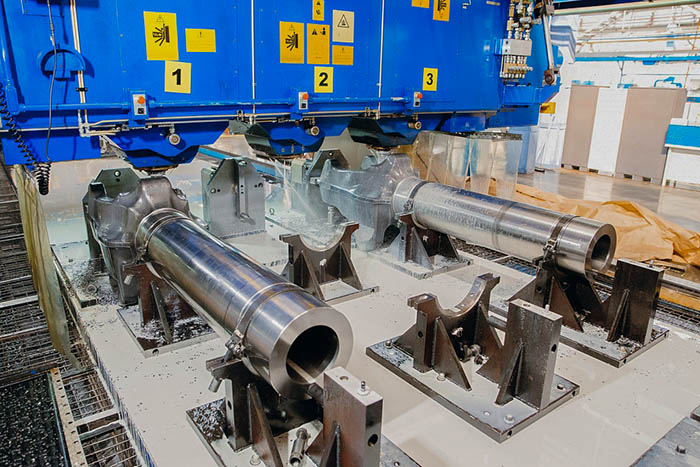
From Condition to Delivery
Finishing operations convert Grade 5 mill product into the dimensional, surface and processing state specified by the order.
01
Straighten
Long-product geometry
02
Peel / Turn
Surface preparation
03
Grind
Diameter / surface
04
Cut / Machine
Size / drawing processing
05
Final Finish
Surface · marking · inspection
A Grade 5 RFQ should identify the required condition, final dimensions, tolerance, straightness or flatness, surface requirement and machining / secondary processing.
06 / Grade 5 Specification Routes
Grade 5: choose the route before the standard.
Ti-6Al-4V / UNS R56400 can enter several very different purchase routes. Start with product form, governing industry and delivery condition; the correct specification follows from those inputs.
General Wrought
Start with the shape you are actually buying.
Plate, bar, forging, wire and pipe are all Grade 5, but they do not share one ASTM product specification. Product form establishes the starting route.
Purchase rule: if the drawing already names an aerospace, medical or customer-controlled specification, do not replace it with a general ASTM route simply because the alloy is Grade 5.
Aerospace / AMS
Here, condition becomes part of the material name.
Aerospace Ti-6Al-4V cannot be resolved from alloy chemistry alone. Flat versus long / forged product and annealed, heat-treatable, processed-forging or STA condition all change the applicable route.
Purchase rule: confirm the AMS revision shown on the drawing or purchase requirement before manufacturing and acceptance criteria are fixed.
Medical Grade 5
Medical does not automatically mean ELI.
Standard Ti-6Al-4V / R56400 has its own wrought surgical-implant material route. Grade 23 ELI is a separate material identity.
Purchase rule: material conformity and finished-device regulatory approval are separate matters.
Grade 5 Medical Material Route
ASTM F1472-23
Wrought Ti-6Al-4V · UNS R56400 for surgical-implant material requirements defined by F1472.
ASTM F136 is a different route: Grade 23 / Ti-6Al-4V ELI / UNS R56401.
Additive Boundary
Wrought data stops at the additive boundary.
Powder-bed-fusion Ti-6Al-4V follows a separate component route with its own feedstock, processing, microstructure and mechanical acceptance requirements.
Purchase rule: additive is not another plate, bar or forging product form.
PBF Component Route
ASTM F2924-14(2021)
Full-melt powder-bed-fusion Ti-6Al-4V component route.
Do not reuse B265, B348, AMS4911 or AMS4928 wrought values as automatic additive-component acceptance values.
Boundaries ASTM B338 is not the normal Grade 5 heat-exchanger-tube route · ASTM F136 is Grade 23 ELI / R56401 · AMS4954 is welding filler, not ordinary material wire · additive-component acceptance is separate from wrought material data.
The final material identity is controlled by the actual drawing, governing specification and revision, product form, delivery condition and required testing — not by the words “Grade 5” alone.
07 / Metallurgy of Ti-6Al-4V
Grade 5 · UNS R56400 · α + β Titanium
 Ti–6Al–4V
Forging, rolling and heat treatment do not sit outside the metallurgy — they act directly on the α + β system created by Ti-6Al-4V chemistry.
Why Ti-6Al-4V became titanium’s workhorse alloy.
Grade 5 is an alpha-rich alpha-beta titanium alloy. Its aluminum / vanadium balance combines useful annealed strength with a controllable beta fraction and a practical response to thermomechanical processing and heat treatment.
Aluminum stabilizes α
Aluminum raises titanium’s transformation temperature and strengthens the low-temperature alpha phase through solid solution. This alpha-rich foundation carries much of the alloy’s annealed strength.
Vanadium stabilizes β
Vanadium lowers the transformation temperature and stabilizes a beta fraction that can persist after cooling, creating part of the alloy’s heat-treatment and microstructural response.
Interstitial Control
O, N and C stabilize α; H behaves as a β-stabilizing interstitial. These elements can raise strength but also change toughness, ductility and processing response, so they are controlled as part of the Grade 5 chemistry route rather than treated as incidental impurities.
One Grade 5 producer reference
TIMETAL 6-4 · reference only
Al 5.5–6.75% · V 3.5–4.5% · O ≤ 0.20% · Fe ≤ 0.40% · N ≤ 0.05% · C ≤ 0.08% · H ≤ 0.015% · Ti balance
This is a producer reference, not a universal acceptance table for every Grade 5 product form, specification or order.
01
Specification Requirement
The governing ASTM, AMS or customer specification defines the actual chemical acceptance limits for the ordered form.
02
Producer Reference
Producer chemistry is useful engineering context but must remain identified by source, form and applicable material route.
03
Actual Heat / Lot Result
The chemistry tied to the actual Grade 5 heat belongs to the delivered material and its corresponding MTC / quality record.
Why Manufacturing Responds
TiAlloy’s melt, forging, rolling and heat-treatment stages act on the same alpha-beta architecture; processing history and final condition therefore remain part of the engineering identity of the product.
Forging
Deformation and temperature history influence phase morphology, grain structure and the starting condition for later treatment.
Rolling
Flat-product thermomechanical history influences texture, microstructure and how final engineering data should be read.
Heat Treatment
The alpha-beta balance gives Grade 5 a meaningful response to annealing, solution treatment and aging when the governing route requires it.
Composition tells you what alloy was made; processing history helps explain what material state was produced. The next engineering step is therefore to read Grade 5 data by product form and condition, then connect that condition to the actual heat-treatment and microstructure route.
Grade 5 · Engineering Record
Engineering Data by Product Form & Condition
Grade 5 does not own one universal tensile-strength number. Form, section, orientation, manufacturing history and delivery condition define which requirement or reference is meaningful.
Plate · Annealed
ATI 6-4 · current producer reference
895MPa
Tensile strength · minimum reference
828MPa
Yield strength · minimum reference
10%
Elongation · minimum reference
Data Identity
Producer reference.
Not a universal acceptance set for every Grade 5 plate.
Product Context
Plate data must still be checked against the governing
specification, thickness and test orientation.
Condition
Annealed wrought product.
Acceptance
Governing specification + actual heat / lot test result.
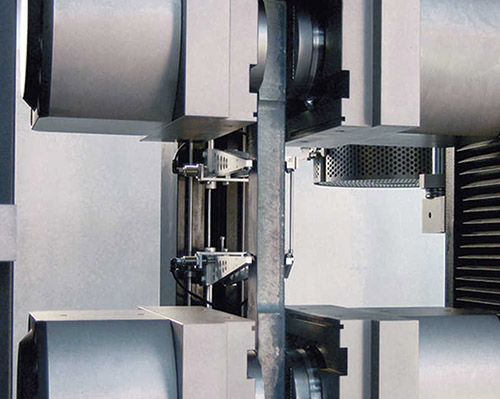 Actual Test Evidence
Material Constants
ATI / TIMET producer references
4.42–4.43 g/cm³
Density
Producer-reference range
107–122 GPa
Young’s Modulus
20°C · texture / HT dependent
6.6 W/m·K
Thermal Conductivity
20°C · mill annealed
9.0 × 10⁻⁶ /°C
Mean CTE
0–100°C
Data Provenance
Three identities. Do not mix them.
Specification Requirement
The ASTM, AMS, drawing or purchase specification defines acceptance for the actual form, section and condition.
Producer Reference
ATI / TIMET data describes a defined product or engineering context; it does not automatically govern every Grade 5 order.
Actual Heat / Lot Result
The result reported against the actual heat or lot belongs to the material delivered and its corresponding MTC.
Read Grade 5 in this order: product form → section / orientation → delivery condition → governing specification → actual heat / lot result. A single “Ti-6Al-4V tensile strength” number is not enough.
09 / Thermal History & Metallurgy
Heat treatment changes the material state — not the alloy name.
Grade 5 remains Ti-6Al-4V, but annealing, solution treatment, cooling and aging can change the balance and morphology of its alpha and beta constituents. Section size, quench response and prior thermomechanical history are therefore part of the engineering condition.
Phase Field
The beta transus is a material reference boundary, not a universal production setpoint. Actual processing must follow the applicable specification, heat and required condition.
α + β
Below the beta transus
Primary alpha remains present. Heating temperature within the alpha + beta field, prior forging / rolling history and the subsequent cooling route all influence the final fraction, morphology and distribution of phases.
Producer Reference
β Transus
TIMET ≈ 996 ±14°C
ATI ≈ 999 ±14°C Engineering context only.
Not an order setpoint.
ATI ≈ 999 ±14°C Engineering context only.
Not an order setpoint.
β
Above the beta transus
Heating into the beta region removes primary alpha at temperature. On cooling, the beta transforms, and cooling rate strongly influences the scale and morphology of the transformed structure.
Condition Landscape
These are different manufacturing states, not interchangeable labels for the same Grade 5 product.
01
Annealed
Establishes a stable wrought delivery state and balances strength, ductility and microstructural condition for the applicable product route.
02
Stress Relief
Used where fabrication or machining history requires residual-stress reduction without redefining every Grade 5 order as an STA product.
03
Solution Treatment
Controls phase condition before quenching and subsequent aging. The applicable temperature and quench route belong to the governing specification and section response.
04
Aging / STA
Aging follows an applicable solution-treatment route to develop the specified final condition. STA is used only when the material specification calls for it.
Specification Relationship
AMS4904E defines an STA flat-product route; AMS4965N and AMS6930G define STA long-product / forging routes; AMS4967N defines an annealed, heat-treatable bar / wire / forging / ring route. The specification and revision remain the authority — not a generic Grade 5 heat-treatment recipe.
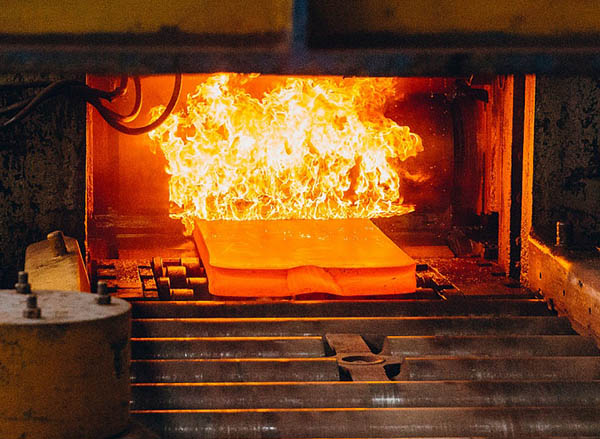 Thermal Process Evidence
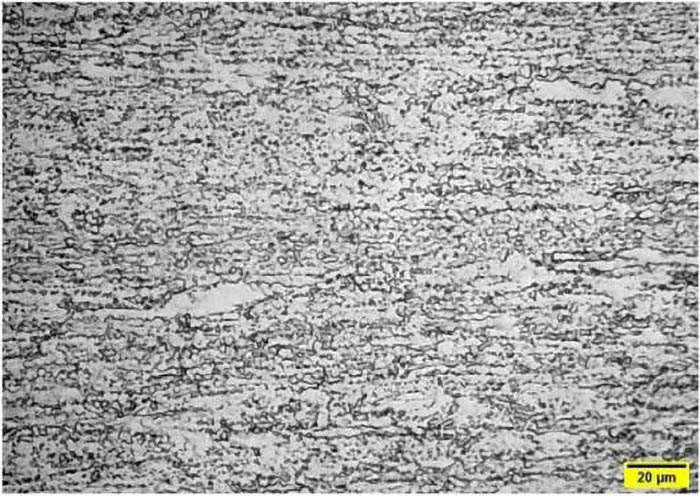
 Metallurgical Evidence
Thermal History
Heating region · hold history · cooling / quench response · aging
Microstructure
Primary α fraction · transformed β morphology · scale · texture
Engineering Response
Strength · ductility · fatigue / toughness context · dimensional response
Section & Quench Reality
ATI notes that the strongest STA response is obtained in small sections that can be quenched rapidly. Larger sections or quench delay can produce lower response than the optimum reference condition. That is why a thin-section producer value cannot simply be copied onto a large bar or forging.
Condition is a metallurgical identity. For Grade 5, the relevant question is not only “what temperature was used?” but which product form, section, prior working history, phase field, cooling route, specification and final test result define the material being delivered.
10 / High-Specification Grade 5 Supply
Ti-6Al-4V · UNS R56400 · Product Form + Specification + Condition
Ti-6Al-4V Grade 5 for Aerospace & Defense Supply Routes
Grade 5 is widely used across aircraft structural material, forged products and selected fan / compressor-region applications. TiAlloy converts its melt-to-finished manufacturing route into plate, bar, forging, ring, fastener stock and machined-blank supply against the actual AMS, drawing or defense requirement.
 Grade 5 Structural Stock
Large forged stock, rings, discs and drawing-controlled blanks are supplied as material / manufacturing routes; finished component qualification remains specific to the customer, design authority and application.
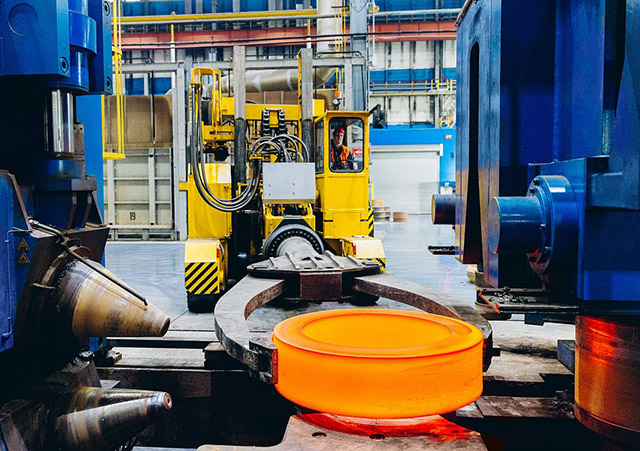
High-Value Product Forms
Material and drawing-based supply
Plate
Flat structural stock
Bar / Billet
Long-product starting stock
Forging / Ring
Disc · ring · shaped blank
Fastener Stock
Bar / wire / drawing-controlled stock
Machined Blank
Rough / drawing-based machining
A / Aerospace
Material route before component claim
Ti-6Al-4V is widely used for aircraft structural components and forged products. Industry references also place it in jet-engine fan rotors and parts near the low-pressure compressor region. TiAlloy’s role on this page is the controlled Grade 5 material / stock route, not an automatic claim of finished-component qualification.
Representative identities include AMS4911T for annealed flat product and AMS4928X for annealed bar / wire / forging / ring routes. Heat-treated and processed-forging requirements must follow the exact AMS condition identified by the drawing or purchase order.
B / Defense · Armor Plate
A separate controlled material route
MIL-DTL-46077H
Class 2 · 6Al-4V · intermediate oxygen
The current specification covers weldable wrought titanium structural armor plate. Class 2 is specifically 6Al-4V with oxygen greater than 0.14% and up to 0.20% by weight. Its scope covers nominal plate thicknesses from 0.125 to 4.0 in. Generic Grade 5 chemistry alone does not establish Class 2 compliance; the complete MIL-DTL-46077H purchase and testing requirements remain controlling.
Qualification Boundary
Material conformity is not the same as finished-component qualification. AMS or MIL material supply establishes the applicable material route; customer drawing approval, special-process approval, component testing, platform qualification and other downstream requirements remain separate where applicable.
Send the controlling AMS, MIL or customer specification together with product form, revision, condition, dimensions, quantity, drawing and inspection requirement. TiAlloy can then align the melt, mill-product, heat-treatment, machining and quality route to the actual material order.
13
Factory Proof
Integrated Grade 5 manufacturing, shown in the factory.
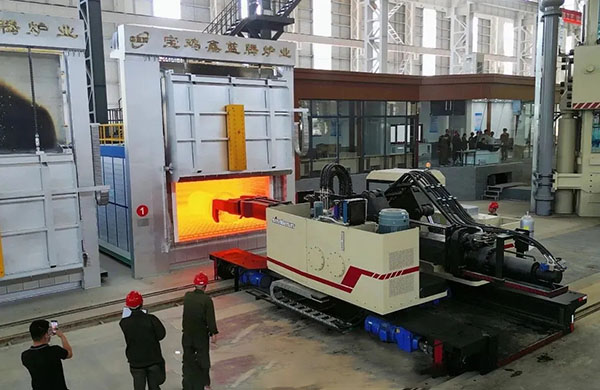
TiAlloy’s Grade 5 route connects melting, ingot production, breakdown, forging, rolling, heat treatment, finishing, machining and inspection inside one manufacturing system at our Wuxi production base.
TiAlloy · Wuxi Manufacturing Base
Grade 5 moves from melt and ingot identity through hot working, condition control, finishing, machining and final inspection without reducing the order to a simple stock-resale route.
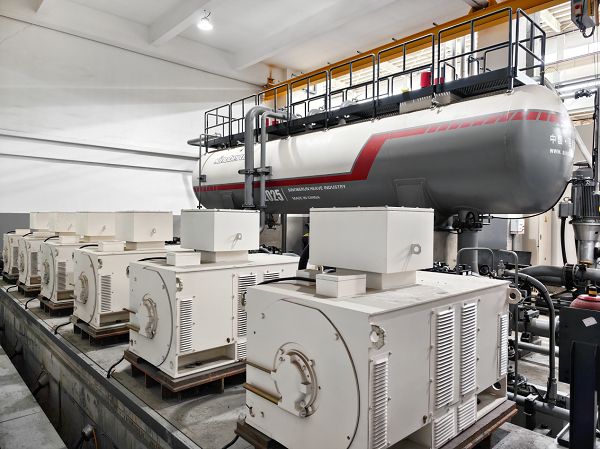
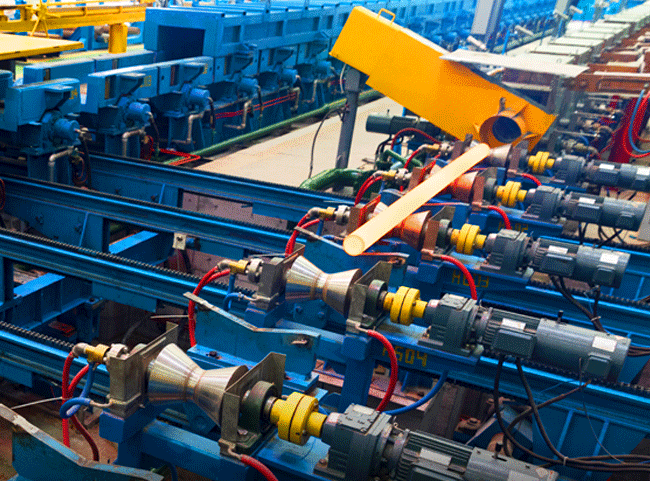
Grade 5 Manufacturing Spine
EB / PAM + VAR → Ingot → Breakdown → Forging / Rolling → Bar & Surface Finishing → Heat Treatment → Machining → Inspection & Release
Manufacturing Base
Wuxi, China
30,000 m² manufacturing base · 20+ years manufacturing experience
Integrated in-house Grade 5 production connects upstream metallurgy with mill-product manufacturing, condition control, secondary processing and final quality verification.
Factory capability is most useful when it is connected to the actual order. Send the Grade 5 product form, specification, condition, dimensions, quantity, processing requirement and inspection scope so the production route can be reviewed against the requirement.
14
Supplier Audit
Metallurgical Quality, UT, MTC & Melt-to-Shipment Traceability
For TiAlloy Grade 5, traceability can begin with charge and melt identity and continue through remelting, ingot, hot working, finished product, testing, marking, certification, packing and shipment.
Manufacturer Traceability
Because Grade 5 primary melting and VAR remelting are controlled in-house, the traceability record can originate before billet, plate, bar or forging production begins rather than starting only when a finished-material certificate is collected.

Finished-product marking should remain connected to the applicable heat / lot, grade, product specification and order identity.
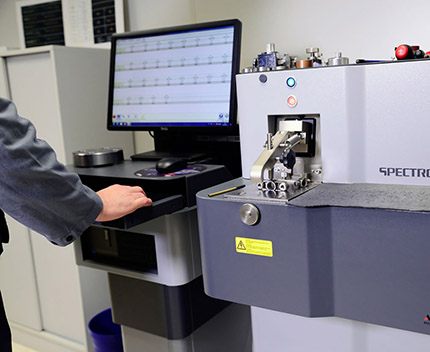
Melt-to-Shipment Backbone
Eleven traceability points are grouped into four manufacturing audit stages rather than presented as a process-card wall.
AUDIT 01
Melt Identity
Charge ID → Primary Melt → VAR Heat → Ingot ID
AUDIT 02
Product Identity
Billet / Slab → Finished Product
AUDIT 03
Verification & Release
Test → Marking → MTC
AUDIT 04
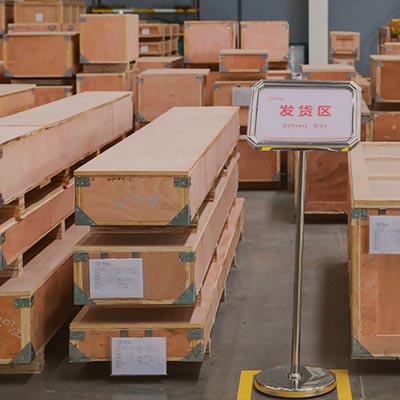
Dispatch
Packing → Shipment
Inspection Scope
The correct inspection scope follows the governing specification, product form, condition and purchase requirement — not a blanket “all tests included” statement.
Chemistry & Interstitials
Specification / order controlled
Major alloy chemistry plus applicable
O / N / H requirements are verified by the
appropriate analytical methods and tied to the applicable
heat / lot record.
Mechanical Testing
Form + condition controlled
Tensile / yield / elongation and other applicable results are
interpreted against the actual product specification,
section, orientation and delivery condition.
Metallurgical Examination
When required
Microstructure, macrostructure or other metallurgical
examination is performed only where the specification,
drawing or agreed inspection scope requires it.
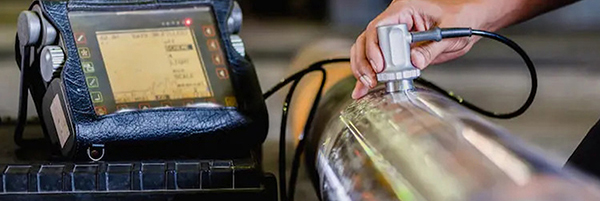
UT / NDT
When specified
UT, PT, RT or other NDT is
not presented as automatic for every Grade 5 order.
Method, class, coverage and acceptance criteria must be defined
by the applicable requirement.
Third-Party Inspection
When requested / agreed
Witness, hold-point or third-party inspection can be arranged
against an agreed ITP or purchaser scope; it is not assumed for
every shipment.
PMI Boundary
PMI is useful for alloy verification and mix-up prevention, but it is not a substitute for titanium interstitial analysis. Handheld XRF cannot determine H, N or O, so compliance with Grade 5 interstitial limits must come from the appropriate laboratory test route and corresponding heat / lot record.
Documentation
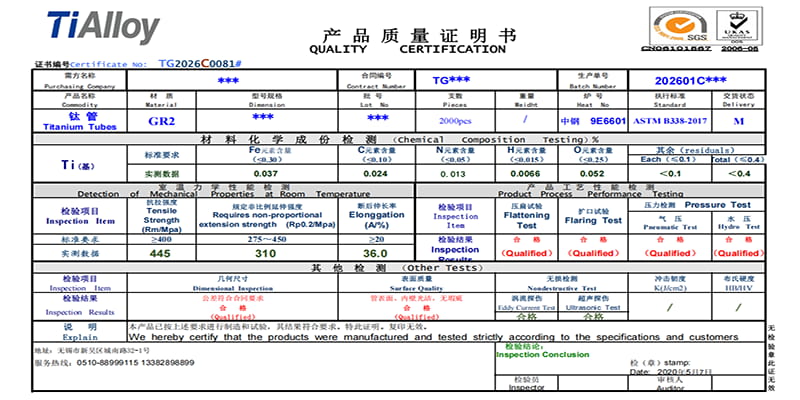
MTC is part of the audit trail.
When EN 10204 Type 3.1 is specified or agreed, the inspection certificate reports specific inspection results and is validated by the manufacturer’s authorized inspection representative independent of production.
Third-party inspection is separate. External witness / purchaser inspection or Type 3.2 documentation is arranged only where the applicable order or inspection plan requires it.
For a supplier audit, send the inspection requirement before production. Include product form, governing specification and revision, condition, test scope, NDT method / class where applicable, documentation requirement, third-party hold points and any marking or packing traceability requirement.
Ti-6Al-4V (Grade 5) Engineering Tools
Weight Estimator
Calculate the estimated weight of Ti-6Al-4V materials based on standard dimensions. Essential for logistics and structural load planning.
Grade Selector
Compare titanium grades against specific mechanical and chemical requirements. Ensure optimal material performance for your application.
Unit Converter
Seamlessly translate industrial measurements between metric and imperial systems. Streamline your international procurement process.
15 / Grade 5 RFQ Desk
Turn your Grade 5 requirement into a quote-ready specification.
You do not need to rewrite the entire technical requirement. Send the drawing, specification or purchase description and define the key commercial inputs below. TiAlloy can review the material, manufacturing, inspection and delivery route against the actual order.
Buyer FAQ
Six questions worth resolving before the PO.
Short procurement answers only. Detailed metallurgy, standards and inspection logic are already covered earlier on this page.
01 What does UNS R56400 mean on a Grade 5 RFQ?
UNS R56400 identifies standard Ti-6Al-4V Grade 5. The quote still needs the product form, governing specification and revision, delivery condition, size and applicable inspection requirements.
02 Can Grade 5 be substituted for Grade 23 ELI?
Not automatically. Grade 5 and Grade 23 are different controlled material routes. Similar chemistry or actual test results do not authorize substitution where the drawing or specification requires Grade 23 / ELI.
03 Are annealed Grade 5 and STA Grade 5 interchangeable?
No. Annealed and solution-treated-and-aged conditions have different processing and property routes. The required condition must match the governing specification, product form and drawing requirement.
04 Is Grade 5 available from stock?
Availability is confirmed against the product form, size, standard and condition. Depending on the requirement, supply may be matched from available stock or routed through production.
05 What are the Grade 5 price, MOQ and lead time?
There is no reliable universal figure. Price, practical MOQ and lead time depend on form, size, condition, quantity, specification, processing and inspection scope. They are confirmed after the actual RFQ is reviewed.
06 What inspection and documents can be supplied?
Chemistry and applicable mechanical results are aligned to the governing material route. UT / NDT, metallurgical examination, EN 10204 3.1 and third-party inspection are included when required or agreed, rather than presented as automatic for every Grade 5 order.
Quoting Principle
Price, availability, MOQ and lead time are outputs of the requirement — not fixed Grade 5 constants. Form, specification, condition, geometry, quantity, processing and inspection scope are reviewed first.
Grade 5 / Ti-6Al-4V · RFQ
Send the drawing or specification. We will build the production route around the requirement.
Plate, bar, forging, ring, wire, pipe or drawing-based supply — include the required standard, condition, dimensions, quantity and inspection scope where available.