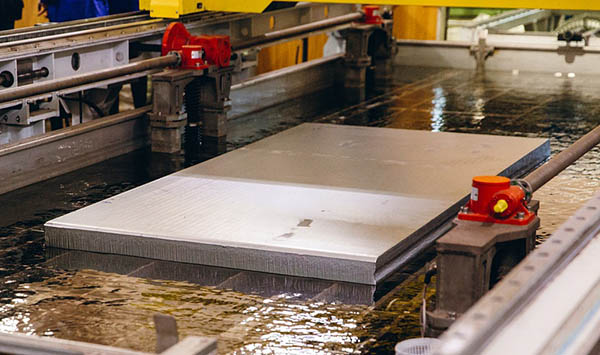
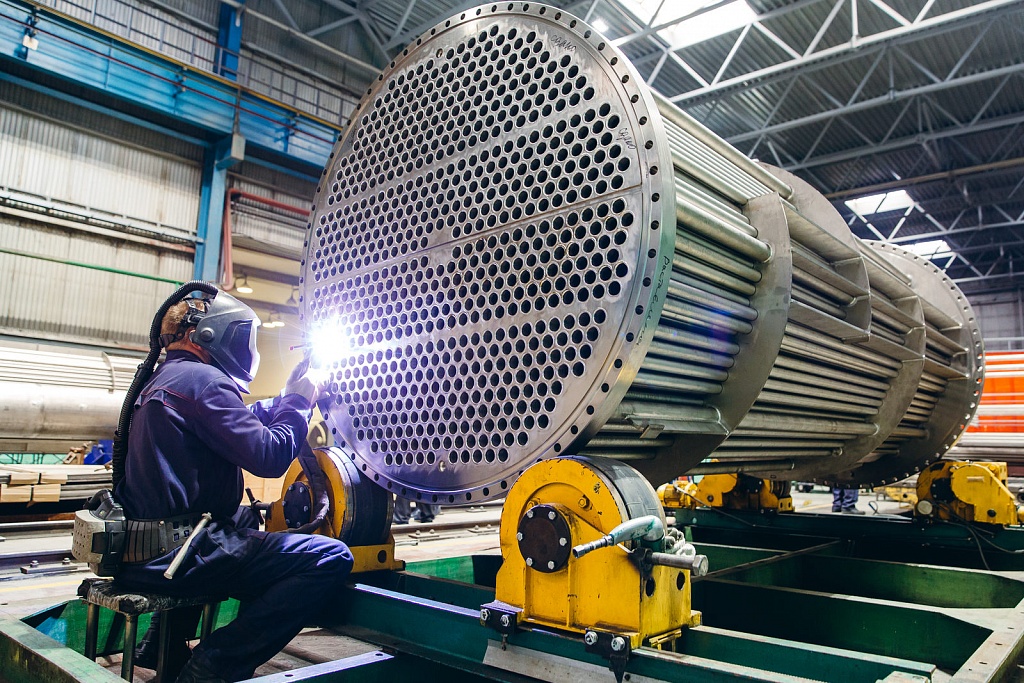
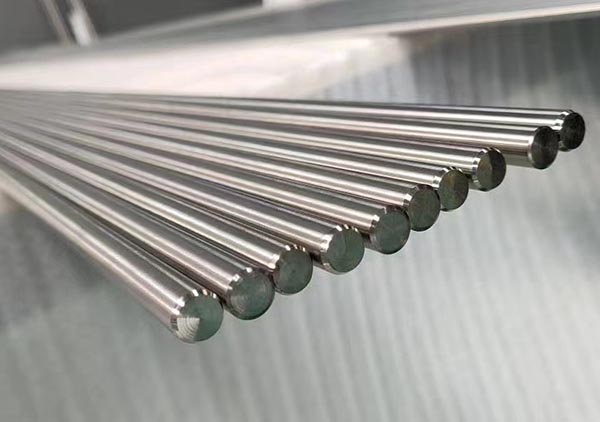
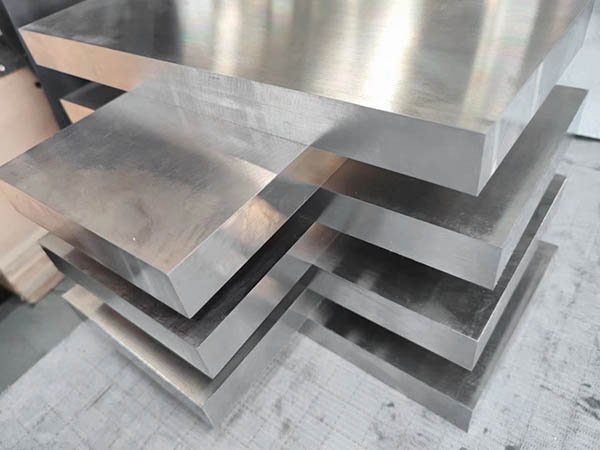
Titanium Products Hub · Mill-Direct · Wuxi, China

Titanium Supplier: Mill-Direct Titanium Plate, Tube, Bar, Wire and Forgings

Nine ASTM grades, five mill product forms, and vacuum melting under our own roof. We supply titanium to chemical, marine, energy, desalination and medical-device manufacturers who need the certificate to survive incoming inspection, not just the metal to arrive.

9

ASTM grades, Gr 1 to Gr 23

5

mill forms: plate, bar, tube, wire, forgings

VIM / VAR / ESR

melting in-house, not brokered

30,000 m²

production base

3.1

EN 10204 certificate as standard

ISO

9001 / 45001 / 14001 management systems

Why Titanium Sourcing Stalls, and What a Mill-Direct Titanium Supplier Changes

A titanium supplier is judged on the paperwork long before the metal is judged on the plant floor. Buyers on engineering forums report suppliers refusing to issue certificates for cold-worked material, or quoting a price adder for the certificate itself. One buyer on r/manufacturing asked whether Grade 5 test results dated a year earlier were still valid for the heat he was about to receive.

01
The Certificate Gap
02
Mill Products
03
Live Job Impact
04
Manager’s Math

Where the certificate gap actually costs you

That’s the real failure mode, and the reason is structural: a trader can only forward the certificate it received. Metal is rarely the thing that’s wrong; the traceability chain is.

A hold at incoming inspection is the cheap version of that problem; a rejected weld prep on a 12 mm Grade 2 tube sheet after fabrication is the expensive one.

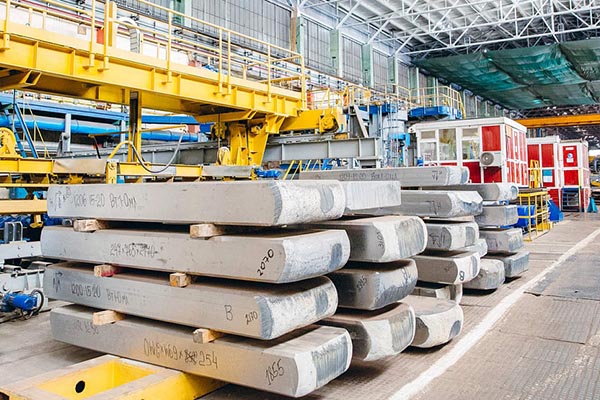
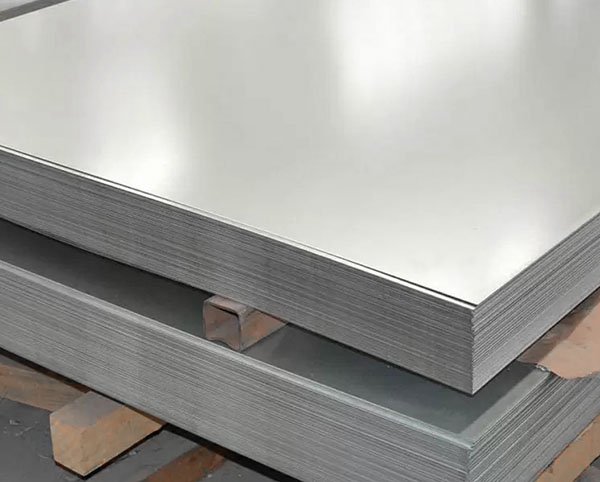
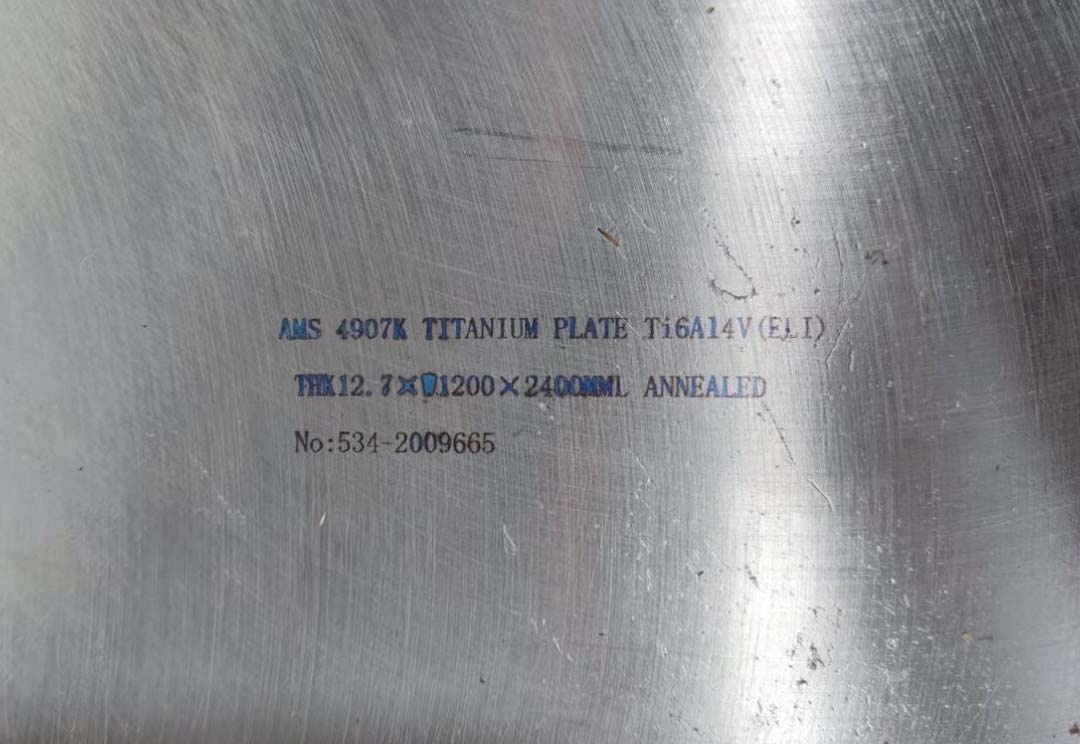
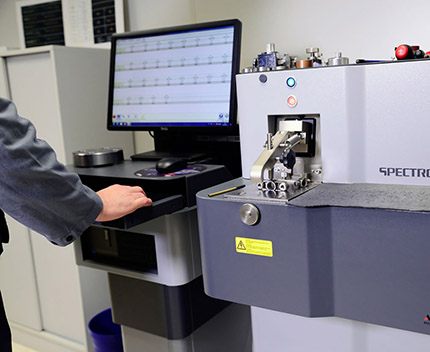
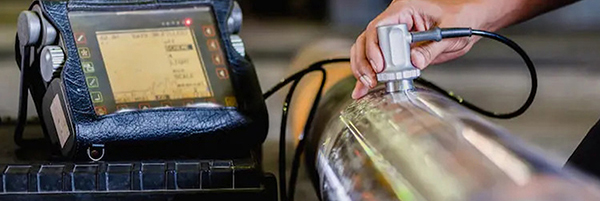
Titanium plate quality inspection and traceability marking

What “titanium mill products” actually means

Mill products are the semi-finished forms a titanium mill rolls, extrudes, draws or forges from its own ingot: plate, sheet, bar, rod, tube, pipe, wire and forgings. Everything downstream of that (cut blanks, machined parts, fittings) is fabrication. A stocking distributor buys mill products and holds inventory; a mill melts the ingot and makes them.

That distinction matters when something goes wrong. When a heat fails a re-test, a distributor can only go back to its own supplier and wait. TiAlloy delivers the certificate and the melt record out of the same ISO 9001 quality system that ran the heat, so the mill log and the retained sample come from one building.

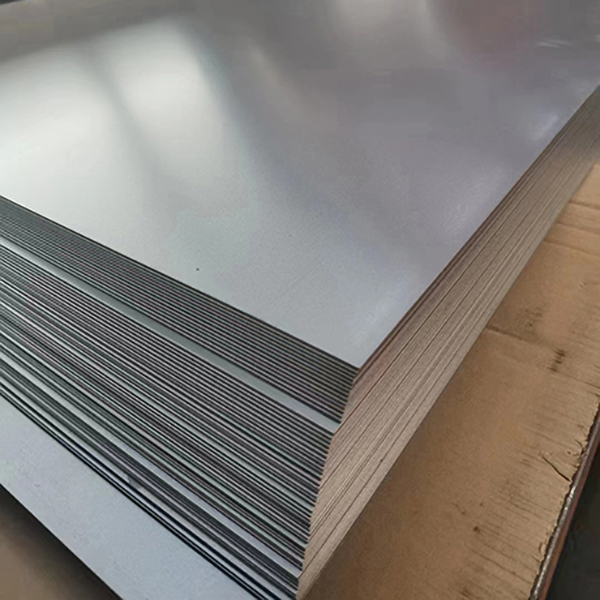
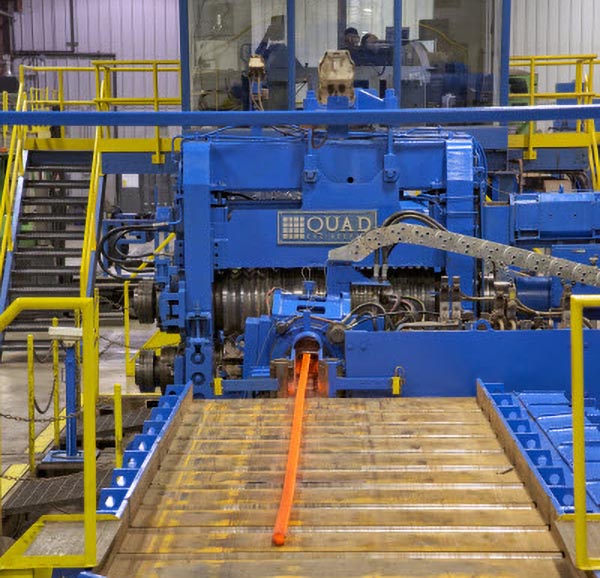
Titanium mill products production with plate and coil stock

What a mill order changes on a live job

Unlike a brokered order, a mill order lets you trace a 275 MPa minimum yield back to the specific melt that produced it. That matters most on production parts with a service life attached: valve components, pump shafts, hydraulic lines and heat-exchanger tube bundles in any application where a re-test two years later is a realistic possibility.

  • Chemistry traceable to the melt: every heat carries its own VIM, VAR or ESR record, not a third-party mill’s summary sheet
  • One party owns the deviation, so there’s no gap between “the mill said” and “the trader said”
  • A grade change is a scheduling question rather than a sourcing question: Grade 7 or Grade 12 comes off the same melting line as Grade 2
  • Retained samples stay with the heat number, so a re-test two years later is still possible
Marked titanium plate used for heat traceability through production

Mill or stockist: the plant manager’s arithmetic

For a plant manager the arithmetic is simpler still. A wrong grade found at incoming inspection costs a few weeks; a wrong grade found after the exchanger is welded shut costs a shutdown.

The honest version is that the trade-off runs the other way too: a mill won’t hold your odd size on a shelf the way a distributor can. Titanium metal supply splits along that line, with scheduled production volume from a mill and shelf items from a stockist.

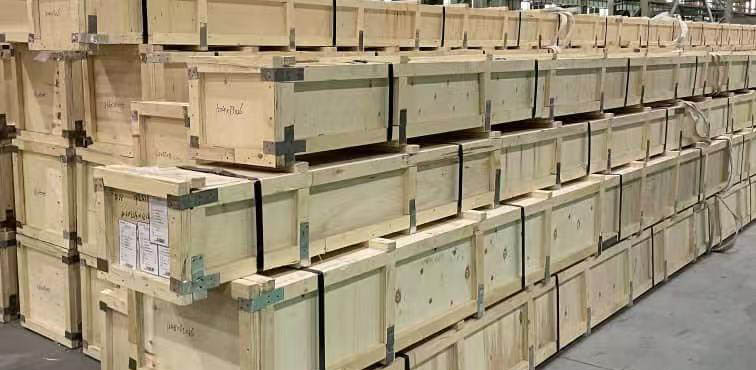
Titanium tube inventory for mill-direct order planning

What a reliable titanium supplier looks like on paper

“Reliable titanium” and “trusted titanium” appear on nearly every page in this market, including the ones outranking us. Those phrases mean nothing until someone attaches a test to them, so here are ours. Every one of the four below is checkable against a document rather than a claim.

#01

Certified titanium is a heat number you can trace, not a logo on a brochure.

SEC.02

A leading supplier of titanium can produce the melt record; a service center can only forward the one it received.

SEC.03

High-quality titanium is a measured chemistry: oxygen, iron and hydrogen ceilings printed on the certificate and checked against the grade limits.

SEC.04

A titanium material supplier worth qualifying invites a PMI check, because the material will pass it.

SEC.05

Titanium metal suppliers that own the melt answer a chemistry question in one call; a reseller has to ask someone else.

> DIRECT_MILL_SOURCING

We’re a mill rather than a titanium distributor. We don’t hold an extensive inventory of titanium stock against forecast demand, and our inventory of titanium is working material for scheduled heats. We supply the titanium and the melt record behind it, with metal processing and metal finishing under the same roof.

Titanium Product Range

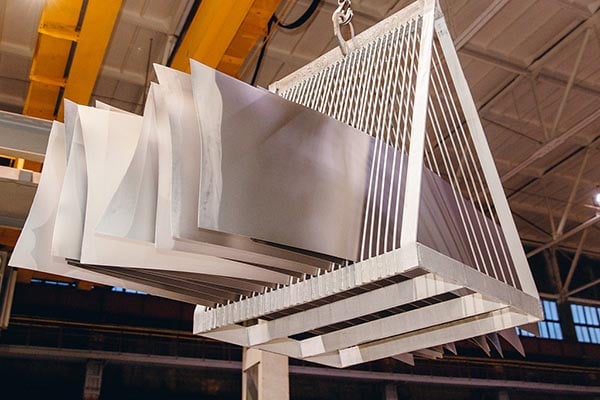
Titanium plate, titanium sheet, titanium pipe, tube, bar, rod, wire and forgings all come off the same melt shop, alongside our stainless steel and nickel alloy lines. Commercially pure titanium and the alloy grades run on the same equipment; only the schedule changes.

Section beyond round stock Specification Where it goes
Titanium hex, hollow, square bar ASTM B348 Machined valve & pump components, anode hangers
Titanium welded pipe ASTM B862 Industrial fluid lines (welded seam acceptable)
Unwelded titanium pipe ASTM B861 Pressure boundary duty
Titanium rectangular & square tubing ASTM B338 Structural sections
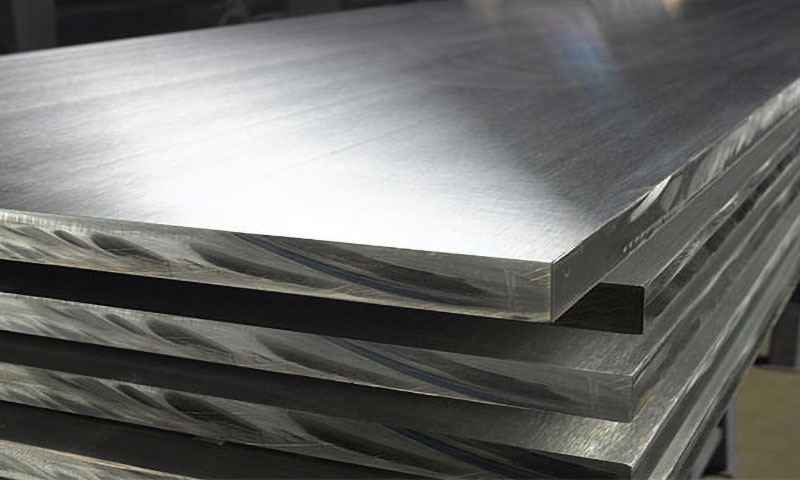
Titanium plate and sheet stock for ASTM B265 supply

Titanium Plate & Sheet

SPEC // ASTM B265 · ASME SB-265
GRADE // 1-5, 7, 12, 23, Ti-811
PROCESS // Rolled & Sheared in-house

Flat-rolled titanium sheet and plate for reactors, storage tanks, tube sheets, desalination equipment and anode substrate. Grade 2 covers most chemical process vessels; Grade 7 takes over when the acid gets aggressive.

Match a grade →
Ti-6Al-4V Grade 5 titanium bar and plate stock

Ti-6Al-4V (Grade 5)

SPEC // UNS R56400 · ASTM B265
YIELD // 895 MPa tensile, 828 MPa yield
DUTY // High-pressure fluid systems

The alpha-beta workhorse alloy: roughly two and a half times the minimum yield strength of Grade 2, with no density penalty. Bar and forgings over 75 mm OD carry an export-licence step.

Check lead-time →
Grade 2 titanium tube and plate for corrosion resistant heat transfer service

Grade 2 Titanium

SPEC // UNS R50400 · ASTM B338
YIELD // 345 MPa min tensile
DENSITY // 4.51 g/cm³

Unalloyed titanium and the default choice for corrosion-resistant heat transfer equipment. Trade press describes it as the most commonly used grade for heat exchangers, available in every form we make.

See environments →
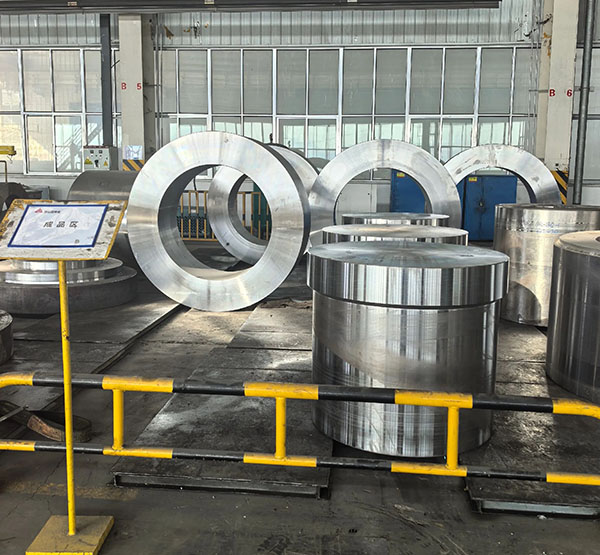
Grade 23 Ti-6Al-4V ELI titanium forging rings and precision stock

Grade 23 (Ti-6Al-4V ELI)

SPEC // UNS R56401 · ASTM F136
CHEMISTRY // Extra-low interstitial
TRACE // EN 10204 3.1 cert

Held to tighter oxygen and iron limits than Grade 5 for fracture toughness and biocompatibility. Supplied as plate, bar and tube for orthopaedic and dental implant stock and for cryogenic duty.

View docs →
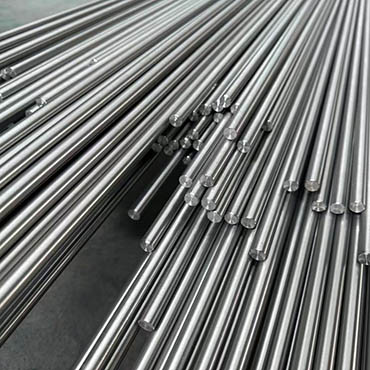
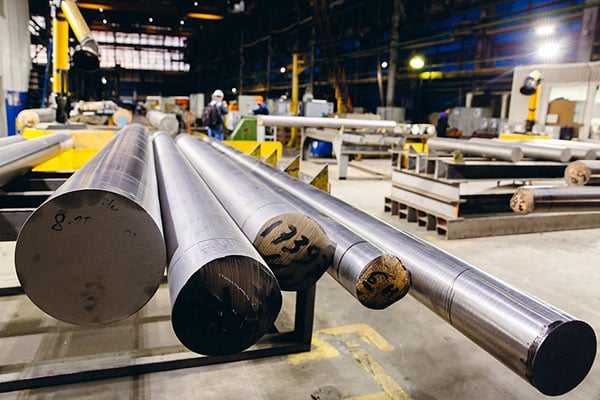
Titanium bar and rod stock for ASTM B348 supply

Titanium Bar & Rod

SPEC // ASTM B348 · ASTM B381
FORMAT // Round, square & flat
FINISH // Peeled or centerless-ground

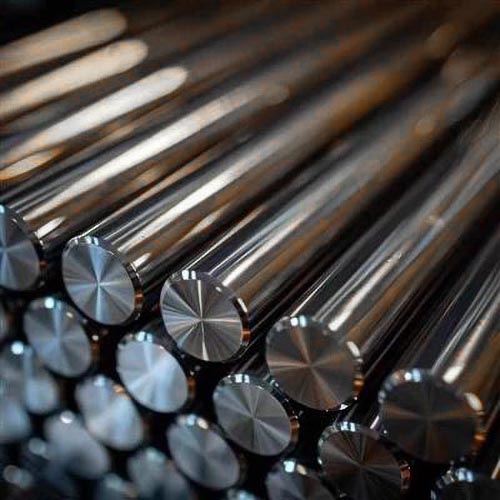
Round, square and flat bar for valve stems, pump shafts, fasteners, and machined process components. Bar starts as our own forged or rolled billet, so the chemistry on the certificate is what we melted.

How it’s made →
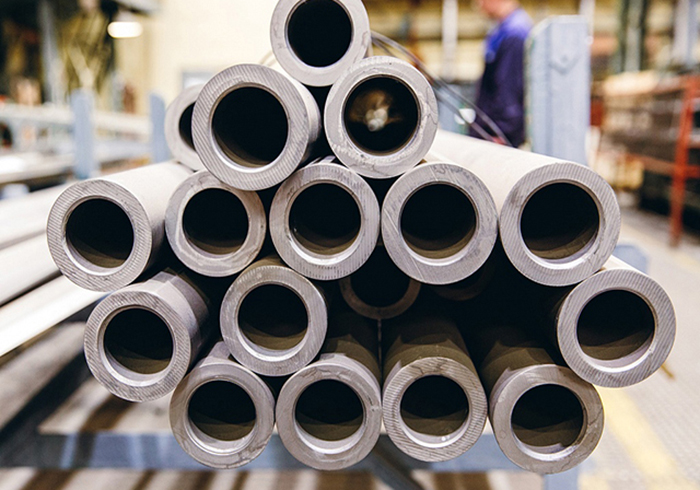
Titanium tube and pipe bundles for heat exchanger and process piping supply

Titanium Tube & Pipe

SPEC // ASTM B338 / B861 / B862
FORMAT // Welded & unwelded
FEATURE // Zero-corrosion allowance

Welded and unwelded titanium tube for condensers, heat exchangers, desalination trains and process piping. Titanium tube is normally designed with a zero-corrosion allowance to reduce wall thickness against stainless equivalents.

Heat transfer duty →
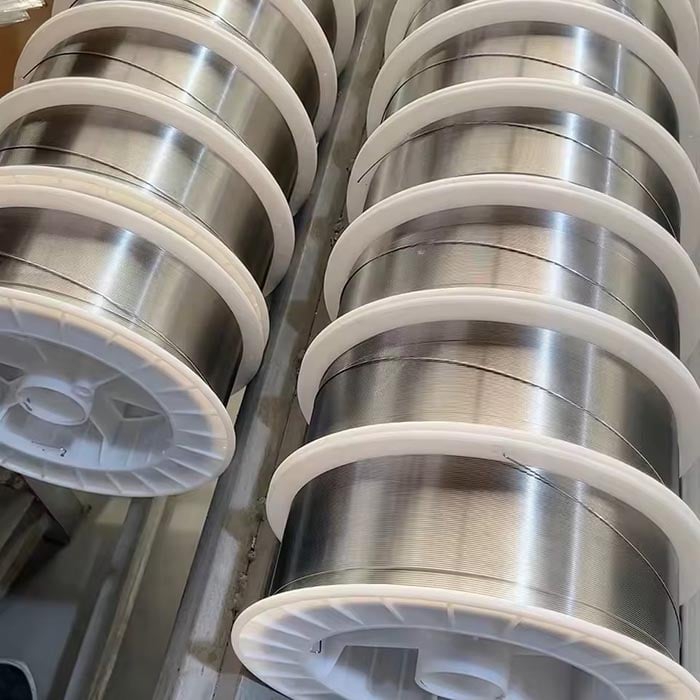
Titanium wire coils for welding filler springs mesh and anode connections

Titanium Wire

SPEC // ASTM B863
APP // Welding filler, springs, mesh
STATUS // Confirmed per enquiry

Drawn titanium wire for welding filler, springs, mesh, medical instruments and anode connections. Wire diameters and grade coverage are confirmed per enquiry rather than listed directly.

Ask availability →

Two naming traps worth clearing

Two labelling conventions collide here. In AMS-T-9046, CP4 is ASTM Grade 1 and CP1 is ASTM Grade 4. We quote against ASTM grade numbers and UNS designations only. Also, we supply wrought forms, not powder, castings or finished fasteners.

Working from a drawing rather than a grade? Send the drawing for a free specification check. We return the grade, standard and form we would quote against.

Request Specification Check
Titanium production workflow for service-condition grade selection

The Service-Condition Grade Ladder: Matching Titanium Grades to Your Duty

This section answers which titanium grade your service condition needs. Section six answers whether titanium is the right metal at all: those are two different questions and most supplier pages collapse them.

Most buyers arrive looking for a titanium grades chart or a titanium grades composition table, then discover the mistake that costs the most is picking on strength when the duty is corrosion-governed.

Five factors decide a titanium grade

Our ladder below is sorted by duty rather than by grade number, because nobody starts from the grade. TiAlloy quantifies each row against ASTM minimums (275 MPa yield for Grade 2, 828 MPa for Grade 5), so the selection is auditable rather than a preference.

Titanium tube material selected for corrosive media service

Corrosive medium

What the metal is actually wetted by, including chlorides, oxidising acids and reducing acids.

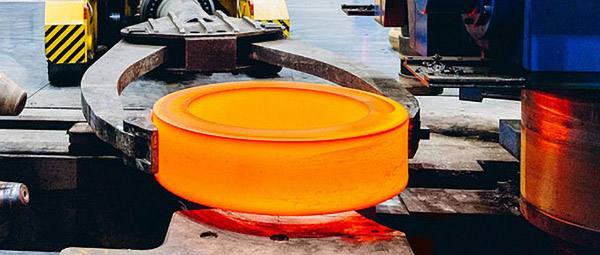
Hot titanium forging process for service temperature review

Service temperature

Skin temperature at the tube wall, not bulk process temperature.

Titanium bar stock for strength requirement review

Strength requirement

Whether the part is load-governed or corrosion-governed.

Titanium welding and fabrication review for field weldability

Weldability

Whether the joint is welded in the field or in a controlled shop.

Marked titanium plate for ASTM and ASME code review

Code

ASTM alone, or ASME SB- designations because the equipment is code-stamped.

Titanium tube bundles prepared for ASME compliance documentation

ASME Compliance

Where the equipment is built to the ASME Boiler and Pressure Vessel Code, the SB- designations mirror these ASTM grades one for one.

Titanium Grade Selection Ladder

Service condition Grade UNS Min tensile / yield (MPa) Specification Forms we supply
Deep forming, lining, anode substrate, electroplating Grade 1 R50250 240 / 170 ASTM B265, B338, B348 Plate, sheet, tube, bar
General chemical process, seawater, condenser and heat-exchanger duty Grade 2 R50400 345 / 275 ASTM B265, B338, B348, B381 Plate, sheet, tube, pipe, bar
Mid-strength structural parts in corrosive service Grade 3 R50550 450 / 380 ASTM B265, B348 Plate, sheet
Highest-strength unalloyed duty, surgical hardware Grade 4 R50700 550 / 483 ASTM B265, B348 Plate, sheet, bar
High-strength structural, high-pressure fluid, drilling, armour Grade 5 (Ti-6Al-4V) R56400 895 / 828 ASTM B265, B348 · AMS 4911, 4928 Plate, sheet, tube, bar, forgings
Reducing acids, wet chlorine, crevice-prone flanged joints Grade 7 (Ti-0.15Pd) R52400 345 / 275 ASTM B265, B338, B348, B381 Plate, sheet, tube, bar
Shell-and-tube exchangers where tube strength governs, hydraulic lines Grade 9 (Ti-3Al-2.5V) R56320 620 / 483 ASTM B338, B348 · AMS 4976 Tube, bar
Under-deposit and crevice corrosion at elevated temperature Grade 12 (Ti-0.3Mo-0.8Ni) R53400 483 / 345 ASTM B265, B338, B348 Plate, sheet, tube, bar
Implant stock, cryogenic and fracture-critical parts Grade 23 (6Al-4V ELI) R56401 828 / 759 ASTM F136, B265, B348 · AMS 4907 Plate, sheet, tube, bar

Corrosion Nuances & Design Risks

Unalloyed titanium isn’t always immune, and the assumption that it is causes real failures. In tight crevices and in reducing acids it can pit, and hydrogen pickup becomes a design risk, because the protective oxide film needs oxygen to repair itself and a gasketed crevice starves it.

Grade 7 answers this with a palladium addition on a Grade 2 base; Grade 12 answers it with molybdenum and nickel, and trade press specifically points to titanium Grade 12 where crevice or under-deposit corrosion is the issue.

Strength Ceilings

Titanium Grade 9 tubing occupies a different slot again: 620 MPa minimum tensile against 345 MPa for Grade 2, which is what lets a shell-and-tube design hold pressure at a thinner wall. Titanium Grade 4 is the strength ceiling among the unalloyed grades at 550 MPa.

All three cost more per kilogram than Grade 2. All three are cheaper than replacing a bundle.

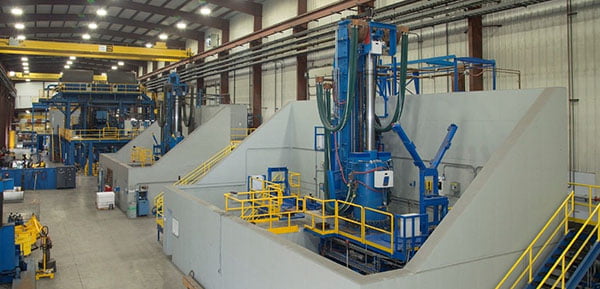
The Melt-to-Mill Chain: From VIM, VAR and ESR Ingot to Finished Titanium Mill Products

Every one of the titanium suppliers ranking above us in Google is a stocking distributor or a service centre. Not one of them melts. That isn’t a marketing line: it’s the structural reason our certificate and our process record come from the same company.

01

Melting

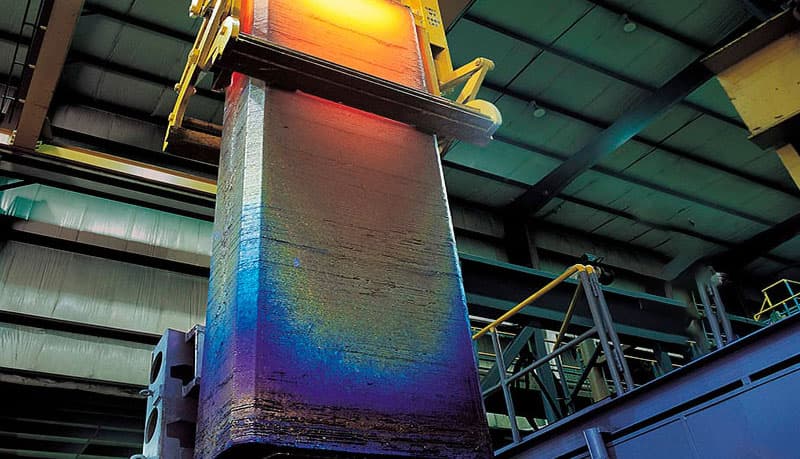
vacuum induction melting (VIM), vacuum arc remelting (VAR) and electroslag remelting (ESR) produce the ingot. Remelting is what removes the inclusions that later show up as an ultrasonic indication.

02

Forging

hydraulic forging presses and forging hammers break down the ingot into billet. Grain structure is set here, not later.

03

Rolling

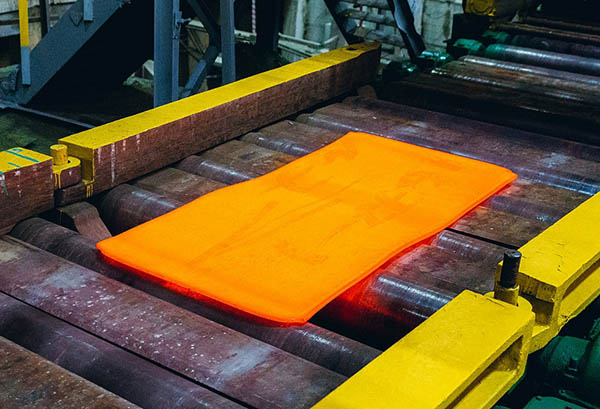
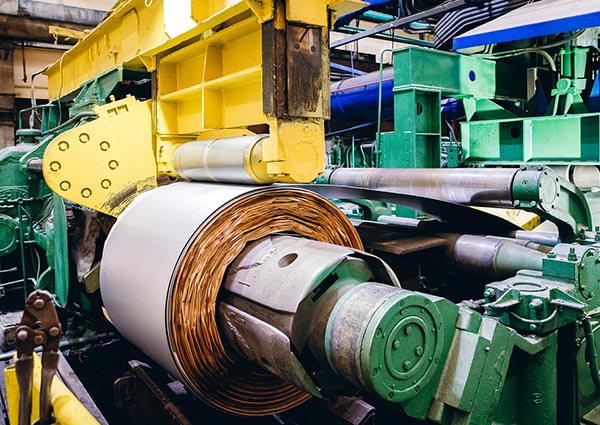
hot and cold rolling mills for plate, sheet and strip; bar rolling mills for round stock.

04

Heat treatment

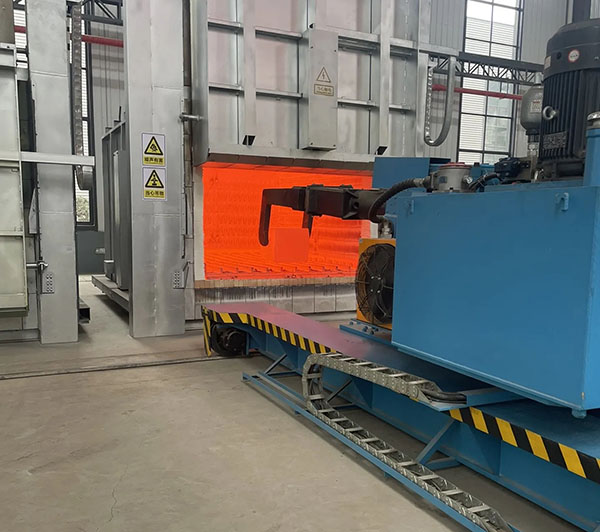
solution annealing furnaces and bright annealing furnaces set the delivered condition.

05

Tube making

tube rolling mills, cold pilger mills, drawing benches and straightening machines.

06

Finishing

pickling and passivation lines, peeling machines, centreless grinders, chamfering machines, sawing, polishing, CNC machining, surface treatment and export packing.

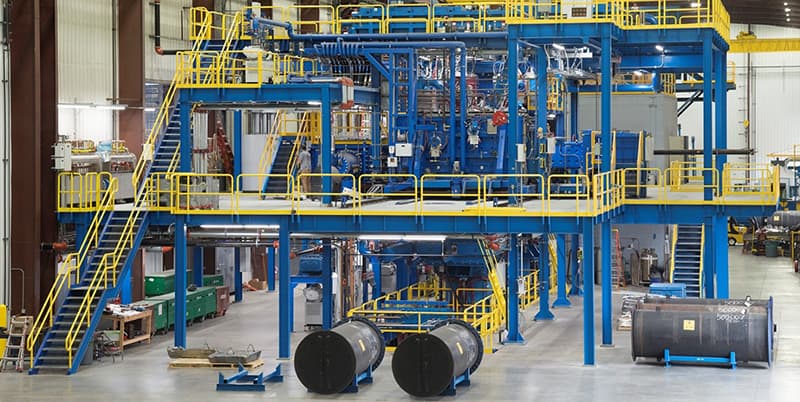
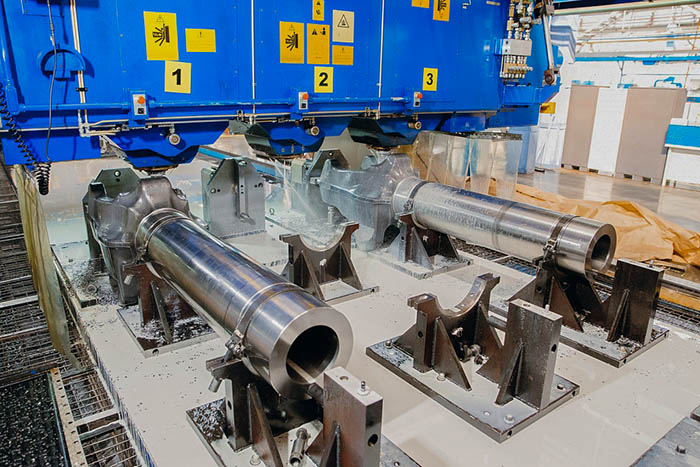
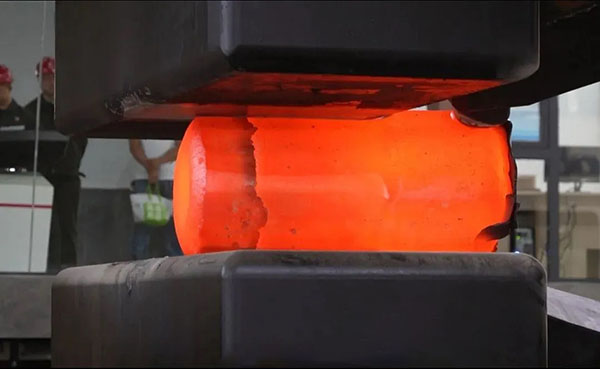
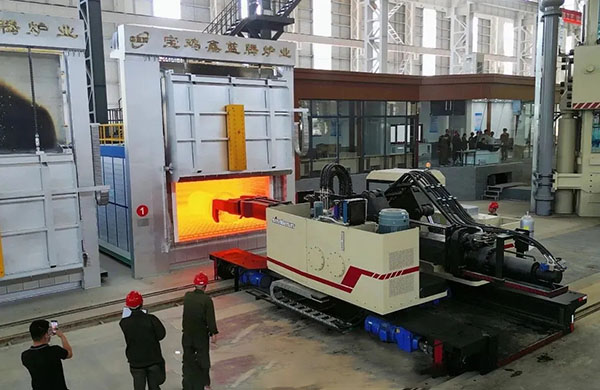
Titanium industrial forging facility and process chain

Why the forging step is not a formality

Published process patents for alpha-beta titanium alloys turn on exactly this stage. USPTO patent US9777361B2 covers thermomechanical processing at the beta heat-treating temperature through roll forging, swaging, cogging, open-die, impression-die, press, radial, upset, draw and multiaxis forging, with controlled reheats between passes. Related patents US9206497B2 and US9255316B2 cover beta annealing and controlled cooling to refine grain size.

For a buyer the point is narrow: two mills can both certify to ASTM B348 and still deliver different grain structure, because the standard sets a chemistry and a mechanical minimum, not a processing route.

The risk this removes is specific. Inclusions that survive melting don’t fail a chemistry check: they fail an ultrasonic inspection months later, or they crack during forming at 8 mm and below, because the defect is a discontinuity rather than a composition problem. TiAlloy resolves that at the remelt stage rather than at the customer’s press.

What an auditor sees when they qualify us

Unlike a brokered heat, our route is fixed per grade and recorded per heat: which furnace melted it, how many remelt passes it took, and what the reheat schedule was between forging passes. When a customer qualifies us, that record is what they audit, alongside the ISO 9001 procedure that governs it.

Industries and Service Environments Our Titanium Serves

Industries we actually ship into

Six industries recur across those industrial applications: chemical and petrochemical industries, oil and gas, power generation, marine engineering and desalination, medical devices, and automotive and motorsport components. Aerospace titanium work reaches us as AMS-specified chemistry for non-flight-critical parts; we don’t supply the aerospace industry as a qualified airframe source.

Where we do not compete

No Chinese titanium sponge producer currently holds the DFARS and AS9100 qualifications that Western commercial and defence aerospace programmes require of their sponge supply. We supply material to AMS chemistry and mechanical requirements where a customer specifies them, and TiAlloy won’t claim aerospace qualification it doesn’t hold. If your part is flight-critical primary structure for a Western airframe, we aren’t your titanium supplier.

The honest version of the China titanium story is two facts held together, not one. China produced roughly 220,000 t of the world’s 320,000 t of titanium sponge in 2024, and none of that capacity is qualified for Western airframe primary structure. Both are true; a supplier who only tells you the first one is selling you something.

Grades map to environments, not to industries.

We group by what the metal is exposed to, because that’s what decides the grade and the wall thickness.

Why an industry label picks the wrong grade

Getting this wrong is expensive in a specific way. A grade chosen from an industry label rather than a service condition is the most common failure we’re asked to diagnose: a Grade 2 tube bundle installed into a duty with 60 °C skin temperature and a gasketed crevice will pit, whereas the same bundle in Grade 12 won’t. TiAlloy engineers the recommendation from the medium and the temperature, not from the sector name on the enquiry.

Application Modules
Desalination seawater environment for titanium chloride resistance
ENV. 01

Seawater and chlorides

condensers, desalination trains, offshore coolers, marine engineering. Grade 2 as standard; Grade 12 where crevice or under-deposit corrosion is expected.

Chemical processing plant for titanium oxidising and mixed media service
ENV. 02

Oxidising & mixed media

reactors, storage tanks, columns, scrubbers, bleaching plant. Grade 2 plate for vessels; Grade 7 where reducing acids are present.

Industrial heat transfer piping system for titanium tube applications
ENV. 03

Heat transfer

shell-and-tube and plate-and-frame exchangers. Trade press names Grade 1 for plate-and-frame, Grade 2 as the general case, and Grade 9 for shell-and-tube.

Aerospace structural application for high strength titanium alloys
ENV. 04

High-strength structural

drilling components, hydraulic lines, armour, high-pressure fluid systems. Grade 5 and Grade 9.

Medical surgical environment for biocompatible titanium applications
ENV. 05

Biocompatible

orthopaedic and dental implant stock, surgical instruments. Grade 23 to ASTM F136.

Electrochemical energy equipment environment for titanium anode applications
ENV. 06

Electrochemical

anode substrate, electroplating hangers, electrowinning. Grade 1 for formability.

Certifications, Standards and Batch Traceability

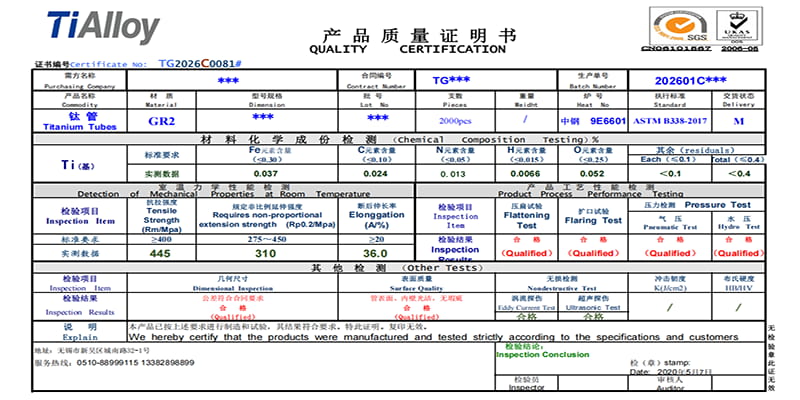
A certificate list is not a certification story. The gap buyers get wrong is between a management-system certificate and a product certificate: ISO 9001 says the quality system was audited, whereas EN 10204 3.1 says this heat was tested. Both are needed, because the first one is the reason to trust the second.

TiAlloy certifies to the specifications below and holds the retained sample against the heat number, so a re-test on a 275 MPa Grade 2 plate or a 12 mm tube sheet is still possible years after delivery. Retention runs the whole way through: melt record, chemistry, mechanical results and the physical marking on the piece you receive. In-house CNC machining, centreless grinding and precision finishing run under the same certified system.

ISO 9001 Quality management system
ISO 45001 Occupational health & safety
ISO 14001 Environmental management
EN 10204 3.1 Inspection certificate as standard
ASTM / ASME B265 · B338 · B348 · B381 · B861 · B862
AMS Standards 4907 · 4911 · 4928 · 4930 · 4965 · 4976

Titanium sheet surface marked with grade Ti-6Al-4V, specification AMS 4911R, size and heat number

Marking on a 0.5 × 1100 × 3000 mm Ti-6Al-4V sheet to AMS 4911R, carrying heat number 534222009 and lot number 220323913-06. This is the marking a buyer cross-checks against the certificate on arrival.

Product Forms & Specifications

Product form Primary specification Also supplied to
Plate, sheet, strip ASTM B265 / ASME SB-265 AMS 4911, AMS 4907, ASTM F136 (Grade 23)
Heat-exchanger and condenser tube ASTM B338 / ASME SB-338 ASTM B861 (unwelded pipe), ASTM B862 (welded pipe)
Bar, rod, billet ASTM B348 ASTM B381, AMS 4928, AMS 4930, AMS 4965, AMS 4976
Forgings ASTM B381 AMS 4928 where specified
Wire ASTM B863 Grade and size range confirmed per enquiry
× Zoomed Certificate

Titanium Procurement Guide: Lead Time, MOQ, Pricing Drivers and RFQ Checklist

We don’t publish prices, because a titanium price without a grade, a form, a thickness, a quantity and a certificate level is a number with no meaning. What we can publish is what moves it.

01 Pricing Drivers
02 Export Control Facts
03 RFQ Checklist
04 Core Capabilities
Get Instant Quote

Pricing follows the engineering

Grade
Grade 1 → Grade 2 → Grade 12 → Grade 7 → Grade 5 → Grade 23
Alloying additions and interstitial control both add cost; palladium in Grade 7 is the single largest step.
Product Form
Plate < bar < tube < wire
Each drawing or rolling pass adds yield loss and process time.
Thickness and Tolerance
Tighter and thinner both increase cost
Thin-gauge titanium sheet and close-tolerance bar reduce mill yield.
Quantity
Full-heat quantities price best
Titanium is melted in heats; partial heats carry the remainder.
Certificate Level
3.1 standard, 3.2 adds cost and time
3.2 requires a third-party inspector to attend.
Surface and Testing Scope
UT, PMI, corrosion testing each add scope
Additional witnessed tests extend the inspection window.
Base Metal Market
Follows sponge price
USGS reported the US landed price for titanium sponge at 13 USD/kg in 2024, up from 12.40 USD/kg in 2023.

One export-control fact worth knowing before you specify

Chinese export control regulations list titanium alloys capable of an ultimate tensile strength of 900 MPa or more at 20 °C, in the form of tubes or cylindrical solid forms including forgings, with an outside diameter greater than 75 mm. The regulation notes that “capable of” covers the alloy before or after heat treatment.

In practice that catches Grade 5 round bar and forgings above 75 mm outside diameter, and doesn’t catch plate, sheet, wire or smaller-diameter product. It’s a licence step, not a prohibition, but it’s a lead-time item, and it’s better raised at enquiry than at booking.

What to send with an RFQ

  • Grade, or the service condition if you want us to propose one
  • Product form and dimensions, with tolerance where it’s critical
  • Quantity, and whether it’s a one-off or a repeat schedule
  • Governing specification: ASTM, ASME, AMS or a customer standard
  • Certificate level required, and any witnessed testing
  • Surface condition and any marking requirement
  • Destination port and required delivery window

Pre-sale we return grade selection, standard cross-reference and a quotation. In production we report progress and manage inspection, documentation, packing and shipping. Post-sale we handle quality response and technical support against the heat number, which is why the traceability in Gate 5 matters.

What we specialize in, and what we do not

We specialize in titanium, stainless steel and nickel alloy mill products (the specialty metals group) serving the variety of applications found in chemical, marine, energy and high-tech industries. Customization is normal rather than exceptional: cut lengths, coil, non-standard widths, close-tolerance bar and high-precision titanium machining are quoted inside the order.

Competitive pricing on titanium comes from full-heat scheduling and from keeping metal processing in-house, not from thinner certification. We ship quality products globally, and our titanium services reach buyers throughout the world in Europe, Southeast Asia, the Middle East, Central Asia, Japan, South Korea and South America.

> Buyers whose metal supply needs include ISO 9001 and AS9100 together should qualify a Western mill for that scope. High strength and high-performance titanium components for industrial duty we can serve; Western aerospace qualification we cannot.

INSIGHTS

Titanium Supplier FAQ

Technical insights and supply chain clarity for your industrial titanium requirements.

Start from the medium and the temperature, not the grade number. Grade 2 covers most chemical and seawater duty; Grade 7 takes over in reducing acids and crevice-prone joints; Grade 12 handles under-deposit corrosion at elevated temperature; Grade 5 and Grade 9 are strength choices, not corrosion choices. The Grade Ladder above lists the nine grades that cover most industrial duty, with the specification and the forms we make; the plate card adds four specialty alloys we roll to order.

Neither is better in general. Grade 5 buys strength, 828 MPa minimum yield against 275 MPa for Grade 2, at the same 4.51 g/cm³ density; it doesn’t buy better corrosion resistance, and in some reducing environments unalloyed Grade 2 or palladium-bearing Grade 7 performs better. If your part is corrosion-governed rather than load-governed, paying the Grade 5 premium buys nothing.

An EN 10204 Type 3.1 inspection certificate as standard, covering heat chemistry, mechanical results and the delivered condition, plus a dimensional report and a packing list with heat numbers matched to the physical marking. Type 3.2 with a third-party countersignature, PMI, ultrasonic testing and corrosion testing are added on request at quotation stage.

Verify the certificate with the mill through independently sourced contact details, cross-check the heat number against the physical marking, run PMI on arrival, and use a third-party inspector such as SGS, Bureau Veritas or TÜV to witness the first shipment. This is a live problem: counterfeit and substandard material certificates are documented across the metals supply chain, and buyers on engineering forums regularly report certificate and label mismatches holding up incoming inspection.

Only if that heat number matches the heat you’re receiving. A mill test certificate is tied to a melt, not to a date.

ASTM B265 and ASME SB-265 for plate, sheet and strip; ASTM B338 and ASME SB-338 for heat-exchanger and condenser tube; ASTM B861 and B862 for industrial unwelded and welded pipe; ASTM B348 for bar and billet; ASTM B381 for forgings; ASTM B863 for wire; ASTM F136 for Grade 23 implant stock. AMS numbers apply where a customer specifies an aerospace-format chemistry and mechanical requirement.

According to the US Geological Survey, world titanium sponge production was about 320,000 tonnes in 2024, of which China produced roughly 220,000 tonnes. Japan contributed 55,000 tonnes, Russia 20,000, Saudi Arabia 15,000 and Kazakhstan 14,000. On capacity rather than output the picture shifts slightly: China holds 260,000 tonnes of the world’s 410,000 tonnes of installed sponge capacity, so a lot of Chinese capacity sits idle.

Industrial-grade titanium feedstock is abundant and priced accordingly: USGS put the US landed sponge price at 13 USD per kilogram in 2024. US sponge consumption relied on imports for more than 95%, sourced principally from Japan at 67%, Saudi Arabia at 23% and Kazakhstan at 7%, which is why Western aerospace supply and industrial supply behave like two separate markets.