
Get in Touch with TiAlloy Company

Titanium Plate Manufacturer
Titanium
Titanium
Plate & Sheet
Manufacturer
CP titanium and advanced titanium alloys for industrial plate, sheet and heavy plate procurement.
TiAlloy supplies titanium plate and sheet through stock and made-to-order routes, combining in-house manufacturing, advanced alloy capability and STA heat treatment support for demanding industrial requirements.
Inventory
3,000 tons
of titanium plate & sheet inventory
Manufacturing
Cold rolled, hot rolled and forged plate
for thin sheet through heavy plate supply
Heat Treatment
In-house STA
for titanium alloy plate and sheet requirements
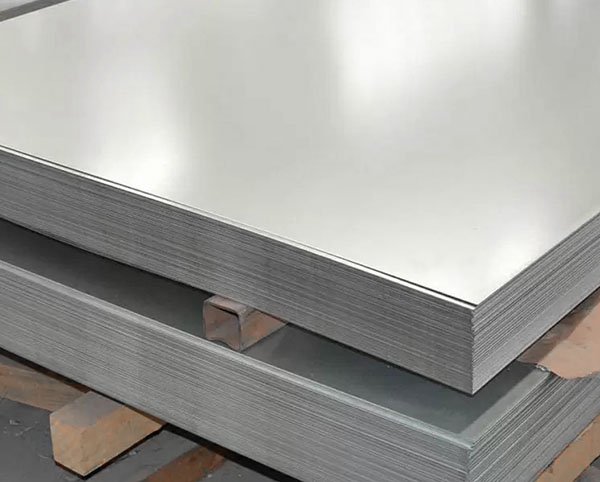
Main Product View
Plate, Sheet & Heavy Plate Supply
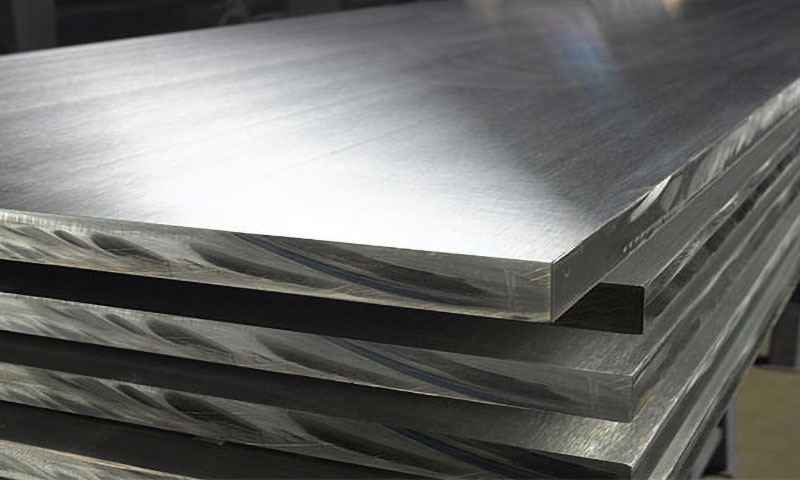
Product Form
Cold Rolled Thin Sheet
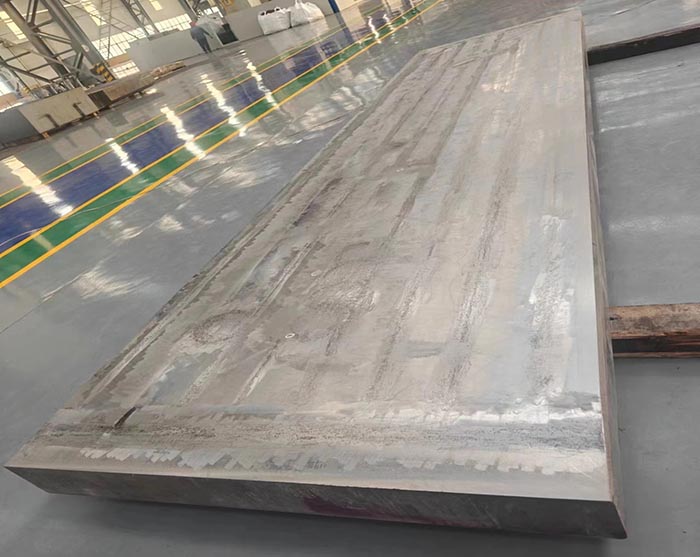
Capability
Manufacturing & In-House STA
Cold Rolled
0.5–3.0 mm sheet supply
Hot Rolled
3–60 mm plate range
Forged Plate
Heavy section capability
Ti Plate
Request for Quotation
Start with the alloy, dimensions and delivery condition you need.
Request a Titanium Plate Quote
Send your plate or sheet requirement, including grade, thickness, width, length, quantity, processing and inspection scope.
Titanium Alloy Portfolio
Titanium Plate & Sheet Alloy Portfolio
Alloy + Form + Condition
Grade first. Product route next. Ordered condition completes the supply review.
TiAlloy reviews the alloy together with plate or sheet form, governing specification, dimensions and required delivery condition.
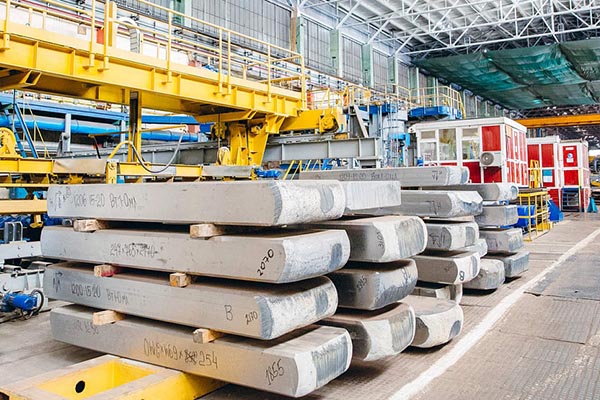
Titanium Plate & Sheet Alloy Range
Flat-Product Alloy Supply
From commercially pure titanium to advanced alloy plate and sheet.
International and Russian titanium alloy systems are reviewed against product form, specification and ordered condition.
01
CP / Corrosion
Grade 1 · Grade 2 · Grade 3 · Grade 4 · Grade 7 · Grade 12
Commercially pure and corrosion-resistant titanium routes.
02
Alpha + Beta
Grade 5 / Ti-6Al-4V · Grade 23 · Ti-3Al-2.5V · Ti-6246
Structural and high-strength titanium alloy systems.
03
Near-Alpha / High Temp
Ti-6242 · Ti-811 · Ti-685 · Ti-834
Advanced near-alpha and elevated-temperature alloy families.
04
Beta / Metastable Beta
Ti-15-3-3-3 · Ti-10-2-3 · Ti-21S · Beta C
Beta alloy routes reviewed by form, condition and specification.
05
Russian / GOST
VT1-0 · OT4-1 · VT5 · VT6 · VT8 · VT14 · VT20 · VT22
Russian designations are reviewed against the invoked product specification.
Product Availability
Plate or sheet form, manufacturing route, heat-treatment condition and manufacturing range are confirmed against the alloy, governing specification and ordered dimensions.
Russian and international designations are not treated as exact equivalents unless supported by the applicable specifications.
Need a Different Titanium Alloy?
Send the alloy designation, required plate or sheet form, dimensions, specification and delivery condition for review.
Titanium Plate Manufacturing Routes
Cold-Rolled, Hot-Rolled & Forged Titanium Plate
TiAlloy supplies titanium flat products through cold-rolled, hot-rolled and forged routes, covering thin sheet through heavy titanium plate. The route is selected against thickness, alloy, width, ordered condition and final product requirements.
Cold-Rolled Sheet
0.5–3.0 mm Thin-gauge flat product
Hot-Rolled Plate
3.0–60 mm Medium and heavier rolled sections
Forged Heavy Plate
Heavy-section production Separate forged plate routeRoute Logic
Cold Rolling
Used for thin-gauge titanium sheet where alloy, width, surface and required final condition support the cold-rolling route.
Hot Rolling
The primary rolled-plate route for medium and heavier titanium sections, with final condition matched to the specification and order.
Forging
A separate manufacturing route for heavy sections and alloy requirements outside conventional rolled-plate production.
Route Transition
3.0 mm is a practical TiAlloy manufacturing transition, not a universal titanium sheet/plate definition. The actual route also depends on alloy, width, governing specification, ordered condition and project requirements.
Not Sure Which Plate Route Fits the Requirement?
Send the alloy, thickness, width, length and required condition. We can review whether the order should follow a cold-rolled, hot-rolled or forged route.
Grade · Form · Condition · Market
Standards by Grade & Market
Titanium plate and sheet specifications are selected against alloy grade, product form, delivery condition and application market. The governing standard is confirmed against the quotation and purchase order rather than inferred from grade designation alone.
ASTM B265
Current ASTM edition: B265-25
Industrial Titanium Plate & Sheet
Core ASTM route for titanium and titanium-alloy strip, sheet and plate across a broad grade range.
ASME SB-265
Applicable Code edition confirmed at PO review
ASME / Pressure-Equipment Route
Used where the purchase specification or project invokes the corresponding ASME material route.
AMS4911T
Ti-6Al-4V · Annealed
Aerospace Flat-Product Route
Ti-6Al-4V sheet, strip and plate supplied to the applicable AMS condition and order requirements.
ASTM F136
Current ASTM edition: F136-26
Ti-6Al-4V ELI · Surgical Implant Route
Applied to wrought Ti-6Al-4V ELI for surgical implant applications; it is not treated as an automatic synonym for ASTM B265 Grade 23.
GB/T 3621-2022
Current Chinese national standard
China Titanium Plate & Sheet Route
Chinese national specification for titanium and titanium-alloy plate and sheet.
GOST / Russian
Grade + Sheet + Plate standards
Russian Titanium Material System
GOST 19807-91 for wrought titanium grades, GOST 22178-76 for sheets and GOST 23755-79 for plates, subject to the invoked order specification.
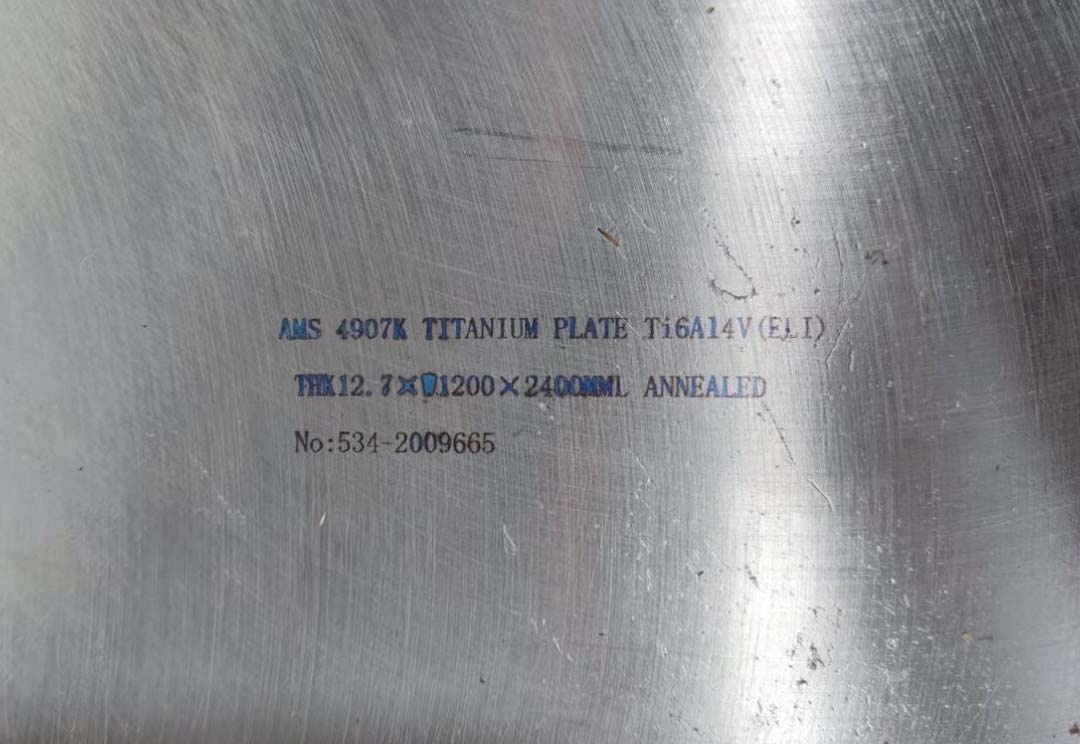
The standard has to follow the material.
Grade, product form, ordered condition and identification should remain consistent from the purchase requirement through material marking and certification.
Standard Review
The invoked material specification must match the alloy, plate or sheet form, required condition and intended market. A grade designation by itself is not enough to define the order.
Exact revision, supplementary requirements and project-specific clauses are confirmed during quotation and PO review.
Procurement Logic
Grade
Product Form
Delivery Condition
Market / End Use
Governing Specification
Working to a Specific Material Standard?
Send the grade, plate or sheet form, required specification, condition and application market. We can review the material route against the purchase requirement.
Manufacturing Range by Route
Plate & Sheet Size / Manufacturing Range
Titanium plate capability is defined by the manufacturing route, not by one universal maximum size. Thickness, width, length, piece weight and final condition are reviewed together against the alloy and ordered specification.
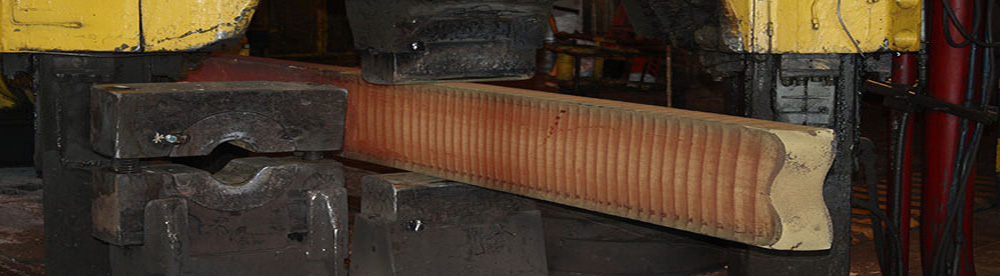
Route-Specific Manufacturing Envelope
Thickness is only one part of the manufacturing range.
Width, length and maximum piece weight change with alloy, thickness, production route and ordered condition.
| Manufacturing Route | Thickness | Max Width | Max Length | Max Piece Weight | Typical Condition |
|---|---|---|---|---|---|
|
Cold-Rolled Sheet
Thin-gauge flat product
|
0.5–3.0 mm | Route-specific Confirm by alloy / gauge | Route-specific Confirm with order | Order-specific | Annealed / as specified |
|
Hot-Rolled Plate
Rolled plate route
|
3.0–60 mm | Route-specific Varies with thickness / alloy | Route-specific Confirm with order | Order-specific | Heat-treated / as specified |
|
Forged Heavy Plate
Heavy-section route
|
Heavy section | Alloy-specific Confirm forging envelope | Alloy-specific Confirm forging envelope | Alloy-specific Confirm by route / condition | Alloy-specific / as ordered |
Manufacturing Envelope
Maximum width, length and piece weight are not single universal values. They depend on alloy, thickness, manufacturing route, final condition and the applicable material specification.
Stock sheet sizes are handled separately in the inventory section and are not used here as manufacturing-limit values.
Thickness Range
TiAlloy supplies cold-rolled titanium sheet in the 0.5–3.0 mm range and hot-rolled titanium plate in the 3.0–60 mm range. Forged heavy plate follows a separate heavy-section route, with maximum dimensions confirmed against alloy, forging route and ordered condition.
Have a Non-Standard or Oversize Plate Requirement?
Send the alloy, thickness, width, length, quantity and required condition. We can review the manufacturing route and achievable range against the order.
Titanium Plate & Sheet Stock
3,000 Tons of Titanium Plate & Sheet Inventory
TiAlloy combines confirmed cold-rolled and hot-rolled stock formats with mother plate for cutting and made-to-order production for special dimensions, alloys and delivery conditions.
Titanium Plate & Sheet Inventory
3,000
Tons
Cold-Rolled · Hot-Rolled · Mother Plate
Stock supports standard supply, cut-to-size preparation and project production planning.
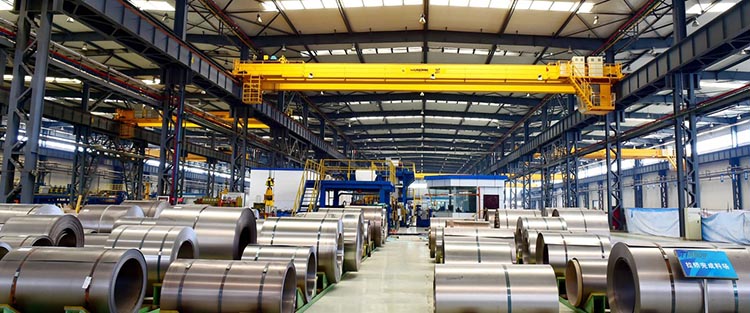
Inventory for stock review, cutting and project supply planning.
Current availability is confirmed by alloy, thickness, plate size, quantity and required condition.
Cold-Rolled Stock
0.5–3.0 mm
1000 × 2000 mm
1219 × 2438 mm
1500 × 3000 mm
Hot-Rolled Stock
3.0–60 mm
1500 × 3000 mm
1500 × 6000 mm
1800 × 6000 mm
2000 × 6000 mm
Stock Identity & Supply Route
From Verified Stock to the Required Plate Size.
Plate availability is checked against alloy, heat or lot identity, thickness, stock format, dimensions and ordered quantity. Common market sizes are presented as ready stock only after actual availability has been confirmed.
Ready Stock
→
Mother Plate for Cutting
→
Made-to-Order
Current availability is confirmed by alloy, dimensions, quantity and required delivery condition at enquiry stage.
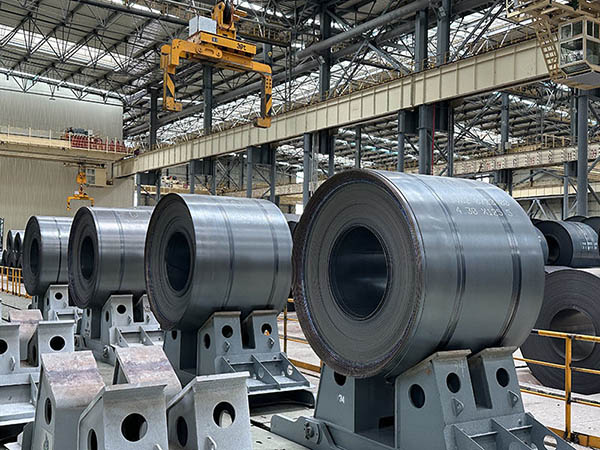
Looking for a Specific Grade and Stock Size?
Send the alloy, thickness, width, length and quantity. We can check current stock, mother-plate availability or the made-to-order route.
Titanium Plate & Sheet Manufacturing
Three Manufacturing Routes for Titanium Plate & Sheet
Cold-rolled sheet, hot-rolled plate and forged heavy plate follow different material paths. Each route is organized around the starting form, required reduction, heat treatment, finishing and final plate or sheet condition.
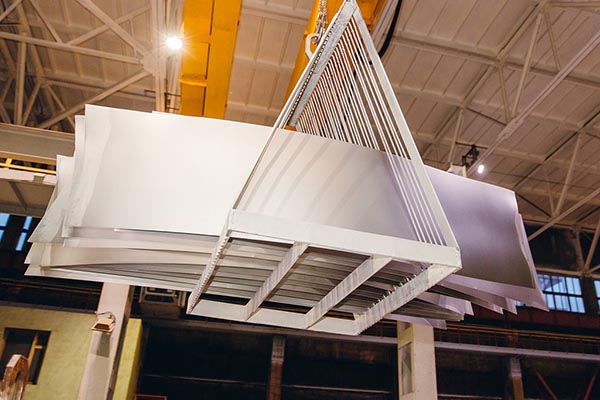
Cold Rolling
Hot-worked intermediate → finished sheet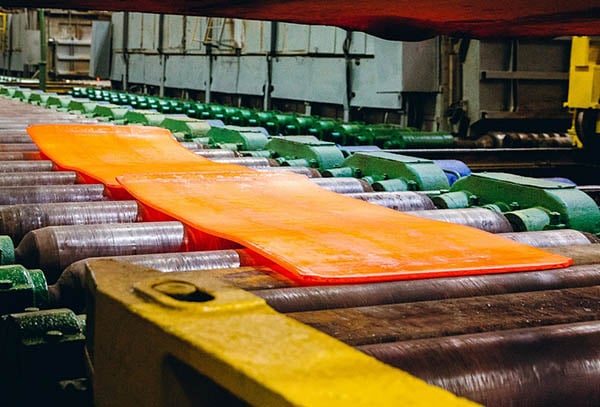
Hot Rolling
Slab / billet → finished rolled plate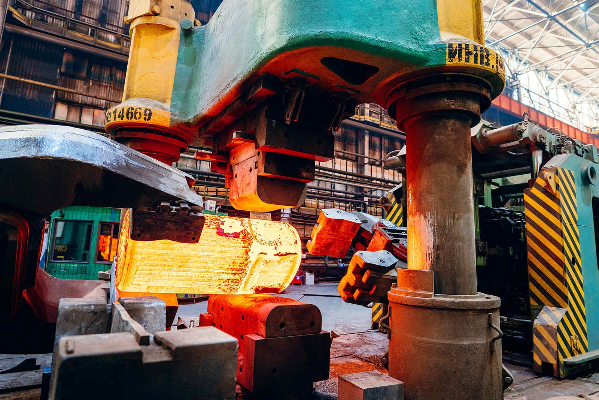
Heavy Forging
Ingot / billet → forged heavy plateManufacturing Route
Material movement
Finished Product
01
Cold-Rolled Sheet
Thin-gauge flat-product route
Hot Intermediate
Starting flat stock
Cold Rolling
Gauge reduction
Annealing
Condition control
Pickling / Finish
Surface preparation
Leveling
Flat-product control
Inspection
Release stage
Cold-Rolled Sheet
Final condition to order
02
Hot-Rolled Plate
Primary rolled-plate route
Slab / Billet
Starting stock
Hot Rolling
Plate reduction
Heat Treatment
Ordered condition
Leveling
Flatness control
Surface Finish
Delivery surface
Cutting
Finished dimensions
Hot-Rolled Plate
Finished plate route
03
Forged Heavy Plate
Heavy-section manufacturing route
Ingot / Billet
Starting stock
Breakdown Forging
Section reduction
Plate Forging
Flat-product formation
Heat Treatment
Alloy-specific route
Conditioning
Machining / surface finish
Inspection
Release stage
Forged Heavy Plate
Heavy-section finished product
Manufacturing Logic
The production route changes with alloy, starting form, required thickness, final condition and product requirement. Heat treatment shown here is a manufacturing stage; alloy-specific solution treatment and aging are addressed separately in the in-house STA section.
Have a Plate Requirement That Needs a Specific Manufacturing Route?
Send the alloy, dimensions, required condition and end requirement. We can review the cold-rolled, hot-rolled or forged production route against your specification.
Alloy-Specific Thermal Processing
In-House STA Heat Treatment for Titanium Alloys
TiAlloy performs solution treatment and aging in-house for applicable titanium alloy plate routes. The thermal cycle is matched to the alloy, starting condition, governing specification and required final condition.
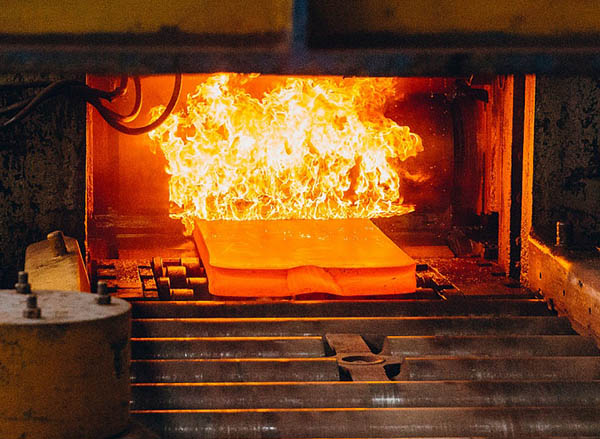
Solution Treatment + Aging
Direct control of the thermal route used to reach the required final condition.
Furnace parameters are released only against verified equipment data, alloy requirements and the invoked material specification.
Thermal Cycle Logic
Conceptual route only — actual temperatures, soak times and cooling methods are alloy-specific.
Alloy Heat-Treatment Routes
Alpha + Beta Titanium
Ti-6Al-4V / Grade 5
Heat-treatable α+β titanium alloy.
Thermal Route
Solution treatment, controlled cooling and aging are applied where required by the product specification and ordered final condition.
Elevated-Temperature Titanium
Ti-6242
Ti-6Al-2Sn-4Zr-2Mo.
Thermal Route
Alloy-specific solution, annealing or aging sequence is selected according to product form, specification and required final properties.
Beta Titanium
Ti-15-3 / Ti-15-3-3-3
Ti-15V-3Cr-3Sn-3Al.
Thermal Route
Aging response is matched to the required strength, starting condition and final condition defined by the order.
Russian Titanium Routes
VT / Russian Titanium Alloys
Grade-specific Russian material routes.
Thermal Route
Heat treatment is matched to the individual VT alloy, invoked specification and required delivery condition.
Not One Heat Treatment for Every Titanium Alloy.
The thermal route is matched to the titanium alloy, product specification, starting condition and required final condition. Solution temperature, cooling method, aging cycle and verification requirements are confirmed for the applicable alloy and order rather than applied as one universal STA recipe.
Need a Specific Heat-Treated Condition?
Send the alloy, starting condition, dimensions, governing specification and required final condition for heat-treatment review.
Send Your Heat Treatment RequirementTitanium Plate Manufacturing Hardware
Titanium Plate Production Equipment
TiAlloy’s titanium plate and sheet production system combines cold rolling, hot rolling, heavy forging, in-house heat treatment, surface finishing and large-bed waterjet cutting across different flat-product manufacturing routes.
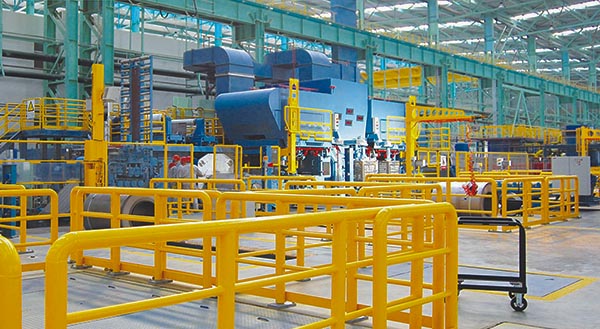
20-High Cold Rolling Mill
Precision gauge reduction supporting thin-gauge cold-rolled titanium plate and sheet production.
Cold-Rolled Sheet · Thin-Gauge Route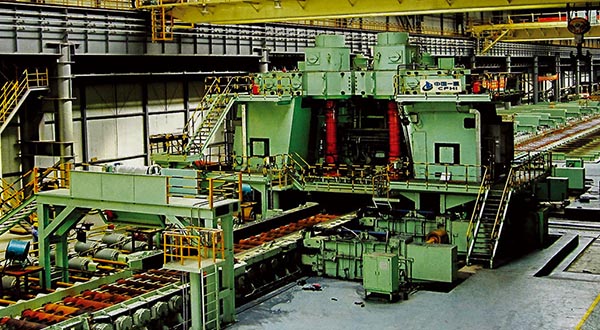
Hot Tandem Rolling Mill
Hot-rolled titanium plate production supporting medium and heavier rolled flat-product routes.
Hot-Rolled Plate · Primary Rolling Route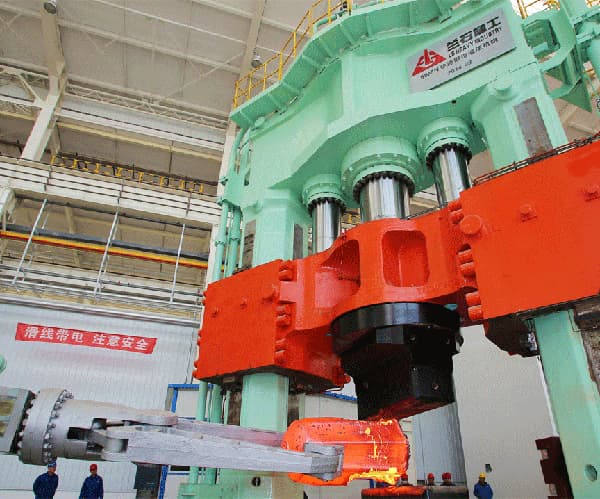
80 MN
Hydraulic Forging Press
Heavy-section forging capability supporting forged titanium plate and flat stock outside conventional rolled-plate routes.
Forged Heavy Plate · Heavy-Section RouteSupporting Equipment
In-House Titanium Alloy Heat Treatment Furnace for annealing, solution treatment and aging; Wet Grinding & Surface Finishing Line for surface conditioning and delivery finish; and Large-Bed Waterjet Cutting System for cut-to-size plate, blanks and near-net shapes.
Have a Production Requirement That Needs a Specific Equipment Route?
Send the alloy, dimensions, required condition and processing scope. We can review the rolling, forging, heat-treatment, finishing and cutting route against your order.
Inspection & Material Traceability
Inspection, Metallurgical Quality, MTC & Traceability
Titanium plate quality is verified against the applicable grade, product form, material specification and purchase order. Inspection results remain connected to the material identity through plate marking, inspection records, material certification and packing identification.

Inspection Is Defined by the Material, Specification and Purchase Order.
Mechanical, dimensional, surface, nondestructive and metallurgical verification are applied according to the relevant grade, product route and required inspection scope.
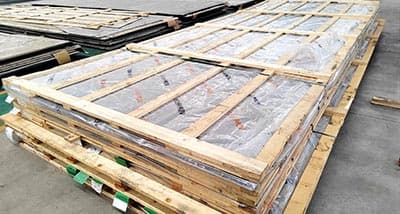
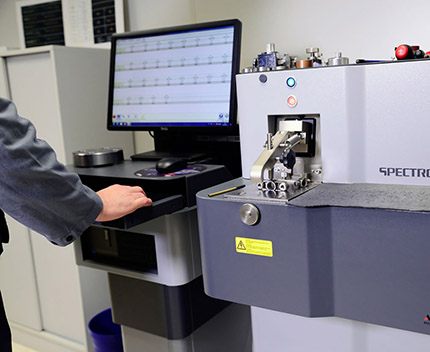
Material Certification
MTC & Inspection Documentation
Material certification links the delivered plate to its heat or lot and records the specified inspection results. EN 10204 documentation is supplied where specified.
Inspection Requirement
Inspection is defined by the applicable material specification and purchase order. Mechanical, dimensional and surface verification are matched to the ordered grade and product form, while ultrasonic testing, O / N / H analysis and metallurgical examination are included when required by the applicable specification or agreed inspection scope.
The Test Result Must Belong to the Plate.
Traceability connects the material identity used for inspection to the marking on the finished plate, the released inspection documentation and the packing identity supplied with the order.
Heat / Lot
Material identity
Plate Marking
Physical identification
Inspection
Test & dimensional records
MTC
Released documentation
Packing
Shipment identity
How Is Titanium Plate Inspected & Traced?
Titanium plate inspection is defined by the applicable material specification and purchase order. Inspection results remain linked to the heat or lot identity, while additional requirements such as ultrasonic testing, interstitial-element analysis or metallurgical examination are performed when specified. Traceability continues through plate marking, inspection records, material certification and packing identification.
Need a Defined Inspection or Documentation Scope?
Send the grade, specification, dimensions and required inspection or documentation scope before quotation so the testing and release route can be reviewed with the order.
Send Your Inspection ScopeApplications & Component Supply
Titanium Plate & Sheet From Flat Product to Working Component
Titanium plate and sheet enter different downstream components according to product form, design specification, service environment and required material condition. The applications below show the flat-product route into real component types.
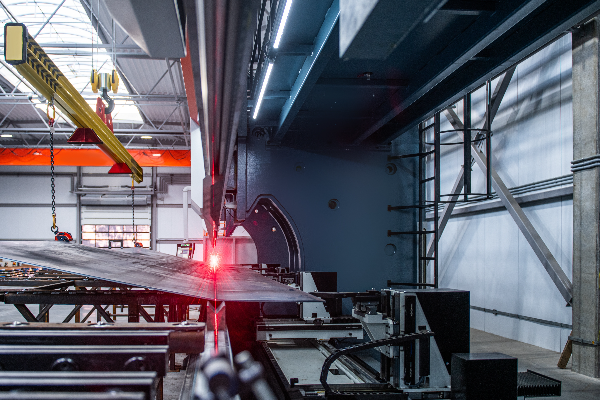 01
01
Chemical Process Equipment
Plate / Sheet
→
Vessel · Reactor · Process Component
Corrosion-service flat products for fabricated process equipment and heat-exchanger-related components.
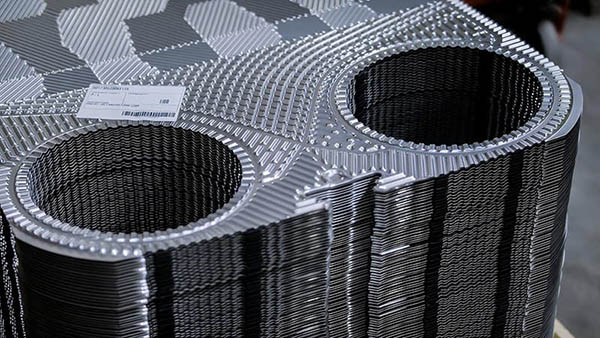 02
02
Plate Heat Exchangers
CP Sheet
→
Press-Formed Heat-Transfer Plate
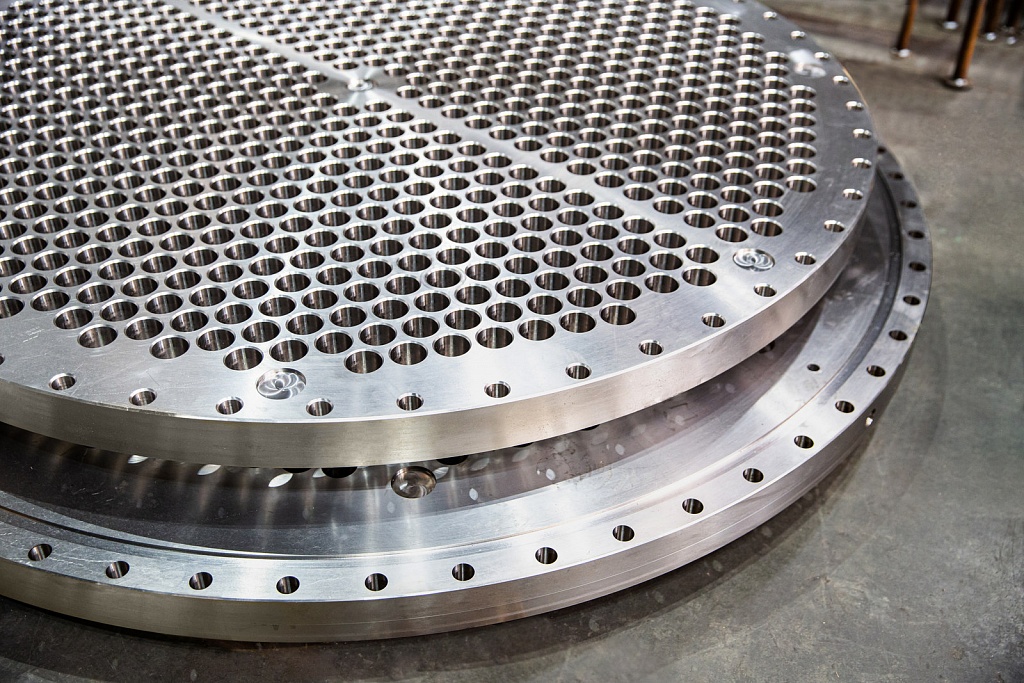 03
03
Power Generation & Heat-Exchanger Components
Plate / Sheet
→
Tube Sheet · Shell · Exchanger Component
Flat products routed into condenser and heat-exchanger components according to the equipment design.
 04
04
Aerospace Airframe & Structural Components
Alloy Sheet / Plate
→
Formed / Machined Aerostructure
Product form, alloy and condition are controlled by the governing drawing and aerospace material specification.
 05
05
Ballistic Armor & Defense Plate
Titanium Plate
→
Armor / Protective Structural Component
Plate routes for protection-oriented applications governed by the applicable defense or customer specification.
 06
06
Naval & Marine Corrosion-Service Components
Plate / Sheet
→
Naval / Seawater-Service Component
Fabricated or machined flat-product components for seawater and corrosion-service environments.
Other Application Routes
Beyond the six principal routes above, titanium plate and sheet also enter electrochemical equipment, copper-foil production, architectural systems and long-life corrosion-protection applications where flat-product formability, corrosion resistance and fabricated component performance are required.
Electrolysis Equipment
Copper Foil Drums
Architectural Titanium Sheet
Coastal & Civil Corrosion Protection
Corrosion-Service Fabricated Equipment
Working on a Titanium Plate or Sheet Application?
Send the component type, alloy or specification if known, dimensions, quantity, condition, processing requirement and service environment so the supply route can be reviewed.
Titanium Plate & Sheet RFQ Desk
Build the RFQ Around the Actual Plate Requirement
A useful titanium plate quotation starts with the material, governing specification, dimensions, condition, processing, inspection and destination. Send the requirement in one technical package so the correct supply route can be reviewed.
RFQ Input
Titanium Plate / Sheet Requirement
Material
Alloy / Grade
Grade / alloy designation
Standard
ASTM / ASME / AMS / Other
Product Route
Cold / Hot / Forged
Condition
Required delivery condition
Dimensions
Thickness
mm
Width
mm
Length
mm
Quantity
pcs / kg / tons
Processing
Processing
Cut size / blank / waterjet / other
STA / Heat Treatment
Required final thermal condition
Surface / Edge
Required finished condition
Quality
Inspection
Standard + additional test scope
Documents
MTC / inspection / specified docs
Drawing
Drawing / sketch / BOM if applicable
Delivery
Destination
City / port / country
Delivery Requirement
Target schedule / packing / shipping request
Send the information you already have. Drawings and additional inspection or documentation requirements can be included with the enquiry where applicable.
Open RFQ
One RFQ Connects Material, Manufacturing and Delivery.
Grade, dimensions, processing, inspection and destination are reviewed together before the supply route and quotation are finalized.
Quote Review
Material
→
Dimensions
→
Production Route
→
Processing
→
Inspection
→
Delivery
Ready to Request a Titanium Plate or Sheet Quote?
Send your grade, standard, dimensions, quantity and project requirements. TiAlloy can review stock, processing, made-to-order production and inspection requirements against the same enquiry.
Titanium Plate & Sheet Questions
These answers set the scope for a useful quotation. Project drawings, governing standards and end-use approvals take precedence over a general web-page answer. See our Grade 2 page for related specification guidance.
Expert Support
Engineering team on standby
Titanium plate can be considered for aerospace structures, chemical-process equipment, marine and energy equipment, medical-material routes and industrial components. The usable grade and standard depend on the actual load, environment, fabrication, inspection and regulatory context.
Product-form boundaries should come from the governing material standard and purchase specification, not an arbitrary website cutoff. State the exact thickness and invoked standard so TiAlloy can route the request correctly.
Grade 2 is a commercially pure titanium route, while Grade 5 is Ti-6Al-4V. Do not select between them from a single strength or corrosion slogan; compare the design standard, service conditions, forming, joining, test and document requirements.
No. ASTM F136-26 is a distinct wrought, annealed Ti-6Al-4V ELI material specification for surgical-implant applications; however the medical-device organization must also apply its regulatory, design, process and record controls.
Select the specific material specification designated in the drawing or the customer purchase order. For instance, AMS4911T covers annealed 6Al-4V sheet, strip and plate through 4.000 in (101.60 mm), inclusive; however, it is not the correct material specification for every alloy, condition or aerospace program.
A useful price requires the grade, standard, revision, condition, dimensions, quantity, processing, inspection, documents, packaging and delivery scope. TiAlloy confirms price after those fields are aligned rather than publishing a generic number that may describe a different material package.
There is no universal service-life answer. Media, concentration, temperature, impurities, deposits, moisture, pH, heat transfer, crevices, fabrication and operating upsets can change performance, so the responsible engineer should approve the material for the real service envelope.
Submit the requested grade, standard, thickness, width, length, quantity, tolerances, flatness, surface and edge requirements. TiAlloy will review the requested route and confirm availability, processing scope and lead time in the quotation.
The document should report the information required by the purchase specification and remain linked to the delivered heat or lot. Agree on the required test values, standard revision, identifiers, marking and receiving checks before order placement.
Agree on the heat or lot identifier, transfer-marking method, cut-piece labeling and packing-list reference before processing. Receiving staff should be able to connect each delivered piece back to the applicable certificate without relying on an unverified verbal explanation.
Lead time changes with grade, standard, condition, dimensions, quantity, starting form, processing, testing, inspection, documents, packing and logistics. A requested date should be stated on the RFQ, then confirmed against the final technical scope.
Trending now