Get in Touch with TiAlloy Company

Titanium Tubular Products · TiAlloy Manufacturing
Titanium Tube & Pipe Manufacturer
From Thin-Wall Heat Exchanger Tubing to Seamless, Welded and Custom Titanium Tubular Products.
TiAlloy manufactures and supplies titanium tube and pipe across seamless, welded, heat-transfer, U-tube and custom-shape routes. Commercially pure titanium, corrosion-resistant grades, Ti-3Al-2.5V, Ti-6Al-4V and advanced alloy requirements are supplied by product form, dimensions, processing, inspection and project documentation.
Specification Routes
ASTM B338
·
ASTM B861
·
ASTM B862
·
AMS Routes
·
Project Specifications
20+ Years Manufacturing
30,000 m² Production Base
Stock & Made-to-Order Supply
Export Project Supply
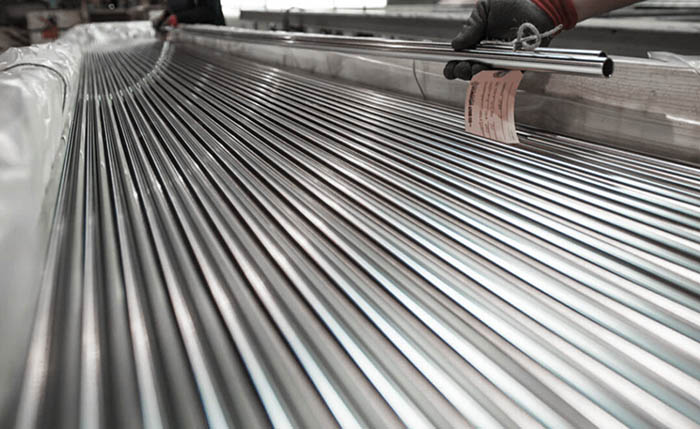 Titanium Tubular Products
Seamless · Welded · Heat Transfer · Custom Shapes
Round tube and pipe, U-tube, square and rectangular tubular requirements for industrial project supply.
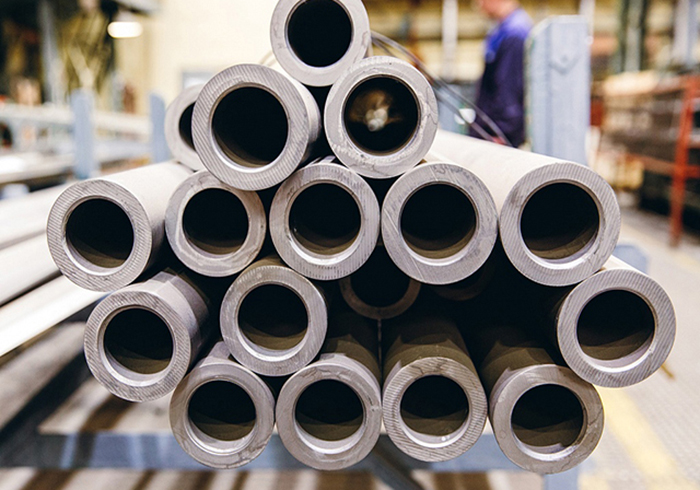
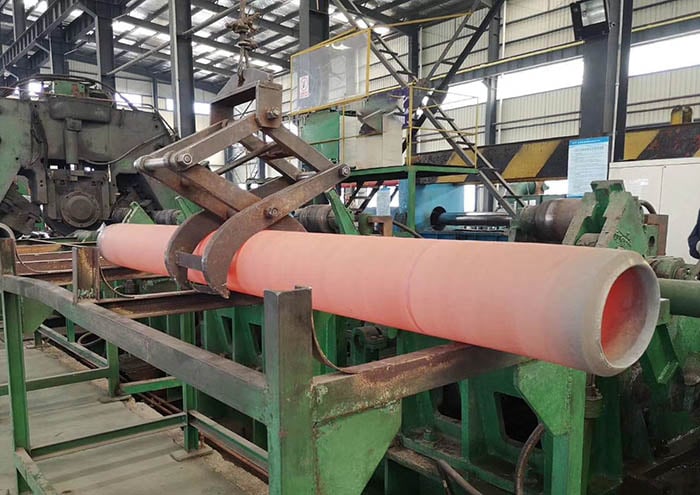
Heat Transfer
Condenser · Exchanger · U-Tube
Seamless
Tube · Pipe · Project Sizes
Welded
Tube · Pipe · Large Diameter
Special Shape
Square · Rectangular · Drawing-Based
RFQ Path
SPECIFY
→
SIZE
→
VERIFY
→
QUOTE
Tube, Pipe & Special-Shape Procurement Routes
Tube, Pipe or Special Shape — Start With the Correct Product Route
Titanium tube, pipe, U-tube and special-shape tubing are not purchased through one universal specification path. Start with the product route, then lock the grade, dimensions, condition, processing and inspection requirement.
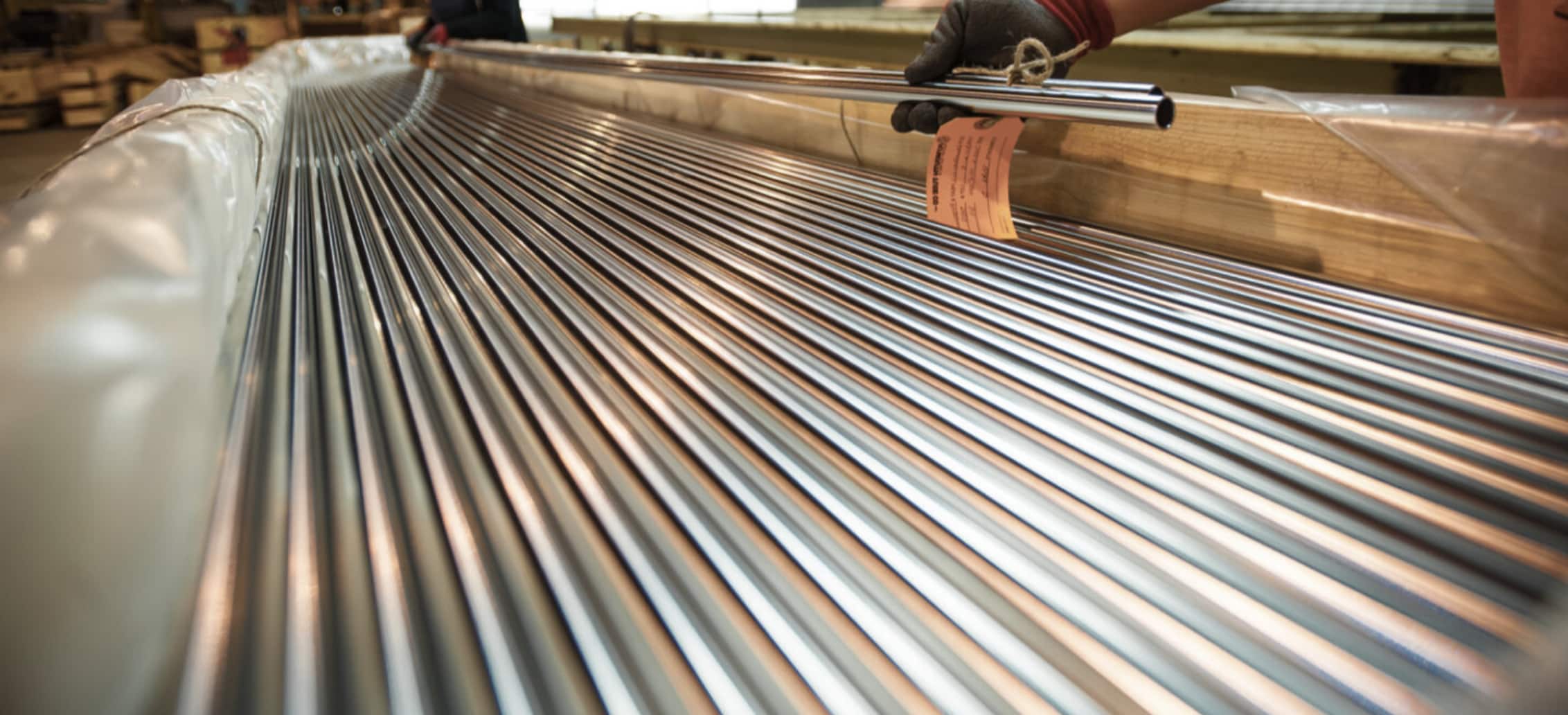 Product Form First
Product Form Sets the Standard, Dimension Language and Buying Route.
Select the tubular form first. Grade, size, condition, processing and inspection follow from that decision.
01
Heat-Transfer Route
Heat-Transfer Tube
ASTM B338Seamless or welded titanium tubing for condenser, evaporator and heat-exchanger service.
Buying Language
OD × WT × Length
02
General Tube
Round Tube
Seamless / Welded Tube RouteRound tubing is selected by product use, grade, dimensions and the governing project specification.
Buying Language
OD × WT × Length
03
Process Piping
Process Pipe
ASTM B861 Seamless · ASTM B862 WeldedTitanium pipe routes for corrosion-service, process and project piping requirements.
Buying Language
NPS / OD × WT × L
04
Finished Configuration
U-Tube
Straight Tube → Finished U-TubeBend radius, leg length and finished geometry follow the exchanger requirement or drawing.
Buying Language
OD × WT × R × Leg
05
Special-Shape Route
Square / Rectangular Tube
Drawing / Agreed RequirementSection dimensions, wall thickness, length and tolerances are confirmed against the required drawing.
Buying Language
A × B × t × L
Dimension Language
Tube
OD × Wall × Length
Pipe
NPS / OD × Wall × Length
U-Tube
OD × Wall × Radius × Leg
Special Shape
A × B × Wall × Length
Tube vs Pipe vs Special Shape
Titanium tube is commonly specified by outside diameter, wall thickness and length, with ASTM B338 covering seamless and welded tubing for condenser and heat-exchanger service. Titanium pipe follows pipe-specific routes such as ASTM B861 for seamless pipe and ASTM B862 for welded pipe. Square and rectangular titanium tubing is specified by section dimensions, wall thickness, length and the applicable drawing or agreed product requirement.
Not Sure Which Titanium Tube or Pipe Route Fits Your RFQ?
Send the product use, grade if known, dimensions, quantity and drawing. TiAlloy can match the requirement to the appropriate tube, pipe, U-tube or special-shape supply route.
Titanium Grade Portfolio & Standard Compatibility
Grade Alone Is Not a Titanium Tube Specification
Titanium tube and pipe grade availability depends on the product form and governing specification. Start with the alloy family, then confirm the tube or pipe route, dimensions and condition.

CP Titanium · Corrosion-Resistant · Grade 9 · Ti-6Al-4V
Grade 1 ·
Grade 2
· Grade 3
Common industrial tube and pipe grades for heat-transfer and corrosion-service applications.
7 · 11 · 12 · 16 · 17 · 26 · 27
Used for more aggressive chemical and chloride service; exact product availability follows the governing specification.
Grade 9 / Ti-3Al-2.5V
Higher-strength tubing route for precision, hydraulic and selected industrial applications.
Ti-6Al-4V pipe and specialty tubular routes. These grades are not covered by ASTM B338.
Product Standard Routes
Confirm the applicable edition and ordered product form at RFQ stage.
ASTM B338
Seamless & welded heat-transfer tube
CP · Grade 9 · selected corrosion-resistant grades
ASTM B861
Seamless titanium pipe
Includes CP · Grade 9 · Grade 5 · Grade 23 and other alloy grades
ASTM B862
Welded titanium pipe
Includes CP · Grade 9 · Grade 5 · Grade 23 and other alloy grades
AMS4943M
3Al-2.5V hydraulic seamless tubing
Annealed Grade 9 / Ti-3Al-2.5V route
GRADE ≠ SPEC
Grade
Product Form
Standard
Dimensions
Condition
Inspection
= Purchase Definition
Which Titanium Grades Are Available as Tube or Pipe?
Tube and pipe grade availability depends on the governing specification. ASTM B338 covers heat-transfer tubing including CP titanium, Grade 9 and selected corrosion-resistant grades, while ASTM B861 and B862 provide broader pipe routes including Grade 5 and Grade 23.
Match the Grade to the Correct Tube or Pipe Route
Send the grade, dimensions, quantity and specification if known.
Standards by Product Form
Choose the Standard by the Titanium Product You Are Buying
Titanium tube and pipe standards are selected by product form, manufacturing route and service requirement — not by alloy grade alone. B338, B861, B862 and AMS4943M define different tubular product routes and require different information from the buyer.
Heat-Transfer Tubing
ASTM B338
B338-17(2026)
Tube
Condenser, Evaporator & Heat-Exchanger Tube
Seamless and welded titanium tubing for heat-transfer service. The standard covers commercially pure, corrosion-resistant, Ti-3Al-2.5V and selected specialty titanium grades.
Important: Grade 5 and Grade 23 are not ASTM B338 tube grades.
Buyer Action
Specify grade, OD, wall thickness, length, ordered condition and required inspection scope.
Seamless Piping
ASTM B861
B861-24
Seamless Pipe
Seamless Titanium & Titanium-Alloy Pipe
Seamless pipe for corrosion-resistant and elevated-temperature service, covering commercially pure titanium and wider alloy routes including Grade 5, Grade 9 and Grade 23.
Buyer Action
Specify grade, pipe size basis or OD × wall, length, ordered condition and testing requirement.
Welded Piping
ASTM B862
B862-23
Welded Pipe
Welded Titanium & Titanium-Alloy Pipe
Welded pipe manufactured from flat-rolled titanium product through the applicable welded-pipe route, including commercially pure, corrosion-resistant and alloyed material options.
Grade 5 and Grade 23 can enter applicable B862 welded-pipe routes.
Buyer Action
Specify grade, NPS or OD, wall thickness, length, delivery condition and project requirements.
Hydraulic Tubing
AMS4943M
SAE · Revised 2021
Hydraulic Tube
Ti-3Al-2.5V Seamless Hydraulic Tubing
Ti-3Al-2.5V seamless hydraulic tubing supplied in the annealed condition under the AMS4943M route for specification-driven hydraulic requirements.
Buyer Action
Confirm AMS revision, tube dimensions, annealed condition, drawing and customer-specific approval requirements.
B338 vs B861 vs B862
ASTM B338 covers seamless and welded titanium tubing for condensers, evaporators and heat exchangers. ASTM B861 covers titanium and titanium-alloy seamless pipe, while ASTM B862 covers welded titanium and titanium-alloy pipe. The correct standard is selected by product form and service requirement, not by alloy grade alone. AMS4943M provides a separate route for annealed Ti-3Al-2.5V seamless hydraulic tubing.
Have a Standard or Specification on Your RFQ?
Send the product form, standard, grade and dimensions. TiAlloy can review the correct titanium tube or pipe route before quotation.
Titanium Tube & Pipe Manufacturing Range
Can We Make Your OD × Wall × Length?
TiAlloy manufactures titanium tube and pipe across thin-wall, heat-transfer, seamless, welded and special-shape routes. The ranges below show the dimensional capability used for project quotation and production planning.
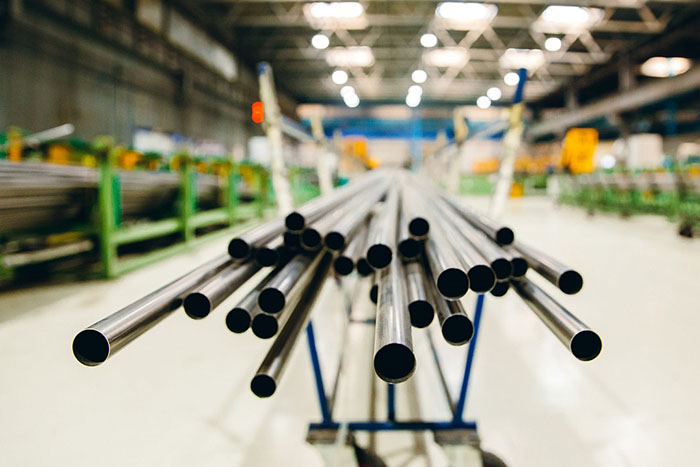
TiAlloy Actual Manufacturing Range
From Thin-Wall Heat-Transfer Tube to 24-Inch Welded Titanium Pipe
Standard and project sizes are produced by product route. OD, wall thickness and finished length are reviewed as a complete manufacturing combination.
Heat-Exchanger Tube
OD 8–56 mm · Length up to 22,000 mm
Welded WT 0.5–2.0 mm · Cold-Rolled WT 1.0–3.0 mm
Thin-Wall Welded Tube
OD 6.35–114.3 mm · WT 0.3–2.0 mm
Straight lengths up to 6,000 mm
Seamless Tube & Pipe
OD 1.0–457 mm · WT 0.2.0–35.0 mm
Length up to 9,000 mm
Welded Titanium Pipe
NPS 1/8–24 · OD 10.5–609.6 mm
WT 0.3–30 mm · Project length by order
Titanium Hollow Sections
Square & Rectangular Tube
Outer Section 10–200 mm · WT 0.8–10 mm · Length up to 6,000 mm
Square tube is ordered as A × A × t × L and rectangular tube as A × B × t × L. Custom section geometry, corner requirements and drawing-defined dimensions are supported.
What Titanium Tube Sizes Are Available?
TiAlloy supplies heat-exchanger tube from 8–56 mm OD, thin-wall welded tube from 12.7–60.5 mm OD, seamless tube and pipe up to 114.3 mm OD, and welded titanium pipe up to 609.6 mm OD / NPS 24. Square and rectangular titanium tubing is available in outer sections up to 200 mm. Special dimensions are matched to grade, wall thickness, length and manufacturing route.
Have an OD × Wall × Length Requirement?
Send the grade, product form, OD or section size, wall thickness, length and quantity. TiAlloy can match the dimensions directly to the appropriate production route.
Tolerance, Straightness & Fit-Up Control
Will the Tube Fit the Tubesheet, Fixture or Frame?
TiAlloy controls the finished dimensions that determine whether titanium tubing passes through the tubesheet, aligns in fabrication and arrives ready for assembly.
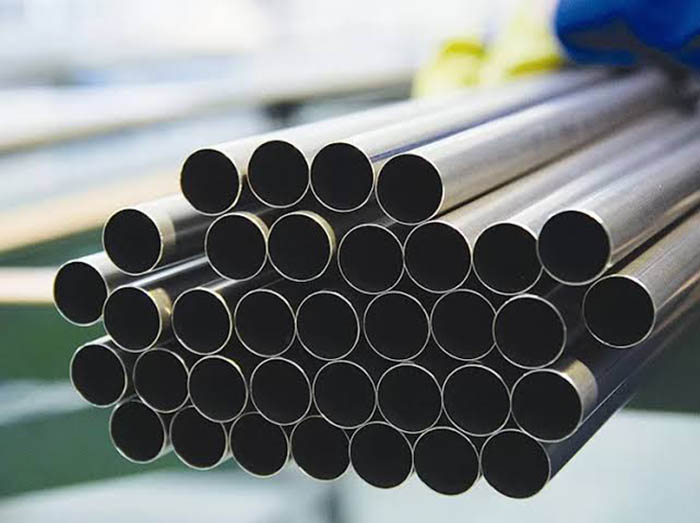
Round Tube & Heat-Exchanger Fit
Control the Finished Dimensions That Decide Whether the Tube Fits.
OD, wall thickness, straightness and finished length are controlled together. Closer tolerances can be applied where tubesheet insertion, expansion or downstream assembly requires tighter fit-up.
Wall Thickness
±10%
Standard control
Cut Length ≤7.3 m
+3.2 / −0 mm
Finished length
Straightness
≤3.4 mm / 3.05 m
Long-tube bow
Cut Squareness
≤0.016 × OD
End-face deviation
OD Control
<25.4 mm ±0.102
25.4–38.1 ±0.127
38.1–50.8 ±0.152
50.8–63.5 ±0.178
63.5–88.9 ±0.254 mm
OD to ±0.05 mm
Tighter control is available by order for tube-sheet insertion, expansion and close-fit heat-exchanger assembly. Ovality can be controlled to the same project fit-up basis.
Precision: Side A/B ±0.25 mm · WT ±5% · Corner Radius ±0.5 mm · Straightness ≤0.5 mm/m · Twist ≤1°/m · Squareness 90° ±1°
Commercial: Side A/B ±0.50 mm · WT ±10% · Corner Radius ±1.0 mm · Straightness ≤1.0 mm/m · Twist ≤2°/m · Squareness 90° ±2°
End Condition
Square Cut
→
Deburred
→
Beveled When Specified
→
Smooth Tube End
What Controls Titanium Tube Fit-Up?
Fit-up is controlled by OD, wall thickness, ovality, straightness, finished length and end condition. Square and rectangular tubing also requires side-size, corner-radius, squareness and twist control.
Have a Tight Tolerance or Fit-Up Requirement?
Send the drawing, OD or section dimensions, wall thickness, length and required tolerance. TiAlloy can review the dimensional-control route before production.
Exact Stock, Common Production & Made-to-Order Supply
Grade 2 in Stock Does Not Mean Every Grade 2 Tube Size Is in Stock
TiAlloy separates exact ready stock from common production and made-to-order supply. Availability is confirmed against the complete tube or pipe requirement — not the alloy name alone.
Exact Availability
GRADE
×
STANDARD
×
ROUTE
×
OD
×
WT
×
LENGTH
×
QTY
×
CONDITION
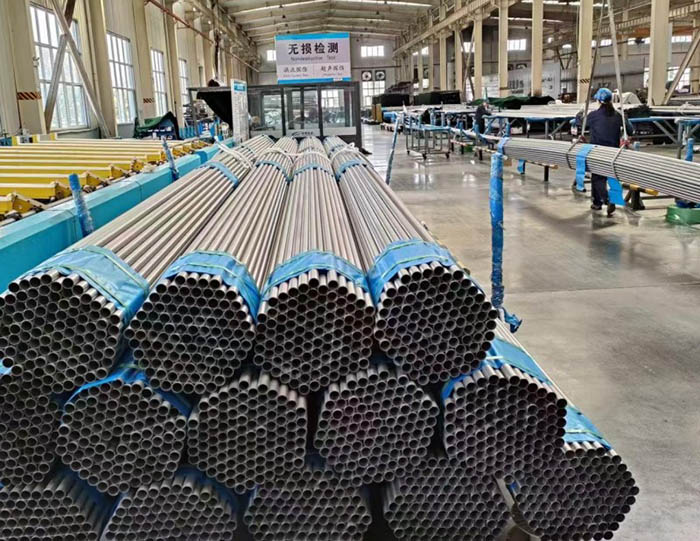
Availability Decision
We Call It Ready Stock Only When the Exact Order Definition Matches.
Grade, product standard, manufacturing route, dimensions, quantity, condition and traceable material identity are checked together before material is released as ready stock.
Ready Stock
Finished material matching the RFQ — correct grade, form, size, condition and available quantity.
Common Production
Standard exchanger ODs and established tube or pipe sizes produced through regular manufacturing routes.
Made-to-Order
Special wall, fixed length, alloy, large-diameter pipe or project-specific dimensional combinations.
Special Shape
Square and rectangular titanium tubing produced against section dimensions, length and drawing requirements.
Common Tube Size Language
Common heat-exchanger OD series include 12.7 · 19.05 · 25.4 · 31.75 · 38.1 · 50.8 mm. These are common production sizes — not an automatic ready-stock claim.
Supply Route
Ready Stock
Exact finished item available now
Common Production
Established tube and pipe sizes
Made-to-Order
Special OD, wall, length or alloy
Special Shape
Square / rectangular / drawing-based
Is My Exact Titanium Tube Size in Stock?
Exact titanium tube stock is confirmed by grade, product standard, manufacturing route, OD, wall thickness, length, quantity and condition. A common Grade 2 or common tube size may be available through regular production without being physically present as the exact finished item in ready stock.
Need Us to Check an Exact Grade × Size Combination?
Send the grade, standard, OD, wall thickness, length, quantity and required condition. TiAlloy can check ready stock or move the requirement directly into the correct production route.
Manufacturing Routes & Shape Forming
Seamless, Welded or Special Shape — How Is the Tube Actually Made?
Titanium tube manufacturing starts with different upstream material and forming routes. TiAlloy matches the route to product form, dimensions, wall thickness, grade and the finished geometry required by the order.
Route 01
Seamless Tube & Pipe
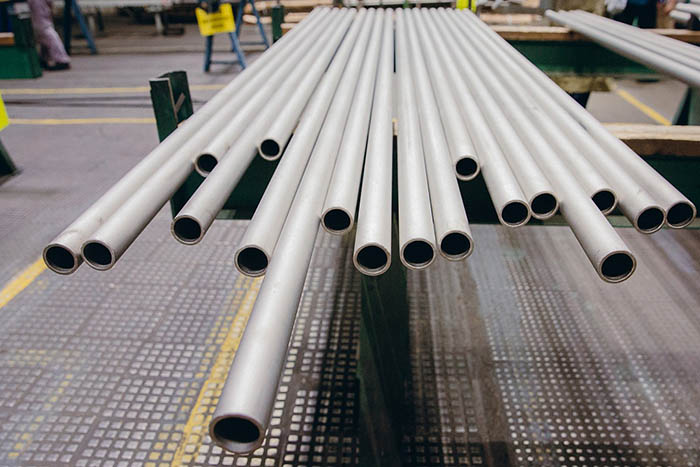
Starts from solid titanium billet or tube blank.
Typical Manufacturing Route
Billet
→
Heat
→
Extrusion / Piercing
→
Cold Reduction / Drawing
→
Anneal
→
Straighten
→
Inspect
Cold reduction or drawing brings the tube toward its finished OD, wall thickness and surface condition after the initial hollow is created.
Typical Manufacturing Route
Coil / Skelp
→
Slit
→
Roll Form
→
Weld
→
Cold Work / Anneal
→
Size & Straighten
→
Inspect
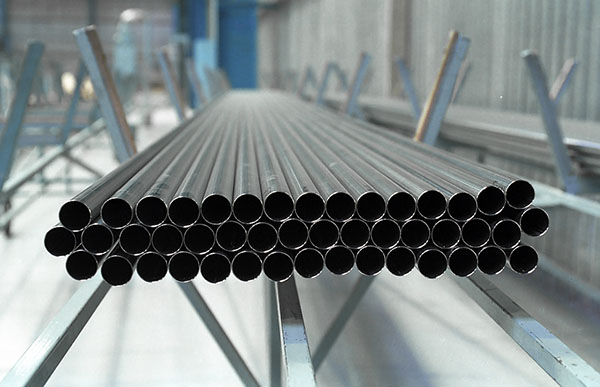
Welded titanium tube begins with controlled strip or skelp. Slitting, forming, welding and subsequent finishing determine weld quality, tube geometry and final dimensional consistency.
Route 02
Welded Tube & Pipe
Starts from titanium strip, coil or skelp.
Route 03 · Special Shape
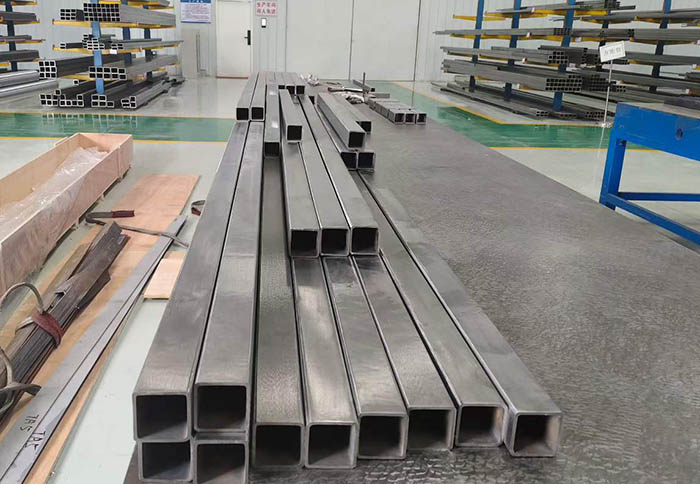
Square & Rectangular Tube
Round Tube
→
Progressive Forming
→
Sizing
→
Anneal / Heat Treat
→
Straighten
→
Finish & Inspect
Square and rectangular geometry is formed and sized from a parent tube route, with corner radius, side dimensions, twist and straightness controlled in the finished section.
Upstream Material
Seamless production begins from billet or tube blank. Welded production begins from controlled strip or skelp. These upstream forms establish the manufacturing route before the finished titanium tube exists.
How Are Titanium Tubes Manufactured?
Seamless titanium tube is produced from billet or tube blank through hollowing, reduction, heat treatment, straightening and inspection. Welded titanium tube begins with strip or skelp that is slit, formed and welded before sizing and finishing. Square and rectangular tubing adds shape forming, sizing, straightening and geometry control to the parent tube manufacturing route.
Not Sure Which Manufacturing Route Fits Your Tube?
Send the grade, standard, OD or section size, wall thickness, length and quantity. TiAlloy can match the requirement to the appropriate seamless, welded or special-shape manufacturing route.
Titanium Tube Factory & Production Equipment
The Hardware Behind the Tube.
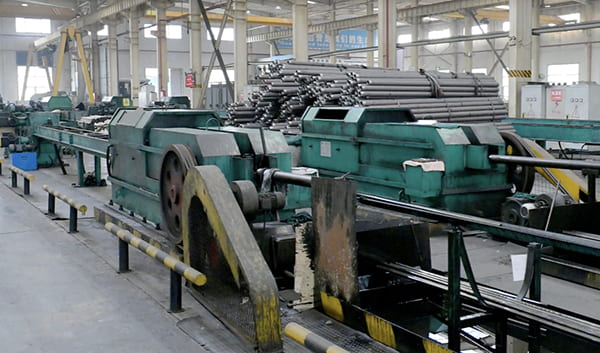
Titanium tubing is not produced by one machine. TiAlloy controls forming, reduction, straightening, surface preparation and inspection through the production stages that turn intermediate tube into a finished, traceable product.
Production Hardware
Cold Reduction
→
Drawing
→
Tube Welding
→
Heat Treatment
→
Straightening
→
Surface Finishing
→
Pressure Testing
→
UT
→
Final Release
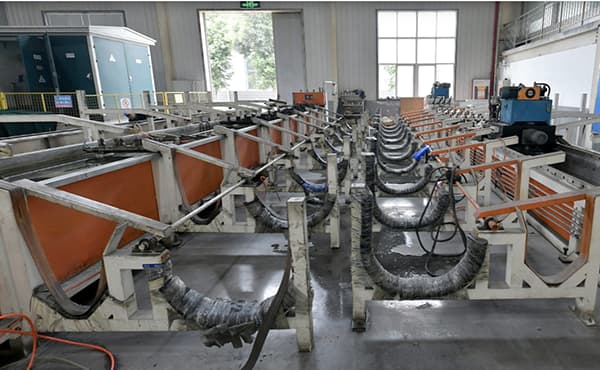
Cold Rolling / Pilger Reduction
Reduces tube OD and wall thickness toward the specified finished size.
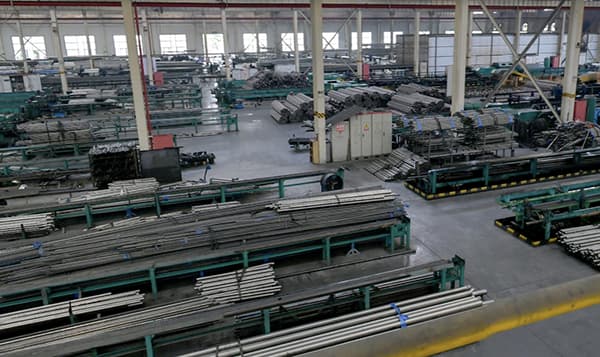
Intermediate Tube Condition
Tube condition after primary forming and before final finishing or release.
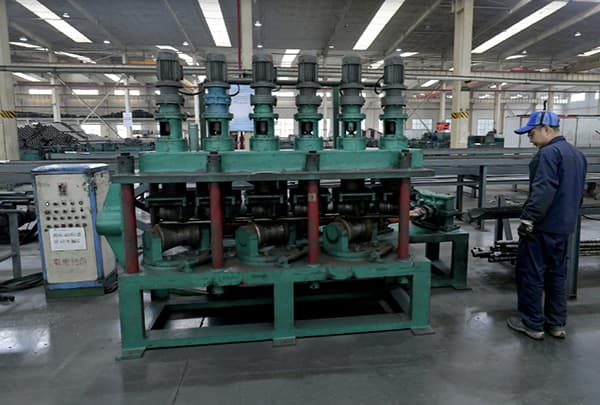
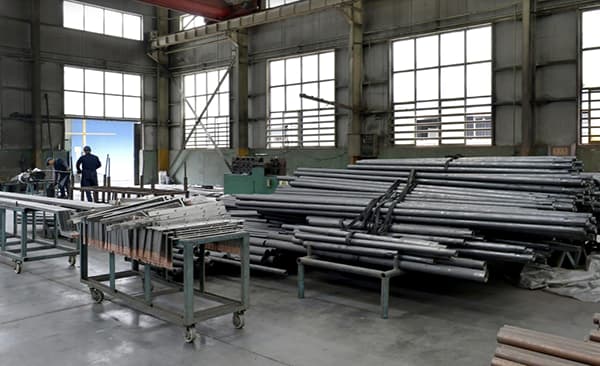
Tube Straightening
Controls long-tube geometry before dimensional inspection and packing.
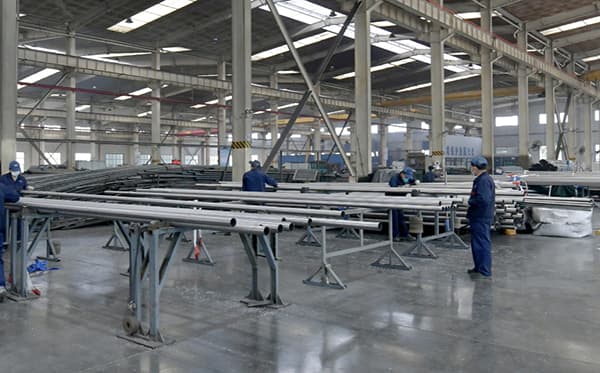
Surface Grinding & Finishing
Refines local surface condition before final cleaning and inspection.
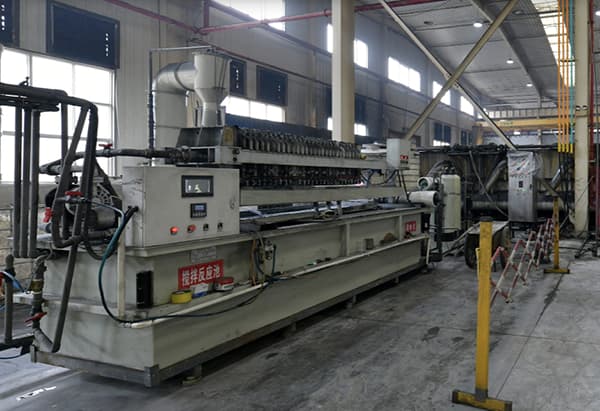
Pickling & Surface Cleaning
Removes process scale and prepares the required finished surface condition.
Hydrostatic & Pneumatic Testing
Applied according to the product standard, route and purchase-order requirements.
Ultrasonic Testing (UT)
Used to detect internal discontinuities where UT is required by specification or order.
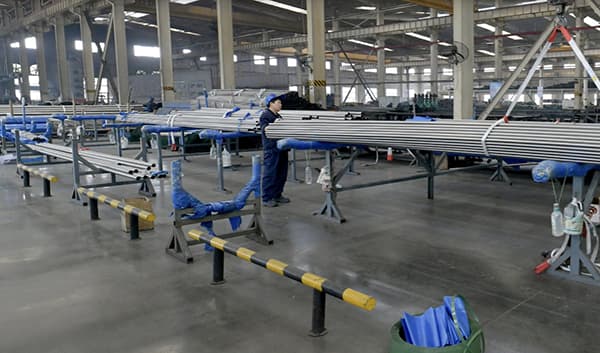
Final Dimensional & Surface Inspection
Verifies dimensions, straightness, surface condition and final release status.
Manufacturing Evidence
The production chain extends beyond tube forming itself. Cold reduction controls finished dimensions; straightening controls geometry; grinding and pickling prepare the surface; hydrostatic or pneumatic testing and Ultrasonic Testing (UT) support route-specific verification; and final dimensional inspection confirms the tube before release. Tube welding, drawing and heat treatment are applied according to the manufacturing route required by the product.
What Equipment Is Used to Manufacture Titanium Tubing?
Titanium tube manufacturing uses different equipment according to the product route. Seamless tubing can use cold pilger, cold-rolling, drawing and reduction equipment after the initial hollow is produced. Welded tubing requires strip-forming and tube-welding equipment. Production then continues through heat treatment, straightening, surface preparation and the inspection required by the applicable standard or purchase order, including pressure or leak testing, Ultrasonic Testing (UT) and final dimensional inspection where specified.
Need to Match Your Tube to the Right Manufacturing & Inspection Route?
Send the grade, standard, dimensions, manufacturing route, quantity and inspection requirements. TiAlloy can review the production and verification path before quotation.
ASTM B338 Heat Exchanger, Condenser & U-Tube Supply
Heat-Exchanger Tube Is More Than OD × Wall Thickness.
The finished tube has to fit the exchanger — not just match a nominal diameter. TiAlloy supplies straight heat-transfer tube, condenser tube, evaporator tube and U-tube with fixed length, tube-sheet fit and drawing-defined geometry.
Supply Forms
Straight Heat-Transfer Tube
•
Condenser Tube
•
Evaporator Tube
•
U-Tube / U-Bend Tube
•
Fixed-Length Supply
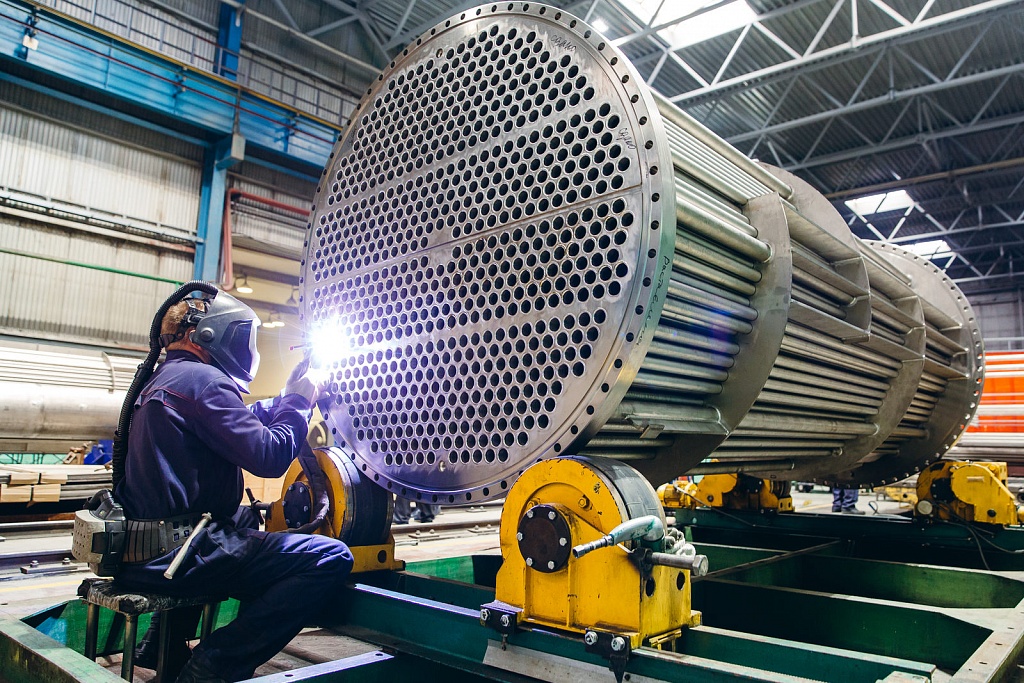
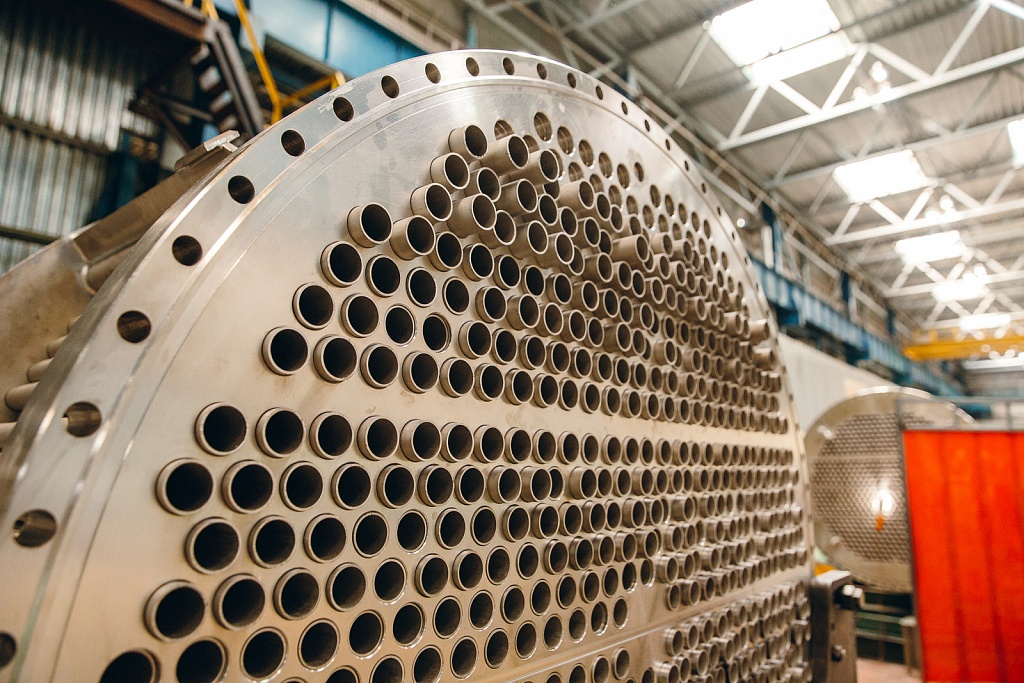
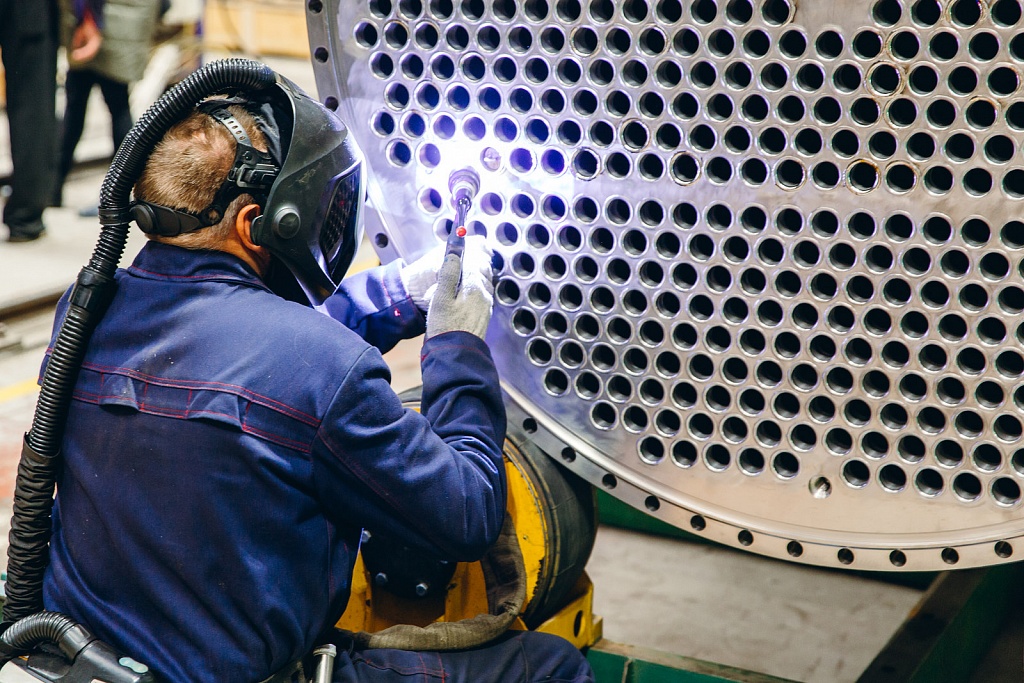
ASTM B338 Route
ASTM B338 covers seamless and welded titanium and titanium-alloy tubes for condensers, evaporators and heat exchangers. TiAlloy reviews grade, manufacturing route, OD, wall, fixed length, quantity, required testing and exchanger fit as one purchase specification.
TiAlloy exchanger-tube range:
OD 8–56 mm · Length up to 12,000 mm ·
Welded WT 0.5–2.0 mm · Cold-Rolled WT 1.0–3.0 mm
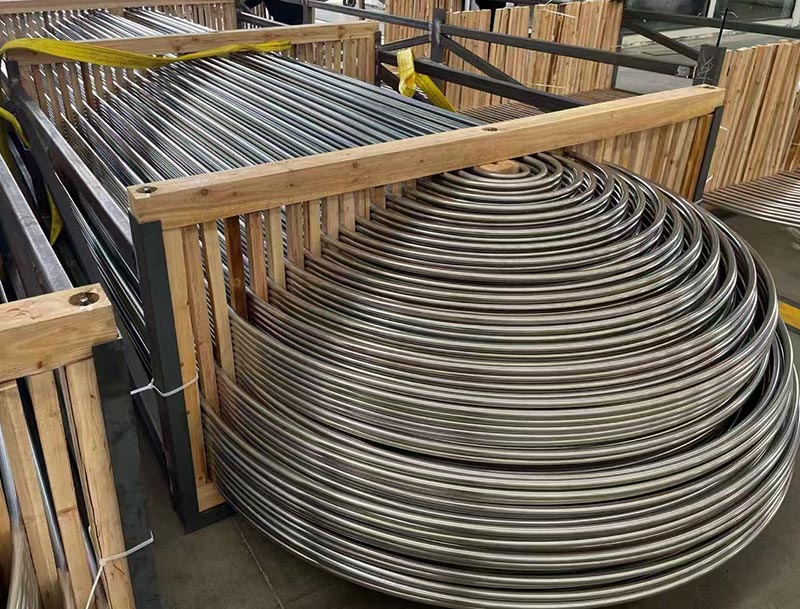
U-Tube Purchase Geometry
A U-Tube Cannot Be Quoted From OD × WT Alone.
The bend has to match the exchanger layout. A complete titanium U-tube RFQ should define the tube size, bend geometry, straight-leg dimensions, finished developed length, quantity and the controlling drawing.
Tube Size
OD × WT
+
Bend
Bend Radius
+
Legs
Straight-Leg Length
+
Finished Geometry
Developed Length
+
Layout
Center Distance
+
Order
Qty + Drawing
Drawing governs final geometry. Bend radius, leg dimensions, center distance, end orientation and tolerances are confirmed against the purchase drawing before production.
Exchanger Fit Controls
Fixed Length
Finished length must match exchanger and tube-sheet layout.
Tube-Sheet Fit
OD, ovality, straightness and tube-end condition influence insertion.
Inspection Route
Testing follows the applicable product standard and purchase order.
What Information Is Needed to Quote Titanium U-Tubes?
A titanium U-tube quotation should identify the grade, ASTM B338 or other governing specification, OD, wall thickness, bend radius, straight-leg length, developed length, center distance, quantity, required testing and the controlling exchanger drawing. For straight condenser and evaporator tubing, fixed length and tube-sheet fit should also be defined before final production release.
Have an Exchanger Tube List or U-Tube Drawing?
Send the grade, standard, OD, wall thickness, fixed length or U-bend geometry, quantity and inspection requirements. TiAlloy can review the complete exchanger-tube specification before quotation.
MTC & Tube-to-Crate Traceability
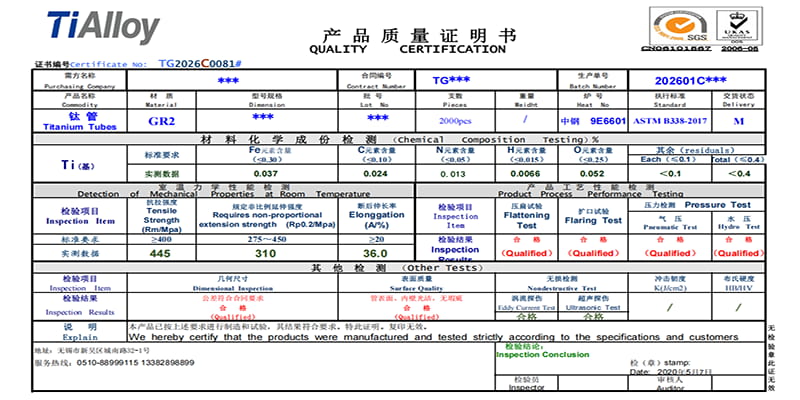
Can the MTC Be Traced to the Tubes Inside the Crate?
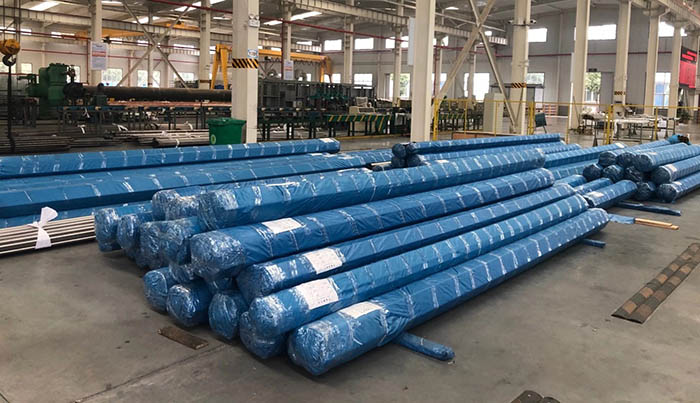
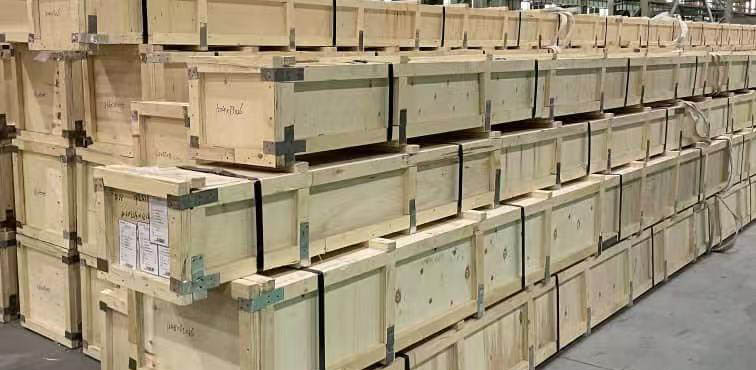
A certificate only has value when its material identity can be tied back to the physical product. TiAlloy connects tube marking, inspection records, MTC, bundle identification and packing identity through the same order traceability chain.
Identity Chain
Heat / Lot
→
Tube Marking
→
Inspection Record
→
MTC
→
Bundle Tag
→
Packing Identity
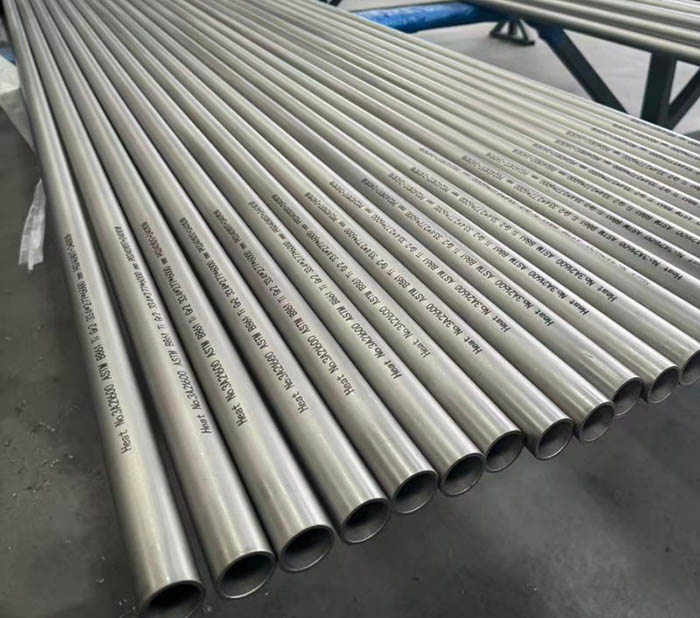

What Must Match?
Traceability is not based on the appearance of a certificate. The relevant order identity, heat or lot, grade, product form, size and material identification must remain connected from the physical tube through the inspection record and MTC to the bundle and final packing.
Inspection Documents
EN 10204 Type 3.1: inspection certificate with specific inspection results, validated by the manufacturer’s authorized inspection representative independent of the manufacturing department.
EN 10204 Type 3.2: supplied when specified and involving the manufacturer’s authorized inspection representative together with the purchaser’s authorized representative or an inspector designated by the applicable regulations.
What Documents Come With Titanium Tubing?
Titanium tubing can be supplied with material identification, applicable inspection and test records, a material test certificate, bundle identification and packing records. EN 10204 3.1 or 3.2 documentation can be supplied when specified by the order. The required document package depends on the product standard, manufacturing route, inspection plan and purchase-order requirements.
Need a Specific MTC, Inspection or Traceability Package?
Include the required certificate type, inspection records, marking, third-party involvement and packing identification in the RFQ. TiAlloy can align the documentation route with the tube order before production.
Titanium Tube & Pipe Applications
Where Does the Tube Actually Go?
Titanium tube and pipe move from mill products into real equipment — condenser bundles, process piping, seawater systems, aircraft fluid lines, specialized medical equipment and corrosion-resistant energy systems.
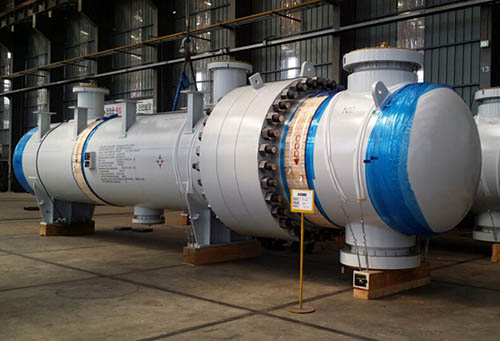
Heat Exchangers & Condensers
Titanium Tube → Condenser Bundle · Shell & Tube Heat Exchanger · Evaporator

Chemical & Petrochemical Process Piping
Titanium Pipe → Corrosive Process Line · Reactor Loop · Chloride-Service Piping

Desalination, Seawater & Marine Systems
Titanium Tube / Pipe → Desalination Heat Transfer · Seawater Cooling · Marine Utility Lines

Aerospace & Hydraulic Tubing
Titanium Tube → Hydraulic Lines · Pneumatic Lines · Aircraft Fluid-Tube Assemblies

Medical & Pharmaceutical Equipment
Titanium Tube → Specialized Process Lines · Medical Equipment · Precision Fluid Components

Power Generation & Geothermal Systems
Titanium Tube / Pipe → Surface Condenser · Geothermal Brine Line · Cooling Circuit
Material Selection Follows Service
The application name alone does not define the tube specification. Grade, product form, manufacturing route, pressure, temperature, process chemistry, dimensions, inspection requirements and the governing design or purchase specification still control the final material and product selection.
Square & Rectangular Tube Applications
Titanium square and rectangular tubing can also be used for corrosion-resistant frames, hollow structural sections, equipment supports and fabricated assemblies where section geometry and corrosion resistance are required together.
Where Are Titanium Tubes & Pipes Used?
Titanium tubes and pipes are used in heat exchangers and condensers, chemical and petrochemical process piping, desalination and seawater systems, aerospace hydraulic and fluid lines, specialized medical and pharmaceutical equipment, and power-generation or geothermal systems. The actual grade, tube or pipe standard and manufacturing route depend on the service environment and equipment requirements.
Application examples describe established equipment uses for titanium tube and pipe. They are not presented as TiAlloy-specific project case claims.
Selecting Titanium Tube for a Specific Equipment or Service?
Send the application, service medium, design conditions, grade or specification, tube dimensions and required testing. TiAlloy can match the requirement to the appropriate tube or pipe supply route.
Titanium Tube & Pipe RFQ Desk
Give Us the Tube Specification Once. Quote It Right the First Time.
A fast titanium tube quote starts with a complete purchase definition. Product shape, grade, standard, manufacturing route, dimensions, quantity, condition, inspection and documentation should arrive together — especially for custom tubing and U-tubes.
Quote Path
Define Product
→
Confirm Standard
→
Lock Dimensions
→
Add Processing & Testing
→
Confirm Documents & Destination
→
Quote
Tube Purchase Specification Sheet
What We Need to Price the Order
Use your PO specification, RFQ list or drawing. Not every field applies to every product shape.
Product Shape
Round Tube
Pipe
U-Tube
Square Tube
Rectangular Tube
Grade / UNS
Grade 2 / R50400 / Grade 9 / Grade 12 / Grade 5 / Other
Standard
ASTM B338 / ASTM B861 / ASTM B862 / AMS / Project Specification
Route
Seamless / Welded / Welded-Cold-Worked / Special Shape
Quantity
Pieces / Lengths / Meters / Weight
Condition
Annealed / Project-Defined Delivery Condition
Processing
Cut Length / Deburr / Bevel / U-Bend / Surface / Drawing Processing
Testing
Standard Tests / UT / Hydro / Pneumatic / Project Inspection Plan
Documents
MTC / EN 10204 3.1 / 3.2 / Third-Party Inspection When Specified
Destination
Country / City / Port / Delivery Term
Drawing
Attach when geometry, bend, tolerance or processing is drawing-defined
Dimension Language
Round Tube / Pipe: OD × WT × L
Square: A × A × t × L · Rectangular: A × B × t × L
U-Tube: OD × WT + Bend Radius + Straight-Leg Length + Developed Length + Center Distance + Drawing
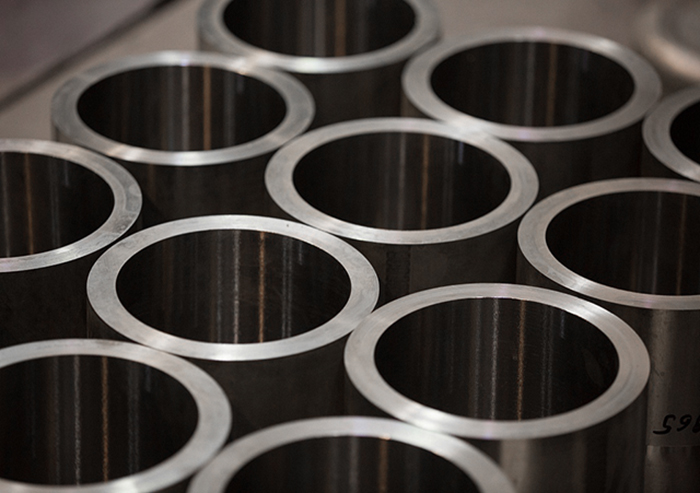
The Quote Should Match the Tube That Will Actually Be Produced.
Dimensions, route, processing, inspection, marking, documentation and destination all affect the final production and commercial offer.
Before Sending the RFQ
For the fastest technical review, include the exact product shape, grade or UNS, governing standard, manufacturing route, dimensions, quantity and condition. Add processing, testing, document requirements, delivery destination and the drawing whenever they affect the finished tube.
What Information Is Needed for a Titanium Tube Quote?
A titanium tube or pipe quotation should identify the product shape, titanium grade or UNS number, applicable product standard, seamless or welded route, complete dimensions, quantity and delivery condition. Custom titanium tubing may also require processing details, inspection and testing requirements, certificate requirements, shipping destination and a drawing. U-tube and special-shape quotations need the additional bend or section geometry required to manufacture the finished component.
Final RFQ
Ready to Price Your Titanium Tube & Pipe Requirement?
Send the specification, quantity, destination and drawing. TiAlloy’s titanium tube sales team can review the complete purchase requirement and prepare the quotation.
Pricing and lead time depend on the confirmed material specification, manufacturing route, dimensions, quantity, inspection scope, documentation and delivery requirement.
Purchase questions
Titanium Tube & Pipe FAQ
Answers below form the last considerations before launching an industrial RFQ. Each response remains a subject to final approval, drawing and agreed order standard.
Ask a Specification QuestionSend product form, grade/UNS, governing standard and revision, OD, wall, length, quantity, condition, inspection, documents, finish, packing, destination, Incoterm and required date. A drawing or customer specification helps Tialloy flag conflicts before pricing.
Start with the design code and accepted product standard. Compare route availability, dimensions, service and inspection rather than assuming one route is better.
The user-supplied product workbook lists Grades 1, 2, 5, 7, 9, 12 and 23 as grade interests. Availability under a specific tube or pipe standard is confirmed order by order, and Grade 23 needs close product-form review because public ASTM pages show different ELI designations and product scopes. Send the drawing, standard revision and end use so engineering can identify the correct evidence path before pricing. For tubing online requests, state whether the size range serves an aircraft or other market and whether commercially pure material is intended.
ASTM B338 addresses condenser and heat-exchanger tubes, B861 addresses pipe made without a longitudinal weld and B862 addresses welded pipe. ASME adoption and project code requirements should be verified against the current purchase specification; this page does not replace the published document.
They connect the bundle to the reported material and test records. A broken identity chain can stop receiving release.
These items aren’t assumed. Name the required document or test, method, coverage, acceptance basis, report format and any independent witnessing in the RFQ. Tialloy then checks the requested package against the proposed product route and quotation. If a requirement can’t be confirmed, it should remain an open item rather than appearing as a hidden exception after order placement.
Length changes bundle design, handling and freight use. Shorter isn’t always cheaper.
No. IAQG places 9100 in the aviation, space and defense quality-system context, while medical-device requirements follow a separate regulatory and quality path. Material standard, product form, device use and customer approval all remain distinct, and ASTM F136 does not turn an unsupported tube form into a qualified medical product.
No fixed number is published. Route, size, starting material, inspection, documents, packing and approvals can change both.
Trending now