Get in Touch with TiAlloy Company

Duplex 2205 · UNS S32205 / UNS S31803
Duplex 2205 Stainless Steel for Demanding Industrial Projects
TiAlloy supplies Duplex 2205 stainless steel plate, sheet, pipe, tube and bar for chemical processing, offshore, marine, heat-exchanger and industrial equipment projects. From specification review and production coordination to inspection documents and export delivery, we help buyers turn demanding duplex requirements into a clearly defined supply order. See our super duplex 2507 page for related specification guidance.
Purchase-Specification Review
UNS grade, product form, dimensions, heat treatment, surface condition, inspection scope and required documentation are reviewed before production is released.
20+ Years
Reported metal manufacturing experience
30,000+ m²
Reported production base
Project Support
Specification review · inspection · export documentation
Supply Scope
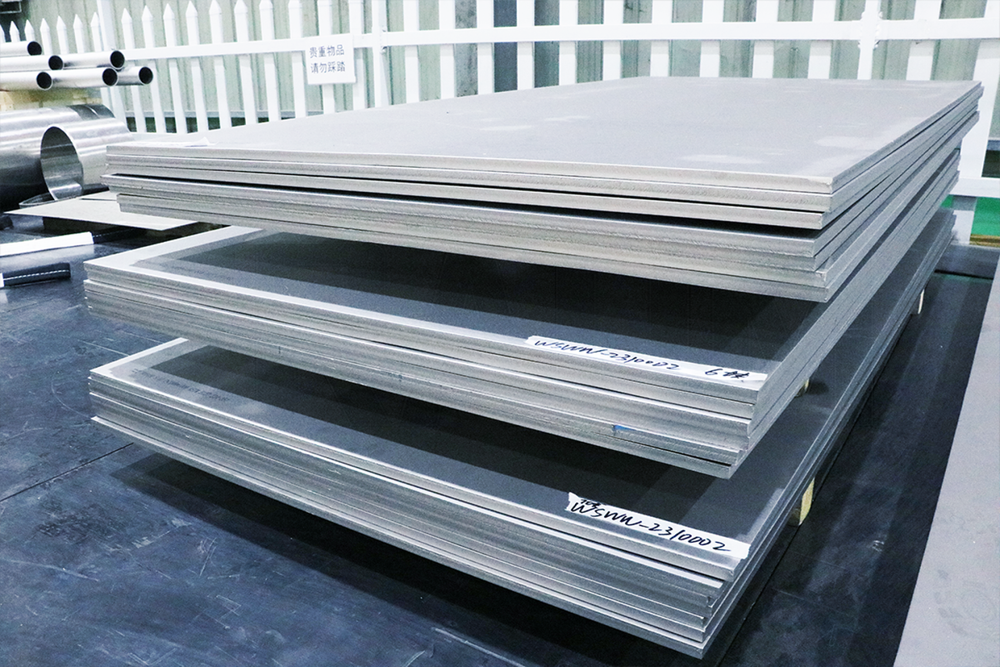
Duplex 2205 Plate
2205 Sheet
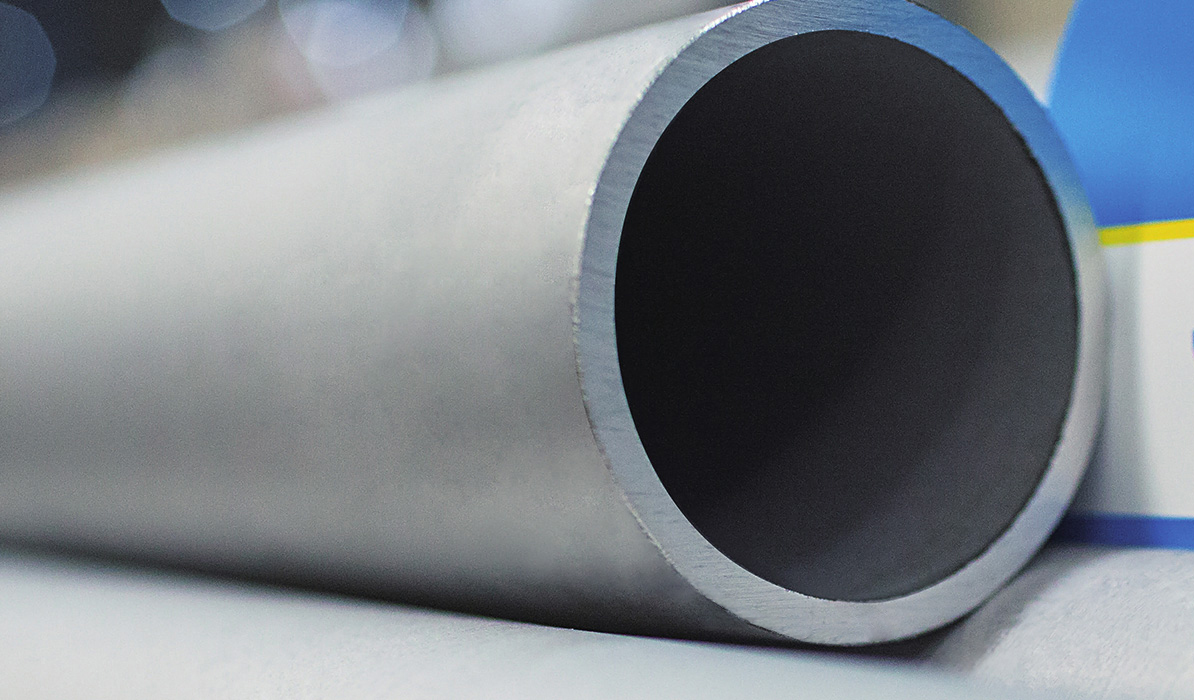
2205 Pipe
2205 Tube
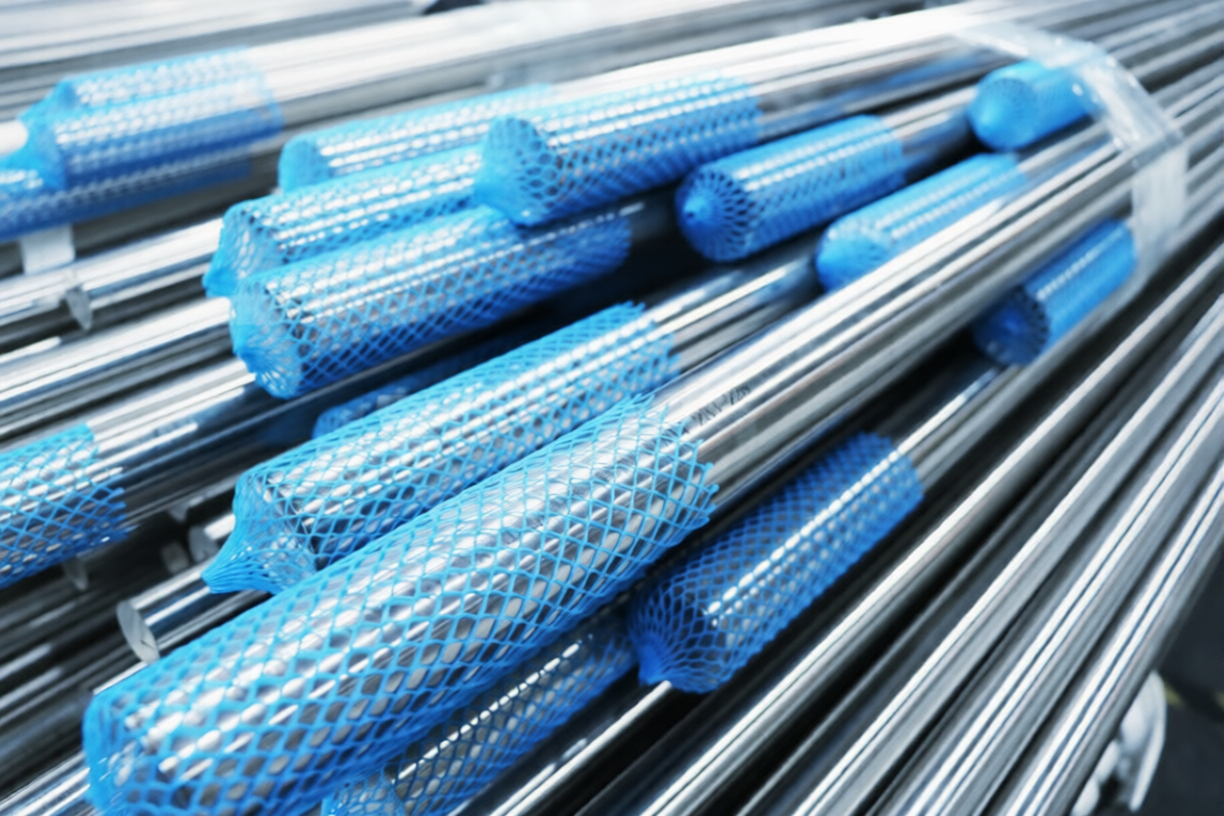
2205 Bar
Cut-to-Size
MTC / MTR
PMI & Inspection When Specified
Export Packing
Project-Led Supply
Send the required grade, product form, standard, dimensions, quantity, testing and destination. TiAlloy coordinates the supply, inspection and shipment-document scope around the actual project instead of quoting from the generic “2205” grade name alone.
Duplex 2205 · Corrosion & Fabrication
Where Duplex 2205 Performs Best
Duplex 2205 is widely used where chloride exposure, higher strength and reliable fabrication performance need to be balanced. It is commonly selected for chemical processing, offshore equipment, heat exchangers, desalination and marine systems. Final material selection should reflect the actual process medium, temperature and equipment design.
Grade
Duplex 2205
UNS
S32205 / S31803
Structure
Ferrite + Austenite
Conditions That Affect 2205 Performance
Chloride resistance is one of the main reasons for choosing Duplex 2205, but corrosion behavior also changes with temperature, equipment geometry, fabrication and metallurgical condition.
Process Medium
Chlorides, pH, oxidants, contaminants and concentration.
Temperature
Operating, cleaning and upset temperatures can change localized-corrosion behavior.
Equipment Design
Gaskets, deposits, stagnant zones and narrow gaps can increase crevice-corrosion risk.
Fabrication
Welding, cold forming and residual stress influence final material performance.
Heat Treatment
Correct solution treatment helps maintain the required ferrite-austenite structure.
Why Duplex 2205 Is Used in Industrial Equipment
2205 combines significantly higher yield strength than conventional 300-series austenitic stainless steels with good resistance to pitting, crevice corrosion and chloride stress corrosion cracking. This combination makes it useful for pressure equipment, piping, heat exchangers and fabricated process systems.
Strength
Higher yield strength can reduce required section thickness in suitable designs.
Corrosion Resistance
Chromium, molybdenum and nitrogen support resistance to localized corrosion.
Fabrication
Welding and forming procedures should preserve the duplex microstructure and properties.

PREN and Chloride Resistance
PREN — the pitting resistance equivalent number — is a useful way to compare the alloy chemistry of stainless steels. It reflects the contribution of chromium, molybdenum and nitrogen to pitting-resistance potential, but actual performance still depends on the operating environment and fabrication condition.
Pitting
Higher alloy content improves resistance, but temperature and chloride concentration remain important.
Crevice Corrosion
Deposits, gaskets and stagnant areas can create more aggressive local conditions.
Chloride SCC
Duplex 2205 generally provides better chloride stress corrosion cracking resistance than common austenitic grades.
Common Applications
Chemical Processing
Oil & Gas
Offshore Equipment
Heat Exchangers
Desalination
Marine Systems
Pulp & Paper
Pressure Equipment
Duplex 2205 Product Range
Duplex 2205 Product Forms and ASTM Standards
Duplex 2205 stainless steel is available as plate, sheet, strip, pipe, tube, bar and shapes. ASTM specifications differ by product form and define the applicable manufacturing, dimensional, heat-treatment and testing requirements.
Standards are shown without edition year. The applicable revision follows the purchase order or project specification.
Plate · Sheet · Strip
ASTM A240 / A240M
Flat-rolled Duplex 2205 products
Tube
ASTM A789 / A789M
Seamless and welded duplex tubing
Pipe
ASTM A790 / A790M
Duplex pipe for corrosive service
Bar · Shapes
ASTM A276 / A276M
ASTM A479 / A479M for applicable pressure use
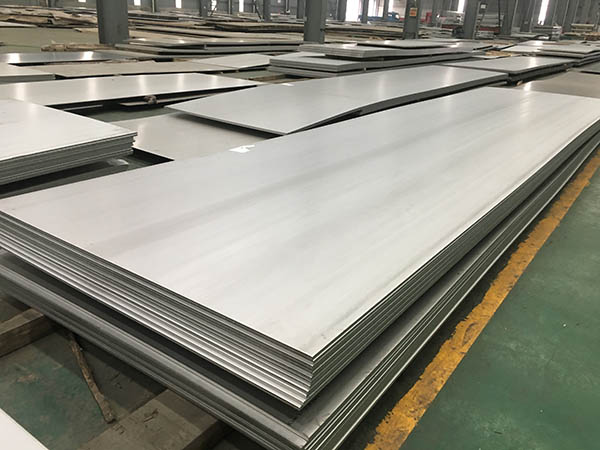
Duplex 2205 Plate, Sheet & Strip
ASTM A240 / A240MASTM A240/A240M covers stainless steel plate, sheet and strip for pressure vessels and general applications. Duplex 2205 flat products are commonly supplied solution annealed for fabrication into tanks, pressure equipment, heat exchangers, process vessels and structural components.
- UNS Grade
- S32205 / S31803
- Dimensions
- Thickness × width × length
- Condition
- Solution annealed
- Products
- Plate · sheet · strip · cut-to-size pieces
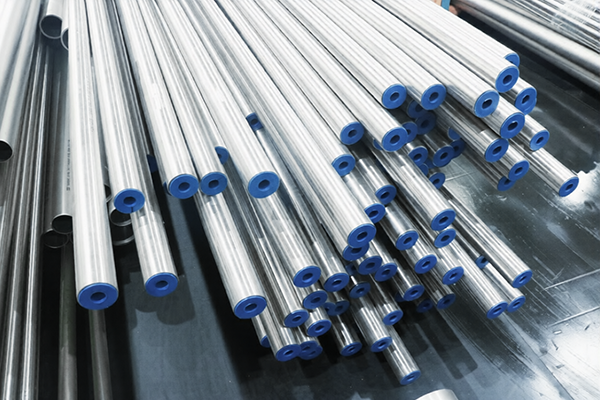
Duplex 2205 Tube
ASTM A789 / A789MASTM A789/A789M covers ferritic-austenitic stainless steel tubing for general service. Duplex 2205 tube is supplied in seamless or welded form for heat exchangers, process equipment, instrumentation and other chloride-containing environments.
- Manufacture
- Seamless or welded
- Dimensions
- Outside diameter × wall thickness
- Wall Basis
- Average wall or specified minimum wall
- Typical Use
- Heat exchangers · process tubing · industrial equipment
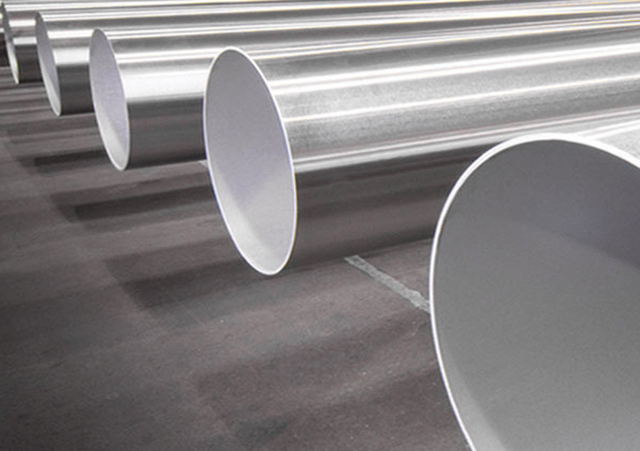
Duplex 2205 Pipe
ASTM A790 / A790MASTM A790/A790M covers seamless and welded ferritic-austenitic stainless steel pipe for general corrosive service. Duplex 2205 pipe is widely used in chemical processing, offshore systems, desalination, pulp and paper, and industrial process piping.
- Manufacture
- Seamless or straight-seam welded
- Dimensions
- NPS / schedule or OD × wall thickness
- Ends
- Plain end or specified end preparation
- Typical Use
- Process piping · offshore · chemical · desalination
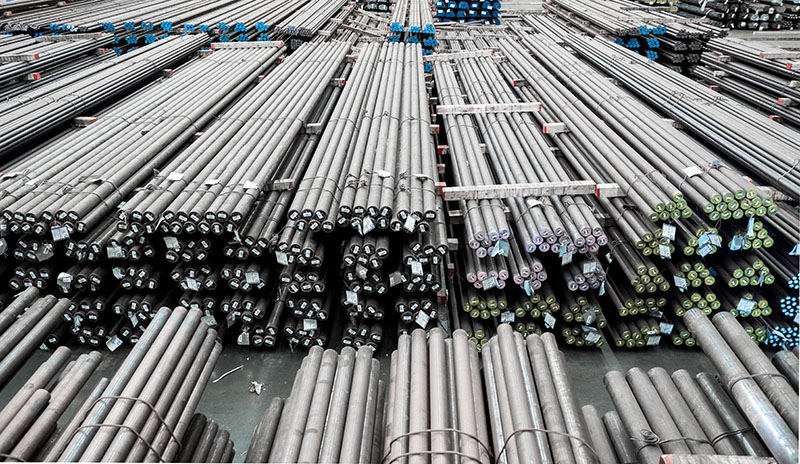
Duplex 2205 Bar & Shapes
ASTM A276 / A276MASTM A276/A276M covers stainless steel bars and shapes in hot- or cold-finished conditions. Duplex 2205 bar is used for shafts, fastener stock, machined components, valve parts and fabricated equipment. ASTM A479/A479M is used for applicable boiler and pressure-vessel bar applications.
- Products
- Round bar · square bar · flat bar · shapes
- Finish
- Hot finished · cold finished · machined
- Dimensions
- Diameter / section size × length
- Pressure Use
- ASTM A479 / A479M where applicable
Product Form Differences
Pipe and Tube
Pipe commonly follows NPS and schedule dimensions, while tube is normally specified by outside diameter and wall thickness.
Flat Products
Plate, sheet and strip are defined by thickness, width, length, surface condition and applicable dimensional tolerances.
Bar Products
Round, square and other bar sections are supplied by section size, length, finish and the applicable end-use specification.
Supply & Documentation
UNS S32205
UNS S31803
Solution-Annealed Condition
MTC / MTR
EN 10204 3.1 When Specified
PMI When Specified
NDT When Specified
Supplementary Testing
Cut-to-Size
Export Packing
Duplex 2205 Technical Data
UNS S32205 and S31803 Duplex 2205
Duplex 2205 combines a ferritic-austenitic microstructure with high strength and good resistance to pitting, crevice corrosion and chloride stress corrosion cracking. UNS S32205 and S31803 are both used for 2205 products, with S32205 having tighter lower limits for several key alloying elements.
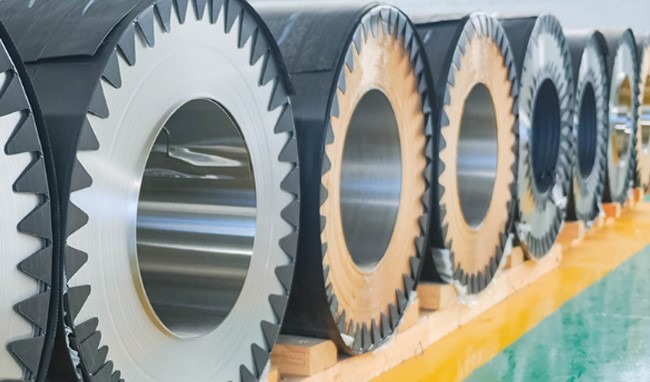
Duplex 2205 Technical Reference
Chemical composition, mechanical properties, international designations and product standards for common Duplex 2205 product forms.
2205 Chemical Composition
S32205 narrows the lower limits of chromium, molybdenum and nitrogen compared with S31803 while retaining the basic 22Cr-5Ni-3Mo duplex alloy system.
| UNS | C | Cr | Ni | Mo | N | Mn | Si |
|---|---|---|---|---|---|---|---|
| S32205 | ≤ 0.030 | 22.0–23.0 | 4.5–6.5 | 3.0–3.5 | 0.14–0.20 | ≤ 2.00 | ≤ 1.00 |
| S31803 | ≤ 0.030 | 21.0–23.0 | 4.5–6.5 | 2.5–3.5 | 0.08–0.20 | ≤ 2.00 | ≤ 1.00 |
Values are wt.%. Complete composition limits follow the applicable product specification.
Duplex 2205 Mechanical Properties
Duplex 2205 combines substantially higher yield strength than conventional 300-series austenitic stainless steels with useful ductility for industrial fabrication.
≥ 450 MPa
Yield Strength
0.2% proof strength
≥ 655 MPa
Tensile Strength
Common minimum
≥ 25%
Elongation
Product-standard dependent
≤ 293 HBW
Hardness
Common maximum value
Exact mechanical-property requirements depend on product form, thickness and governing specification.
Duplex 2205 Equivalent and Related Grades
Duplex 2205 appears under several international and product-specific designations. Requirements can vary between standards and product forms.
Common Name
Duplex 2205
UNS
S32205 / S31803
EN Number
1.4462
EN Name
X2CrNiMoN22-5-3
ASTM Forging
F60 — S32205
Related Forging Grade
F51 — S31803
Corresponding designations do not automatically make different product specifications interchangeable.
Duplex 2205 Standards by Product Form
Flat products, pipe, tube, bar and forged components use different ASTM specifications.
Plate / Sheet / Strip
ASTM A240 / A240M
Flat-rolled stainless steel products.
Pipe
ASTM A790 / A790M
Seamless and welded duplex stainless steel pipe.
Tube
ASTM A789 / A789M
Seamless and welded duplex stainless steel tubing.
Bar / Shapes
ASTM A276 / A479
Stainless bars and shapes for general and applicable pressure use.
Forgings / Flanges
ASTM A182
F60 and F51 for applicable forged components.
2205
Duplex Stainless Steel
Available Forms
Plate
Sheet
Pipe
Tube
Round Bar
Forgings
Material Documentation
MTC / MTR
EN 10204 3.1
Heat Traceability
PMI When Specified
NDT When Specified
Stainless Steel Grade Comparison
316L, Lean Duplex, Duplex 2205 and Super Duplex
These stainless steel families cover different combinations of alloy content, corrosion resistance, fabrication characteristics and service severity. Duplex 2205 sits between conventional molybdenum-bearing austenitic grades and the more highly alloyed super duplex grades.
316L
UNS S31603
Lean Duplex
UNS S32101
2205
UNS S32205
Super Duplex
UNS S32750
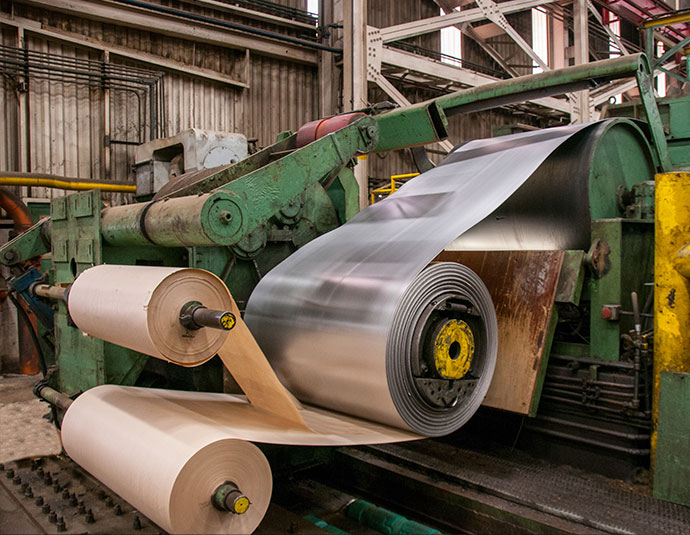
Position of Duplex 2205 Among Stainless Steel Grades
The main differences are alloy chemistry, resistance to localized corrosion and chloride stress corrosion cracking, fabrication characteristics and the severity of the intended environment.
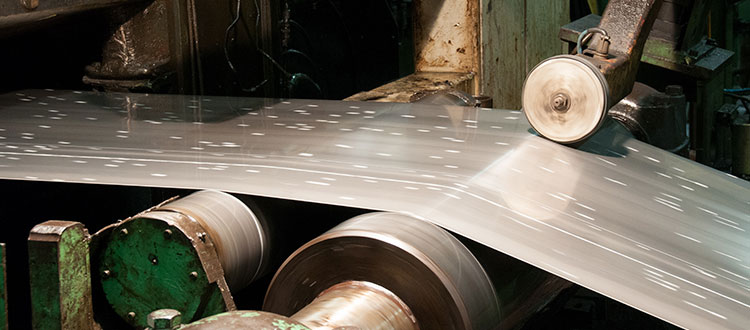
316L Austenitic Stainless Steel
316L is a molybdenum-bearing austenitic stainless steel widely used for process equipment, tanks, piping and fabricated components. It offers good general corrosion resistance and familiar forming and welding characteristics.
- UNS
- S31603
- Structure
- Austenitic
- Typical Position
- General process and moderate chloride service
Lean Duplex Stainless Steel
Lean duplex grades use lower nickel and molybdenum additions than 2205 while retaining the ferritic-austenitic duplex structure.
- Typical UNS
- S32101
- Structure
- Ferrite + austenite
- Typical Position
- Tanks, structural fabrication and moderately corrosive environments
Duplex 2205
Duplex 2205 uses approximately 22% chromium with molybdenum and nitrogen additions. It provides substantially better resistance to chloride stress corrosion cracking and localized corrosion than common 300-series austenitic stainless steels in many industrial environments.
- UNS
- S32205 / S31803
- Alloy System
- 22Cr–5Ni–3Mo–N duplex
- Typical Position
- Chemical processing, offshore systems, heat exchangers and desalination equipment
Super Duplex Stainless Steel
Super duplex grades contain higher chromium, molybdenum and nitrogen levels than 2205 and provide increased resistance to pitting and crevice corrosion in more aggressive chloride environments.
- Typical UNS
- S32750 / S32760
- Alloy System
- Approximately 25Cr with higher Mo and N
- Typical Position
- Offshore, desalination and more aggressive chloride-containing process service
Corrosion and Alloy Position
Relative comparison within common stainless steel families| Grade Family | Typical Designation | Alloy Character | Localized Corrosion | Common Industrial Position |
|---|---|---|---|---|
| 316L | UNS S31603 | Mo-bearing austenitic | Good general resistance; below duplex grades in many chloride environments | General process equipment, tanks and piping |
| Lean Duplex | UNS S32101 | Low-Ni duplex | Above conventional 304/316-type grades in many environments | Tanks, structures and process equipment |
| Duplex 2205 | UNS S32205 | 22Cr–3Mo–N duplex | Strong pitting, crevice-corrosion and chloride-SCC resistance | Chemical, offshore, heat exchanger and desalination equipment |
| Super Duplex | UNS S32750 | 25Cr high-Mo duplex | Higher localized-corrosion resistance than standard 2205 | More aggressive chloride and offshore environments |
316L
Austenitic structure, familiar fabrication and good general corrosion resistance.
Lean Duplex
Lower-alloy duplex grades positioned between common austenitic steels and 2205.
Duplex 2205
22Cr–3Mo–N alloy system with strong chloride and localized-corrosion resistance.
Super Duplex
Higher Cr, Mo and N content for more aggressive chloride-containing environments.
Alloy Position
Increasing Localized Corrosion Resistance
316L
Austenitic
Lean Duplex
Lower-alloy duplex
Duplex 2205
22Cr–3Mo–N
Super Duplex
25Cr high-alloy duplex
Relative alloy positioning only; actual corrosion performance also depends on temperature, chloride concentration, pH, oxidants, crevices, deposits and fabrication condition.
Verify Chemistry, Properties, Phase Risk and Traceability Separately
No single certificate answers every acceptance question. A controlled order distinguishes management-system assurance, material inspection documents, product-standard tests and any project-specific screening for detrimental phases or corrosion behavior.
1 · Supplier system
Certificate evidence must name the supplying legal entity and have verifiable scope and expiry before it is used for an order.
2 · Heat identity
Product marking and the inspection document connect supplied material to its heat or lot.
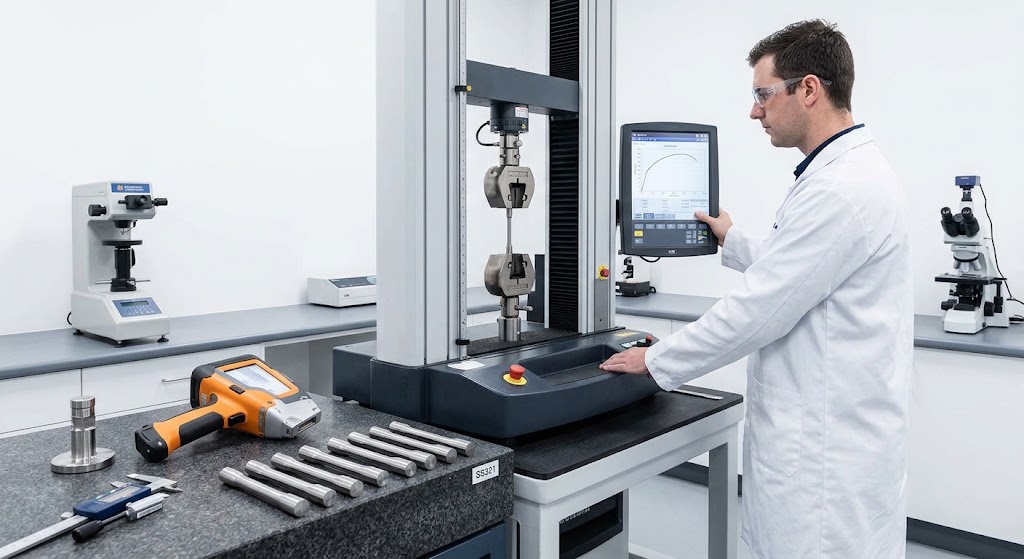
3 · Standard results
Chemistry, mechanical properties and required tests are reviewed against the ordered form standard.
4 · Added acceptance
A923 or other project tests are named when service, fabrication or buyer rules make them necessary.
ASTM A923 has a defined job
ASTM A923 provides methods for detecting detrimental intermetallic-phase effects in duplex austenitic/ferritic stainless steels. Chemistry and mechanical-property compliance alone does not necessarily demonstrate their absence.
- Name the required method and acceptance criterion in the order.
- Relate the requirement to product condition and fabrication exposure.
- A923 is a metallurgical test method rather than a service-life guarantee.
EN 10204 Inspection Documents
EN 10204 defines inspection-document types for metallic products. The required document type determines the reported material information and validation route supplied with the order.
- Required inspection-document type and validation.
- Heat-number traceability and line-item identification.
- Chemistry, mechanical properties and applicable test results.
Certificate Transparency Statement
The supplied quality certificate names Jiangsu Daxun Alloy Co., Ltd. and a management-system scope covering nickel and titanium alloys, special steels and advanced materials; it expires on 27 November 2026. The certificate relates to the management system and is separate from the Duplex 2205 material test report supplied for an individual heat or order.
Technical Inquiry
Fabrication & Processing
Preserve the Duplex Structure Through Welding and Thermal Processing
Weld behavior is less forgiving when uncontrolled heat creates phase-balance risk. The use of duplex stainless steels requires a qualified fabrication plan. Ease of fabrication can be lower compared to austenitic grades, so joint design, filler, interpass control and controlled heat input must be defined.
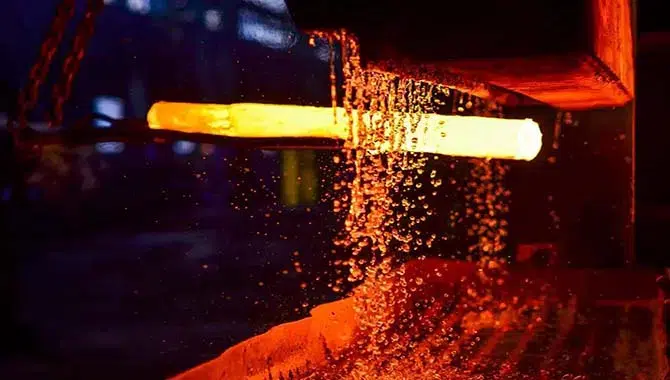
Welding controls to define
Published guidance identifies ER2209 as a used matching filler for 2205 and stresses heat-input and interpass-temperature control. Project-specific welding procedures remain authoritative for the actual joint, thickness, process and service.
- Qualified procedure and welder/operator requirements.
- Joint preparation, cleanliness and shielding/purge controls.
- Filler classification, heat input and interpass limits.
- Post-weld examination and any phase/corrosion acceptance.
Heat-treatment controls to define
The 2014 IMOA fabrication guide cites a minimum solution-annealing temperature of 1040°C / 1900°F for 2205 followed by rapid cooling. Do not use this dated guide value as a universal shop procedure; verify the current product standard and qualified procedure.
- Applicable product specification and delivery condition.
- Furnace procedure, temperature uniformity and records.
- Cooling route, distortion risk and surface treatment.
- Required post-process tests and document retention.
TECHNICAL NOTE
Machining Note
Machinability can be lower than for familiar austenitic grades because higher strength changes cutting load and workholding. Disclose finished geometry, tolerance and surface condition so the quotation separates raw material from machining scope.
Industrial Applications
Duplex 2205 Applications
Duplex 2205 is widely used in chemical processing, oil and gas, heat exchangers, pulp and paper, water systems and environmental equipment where strength and chloride corrosion resistance are required.

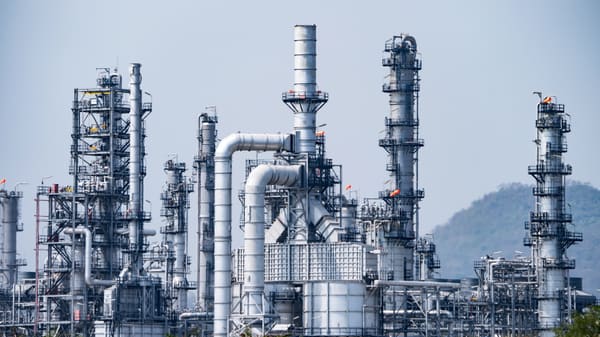
Chemical Processing
Used in corrosive process systems where higher strength and improved resistance to localized corrosion are required.
Typical: Piping · Tanks · Pressure vessels · Reactors · Scrubbers
Oil & Gas / Offshore
Applied in offshore and process equipment exposed to chlorides, pressure and demanding mechanical loads.
Typical: Process piping · Separators · Manifolds · Skids
Heat Exchangers
Used for heat-transfer equipment handling cooling water and corrosive industrial process fluids.
Typical: Tubes · Tube sheets · Shells · Process coolers
Pulp & Paper
Used in pulp and paper plants for equipment exposed to aggressive process liquids and chemical environments.
Typical: Digesters · Washers · Vessels · Piping
Marine & Water Systems
Selected for cooling-water, brackish-water and suitable marine systems where chloride resistance is important.
Typical: Water piping · Pumps · Tanks · Cooling systems
Pollution Control & FGD
Used in selected wet pollution-control systems exposed to chlorides, condensates and corrosive process streams.
Typical: Scrubbers · Absorbers · Ducts · Slurry piping
Duplex 2205 Plate, Pipe, Tube and Bar
Supply available to ASTM requirements with material traceability and inspection documentation as specified.
Supply Range
Duplex 2205 Available Product Forms
Plate, pipe, tube, bar and forgings are supplied to the applicable ASTM specification, dimensions and delivery condition.
| Product | Size Format | Supply | Typical Condition |
|---|---|---|---|
| Plate / Sheet | Thickness × Width × Length | Full plate or cut-to-size | Hot rolled · Cold rolled · Pickled |
| Seamless Pipe | NPS × SCH or OD × WT | Random or fixed length | Solution annealed · Pickled |
| Welded Pipe | NPS × SCH or OD × WT | Project and fabrication sizes | Pickled · Polished on request |
| Tube | OD × WT × Length | Seamless or welded | Pickled · Bright · Polished |
| Round Bar | Diameter × Length | Hot rolled · Forged · Finished | Black · Peeled · Turned · Polished |
| Forgings | Drawing or rough size | Rings · Discs · Blocks · Custom blanks | Forged · Rough machined · Machined |
Actual minimum and maximum sizes depend on the product form, quantity and production route. Send the required dimensions for confirmation.
Request Size Availability
Inspection & Testing
Duplex 2205 Inspection & Testing
Inspection is performed against the ordered product standard and any supplementary requirements stated in the RFQ.
- 01 Chemical Analysis Heat chemistry verified against the ordered Duplex 2205 specification.
- 02 Mechanical Testing Tensile, yield, elongation and hardness results as applicable.
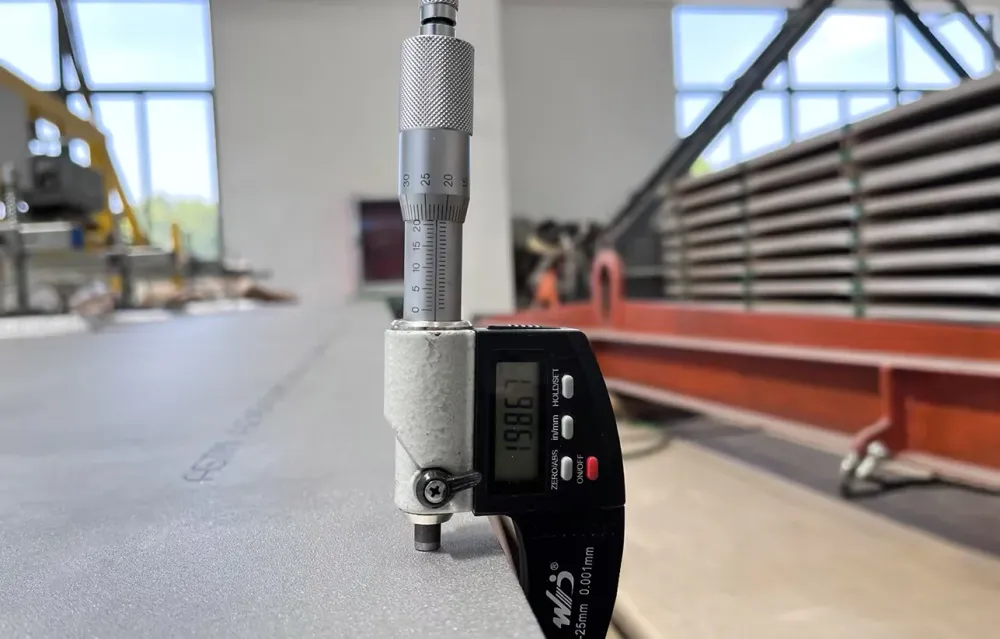
- 03 Dimensional Inspection Thickness, OD, wall thickness, width, length and ordered tolerances.
- 04 PMI & NDT PMI, UT, PT and hydrostatic testing can be provided when required.
- 05 Duplex Metallurgy Ferrite measurement, ASTM A923 and corrosion testing on request.
- 06 Traceability Heat number, material marking and inspection documents remain linked.
EN 10204 3.1
Heat Traceability
PMI on Request
UT / PT
ASTM A923 on Request
Third-Party Inspection Available
Add supplementary testing or third-party inspection requirements to the RFQ so they can be included in the quotation.
Specify Inspection
Processing & Delivery
Duplex 2205 Processing, Inspection and Export Packing
Duplex 2205 plate, pipe, tube and bar can be supplied with specified processing, inspection, marking, packing and documentation requirements for domestic and international orders.
Processing
Cutting & Machining
Cutting, turning, drilling, milling and other machining can be arranged to the required dimensions.
Inspection
Testing & Traceability
Heat-number traceability, dimensional inspection and specified material testing are maintained through order release.
Finishing
Surface & Marking
Surface condition, identification marks and protective requirements are prepared according to the purchase order.
Delivery
Packing & Documents
Packing method and commercial or inspection documentation are prepared for the selected shipment and destination.
Inspection & Documentation
Material Identification Through Final Release
Duplex 2205 orders can be controlled from incoming material identification through processing and final inspection. Required inspection records are linked to the supplied material and purchase-order requirements.
- Heat or lot identification and material marking
- Dimensional, surface and quantity inspection
- Chemistry, mechanical and additional test records as specified
- EN 10204 inspection documentation when required
Packing
Packing for Plate, Pipe, Tube and Bar
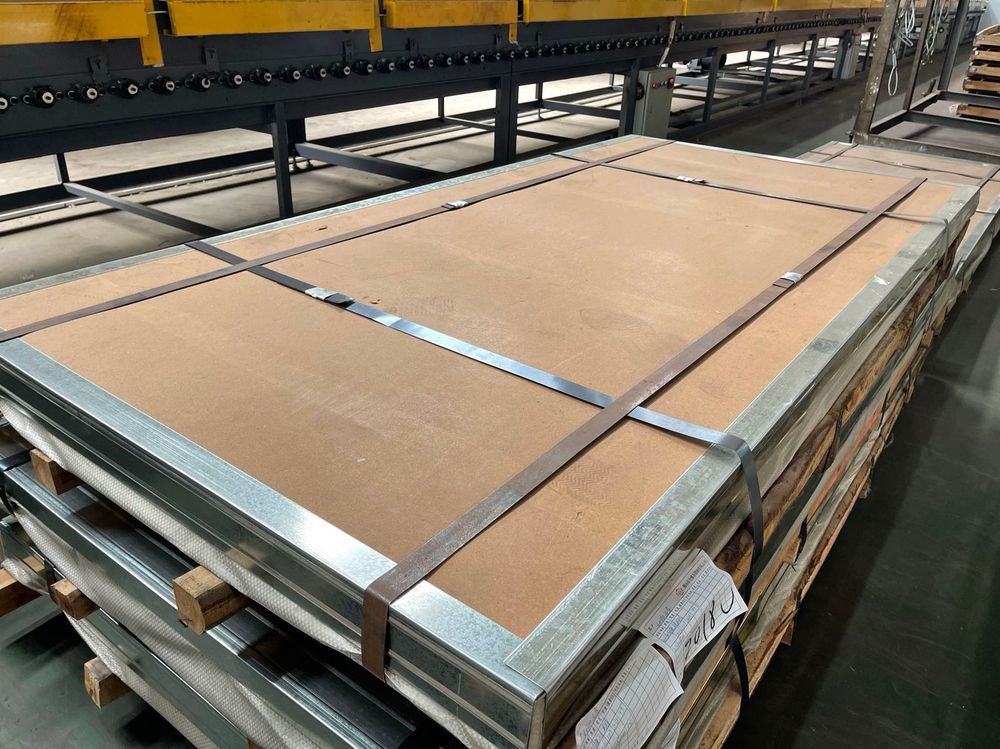
Packing is selected according to product form, dimensions, handling method and shipment requirements. Additional protection can be specified for long-distance or international transport.
- Bundles, skids, cases or other suitable packing
- End protection for pipe and tube where required
- Moisture protection and external identification
- Package weight, lifting and handling requirements
2205
Duplex Stainless Steel
Available Forms
- Plate
- Sheet
- Pipe
- Tube
- Round Bar
- Forgings
Material Documentation
- MTC / MTR
- EN 10204 3.1
- Heat Traceability
- PMI When Specified
- NDT When Specified
Request for Quotation
What to Include in a Duplex 2205 RFQ
Send the material grade, product form, dimensions, quantity, applicable specification and required inspection or delivery information. Complete RFQ data allows the quotation to reflect the actual material and supply scope.

RFQ Information
Drawings, bills of material and purchase specifications can be attached where available. For standard stock enquiries, grade, product form, dimensions and quantity are normally sufficient for an initial quotation.
01
Grade & Standard
Specify Duplex 2205 grade and the applicable ASTM, ASME or other product specification.
Example UNS S32205 · ASTM A240 / A790 / A789 / A276
02
Product & Dimensions
State the required product form, dimensions, length, tolerance and quantity for each line item.
Products Plate · Sheet · Pipe · Tube · Round Bar · Forgings
03
Surface & Processing
Include surface condition, cut length, machining, end preparation or other processing when required.
Options Pickled · Polished · Cut to Length · Machined
04
Inspection & Documents
State the required material certificate, supplementary testing, PMI, NDT or third-party inspection requirements.
Documents MTC / MTR · EN 10204 3.1 · Heat Traceability
05
Delivery & Packing
Provide the destination, required delivery term, packing method and requested delivery date where known.
Delivery EXW · FOB · CIF · Other agreed IncotermSend Your Duplex 2205 Requirement
Attach your RFQ, drawing or bill of material. TiAlloy can quote plate, pipe, tube, bar and other Duplex 2205 product forms with the required inspection and documentation scope.
Why TiAlloy
Duplex 2205 Supply Backed by Metal Processing Experience
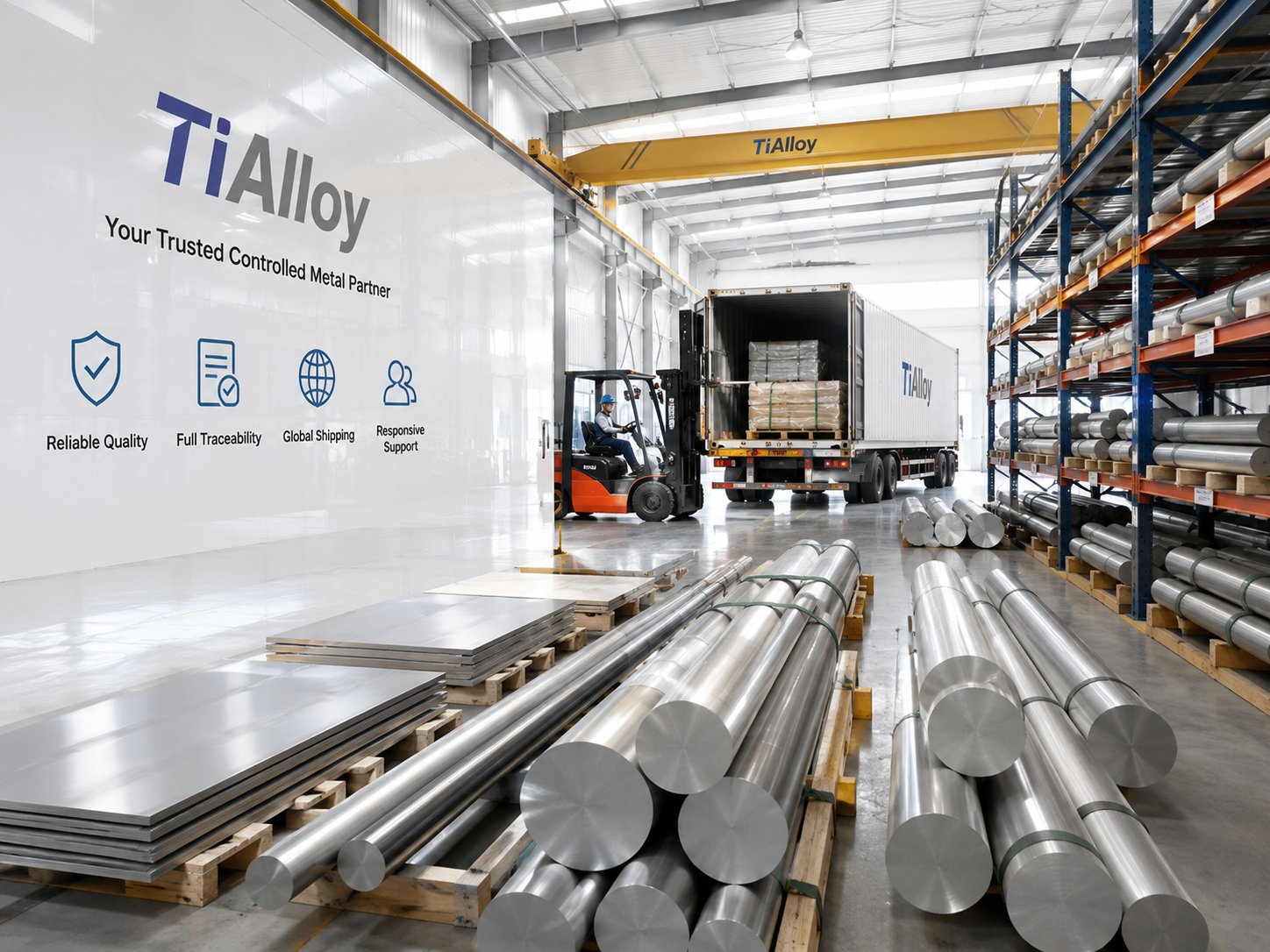
TiAlloy combines more than 20 years of metal-industry experience with a production base of more than 30,000 m² and a supply network covering stainless steel, titanium and nickel alloys for industrial customers worldwide.
20+
Years of Experience
Metal manufacturing, processing and international supply experience.
30,000+ m²
Production Base
Production, processing, inspection and material-handling facilities.
3
Major Alloy Families
Stainless steels, titanium alloys and nickel-based alloys.
Global
Export Supply
Packing, documentation and shipment coordination for international orders.
Order Support
From RFQ to Final Delivery
Duplex 2205 orders can include material supply, processing, inspection, documentation, packing and delivery requirements. The confirmed quotation and purchase order define the final supply scope for each transaction.
- Specification Grade, ASTM specification, product form, dimensions, quantity, surface condition and required processing are confirmed before production.
- Production Production progress and processing status can be coordinated throughout the order.
- Inspection Material traceability, MTC / MTR, dimensional inspection, PMI, NDT and additional testing can be provided as specified.
- Packing Bundles, skids, cases, end protection, marking and other packing requirements are selected according to product form and shipment.
- Delivery Commercial documents, packing information and shipment coordination are prepared according to the agreed delivery terms.
2205
Duplex Stainless Steel
Available Forms
- Plate
- Sheet
- Pipe
- Tube
- Round Bar
- Forgings
Material Documentation
- MTC / MTR
- EN 10204 3.1
- Heat Traceability
- PMI When Specified
- NDT When Specified
Resources
Engineering Procurement Tools
Duplex 2205 Procurement FAQ
What is the difference between UNS S31803 and S32205?
UNS S32205 uses a narrower chemistry window than S31803, including a defined minimum nitrogen level, to improve consistency in 2205 production and fabrication. Put the exact designation on the RFQ, drawing and purchase order, and require buyer approval before any proposed substitution.
Which ASTM standard applies to Duplex 2205 plate?
ASTM A240/A240M-26 covers stainless plate, sheet and strip in the cited product route. A complete plate order must also state the UNS grade, dimensions, unit system, delivery condition, surface finish, edge condition, inspection-document type and any supplementary project acceptance requirements.
Are Duplex 2205 pipe and tube covered by the same standard?
No. ASTM A790/A790M-24 covers ferritic-austenitic stainless pipe made without a longitudinal weld or with a straight welded seam for general corrosive service, while ASTM A789/A789M-24 covers tubing. Clearly state the product route, diameter basis, wall requirement, length and manufacturing method.
Is Duplex 2205 always better than 316L in chloride service?
No. Duplex 2205 may offer a useful combination of strength and chloride-related corrosion resistance, but grade name alone cannot approve service. Compare fluid chemistry, temperature, pH, oxidants, crevice geometry, deposits, flow, stress, welding, cleaning cycles and the governing design code.
What does ASTM A923 prove?
ASTM A923 provides specified methods for detecting detrimental intermetallic-phase effects in duplex stainless steels. The purchase order must name the method and acceptance criterion, and a passing result does not replace product-standard compliance, corrosion review, fabrication control or a project-specific service-life assessment.
Certificate evidence must name the supplying legal entity and have verifiable scope and expiry before it is used for an order.
Certificate evidence must name the supplying legal entity and have verifiable scope and expiry before it is used for an order.
Does ISO 15156-3 approve Duplex 2205 for every oil and gas application?
No. ISO 15156-3:2020 addresses cracking resistance for defined materials in hydrogen-sulfide-containing upstream oil-and-gas production and natural-gas treatment. It does not approve every downstream, general-corrosion or localized-corrosion application, so the buyer must confirm environment, material condition and the current project specification.
What information is needed for a reliable quotation?
A reliable quotation needs the UNS grade and service, product form, dimensions and tolerances, governing standard and condition, inspection and traceability package, quantity, processing, packing, destination, Incoterm and requested schedule. Mark unresolved engineering fields as open so exclusions and approval responsibilities remain visible. Add the applicable unit system, surface or end condition, machining allowance, test acceptance criteria, third-party hold points and any buyer document template; TiAlloy can then expose exclusions before production rather than after inspection or dispatch.