Get in Touch with TiAlloy Company

Inconel 600 / Alloy 600 · Industrial Supply See our Inconel 625 page for related specification guidance.
Inconel 600 Supplier for Plate, Sheet, Tube, Pipe and Bar
Alloy 600 UNS N06600 W.Nr. 2.4816 Nickel-Chromium-Iron Alloy
TiAlloy supplies Alloy 600 in plate, sheet, strip, pipe, tube, bar, rod, wire and forged forms. Product specification, dimensions, delivery condition and inspection requirements are confirmed against each enquiry before quotation.
Send the product form, standard, dimensions, quantity and required condition for size availability, documentation scope and quotation.
Product Forms
Plate · Sheet · Strip · Pipe · Tube · Bar · Rod · Wire · Forgings
Common ASTM Specifications
B168 · B167 · B163 · B166 · B564 Final specification depends on product form.
Supply Route
Stock matching and made-to-order supply Dimensions and condition confirmed per RFQ.
Inspection & Documentation
MTC · EN 10204 3.1 PMI, NDT, EN 10204 3.2 and third-party inspection when specified and applicable.
Alloy 600 / UNS N06600 Product Range
Inconel 600 Products & Available Forms
TiAlloy supplies Alloy 600 across flat products, seamless and welded tubular products, bar, rod, wire, forgings and wrought fittings. Product form is confirmed first because the applicable specification, dimensions and delivery requirements vary by the ordered form.
Select a product form below to review the common specification route and the information normally required for quotation.

Flat Products
Inconel 600 Plate, Sheet, Strip & Coil
Alloy 600 flat products are supplied for fabricated equipment, formed components, thermal-processing equipment and other industrial applications requiring nickel-chromium alloy material.
Available Forms
Plate · Sheet · Strip · Coil supply
Common Specification
ASTM B168 / ASME SB-168 for plate, sheet and strip.
Quote Information
Thickness · Width · Length or coil requirement · Quantity · Condition · Surface
Seamless Tubular Products
Inconel 600 Seamless Pipe & Tube
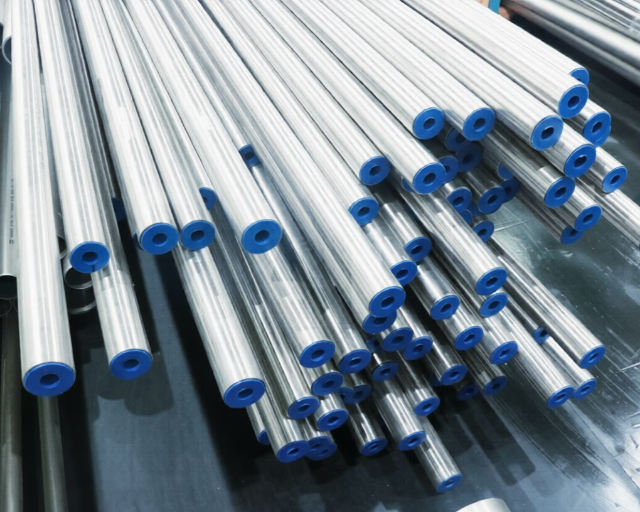
Seamless Alloy 600 pipe and tube can be supplied for process piping, heat-transfer equipment and fabricated assemblies. The required specification depends on whether the order is for general seamless pipe/tube or condenser and heat-exchanger tubing.
Available Forms
Seamless Pipe · Seamless Tube · Heat-Exchanger Tube
Common Specifications
ASTM B167 / ASME SB-167 · ASTM B163 / ASME SB-163
Quote Information
OD or pipe size · Wall thickness or schedule · Length · Quantity · Ends · Condition · Testing
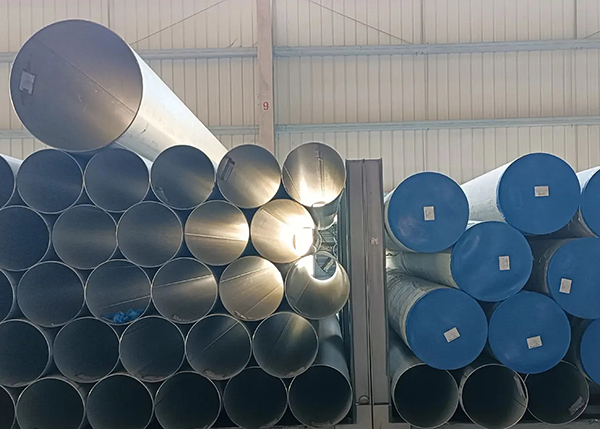
Welded Tubular Products
Inconel 600 Welded Pipe & Tube
Welded Alloy 600 tubular products are reviewed against the required pipe or tube specification, dimensional standard, weld condition and inspection scope before quotation.
Available Forms
Welded Pipe · Welded Tube · Welded Heat-Exchanger Tube
Common Specifications
ASTM B517 / ASME SB-517 · ASTM B516 / ASME SB-516
Quote Information
OD or pipe size · Wall or schedule · Length · Quantity · End preparation · Weld requirements · NDT when specified
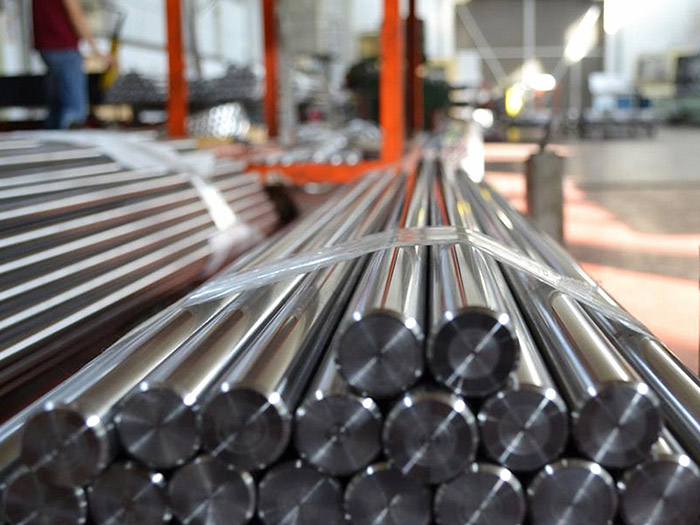
Long Products
Inconel 600 Bar, Rod & Wire
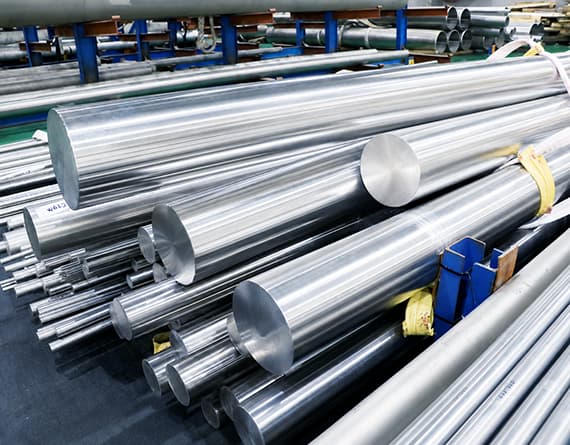
Alloy 600 long products are supplied in the form and condition required for machining, fabrication, forming or further processing.
Available Forms
Round Bar · Rod · Flat Bar · Hexagon · Wire
Common Specification
ASTM B166 / ASME SB-166
Quote Information
Shape · Diameter or section size · Length or coil form · Quantity · Condition · Surface · Tolerance
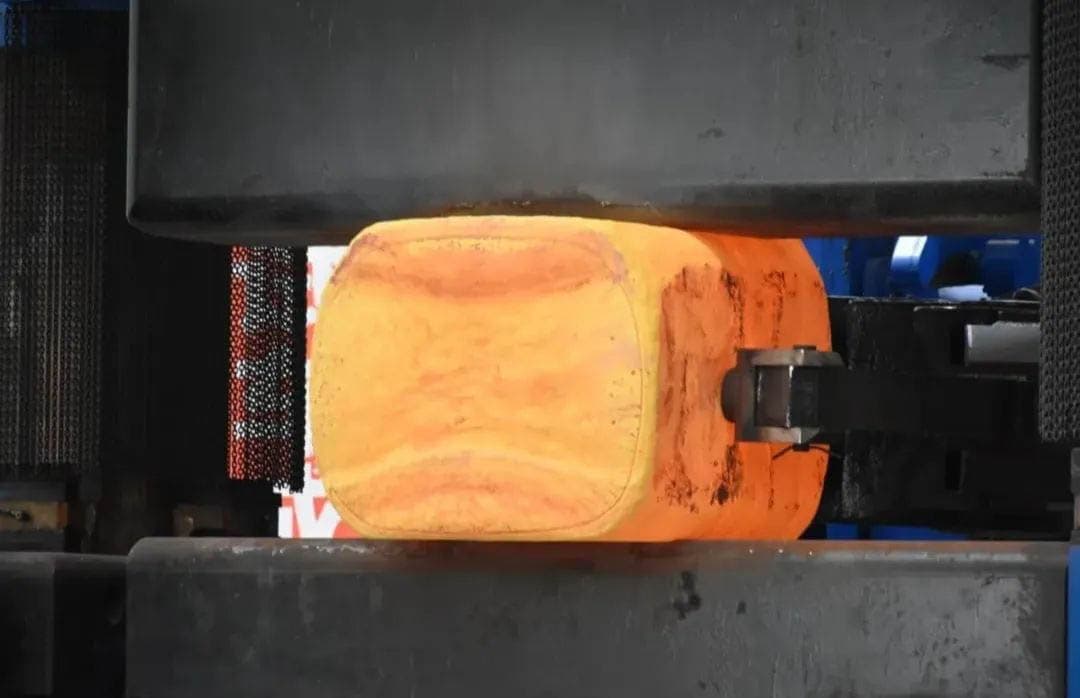
Forged & Formed Products
Inconel 600 Forgings & Wrought Fittings
Forged Alloy 600 products and factory-made wrought fittings are supplied against the applicable material specification, component geometry and inspection requirements.
Available Forms
Forgings · Forging Stock · Rings · Wrought Fittings
Common Specifications
ASTM B564 / ASME SB-564 · ASTM B366 / ASME SB-366
Quote Information
Component or fitting type · Drawing where applicable · Dimensions · Quantity · Condition · Inspection scope
600
Need a Specific Alloy 600 Product Form or Size?
Send the product form, specification, dimensions and quantity. Availability, delivery condition and applicable inspection requirements will be reviewed with the quotation.
Alloy 600 · UNS N06600 Material Data
Inconel 600 Chemical Composition & Mechanical Properties
Alloy 600 / Inconel 600 is a nickel-chromium-iron alloy designated UNS N06600 and W.Nr. 2.4816. Chemistry defines the alloy identity, while room-temperature mechanical properties vary with product form and processing condition.
Grade Identity
Alloy 600
Inconel 600
UNS
N06600
W.Nr.
2.4816
Alloy System
Ni-Cr-Fe
Strengthening
Cold-work strengthened; not precipitation hardenable
Typical Room-Temperature Properties
Annealed conditions| Product | Tensile MPa | Yield MPa | Elong. % |
|---|---|---|---|
| Plate | 550–725 | 205–345 | 35–55 |
| Sheet / Strip | 550–690 | 205–310 | 35–55 |
| Rod / Bar | 550–690 | 170–345 | 35–55 |
| Tube / Pipe | 520–690 | 170–345 | 35–55 |
Typical composite ranges for standard annealed product forms. These values are not specification acceptance limits. Final mechanical requirements follow the ordered product specification, form, size and condition.
Limiting Chemical Composition
Weight %
| Element | Description | Composition |
|---|---|---|
| Ni + Co | Nickel plus cobalt | ≥ 72.0% |
| Cr | Chromium | 14.0–17.0% |
| Fe | Iron | 6.00–10.00% |
| C | Carbon | ≤ 0.15% |
| Mn | Manganese | ≤ 1.00% |
| S | Sulfur | ≤ 0.015% |
| Si | Silicon | ≤ 0.50% |
| Cu | Copper | ≤ 0.50% |
Ni + Co ≥72%
Nickel-Rich Base
High nickel content is central to the alloy’s corrosion behavior.
Cr 14–17%
Chromium Addition
Chromium supports resistance to oxidizing environments.
Fe 6–10%
Ni-Cr-Fe System
Controlled iron completes the principal alloy system.
N06600
Chemistry and Mechanical Properties Are Verified by Product Specification
Chemical limits identify Alloy 600, while mechanical requirements depend on product form, dimensions and condition. Final acceptance is based on the ordered specification and the material test documentation for the supplied heat.
Alloy 600 · Product Specifications
Inconel 600 ASTM, ASME & AMS Standards
The governing specification for Alloy 600 / UNS N06600 depends on the ordered product form. Plate, tube, pipe, bar and forgings therefore need to be matched to the applicable material specification before quotation.
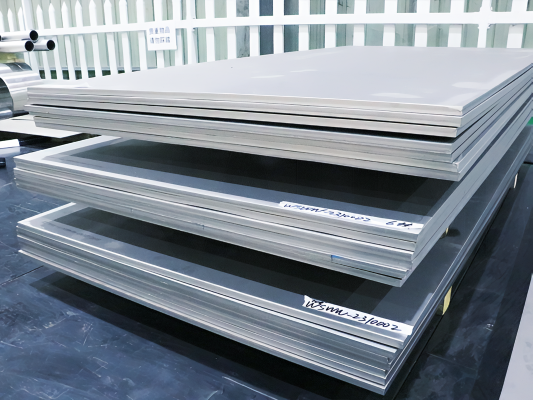
Specification Review
Product Form Determines the Applicable Alloy 600 Standard
A request for “ASTM Inconel 600” alone does not define the ordered product. State whether the requirement is for plate, sheet, pipe, tube, bar, wire, forging or fitting, together with the required ASTM, ASME, AMS or project specification.
Common Alloy 600 Product Specifications
UNS N06600
| Product Form | ASTM | ASME | Other Common Route |
|---|---|---|---|
| Plate / Sheet / Strip | ASTM B168 | ASME SB-168 | AMS 5540 |
| Seamless Pipe / Tube including heat-exchanger tube routes | ASTM B167 ASTM B163 for condenser / heat-exchanger tube | ASME SB-167 ASME SB-163 where applicable | AMS 5580 |
| Welded Pipe / Tube | ASTM B517 ASTM B516 for welded heat-exchanger / condenser tube | ASME SB-517 ASME SB-516 where applicable | Weld and inspection requirements follow the ordered route |
| Rod / Bar / Wire | ASTM B166 | ASME SB-166 | AMS 5665 / AMS 5687 |
| Forgings / Fittings | ASTM B564 ASTM B366 for wrought fittings | ASME SB-564 ASME SB-366 for wrought fittings | Drawing, class and component requirements may also apply |
Pipe & Tube
General requirements may also apply
General-requirement specifications for nickel-alloy pipe and tube may apply in addition to the main material specification, depending on the ordered product.
ASME Code
Code requirements follow the actual equipment design basis
Pressure-equipment orders should state the required ASME specification, applicable Code requirements and project inspection scope.
ASTM
Need Alloy 600 to a Specific Product Standard?
Send the product form, specification, dimensions and quantity. The applicable supply condition and inspection requirements will be reviewed with the quotation.
Alloy 600 · Heat Treatment & Delivery Condition
Inconel 600 Heat Treatment, Surface & Supply Conditions
Inconel 600 / Alloy 600 / UNS N06600 may be supplied in annealed or product-specific worked conditions. Heat treatment, surface finish and final delivery condition are confirmed against the product form, specification and required properties.
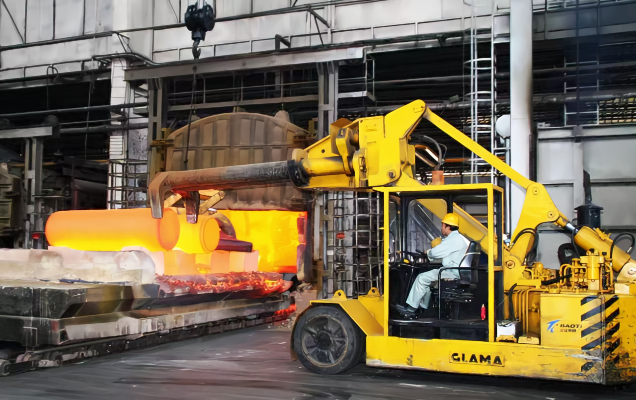
Alloy 600 Supply Condition
Heat Treatment and Surface Follow the Ordered Product
Annealing, working condition and final surface are selected according to product form, specification and downstream fabrication requirements.
Heat Treatment
Inconel 600 Annealing & Solution Treatment
Alloy 600 annealing depends on prior cold work, dimensions, grain structure and required final properties.
~1010°C / 1850°F
General published annealing reference for producing relatively soft Alloy 600 material.
1090–1150°C
Higher solution-treatment range where specific high-temperature properties are required.
Supply Condition
Annealed, Hot-Worked or Cold-Worked
Plate, sheet, strip, pipe, tube, bar and wire may use different processing routes. The final Alloy 600 delivery condition therefore follows the ordered product specification.
Product-Specific
Final condition depends on product form, dimensions and required mechanical properties.
UNS N06600
Alloy designation alone does not define the complete delivery condition.
Surface Finish
Descaled, Pickled or Product-Specific Finish
Heating can form surface oxide. Descaling, pickling, peeling, turning or grinding may therefore form part of the finishing route depending on product type.
Clean Heating
Oil, grease and surface contamination should be removed before heat treatment.
Sulfur Control
Sulfur contamination should be avoided when heating nickel-rich Alloy 600.
HT
Need a Specific Alloy 600 Condition or Surface Finish?
Send the product form, specification, dimensions and required condition for availability and finishing-route review.
Alloy 600 · Corrosion & Heat Performance
Inconel 600 Corrosion Resistance & High-Temperature Performance
Inconel 600 / Alloy 600 / UNS N06600 combines high nickel content with chromium for resistance to chloride-ion stress-corrosion cracking, oxidizing environments and elevated-temperature service. Final suitability depends on the actual environment and design conditions.
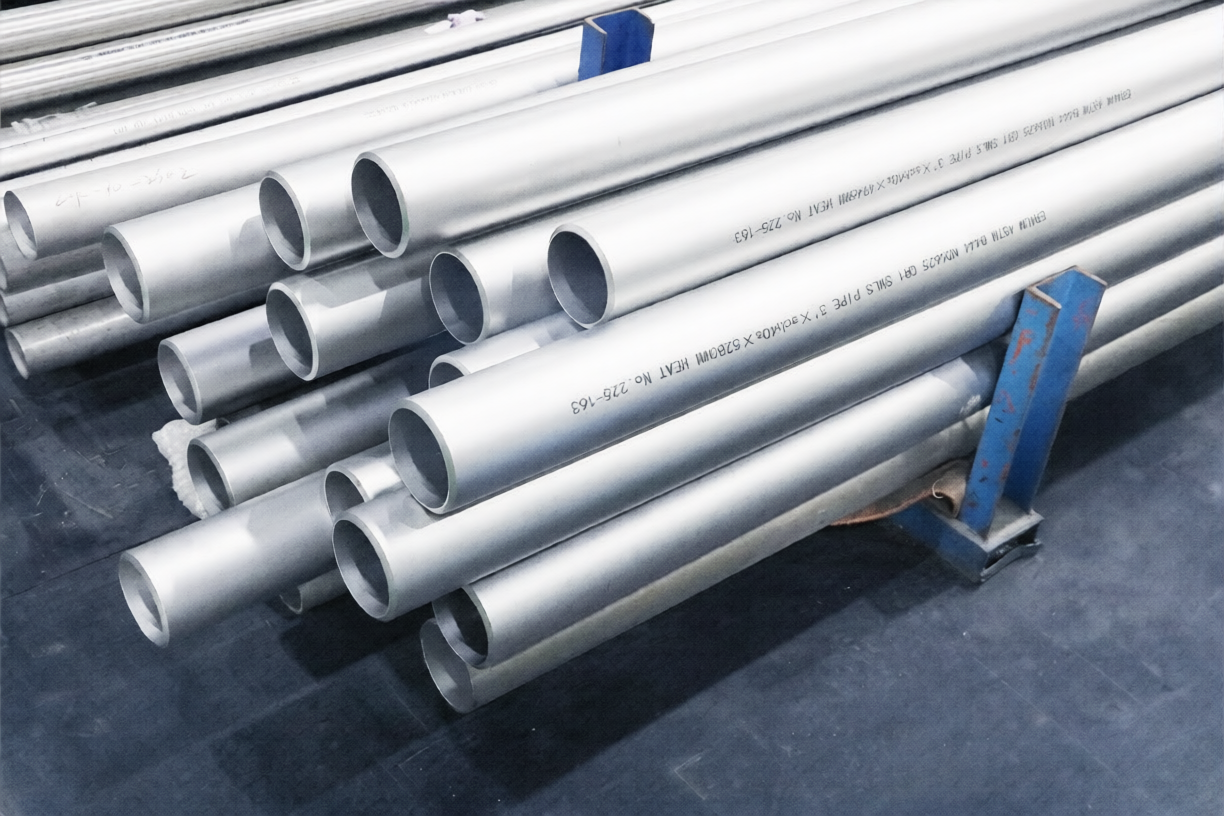
Alloy 600 Service Performance
Corrosion and Temperature Must Be Evaluated Together
Medium, concentration, temperature, contaminants, crevice conditions and applied stress can all influence Alloy 600 performance.
Chloride SCC
High nickel content provides very high resistance to chloride-ion stress-corrosion cracking.
Oxidation
Chromium contributes resistance to oxidizing environments and elevated-temperature oxidation.
Reducing / Alkaline Media
Nickel-rich chemistry provides useful resistance in many reducing and alkaline environments.
Marine Exposure
Alloy 600 is not normally the first choice for severe seawater crevice-corrosion service.
Corrosion Resistance
Inconel 600 Corrosion Behavior
Alloy 600 resists many organic and inorganic media, while its nickel-rich composition is particularly useful where chloride stress-corrosion cracking is a concern.
Chlorides
Strong SCC resistance, but not universal immunity to localized chloride corrosion.
Severe caustic service
High-temperature and highly concentrated caustic environments require separate material review.
High-Temperature Performance
Oxidation, Carburization & Furnace Atmospheres
Inconel 600 is used in elevated-temperature equipment because of its oxidation resistance and performance in several furnace atmospheres.
Oxidation
Published cyclic oxidation testing is available at 980°C / 1800°F.
Carburization
Alloy 600 provides useful resistance in many high-temperature carburizing atmospheres.
980°C
Cyclic Oxidation Reference
Published oxidation-test temperature, not a universal operating-temperature limit.
>1095°C
Documented Applications
Literature reports applications above 2000°F, subject to environment, loading and design basis.
Sulfur Risk
Furnace Limitation
Sulfur-containing high-temperature atmospheres require caution because sulfidation may occur.
Material Selection
Alloy 600 should not be selected from one temperature or corrosion statement alone. Review medium, concentration, temperature, pH, contaminants, crevice conditions, fabrication condition and stress for aggressive service.
600
Alloy 600 for Corrosive or High-Temperature Service?
Send the service environment, operating temperature, product form, specification, dimensions and quantity for supply review.
Alloy 600 · Size & Processing Review
Inconel 600 Sizes, Dimensions & Custom Processing
Inconel 600 / Alloy 600 / UNS N06600 is supplied in multiple product forms, but available dimensions depend on the governing specification, manufacturing route and required condition. TiAlloy reviews stock matching, made-to-order sizes and required processing against each RFQ.
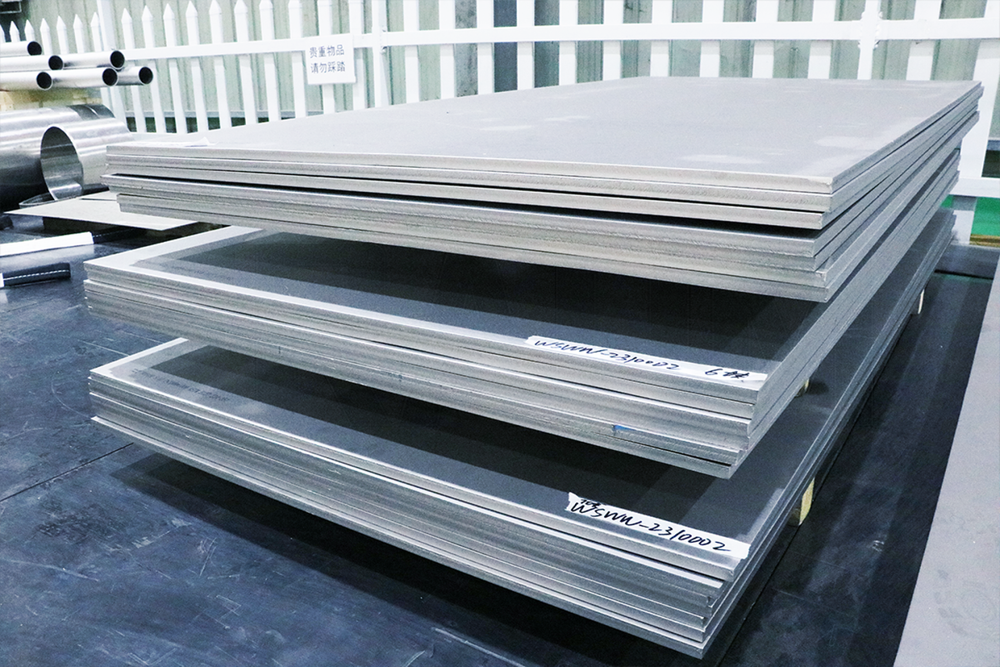
Alloy 600 Flat Products
Plate & Sheet Dimensions Are Confirmed Against the Ordered Specification
Inconel 600 Plate & Sheet Sizes
Alloy 600 Plate, Sheet & Cut-to-Size Processing
Plate and sheet enquiries should define the complete dimensional requirement rather than thickness alone. Availability is checked against stock, production route, required condition and finishing requirements.
Dimension Fields
- Thickness or gauge
- Width
- Length or cut size
- Flatness and dimensional tolerance
Processing Options
- Cut-to-size processing
- Leveling and cut-length preparation
- Edge preparation
- Grinding or surface processing when specified
Availability Basis
No universal stock thickness range is assumed. Required plate or sheet dimensions are checked against current stock and feasible production before quotation.
Alloy 600 Tubular Products
OD, Wall, Length and End Requirements Control the Tubular RFQ
Inconel 600 Pipe & Tube Dimensions
Alloy 600 Seamless & Welded Pipe / Tube Sizes
Pipe and tube dimensions must be matched to the applicable ASTM or ASME route and the required seamless or welded construction. OD, wall and length should be stated together.
Dimension Fields
- OD or nominal pipe size
- Wall thickness or schedule
- Cut or random length
- Dimensional and straightness tolerance
Processing Options
- Cut-length preparation
- End facing or end preparation
- Surface processing when required
- Machining and inspection coordination
Availability Basis
Tube and pipe availability depends on seamless or welded route, OD, wall, length, standard and required condition .
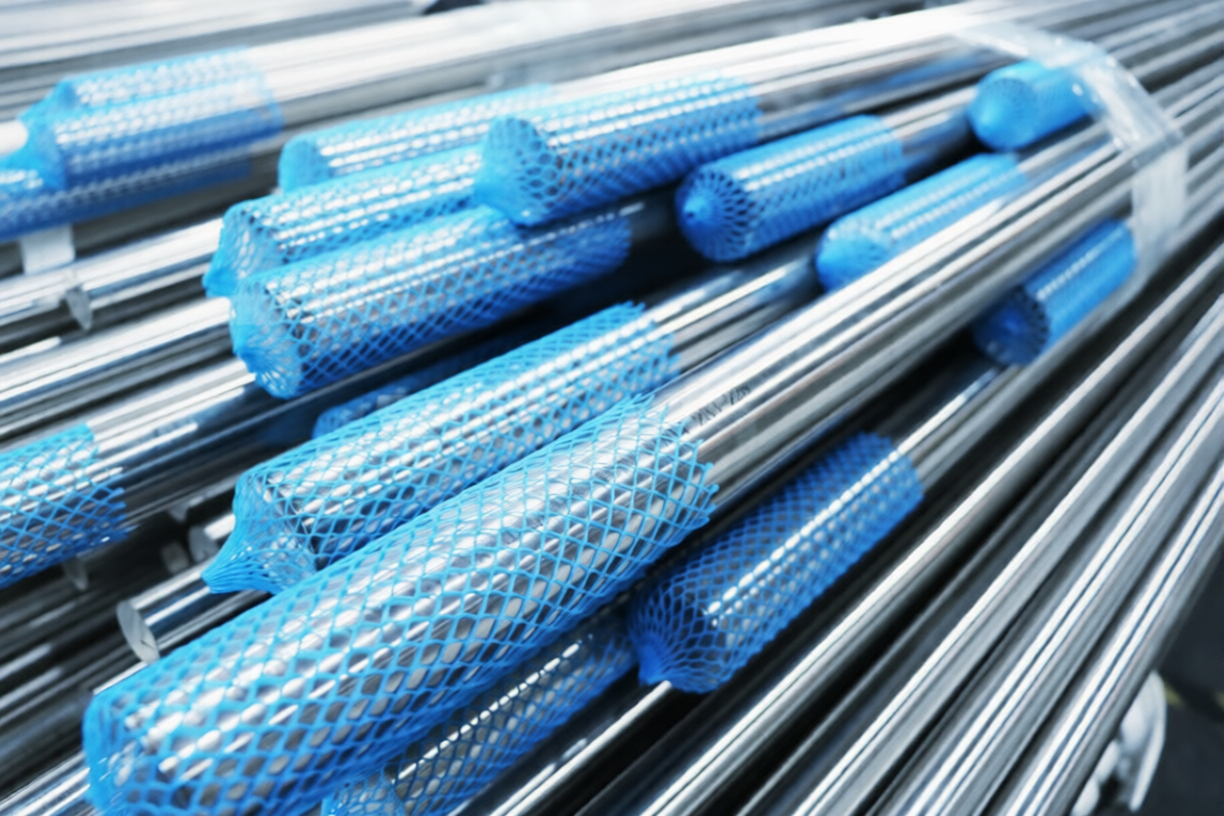
Alloy 600 Long Products
Bar Diameter, Length, Surface and Machining Allowance Are Reviewed Together
Inconel 600 Bar & Rod Sizes
Alloy 600 Round Bar, Rod & Machined Bar Supply
Bar enquiries should state the finished or starting diameter, length, condition and dimensional tolerance. Additional stock may be left where downstream machining allowance is required.
Dimension Fields
- Diameter or section size
- Length
- Straightness and tolerance
- Finished or machining-stock dimensions
Processing Options
- Saw cutting to length
- Turning or peeling
- Grinding where specified
- Machining allowance preparation
Availability Basis
Stocked and made-to-order routes are reviewed separately. Diameter, condition, surface and tolerance can change the feasible supply route.
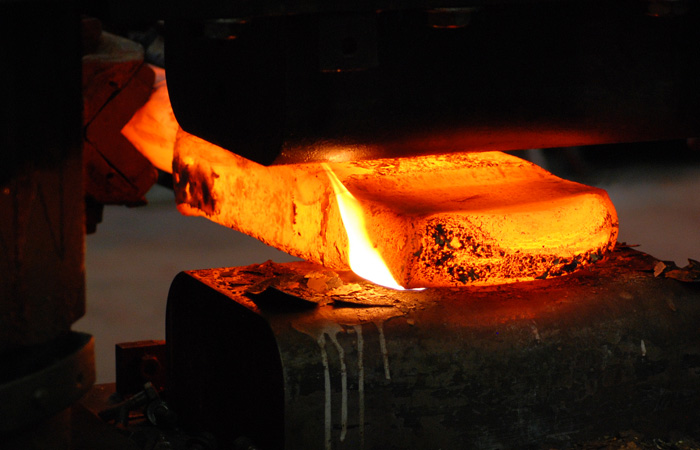
Alloy 600 Custom Products
Forgings and Machined Parts Start With the Drawing and Material Route
Inconel 600 Forgings & Custom Parts
Alloy 600 Forgings, Rings & Drawing-Based Components
Custom Alloy 600 components require the material specification and drawing to be reviewed together. Starting stock, forging allowance, heat-treatment condition and final machining requirements affect the supply route.
Dimension Fields
- Drawing revision
- Starting and finished dimensions
- Tolerances and machining allowance
- Required quantity and inspection points
Processing Options
- Forging-route coordination
- Rough machining
- Finish machining when specified
- Dimensional inspection and traceability
Availability Basis
Drawing-based parts are reviewed according to starting material, geometry, condition, machining scope and inspection requirements before production availability is confirmed.
Stock Matching
Existing material is checked against grade, form and dimensions.
Made to Order
Non-stock sizes are reviewed against feasible production routes.
Custom Processing
Cutting, finishing and machining are confirmed to the RFQ scope.
Final Confirmation
Size, condition, inspection and delivery are confirmed with quotation.
SIZE
Need a Specific Inconel 600 Size or Processing Route?
Send the Alloy 600 product form, specification, dimensions, quantity and required processing. Size availability and the applicable stock or production route will be confirmed with the quotation.
Alloy 600 · Industrial Applications
Inconel 600 Applications & Common Industrial Uses
Inconel 600 / Alloy 600 / UNS N06600 is used in heat-treatment equipment, chemical-processing hardware, heat exchangers, selected nuclear components, aeronautical hardware and electrical or electronic equipment where its nickel-chromium-iron composition provides a useful combination of corrosion resistance, oxidation resistance and elevated-temperature performance.
Final material approval still depends on temperature, atmosphere, chemical medium, stress, fabrication condition and the governing project specification.
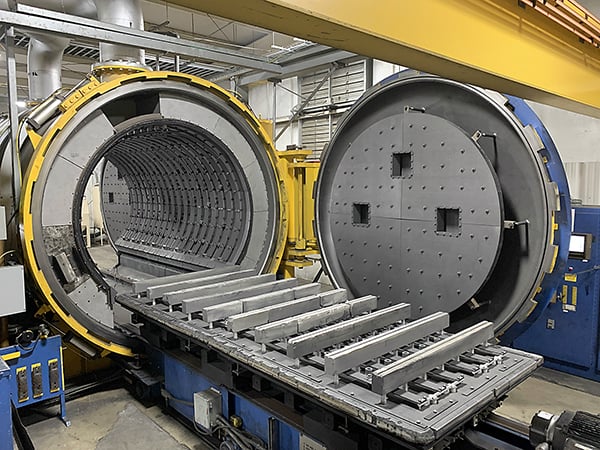
Heat Treatment & Furnaces
Furnace Components & Heat-Treating Equipment
Alloy 600 is widely associated with heat-treatment equipment where components must retain useful strength while resisting oxidation in elevated-temperature furnace service.
Typical Uses
Retorts · Muffles · Roller hearths · Furnace components · Heat-treating baskets and trays
Check before specifying: operating temperature, furnace atmosphere, sulfur exposure, thermal cycling and working load.

Chemical Process Equipment
Inconel 600 is used in chemical-processing equipment where nickel-rich corrosion resistance is combined with chromium for service involving heat and oxidizing conditions.
Typical Uses
Process heaters · Stills · Bubble towers · Process piping · Chemical handling components
Check before specifying: medium, concentration, temperature, pressure, contaminants and localized-corrosion conditions.
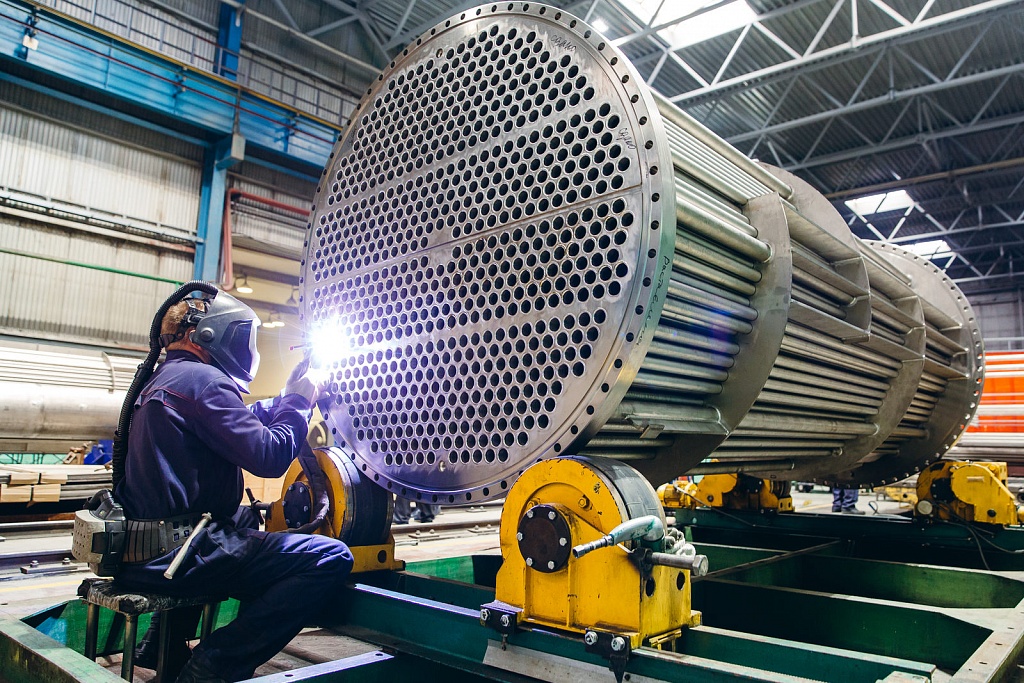
Heat Exchangers & Condensers
Heat-Exchanger & Condenser Tubing
Alloy 600 tube has established use in condenser, evaporator and process-heating equipment. Tube procurement must match the actual exchanger duty and the applicable tube specification.
Typical Uses
Condenser tubes · Evaporator tubes · Tube sheets · Process heaters · Shell-and-tube equipment
Check before specifying: fluid chemistry, tube wall basis, pressure, cleanliness, tube-sheet interface and required inspection.

Nuclear Engineering
Specified Nuclear-Engineering Components
Alloy 600 has a long history of use in specified nuclear-engineering components and high-purity-water systems. Current material selection must follow the applicable component and plant requirements.
Application Context
Reactor-related components · Tubular products · High-integrity fabricated parts · Project-specified UNS N06600 components
Project control: Alloy 600 should not be treated as automatically approved for every nuclear or water-side environment; design code, service history and project specification remain authoritative.

Aerospace & Aeronautical
High-Temperature Aeronautical Components
Alloy 600 has been used in aeronautical hardware requiring elevated-temperature oxidation resistance together with workable nickel-alloy mechanical properties.
Typical Uses
Exhaust liners · Turbine seals · Lockwire · Engine hardware · High-temperature airframe components
Check before specifying: drawing revision, AMS or project specification, temperature, loading, traceability and inspection requirements.

Electrical & Electronic Equipment
Electrical, Electronic & Instrument Components
Inconel 600 has also been used for electrical and electronic parts where corrosion resistance, spring properties or elevated-temperature stability are required by the design.
Typical Uses
Tube-support components · Springs · Grid components · Electrical hardware · Temperature-related instrument parts
Check before specifying: geometry, electrical or thermal duty, mechanical condition, operating temperature and component specification.
Application Selection
The presence of an application in this list does not by itself approve Alloy 600 for a project. For demanding service, confirm temperature, atmosphere or process medium, concentration, pressure, applied stress, product form, fabrication route and governing specification before material release.
600
Sourcing Alloy 600 for an Industrial Application?
Send the application, operating conditions, required product form, specification, dimensions and quantity. The applicable Alloy 600 supply route can then be reviewed with the quotation.
Alloy 600 · Inspection and Traceability
Inconel 600 Inspection, Testing and Material Traceability
Inconel 600 / Alloy 600 / UNS N06600 inspection is based on the ordered product specification, heat identity, dimensions, condition and agreed acceptance requirements.
PMI, NDT, third-party inspection and additional documentation are included only when required by the specification or confirmed with the order.

Material Release
The physical material and its inspection records remain linked by heat identity
Product marking, heat number, test results and certificate information should remain traceable through the agreed supply and inspection route.
Inspection Scope
What is checked before Alloy 600 material release
Inspection scope varies by plate, sheet, pipe, tube, bar, forging or machined product. The governing specification and purchase order define the final acceptance basis.
Material identity
Alloy 600 / UNS N06600 designation, heat number, product form and material marking are checked against the ordered material and documentation.
Chemical analysis
Heat chemistry is reviewed against the applicable material specification. PMI can be added when positive material identification is required.
Mechanical testing
Tensile and other mechanical results are supplied where required by the governing product specification and ordered material condition.
Nondestructive testing
Hydrostatic, eddy-current, ultrasonic or other NDT methods may apply depending on product form, specification and supplementary requirements.
Dimensions and surface
Thickness, OD, wall, diameter, length, straightness, tolerances, surface condition and drawing dimensions are checked against the ordered acceptance basis.
Final traceability
Material identification and inspection records are matched to the corresponding heat and document package before shipment release.
Inspection documents
MTC / MTR and EN 10204 3.1 documentation can be supplied according to the ordered material route. EN 10204 3.2, customer witness points and independent third-party inspection can be arranged when specified before production.
Certificate type, test scope, inspection authority and witness requirements should be stated during RFQ review so they can be included in quotation and production planning.
Heat number
Chemical analysis
Mechanical results
PMI when specified
NDT when required
EN 10204 3.1
EN 10204 3.2 when specified
Before quotation
State the product specification, dimensions, required tests, certificate type, NDT or PMI requirement, third-party inspection and any project-specific acceptance criteria with the Alloy 600 RFQ.
Need a specific inspection or certificate package for Inconel 600?
Include the inspection scope and documentation requirement with the enquiry so availability, testing and quotation can be confirmed together.
Alloy 600 · Procurement Examples
Representative Inconel 600 Procurement Examples
The examples below connect documented Inconel 600 applications with the product form and purchasing information normally required to build a usable material quotation.
They are representative procurement examples based on published Alloy 600 applications and specification routes, not identified historical customer deliveries from TiAlloy.
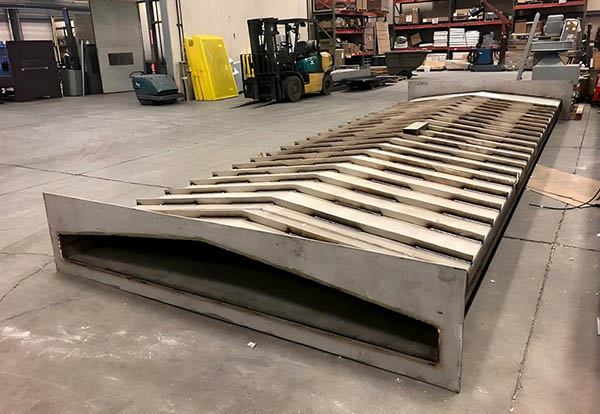
Heat Treatment & Furnace Equipment
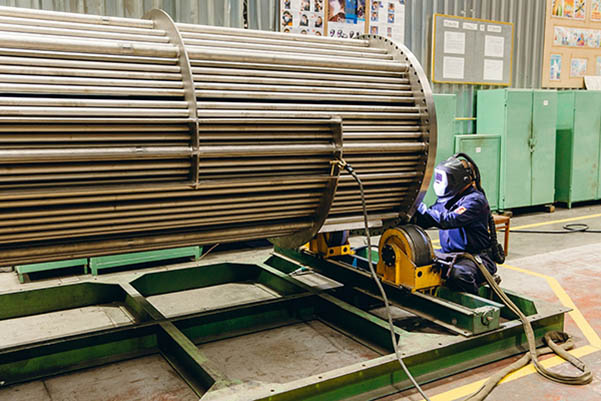
Retorts, Muffles and Furnace Hardware
Alloy 600 is a documented material for retorts, muffles, roller hearths, furnace components, baskets and trays where oxidation resistance and furnace-atmosphere performance are required.
Typical product route
Plate or sheet for fabricated shells and panels; bar, wire or formed stock for supports and fixtures.
Common specification basis
ASTM B168 / ASME SB-168 for flat product; ASTM B166 / ASME SB-166 where applicable to bar or wire.
RFQ should define
Finished dimensions, fabrication route, furnace atmosphere, operating temperature, quantity, condition and inspection scope.
Chemical Processing & Heat Transfer
Condenser and Evaporator Tube Requirements
Published Alloy 600 applications include heaters, condensers, evaporator tubes and tube sheets used in chemical-processing equipment.
Typical product route
Seamless or welded tube selected according to exchanger function, construction route and purchase specification.
Common specification basis
ASTM B163 / ASME SB-163 for applicable seamless condenser and heat-exchanger tube; B167, B516 or B517 may apply to other tubular routes.
RFQ should define
OD, wall thickness, length, tube construction, service fluid, pressure, inspection method, certificate requirement and quantity.
Aerospace & High-Temperature Hardware
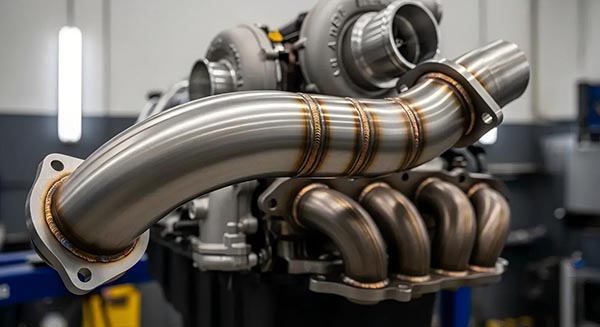
Exhaust Liners, Turbine Seals and Aeronautical Parts
Inconel 600 has documented aeronautical use in components such as exhaust liners, turbine seals and lockwire where high-temperature performance is part of the design requirement.
Typical product route
Sheet, strip, bar or wire selected according to the finished component and drawing-controlled manufacturing route.
Specification basis
Applicable ASTM or AMS product specification must match the exact form; Alloy 600 published routes include AMS 5540, AMS 5665 and AMS 5687.
RFQ should define
Drawing revision, product form, dimensions, condition, applicable AMS or project specification, traceability, inspection and documentation.
Procurement Basis
These examples show how a documented Alloy 600 application can be translated into a purchase requirement. Final product form, specification, dimensions, condition, testing and acceptance criteria must still be confirmed for the actual project.
Have a similar Inconel 600 requirement?
Send the application, product form, specification, dimensions, quantity and inspection requirements so the applicable Alloy 600 supply route can be checked before quotation.
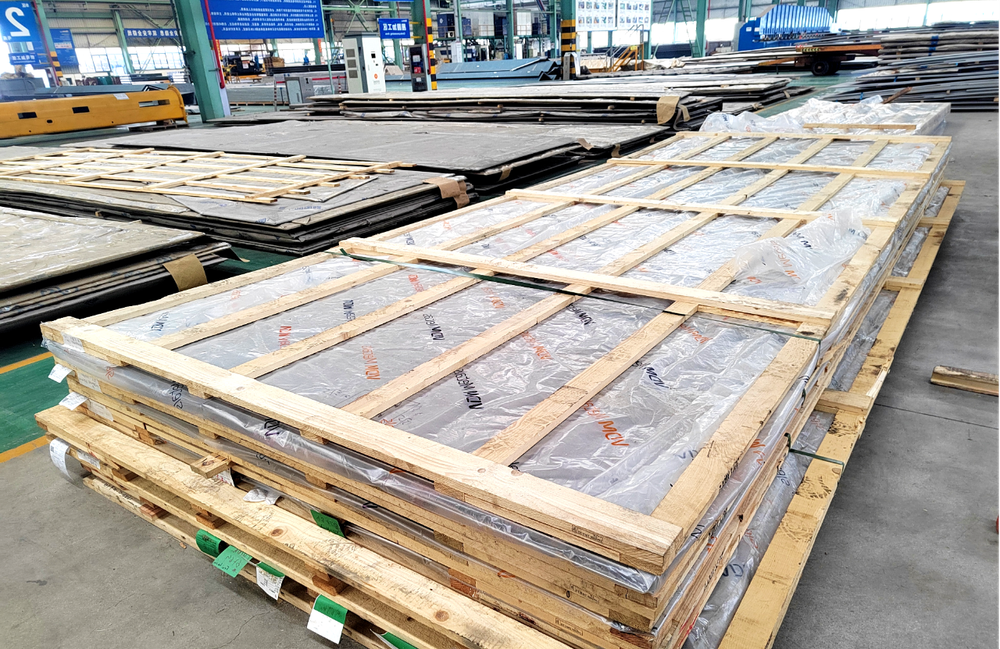
Alloy 600 · Export Packing
Inconel 600 Packing and Export Delivery
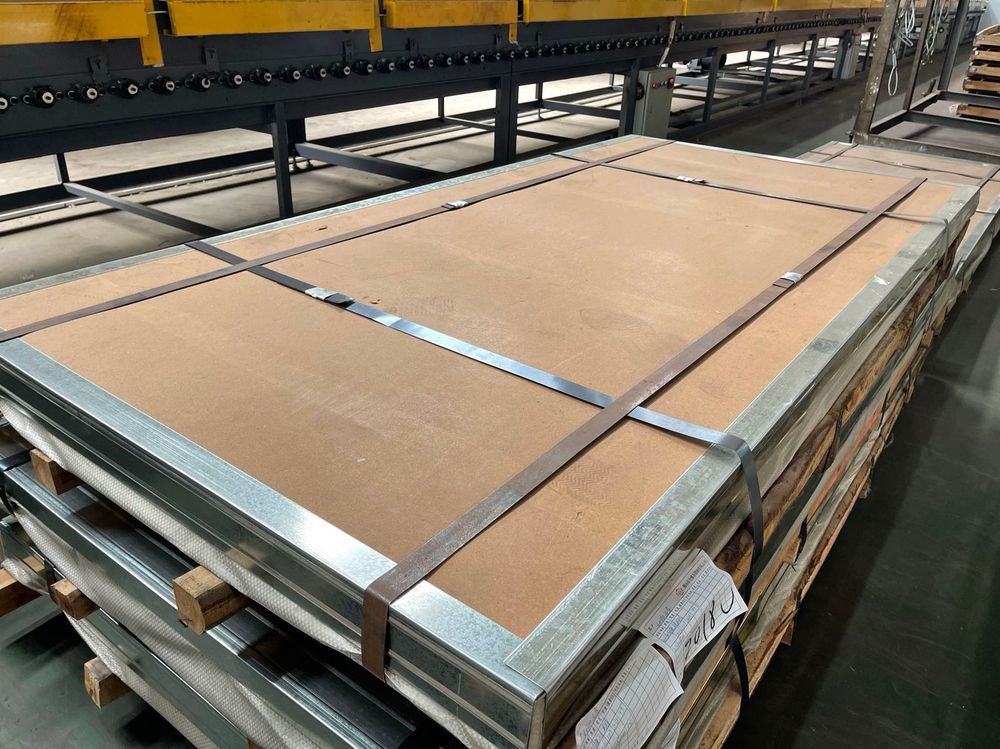
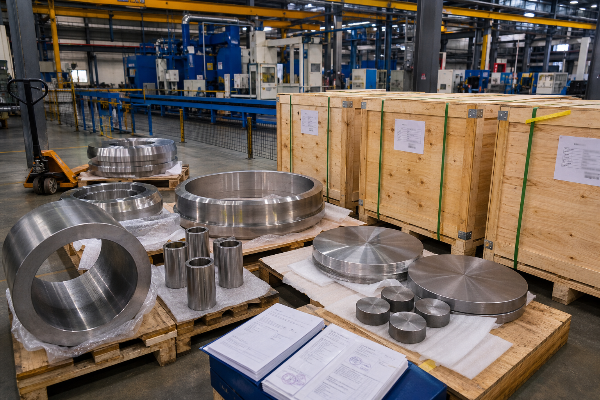
Alloy 600 packing is selected according to product form, dimensions, surface condition and transport route. Material identification and heat-number traceability are retained through packing and shipment where required by the order.
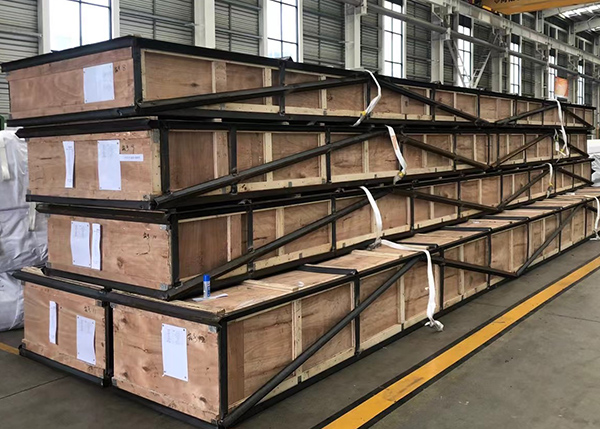
Delivery Control
Packing can include surface protection, edge or end protection, separators, waterproof wrapping, bundles, pallets or wooden cases. Final marking, packing method and shipping documentation are confirmed according to the purchase order and destination.
Need a specific packing or export requirement?
Send the product form, dimensions, quantity, destination and packing instructions with the Alloy 600 enquiry.
Inconel 600 Engineering & Procurement Tools
Access technical calculators and standardization selectors to streamline your Alloy 600 material procurement process.
Alloy 600 Grade Comparison Helper
Identify and compare equivalent grades of Inconel 600 across international standard systems.
Inconel 600 Form & Standard Selector
Match proper ASTM specifications with specific product forms like plate, tube, pipe, and bar.
Alloy 600 RFQ Readiness Check
Ensure your Request for Quote covers all critical physical, mechanical, and processing properties.
Alloy 600 · Procurement FAQ
Inconel 600 Purchasing Questions
Final quotation depends on the Alloy 600 product form, specification, dimensions, quantity, delivery condition, inspection requirements and destination. The questions below cover the points most often confirmed before an order is released.
Is Inconel 600 the same as Alloy 600 and UNS N06600?
Alloy 600 and UNS N06600 identify the same nickel-chromium-iron alloy family. The purchase order should still state the correct product specification and form rather than relying on the alloy name alone.
Which ASTM specification should be used for Inconel 600?
It depends on product form. Common routes include ASTM B168 for plate, sheet and strip, B167 for seamless pipe and tube, B163 for condenser and heat-exchanger tube and B166 for rod, bar and wire.
Can TiAlloy supply custom Alloy 600 sizes?
Stock matching and made-to-order sizes can be reviewed. Availability depends on product form, dimensions, condition, specification, processing requirement and quantity.
Can Inconel 600 be supplied with MTC or EN 10204 3.1?
MTC / MTR and EN 10204 3.1 documentation can be supplied according to the confirmed order route. Additional inspection or EN 10204 3.2 requirements should be stated before quotation.
What is the MOQ for Inconel 600?
There is no single MOQ for every Alloy 600 product. Minimum quantity depends on whether the requirement can be matched from existing material or requires a dedicated production route.
How is Alloy 600 lead time confirmed?
Lead time is checked against the required product form, dimensions, processing, inspection scope and current supply route. The applicable schedule is confirmed with the quotation.
For an Accurate Quote
Send Alloy 600 / UNS N06600 product form, ASTM or project specification, dimensions, quantity, condition, surface, processing requirements, inspection and certificate scope, destination and requested delivery date.
600
Request an Inconel 600 Quote
Send the grade, product form, standard, dimensions and quantity. Technical, inspection, packing and delivery requirements can be reviewed with the same enquiry.