Get in Touch with TiAlloy Company

CLAD PLATE / PRESSURE & PROCESS EQUIPMENT
Explosion Bonded · Roll Bonded · Large-Format Supply
Clad Plate Supplier Stainless Steel, Nickel Alloy & Titanium Clad Steel
Clad steel plate for pressure vessels, reactors, heat exchangers, tube sheets and process equipment.
TiAlloy supplies clad plate with stainless steel, nickel alloy or titanium bonded to carbon and low-alloy backing steel. Material pair, size, bonding route, inspection and processing are reviewed as one order specification.
Total Thickness
6–150 mm
Cladding
1.5–10 mm
Width
≤ 4,200 mm
Length
≤ 15,000 mm
Plate Weight
≤ 20 t
Core Systems
304L / 316L / 904L / 2205 / 2507
625 / 825 / C22 / C276
Ti Gr.1 / Gr.2 / Gr.7 / Gr.12
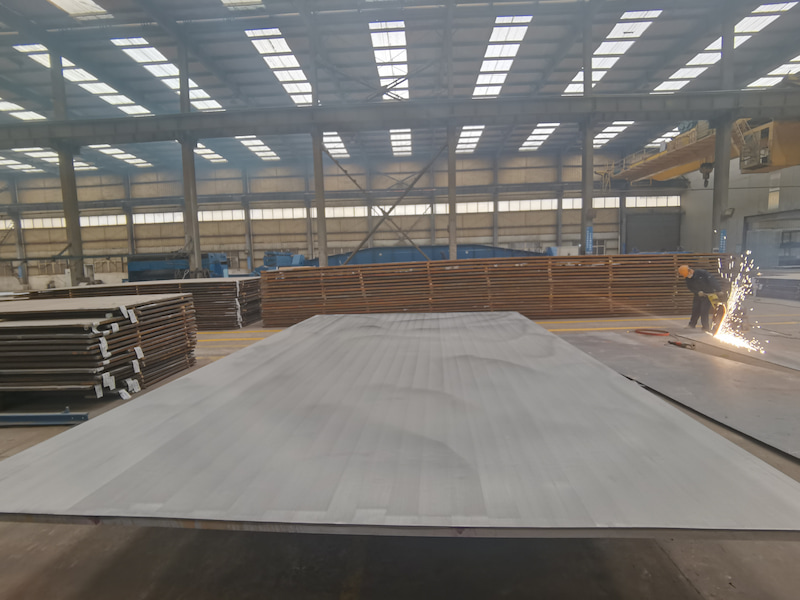 Clad Steel Plate
Industrial Project Supply
Material pair, plate dimensions and inspection are reviewed together before production.
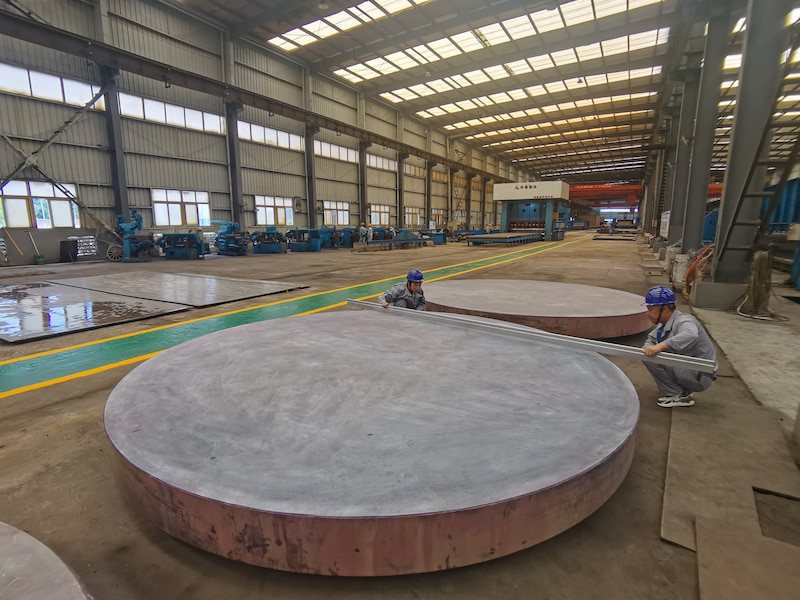 Bonded Interface
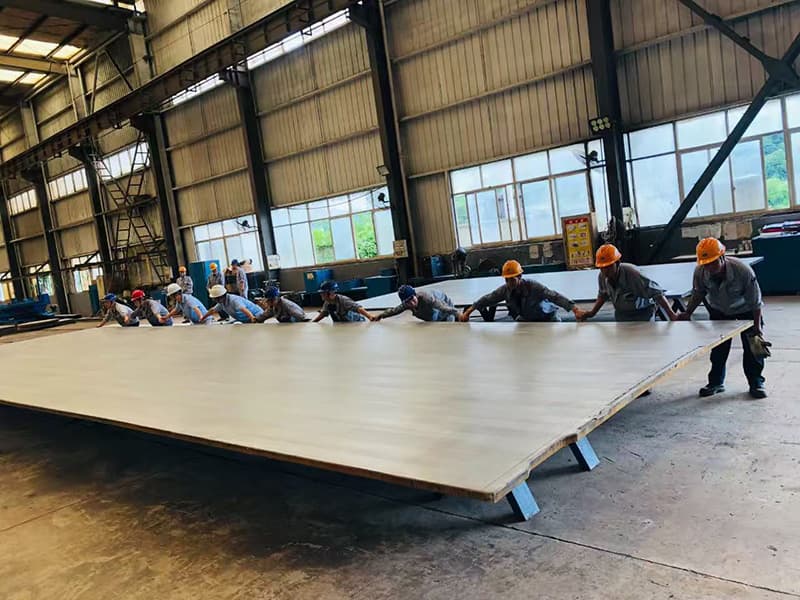 Fabrication Ready
Stainless · Nickel Alloy · Titanium Clad Steel
Final dimensions, bonding route, testing and lead time are confirmed against the actual material pair and project specification.
CLAD PLATE
Industrial RFQ Review
Send cladding grade, backing steel, total/clad thickness,
width × length and quantity.
Request Clad Plate Quote
Add bonding route, UT, mechanical testing, heat treatment, machining and destination where specified.
Cladding Metals / Backing Steels
Cladding Metals and Backing Steels
Stainless steel, nickel alloy and titanium cladding can be paired with pressure-vessel and low-alloy backing steels. If one side of the plate is already specified, we can review the matching material route from that starting point.
Clad Plate / Material Pair
The service-side alloy and structural backing steel are reviewed together with total thickness, clad thickness and the required bonding specification.
Cladding Metals
Common project grades
Stainless Steel
Austenitic · DuplexNickel Alloy
Ni · Ni-Cu · Ni-Cr-MoNickel / Ni-Cu: Nickel 200 · Nickel 201 · Alloy 400
Ni-Cr / Fe-Ni-Cr: Alloy 600 · 800 · 800H · 800HT · 825
Ni-Cr-Mo / High Alloy: Alloy 625 · C22 · C276 · Alloy 59 · B2 · Alloy 20 · Alloy 28 · Alloy 31
Titanium
Reactive MetalCommon clad grades: Grade 1 · Grade 2 · Grade 7 · Grade 12. Other titanium grades can be reviewed against the required material pair and bonding route.
Backing Steels
Structural base plate
Pressure Vessel Carbon Steel
A/SA516 Gr.60 · Gr.65 · Gr.70
A/SA285 Gr.C
Cr-Mo Pressure Vessel Steel
A/SA387 Gr.11 Cl.2 · Gr.12 Cl.2 · Gr.22 Cl.2
Other Project Backing
ASTM A283 · ASTM A36 · other specified carbon or low-alloy backing steels.
Typical Material Pairs
316L / SA516 Gr.70 · Alloy 625 / SA516 Gr.70 · C276 / SA516 Gr.70 · Titanium Grade 2 / pressure-vessel steel.
Cladder × Backer / Common RFQ Combinations
Common Clad Plate Material Pairs
Most enquiries arrive as two grades rather than a generic “clad plate.” Select the cladding family below to see the material pairs we commonly review for pressure-vessel and process-equipment projects.
Material Family
Stainless Steel Cladder
Grade → backing steel
304L
SA516 Gr.70
SA516 Gr.70
321
SA516
347
SA516
904L
SA516
SA516
SA516
Typical RFQ
“316L / SA516 Gr.70 clad plate” is enough to start the material review; total thickness, clad thickness and plate dimensions can follow in the same enquiry.
Nickel Alloy Cladder
Grade → backing steel
Alloy 625
SA516
Alloy 825
SA516
Alloy C22
SA516
Alloy C276
SA516
Alloy 600
SA516
Alloy 400
Carbon Steel
Typical RFQ
Alloy 625 / SA516 clad plate and C276 clad steel plate enquiries should state the backing grade where it has already been fixed by the vessel or project specification.
Titanium Cladder
Grade → pressure-vessel backing
Titanium Grade 1
Pressure-Vessel Steel
SA516 / Project-Specified Steel
Titanium Grade 7
Pressure-Vessel Steel
Titanium Grade 12
Pressure-Vessel Steel
Typical RFQ
For a Titanium Grade 2 / SA516 clad plate enquiry, include the exact SA516 grade when known together with total thickness, titanium thickness and plate size.
Material Pair
Stainless / Steel
Stainless cladding over pressure-vessel steel is commonly specified for process vessels, tanks and general corrosion-service equipment.
RFQ Format
Cladding Grade / Backing Grade
Next To Confirm
Total + Clad Thickness / W × L
More Material Routes
These are common procurement combinations, not the limit of available pairings. Other cladding and backing grades can be reviewed against the required bonding route, dimensions and project specification.
Clad Plate Size / Thickness / Plate Weight
Clad Plate Dimensions & Typical Supply Range
Need to know whether a clad plate size is workable? Start with the material pair, total thickness, cladding thickness and target plate dimensions. The ranges below cover our typical published supply envelope for stainless, nickel alloy and titanium clad plate.
Typical Published Supply Envelope
Stainless · Nickel Alloy · Titanium
| Cladding Family | Total Thickness | Cladding Thickness | Width | Length | Single Plate Weight |
|---|---|---|---|---|---|
| Stainless Steel Austenitic / Duplex / High Alloy | 6–150 mm | 1.5–10 mm | Up to 4,200 mm | Up to 15,000 mm | Up to 20 t |
| Nickel Alloy 625 / 825 / C22 / C276 / Others | 6–150 mm | 1.5–10 mm | Up to 4,200 mm | Up to 15,000 mm | Up to 20 t |
| Titanium Grade 1 / 2 / 7 / 12 | 6–150 mm | 1.5–10 mm | Up to 4,200 mm | Up to 15,000 mm | Up to 20 t |
Typical Range
Typical published clad plate range is 6–150 mm total thickness, 1.5–10 mm cladding thickness, up to 4,200 mm width, up to 15,000 mm length and up to 20 t per plate. Larger, thicker or heavier project plates can be reviewed against the actual material pair, bonding route and fabrication requirement.
Plate Configuration & Delivery
Confirm together with the target dimensions
Cladding Arrangement
Single-side clad · Double-side clad
Plate Geometry
Rectangular plate · Shaped plate · Cut-to-size
Large Project Supply
Oversized clad plate · Heavy plate · project-specific dimensions
Clad Plate / Specification Register
ASTM / ASME Clad Plate Standards
Start with the cladding material family, then confirm the backing steel and the specification invoked by the project. A grade name alone does not establish the complete clad plate purchase requirement.
A263
ASTM
Stainless Chromium Steel-Clad Plate
Covers carbon or low-alloy steel base plate integrally bonded on one or both sides with stainless chromium steel cladding.
ASME Route
SA-263
Chromium stainless cladding
A264
ASTM
Stainless Chromium-Nickel Steel-Clad Plate
Covers carbon or low-alloy steel base plate integrally bonded with stainless chromium-nickel steel cladding for clad plate applications.
ASME Route
SA-264
Chromium-nickel stainless
A265
ASTM
Nickel & Nickel-Base Alloy-Clad Steel Plate
Covers carbon or low-alloy steel base plate integrally bonded with nickel or nickel-base alloy cladding on one or both sides.
ASME Route
SA-265
Nickel / nickel-base alloy
B898
ASTM
Reactive & Refractory Metal Clad Plate
Covers clad plate using titanium, zirconium, tantalum, niobium or their alloys. For TiAlloy projects, titanium is the principal reactive-metal clad plate route here.
Material Route
Titanium
Reactive-metal clad plate
Backing Plate Standards
Separate base-metal requirement
A/SA516
Carbon-steel pressure-vessel plate. Common backing routes include Grade 60, Grade 65 and Grade 70.
A/SA285
Carbon-steel pressure-vessel plate. Grade C can be specified as the structural backing material.
A/SA387
Cr-Mo pressure-vessel plate, including project routes such as Grade 11, Grade 12 and Grade 22 Class 2.
Quick Standard Route
For clad plate procurement, ASTM A263 / ASME SA-263 routes stainless chromium cladding; ASTM A264 / ASME SA-264 routes stainless chromium-nickel cladding; ASTM A265 / ASME SA-265 routes nickel and nickel-base alloy cladding; ASTM B898 covers reactive and refractory metal clad plate including titanium. The backing plate specification, such as A/SA516, A/SA285 or A/SA387, remains a separate part of the purchase requirement.
Bonding Routes
02
Explosion-Bonded & Roll-Bonded Clad Plate
Some RFQs arrive with the bonding route already specified. Others arrive with only the cladding alloy, backing steel, thickness and project standard. We can review the production route from those inputs rather than forcing every material pair through the same process.
EX / Solid-State
Explosion Bonding
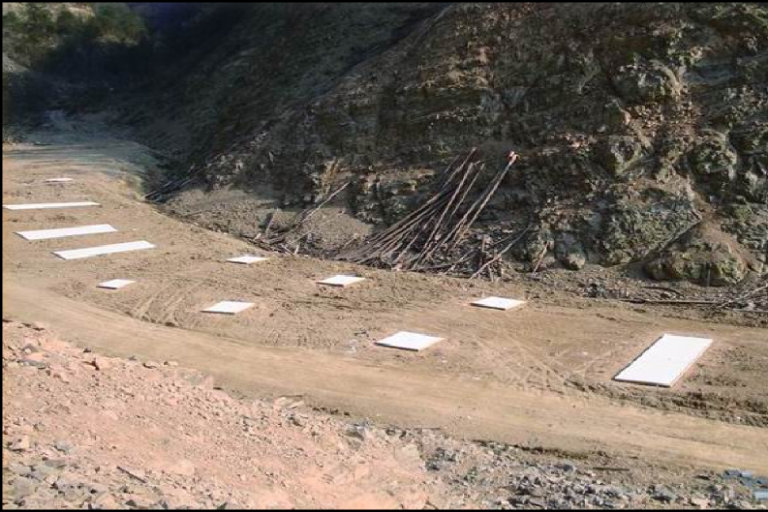 Explosion Bonding Site
Explosion-bonded clad plate uses controlled explosive energy to drive the prepared cladding plate into the backing plate and create a solid-state metallurgical bond.
Explosion bonding is also referred to in specifications and procurement as explosion welding. The route is reviewed against the actual metal pair, plate geometry and required acceptance criteria.
Explosion-Bonded Clad Plate Route
Typical Process Sequence
- 01 Surface preparation
- 02 Cladder / backer assembly
- 03 Controlled stand-off
- 04 Explosive loading & detonation
- 05 High-velocity collision
- 06 Metallurgical bond
- 07 Leveling & heat treatment where required
- 08 Final inspection
RB / Plate Mill
Roll Bonding
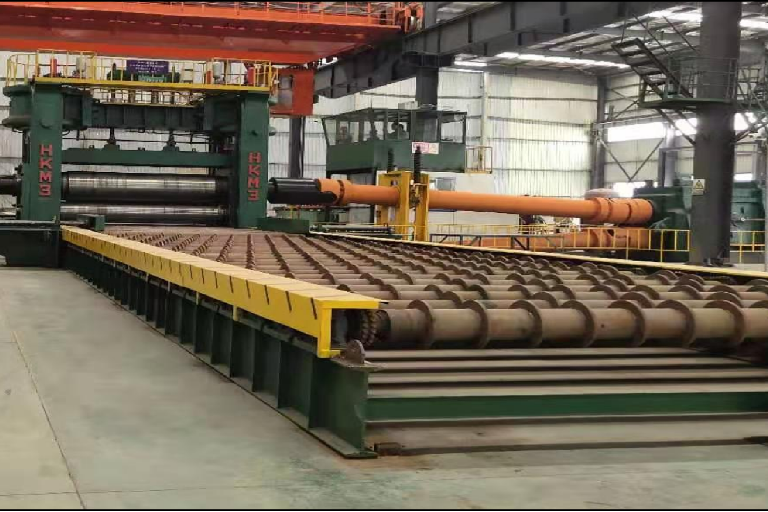 Plate Mill / Roll Bonding
Roll-bonded clad plate is produced from prepared and assembled metals that are heated and reduced through plate rolling until the required metallurgical bond is established.
The exact assembly method, heating schedule, rolling reduction, heat treatment and finishing route depend on the material pair, total thickness, clad ratio and governing project specification.
Roll-Bonded Clad Plate Route
Typical Process Sequence
- 01 Plate surface preparation
- 02 Cladder / backer assembly
- 03 Controlled heating / reheating
- 04 Plate-mill rolling reduction
- 05 Metallurgical bond
- 06 Heat treatment as required
- 07 Leveling & finishing
- 08 Final inspection
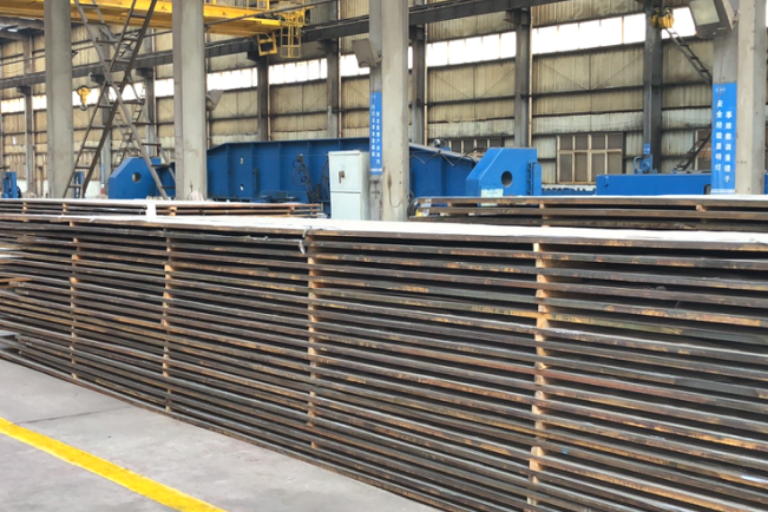 Post-Bond Leveling / Finishing
Project-Specific Production Route
Explosion + Rolling / Combined Route
Where the material pair and project specification support it, a combined route can also be reviewed. An explosion-bonded stage may be followed by rolling, thermal processing, leveling or other downstream operations; the actual sequence is confirmed for the order rather than assumed from the alloy name alone.
Bonding Route
Explosion-bonded clad plate uses controlled detonation and high-velocity collision to create a solid-state metallurgical bond. Roll-bonded clad plate uses prepared and assembled metals, controlled heating and rolling reduction to form the bond. Final route selection depends on the material pair, plate dimensions, clad ratio, project standard and required downstream processing.
Manufacturing / Processing / Final Release
Clad Plate Manufacturing & Finishing Route
A typical clad plate manufacturing route moves from material verification and surface preparation through assembly, bonding, heat treatment where required, leveling, cutting, surface finishing, inspection, marking and export packing.
Order Control
The exact sequence is confirmed against the cladder, backing steel, plate size, bonding route, governing standard and downstream processing scope.
Production Backbone
Verify
Prepare
Assemble
Bond
Condition
Level
Cut
Finish
Inspect
Mark
Pack
Phase A / Pre-Bond
Material Control
Material Verification
Cladder and backing steel are checked against the ordered grade, source records and required heat or lot identification.
Surface Preparation
Bonding faces are prepared to the condition required by the selected explosion, rolling or combined production route.
Assembly
The cladding plate and structural backing plate are positioned and assembled according to the approved bonding plan.
Phase B / Bonding
Bond & Condition
Bonding
The metallurgical bond is produced through the bonding route confirmed for the material pair and project specification.
Heat Treatment
Thermal treatment is included where required by the material pair, plate condition, specification or subsequent fabrication route.
Leveling
Plate geometry and flatness are corrected before final sizing, surface work and release inspection.
Phase C / Post-Bond
Finish & Release
Cutting
Plates can be trimmed or cut to ordered size, contour or machining allowance within the agreed processing scope.
Grinding / Finishing
Surface grinding and finishing are applied where required by the purchase specification or fabrication requirement.
Inspection
Dimensions, visible condition, bond integrity and specified tests are checked against the agreed inspection scope.
Marking
Required identification is retained or transferred so the finished plate remains linked to source and inspection records.
Export Packing
Plate faces and edges are protected and shipment identification is prepared against the confirmed destination and order scope.
Continuous Control
Heat / Lot Traceability
01
Source Material
02
Heat / Lot
03
Bonded Plate
04
Processed Plate
05
Inspection Records
06
Final Marking
07
Packing List
Production Evidence
Clad Plate Processing & Finishing
These process images support the production route without replacing the purchase specification. Actual bonding, processing and inspection scope is confirmed for each order.
01 / BOND
Explosion Cladding
02 / ROLL
Rolling & Bonding
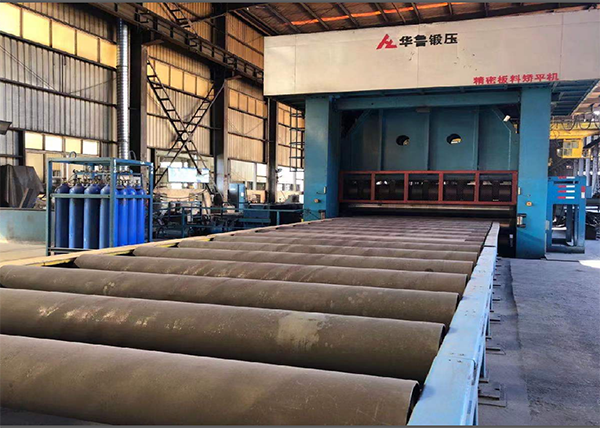 03 / LEVEL
Leveling & Finishing
Process Note
Not every clad plate order uses every operation in exactly the same sequence. Bonding route, heat treatment, cutting, grinding, inspection and finishing are confirmed against the material pair, dimensions, governing specification, drawing and quoted supply scope.
Final Supply Route / Order-Specific Release
Processing scope stays tied to the purchase order.
TiAlloy coordinates the applicable source mill, bonding route, qualified processing, inspection requirements and release documentation within the quoted supply scope. This does not imply that every manufacturing operation takes place at one TiAlloy-owned facility.
Bond Integrity / Inspection / Document Release
Clad Plate Bond Integrity & Inspection
For an EPC team or vessel fabricator, the useful question is not whether a clad plate is described as “high quality.” The useful question is what was scanned, what was tested, what dimensions were checked and which records will be released with the plate.
Before Release
Define the governing clad specification, UT acceptance requirement, mechanical tests, dimensional checks, certificate type and any purchaser or third-party witness points before production or final inspection.
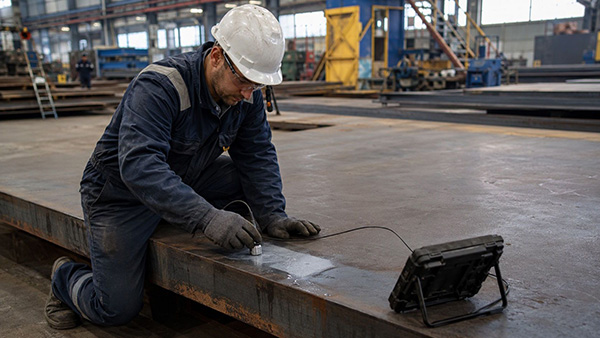 01 / UT
Ultrasonic Inspection
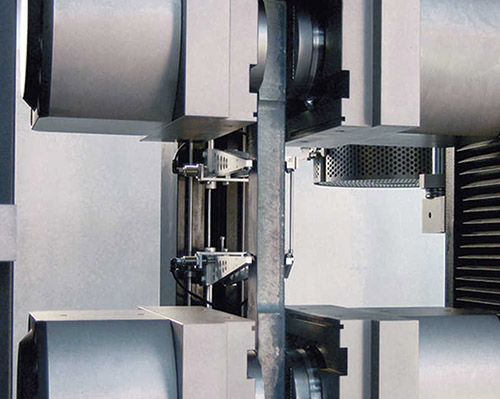 02 / SHEAR
Shear / Bond Coupon
 03 / INTERFACE
Interface Examination
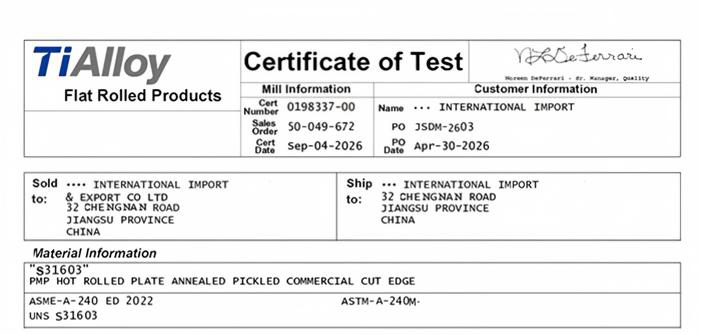 04 / RECORD
Document Release
Requirement Basis
Governing Standard
Required by specification
Supplementary Test
When specified
Product / Project
When applicable
Independent Witness
When ordered
Inspection Release File
What the Inspection Scope Can Cover
The test package follows the actual material pair, clad standard, plate geometry and purchase order. Additional tests are not presented as universal requirements for every clad plate.
01 / Bond
Bond Integrity
Ultrasonic examination is used to assess bond continuity and identify reportable unbonded areas. Shear or bond testing provides mechanical evidence of the clad-to-base bond where required.
UT Bond Scan
Unbonded-Area Detection
Shear Test
Bond Strength
Acceptance Basis
Governing clad specification / PO
02 / Mechanical
Mechanical & Interface Tests
Tensile, bend, impact or additional bond-zone testing is included only where the applicable standard, project specification or purchase requirement calls for it. Metallographic examination can be added where the interface itself must be documented.
Tensile
Bend
Impact
Macro
Micro
Requirement
When applicable / when specified
03 / Material
Material Verification
Chemical composition is checked against the applicable cladding and backing-material specifications. PMI can be added when the purchase order requires delivered-material grade verification; PMI does not replace the certified chemistry on the MTC.
Cladder Chemistry
Backing Chemistry
Heat / Lot
PMI When Specified
Control
Material standard + inspection plan
04 / Geometry
Dimensions & Surface
Inspection can record total thickness, cladding thickness, width, length, flatness, surface condition and finished plate dimensions against the applicable order tolerances.
Total Thickness
Clad Thickness
Width / Length
Flatness
Surface
Acceptance
Applicable standard / drawing tolerance
05 / Release
Records & Witness
Final release can include the agreed MTC or MTR, inspection reports, heat or plate identification and additional independent inspection documentation where it is part of the purchase order.
MTC / MTR
Inspection Reports
Plate Marking
Third-Party Inspection
Documents
As ordered / when specified
Certificate Control
Inspection Documents
MTC / MTR
Material identity, chemistry, mechanical results and other applicable recorded results for the supplied plate.
EN 10204 3.1
Supplied when the order requires Type 3.1 inspection certification for the applicable material and test scope.
EN 10204 3.2
Must be specified before quotation when purchaser or independent validation is required under the agreed certification route.
Third-Party Inspection
Witness points, hold points, document review or independent inspection can be coordinated when defined in advance.
Inspection Summary
Clad plate inspection combines bond-continuity verification, mechanical testing where required, material identity and chemistry checks, dimensional inspection and document release. Ultrasonic testing is used to identify unbonded areas, while shear testing can verify bond strength when required by the governing specification or purchase order. The exact inspection package must be defined against the material pair, clad standard and project requirements.
QA / Inspection File
Define the inspection scope before the plate is released.
Send the material pair, clad specification, plate size, UT or mechanical-test requirements, certificate type and any third-party witness points with the RFQ.
Fabrication-Ready Supply / Drawing-Based Processing
Fabrication-Ready Clad Plate Supply
The order can stop at full clad plate or continue into a cut blank, formed head or shell section, clad tube sheet or machined component. Processing is matched to the finished drawing rather than treated as a separate generic service.
Starting Material
Raw Clad Plate
Fabrication Input
Start with the bonded plate. Finish to the drawing.
Material pair, total thickness, cladding thickness, plate size and bond condition are confirmed first. From there, the plate can move into cutting, forming or machining according to the quoted fabrication scope.
Input
Full Plate / Blank
Control
Drawing + Inspection Scope
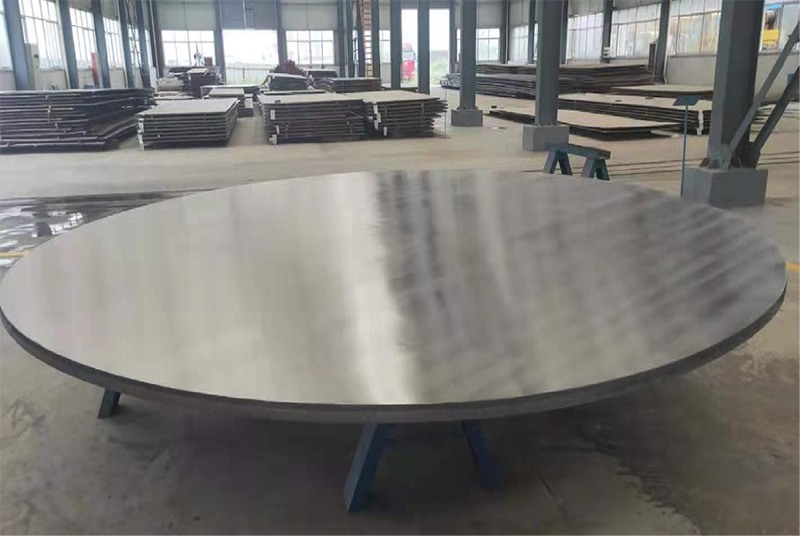 Cut / Profile / Edge
Output 01 / Flat Processing
Cut-to-Size Clad Plate
Full plates can be supplied as rectangular blanks, circular blanks or drawing-defined profiles with the required edge, surface and dimensional condition.
Shape
Cut-to-Size / Contour
Plate
Leveling / Grinding
Edge
Prep / Bevel
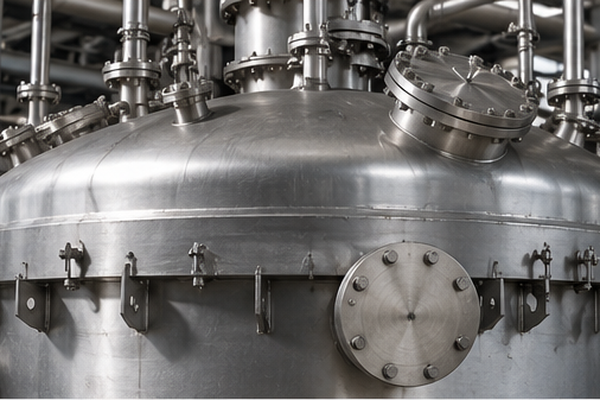 Form / Roll / Trim
Output 02 / Formed Product
Clad Heads & Shell Sections
Where the material pair and fabrication route support it, bonded plate can continue into formed heads, cylindrical shell sections or other curved plate geometry.
Form
Head / Shell / Cylinder
Finish
Trim / Edge / Bevel
Check
Geometry / Bond as required
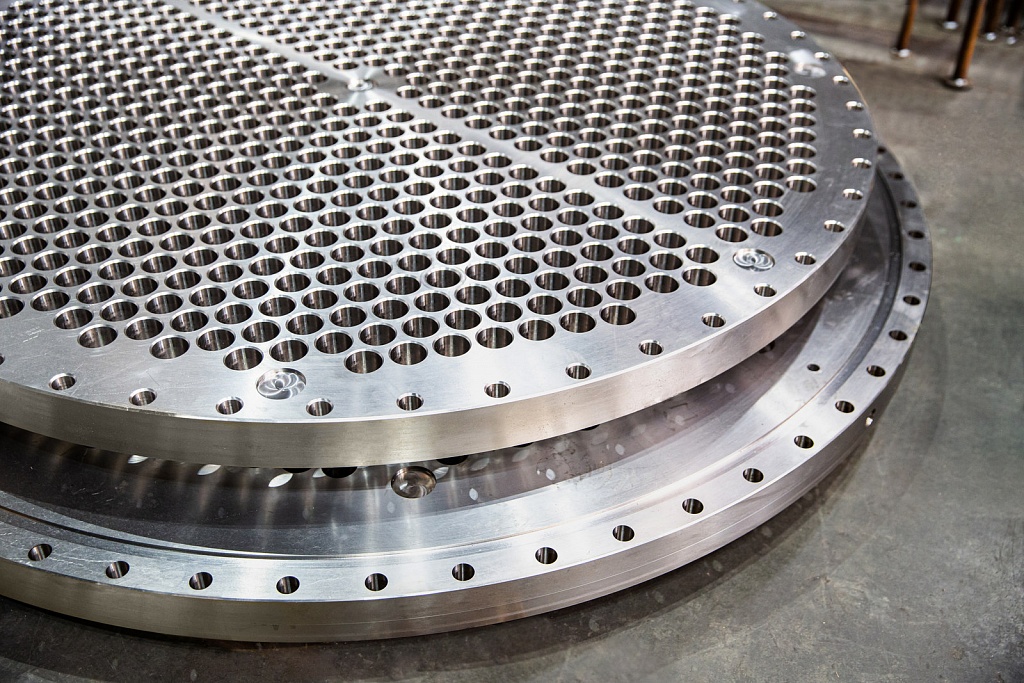 Drill / Groove / Face
Output 03 / Precision Machining
Clad Tube Sheets
Tube-sheet supply can move from bonded round blank to drilled and finish-machined component, with hole pattern and machining controlled directly from the purchaser’s drawing.
Holes
Drill / Bore / Groove
Face
Face Machining
Release
Dimensional Inspection
 CNC / Drill / Bore / Face
Output 04 / Drawing-Based Machining
Machined Clad Components
Drawing-defined clad parts can include machined faces, holes, bores, slots and prepared edges with machining allowance and finished tolerances agreed before processing.
CNC
Mill / Drill / Bore
Finish
Face / Grind / Edge
Control
Datum / Tolerance / Report
Fabrication Processing Scope
Processing can be included with the clad plate quotation when the required finished geometry, tolerance and inspection scope are available for review.
01 / Plate
Cutting
02 / Shape
Contour Cutting
03 / Geometry
Leveling
04 / Surface
Grinding / Finishing
05 / Edge
Edge Preparation
06 / Welding Prep
Beveling
07 / CNC
CNC Machining
08 / Features
Drilling / Boring / Facing
Drawing Control
Cladder + Backer
Total Thickness
Cladding Thickness
Starting Plate Size
Finished Geometry
Machining Allowance
Datum / Tolerances
Surface / Edge
Inspection Scope
Fabrication-Ready Supply
Fabrication-ready clad plate can be supplied as cut-to-size plate, formed clad heads or shell sections, clad tube sheets and drawing-machined clad components. Processing can include cutting, leveling, grinding, surface finishing, edge preparation, beveling, contour cutting, CNC machining, drilling, boring and facing within the confirmed quotation scope.
Processing Responsibility
Depending on the order, fabrication may be completed by the source mill or a qualified processing partner. TiAlloy coordinates the supplied material, fabrication requirements, inspection scope and final release documents defined in the quotation; listing a process here does not imply that every operation is performed in one TiAlloy-owned facility.
Fabrication-Ready
CLAD
Send the finished drawing with the clad plate RFQ.
Include the material pair, starting plate size, total and clad thickness, finished geometry, machining allowance, tolerances, surface requirement and inspection scope so material and fabrication can be reviewed together.
Applications / Process Equipment / Material System
Clad Plate Applications in Reactors, Vessels & Heat-Transfer Equipment
Clad plate is used where a pressure or process-equipment fabricator needs a corrosion-resistant service surface together with a structural backing plate. Equipment duty, process medium, temperature, pressure and fabrication requirements determine the cladding system.
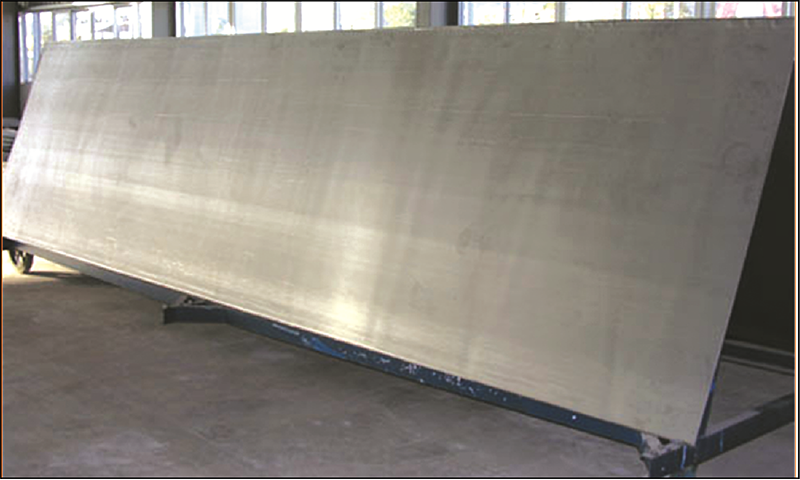 Process Equipment
Process equipment where the service surface drives the clad system.
Stainless-steel, nickel-alloy and titanium clad construction can be reviewed against the actual process environment and project requirements.
Equipment Index
Industry → Equipment → Candidate Clad System
01
Chemical & Petrochemical
Corrosion-resistant clad construction is commonly considered for process equipment exposed to aggressive process media.
Reactors
Columns / Towers
Crystallizers
Digesters
Evaporators
Process Vessels
Candidate Systems
Stainless / Steel
Nickel Alloy / Steel
Titanium / Steel
02
Refinery
Refinery vessels and towers can combine pressure containment requirements with demanding corrosion or temperature conditions.
Coke Drums
Hydrocrackers
Separators
Pre-heaters
Fractionators
Vacuum Towers
Candidate Systems
Stainless / Steel
Nickel Alloy / Steel
03
Heat Transfer
Heat-transfer equipment brings process-side chemistry, cooling medium and tube-sheet construction into the same material-selection decision.
Heat Exchangers
Condensers
Clad Tube Sheets
Water Boxes
Candidate Systems
Titanium / Steel
Nickel Alloy / Steel
Stainless / Steel
04
Environmental & Resource
Clad plate is also considered for pollution-control, seawater and hydrometallurgical equipment where the exposed surface requires additional corrosion resistance.
FGD Scrubbers
Chimney Liners
Flue-Gas Ducts
Desalination Equipment
Autoclaves
Leach Vessels
Candidate Systems
Nickel Alloy / Steel
Titanium / Steel
Stainless / Steel
Application Review
CLAD
Send the equipment duty with the clad plate RFQ.
Include the equipment type, process medium, concentration, temperature, pressure, candidate cladder and backing steel, design standard, fabrication route and inspection requirements.
Actual Supply Records / Clad Plate Project Evidence
Actual Clad Plate Project Supply Profiles
Large clad plate projects are easier to judge from the actual specification than from a list of industries. These records show the material pair, project scale, bonding route, inspection, processing and delivery requirement behind selected TiAlloy clad plate supply projects.
Project Archive / 06 Records
Select a project to review the material and supply record. Equipment weight is identified separately from clad plate quantity where the two are not the same figure.
Madagascar / Hydrometallurgy
Ambatovy HPAL Titanium-Clad Autoclave Project
Heavy titanium-clad steel construction for large high-pressure acid leach autoclave equipment used in nickel and cobalt processing.
Destination
Madagascar
Industry / Application
Mining / Nickel-Cobalt HPAL Autoclave
Cladding Grade
SB-265 Grade 17 Titanium
Backing Grade
SA-516 Grade 70
Material Pair
Ti Gr.17 / SA-516 Gr.70
Total / Clad Thickness
126 mm total / 8 mm clad
118 + 8 mm
Plate / Project Size
Heavy clad plate for Ø5230 × 37,000 mm TL-TL autoclave
Quantity / Project Scale
3 autoclave units
783.4 t/unit equipment weight
Bonding Route
Explosion-bonded titanium / steel clad
Standard
Project specification with SA-516 Gr.70 / SB-265 Gr.17 material basis
Inspection
Project ITP with bond-integrity and mechanical acceptance requirements
Processing
Heavy clad plate prepared for autoclave shell fabrication
Delivery Requirement
Large HPAL equipment program with project-controlled fabrication and shipment schedule.
Record Note
The 783.4 t figure is the published equipment weight per autoclave and is not presented here as clad plate shipment tonnage.
Papua New Guinea / Hydrometallurgy
Ramu Nickel-Cobalt HPAL Clad Autoclave Project
Titanium-clad carbon-steel construction for large HPAL autoclaves operating in nickel and cobalt extraction service.
Destination
Papua New Guinea
Industry / Application
Mining / Nickel-Cobalt HPAL Autoclave
Cladding Grade
SB-265 Grade 17 Titanium
Backing Grade
SA-516 Grade 70
Material Pair
Ti Gr.17 / SA-516 Gr.70
Total / Clad Thickness
126 mm total / 8 mm clad
118 + 8 mm
Plate / Project Size
Heavy clad plate for Ø5100 × 34,000 mm TL-TL autoclave
Quantity / Project Scale
3 autoclave units
766.9 t/unit equipment weight
Bonding Route
Explosion-bonded titanium / steel clad
Standard
Project specification with SA-516 Gr.70 / SB-265 Gr.17 material basis
Inspection
Project-controlled bond integrity and mechanical acceptance
Processing
Heavy clad plate supplied for autoclave pressure-shell fabrication
Delivery Requirement
Large project schedule coordinated around HPAL equipment fabrication and downstream site delivery.
Record Note
The 766.9 t figure refers to equipment weight per autoclave, not the net clad plate shipment weight.
New Caledonia / HPAL Equipment
Goro Nickel Large Titanium-Steel Clad Plate Project
Large-format titanium-steel clad plate supplied for heavy-wall HPAL autoclave fabrication.
Destination
New Caledonia
Industry / Application
Mining / Nickel HPAL Autoclave
Cladding Grade
Titanium Grade 17
Backing Grade
Carbon Steel
Material Pair
Titanium Grade 17 / Carbon Steel
Total / Clad Thickness
125 mm total / 8 mm clad
117 + 8 mm
Plate Size
2200 × 8000 × 125 mm
Quantity / Project Scale
3 autoclave units
large clad plate package
Bonding Route
Explosion-bonded titanium / steel
Standard
Project-specific titanium-steel clad specification
Inspection
Bond shear verification and project-defined NDE
Processing
Heavy plate conditioning for subsequent autoclave fabrication
Delivery Requirement
Large-format plate release coordinated to the autoclave fabrication program in New Caledonia.
Record Note
Unlike the equipment-scale figures in Projects 01 and 02, 2200 × 8000 × (117 + 8) mm is a documented individual clad plate format for this project.
Brazil / Heat Exchanger
Titanium-Clad Heat Exchanger Tube Sheet Project
Two clad tube sheets supplied through a fabrication route that included drilling, finish machining and final dimensional quality review.
Destination
Brazil
Industry / Application
Vanadium Processing / Heat Exchanger
Cladding Grade
Titanium Grade 1
Backing Grade
316L Stainless Steel
Material Pair
Ti Grade 1 / 316L
Total / Clad Thickness
Approx. 50 mm total thickness
project-defined clad build
Plate / Component Size
Approx. Ø1500 × 50 mm
Quantity / Tonnage
2 clad tube sheets
Bonding Route
Explosion-bonded reactive-metal clad
Standard
Project specification and ordered mechanical acceptance criteria
Inspection
Shear testing plus additional post-machining quality checks
Processing
Fully drilled and machined tube sheets
Delivery Requirement
Machining completed before final quality review and export shipment to the Brazilian fabricator.
Record Note
This profile shows the project progressing beyond raw clad plate into a finished, drilled and machined component.
Oman Fabrication / Qatar Refinery
Clad Hydrodesulfurization Reactor Replacement Project
Large stainless-clad low-alloy-steel plate supplied for fabrication of a replacement refinery desulfurization reactor under a schedule driven by a short shutdown window.
Destination
Oman fabrication / Qatar final project
Industry / Application
Refinery / Hydrodesulfurization Reactor
Cladding Grade
Stabilized Stainless Steel
Backing Grade
Low Alloy Steel
Material Pair
Stabilized Stainless / Low Alloy Steel
Total / Clad Thickness
Heavy project plate / drawing-controlled thickness
Plate Size
Large-format clad plate selected to reduce shell weld count
Quantity / Project Scale
1 replacement reactor project
Bonding Route
Explosion-bonded stainless / low-alloy steel
Standard
Project pressure-equipment specification
Inspection
Project ITP and release documentation
Processing
Large clad plates arranged for reduced shell welding and formed-head fabrication
Delivery Requirement
Short shutdown replacement window with an urgent manufacturing and overseas delivery schedule.
Record Note
Large plate format was part of the fabrication strategy: fewer shell welds and a shorter vessel-manufacturing route.
United Kingdom / Refinery Heat Exchanger
Titanium Dual-Clad Debutanizer Condenser Project
Titanium-clad carbon-steel tube sheets for replacement condenser bundles where both shell-side and tube-side media required corrosion-resistant construction.
Destination
United Kingdom fabrication
Industry / Application
Refinery / Debutanizer Condenser
Cladding Grade
Titanium
Backing Grade
Carbon Steel
Material Pair
Titanium / Carbon Steel
Total / Clad Thickness
Dual-clad construction / drawing-controlled thickness
Plate / Component Size
Dual-clad tube sheets for TEMA AES condenser bundles
Quantity / Project Scale
2 replacement condenser bundles
Bonding Route
Explosion-bonded titanium / carbon steel
Standard
ASTM B898-20 project requirement
Inspection
100% UT of clad plate; shear acceptance ≥20,000 psi; further NDE during fabrication
Processing
Tube-sheet machining and drilling before condenser bundle fabrication
Delivery Requirement
Clad tube sheets released early enough for machining and drilling before arrival of the titanium tubes.
Record Note
The UT and 20,000 psi shear requirements shown here belong to this project record and are not presented as the default inspection package for every TiAlloy clad plate order.
Project Evidence Strip
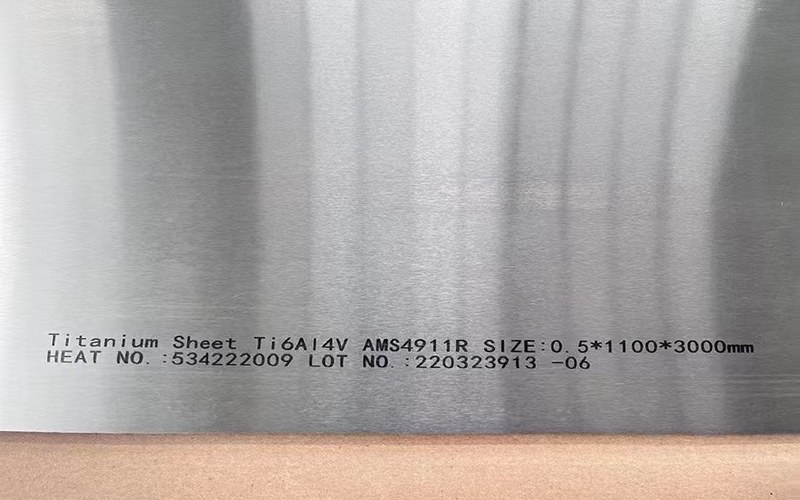
Material Identity Through Shipment
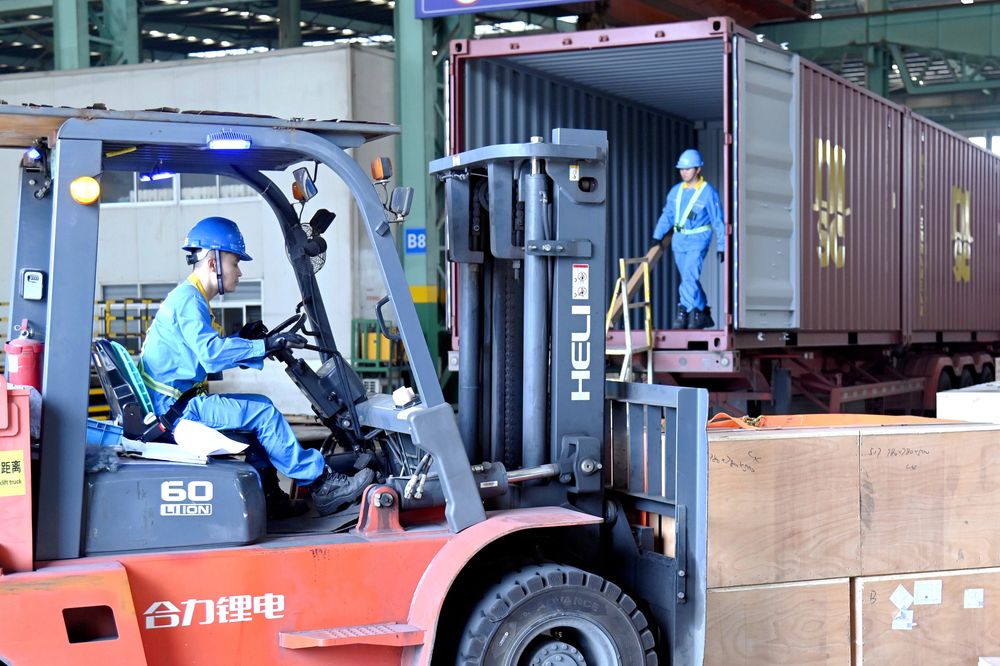
A useful project record does not stop at the equipment name. Plate condition, marking, bond inspection, processing, packing and shipment records should remain connected to the order.
01
 02
02
 03
04
03
04
 05
05
 06
06
Project Record Control
Inspection scope, certification, third-party witness points, processing and shipment evidence vary by purchase order. The project record should show what was actually required rather than imply that every test or processing operation applies to every plate.
Project Supply
CLAD
Have a project with a similar clad plate requirement?
Send the cladding grade, backing grade, total and clad thickness, plate size, quantity, governing specification, inspection plan, processing requirement, destination and required delivery date.
Engineering Tools & Selectors
Clad Plate Questions Buyers Ask Before RFQ
What is the difference between clad and plated?
In this context, clad plate means a bonded construction with a cladding layer over a backing layer. Plating covers a thinner surface treatment, so it should not be used as an alternative term for clad material in pressure or structural equipment.
What is a clad steel plate?
A clad steel plate consists of a backing made from steel, topped by another alloy on the side that will come into contact with the process media. The most common variants are stainless steel clad plate, nickel clad steel plate and titanium clad steel plate.
Which standard applies to stainless steel clad plate?
Depending on the stainless cladding family, common standard directions are ASTM A263 and ASTM A264. Final RFQs should state the precise grade, standard edition and project inspection requirements.
Which standard applies to nickel clad steel plate?
ASTM A265 is the standard direction for nickel and nickel-base alloy clad steel plate. Buyers must still confirm the exact nickel alloy grade, backing steel grade and required test certificates.
Which standard applies to titanium clad steel plate?
ASTM B898 is the standard direction for reactive and refractory metal clad plate, including titanium. Buyers should provide the titanium grade, backing metal, plate dimensions and inspection requirements.
What information is needed for a clad plate quote?
Provide details on the backing-metal and cladding-metal grades, single- or double-sided cladding, total thickness, cladding thickness, plate size, quantity, standard, test requirements, certificates required and country of destination. If some details are unavailable, the intended use and the service medium are still sufficient for the technical team to get started.
Can TiAlloy support export documentation?
Based on the brand brief, TiAlloy can handle export service, packaging, shipping arrangements and after-sales technical response for international customers. Confirm the final document list during order review.
Trending now