Get in Touch with TiAlloy Company

Corrosive Process
Select grade and form against the actual medium, concentration, temperature, impurities and fabrication duty — not from the word “corrosive” alone.

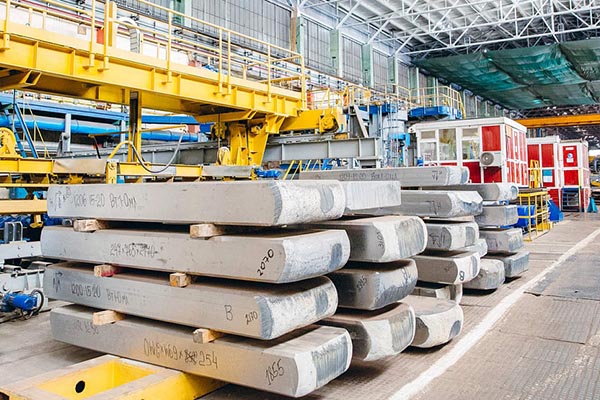
Integrated titanium manufacturing for plate, sheet, tube, pipe, bar, rod, wire and forgings — connecting melting and ingot production with hot working, finishing, machining and inspection.
Wuxi, China · 30,000 m² manufacturing base · 20+ years manufacturing experience
Melt identity stays connected as titanium moves into mill products and downstream processing.
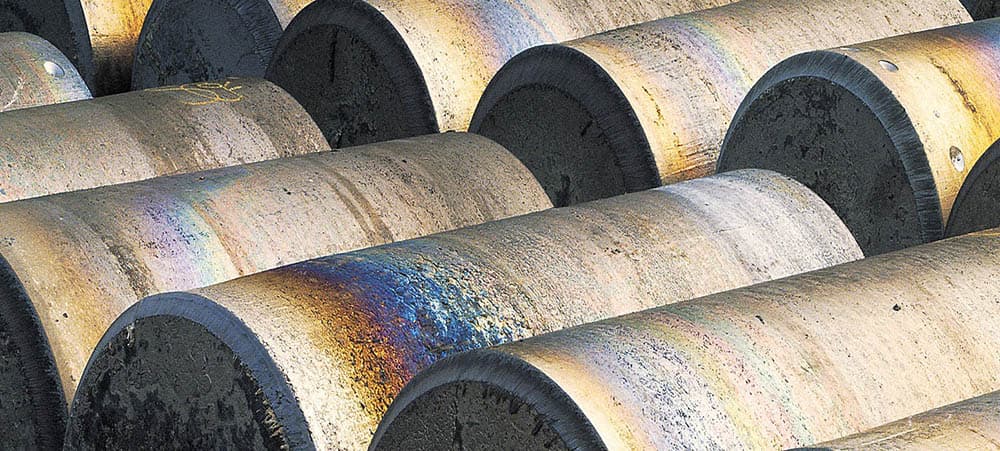
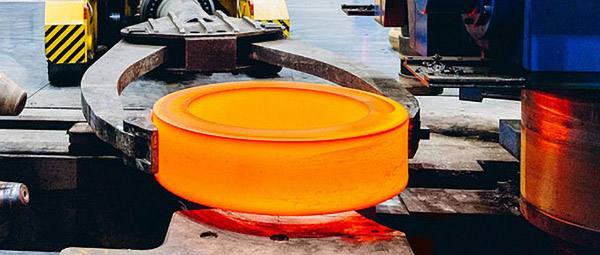
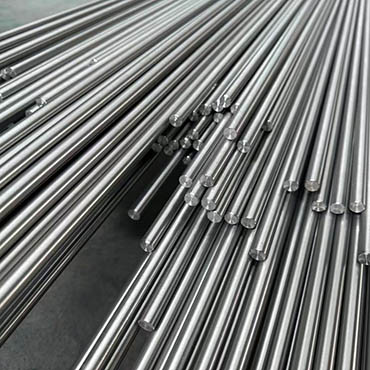
Start with the physical product. Plate, tube, bar, forging and wire each follow a different manufacturing and purchase route.
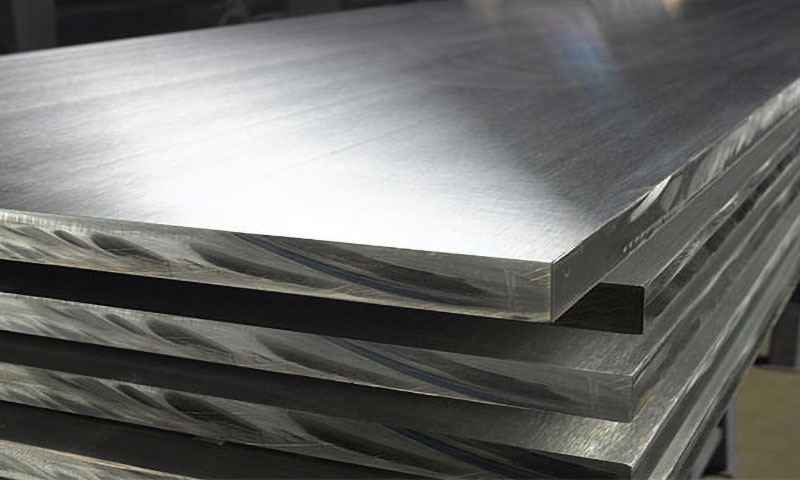 Rolled Flat Product
Rolled titanium flat product supplied by grade, condition, thickness, flatness and final dimensional requirement.
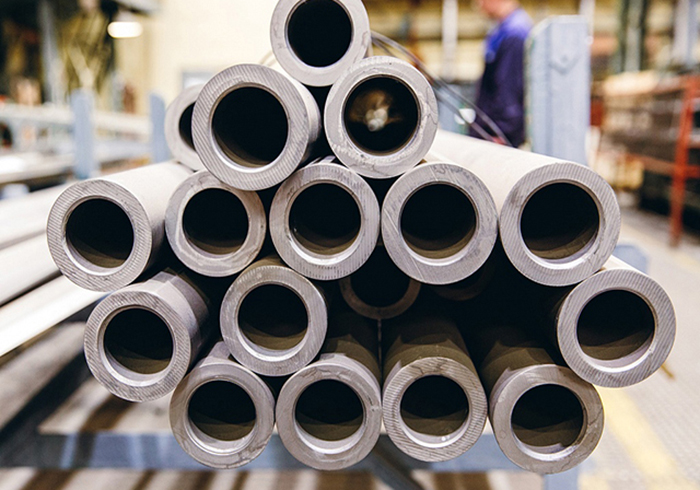 Tubular Product
Heat-transfer tube, seamless pipe and welded pipe are separated by service duty, construction, grade and inspection requirement.
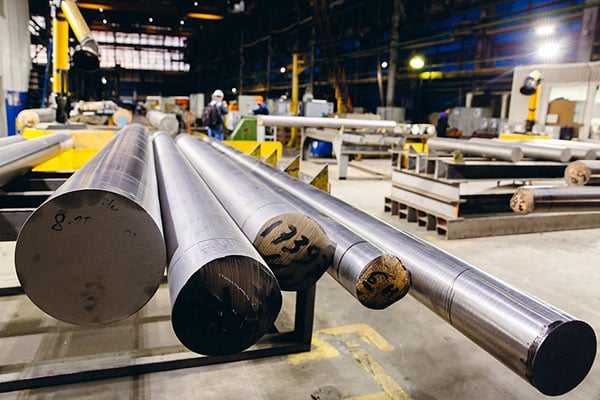 Finished Long Product
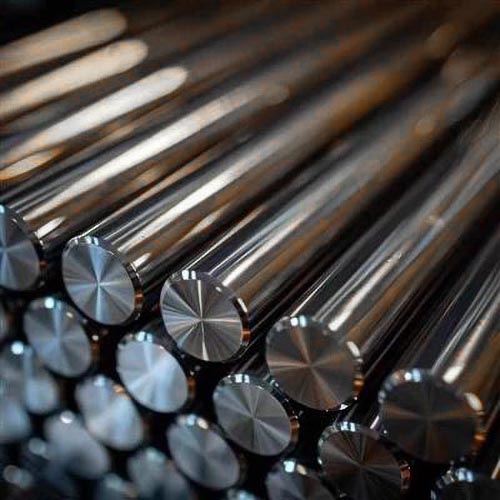
Titanium bar and rod can move from hot-worked stock into straightened, peeled, ground or cut finished long product.
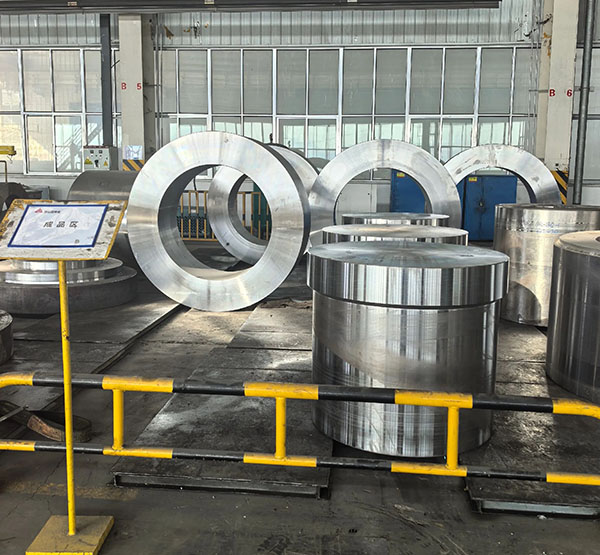 Forged Product
Rings, discs and drawing-controlled blanks connect forging stock, hot working, heat treatment and machining allowance.
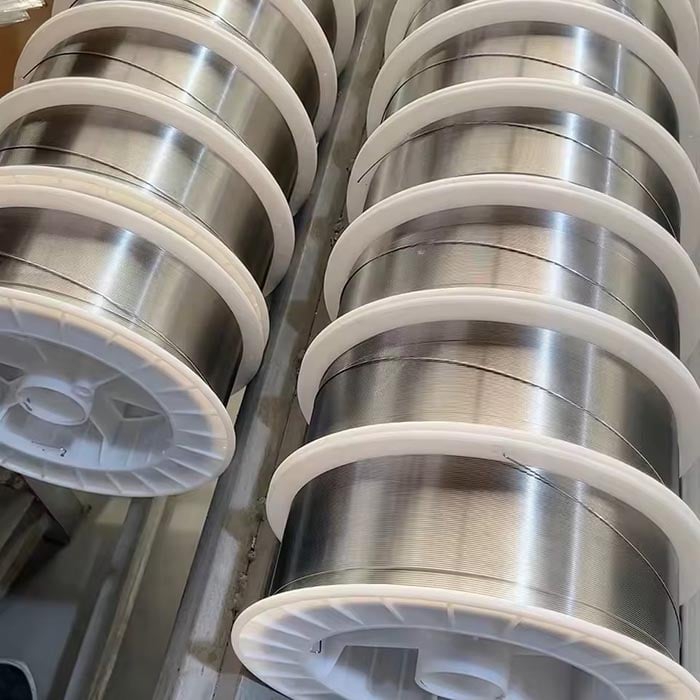 Material Wire
Titanium material wire is defined by grade, diameter, condition, surface and delivery form; welding filler is a separate specification route.
Choose the product form first. Detailed size ranges, tolerances, grade availability and product-specific inspection belong on the corresponding product page.
Grade numbers are material routes, not rankings. Start with the service or design requirement, then confirm the product form, specification and condition.
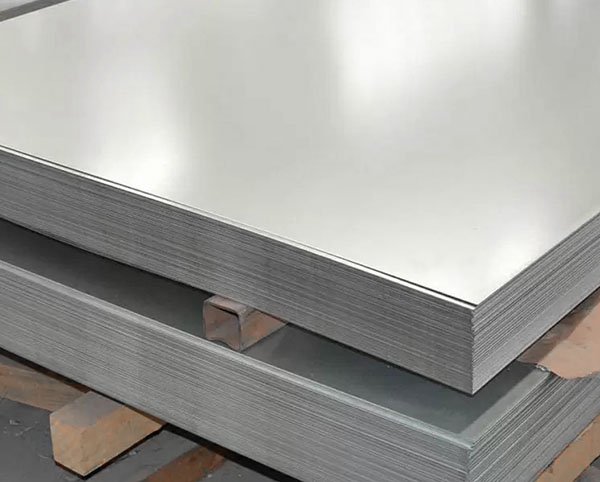 Commercially Pure Titanium
A principal commercially pure titanium route for industrial orders where corrosion service, fabrication and product-form requirements drive material selection.
Explore Grade 2
Ti-6Al-4V
The Ti-6Al-4V route for structural, forged and machined material requirements where alloy condition and specification matter.
Explore Grade 5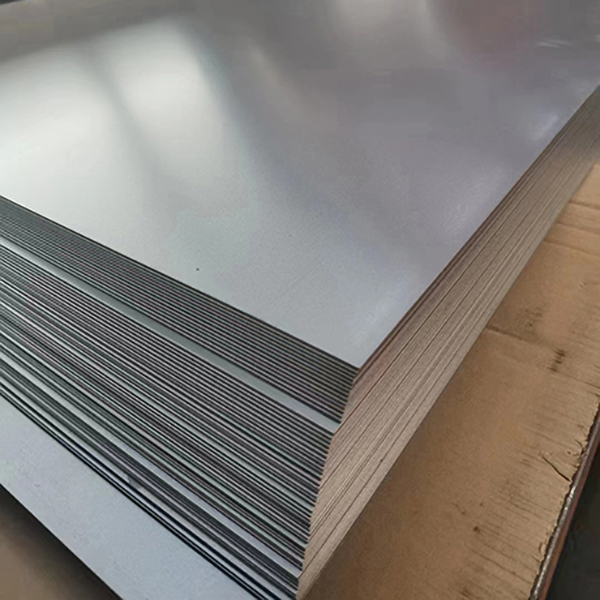 Ti-6Al-4V ELI
An ELI Ti-6Al-4V material route used where the governing requirement calls for tighter interstitial control and the corresponding specification path.
Explore Grade 23The grade family narrows the material route; actual availability still depends on product form, standard, condition and order scope.
Do not select titanium by grade number alone. Service condition or design requirement establishes the material family; product form, specification and condition complete the order.
 Primary Titanium Melt
The exact melt and remelt sequence is order-specific. Grade, quality level, governing specification and purchaser requirement determine the applicable route; TiAlloy does not present one single-, double- or triple-melt sequence as universal for every titanium order.
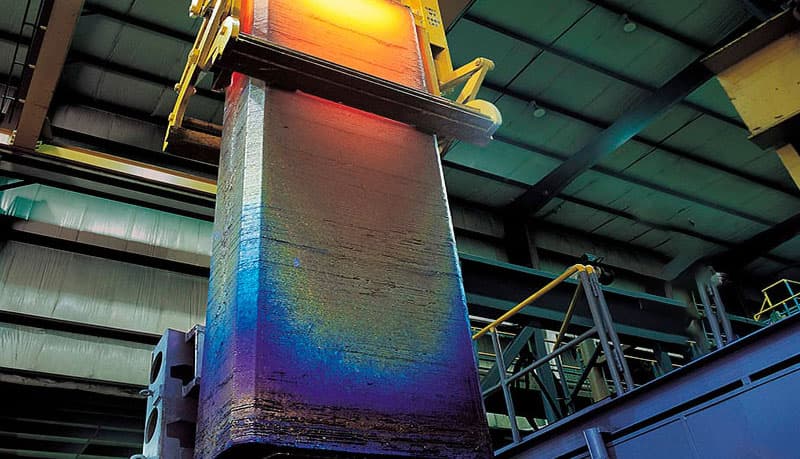
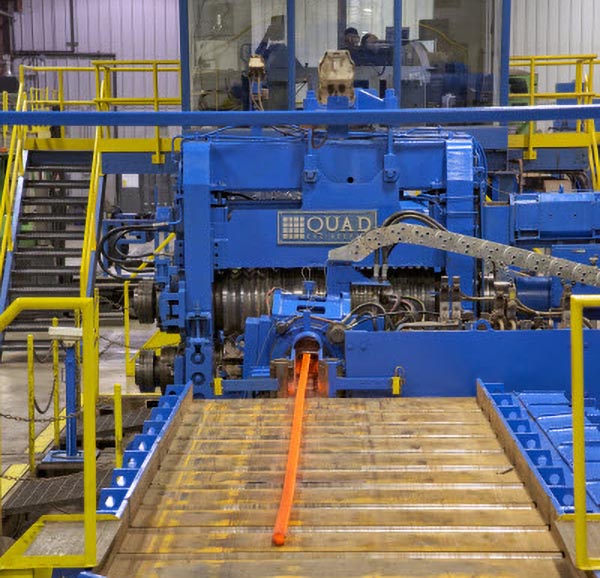
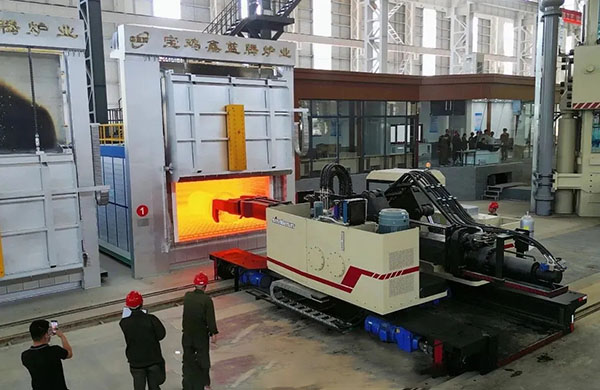
The ingot is only the beginning. Product form determines what happens next — breakdown, forging, rolling and downstream conversion turn titanium into the form required by the order.
Discuss Mill Product Route
Source
Semi-Finished
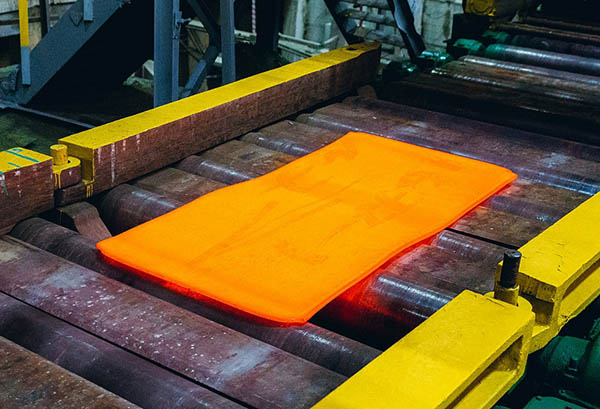 Hot Working
Slab moves toward flat products; billet and forging stock enter long-product, forged or other product-specific manufacturing routes.
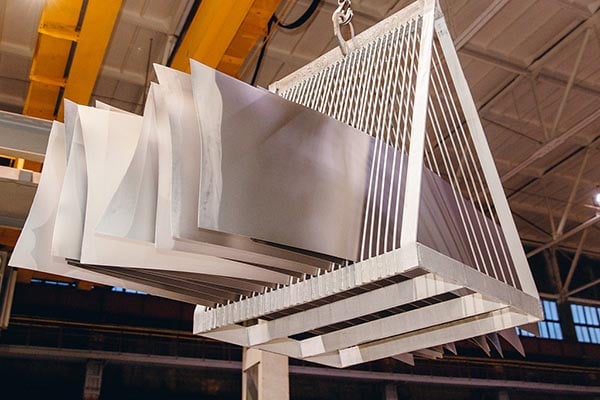 Flat Route
Product Routes
Flat Route
Product Routes
There is no single universal titanium production sequence. Grade, product form, section, specification and final condition determine the actual forging, rolling and downstream processing route.
Next · Processing & FinishingMill products can move into straightening, surface finishing, heat treatment, cutting and drawing-based machining before final inspection and delivery.
Send Processing / Drawing Requirement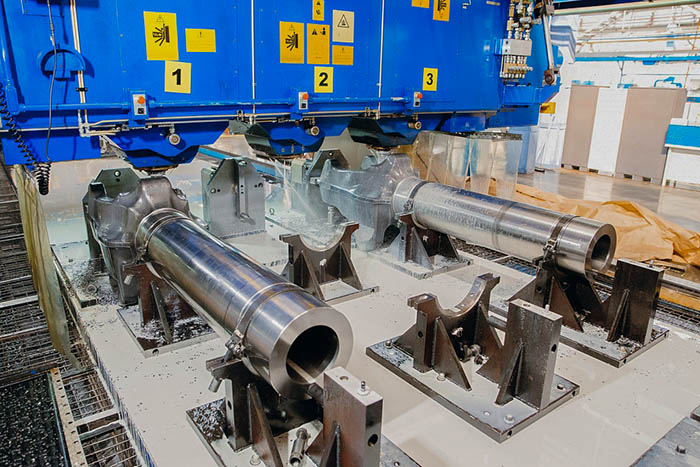 Drawing-Based Processing
Secondary processing is matched to product form, final condition, drawing and required delivery state.
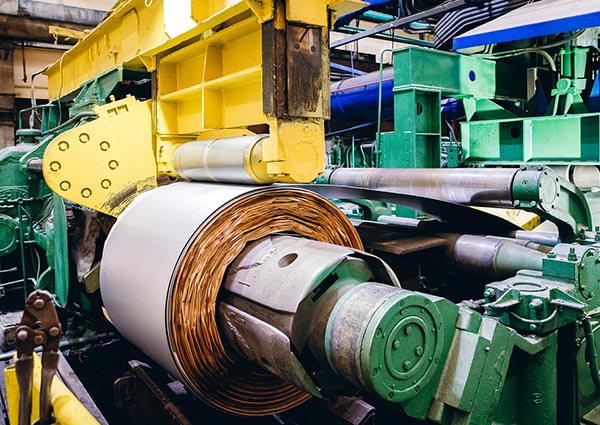 Long Product
 Surface Control
 Condition Control
 Order Preparation
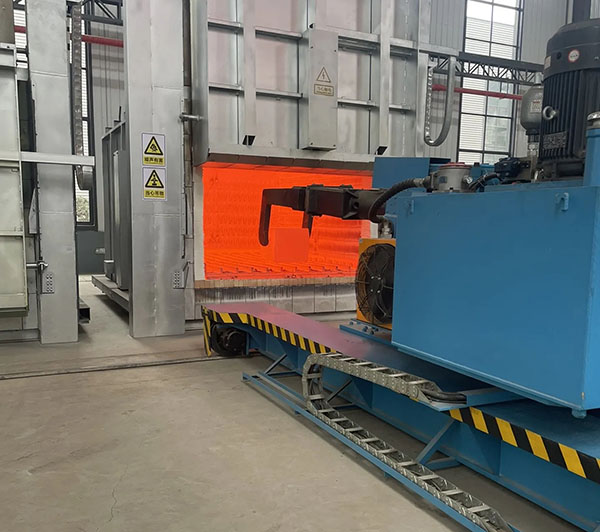
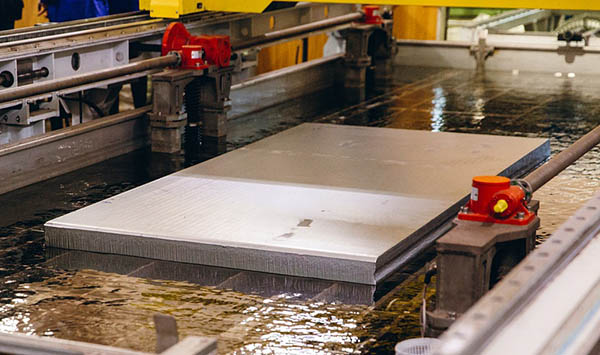
Heat treatment and final condition remain grade-, form- and specification-dependent. Special inspection or NDT is added only where the governing requirement or agreed order scope calls for it.
Industrial titanium selection starts with medium, temperature, geometry, fabrication and service duty — then moves to grade and product form.
Discuss Industrial Service Requirement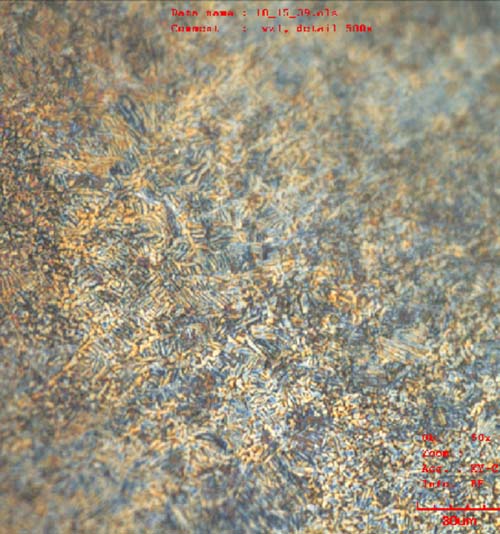 Corrosive Process
Select grade and form against the actual medium, concentration, temperature, impurities and fabrication duty — not from the word “corrosive” alone.
Tube, pipe and plate routes are selected around seawater handling, cooling, desalination duty and the actual fabrication and inspection requirement.
 Seawater Service
 Heat Transfer
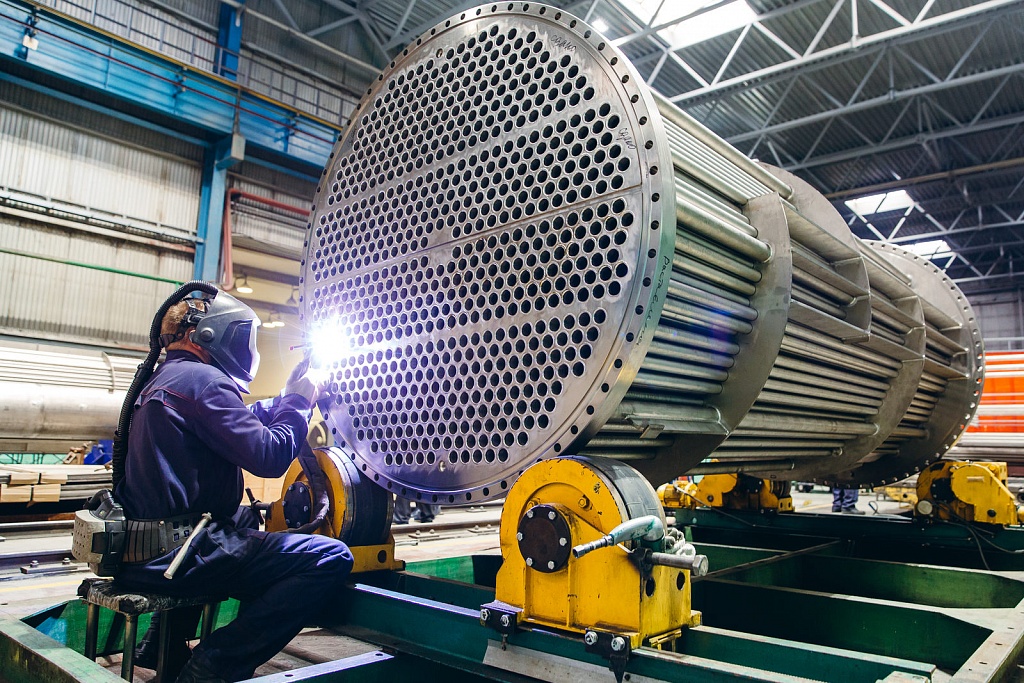
Heat-transfer duty, process medium, pressure, temperature and fabrication method determine the tube, plate and piping material route.
Titanium is not selected by corrosion reputation alone. Actual chemistry, temperature, concentration, crevice geometry, galvanic conditions, product form and fabrication route must be reviewed against the application.
Next · Aerospace, Medical & DefenseHigh-spec titanium starts with the correct material identity, product form, condition and governing requirement — not with an application label.
Send High-Spec Material Requirement
Aerospace / Grade 5
Ti-6Al-4V material is supplied by product form, governing AMS / customer specification and delivery condition.
Explore Grade 5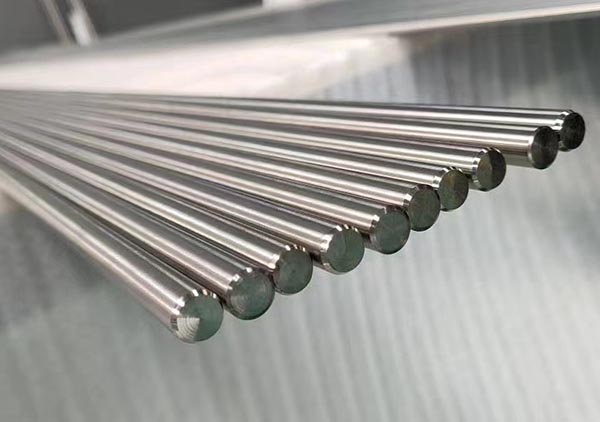 Medical / ELI
Material routes remain specification-controlled; material conformity is separate from finished-device approval.
Explore Grade 23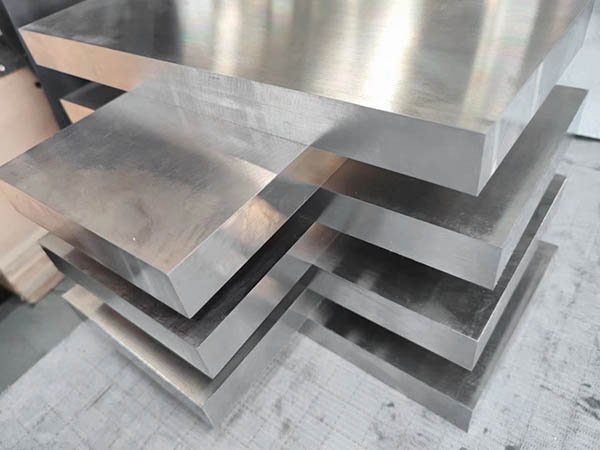 Defense Material
Defense material identity follows the applicable specification, class, product form and required test scope.
Explore Titanium PlateMaterial compliance is not finished-component qualification. Aerospace part approval, finished medical-device approval, defense-platform qualification, customer special-process approval and other downstream requirements remain separate where applicable.
Send the product form, drawing or material specification, revision, delivery condition, dimensions and inspection scope so TiAlloy can review the correct high-spec titanium material route.
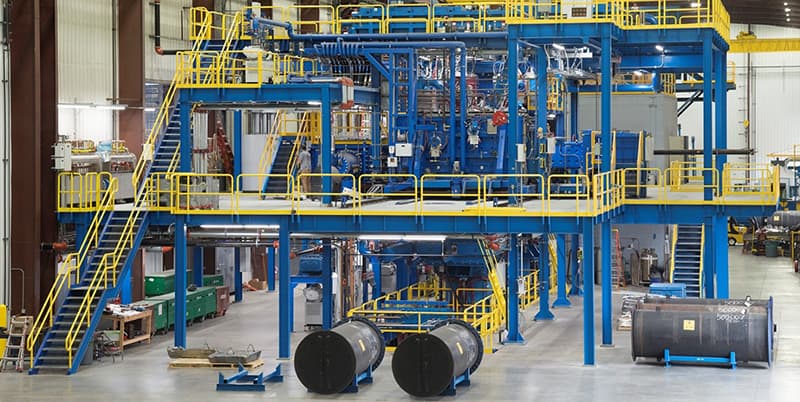
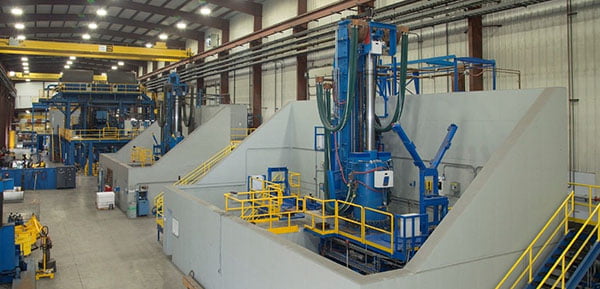
The manufacturing system is visible: melting, hot working, finishing, heat treatment, machining and inspection.
Discuss Titanium Production Requirement TiAlloy · Wuxi Manufacturing Base
Wuxi, China · 30,000 m² manufacturing base · 20+ years manufacturing experience · Integrated titanium production
About TiAlloy
Upstream
Melt / VAR / Ingot
 Hot Working
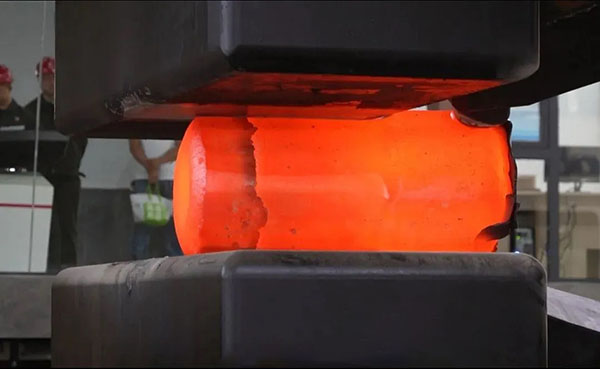
Breakdown / Forging
Hot Working
Breakdown / Forging
 Mill Products
Rolling / Finishing
Mill Products
Rolling / Finishing
 Condition
Heat Treatment
Finished Release
Machining / Inspection
Condition
Heat Treatment
Finished Release
Machining / Inspection
Every image in this section should be TiAlloy’s own manufacturing evidence. The next step is proving how material identity follows the product through inspection, marking, documentation and shipment.
Next · Quality & TraceabilityTiAlloy can connect the finished titanium product back through heat / lot, test and upstream melt identity when the applicable order and manufacturing route require it.
Send Inspection Scope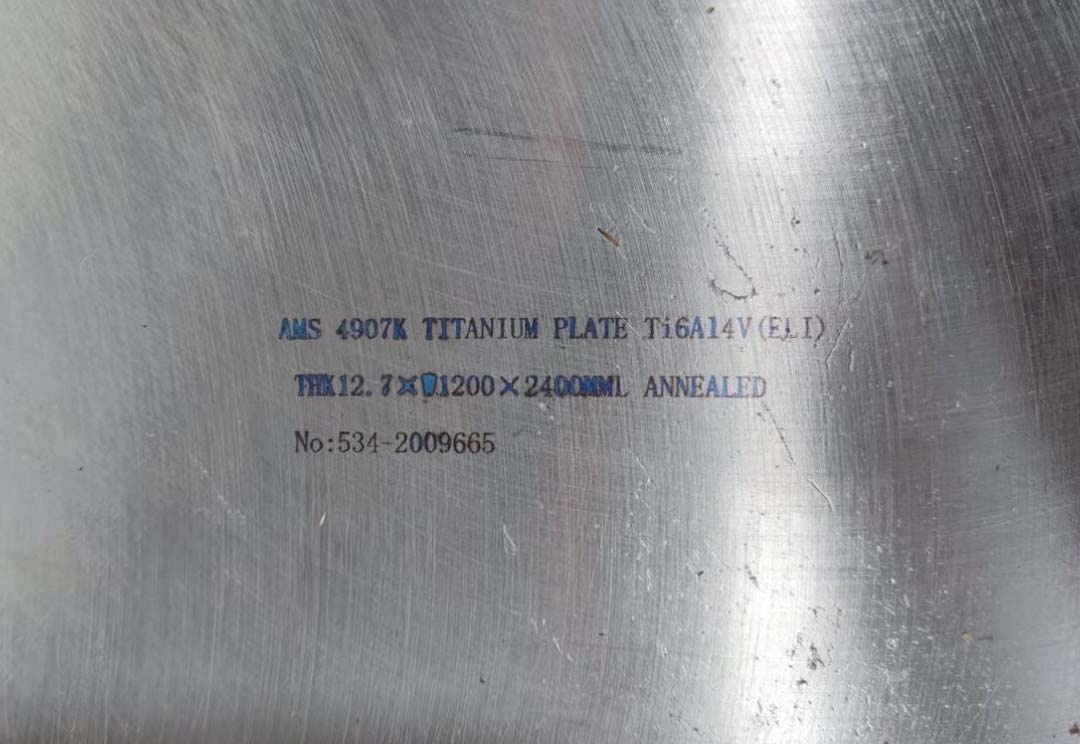 Product Identity Evidence
Grade, heat / lot, product form and applicable order identity should remain traceable through testing, documentation and dispatch.
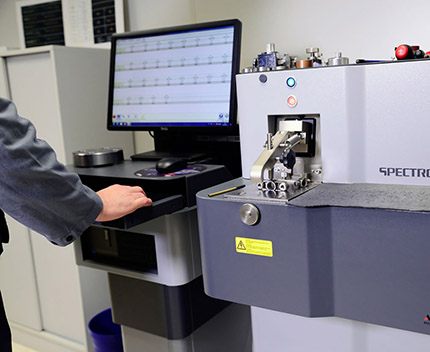
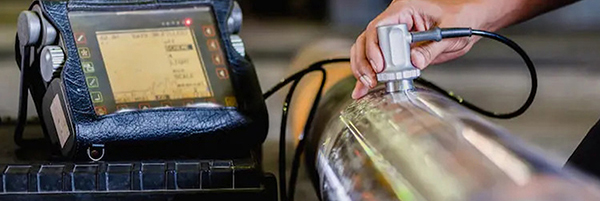
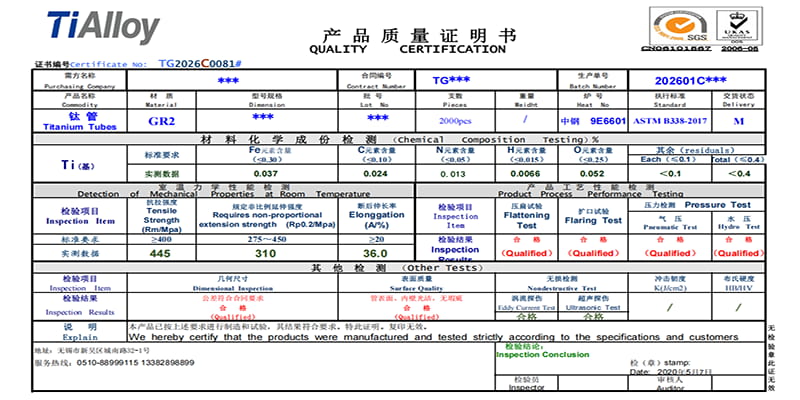
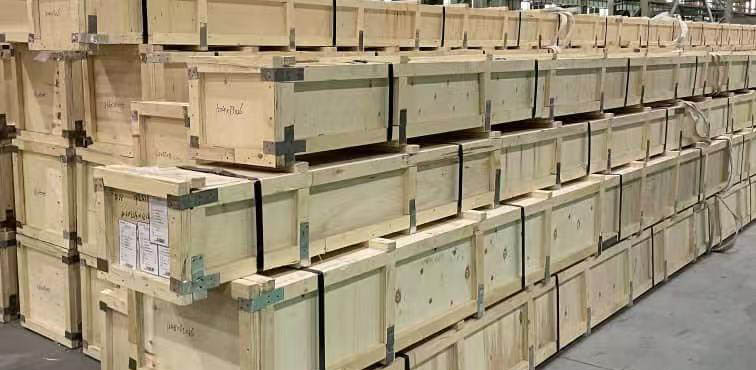
Identity should remain connected as material changes form and moves through verification and dispatch.
PMI can support alloy verification and mix-up control, but it cannot replace O / N / H analysis. Titanium interstitial compliance belongs to the appropriate laboratory analysis and corresponding heat / lot record.
EN 10204 Type 3.1 is not automatically third-party inspection. External witness or independent inspection is handled separately where the order requires it.
Define the inspection requirement before production. Send the material specification, product form, test scope, NDT requirement where applicable, certificate requirement, third-party hold points and marking / packing instructions.
Start with the service environment or design requirement, then confirm product form, specification and condition. Grade 2 is a major CP titanium industrial route; Grade 5 is Ti-6Al-4V; Grade 23 is the ELI Ti-6Al-4V route where that material identity is required. See Titanium Grade Families.
ASTM B338 is the condenser / evaporator / heat-exchanger tube route. ASTM B861 covers seamless titanium pipe, while ASTM B862 covers welded titanium pipe. The product duty and construction should be resolved before the standard is chosen. See Titanium Tube & Pipe .
Availability is confirmed against the grade, product form, size, specification and condition. Some requirements may match available material; others need a production route. Actual availability should be checked against the RFQ rather than assumed from the grade name alone.
There is no reliable universal figure. Grade, form, size, condition, quantity, processing, inspection and destination all affect price, practical MOQ and production / delivery time. They are confirmed after the actual requirement is reviewed.
Chemistry and applicable mechanical results follow the governing material route. UT / NDT is added when specified, EN 10204 3.1 when specified or agreed, and third-party inspection when requested or agreed. Define the inspection scope before production where possible. See Quality & Traceability .
Do not turn a titanium RFQ into a guessing exercise. Grade or service requirement, product form, specification, condition, dimensions, quantity and inspection scope are enough to move into the final RFQ desk.
Pick the service condition; the tool returns the grade, UNS number, governing specification and available mill forms.
Same geometry, four materials. Titanium’s density advantage is the part buyers most often under-count when comparing a quote per kilogram.
Seven fields and a documentation checklist. The output is a complete enquiry you can paste into an email to any titanium mill, not only to us.
Technical insights and supply chain clarity for your industrial titanium requirements.
Start from the medium and the temperature, not the grade number. Grade 2 covers most chemical and seawater duty; Grade 7 takes over in reducing acids and crevice-prone joints; Grade 12 handles under-deposit corrosion at elevated temperature; Grade 5 and Grade 9 are strength choices, not corrosion choices. The Grade Ladder above lists the nine grades that cover most industrial duty, with the specification and the forms we make; the plate card adds four specialty alloys we roll to order.
Neither is better in general. Grade 5 buys strength, 828 MPa minimum yield against 275 MPa for Grade 2, at the same 4.51 g/cm³ density; it doesn’t buy better corrosion resistance, and in some reducing environments unalloyed Grade 2 or palladium-bearing Grade 7 performs better. If your part is corrosion-governed rather than load-governed, paying the Grade 5 premium buys nothing.
An EN 10204 Type 3.1 inspection certificate as standard, covering heat chemistry, mechanical results and the delivered condition, plus a dimensional report and a packing list with heat numbers matched to the physical marking. Type 3.2 with a third-party countersignature, PMI, ultrasonic testing and corrosion testing are added on request at quotation stage.
Verify the certificate with the mill through independently sourced contact details, cross-check the heat number against the physical marking, run PMI on arrival, and use a third-party inspector such as SGS, Bureau Veritas or TÜV to witness the first shipment. This is a live problem: counterfeit and substandard material certificates are documented across the metals supply chain, and buyers on engineering forums regularly report certificate and label mismatches holding up incoming inspection.
Only if that heat number matches the heat you’re receiving. A mill test certificate is tied to a melt, not to a date.
ASTM B265 and ASME SB-265 for plate, sheet and strip; ASTM B338 and ASME SB-338 for heat-exchanger and condenser tube; ASTM B861 and B862 for industrial unwelded and welded pipe; ASTM B348 for bar and billet; ASTM B381 for forgings; ASTM B863 for wire; ASTM F136 for Grade 23 implant stock. AMS numbers apply where a customer specifies an aerospace-format chemistry and mechanical requirement.
According to the US Geological Survey, world titanium sponge production was about 320,000 tonnes in 2024, of which China produced roughly 220,000 tonnes. Japan contributed 55,000 tonnes, Russia 20,000, Saudi Arabia 15,000 and Kazakhstan 14,000. On capacity rather than output the picture shifts slightly: China holds 260,000 tonnes of the world’s 410,000 tonnes of installed sponge capacity, so a lot of Chinese capacity sits idle.
Industrial-grade titanium feedstock is abundant and priced accordingly: USGS put the US landed sponge price at 13 USD per kilogram in 2024. US sponge consumption relied on imports for more than 95%, sourced principally from Japan at 67%, Saudi Arabia at 23% and Kazakhstan at 7%, which is why Western aerospace supply and industrial supply behave like two separate markets.