Get in Touch with TiAlloy Company

Straight · U-Bent · Finned · Project & Replacement Supply
Heat Exchanger & Condenser Tubes Manufacturer
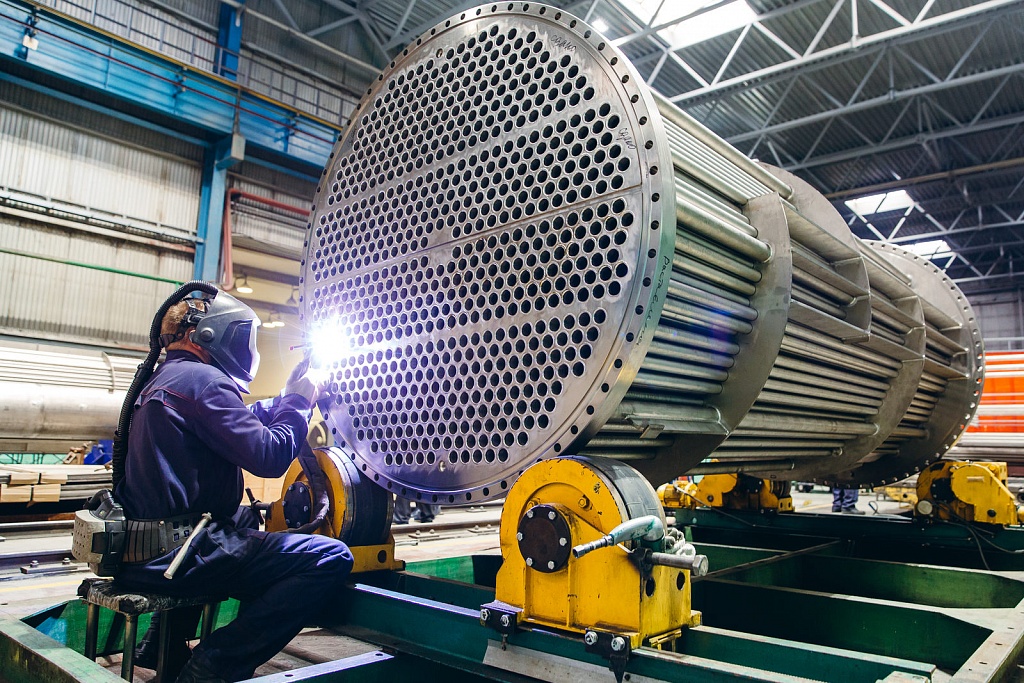
TiAlloy supplies titanium, stainless steel and nickel alloy tubes for heat exchangers, surface condensers, coolers, evaporators and process equipment. Supply programs include straight tubes, U-bent tubes and finned tube solutions according to material, dimensions, tube construction and project requirements.
Materials Titanium · Stainless · Nickel Alloy
Tube Forms Straight · U-Bent · Finned
Supply Basis New Build · Retubing · Replacement
Supply scope covers tube products and related processing for exchanger and condenser fabrication; complete heat exchanger equipment is not included unless separately agreed.
01 / Product Form Straight Tubes
02 / Product Form U-Bent Tubes
03 / Product Form Finned Tubes
HX / COND Tube Supply
Material Families
Titanium Stainless Steel Duplex Nickel Alloy
Equipment & Duty
Heat Exchanger Condenser Cooler Evaporator
Heat Exchanger Tubes / Condenser Tubes / Extended Surface Tubes
Straight, U-Bent & Finned Tube Range
TiAlloy supplies three principal tube forms for heat exchangers, condensers and related thermal equipment: straight tubes for conventional bundles, U-bent tubes for return-flow bundle designs, and finned tubes for applications requiring additional external heat-transfer surface.
Product Path / Straight Length
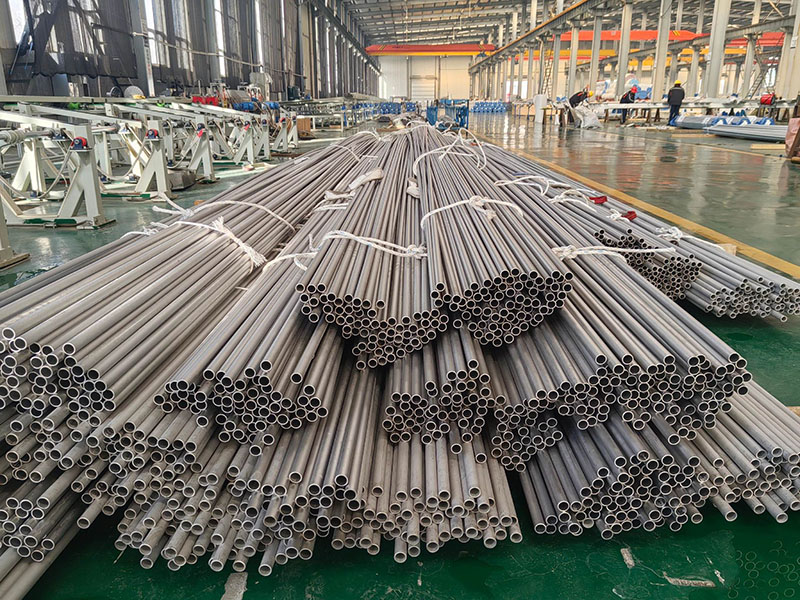
Straight Heat Exchanger & Condenser Tubes
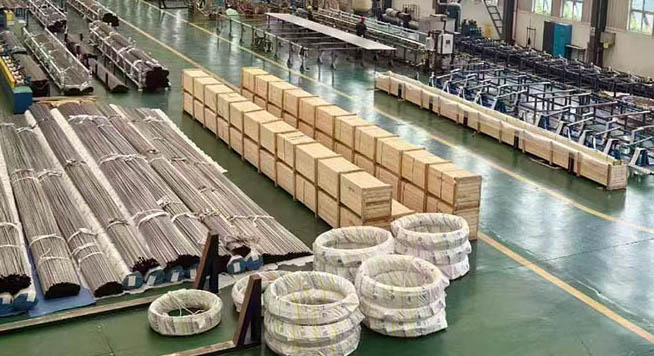
Straight tubes are supplied for shell-and-tube heat exchangers, surface condensers, coolers, evaporators and replacement tube bundles. Procurement normally defines material, product standard, outside diameter, wall thickness, fixed or random length, dimensional tolerance, surface condition and inspection scope.
Fixed or project-defined lengthBundle fabricationCondenser retubingSeamless or welded route where applicable
Product Path / Return-Flow Bundle
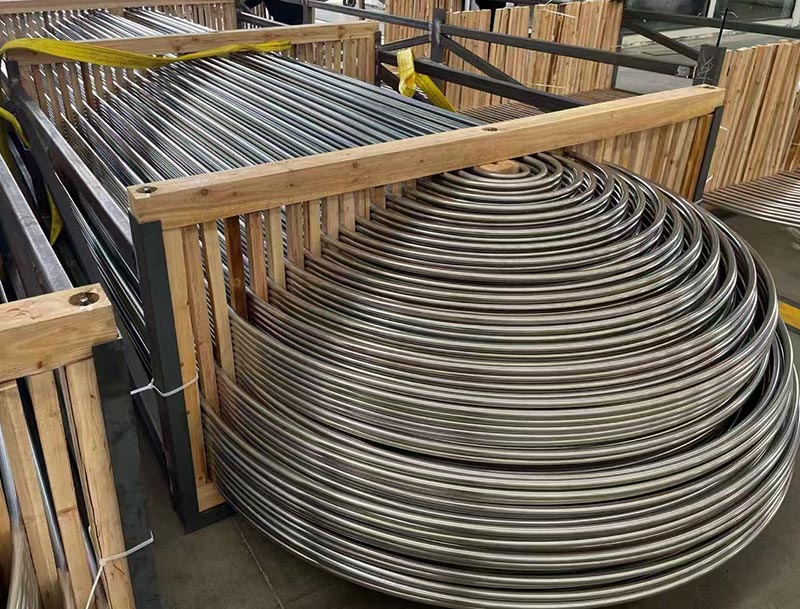
U-Bent Heat Exchanger Tubes
U-bent tubes are prepared for exchanger and condenser bundles where both tube ends terminate at the same tubesheet. The purchase specification should define straight-leg length, bend radius, tangent points, tube dimensions and any project requirements for bend geometry, heat treatment, cleanliness, inspection and packing.
Bend radiusLeg lengthTangent controlOvality and bend-wall control when specified
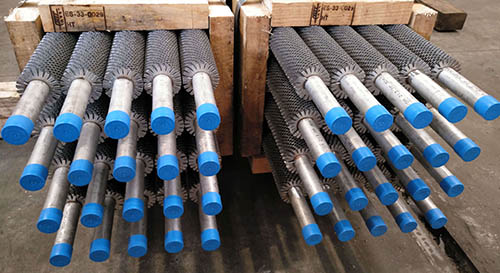
Product Path / Extended Surface
Finned Tubes for Heat Transfer Service
Finned tubes increase external heat-transfer surface where the thermal design calls for an extended-surface tube. Base-tube material, fin material, fin geometry, outside diameter, wall thickness, finished length and attachment method should be specified according to the exchanger, cooler or process duty.
Low-fin or project-defined fin geometryBase tube and fin materialFin density / height / pitchFinished length and bare-end requirement
Buyer Search Intent Tube Type Selection
straight heat exchanger tubescondenser tubesheat exchanger U tubesU-bent condenser tubesfinned tubesheat exchanger tube manufacturer
3 FORMS Tube Range
Define the tube form before the detailed specification
Send the equipment type, tube form, material, dimensions, quantity and drawing or bend / fin details where applicable.
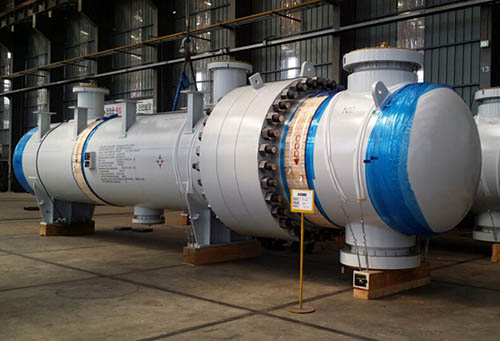
Heat Exchanger Duty / Condenser Service / Equipment Selection
Heat Exchanger & Condenser Duty Map
The equipment duty defines the questions that come before material selection. Cooling medium, process chemistry, temperature, pressure, phase change, fouling and corrosion exposure should be understood before the tube grade and product specification are finalized.
Equipment First
Start with the thermal duty, not only the alloy.
A condenser, seawater cooler, process exchanger, evaporator and LNG vaporizer can place very different demands on the same nominal tube size.
Process Side
Fluid chemistry, temperature, pressure, phase condition and deposit tendency.
Cooling Side
Water chemistry, chlorides, temperature, flow conditions and fouling exposure.
Condensing Service
Surface Condenser
Surface condenser tubes separate the condensing vapor from the cooling medium. Tube selection should reflect both sides of the exchanger rather than the cooling-water environment alone.
Selection Focus
Cooling water · Vacuum duty · Chemistry · Fouling
Power Generation
Turbine Condenser
Steam turbine condenser tubes operate within large tube bundles where cooling-water conditions, steam-side cleanliness and the mechanical environment of the bundle all influence the tube specification.
Selection Focus
Steam cycle · Cooling water · Bundle duty · Vibration
Process Heating / Cooling
Process Exchanger
Process heat exchanger tubes may handle heating, cooling, condensing or partial phase-change duty. Fluid chemistry, operating temperature, pressure and cleaning conditions should be defined with the RFQ.
Selection Focus
Chemistry · Temperature · Pressure · Cleaning
Chloride Service
Seawater Cooler
Seawater cooler tubes work with natural or treated seawater as the cooling medium. Chloride exposure, water temperature, flow conditions and deposits are central inputs for tube-material selection.
Selection Focus
Chlorides · Temperature · Flow · Deposits
Phase Change
Evaporator
Evaporator tubes can see changing process concentration as liquid is boiled or concentrated. The fluid chemistry, operating temperature, scaling tendency and cleaning method should therefore be considered together.
Selection Focus
Concentration · Boiling · Scaling · Corrosion
Cryogenic Duty
LNG Vaporizer
LNG vaporizer tubing must be matched to the actual vaporizer design, cryogenic duty and warm-side medium. Systems using seawater also introduce a significant corrosion and chloride-selection requirement.
Selection Focus
Cryogenic duty · Seawater · Chlorides · Design
Define the equipment duty before selecting the tube material.
For a heat exchanger tube or condenser tube enquiry, identify the equipment type, process medium, cooling medium, operating temperature and pressure, and any known corrosion or fouling conditions before finalizing the alloy.
DUTY → TUBE Equipment Routing
Move from equipment duty to material selection
Surface condenser, turbine condenser, process exchanger, seawater cooler, evaporator and LNG vaporizer duties can require different tube materials and supply conditions.
Heat Exchanger Tube Materials / Condenser Tube Alloy Selection
Material Selection by Service
Heat exchanger and condenser tube material selection begins with the process and cooling-side conditions. Chloride level, temperature, pressure, oxidizing or reducing chemistry, fouling, velocity and fabrication requirements can change the appropriate alloy family.
Service first. Grade second.
TiAlloy reviews heat exchanger tube and condenser tube materials against the actual duty rather than treating one alloy as the universal choice for every exchanger.
General Industrial Duty
Process & Cooling Water
Review
Water chemistry, process fluid, temperature, cleaning method and fabrication route normally define the starting point.
Typical Candidate Grades
304 / 304L 316 / 316L 316Ti317L321 / 321H347 / 347H / 347HFG
Seawater / High Chloride
Condenser & Cooler Service
Review
Chloride concentration, water temperature, velocity, deposits, crevices and shutdown conditions can control the required corrosion resistance.
Candidate Material Families
Titanium Gr 2 / 7 / 12 Duplex 2205 Super Duplex 2507 S32760 / S32707254 SMO / S31254AL-6XN / N08367Alloy 926 / N08926Alloy 625 / 825 / 400
Elevated Temperature
Steam & Hot Process Duty
Review
Metal temperature, pressure, oxidation environment, creep requirement and the applicable equipment code become increasingly important as temperature rises.
Typical Candidate Grades
304H316H321H347H / 347HFG309S / 309H310S / 310HAlloy 800 / 800H / 800HTAlloy 600 / 690 / 617
Aggressive Process Media
Chemical & Acid Service
Review
Acid type, concentration, temperature, contaminants, oxidizing or reducing conditions and crevice exposure should be evaluated together.
Candidate Material Families
904L / N08904254 SMO / S31254AL-6XN / N08367Alloy 28 / N08028Alloy 31 / N08031Alloy 625Alloy 825Alloy C22Alloy C276Alloy 59Alloy C2000Alloy B2 / B3Titanium Gr 7 / 12
Cryogenic / Vaporization
LNG Vaporizer Service
Review
Vaporizer design, cryogenic exposure, warm-side medium, seawater chemistry, chloride level and thermal cycling should be reviewed as one system.
Materials Commonly Evaluated
304L / 316L254 SMO / S31254AL-6XN / N08367Duplex / Super DuplexAlloy 625Alloy C276High-alloy project grades
Material Availability Map
Heat Exchanger & Condenser Tube Grade Spectrum
Austenitic Stainless Stainless Steel
304 · 304L · 304H · 316 · 316L · 316H · 316Ti · 317L · 321 · 321H · 347 · 347H · 347HFG · 309S · 309H · 310S · 310H
High-Alloy / 6Mo Super Austenitic
904L / UNS N08904 · 254 SMO / UNS S31254 · AL-6XN / UNS N08367 · Alloy 926 / UNS N08926 · Alloy 28 / UNS N08028 · Alloy 31 / UNS N08031 · UNS N08935
Duplex Stainless Duplex / Super Duplex
UNS S31500 · UNS S32003 · 2304 / UNS S32304 · UNS S32101 · UNS S32201 · 2205 / UNS S31803 / S32205 · 2507 / UNS S32750 · UNS S32760 · UNS S32707
Titanium Titanium Tube Grades
Titanium Grade 1 · Grade 2 · Grade 3 · Grade 4 · Grade 7 · Grade 9 · Grade 11 · Grade 12 · Grade 16 · Grade 17 · Grade 26 · Grade 28
Nickel & Ni-Cr-Mo Nickel Alloy
Alloy 400 / UNS N04400 · Alloy 600 / N06600 · Alloy 601 / N06601 · Alloy 617 / N06617 · Alloy 625 / N06625 · Alloy 686 / N06686 · Alloy 690 / N06690 · Alloy 800 / N08800 · Alloy 800H / N08810 · Alloy 800HT / N08811 · Alloy 825 / N08825 · Alloy 20 / N08020 · Alloy C22 / N06022 · Alloy C276 / N10276 · Alloy 59 / N06059 · Alloy C2000 / N06200 · Alloy B2 / N10665 · Alloy B3 / N10675
Candidate materials are not automatic substitutions.
Final alloy selection should be checked against both process and cooling-side chemistry, operating temperature and pressure, corrosion mechanism, fabrication route, tube-to-tubesheet design and the applicable project specification. Availability of a specific grade in a particular tube form should also be confirmed at quotation stage.
SERVICE → ALLOY Material Decision
Selected the material family? Confirm the product standard next.
Tube grade and product standard must match the material, tube construction and equipment requirement.
ASTM / ASME / EN / JIS Heat Exchanger Tube Standards
Standards by Material & Tube Type
Heat exchanger and condenser tube standards are selected according to material family, seamless or welded construction, tube form and project requirements.
Material → Seamless / Welded → Tube Standard → Straight / U-Bent / Finned
Titanium
Heat Exchanger & Condenser Tube
ASTM / ASME B338 / SB-338
Primary product route for titanium and titanium-alloy tubes used in condenser and heat exchanger service.
Tube Form
Straight · U-Bent
Austenitic Stainless
Seamless & Welded Tube
ASTM / ASME A213 / A249
A213 covers the common seamless heat exchanger tube route; A249 covers welded austenitic boiler, heat exchanger and condenser tubing.
Tube Route
Seamless · Welded · U-Bent
Duplex / Super Duplex
Ferritic-Austenitic Tube
ASTM / ASME A789 / SA-789
Common product basis for seamless or welded duplex and super duplex tubing where the selected grade and project specification call for A789.
Tube Route
Seamless · Welded · U-Bent
Nickel Alloy
Condenser & Heat Exchanger Tube
Grade Dependent B163 / B444
B163 is a dedicated condenser and heat exchanger tube specification for covered nickel alloys. Other grades use alloy-specific specifications such as B444 for Alloy 625.
Additional Routes
B167 · B423 · B622 · others by grade
International Standards
EN 10216-5 · Seamless StainlessEN 10217-7 · Welded StainlessJIS G3463 · Stainless Heat Exchanger TubeJIS H4631 · Titanium Heat Exchanger Tube
Base Standard + Tube Form Requirement
Straight
Base tube standard defines the primary product requirements.
U-Bent
Add radius, leg length, geometry and bend requirements.
Finned
Add fin material, geometry, attachment and finished dimensions.
Standard number alone is not a complete tube specification.
ASTM B338 titanium heat exchanger tubes, ASTM A213 stainless heat exchanger tubes, ASTM A249 welded condenser tubes, ASTM A789 duplex tubes and nickel alloy condenser tubes must still be ordered with grade, size, length, condition and required inspection.
STD → SIZE Procurement Route
Standard confirmed? Check tube dimensions next.
Match OD, wall thickness, length and tube form to the exchanger design.
Heat Exchanger Tube Sizes / Condenser Tube Dimensions
Tube Sizes & Dimensional Capability
Tube dimensions are reviewed by material, product standard, manufacturing route and equipment design. Straight tubes, U-tubes, thin-wall tubes and fixed-length condenser tubes may require different dimensional controls.
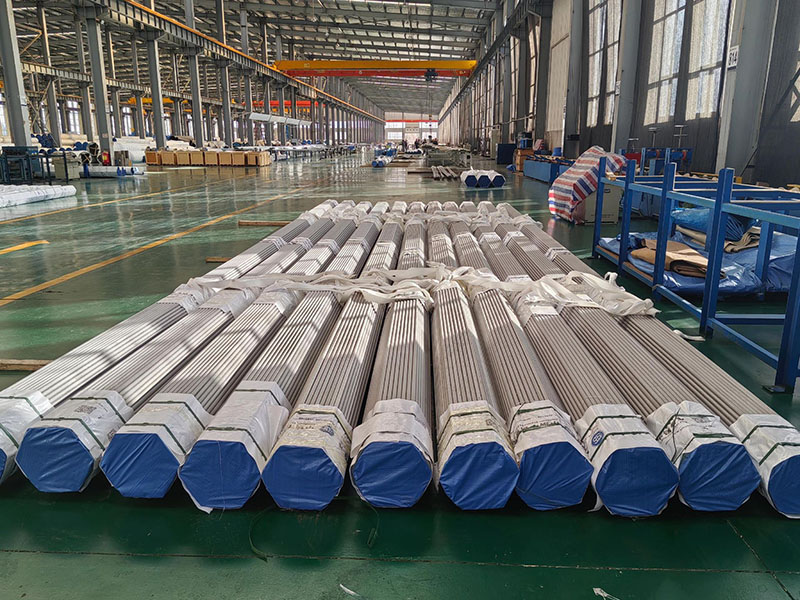
Stainless Tube Envelope Heat Exchanger & U-Tube
Straight Tube OD 12.7–159 mm
Straight Tube WT 0.5–8 mm
U-Tube Envelope OD 12–38 · WT 0.5–4 mm
| Tube Supply | OD | Wall Thickness | Length Basis | Order / Dimensional Basis |
|---|---|---|---|---|
| Stainless Straight Heat Exchanger Tube | 12.7–159 mm | 0.5–8 mm | Random or fixed length according to the order | A213, A249, EN, JIS or other applicable tube specification |
| Stainless U-Bent Tube | 12–38 mm | 0.5–4 mm | Leg length and overall geometry defined by drawing | OD and WT plus bend radius, tangent and leg-length requirements |
| Thin-Wall Exchanger / Condenser Tube | Selected by material and standard | From 0.5 mm in applicable stainless ranges | Fixed length where required for bundle fabrication | Wall tolerance and handling requirements should be stated when critical |
| Long / Fixed-Length Tube | According to tube route | According to ordered specification | Project-defined | State exact tube length and tolerance for condenser or exchanger bundle fit-up |
| Titanium Heat Exchanger / Condenser Tube | Grade and route dependent | Grade and route dependent | Straight or U-bent supply according to project requirement | Confirm grade, B338 / applicable standard, OD, WT and length at RFQ stage |
| Nickel Alloy Heat Exchanger / Condenser Tube | Alloy and product standard dependent | Alloy and product standard dependent | Fixed or project-defined length | Confirm alloy, B163 / B444 / applicable standard and final dimensions |
Dimensional Review Bundle Fit-Up Inputs
Outside Diameter
OD tolerance becomes important where tubes pass through tubesheets and baffles.
Wall Thickness
Nominal and minimum-wall requirements should follow the ordered specification.
Fixed Length
State finished length and tolerance where tube preparation must match bundle geometry.
Straightness
Long straight tubes may require project-defined straightness control for assembly.
Size capability depends on material and manufacturing route.
The stainless heat exchanger tube ranges above are stated as TiAlloy supply capability. Titanium and nickel alloy tube dimensions should be confirmed against the selected alloy, product standard, seamless or welded route, required length and inspection scope rather than assuming the same stainless dimensional envelope.
SIZE → ROUTE Dimensional Review
Send OD, wall thickness, length and quantity by size.
Add fixed-length tolerance, U-bend geometry and minimum-wall requirements where applicable.
Heat Exchanger Tube Manufacturing / Tube Mill Process
Manufacturing & Heat Treatment
Heat exchanger and condenser tube production combines dimensional reduction, forming, welding where applicable, heat treatment and final dimensional correction according to the selected material and product specification.
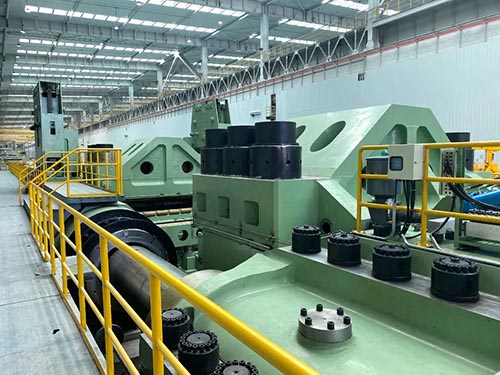
Seamless Tube Route
Dimensional Reduction
Cold rolling or pilgering reduces tube diameter and wall thickness while developing the dimensional condition required for subsequent processing.
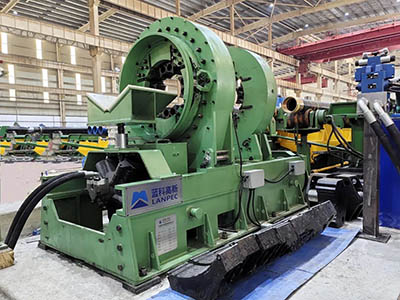
OD / WT Control
Cold-Drawn Tube Processing
Cold drawing is used for applicable tube routes to reach ordered OD, wall thickness and dimensional consistency before final heat treatment and sizing.
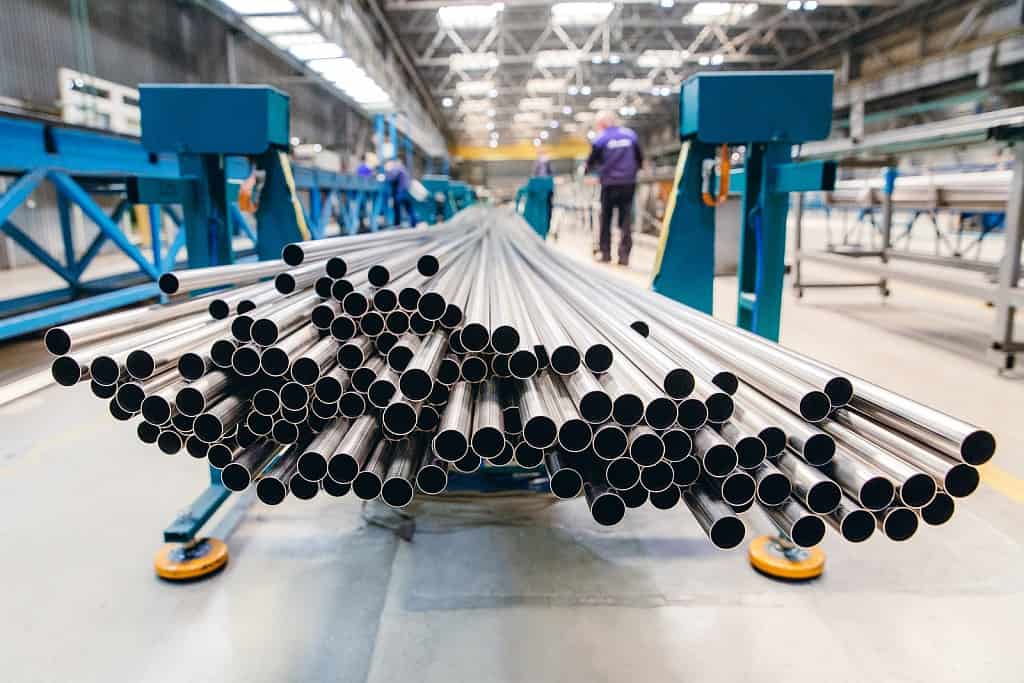
Where Applicable
Welded Tube Production
Welded tubing is produced where the material, product standard and project specification permit a welded heat exchanger or condenser tube route.
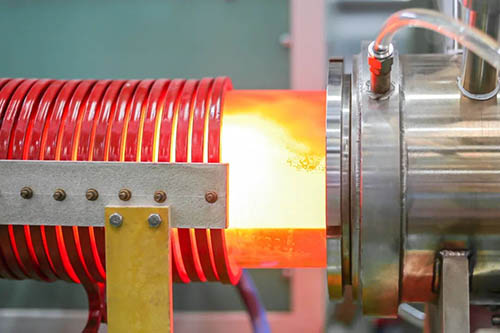
Material Condition
Solution Heat Treatment
Solution annealing is applied where required by the alloy, product standard and ordered delivery condition after forming or cold-working operations.
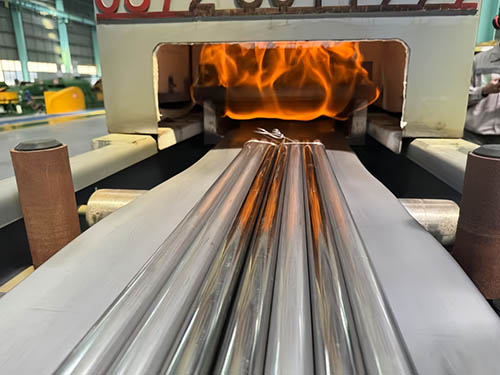
Clean Bright Finish
Bright-Annealed Tube
Bright annealing is available for applicable grades and product conditions where a clean, bright tube surface is required by the purchase specification.
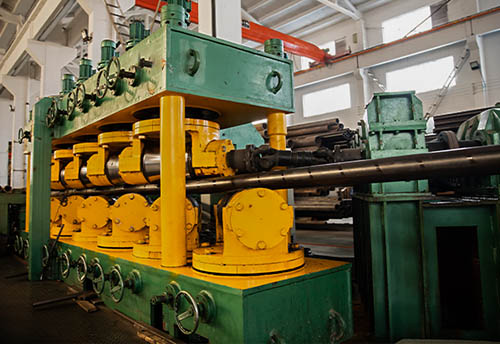
Bundle Fit-Up
Final Straightness Control
Straightening and final dimensional correction support long-tube handling, tubesheet insertion and exchanger bundle assembly requirements.
Manufacturing Logic Route Depends on Tube Construction
Seamless / Cold-Finished
Cold rolling or pilgering and cold drawing may be combined with intermediate or final heat treatment according to the alloy, starting dimensions and required finished tube.
Welded / Cold-Worked Where Required
Forming and welding establish the welded tube route. Heat treatment, sizing, straightening or additional cold work are applied according to the ordered specification.
Cold Rolling / Pilgering → Cold Drawing → Welding Where Applicable → Solution / Bright Annealing → Straightening
The images show available manufacturing processes, not one mandatory sequence.
Not every heat exchanger or condenser tube passes through every operation shown above. The actual manufacturing route depends on material grade, seamless or welded construction, dimensions, final condition, product standard and ordered inspection requirements.
ROUTE → FORM Tube Manufacturing
Base tube complete? U-bending adds dedicated geometry control.
Bend radius, leg length, tangent, ovality and bend condition are reviewed separately.
Heat Exchanger U Tubes / U-Bent Condenser Tubes / U-Tube Manufacturer
U-Tube Engineering
U-bent heat exchanger tubes require more than the base-tube OD and wall thickness. Bend radius, straight-leg length, tangent location, bend geometry and finished bundle arrangement should be defined from the exchanger drawing before production.
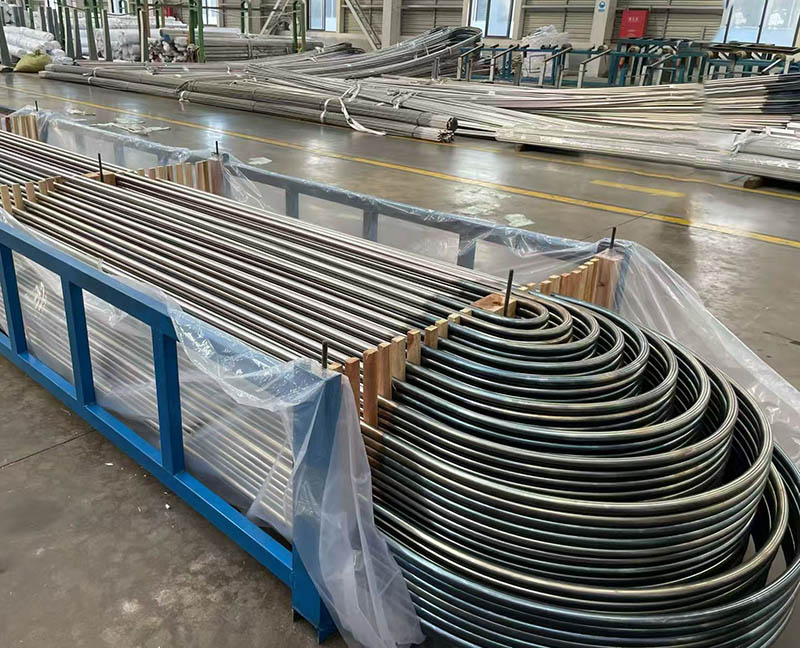
U-Tube Geometry
Drawing Inputs Before Bending
Concept drawing only. Final dimensions and tolerances follow the approved project drawing.
Drawing Dimensions
Core U-Tube Geometry
Centerline Radius
Define each bend radius or radius schedule used within the exchanger bundle.
Straight Leg Length
State finished leg length and any required dimensional tolerance.
Tangent Location
Tangent points establish where the straight legs transition into the bend.
Bend Plane
Bundle fabrication may require control of U-bend alignment and deviation from plane.
Bend Acceptance
Geometry After Forming
Ovality
Cross-section distortion through the bend is reviewed against the applicable drawing, purchase order or project requirement.
Bend Wall Thinning
Minimum wall requirements in the bend should be stated where wall thinning is a design or acceptance criterion.
Bend Heat Treatment
Post-bend heat treatment or local heat treatment is applied when required by material grade, bend severity, specification or purchaser requirement.
Final Preparation
Before Bundle Delivery
Cutting & Deburring
Tube ends are prepared to the ordered finished length and end condition.
Internal Cleaning
Cleaning and end protection can be specified to control internal debris and contamination before fabrication.
Packing by Radius
U-tubes can be identified and arranged by bend radius or bundle sequence to support site and workshop handling.
Send the U-tube drawing with the RFQ.
For U-bent heat exchanger tubes or condenser U tubes, include material grade, standard, OD, wall thickness, centerline radius, straight-leg length, quantity by radius, bend heat-treatment requirement, inspection scope and packing sequence where applicable.
U → FIN
Tube Form Route
Need additional external heat-transfer surface?
The next section covers low-fin and other finned tube constructions for exchanger and cooler service.
Finned Heat Exchanger Tubes / Low Fin Tubes / Extended Surface Tubes
Finned Tube Heat Transfer Solutions
Finned tubes increase external heat-transfer surface where the exchanger or cooler design requires more surface area than a plain tube provides. Fin construction should be selected together with the base tube material, fin material, operating temperature, environment and thermal duty.
Finned Tube Specification
Base tube, fin construction and finished geometry must be specified together.
A finned heat exchanger tube RFQ should identify the base tube alloy and standard separately from the fin material and fin construction. Finished tube length, finned length, bare ends and dimensional details are then matched to the exchanger or cooler design.
Base Tube
Material grade · Product standard · OD · WT · Finished length
Fin Geometry
Fin height · Pitch / density · Thickness · Outside diameter
Finished Ends
Finned length · Bare-end length · End preparation
Service Duty
Temperature · Atmosphere · Cleaning · Vibration · Thermal duty
Integral / Formed Surface
Low-Fin Tube
Low FinWrapped / Embedded
Mechanical Fin
L · LL · KL · GMechanically Formed
Extruded Fin Tube
ExtrudedWelded Extended Surface
Helical Finned Tube
Plain · SerratedTypical Equipment Route Extended-Surface Applications
Air CoolersProcess CoolersProcess HeatersPetrochemical Equipment
Fin type availability is confirmed at quotation stage.
Base tube material, fin material, construction, dimensions, quantity and project specification are reviewed before production route confirmation.
FIN → CONDITION Tube Supply Route
Define the fin construction before confirming surface and final condition.
Send the base-tube specification, fin type, materials, dimensions, finned length and bare-end requirements.
Heat Exchanger Tube Surface / Condenser Tube Cleanliness
Surface, Cleanliness & Tube Condition
Tube surface condition affects inspection, fabrication, cleanliness and service preparation. Bright annealed, pickled and other specified finishes should be matched to the alloy, manufacturing route and exchanger requirement.
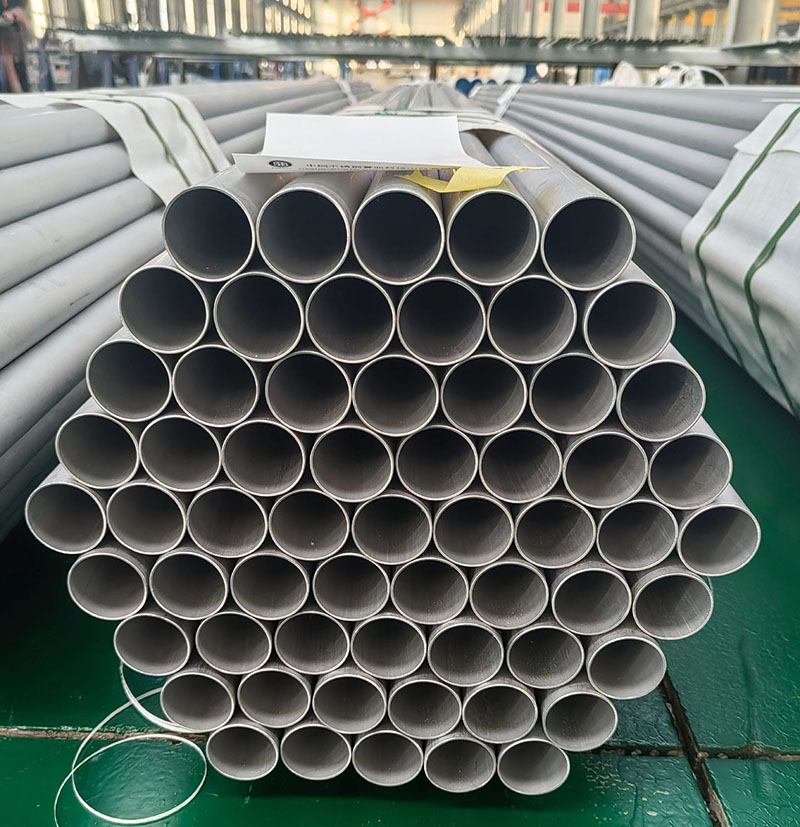
Surface Is Part of the Tube Specification
OD appearance alone does not define exchanger tube condition.
Heat exchanger and condenser tube orders may need separate requirements for outside surface, inside surface, cleanliness, roughness and end protection. These conditions should be defined where they affect fabrication, inspection or service.
Outside Diameter
OD condition should be consistent with the material, product standard, heat treatment and final surface requirement.
Inside Diameter
Internal scale, residue, oil, loose particles or other contamination can be restricted where exchanger fabrication or service cleanliness requires it.
Roughness
Where surface roughness is critical, state the required Ra value, measurement location and whether the requirement applies to OD, ID or both.
Surface & Tube Condition Specify Required Condition
Bright Annealed / BAPickledSpecial Surface RequirementID / OD FinishSurface RoughnessCleanliness LevelInternal CleanlinessEnd ProtectionFabrication Handover
CONDITION → QC Tube Release Route
Surface condition defined? Confirm inspection and NDT next.
The inspection plan should match the material, tube standard, manufacturing route and project requirements.
Heat Exchanger Tube Inspection / Condenser Tube NDT
Inspection & NDT for Heat Exchanger & Condenser Tubes
Inspection is defined by the material, tube standard and project requirement. The release package can combine tube-integrity testing, mechanical verification, dimensional inspection and traceable documentation.
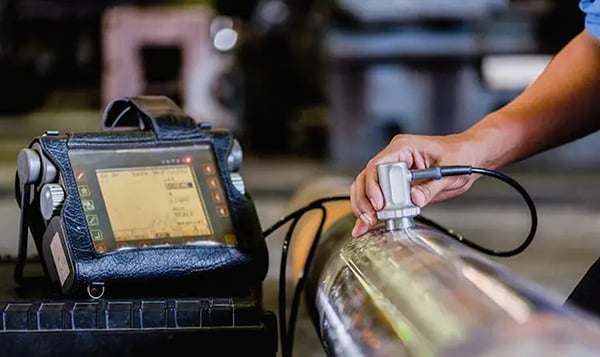
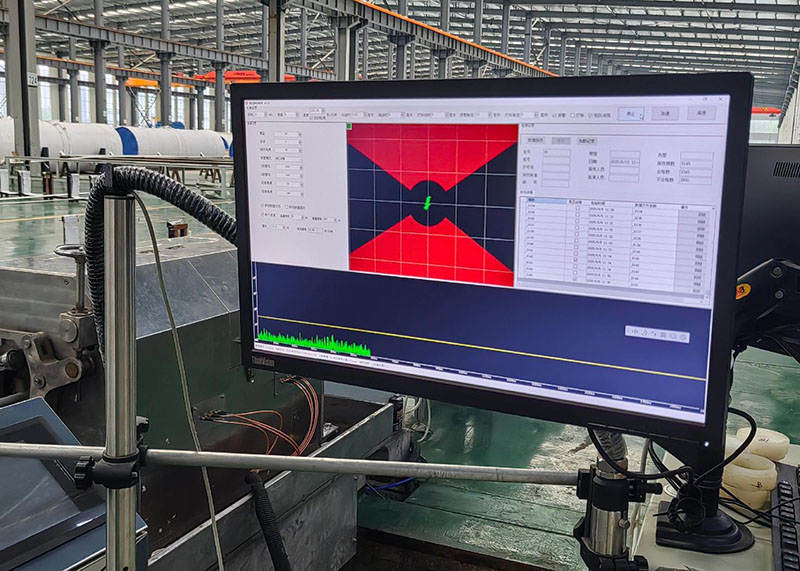
Tube Integrity
NDT & Leak Test
ET · UT · Hydrostatic
Eddy current, ultrasonic or hydrostatic examination is applied where required by the applicable tube standard, purchase order or inspection plan.
Material Condition
Mechanical
Tensile · Hardness
Mechanical properties are verified according to the ordered grade and product specification.
Tube Formability
Forming Tests
Flattening · Flaring
Forming tests are included where required to confirm tube response under the applicable product specification.
Identity & Release
Verification
PMI · Dimensional · MTC
Material identity, finished dimensions and heat or lot traceability can be linked to the ordered inspection records and material certificate.
No universal test package.
Testing frequency, method and acceptance criteria follow the applicable ASTM, ASME, EN or project specification. Additional PMI, NDT, witness inspection or documentation should be identified before production when required.
Inspection release is only one side of exchanger fit-up. Next: tube OD, tube end and tubesheet interface.
Tube-to-Tubesheet Engineering Tube-to-Tubesheet Engineering
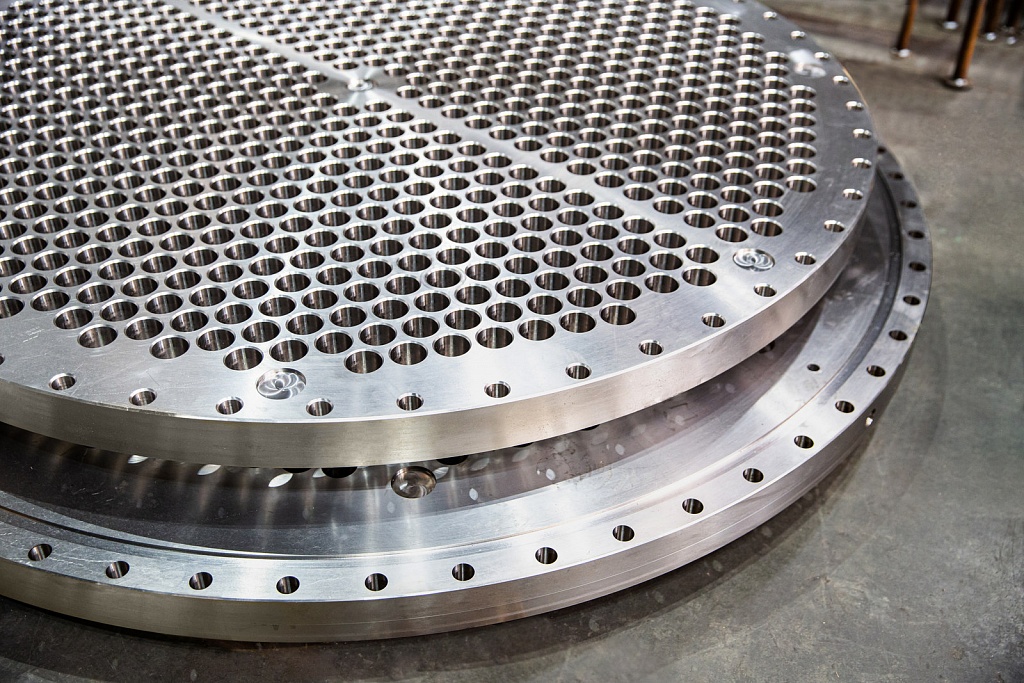
The tube is only one half of the joint. Outside diameter, tubesheet-hole size, tube projection, end condition and the planned expansion or welding method must work together before exchanger bundle fabrication begins.
Fabricator Interface
Tube Through Tubesheet — Concept Section
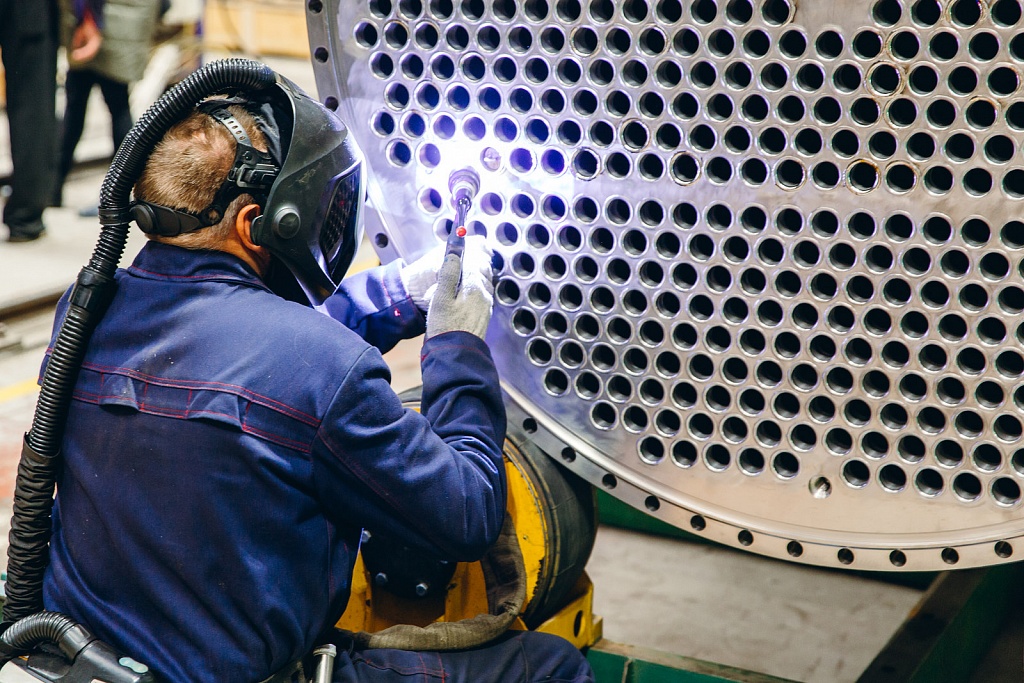
Fit
Tube OD
Match the ordered OD and tolerance to the tubesheet-hole design.
Position
Projection
Define how far the tube projects beyond the tubesheet face.
Preparation
Tube End
Cutting, deburring and cleanliness should suit the joint procedure.
Joint
Expansion
Expansion requirements follow the approved exchanger design.
If Required
Welding
Seal or strength welding affects tube-end preparation.
Acceptance
Final Fit
Joint geometry follows the approved fabrication drawing.
Before Tube Insertion
OD ↔ Tubesheet Hole
Match tube OD and tolerance to the tubesheet-hole diameter and specified clearance on the approved drawing.
Fabrication Handover
Projection & End Preparation
State finished length, projection, square cut, deburring and cleanliness for insertion, expansion and welding.
Joint Definition
Expansion + Welding
Expansion, seal welding or strength welding follow the approved joint detail; tube supply must match that requirement.
Include the joint detail with the RFQ.
Send material, standard, OD, WT, finished length, tubesheet-hole detail, projection and required tube-end condition.
Interface defined. Next comes replacement logistics.
Retubing, shutdown supply and fixed-length replacement tubes.
Replacement & Retubing
Condenser Retubing / Heat Exchanger Replacement Tube Supply
Replacement, Retubing & Shutdown Supply
Retubing work is driven by the shutdown window. Replacement tubes must match the existing exchanger, arrive in the required fixed lengths and be released in a sequence that supports the fabricator or site team.
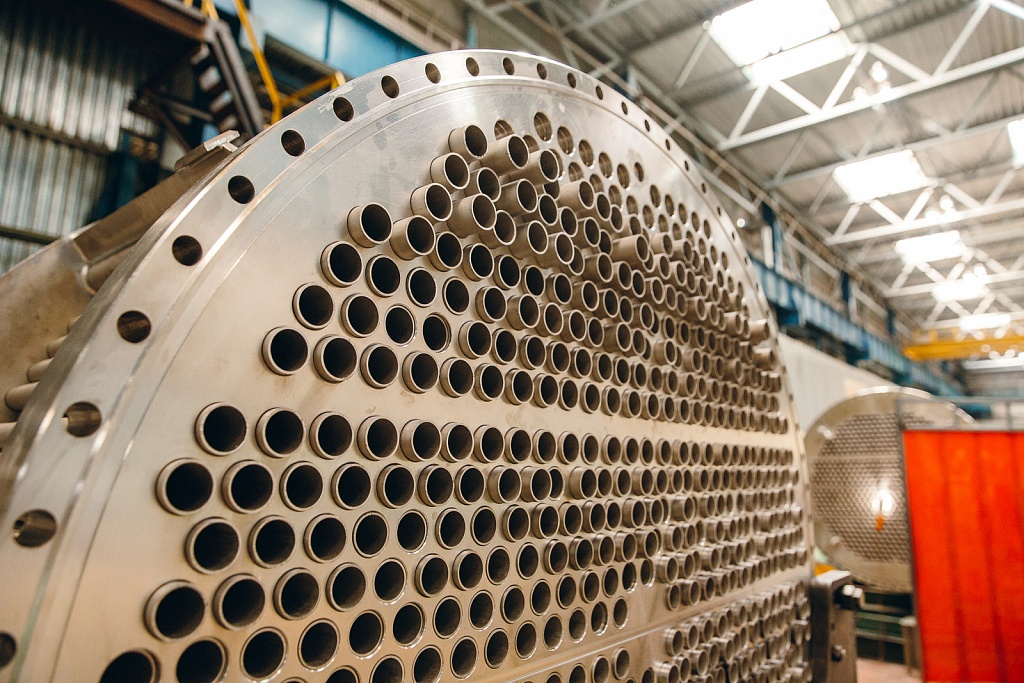
Shutdown Supply Brief
Replacement tubes are ordered against the existing equipment — not a generic stock size.
Send the original tube specification, exchanger drawing, removed-tube measurements or replacement list so the supply basis can be checked before production and cutting.
Condenser Retubing
Straight condenser replacement tubes matched to material, OD, wall thickness and required installed length.
Exchanger Replacement
Replacement heat exchanger tubes supplied against the existing equipment drawing or verified tube list.
Fixed Length
Finished length and cutting tolerance can be defined to reduce additional site preparation.
Phased Supply
Large retubing quantities can be released by size, equipment section or agreed project sequence.
Shutdown Window
Match first. Release in the order the site needs it.
Existing Tube Data Grade · OD · WT · length · quantity
Match the Replacement Standard · condition · tolerance · tube end
Cut to Length Fixed-length replacement where specified
Inspect & Identify Required testing · marking · traceability
Phased Release Packing and delivery sequence by project need
Shutdown timing should be stated at RFQ stage.
For condenser retubing tubes, heat exchanger replacement tubes, power-generation condenser maintenance or shutdown replacement supply, include the required-on-site date together with material, standard, OD, wall thickness, fixed length, quantity and inspection requirements. Delivery timing and phased release are confirmed against the actual manufacturing and project scope.
Planning a retube or shutdown replacement? Send the tube list, fixed lengths and required-on-site date.
Heat Exchanger & Condenser Tube Project Archive
Industries & Project Supply Cases
Tube requirements differ across desalination, power condensers, refinery exchangers, LNG equipment, chemical service and offshore systems. Select a project to review material, dimensions, quantity, delivery and inspection scope.
Desalination
·
Power
·
Refinery
·
LNG
·
Chemical
·
Marine / Offshore
·
Petrochemical
Jebel Ali L Seawater Desalination Plant
Long thin-wall titanium condenser tubes for seawater desalination heat-transfer service.
Material
CP Titanium
Quantity
160 MT
Delivery
46 Days
Tube Length
23,400 mm
Tube Specification
Ø30.0 × 0.50 × 23,400 mm
Long-length welded titanium condenser tube.
Thin-Wall Construction
Long tube geometry with controlled straightness.
Inspection Scope
ET, leak / pressure testing, OD and wall-thickness inspection, full-length straightness, chemistry, mechanical properties and traceability.
Project Service Focus
Long-length titanium tubing for seawater condenser service.
Thin-wall construction and extended fixed lengths make straightness, wall control and handling central to the condenser-tube supply route.
Supply Focus
23.4 m fixed length
Thin wall
Straightness
Eddy current testing
DESALINATION
Qinshan Phase III Nuclear Power Plant Condenser
Long straight thin-wall titanium tubes for main turbine surface condenser service.
Material
TA1 / CP Titanium
Representative Package
243 MT
Delivery
50 Days
Tube Length
17,370 mm
Tube Specification
Ø25.4 × 0.50 × 17,370 mm
Thin-wall straight condenser tubing.
Approx. 9,922 Tubes / Condenser
Representative condenser configuration.
Inspection Scope
ET, leak testing as specified, OD / WT inspection, straightness, flattening / flaring where required, chemistry, mechanical properties and traceability.
Project Service Focus
High-volume titanium tubing for turbine condenser service.
Large surface condensers require repeatable dimensions and consistent straightness across thousands of long thin-wall tubes.
Supply Focus
17.37 m tubes
Thin wall
Full-length straightness
Traceability
NUCLEAR POWER
South Texas Nuclear Power Station Condenser Retube Package
Grade 2 titanium replacement tubing profile for large steam turbine condenser retubing.
Material
Titanium Gr.2
Representative Quantity
348.6 MT
Delivery
48 Days
Scale
96,234 Tubes
Tube Specification
3/4" OD / 19.05 mm
22 BWG long fixed-length condenser tubing.
ASTM B338 / ASME SB-338
Titanium condenser tube product basis.
Inspection Scope
ET, hydrostatic testing, OD / WT verification, straightness, surface inspection, flattening, flaring, chemistry and mechanical testing.
Project Service Focus
Replacement condenser tubing planned around a retubing program.
Fixed length, dimensional consistency and inspection documentation become part of the shutdown supply plan on large condenser replacement projects.
Supply Focus
Grade 2 titanium
Fixed length
B338 / SB-338
Retubing package
RETUBING
Hydrotreater Feed / Effluent Exchanger Retubing
Stainless U-tube replacement package with multiple developed lengths and bend radii.
Material
TP321 / TP316L
Quantity
118.7 MT
Delivery
38 Days
Developed Length
8–14 m
Tube Specification
Ø19.05 × 1.65 mm
ASTM A213 stainless heat exchanger U-tube.
Ø25.40 / Ø31.75 mm
Multiple walls and U-bend radii by drawing.
Inspection Scope
ET, hydrostatic testing, PMI, OD / WT checks, bend radius, ovality, bend-wall thinning, selected PT and heat-treatment verification where required.
Project Service Focus
Multiple U-bend radii matched to refinery exchanger drawings.
Replacement U-tubes must preserve developed length, bend radius and bend-area geometry so each position aligns with the exchanger bundle.
Supply Focus
TP321 / TP316L
Multiple radii
Ovality
Wall thinning
REFINERY
Ras Laffan LNG Gas Processing Heat Exchanger Package
Alloy 625 fixed-length heat exchanger tubing for gas cooling and demanding process duty.
Material
Alloy 625
Quantity
92.6 MT
Delivery
45 Days
Standard
ASTM B444
Tube Specification
Ø19.05 × 1.65 × 6,096 mm
Fixed-length Alloy 625 tube.
Ø25.40 × 2.11 / 2.77 mm
6,096 and 9,144 mm fixed lengths.
Inspection Scope
ET / UT as specified, hydrostatic testing, PMI, dimensional inspection, chemistry, tensile testing and supplementary testing where ordered.
Project Service Focus
Nickel-alloy tubing for demanding LNG process exchangers.
Alloy selection, fixed length and inspection scope are coordinated where chlorides, condensate or process chemistry increase corrosion demands.
Supply Focus
Alloy 625
ASTM B444
Fixed length
PMI / NDT
LNG
FLNG Seawater Cooling Exchanger Package
Grade 2 titanium U-tubes for seawater cooling and offshore utility exchangers.
Material
Titanium Gr.2
Quantity
136.4 MT
Delivery
42 Days
Developed Length
9–16 m
Tube Specification
Ø19.05 × 0.90 mm
ASTM B338 Grade 2 titanium.
Ø25.40 × 1.00 / 1.20 mm
Multiple developed lengths and radii.
Inspection Scope
ET, hydrostatic testing, U-bend dimensions, ovality, minimum bend-wall measurement, bend-area PT, surface inspection and traceability.
Project Service Focus
Titanium U-tubes for continuously circulated seawater cooling.
Offshore exchanger supply combines seawater-resistant titanium with controlled U-bend geometry and bend-area inspection.
Supply Focus
Titanium Grade 2
Seawater cooling
9–16 m developed length
U-bend inspection
OFFSHORE
Chlorinated Chemical Plant Overhead Condenser
Alloy C-276 U-tubes for aggressive chloride and acidic condensate service.
Material
Alloy C-276
Quantity
74.8 MT
Delivery
44 Days
Standard
ASTM B622
Tube Specification
Ø19.05 × 1.65 mm
C-276 heat exchanger U-tube.
Ø25.40 / Ø31.75 mm
Multiple walls and bend radii.
Inspection Scope
ET / UT, hydrostatic testing, PMI, bend-area PT, U-bend ovality, wall thinning, chemistry, mechanical verification and corrosion testing where specified.
Project Service Focus
C-276 U-tubes for aggressive chemical condenser duty.
Alloy identity, bend integrity and inspection become central where chloride-bearing and acidic process streams challenge conventional stainless steels.
Supply Focus
Alloy C-276
ASTM B622
PMI
Bend-area PT
CHEMICAL
Atmospheric Tower Overhead Condenser Upgrade
Thin-wall titanium low-fin U-tubes for seawater-cooled refinery condenser service.
Material
CP Titanium
Quantity
63.5 MT
Delivery
35 Days
Tube Type
Low-Fin U-Tube
Tube Specification
Base OD 19.05–25.40 mm
Integral low-fin external surface.
Multiple U-Bend Radii
Thin-wall titanium tube.
Inspection Scope
ET, leak testing, fin height and pitch checks, bare-end inspection, bend ovality, wall thinning, selected PT and material traceability.
Project Service Focus
Integral low-fin titanium U-tubes combine compact geometry with added surface.
Fin geometry, bare ends and U-bend dimensions must be controlled together when the tube becomes part of a condenser bundle.
Supply Focus
CP titanium
Integral low fin
U-bent
Fin geometry
LOW FIN
Petrochemical Air Cooler / Fin-Fan Bundle Replacement
Stainless base tubing with aluminium fin construction for process air-cooler replacement.
Base Tube
TP316L
Quantity
146.8 MT
Delivery
40 Days
Length
6 / 9 / 12 m
Tube Specification
Ø25.40 × 2.11 mm
ASTM A213 TP316L base tube.
Ø31.75 × 2.77 mm
Aluminium fin construction by exchanger design.
Inspection Scope
Base-tube ET, hydrostatic testing, PMI, fin pitch / height / OD inspection, bonding checks, bare-end dimensions and straightness inspection.
Project Service Focus
Finned tubes configured for petrochemical air-side heat transfer.
Base tube, fin construction, bare-end dimensions and finished straightness are coordinated for replacement fin-fan bundles.
Supply Focus
TP316L base tube
Aluminium fins
6 / 9 / 12 m
Bare-end control
AIR COOLER
LNG Carrier / Marine Process Condenser Package
Alloy 825 straight and U-bent tubing for process condensers, gas coolers and marine utility exchangers.
Material
Alloy 825
Quantity
108.3 MT
Delivery
37 Days
Tube Form
Straight + U
Tube Specification
Ø19.05 / 25.40 / 31.75 mm
Multiple wall thicknesses for marine service.
6,096 / 9,144 mm + U-Bent
ASTM B163 / B423 as applicable.
Inspection Scope
ET, hydrostatic testing, PMI, OD / WT verification, U-bend inspection, selected PT, mechanical properties, corrosion testing where specified and export packing.
Project Service Focus
Alloy 825 tubing for chloride-bearing marine and offshore heat-transfer service.
Straight and U-bent tubes are combined where process condensers, gas coolers and utility exchangers require increased corrosion resistance.
Supply Focus
Alloy 825
Straight + U-Bent
PMI
Seaworthy packing
MARINE / LNG
Titanium condenser tubes for desalination
Power plant condenser replacement tubes
Refinery heat exchanger U tubes
LNG heat exchanger tubes
Nickel alloy condenser tubes
Marine heat exchanger tubes
Project evidence should match the publication claim.
Where a project profile uses published equipment data, representative engineering quantities or reference specifications, it should not be presented as a direct TiAlloy shipment unless supporting production or delivery records are available.
Have a similar exchanger or condenser package?
Send the tube list, drawings, material standard and inspection scope.
Build Tube RFQ
Heat Exchanger Tube RFQ / Condenser Tube Quotation
Heat Exchanger & Condenser Tube RFQ Desk
A clear enquiry starts with tube form, material, standard, dimensions and quantity. Add geometry, inspection and delivery requirements where they affect the supply route.
RFQ
Procurement Basis
Send the specification — not just the alloy name.
A tube list or exchanger drawing is usually the fastest route to technical review and quotation.
Application
Equipment & Tube Type
Surface Condenser
Process Exchanger
Seawater Cooler
Straight
U-Bent
Finned
Material Basis
Grade & Standard
Titanium
Stainless Steel
Duplex
Nickel Alloy
ASTM / ASME / EN
Dimensions
OD × WT × Length
Outside Diameter
Wall Thickness
Fixed Length
Quantity
Required Tolerance
Final Requirement
Surface · NDT · Docs
BA / Pickled / Specified Finish
ET / UT / Hydro / PMI
MTC / EN 10204
Destination
Required Date
Straight Tubes
Length + Straightness
State fixed length and any project-specific straightness or length-tolerance requirement.
U-Bent Tubes
Radius + Leg Geometry
Add centerline radius, leg length, quantity by radius and required bend tolerances.
Finned Tubes
Fin Type + Bare Ends
Define fin type, fin material, geometry, finned length and tubesheet bare-end dimensions.
Minimum information for quotation
Tube type · material · standard · OD × WT × length · quantity · inspection scope · destination. Attach U-bend, fin or tubesheet drawings where applicable.
Ready for technical review and quotation.
Send the tube list, drawings and inspection requirements.
Heat Exchanger & Condenser Tube FAQ
Procurement Questions
Short answers to the questions most often raised before specifying straight, U-bent, finned, replacement and condenser tubes.
What information is needed to quote heat exchanger or condenser tubes?
Provide the tube type, equipment or application, material grade, product standard, OD, wall thickness, finished length, quantity, surface condition, inspection, documentation and destination. U-bent and finned tubes require additional geometry or fin details.
Does TiAlloy supply titanium, stainless steel and nickel alloy heat exchanger tubes?
TiAlloy supplies heat exchanger and condenser tube products in titanium, stainless steel, duplex and selected nickel alloys. Exact availability depends on grade, standard, tube form, dimensions and manufacturing route.
Which standards are commonly used for heat exchanger and condenser tubes?
Common routes include ASTM B338 for titanium, ASTM A213 for seamless stainless heat exchanger tubes, ASTM A249 for welded stainless tubes, ASTM A789 for duplex, ASTM B163 for selected nickel-alloy condenser tubes and grade-specific specifications such as ASTM B444 for Alloy 625. The final standard must match the grade and product form.
Can TiAlloy supply U-bent heat exchanger tubes?
Send material, standard, OD, wall thickness, centerline radius, leg length, quantity by radius, bend tolerances, heat-treatment requirements and inspection scope. Feasibility is confirmed against the approved geometry.
Can TiAlloy supply finned heat exchanger tubes?
Finned tube enquiries can include low-fin, mechanically attached, embedded, extruded or welded helical constructions where applicable. State the base tube, fin material, fin type, geometry, finned length, bare ends and service duty.
What inspection and NDT can be specified for exchanger tubes?
Depending on the product standard and project ITP, inspection can include dimensional checks, ET, UT, hydrostatic testing, tensile, hardness, flattening, flaring, PMI and other specified examinations. Test frequency and acceptance criteria are order-specific.
Can tubes be supplied to fixed length for condenser retubing?
Yes, where the required dimensions and tolerances are defined. For retubing or shutdown supply, send the existing tube specification, replacement length, quantity, inspection requirements and required-on-site date.
What surface conditions are available for heat exchanger tubes?
Surface condition depends on alloy, manufacturing route and product specification. Bright annealed, pickled and other specified finishes may be available. State any required Ra, ID / OD condition, internal cleanliness or end protection with the RFQ.
What documents can be supplied with heat exchanger and condenser tubes?
Documentation can include MTCs, heat or lot traceability, dimensional reports, NDT records, PMI reports and project-specific inspection records where required. EN 10204 Type 3.1, Type 3.2 or third-party witness requirements should be stated before quotation when applicable.
Does TiAlloy manufacture complete heat exchangers or condensers?
This page covers tube products and related processing for exchanger and condenser fabrication, replacement and retubing projects. Complete exchanger thermal design or finished-equipment supply is not included unless separately agreed.
Still defining the tube specification?
Send the drawing or tube list and we can review the RFQ basis.
Request Tube Quotation