Get in Touch with TiAlloy Company

Stainless Steel Bar Forms
Stainless Steel Bar Forms for Machining & Industrial Supply
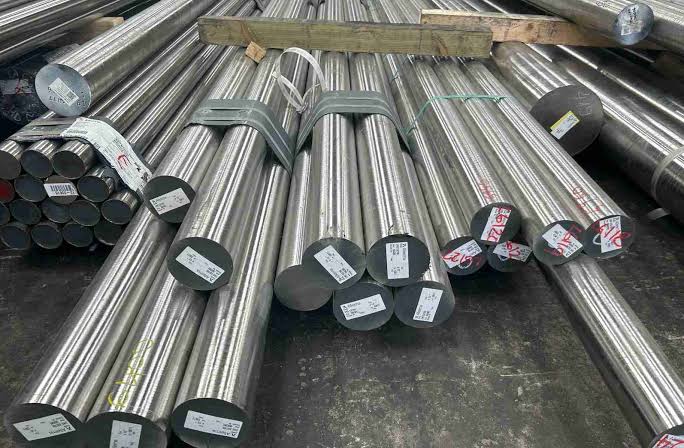
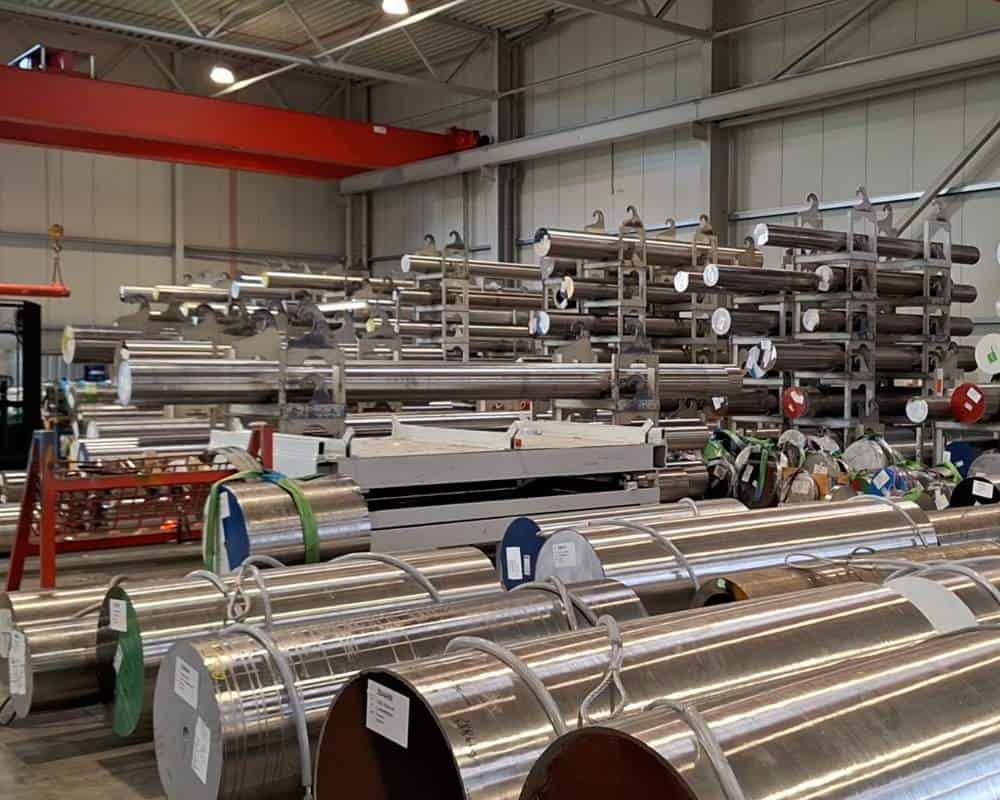
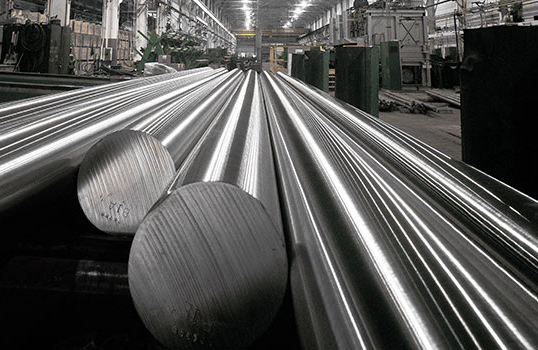
TiAlloy supplies stainless steel bar in the straight sections most commonly specified for machining and component production. Round bar is the principal form, with square and hex sections available where the finished geometry requires flat faces or defined wrench flats.
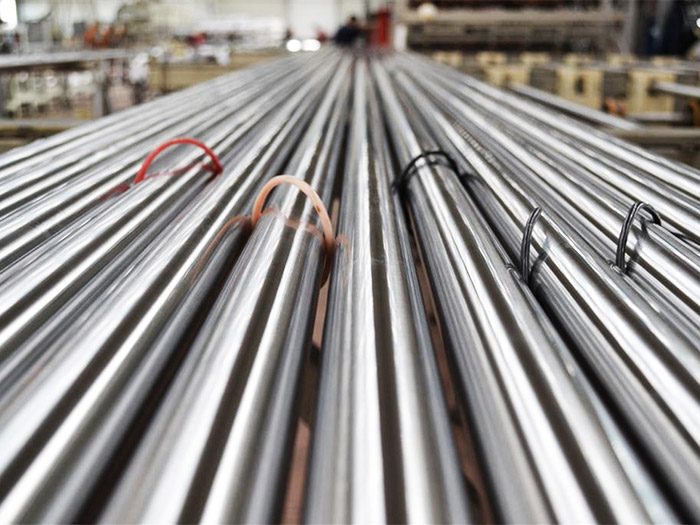
ROUND BAR
Main Bar Form
Round Bar for Machining & Component Production
Ø diameter × length · hot-finished · forged · cold-finished · peeled · turned · ground
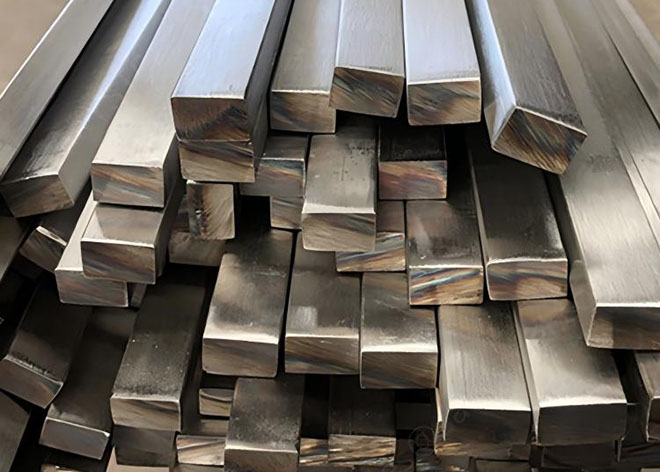
Square Bar
Side × side × length
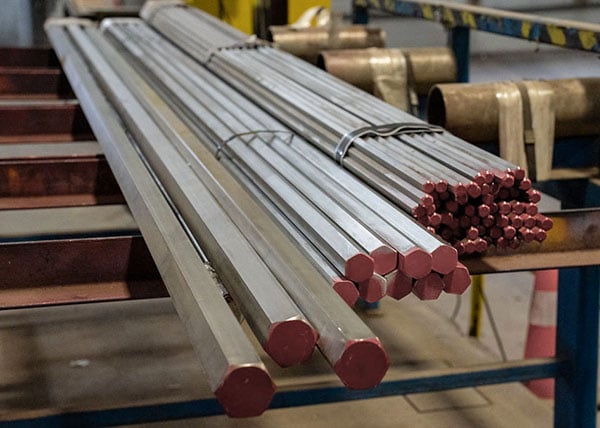
Hex Bar
Across flats × length
Peeled / Turned / Ground Bar
Finished condition confirmed with the RFQ
Cut Length & Bar Stock
Length and quantity reviewed against the order
Additional Bar Supply
Sawn pieces, cut blanks and drawing-based starting stock can be reviewed together with the required stainless steel grade, bar section, dimensions, condition and quantity.
Ordering Basis
Specify round bar by diameter and length, square bar by side dimensions and length, and hex bar by across-flats dimension and length. Grade, applicable specification, condition, tolerance and quantity are confirmed with the purchase requirement.
Bar / Rod Terminology
“Stainless steel rod” is frequently used commercially for straight stainless steel round bar. Wire rod is a separate semifinished product route and should be identified separately when that is the material actually required.
Stainless Steel Bar Grades
Stainless Steel Bar Grades for Industrial Orders
TiAlloy supplies stainless steel round, square and hex bar across austenitic, martensitic, precipitation-hardening, duplex and higher-alloy stainless grades.
Grade availability is confirmed against bar form, product specification, dimensions, condition and quantity. A listed grade should not be read as a blanket stock statement.
304 / 304L
UNS S30400 / S30403
316 / 316L
UNS S31600 / S31603
17-4PH
UNS S17400
2205
UNS S32205 / S31803
2507
UNS S32750
Browse by alloy family
Austenitic Stainless Steel Bar
Austenitic grades account for a large share of stainless steel bar enquiries. Selection normally depends on the product specification, corrosion environment, fabrication route and finished-component requirement.
Selection context
303 is commonly considered where machinability is important. 304/304L and 316/316L cover many general industrial bar enquiries, while stabilized grades such as 321 and 347 are specified where the design or governing requirement calls for them.
What to confirm before quoting
State the exact grade or UNS, round/square/hex form, applicable bar specification, finished size, length, delivery condition and required quantity. Tolerance and inspection requirements should be added where relevant.
Useful RFQ sequence:
Grade / UNS
Bar form
Size
Length
Condition
Quantity
Duplex & Super Duplex Stainless Bar
Duplex stainless bar is specified where the duplex alloy system and its combination of strength and corrosion performance are required by the service or project specification.
Selection context
Duplex and super duplex grades are normally selected against a defined service environment and project requirement rather than treated as interchangeable upgrades from conventional austenitic grades.
What to confirm before quoting
Identify the exact UNS together with bar form, applicable specification, dimensions, condition, required inspection scope and any project-specific documentation requirement.
Useful RFQ sequence:
UNS
Bar form
Specification
Size
Condition
Inspection
Precipitation-Hardening Stainless Bar
Precipitation-hardening stainless grades are commonly specified where strength and delivery or heat-treatment condition form an important part of the component requirement.
17-4PH
S17400
15-5PH
S15500
13-8Mo
S13800
Selection context
PH grades are often specified where the finished component requires a defined combination of stainless corrosion resistance, strength and heat-treatment response.
What to confirm before quoting
State the grade or UNS together with required delivery or heat-treatment condition. Mechanical requirements should be checked against the applicable specification and ordered condition.
Useful RFQ sequence:
Grade / UNS
Condition
Bar form
Size
Quantity
Martensitic Stainless Steel Bar
Martensitic stainless bar is commonly reviewed for components where hardness, strength, wear behaviour or heat-treatment response forms part of the finished requirement.
410
S41000
416
S41600
420
S42000
431
S43100
440C
S44004
Selection context
Different martensitic grades respond differently to heat treatment and finished hardness requirements. Grade names alone should not be used as a substitute for the required material condition.
What to confirm before quoting
Define grade, specification, delivery condition, dimensions and any required hardness or downstream heat-treatment requirement with the enquiry.
Useful RFQ sequence:
Grade
Specification
Condition
Size
Hardness requirement
Specialty & High-Alloy Stainless Bar
Specialty stainless grades enter bar enquiries where the required alloy system goes beyond conventional 304 or 316 series stainless steel.
904L
N08904
S31254
UNS S31254
XM-19
S20910
Selection context
Higher-alloy stainless bar is normally specified against a defined service, material requirement or project specification rather than selected only by trade name.
What to confirm before quoting
Confirm exact UNS, bar section, specification, dimensions, delivery condition, quantity and required testing scope before quotations are compared.
Useful RFQ sequence:
UNS
Specification
Bar form
Dimensions
Testing
Grade identifies the alloy — not the complete bar order.
Once the grade or UNS is confirmed, the next procurement checks are the applicable bar specification, dimensions, tolerance, delivery condition and inspection scope.
Grade / UNS
→ Bar Form
→ Specification
→ Size & Tolerance
→ Condition
→ Inspection
Stainless Steel Bar Standards
ASTM & EN Standards for Stainless Steel Bar
Product specification is confirmed together with the stainless grade, bar form and ordered condition. Different applications and alloy families may require different specification routes.
Common ASTM route for stainless steel bars and shapes, including round, square and hexagonal sections.
Stainless bars and shapes for boiler and pressure-vessel construction.
Dedicated route for free-machining stainless steel bar grades and forms.
Used for age-hardening stainless bars and shapes, including condition-sensitive PH grades.
General requirements used with applicable stainless bar product specifications.
Technical delivery route for stainless bars, rods, sections and bright products for general purposes.
Ordering Basis
Include the grade or UNS / EN designation, intended product specification, round / square / hex form, dimensions, condition and quantity. Where a drawing or project specification already names the standard, retain that requirement in the RFQ.
Standard Route SelectorStainless Steel Bar Dimensions
Sizes, Tolerances & Lengths
Bar size is only one part of the dimensional requirement. The ordered section, manufacturing condition, dimensional tolerance, straightness and required length should be defined together before machining stock is released.
Round Bar
Ø ROUND
diameter × length
Square Bar
SQUARE
side × side × length
Hex Bar
HEX
across flats × length
Length Requirement
Random mill length, fixed length and cut-to-length requirements are reviewed against size, grade, condition, tolerance and quantity.
ASTM A484 dimensional tolerance reference
Metric values below are converted from the published ASTM A484 inch-based bar tolerance program. Use the applicable standard edition and ordered condition for final acceptance.
Round Bar
| Diameter | Tolerance |
|---|---|
| < 7.94 mm | ±0.025 mm |
| 7.94 – <12.70 mm | ±0.038 mm |
| 12.70 – <25.40 mm | ±0.051 mm |
| 25.40 – <38.10 mm | ±0.064 mm |
| 38.10 – 82.55 mm | ±0.076 mm |
| >82.55 – 114.30 mm | ±0.127 mm |
| >114.30 – 152.40 mm | ±0.203 mm |
Square & Hex Bar
| Section Size | Tolerance |
|---|---|
| < 7.94 mm | +0 / −0.051 mm |
| >7.94 – <12.70 mm | +0 / −0.076 mm |
| 12.70 – 25.40 mm | +0 / −0.102 mm |
| >25.40 – 50.80 mm | +0 / −0.152 mm |
| >50.80 – 76.20 mm | +0 / −0.203 mm |
| >76.20 mm | +0 / −0.254 mm |
Round Bar
| Diameter | Size Tol. | Out of Round |
|---|---|---|
| >50.8 – 63.5 mm | +0.794 / −0 | 0.584 mm |
| >63.5 – 88.9 mm | +1.191 / −0 | 0.889 mm |
| >88.9 – 114.3 mm | +1.588 / −0 | 1.168 mm |
| >114.3 – 139.7 mm | +1.984 / −0 | 1.473 mm |
| >139.7 – 165.1 mm | +3.175 / −0 | 1.778 mm |
| >165.1 – 203.2 mm | +3.969 / −0 | 2.159 mm |
| >203.2 – 304.8 mm | +4.763 / −0 | 2.388 mm |
Tolerance is condition-specific
Cold-finished, centerless-ground, peeled, turned and hot-finished bars can follow different dimensional tolerance routes. A tighter finished diameter should therefore be stated together with the required surface condition rather than assumed from the nominal bar size alone.
The values above are an ASTM A484 reference for purchasing comparison, not a blanket TiAlloy stock guarantee. Final dimensional acceptance follows the applicable specification edition, ordered product condition and agreed purchase order.
Quantity Planning
Use the bar dimensions and order quantity to estimate material
weight before preparing the final enquiry.
Stainless Bar Weight Estimator
Stainless Steel Bar Processing
Cutting, Peeling, Turning, Grinding & Machining
Stainless steel bar can be supplied closer to the required machining starting condition by combining cut length, surface removal and dimensional finishing with the selected grade, size and ordered condition.
CUT
PEEL
TURN
GRIND
MACHINE
Not every order needs every operation. The processing route should follow the finished dimensions, machining allowance, required surface, tolerance and drawing rather than applying the same sequence to every stainless steel bar order.
Cut Blanks
Full-length bar can be reviewed for fixed pieces, saw-cut blanks or drawing-based starting lengths. State the cut length and any required length tolerance.
Peeling & Turning
Material is removed from the bar surface to establish a cleaner machining starting diameter. Starting size and finished allowance should be defined before processing.
Grinding
Grinding can be selected where the order requires a more controlled diameter or surface. Tolerance, straightness and surface requirements should still be stated separately.
Machined Starting Stock
Chamfers, end preparation, machined blanks and other drawing-based pre-machining can be reviewed where receiving material closer to the final part reduces downstream work.
Start from the finished part when a drawing is available.
Send the drawing, finished dimensions, required quantity and critical machining allowance. The starting bar can then be reviewed against the finished component rather than quoting unnecessary raw-material allowance.
Finished Size
Machining Allowance
Quantity
Critical Tolerance
Processing Scope
Processing availability is confirmed for the specific grade, starting size, condition, finished dimensions, quantity and drawing scope requested with the enquiry.
Condition & Surface Finish
Stainless Steel Bar Condition & Surface Finish
Delivery condition and surface finish are separate order requirements. Both should be reviewed with grade, size, tolerance and the downstream machining requirement.
Two Separate Order Decisions
Delivery condition describes the supplied material state.
Surface finish describes how the outside surface has been
left or mechanically processed.
Delivery Condition
Confirm against the grade and applicable specification.
Hot Finished
Hot-worked bar where the required dimensional
and surface condition permits.
Cold Finished
Further processing for improved dimensional
control or surface condition.
Solution Treated
Used where required by the stainless grade
and governing product specification.
Grade-Specific
PH and martensitic grades may require a
specified heat-treatment condition.
Surface Finish
Select against tolerance, machining allowance and component need.
As-Finished
Surface retained from the applicable
production route.
Peeled / Turned
Outside material mechanically removed
before downstream machining.
Ground
Used where closer diameter control or
smoother surface is specified.
Polished
Define appearance or roughness rather
than relying on “polished” alone.
Surface roughness
“Ground” or “polished” does not automatically define a
specific Ra value. State the required roughness when it
matters to the finished component.
Specify condition and finish separately.
Grade / UNS
Specification
Size & Tolerance
Condition
Finish
Quantity
Mechanical & Technical Selection
Selecting Stainless Steel Bar by the Finished Requirement
Stainless steel bar selection should be based on the required component performance, machining route and governing specification, not on grade name alone.
Strength & Hardness
Compare the required yield strength, tensile strength or
hardness against the applicable product specification and
ordered condition. Mechanical properties can change with
grade, heat treatment and cold work.
Buyer Check
Required property + condition
Machining Route
Machining volume, cutting method, finished diameter and
tolerance influence whether hot-finished, peeled, turned,
cold-finished or ground bar is the more suitable starting stock.
Buyer Check
Machining allowance + finish
Heat-Treatment Response
Austenitic, martensitic and precipitation-hardening stainless
steels respond differently to heat treatment. Where a defined
strength or hardness condition is required, state that condition
with the grade and specification.
Buyer Check
Delivery / heat-treatment condition
Service Environment
Corrosion exposure, temperature, loading and fabrication
conditions should be reviewed together. A grade that is suitable
for one environment should not be assumed suitable for another
without the relevant service information.
Buyer Check
Media + temperature + service
Selection sequence
Finished Component
Service Requirement
Mechanical Requirement
Grade / UNS
Specification
Condition
Bar Size
Stainless Steel Bar Applications
Stainless Steel Bar for Machined and Fabricated Components
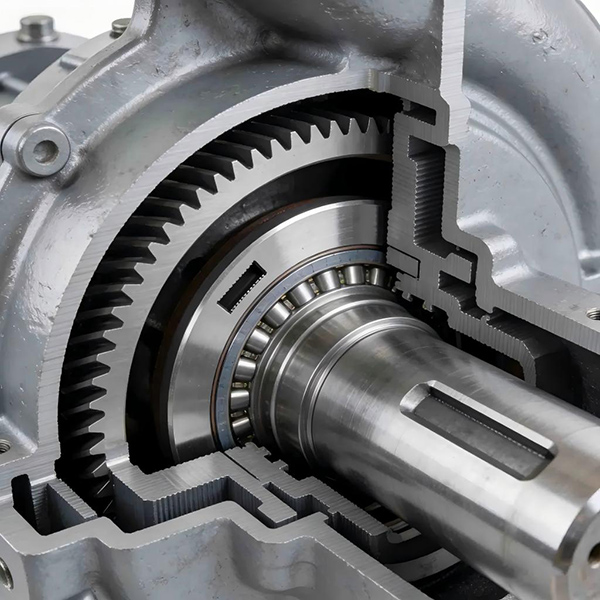
Stainless steel bar is commonly machined, threaded, forged or fabricated into shafts, valve parts, fasteners, pins, rollers and other engineered components. The final grade and supply condition should be selected from the drawing, mechanical requirements, corrosion environment and applicable product specification.
 01 / SHAFT
Pump Shafts
Typical parts
Pump shafts, drive shafts, rotor shafts and other rotating components machined from round bar.
Selection focus
Strength, corrosion environment, straightness, machining allowance, diameter tolerance and final surface condition.
Common grade families
316L · 410 · 420 · 17-4PH · Duplex 2205
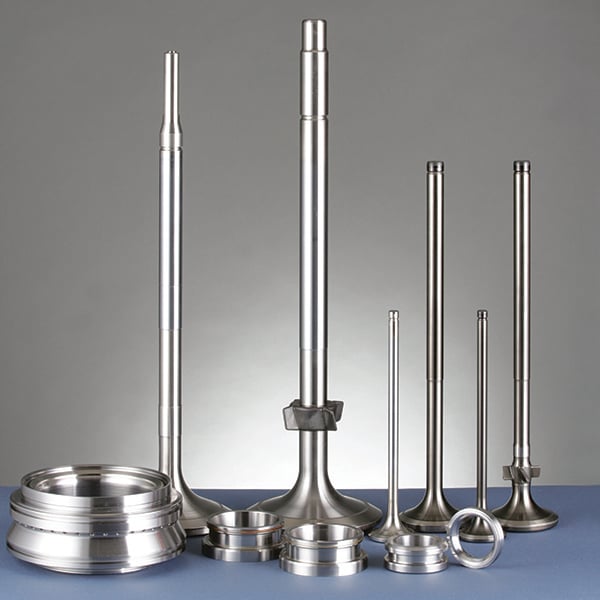 02 / VALVE
Valve Stems & Spindles
Typical parts
Valve stems, spindles, actuator rods, valve trim and precision-machined valve components.
Selection focus
Mechanical strength, corrosion exposure, galling or wear conditions, heat treatment and machining tolerance.
Common grade families
316 / 316L · 410 · 17-4PH · 2205 · 2507
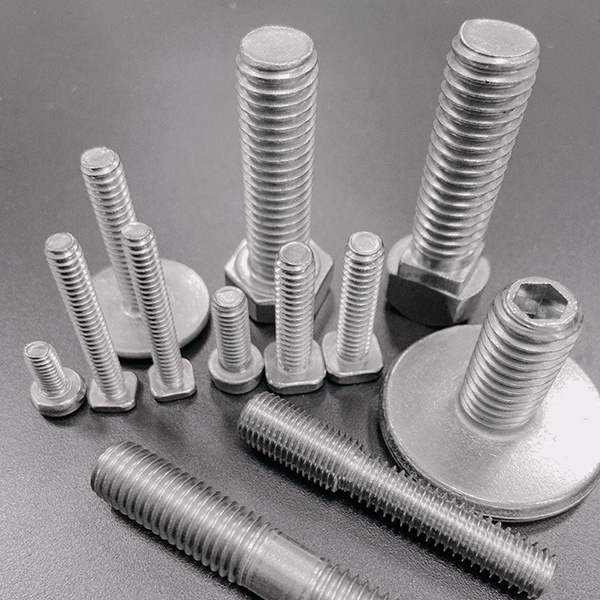 03 / FASTENER
Fasteners & Threaded Parts
Typical parts
Bolts, studs, threaded rods, tie rods, nuts and custom machined fastening components.
Selection focus
Fastener specification, mechanical strength, thread requirement, corrosion exposure and certification.
Common grade families
304 · 316 · 321 · 17-4PH · Duplex 2205
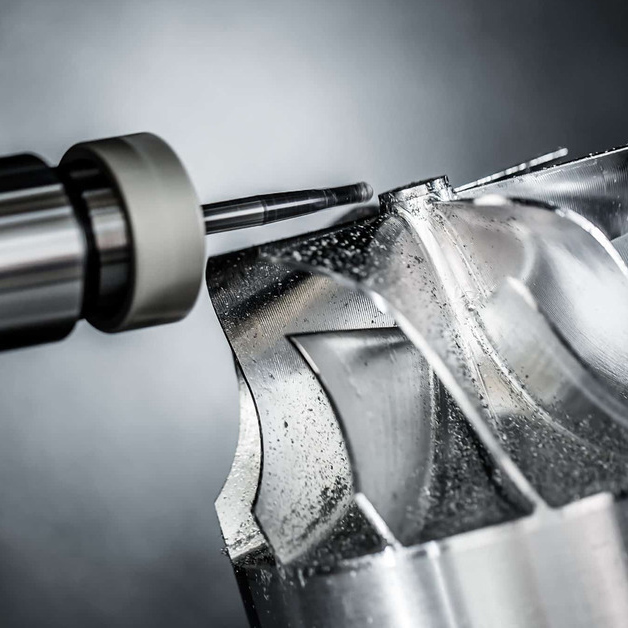 04 / CNC
CNC Machined Components
Typical parts
Pins, bushings, sleeves, connectors, collars, adapters and precision turned or milled components.
Selection focus
Machinability, dimensional tolerance, straightness, surface quality, machining allowance and final properties.
Common grade families
303 · 304 / 304L · 316 / 316L · 17-4PH
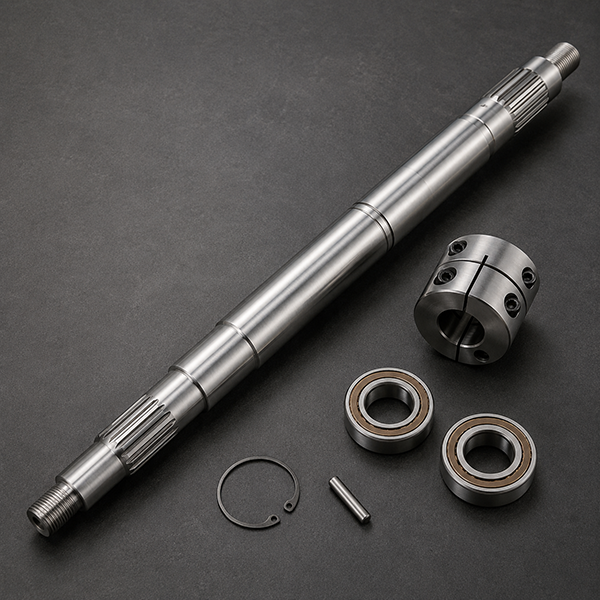 05 / MARINE
Marine Shafts & Hardware
Typical parts
Marine shafts, pins, couplings, threaded components and corrosion-resistant machinery hardware.
Selection focus
Chloride exposure, immersion or splash zone, crevice conditions, load, finish and maintenance environment.
Common grade families
316L · 2205 · 2507 · 17-4PH
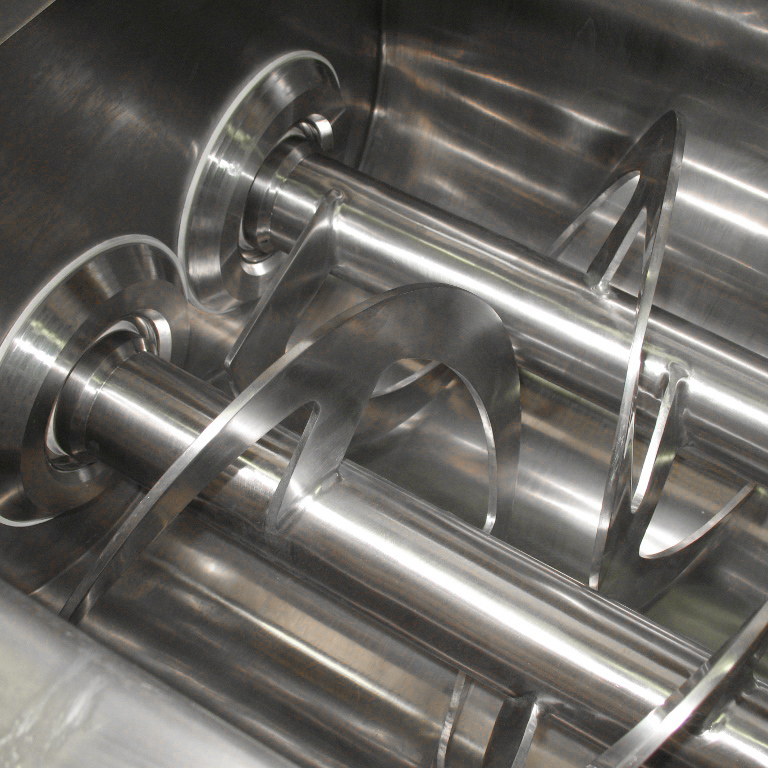 06 / HYGIENIC
Food & Pharmaceutical Components
Typical parts
Mixer shafts, rollers, pins, guides and machined components for hygienic processing equipment.
Selection focus
Surface finish, cleanability, corrosion resistance, fabrication route, traceability and equipment specification.
Common grade families
304 / 304L · 316 / 316L
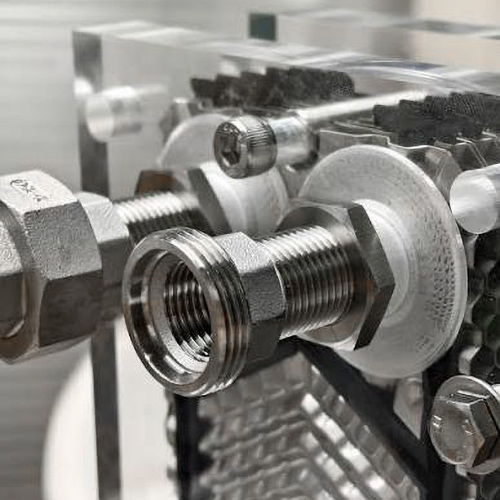 07 / PROCESS
Heat Exchanger & Process Hardware
Typical parts
Tie rods, support rods, shafts, fasteners, pins and machined hardware used around process equipment.
Selection focus
Process fluid, operating temperature, chloride exposure, fabrication method, code requirement and inspection scope.
Common grade families
304L · 316L · 321 · 2205 · 2507
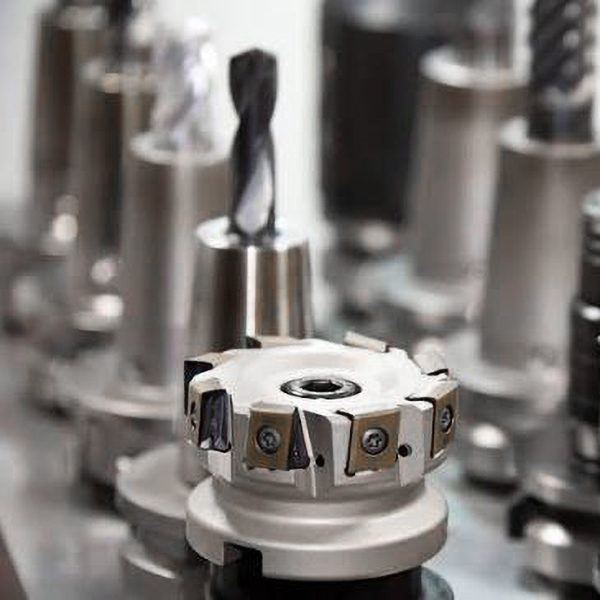 08 / INDUSTRIAL
Pins, Rollers & Industrial Fixtures
Typical parts
Guide pins, rollers, locating shafts, machine fixtures, wear components and precision hardware.
Selection focus
Load, wear, hardness target, machining allowance, dimensional tolerance, condition and surface requirement.
Common grade families
303 · 304 · 316 · 410 · 420 · 17-4PH
Inspection & Testing
Stainless Steel Bar Inspection Before Release
Inspection scope should follow the grade, product specification, dimensions and project requirements. Additional testing is defined before quotation so the required method, coverage, acceptance criteria and report can be coordinated with the order.
Release Checks
Core order checks verify that the supplied bar matches the
defined material and dimensions. Additional identity or
nondestructive testing is included when specified or applicable.
Visual & Dimensional
Bar form, diameter or section size, length, surface condition
and agreed dimensional requirements are checked against the
order definition.
Scope
Order release check
Material Identity / PMI
PMI can support alloy identity verification when specified.
It supplements material traceability but does not replace
the producing heat analysis shown on the material certificate.
Scope
When specified
Mechanical / Hardness
Tensile, yield, elongation or hardness requirements are
reviewed against the applicable product specification and
the ordered heat-treatment or delivery condition.
Scope
Per specification / PO
Ultrasonic Testing
UT may be arranged where internal soundness testing is
required. The method, applicable standard, examination
coverage and acceptance criteria should be stated with the RFQ.
Scope
When specified
Surface NDT / Witness
PT may be specified for surface-breaking indications.
MPI is applicable only to suitable ferromagnetic grades.
Independent inspection or witnessing can be coordinated
when requested.
Scope
When applicable / requested
Supplementary project tests
Intergranular corrosion testing,
additional hardness checks or other project-specific examinations
can be coordinated when required by the applicable material
specification, purchase order or agreed inspection plan.
A usable inspection requirement defines:
Test Method
Applicable Standard
Coverage
Acceptance Criteria
Witness / Hold Point
Required Report
MTC, EN 10204 certification, heat traceability and the final document package are handled separately in the documentation stage of the order.
Document Package Checker →Stainless Steel Bar Export Supply
Packaging, Marking & Export Supply
Packing should be defined around the stainless steel bar itself: section and length, surface condition, bundle weight, identification requirement, transport route and destination. The objective is to protect the delivered condition while keeping the material and shipping documents easy to reconcile at receipt.
Surface & Transport Protection
Protection is selected around bar finish, length, handling route and the condition required at receipt.
Strapping, Wrap or Case Requirement
Bundle arrangement and additional packing are confirmed according to bar size, quantity and shipment scope.
Keep the Material Identity Visible
Required grade, size, heat or lot, PO and item references should remain usable by the receiving team.
Bar Marking Example
Bar / Bundle Identification
Material
Grade / Size
Trace
Heat / Lot ID
Order
PO / Item
Packing Basis
The diagram shows the information relationship, not a universal
packing method. Individual marking, bundle tags, protective
wrapping, cases and other packing measures are applied according
to the ordered bar, finish, destination and agreed requirement.
Documents follow the material and destination requirement.
Confirm the required packing, marking, destination and shipment-document scope before dispatch planning. Additional origin, wood-packaging or project documentation is included when required and agreed for the order.
COMMERCIAL INVOICE
PACKING LIST
AGREED MATERIAL DOCUMENTS
COO WHEN REQUIRED
DESTINATION-SPECIFIC DOCUMENTS
Stainless Steel Bar Commercial Supply
Availability, MOQ, Lead Time & Commercial Supply
Commercial terms are confirmed against the actual stainless steel bar enquiry rather than treated as fixed website values. Grade, bar form, size, condition, quantity, processing, inspection and destination can all change the practical supply route.
01
Availability
Confirmed Against the Enquiry
Availability is reviewed against the requested grade, bar form, standard, dimensions, condition, quantity and documentation scope. An available supply route does not mean that every stainless steel grade and size is held in warehouse stock.
Stock-Based Supply
Sourced Availability
Made-to-Order Route
02
MOQ / Trial Quantity
Order-Specific
There is no single page-wide minimum order quantity for every stainless steel bar. MOQ depends on the grade, size, condition, processing route and supply source. Trial and smaller quantities can be reviewed where practical, with the feasible quantity confirmed in writing with the quotation.
Grade
Size
Condition
Processing
Quantity
03
Lead Time
Quoted After Supply Review
Lead time is quoted after the material route, processing, inspection and packing requirements have been checked. Stock-based supply, further processing and made-to-order production do not share the same schedule, so a generic website estimate is not used as a production promise.
Material Route
Processing
Inspection
Packing
04
Commercial Terms
Stated With Quotation / PI
Payment terms, quotation currency, requested Incoterm and named delivery place are reviewed with the order scope and stated in the quotation or proforma invoice. Project-specific packing, inspection, document or delivery requirements should be included before the commercial terms are finalized.
Currency
Payment Terms
Incoterm
Named Place
RFQ
What We Need to Confirm Supply
A complete enquiry produces a more useful quotation.
Send the material identity, product form, governing
standard, dimensions, quantity, required condition,
inspection or certification scope, delivery destination
and any required project timing.
GRADE / UNS
/
BAR FORM
/
STANDARD
/
SIZE & LENGTH
/
QUANTITY
/
CONDITION
/
TESTING / DOCUMENTS
/
DESTINATION
BAR / ROD
Turn the requirement into a comparable bar quotation.
Use the Bar RFQ Passport to organize the technical and commercial details before submission, or contact sales directly when the requirement is already defined.
Stainless Steel Bar & Rod Engineering Tools
-
Bar RFQ Passport
Define exact specifications, grades, and tolerances to streamline your stainless steel bar quoting process.
Launch Tool -
Standard Route Selector
Determine the optimal manufacturing and routing standards required for your specific industrial applications.
Launch Tool -
Bar Weight Estimator
Calculate the theoretical weight of stainless steel round, square, and hex bars based on dimensions and density.
Launch Tool -
Document Package Checker
Verify material test reports (MTRs) and compliance documentation against your rigorous project requirements.
Launch Tool
Turn the material name into an executable order
Submission Specifications
Please transmit the standard, grade, form, condition, dimensions, scope of inspection, documentation, quantity, packaging and destination.
Technical Review
We shall reply with the missing technical confirmation areas which must be reviewed before the quote is considered comparable.
Stainless Steel Bar & Rod FAQ
These procurement answers help an engineer or buyer complete the first review without implying that one grade, stock condition, or certificate approach suits every industrial application. The TiAlloy quotation states the final standard, processing, inspection, and delivery scope.
What details are required for a stainless steel bar quote?
State the product standard and revision, grade, form, condition, dimensions, tolerances, length, finish, quantity, inspection and document type, marking/packing, and destination. Attach the drawing or purchase specification when a shaft, fixture, pressure component, or precision part has functional callouts.
Is stainless steel rod the same product as straight bar or wire rod?
“Rod” can be informal wording for straight round bar, but wire rod is a separate semifinished route primarily associated with wire manufacture. Name the straight or coiled form and the applicable product specification rather than relying on the word alone.
How should a buyer compare 304 and 316 stainless steel bar?
Start with the actual chemical environment, temperature, crevice condition, fabrication, cleaning, load, and code requirements. Neither 304 nor 316 is a universal winner, and BSSA specifically cautions that 316 isn’t corrosion-proof in every seawater situation.
Why do heat lots and material certificates matter?
They can connect the supplied metal to ordered test evidence when the chosen inspection-document route and marking system support that link. Name the document type and required heat/lot relationship; don’t assume every certificate or quality-management badge proves the delivered batch.
Can bar be supplied cut, peeled, ground, polished, or machined?
TiAlloy’s stated equipment scope includes cutting, peeling, centerless grinding, polishing, heat treatment, and CNC processing. The available route for a specific stainless round, size, condition, precision tolerance, and quantity must still be confirmed during technical review.
Which product standard and revision belong on the purchase order?
Choose the route from the product form and service: general stainless bar, pressure-vessel construction, free-machining bar, age-hardening bar, or another project specification. State the current revision, metric or inch basis, grade, condition, and supplemental tests instead of writing only “mill standard.”
How are availability, lead time, and destination variables confirmed?
TiAlloy reviews the grade, form, size, condition, processing, quantity, test scope, packing, and release schedule before quoting. Importers separately check current origin, classification, license, duty, trade-remedy, and local-document requirements for the destination.
What export, origin, packing, and shipment details should be specified?
State the consignee and destination, marking language, piece/bundle identity, packing protection, document list, origin data, and any importer or broker instructions. If surface condition or straightness can be damaged in handling, put the protection and acceptance method in the order rather than using “standard export packing.”