Get in Touch with TiAlloy Company

Seamless · Welded · Cold-Finished · Global Industrial Supply
Stainless Steel Pipe & Tube Manufacturer
Seamless, welded and cold-finished pipe and tube for process, heat-transfer, instrumentation, marine and industrial project service.
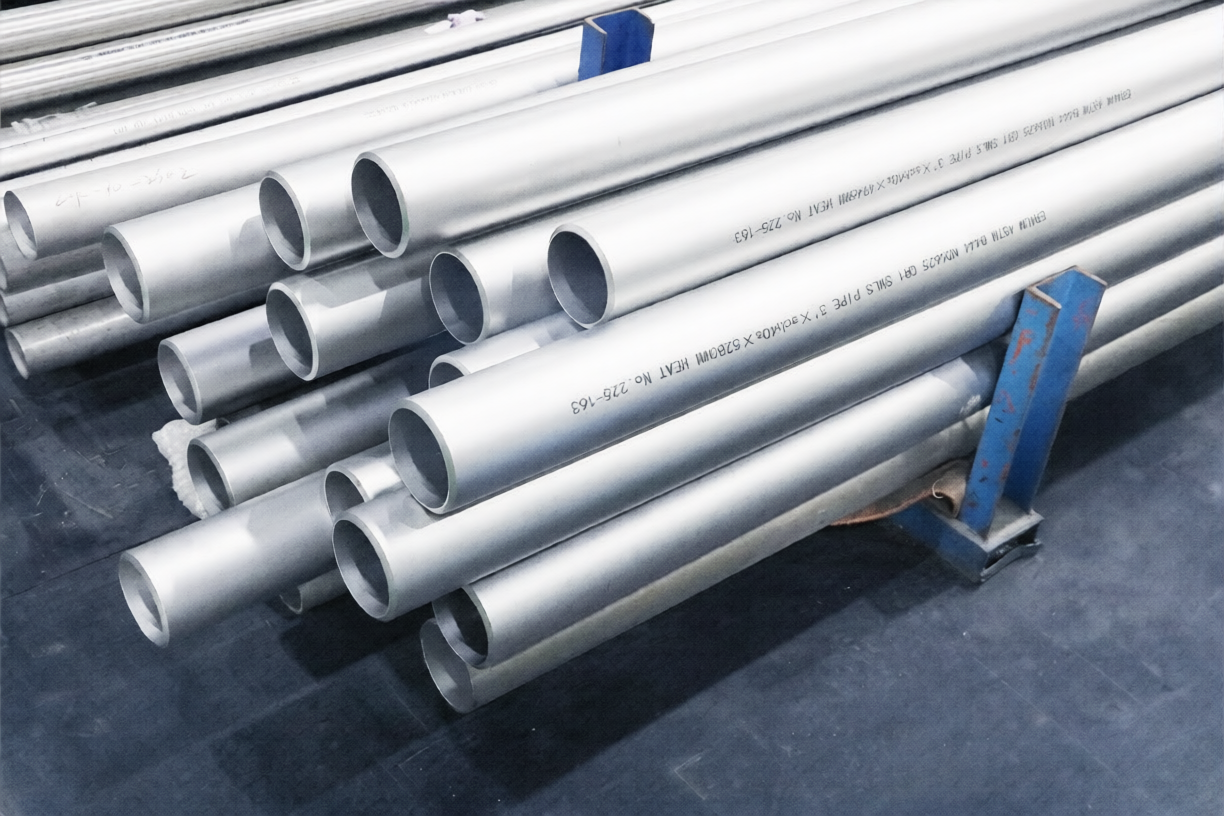
TiAlloy supplies stainless steel seamless pipe, welded pipe, heat exchanger tube, instrumentation tubing and project tubing in austenitic, super austenitic, duplex and super duplex grades. Common ASTM and ASME routes include A312, A213, A249, A269, A789 and A790. Seamless capability extends from OD 6–830 mm with wall thickness from 0.5–45 mm; final availability depends on grade, specification, manufacturing route and quantity.
Seamless OD
6–830 mm
Wall Thickness
0.5–45 mm
Core Standards
A312 · A213 · A269 · A789 · A790
Manufacturing Routes
Seamless · Welded · Cold-Finished
20+ years metal manufacturing experience · 30,000+ m² production and processing base
Stock, production route, testing and lead time are confirmed against the actual grade and size requirement.
PIPE / TUBE
Industrial RFQ Review
Send the grade, standard, OD or NPS, wall, length and quantity
Add manufacturing route, finish, PMI / NDT, MTC requirements and destination where specified for a faster technical and commercial review.
Product Range / Pipe / Tube / Project Forms
Stainless Steel Pipe & Tube Product Range
Select the product form first, then define the stainless steel grade, applicable ASTM or ASME specification, dimensions, manufacturing route, finish, testing and documentation. TiAlloy supplies pipe and tube for process, pressure, heat-transfer, instrumentation, hygienic and fabricated service.
Pipe and tube are not one interchangeable product category.
Product form determines the dimensional language, manufacturing route and governing specification.
Stainless Steel Seamless Pipe
Seamless Stainless Steel Pipe
Seamless stainless steel pipe is supplied for process piping, pressure systems, chemical equipment, energy projects and corrosion-service lines where the ordered specification requires or permits a seamless manufacturing route.
Typical Standards
ASTM A312 / ASME SA-312 for austenitic pipe · ASTM A790 / ASME SA-790 for duplex pipe
Order Language
NPS or OD · Schedule or wall thickness · Length · Grade · Ends
Typical Service
Process piping · Pressure systems · Chemical service · Marine / industrial systems
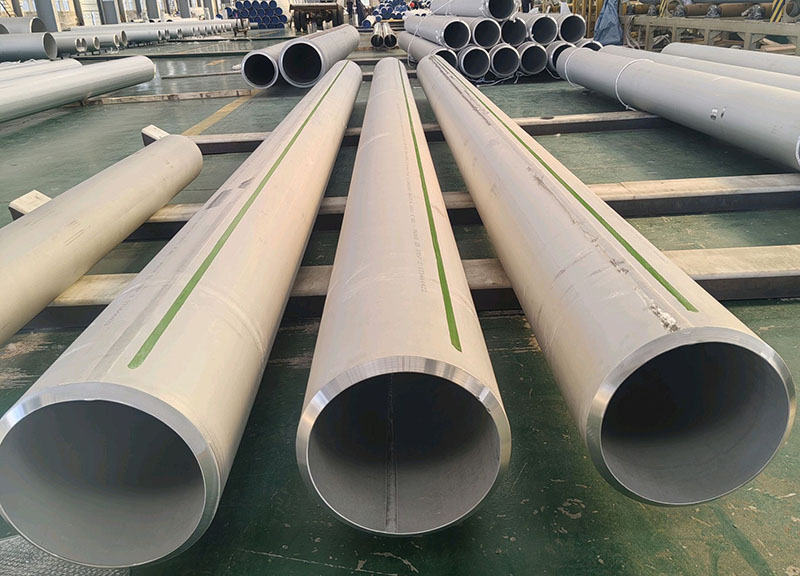
Stainless Steel Welded Pipe
Welded Stainless Steel Pipe
Welded stainless steel pipe is produced from formed plate or strip and is used across process piping, utilities, fabricated pipework and larger-diameter project requirements. Weld condition, heat treatment and examination are controlled by the ordered specification.
Typical Standards
ASTM A312 / A358 for applicable austenitic routes · ASTM A790 / A928 for applicable duplex routes
Order Language
NPS or OD · Wall / Schedule · Length · Weld route · Heat treatment · Ends
Typical Service
Process piping · Utility lines · Fabricated pipework · Large-diameter project supply
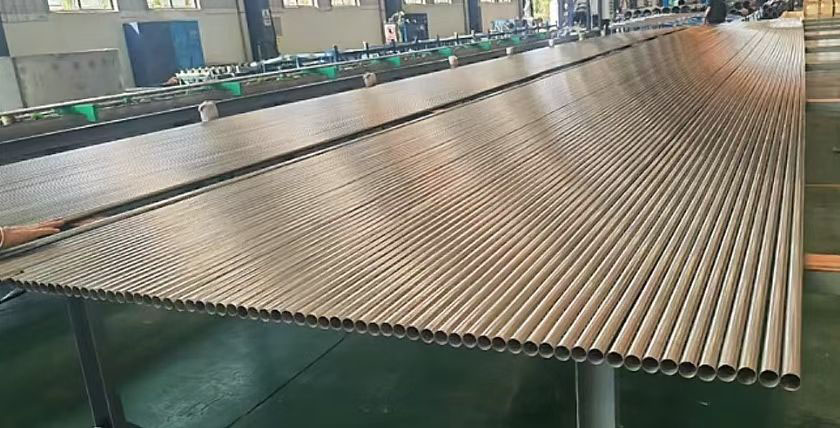
Stainless Steel Heat Exchanger Tube
Heat Exchanger Tube
Stainless steel heat exchanger tubes are supplied for shell-and-tube exchangers, condensers, coolers and other thermal equipment. OD, wall thickness, length, straightness, surface condition and tube-end requirements are important purchasing controls.
Typical Standards
ASTM A213 / ASME SA-213 seamless · ASTM A249 / ASME SA-249 welded where applicable
Order Language
OD · Wall thickness · Length · Tolerance · Straightness · Tube ends
Typical Service
Heat exchangers · Condensers · Coolers · Process thermal equipment
Stainless Steel Boiler Tube
Boiler & Superheater Tube
Stainless steel boiler and superheater tubing is ordered against the applicable tube specification, grade and service condition. High-temperature grades, dimensional requirements, heat treatment and specified testing must be reviewed together rather than selected by alloy name alone.
Typical Standards
ASTM A213 / ASME SA-213 seamless · ASTM A249 / ASME SA-249 welded where applicable
Order Language
Grade · OD · Wall · Length · Heat treatment · Testing · Inspection documents
Typical Service
Boilers · Superheaters · Power equipment · High-temperature heat-transfer systems
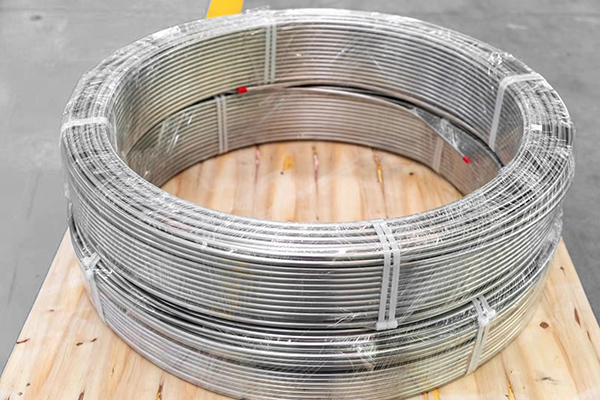
Stainless Steel Instrumentation Tubing
Instrumentation & Hydraulic Tube
Stainless steel instrumentation tubing is supplied in straight lengths or coil form for instrument connections, control lines, hydraulic circuits and analytical systems. Tolerance, hardness, surface condition, cleanliness and end protection are commonly important purchasing requirements.
Typical Standard
ASTM A269 / ASME SA-269 where applicable
Order Language
OD · Wall · Straight / Coil · Hardness · Surface · Cleanliness
Typical Service
Instrument lines · Hydraulic systems · Control systems · Analytical tubing
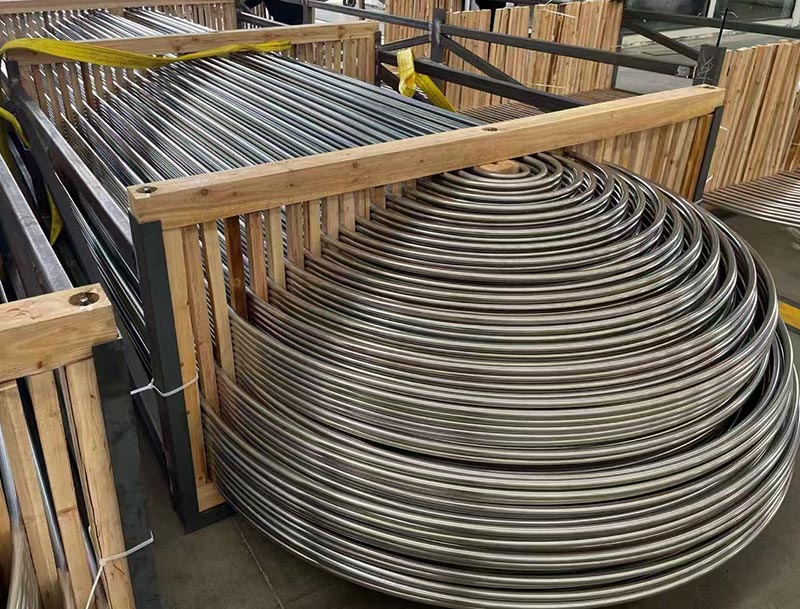
Stainless Steel U-Tube
U-Tube
Stainless steel U-tubes are prepared from tube meeting the applicable material specification and then formed to the required bend geometry. Bend radius, leg length, tangent dimensions, ovality, wall thinning and post-bend inspection should be defined by the exchanger drawing or purchase specification.
Typical Basis
ASTM A213 / A249 / A269 tube basis depending service and ordered specification
Order Language
OD · Wall · Bend radius · Leg lengths · Drawing · Tolerance · Inspection
Typical Service
Heat exchanger bundles · Condensers · Thermal process equipment
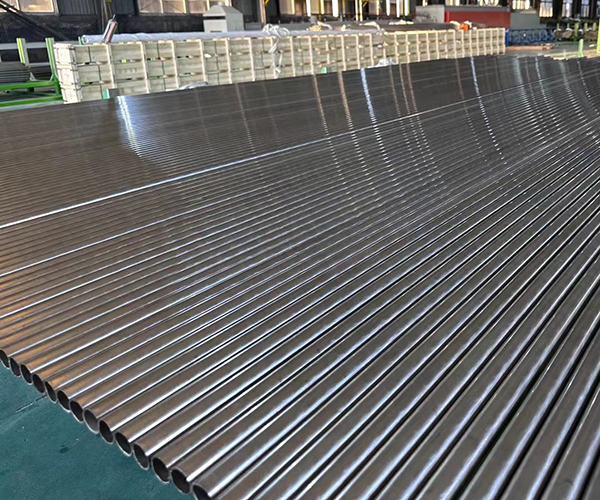
Sanitary Stainless Steel Tube
Sanitary & Hygienic Tube
Sanitary stainless steel tubing is supplied for hygienic piping systems where internal surface condition, weld quality, cleaning, dimensional consistency and documentation can be part of the acceptance requirement.
Typical Standard
ASTM A270 / ASME SA-270 where specified
Order Language
OD · Wall · Length · Grade · ID / OD finish · Surface roughness · Documentation
Typical Service
Food processing · Beverage · Pharmaceutical · Biotechnology · Hygienic systems
Stainless Steel Coiled Tubing
Long-Length Coiled Tube
Stainless steel coiled tubing provides long continuous lengths for instrument, control and small-bore process lines. Coil dimensions, continuous length, OD, wall, surface, annealed condition and testing requirements are confirmed against the grade and final application.
Typical Basis
ASTM A269 or project-specific tube requirements where applicable
Order Language
OD · Wall · Continuous length · Coil size · Grade · Condition · Testing
Typical Service
Instrumentation · Control lines · Hydraulic lines · Long-run small-bore systems
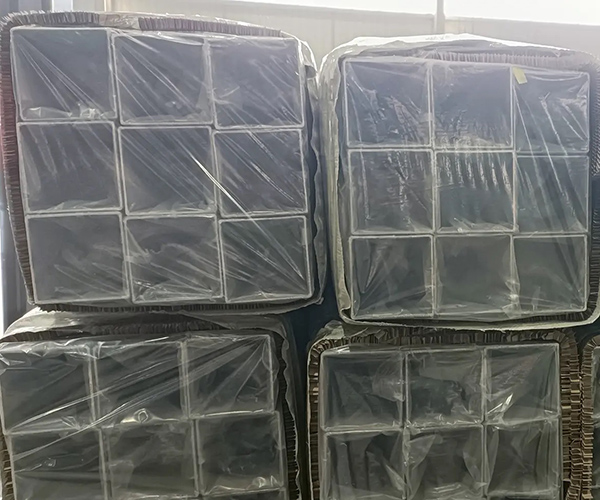
Square & Rectangular Stainless Steel Tube
Square & Rectangular Tube
Square and rectangular stainless steel tubing is supplied for fabricated frames, guards, supports, architectural components and industrial structures where section dimensions, wall thickness, straightness, corner geometry and surface finish must be controlled.
Typical Standard
ASTM A554 for welded stainless steel mechanical tubing where applicable
Order Language
Width × Height · Wall · Length · Grade · Corner geometry · Surface finish
Typical Service
Frames · Supports · Guards · Equipment structures · Architectural fabrication
Product form comes before final specification.
The next selection step is material family and grade: austenitic, super austenitic, duplex, super duplex or other stainless grades. Product availability, applicable standard, manufacturing route and inspection scope are then confirmed against the required pipe or tube form.
9 FORMS
Pipe & Tube Selection
Not sure which pipe or tube form matches the requirement?
Send the application, grade, standard, dimensions and quantity. TiAlloy can review the product form and manufacturing route before quotation.
Stainless Steel Pipe Grades / Material Families
Stainless Steel Material Families for Pipe & Tube
TiAlloy supplies stainless steel pipe and tube across austenitic, super austenitic, duplex, super duplex and ferritic material families. Each family leads to different grade, specification and service routes.
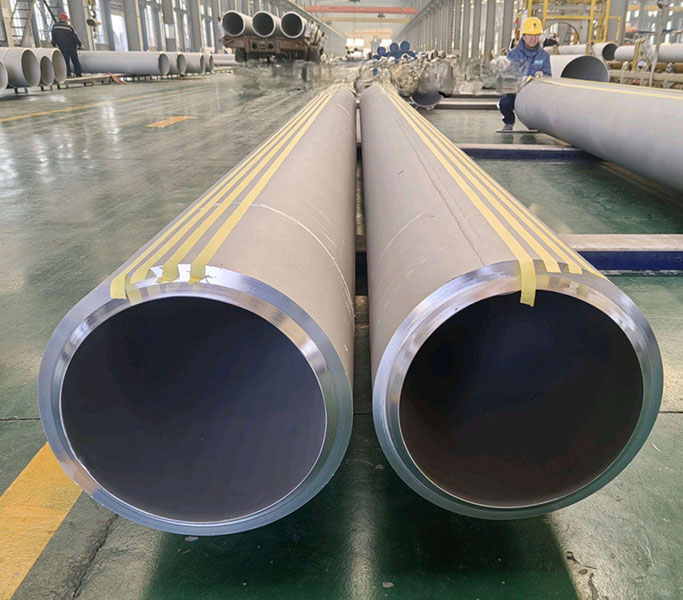
Cr-Ni / Cr-Ni-Mo Stainless
Austenitic
The main stainless pipe and tube family for process, heat-transfer, instrumentation and general industrial service.
Pipe & Tube Grades
304 / 304L
· 304H · 304LN ·
316 / 316L
· 316H · 316LN · 316Ti ·
310S / 310H ·
317 / 317L ·
321 / 321H ·
347 / 347H / 347HFG
Typical Routes
ASTM A312 · A213 · A249 · A269 · A358
Typical Service
Process piping · Heat exchangers · Boilers · Instrumentation · Hygienic tubing
High-Alloy Austenitic
Super Austenitic
Higher-alloy stainless grades selected where conventional 304 and 316 families do not provide the required corrosion performance.
Pipe & Tube Grades
904L / UNS N08904 ·
6Mo / UNS N08367 ·
254 SMO / UNS S31254 ·
Alloy 926 / UNS N08926
Typical Routes
ASTM A312 · A213 · A269 · grade-specific specifications
Typical Service
Chemical processing · Chloride-bearing systems · Offshore · Heat-transfer tubing
Ferritic-Austenitic Stainless
Duplex / Super Duplex
Higher-strength pipe and tube families for selected offshore, desalination, seawater and corrosive process systems.
Pipe & Tube Grades
S31500 ·
S32003 ·
S32304 ·
S32101 ·
S32201 ·
S31803 /
S32205 / Duplex 2205
·
S32750 / Super Duplex 2507
· S32760
Typical Routes
ASTM A789 · A790 · A928
Typical Service
Offshore · Oil & gas · Desalination · Seawater · Chemical process piping
Ferritic Stainless
Ferritic
Stainless tube grades used for selected heat-transfer, exhaust and general mechanical applications.
Pipe & Tube Grades
409L · 439 · 444
Typical Route
ASTM A268 and applicable project tube specifications
Typical Service
Heat-transfer equipment · Feedwater heaters · Exhaust · Mechanical tubing
Material family defines the starting point, not the finished pipe specification.
Final selection connects the exact grade with product form, ASTM / ASME / EN / DIN / JIS / GB or project specification, dimensions, manufacturing route, testing and required inspection documentation.
MATERIAL
Pipe Grade Selection
Match the stainless material family to the correct pipe or tube route
Send the grade, application, dimensions and quantity for material and specification review.
Stainless Steel Grade / ASTM Pipe & Tube Route
Grade → Standard → Application
Stainless steel pipe grades move through different specification routes according to product form and service. The map below connects major grades with common ASTM pipe and tube standards and the industrial equipment for which they are typically specified.
Stainless steel specification switchyard
Grades above the rail · ASTM product standards on the rail · equipment below
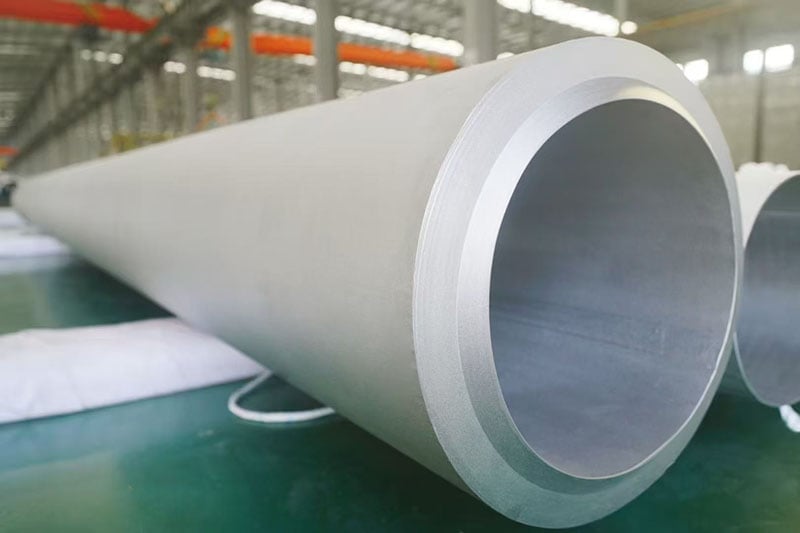
This is a specification routing map, not a material substitution chart.
Grade coverage must be confirmed against the applicable edition of the product specification and the ordered product form. Final selection also considers dimensions, seamless or welded route, service conditions, heat treatment, testing, inspection and project acceptance requirements. Grades marked with * require confirmation against the applicable standard and product form.
GRADE → ASTM
Specification Routing
Confirm the correct pipe or tube specification before quotation
Send the grade, product form, application, dimensions, quantity and project specification for route review.
OD / Wall Thickness / Stainless Steel Pipe Sizes
Stainless Steel Pipe & Tube Size Range
TiAlloy supplies stainless steel seamless pipe and tube across general process, heat exchanger, boiler, marine, instrumentation and duplex product routes. Size capability is defined by product type, grade, specification and manufacturing route.
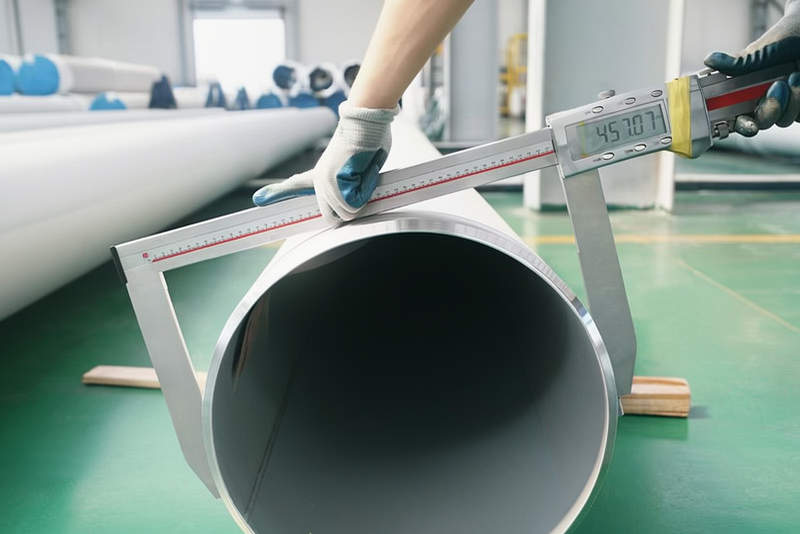 Pipe & Tube Size Supply
Overall Seamless Supply Range
Stainless steel seamless pipe & tube
Outside Diameter
6–830 mm
Wall Thickness
0.5–45 mm
U-Tube OD
12–38 mm
U-Tube Wall
0.5–4 mm
Product-specific OD and wall-thickness capability
Dimensions shown in millimetres · special sizes can be reviewed against the order requirement
| Product Type | Typical Grades | Common Standards | OD Range | WT Range |
|---|---|---|---|---|
| Seamless Pipe & Tube Overall seamless capability | Austenitic · Super Austenitic · Duplex · Super Duplex | A312 · A213 · A269 · A789 · A790 and applicable international specifications | 6–830 mm OD | 0.5–45 mm WT |
| U-Tube Heat exchanger U-bend tube | 304 / 304L · 316 / 316L · 321 · 347 | Tube basis and bend requirements according to exchanger specification / drawing | 12–38 mm OD | 0.5–4 mm WT |
| Heat Exchanger Tube Straight thermal-service tube | TP304 · TP304H · TP316 · TP316L · TP321 | ASTM A213 / ASME SA-213 · GB 13296 · JIS G3463 · DIN 17458 · EN 10216-5 | 12.7–159 mm OD | 0.5–8 mm WT |
| Boiler Tube Boiler / superheater service | TP304H · TP310H · TP316H · TP321H · TP347H · TP347HFG | ASTM A213 / ASME SA-213 · GB 5310 · GB 13296 · EN 10216-5 | 33–273 mm OD | 2–20 mm WT |
| Marine Tube / Pipe Marine piping and tubing | TP304L · TP304H · TP321 · TP321H · TP347H · TP316L Mo≥2.5 | ASTM A312 · ASTM A269 · GB 14976 · JIS G3459 | 6–273 mm OD | 0.5–16 mm WT |
| Instrumentation Tube Precision straight / coil tube | 304 / 304L · 316 / 316L · 317L · 321 | ASTM A269 · GB/T 14976 · EN 10216-5 · DIN 17456 / 17458 · JIS G3459 | 6–76 mm OD | 0.5–6 mm WT |
| General Tubes & Pipes General industrial supply | TP304 / 304L / 304H · TP316 / 316L / 316H / 316Ti · TP321 | ASTM A312 · GB/T 14976 · EN 10216-5 · DIN 17456 / 17458 · JIS G3459 | 10–830 mm OD | 1.65–45 mm WT |
| Duplex Tube ASTM A789 route | S31803 · S32205 / 2205 · S31500 · S32750 / 2507 | ASTM A789 / ASME SA-789 | 12–219 mm OD | 0.5–14 mm WT |
| Duplex Pipe ASTM A790 route | S31803 · S32205 / 2205 · S31500 · S32750 / 2507 | ASTM A790 / ASME SA-790 | 10–273 mm OD | 0.5–20 mm WT |
How to specify dimensions
For pipe, send NPS or OD, schedule or exact wall thickness and required length. For tube, send OD, wall thickness, length, tolerance and any straightness, surface or end requirements. For U-tube, add bend radius, leg lengths and drawing requirements.
Size range does not equal automatic availability.
Final availability, tolerance, manufacturing route and lead time are confirmed against the exact grade, specification, OD, wall thickness, length and quantity. Non-standard sizes can be reviewed during quotation.
OD × WT
Size Availability Review
Check your stainless steel pipe or tube size before quotation
Send the grade, standard, OD or NPS, wall thickness, length and quantity for size and lead-time confirmation.
Stainless Steel Pipe & Tube Manufacturing Routes
Seamless, Welded & Cold-Finished Pipe & Tube Routes
Seamless vs welded stainless steel pipe should be selected against the governing product specification, dimensions, service, tolerance, surface and inspection requirements. Neither manufacturing route is universally superior.
Three primary manufacturing routes with different starting materials and processing logic.
Grade, specification, OD, wall thickness, tolerance, finish and required testing determine the final route.
No Longitudinal Weld Seam
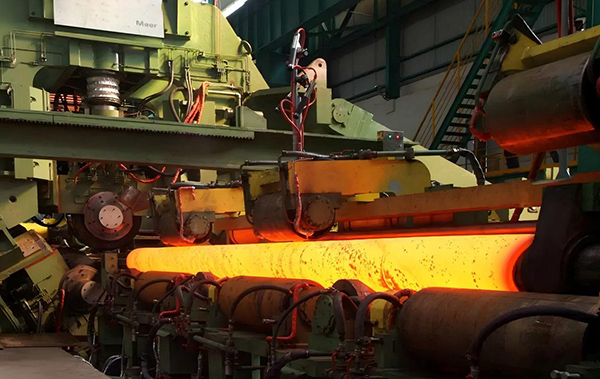
Seamless
Stainless steel seamless pipe and tube begins with billet, hollow stock or another seamless starting form rather than strip joined by a longitudinal weld seam.
Billet / Hollow
Piercing
Cold Reduction
Annealing
Sizing
Selection Logic
Used where the ordered specification, design requirement
or project route calls for seamless construction.
Pressure, corrosion and integrity performance still depends on grade, dimensions, heat treatment, service conditions and the complete inspection basis.
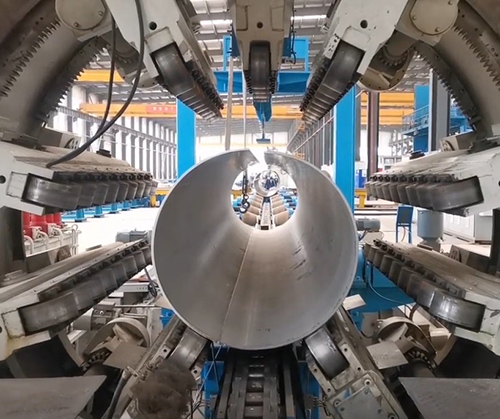
Formed From Strip / Sheet
Welded
Stainless strip or sheet is progressively formed into the required circular section and joined along a controlled longitudinal weld seam.
Strip / Sheet
Roll Forming
Welding
Heat Treatment
Final Sizing
Selection Logic
Suitable for repeat production and many process,
heat-transfer and fabricated applications where the
product standard permits welded construction.
Weld quality, heat-treatment condition and required examination become part of the acceptance basis for the finished pipe or tube.
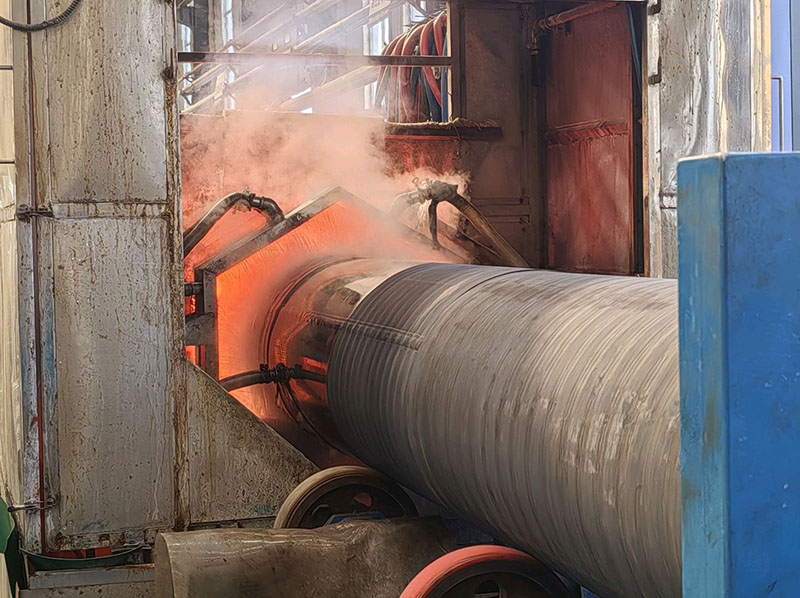
Welded Mother Tube + Cold Reduction
Welded + Drawn
A welded mother tube is subsequently cold drawn or cold reduced to refine dimensions, tolerance, geometry and surface condition.
Welded Mother Tube
Cold Draw
Anneal
Final Reduction
Final Sizing
Selection Logic
Used where a welded starting route is combined with
tighter dimensional, tolerance or surface requirements.
This route is particularly relevant to precision tubing, instrumentation tubing and other orders requiring additional cold reduction after welding.
Downstream Dimensional Control
Cold Finished
Cold finishing is a downstream manufacturing stage rather than one universal starting route. It can follow a seamless hollow or a welded mother tube where the applicable specification permits.
Cold Drawing
Cold Rolling
Intermediate Anneal
Final Sizing
Straightening
Why Specify It
Tighter OD and wall control, refined geometry, controlled
surface condition and precision tube requirements.
Seamless is not automatically “better,” and welded is not automatically a lower-grade product.
The governing pipe or tube specification determines which manufacturing routes are permitted. Compare seamless, welded and welded-and-drawn products against the same grade, dimensions, heat treatment, test scope, inspection documents, quantity and delivery basis.
ROUTE / FORM
Manufacturing Review
Confirm the correct manufacturing route before quotation
Send the grade, specification, OD or NPS, wall thickness, tolerance, quantity and service requirements for route review.
Thermal Equipment / Stainless Steel Tube Supply
Heat Exchanger, Boiler & U-Tube
TiAlloy supplies stainless steel heat exchanger tube, boiler tube and U-tube by grade, product specification, OD, wall thickness and equipment drawing.
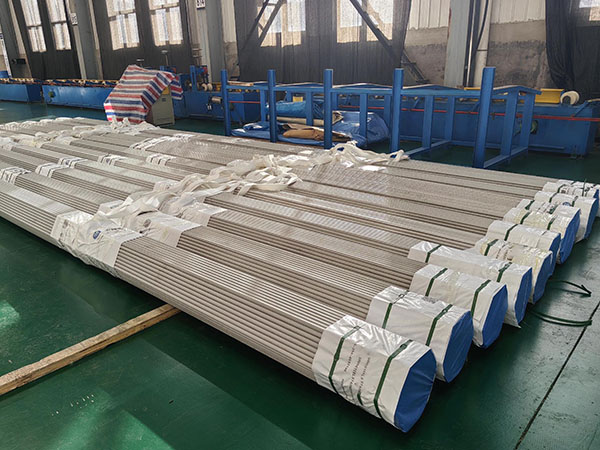
Condenser / Cooler / Shell & Tube Equipment
Heat Exchanger Tube
Stainless heat exchanger tube is supplied for condensers, coolers and process exchangers where controlled dimensions, tube-sheet fit and corrosion resistance form part of the equipment requirement.
Standards
ASTM A213 / SA-213 · ASTM A249 / SA-249 · EN 10216-5 · JIS G3463
Grades
TP304 · TP304H · TP316 · TP316L · TP321
TiAlloy Supply Range
Outside Diameter
12.7–159
Wall Thickness
0.5–8 mm
TiAlloy Supply Range
Outside Diameter
33–273
Wall Thickness
2–20 mm
Boiler / Superheater / Thermal Service
Boiler & Superheater Tube
Boiler and superheater tubing is selected against operating temperature, pressure design, grade suffix and the governing pressure-equipment specification.
Standards
ASTM A213 / SA-213 · A249 / SA-249 where applicable · GB/T 13296 · GB/T 5310
Grades
TP304H · TP310H · TP316H · TP321H · TP347H · TP347HFG
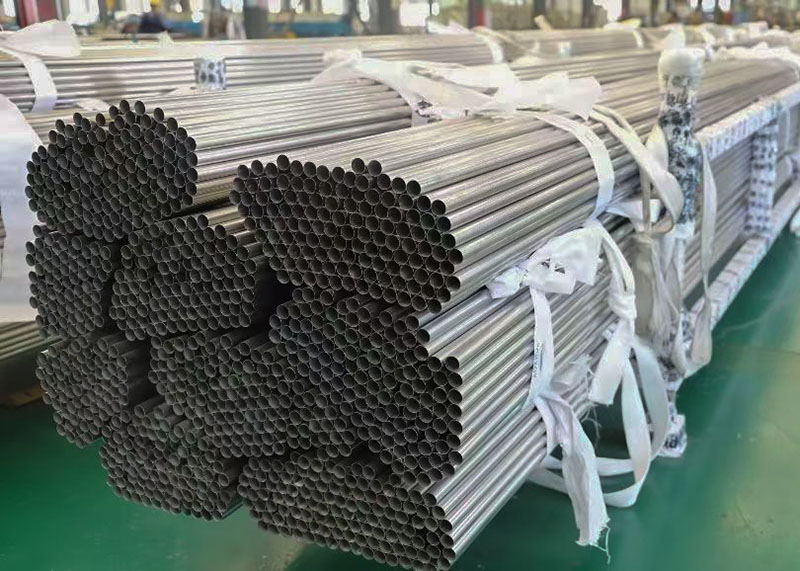
U-Bend Heat Exchanger Tube
U-Tube
U-tubes are supplied to the required OD, wall thickness, bend radius, leg length and exchanger drawing.
U-Tube Range
OD 12–38 mm
A213 / A249 / A269
WT 0.5–4 mm
A213 / A249 / A269
Base specification depends on service and construction route.
U-tube enquiries require more dimensional information than straight tube.
Send grade, standard, OD, wall thickness, quantity and testing requirements. For U-tube, also include bend radius, leg lengths, tangent dimensions and the equipment drawing.
HX / BOILER / U
Thermal Tube Review
Send the equipment datasheet or U-tube drawing with the RFQ
Include grade, standard, OD, wall thickness, length or bend geometry and quantity.
Instrumentation / Hydraulic / Precision Stainless Tubing
Instrumentation, Hydraulic & Precision Tubing
TiAlloy supplies stainless steel instrumentation tubing, hydraulic tube and precision tubing in straight lengths and coils, with dimensional, surface, cleanliness and end-protection requirements specified to suit the application.
Outside Diameter
6–76 mm
Instrumentation and precision tube range
Wall Thickness
0.5–6 mm
Subject to grade, OD and ordered route
Common Order Basis
ASTM A269 · EN 10216-5 · DIN 17456 / 17458 · JIS G3459 · GB/T 14976
Typical stainless grades include TP304, TP304L, TP316, TP316L, TP317L and TP321. Final standard and condition are confirmed against the actual service.
Delivery Configuration
Straight or Coil
Delivery form affects installation, handling, field joints, packaging and dimensional requirements.
Straight Length
Suitable where controlled cut length, straightness, end condition and dimensional inspection are important to fabrication or installation.
Coil Tube
Coiled tubing can reduce intermediate connections and supports longer continuous runs where the project layout and installation method permit.
Precision Tube Order Control
More Than OD × Wall
Instrumentation and hydraulic tubing is often ordered with additional dimensional, surface and handling requirements beyond basic tube size.
Dimensional Control
OD and wall tolerance, ovality, straightness and cut length should be stated where they are project-critical.
Surface
Pickled, bright or polished surface requirements can be specified according to the application and ordered product condition.
Cleanliness
Internal cleanliness, dry handling and end protection can be defined for instrumentation, hydraulic and controlled-fluid service.
End Protection
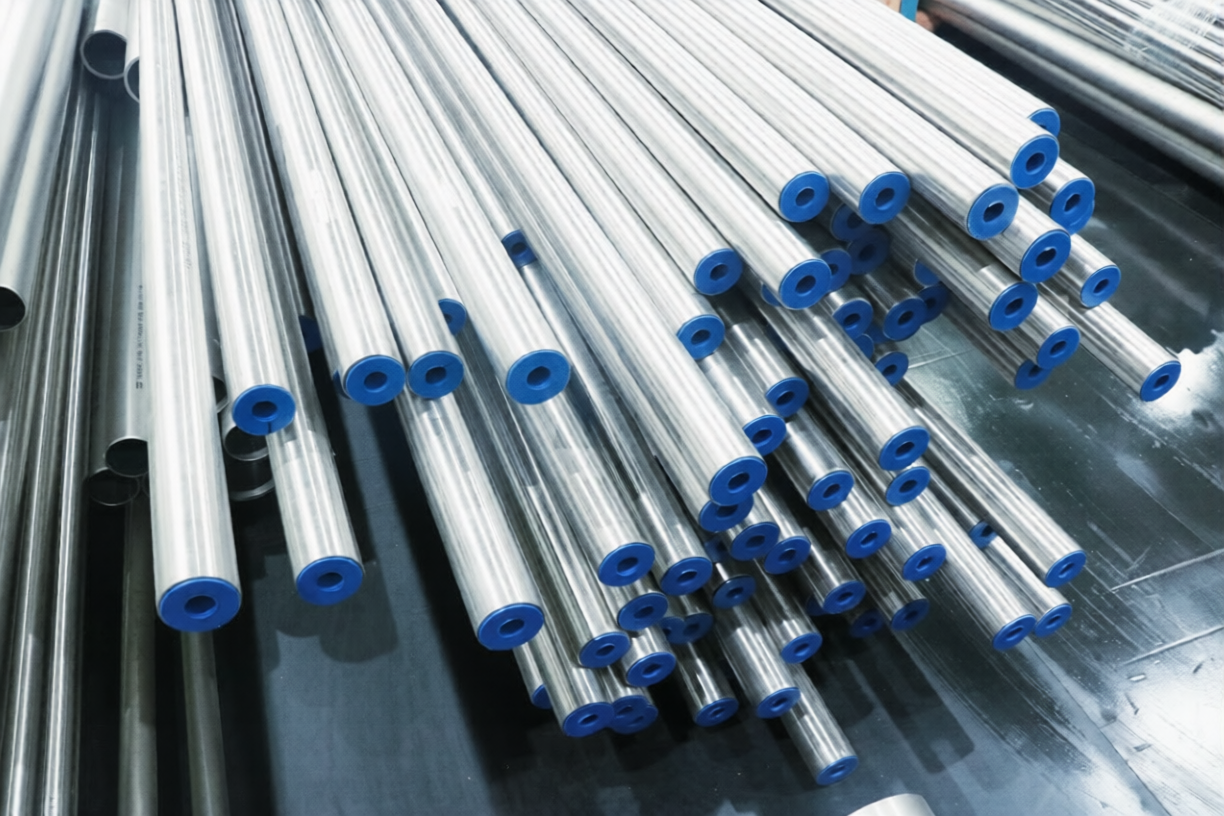
Caps, plugs or protected ends help preserve the ordered internal condition during storage, packing and shipment.
Precision tube quotations need more than a grade and nominal diameter.
Send the grade, specification, OD, wall thickness, straight length or coil requirement, total quantity, tolerance, surface condition, cleanliness requirement, end protection and required inspection documents.
Ø6–76
Precision Tube RFQ
Send the complete instrumentation or hydraulic tube requirement
Include grade, standard, OD, wall thickness, straight or coil form, quantity, surface and cleanliness requirements.
Stainless Seamless Coil Tubing / Long-Length Supply
Long-Length Seamless Coil Tubing
Long-length stainless seamless coil tubing supports continuous tube runs where reducing intermediate field connections can simplify installation.
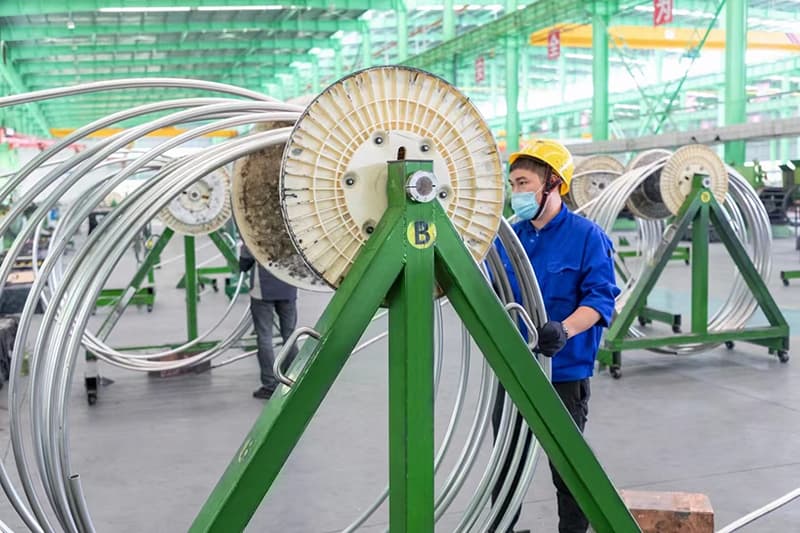
Coil Tube Grades
Austenitic to super duplex
Continuous Runs
Fewer intermediate connections
Longer coil lengths can reduce the number of field joints required along suitable tube runs.
Installation
Straight from coil to route
Coiled tube is suited to layouts where continuous routing and controlled handling are part of the installation plan.
Project Supply
Length matched to the order
Coil length is reviewed with grade, OD, wall thickness, coil size, packing and transport requirements.
Coil tubing should be specified as a complete product requirement.
State the grade, OD, wall thickness, required continuous length, quantity, coil diameter, surface condition, testing and end-protection requirement. ASTM A269 may apply to applicable austenitic tubing, while duplex grades require the appropriate duplex tube specification such as ASTM A789.
LONG-LENGTH
Seamless Coil Tubing
Send the required continuous length with your coil tubing RFQ
Include grade, OD, wall thickness, coil length, quantity and testing requirements.
Marine / Offshore / Seawater Stainless Pipe
Marine, Offshore & Duplex Stainless Pipe
TiAlloy supplies marine stainless tube and duplex stainless pipe for shipboard systems, offshore equipment, seawater service and desalination projects, with grade, standard, dimensions and inspection scope reviewed against the project specification.
Marine OD
6–273 mm
Wall Thickness
0.5–16 mm
Shipboard / Marine Service
Marine Stainless
Austenitic stainless pipe and tube is used in marine piping, utility lines, heat-transfer equipment and other shipboard systems where the specified grade provides the required corrosion resistance.
Standards
ASTM A312 · ASTM A269 · JIS G3459 · applicable project specification
Offshore / Seawater / Chloride Service
Duplex / Super Duplex
Duplex stainless pipe is widely specified for offshore, desalination and seawater systems where higher strength and chloride resistance are required by the project design.
Standards
ASTM A789 tube · ASTM A790 pipe · ASTM A928 welded pipe where applicable
Marine and offshore pipe selection is a service-condition decision.
Grade selection should consider fluid chemistry, chloride level, operating temperature, pressure, fabrication route, welding, heat treatment and the governing project specification.
Classification / Project Release
Specify the release basis
Marine enquiries should identify any classification-society or third-party inspection requirement at quotation stage.
Classification Society
State ABS, BV, DNV, LR, CCS, RINA or other required society when applicable.
Product Standard
Confirm grade, ASTM / ASME / EN / JIS standard, seamless or welded route and dimensional basis.
Inspection
Define PMI, hydrostatic testing, UT, eddy current testing, witness points or third-party inspection when required.
Documents
Specify EN 10204 inspection certificate type, project documentation and any required release documentation.
Classification-society approval or witnessing is supplied only when specifically required and agreed for the order. The society name should therefore be stated in the RFQ rather than assumed from the material grade or pipe standard.
MARINE / DUPLEX
Offshore Pipe RFQ
Send the marine or offshore project specification with the RFQ
Include grade, standard, OD or NPS, wall thickness, quantity, service medium and any classification or inspection requirement.
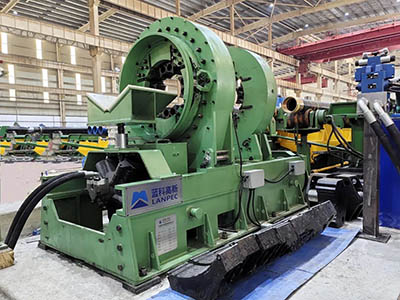
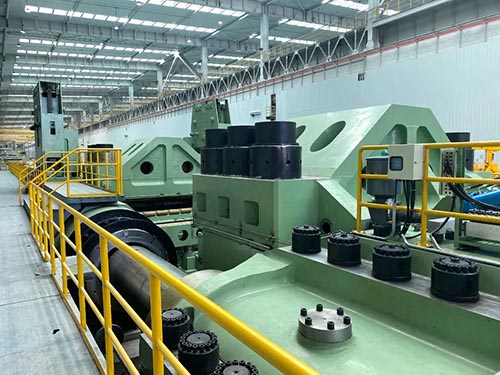
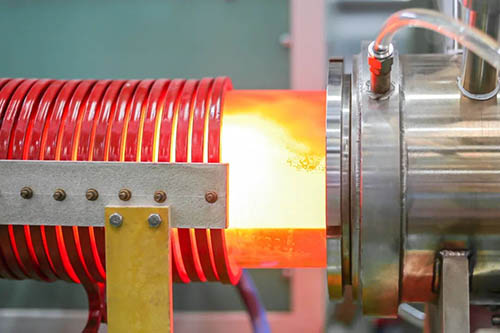
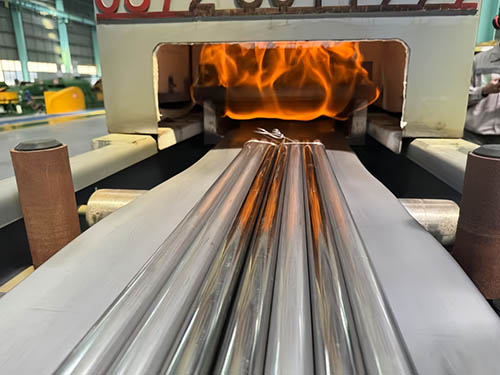
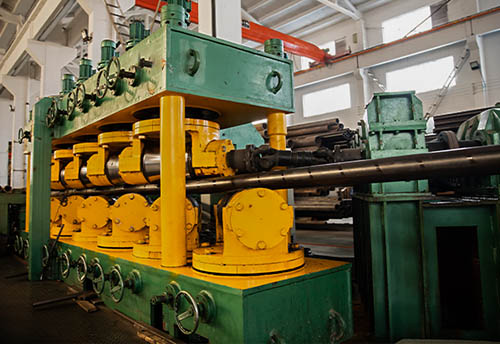
Stainless Steel Tube Manufacturing Process
Pipe & Tube Production Capability
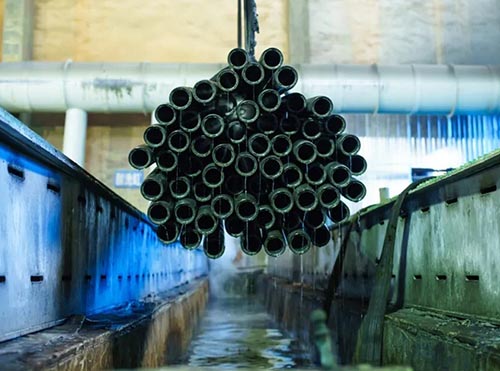
Cold reduction, heat treatment, straightening and surface processing are selected according to the required tube route, dimensions and delivery condition.
Seven core pipe and tube processing operations
Reduction · Heat Treatment · Geometry · Surface · Final Form
 01
01
 02
02
 03
03
 04
04
 05
05
 06
07
06
07
Size Control
Drawing & Rolling
Used to refine OD, wall thickness and dimensional accuracy.
Delivery Condition
Annealing & Surface
Heat treatment and surface processing follow the ordered condition.
Final Geometry
Straight or Coiled
Finished tubing is prepared for straight-length or coil supply.
Not every tube passes through every operation.
The final stainless steel tube manufacturing process depends on seamless or welded construction, grade, dimensions, specification, delivery condition and required surface finish.
MILL ROUTE
Tube Production Review
Define the required production and delivery condition
Send grade, standard, dimensions, manufacturing route, finish and quantity.
Stainless Pipe Testing / NDT / Laboratory Inspection
Inspection & Test Capability
Mechanical testing, material verification, NDT, pressure testing and dimensional inspection are selected according to the applicable pipe or tube requirement.
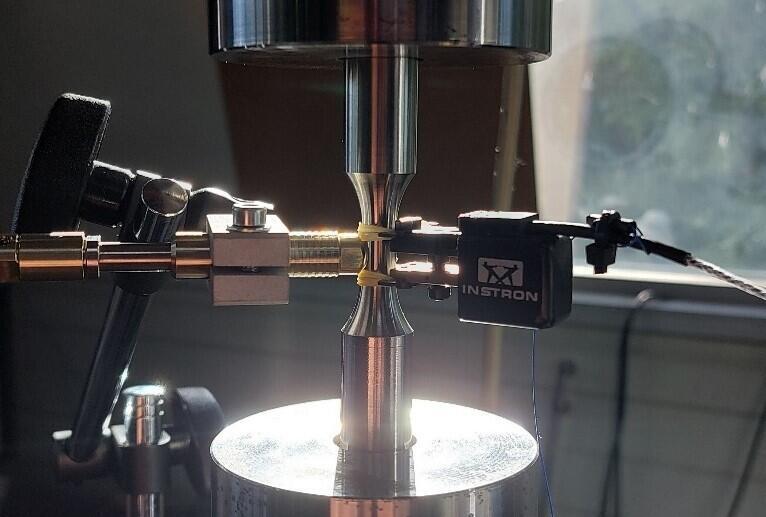
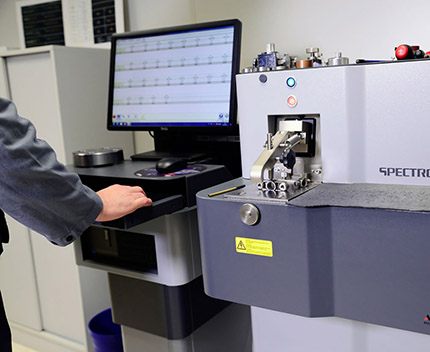
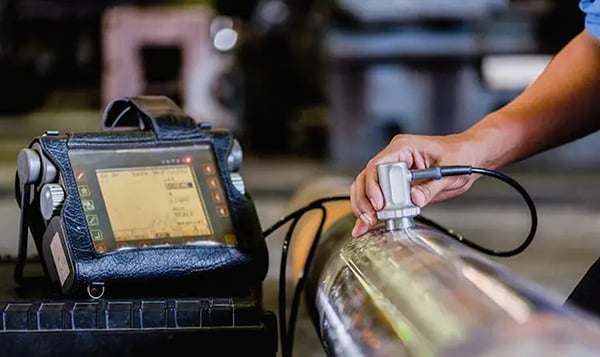
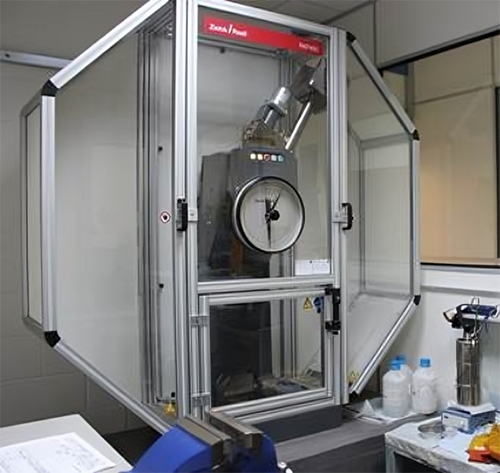

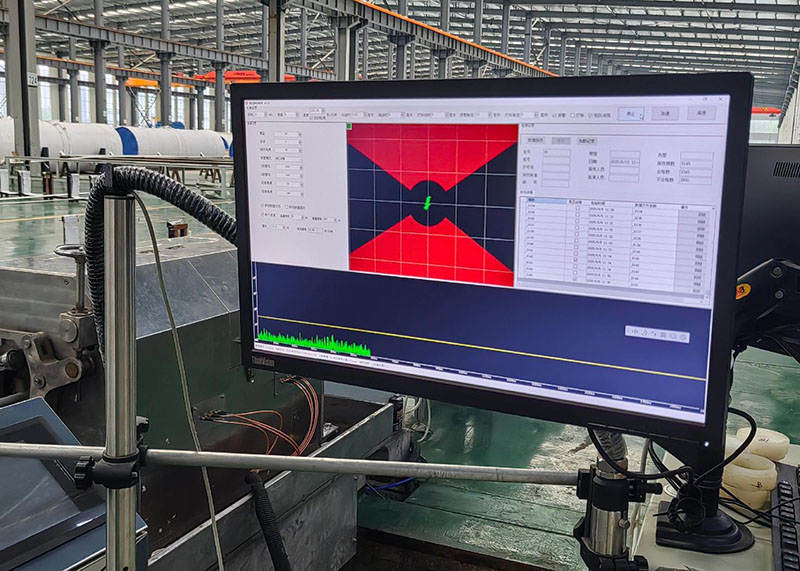
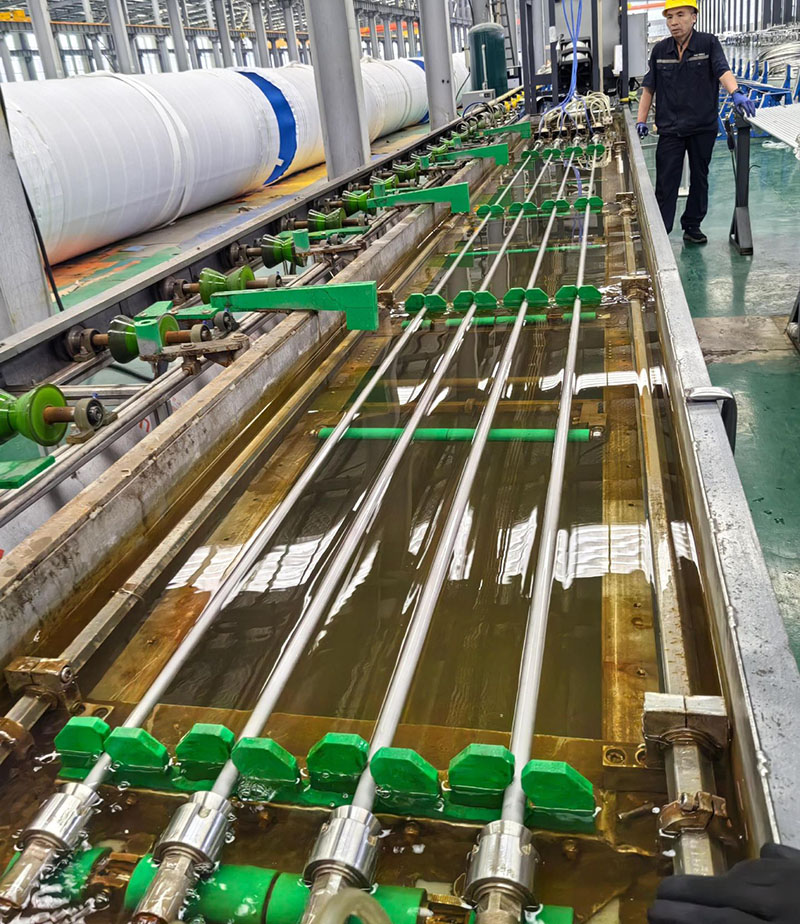
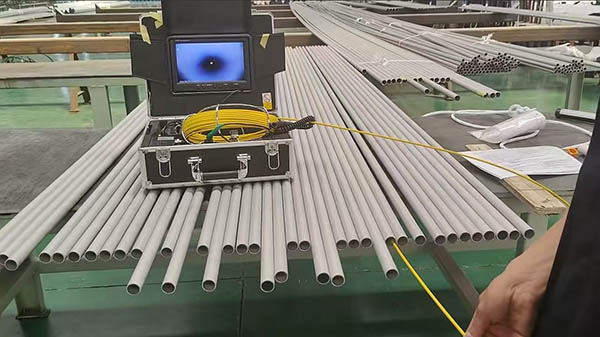
The inspection package follows the ordered specification.
Test scope is confirmed against grade, product form, standard, dimensions, acceptance criteria and project requirements.
Inspection Scope
Pipe & Tube Testing
Tensile
Impact
Hardness
Spectrometer
Metallography
UT
ET
Hydrostatic
Borescope
Dimensional
QC / NDT
Inspection Scope
Define the inspection scope before production release
Send the product standard, dimensions, required tests and inspection-document requirement.
Stainless Pipe MTC / Material Traceability / PMI
Material Identity, MTC & Traceability
Pipe marking, heat or lot identification and inspection documents are connected so the delivered material can be checked against its reported chemistry, properties and ordered specification.
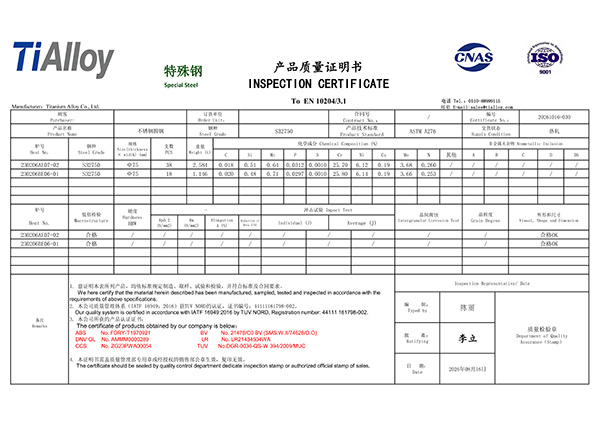
Document-to-Metal Identity
One material identity from certificate to delivered pipe
Heat or lot references provide the link between the physical pipe, production records and the applicable material test certificate.
Physical Identity
Grade · Heat / Lot · Size
Document Identity
MTC / MTR · Test Results

Traceability follows the material through inspection and release.
Physical Material ↔ Production Record ↔ Certificate
Heat / Lot
Material identity begins with the applicable production reference.
Pipe Marking
Required identification is maintained on the delivered product.
MTC / MTR
Certificate data is linked back to the identified material.
PMI
Positive material identification can be added when specified.
Release
Documentation is checked against the agreed order requirements.
MTC / MTR
EN 10204 Type 3.1
Inspection documentation can report material chemistry, mechanical results and other applicable test data.
Material Verification
PMI When Specified
PMI can be added where the purchase order or project inspection plan requires independent alloy verification.
Identification
Marking Continuity
Material identification should remain traceable through processing, inspection, packing and final release.
Documentation scope should be defined at quotation stage.
EN 10204 Type 3.1, PMI, additional inspection records, third-party witnessing or other project documents should be specified where required rather than assumed for every order.
HEAT → MTC
Material Traceability
Define the required certificate and traceability package
Send the grade, product standard, certificate type, PMI requirement and any project documentation requirement.
Stainless Pipe Export Packing / International Shipment
Export Packing & Container Loading
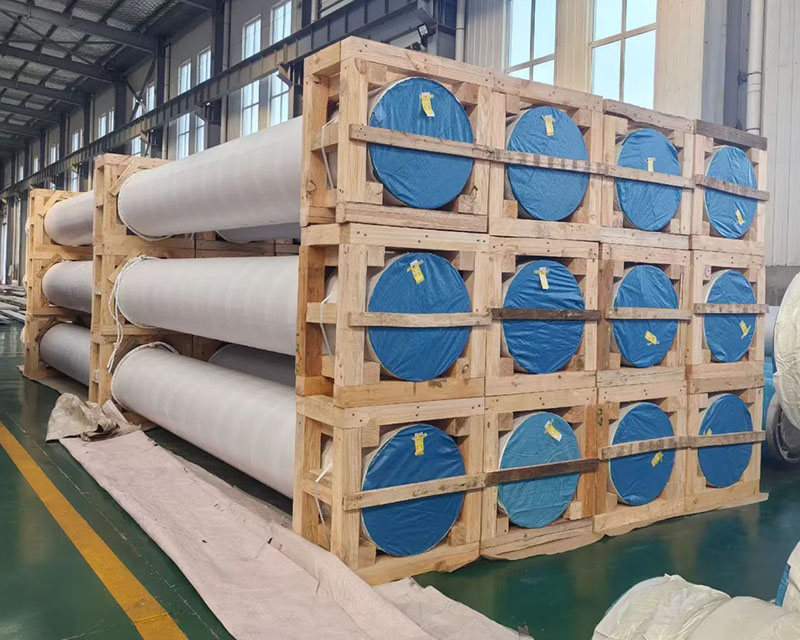
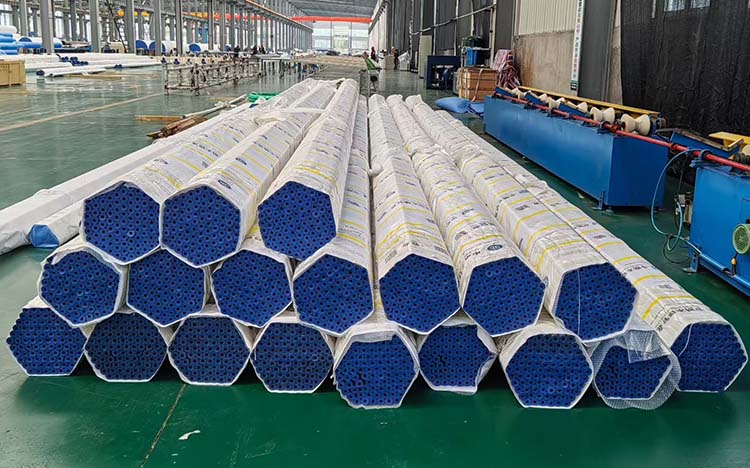
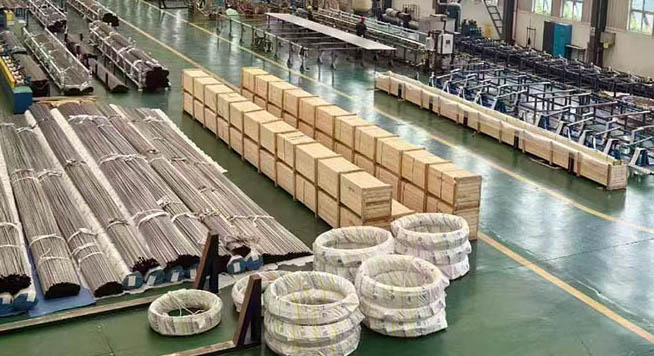
Stainless steel pipe and tube are prepared for international transport with protection, identification and loading methods matched to product size, quantity and shipment requirements.
End Protection
Protective Caps
Tube and pipe ends can be protected against handling damage and contamination.
Handling
Bundled Packing
Straight lengths can be secured in bundles suitable for lifting and transport.
Export Protection
Wooden Cases
Cases or reinforced packing can be selected for suitable tube sizes and shipment needs.
Moisture Control
Waterproof Protection
Protective wrapping can be added where transport and storage conditions require it.
Shipment Identity
Shipping Marks
Package identification can reference order, material, size and shipment information.
Dispatch
Container Loading
Loading arrangement is planned around package dimensions, weight and transport protection.
Packing method is matched to the actual shipment.
Bundle type, end protection, wooden cases, waterproof wrapping, shipping marks and container arrangement should be confirmed according to pipe dimensions, quantity, destination and any customer-specific packing instruction.
PACK → SHIP
Export Dispatch
Define the packing and shipment requirement with the RFQ
Send pipe dimensions, quantity, destination, packing preference and shipping-mark requirement.
Industrial Stainless Pipe Supplier / Selected Supply Cases
Projects & Supply Evidence
Selected stainless steel pipe and tube orders across LNG, petrochemical, refinery, offshore, desalination, power, food-processing and pharmaceutical applications.
 QATAR
QATAR
Supply Case 01
Stainless Steel Seamless Pipe
Qatar
LNG Utility & Process Piping Package
ASTM A312 TP316L
· Solution annealed · Pickled & passivated
Order Quantity
186.4MT
Delivery
38Days
Supply Scope
Main Sizes
Ø60.3 × 3.91 mm · 24.8 MT
Ø88.9 × 5.49 mm · 31.6 MT
Ø114.3 × 6.02 mm · 42.7 MT
Ø168.3 × 7.11 mm · 39.5 MT
Ø219.1 × 8.18 mm · 47.8 MT
Length
5.8–6.1 m / selected 6,000 mm
Inspection
Hydrostatic / NDE · Dimensional · PMI spot check
Documents
EN 10204 3.1 · Heat traceability
Packing
Bundles · Waterproof wrap · End protection
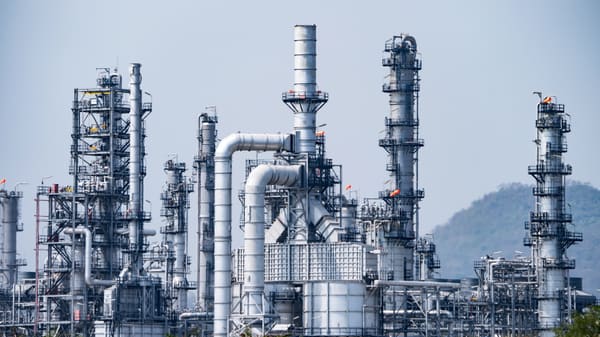
Multiple pipe sizes were consolidated into one shipment for utility water, process connections and corrosive-service lines while matching the contractor’s installation sequence.
 SAUDI
SAUDI
Supply Case 02
Stainless Steel Welded Pipe
Saudi Arabia
Petrochemical Utility Piping Expansion
ASTM A312 TP304L / TP316L
· Pickled finish
Order Quantity
273.8MT
Delivery
43Days
Supply Scope
Main Sizes
Ø168.3 × 4.78 mm · 41.6 MT
Ø219.1 × 6.35 mm · 52.4 MT
Ø273.0 × 6.35 mm · 61.3 MT
Ø323.9 × 7.92 mm · 57.8 MT
Ø406.4 × 9.53 mm · 60.7 MT
Length
6,000 mm
Ends
Plain / beveled by size
Inspection
Weld examination · Hydrostatic / NDE · Dimensional
Documents
EN 10204 3.1 · Heat / lot traceability
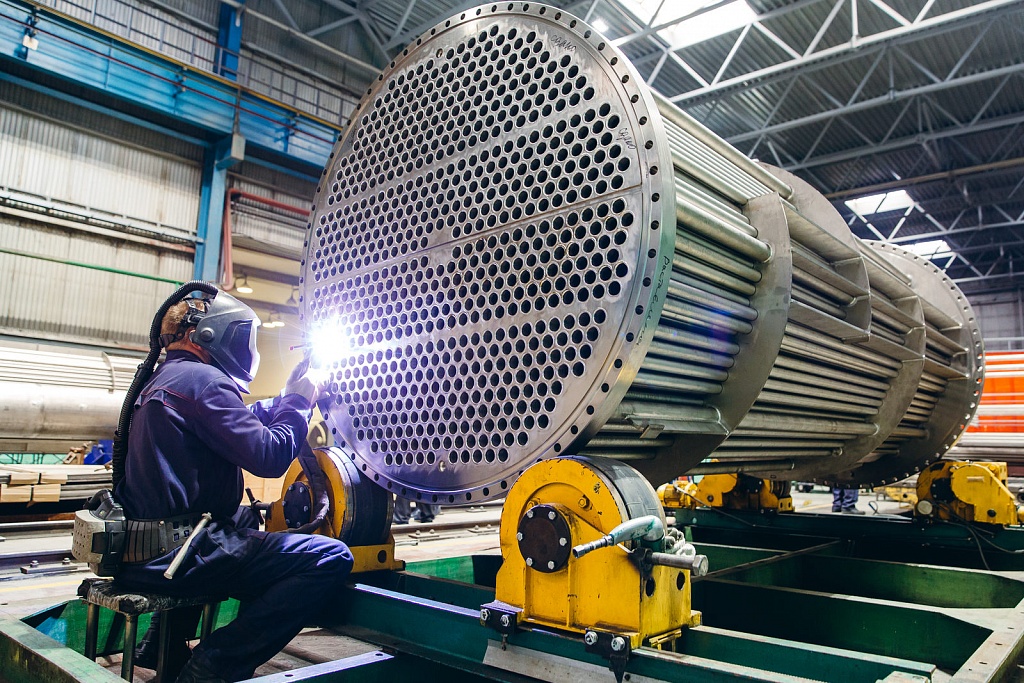
Several diameters were released in separate production lots for utility, cooling-water and low-pressure process lines.
 UAE
UAE
Supply Case 03
Stainless Steel Heat Exchanger Tube
United Arab Emirates
Refinery Heat Exchanger Retubing Package
ASTM A213 TP316L
· Solution annealed
Order Quantity
128.6MT
Delivery
31Days
Tube Schedule
Fixed Lengths
Ø19.05 × 1.65 × 6,096 mm · 42.7 MT
Ø25.40 × 2.11 × 6,096 mm · 47.5 MT
Ø25.40 × 2.11 × 9,144 mm · 38.4 MT
Condition
Solution annealed
Inspection
ET · Dimensional · Mechanical
Control
OD · WT · Straightness · Length
Packing
Wood cases · End protection · Heat ID
Fixed-length control and straightness were key acceptance points for replacement exchanger bundles during a planned refinery shutdown.
 NORWAY
Supply Case 04
Stainless Steel Instrumentation Tube
Norway
Offshore Instrument & Hydraulic Tubing Package
ASTM A269 TP316L
· Bright annealed
Order Quantity
112.8MT
Delivery
35Days
Supply Scope
Main Sizes
Ø6.35 × 1.00 mm
Ø9.53 × 1.24 mm
Ø12.70 × 1.65 mm
Ø19.05 × 1.65 mm
Ø25.40 × 2.11 mm
Supply Form
Straight lengths / coils
Control
OD tolerance · Surface · Hardness
Inspection
NDE / Hydrostatic as applicable · PMI sampling
Packing
End protection · Moisture wrap · Wood cases
Tubing was prepared for instrument-air, pressure-monitoring and hydraulic-control lines using compression fittings.
 ISRAEL
Supply Case 05
Large-Diameter Stainless Welded Pipe
Israel
Seawater Desalination Main Piping Package
ASTM A358 TP316L
· Longitudinal welded construction
Order Quantity
563.4MT
Delivery
49Days
Supply Scope
Main Sizes
Ø610 × 8 mm · 82.6 MT
Ø711 × 10 mm · 96.7 MT
Ø813 × 10 mm · 112.8 MT
Ø914 × 12 mm · 126.5 MT
Ø1016 × 12 mm · 144.8 MT
Length
6,000 / 12,000 mm
Inspection
Weld NDT · Hydrostatic · Dimensional
Control
Ovality · Circumference · Straightness · End square
Packing
Steel saddles · Seaworthy protection
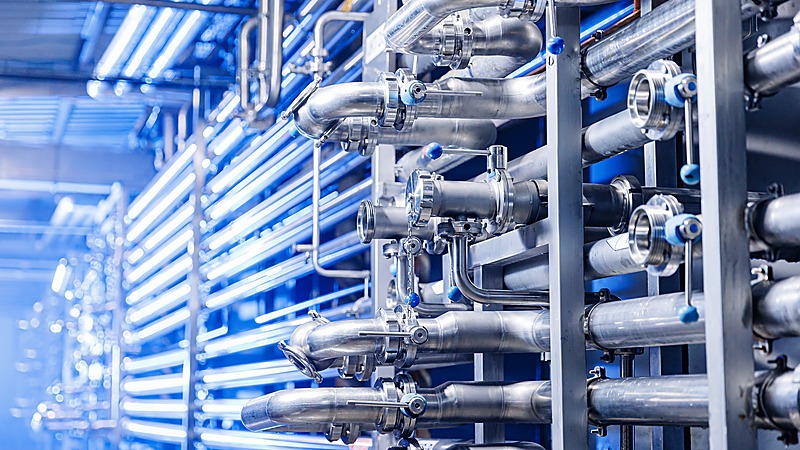
Pipe was released diameter by diameter for seawater intake, treated-water transfer and plant distribution service.
 NZ
NZ
Supply Case 06
Stainless Steel Sanitary Tube
New Zealand
Dairy Processing & CIP Line Expansion
ASTM A270 TP316L
· Hygienic internal finish · Polished OD
Order Quantity
146.7MT
Delivery
29Days
Supply Scope
Tube Sizes
Ø25.4 × 1.5 mm
Ø38.1 × 1.5 mm
Ø50.8 × 1.5 mm
Ø63.5 × 1.5 mm
Ø76.2 × 2.0 mm
Ø101.6 × 2.0 mm
Length
6,000 mm
Application
Product transfer · CIP return · Process water
Inspection
Surface · Dimensional · Material verification
Packing
PE protection · Caps · Export wood cases
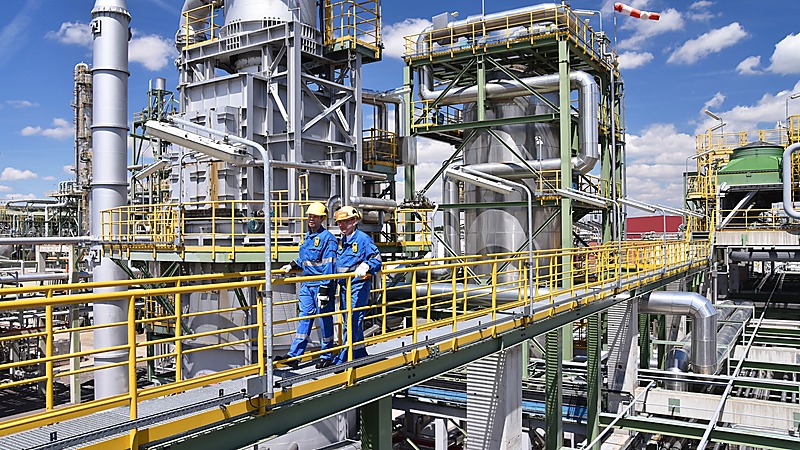
Internal-surface protection was maintained during final inspection, packing and transport for separate process and cleaning circuits.
 GERMANY
Supply Case 07
Stainless Steel Seamless Pipe
Germany
Specialty Chemical Plant Piping Replacement
ASTM A312 TP316L / EN 1.4404
· Solution annealed · Pickled
Order Quantity
218.5MT
Delivery
40Days
Supply Scope
Main Sizes
Ø33.7 × 3.38 mm · 27.6 MT
Ø48.3 × 3.68 mm · 34.8 MT
Ø60.3 × 3.91 mm · 42.7 MT
Ø88.9 × 5.49 mm · 51.9 MT
Ø114.3 × 6.02 mm · 61.5 MT
Length
5.8–6.1 m
Inspection
Chemical · Mechanical · Dimensional · Selected PMI
Certification
EN 10204 3.1
Identification
Heat number on individual pipes
Pipes were separated by size and heat number before shipment to simplify site receiving and traceability.
 TÜRKİYE
Supply Case 08
Stainless Steel Welded Pipe
Türkiye
Combined-Cycle Power Plant Auxiliary Piping
ASTM A312 TP304L / TP316L
· Beveled for field welding
Order Quantity
326.9MT
Delivery
46Days
Supply Scope
Main Sizes
Ø168.3 × 7.11 mm · 48.3 MT
Ø219.1 × 8.18 mm · 57.6 MT
Ø273.0 × 9.27 mm · 66.5 MT
Ø323.9 × 9.53 mm · 72.8 MT
Ø355.6 × 9.53 mm · 81.7 MT
Length
Mainly 6,000 mm
Application
Cooling water · Water treatment · Auxiliary piping
Inspection
Weld · Dimensional · Pressure / NDE as specified
Documents
MTC · Inspection reports · Packing list
Priority diameters were released in several production lots so selected pipe sizes could reach site before the balance.
 INDIA
INDIA
Supply Case 09
Stainless Steel Heat Exchanger Tube
India
Fertilizer Plant Condenser & Heat Exchanger Package
ASTM A213 TP304L / TP316L
· Solution annealed
Order Quantity
176.3MT
Delivery
37Days
Tube Schedule
9,144 mm Fixed
Ø19.05 × 1.65 × 9,144 mm
Ø25.40 × 2.11 × 9,144 mm
Ø31.75 × 2.11 × 9,144 mm
Condition
Solution annealed
Inspection
ET · Dimensional · Mechanical
Control
Fixed length · Straightness · End protection
Packing
Reinforced long-length wood cases
Fixed-length tolerance and straightness were controlled for condenser and shell-and-tube heat-exchanger fabrication.
 USA
USA
Supply Case 10
Stainless Steel Sanitary Tube
United States
Pharmaceutical Process & Purified-Water Piping
ASTM A270 TP316L
· Mechanically polished sanitary finish
Order Quantity
121.6MT
Delivery
33Days
Supply Scope
Main Sizes
Ø25.4 × 1.65 mm
Ø38.1 × 1.65 mm
Ø50.8 × 1.65 mm
Ø76.2 × 1.65 mm
Ø101.6 × 2.11 mm
Length
20 ft / approx. 6.1 m
Application
Purified water · CIP/SIP · Process piping
Inspection
Surface · Dimensional · Traceability
Packing
Individual protection · Sealed caps
Tubes were separated by diameter and heat number while internal surfaces remained protected through final inspection and export packing.
Application Coverage
Industries Supplied
LNG
Petrochemical
Refinery
Offshore
Desalination
Chemical
Power
Food & Dairy
Pharmaceutical
Instrumentation
10 CASES
Supply Evidence
Match your pipe requirement to a comparable supply scope
Send grade, standard, dimensions, quantity, testing requirement and destination.
What is the difference between stainless steel pipe and stainless steel tubing?
Pipe is commonly ordered by nominal pipe size and schedule under a pipe specification; tube is commonly ordered by outside diameter and wall thickness under a tube specification. State the product form because the same size number can represent a different outside diameter.
Is ASTM A312 stainless steel pipe always SMLS?
No. ASTM A312 includes pipe without a longitudinal weld seam, straight-seam welded pipe and heavily cold-worked welded pipe, so the order must state any route restriction and supplementary test requirement.
How should a buyer choose between 304 and 316 stainless steel?
Don’t choose only from the grade name or a generic corrosion-resistance statement. Give the engineer the fluid chemistry, chloride/contaminant level, temperature, pressure, cleaning method, fabrication details and design standard, then specify the approved grade and suffix on the RFQ.
Why are heat numbers important?
A heat number connects marked material to the inspection documents and reported chemistry/mechanical results. Require continuity through cutting and processing so the identifier on the item or bundle still matches the release package.
Can TiAlloy supply custom cut lengths or processed ends?
Cutting, machining, straightening, polishing and end-preparation routes are reviewed against the drawing, length, tolerance, quantity, grade and final inspection requirement. The quotation states the confirmed processing scope.
What information is needed for a stainless steel pipe or tube quote?
Provide the 9 PipeProof fields: product form, grade, standard, size language, wall, length/quantity, condition/finish, testing/documents, and ends/packing/destination. Attach drawings and project specifications where they control acceptance.
What does EN 10204 add to an order?
EN 10204 defines inspection-document types for metallic products; it doesn’t automatically add every test result your project expects. State the required type, heat/lot linkage, result fields, validation route and any third-party hold point.
How are export packing and delivery planned?
The plan uses product length and mass, surface/end protection, handling route, moisture risk, packing method, Incoterm, destination rules, required documents and requested date. If wood packaging is used, destination-specific ISPM 15 compliance must be confirmed.