Get in Touch with TiAlloy Company

316L Stainless Steel · AISI 316L · UNS S31603
316L Stainless Steel Supply — Release Requirements and RFQ Review
316L product forms follow a specification-led route. Melting, forging, rolling, heat treatment, tube making, bar finishing and plate processing run on our own lines in one plant; the melt record and the certificate come from the same quality system that ran the heat. Site scale: a 30,000 m2 production base running melting through finishing on one site. Process capability includes vacuum induction melting, vacuum arc remelting and electroslag remelting, forging, hot and cold rolling, solution and bright annealing, pickling and passivation, tube making, bar finishing, plate processing and precision machining. See our stainless steel pipe and tube page for related specification guidance.
Get a 316L Quote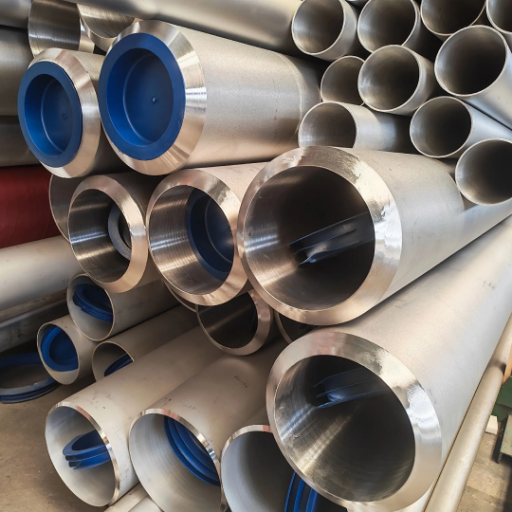
Build Your 316L Stainless Steel Order Brief
Release inputs and schedule: Response time: within one business day. Production lead time is quoted as a confirmed production slot with the quotation, not as an estimated date; if the slot moves we notify you rather than waiting to be chased. Minimum order quantity is set per grade and per form; for 316L, the written quotation confirms it against product form, dimensions and the release plan. Trial and small quantities are quoted on request; feasible order sizes are confirmed during the pre-sale quick-quote step.
- Service medium, temperature and fabrication route
- Plate, sheet, pipe, tube or bar
- Current product standard and companion requirements
- Dimensions, condition, finish and tolerance
- Heat-linked inspection and test evidence
- Quantity, destination, packing and origin fields
20+ Years
Reported metal manufacturing experience
30,000+ m²
Reported modern production base
5 Forms
316L stainless steel plate, sheet, pipe, tube and bar
1 Route
Specification review through inspection documents and export handoff
AISI 316L / UNS S31603 orders follow ASTM A240 for plate and sheet, A312 TP316L for pipe, A269 / A213 for tubing, or A276 / A479 for bar, with MTC, PMI, testing and heat-number traceability when specified. For 316L, state the product form, certificate level and any required PMI, nondestructive or corrosion test; the quotation confirms the document and test package.
316L Stainless Steel · AISI 316L · UNS S31603
Prevent 316L Specification Gaps Before They Reach Production
RFQ basis and expedite review: A complete enquiry states: grade or the service condition; product form and dimensions with tolerance where critical; quantity and whether it repeats; the governing specification (ASTM, ASME, AMS or a customer standard); required certificate level and any witnessed testing; surface condition and marking; destination port and delivery window. Expedited scheduling is available; feasibility and any expedite premium are confirmed with your quotation.
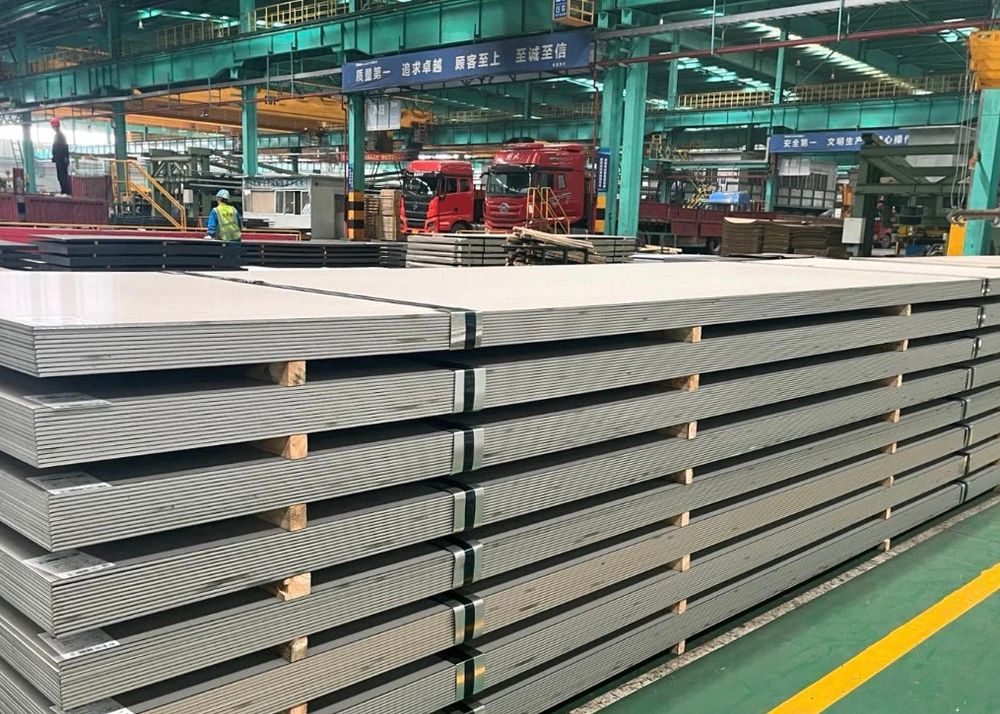
Six 316L Specification Gaps to Close
Commercial terms: 30% deposit by telegraphic transfer with the order, balance before dispatch. Tell us the Incoterms you work to and the destination port; the 316L quotation is priced to that delivery basis.
01
Form Gap
Pipe, tube, sheet, plate and bar use different dimensional and acceptance requirements.
02
Standard Gap
ASTM A240, A312, A269 and A276 cover different 316L stainless steel product forms. See our stainless steel bar and rod page for related specification guidance.
03
Service Gap
Molybdenum improves localized-corrosion resistance, but 316L is not suitable for every chloride environment.
04
Evidence Gap
Heat number, MTC / MTR and required test results should remain linked to the physical material.
05
Commercial Gap
316L stainless steel price cannot be compared correctly until processing, quantity and delivery scope match.
06
Entity Gap
Supplier certificates should match the legal entity, site and claimed manufacturing or quality scope.
Common 316L Standards
ASTM A240/A240M for 316L plate and sheet; ASTM A312/A312M TP316L for pipe; ASTM A269/A269M and ASTM A213/A213M TP316L for tubing; ASTM A276/A276M and ASTM A479/A479M for bar where applicable.
Compare the Same Supply Scope
A lower material price can become more expensive after retesting, rework, remarking or expedited freight. Compare the same technical and documentation requirements.
Keep the Item Definition Consistent
- Order
- Grade, form, standard, dimensions and condition.
- Test
- Chemistry, mechanical properties, PMI or NDT when required.
- Release
- Heat number, MTC, material marking and packing list.
Send your 316L stainless steel requirements for review.
Send Service Conditions for Review
Include product form, ASTM standard, dimensions, quantity, service conditions, testing, MTC requirements and destination.
316L Stainless Steel · AISI 316L · UNS S31603
Select the 316L Product Form and the Standard That Governs It
Start with the physical product and end use, then select the purchase standard. Product form determines dimensions, manufacturing route, testing and acceptance requirements.
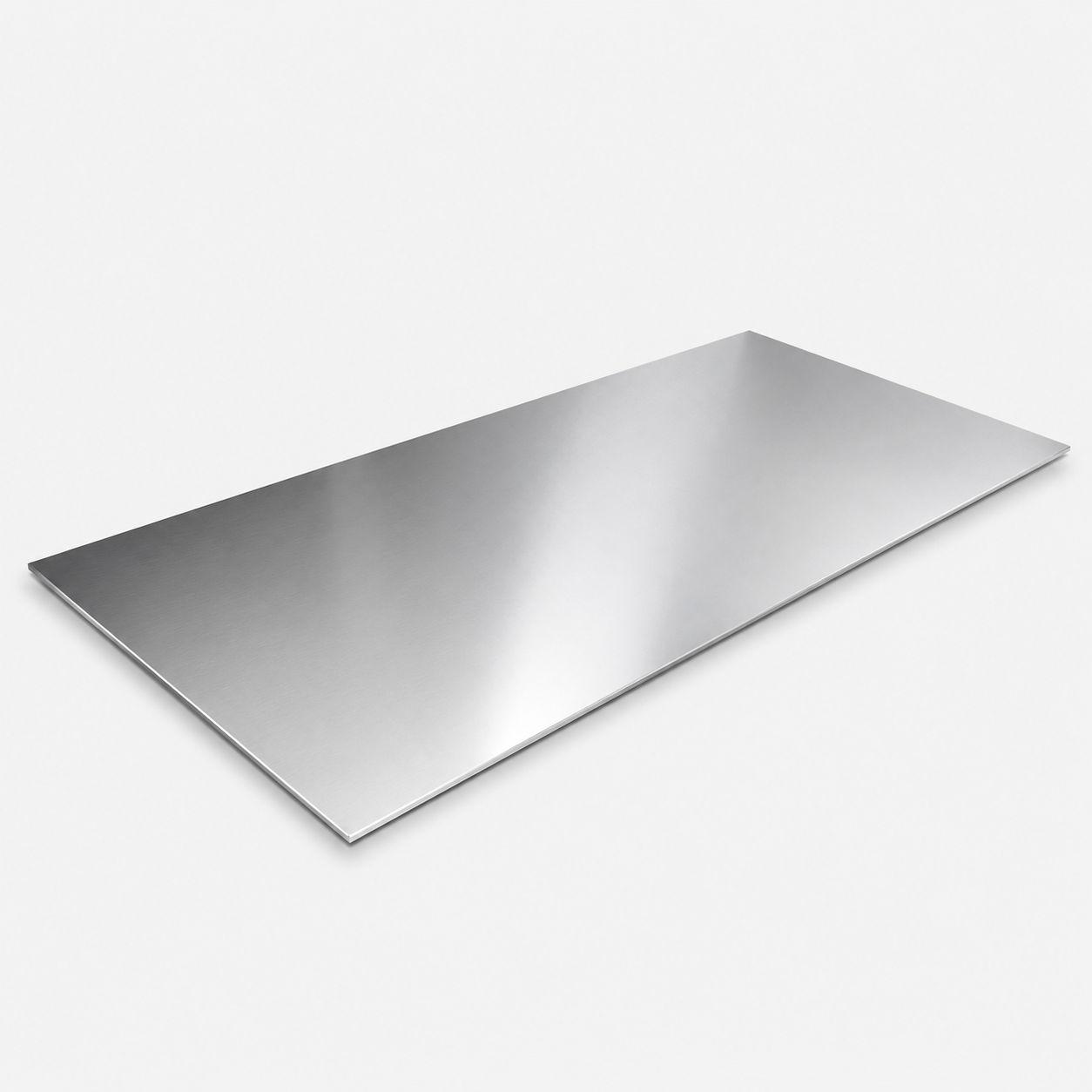
Product Standard Selection
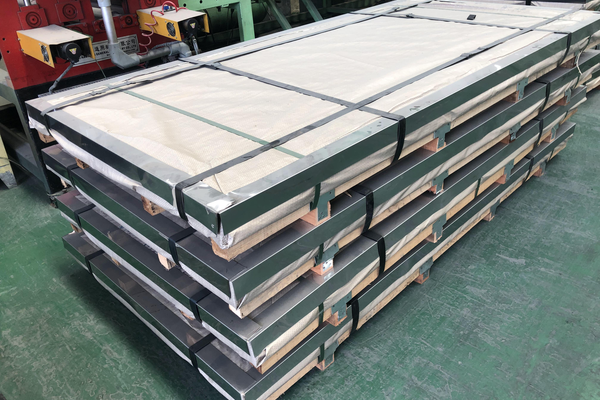
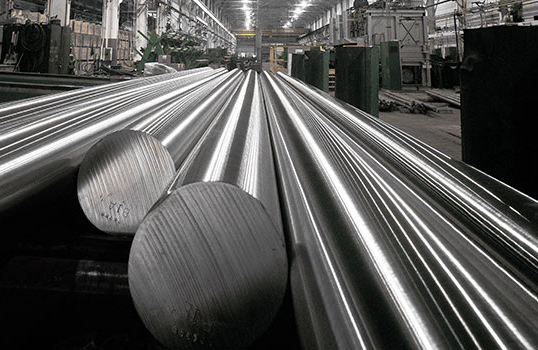
316L plate, sheet, pipe, tube and bar share AISI 316L / UNS S31603 grade identity, but each product form has different dimensional, manufacturing, testing and acceptance requirements.
RFQ Information
Thickness, width, length, finish, flatness, tolerance and protective-film requirements.
Common Ordering Error
Applying pipe or tube requirements to flat products.
RFQ Information
NPS or OD, schedule or wall thickness, seamless or welded construction, length, ends and testing.
Common Ordering Error
Substituting a tubing specification for pressure pipe.
RFQ Information
Outside diameter, wall thickness, length, seamless or welded construction, heat treatment and tests.
Common Ordering Error
Treating every 316L tube application as the same product.
RFQ Information
OD, wall thickness, internal / external finish, cleanability, ends, marking and inspection.
Common Ordering Error
Using general-purpose tubing requirements for hygienic service.
RFQ Information
OD, wall thickness, length, tube-sheet fit, heat treatment, manufacturing route and examination.
Common Ordering Error
Assuming ASTM A269 covers every heat-exchanger application.
RFQ Information
Shape, outside dimensions, wall thickness, finish, forming and mechanical-use requirements.
Common Ordering Error
Using mechanical tubing for pressure service without approval.
RFQ Information
Shape, size, length, condition, surface, straightness, machining allowance and testing.
Common Ordering Error
Omitting pressure-component or machining requirements.
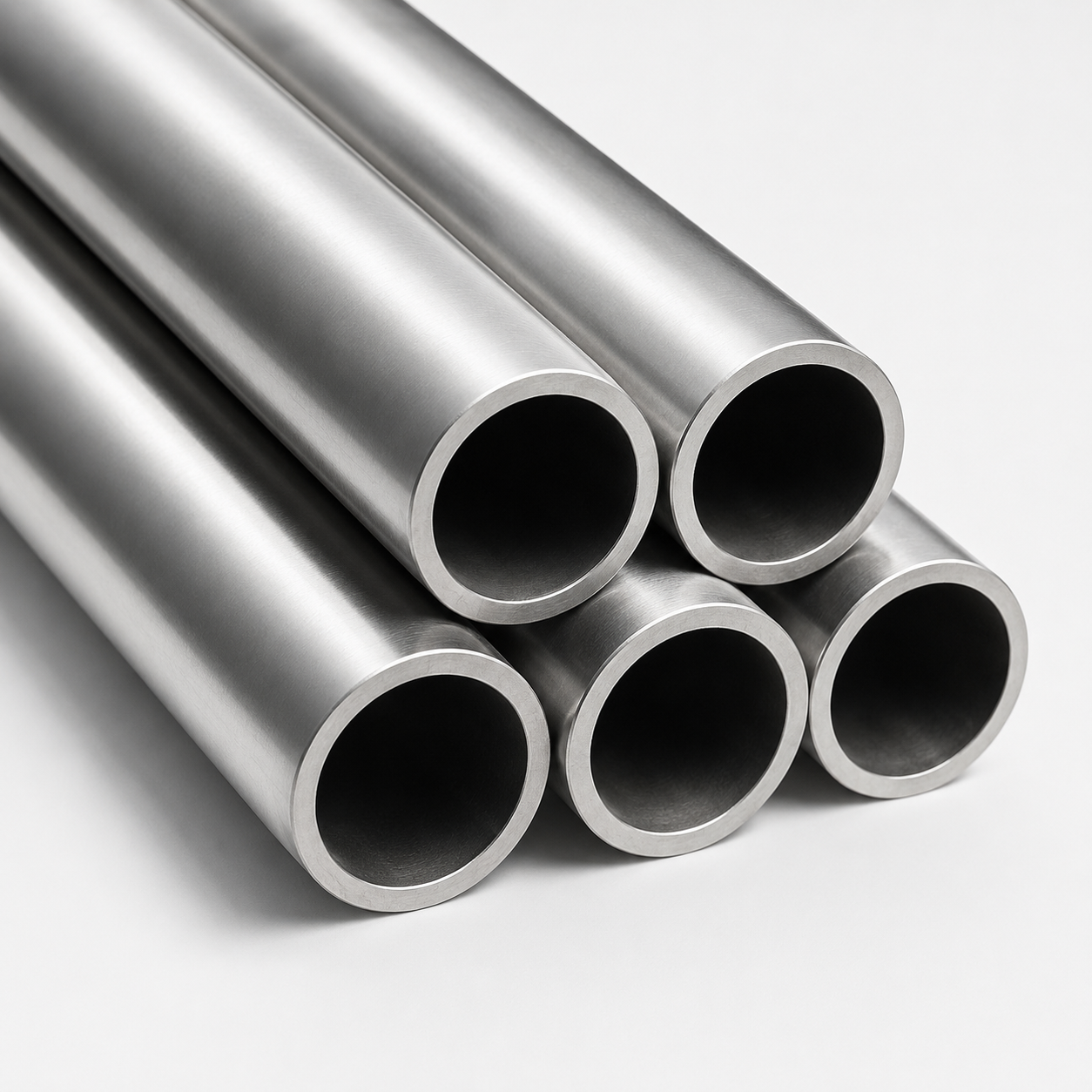
Application-Specific Tube and Bar Requirements
316L stainless steel tube may be specified for general service, sanitary systems, mechanical fabrication or heat exchangers. End use determines the applicable standard and inspection scope.
Flat products use ASTM A240/A240M with ASTM A480/A480M. Bar routes include ASTM A276/A276M and ASTM A479/A479M with ASTM A484/A484M where applicable.
Confirm the current standard revision and project requirements before ordering.
316L Product Form and Standard Selection
Confirm service, product form, ASTM standard and acceptance requirements before price and lead time are finalized.
01
Service Requirements
Pressure, medium, temperature, hygienic, heat-transfer or mechanical service.
02
Product Form
316L plate, sheet, pipe, tube or bar with dimensions, tolerance, condition and surface finish.
03
Applicable Standard
ASTM A240, A312 TP316L, A269, A270, A213, A249, A554, A276 or A479 as applicable.
04
Inspection & Documentation
MTC / MTR, EN 10204 3.1, PMI, heat-number traceability, marking and testing when specified. Full spectrometric analysis can be reported on the certificate, with PMI, ultrasonic examination or corrosion testing added when required.
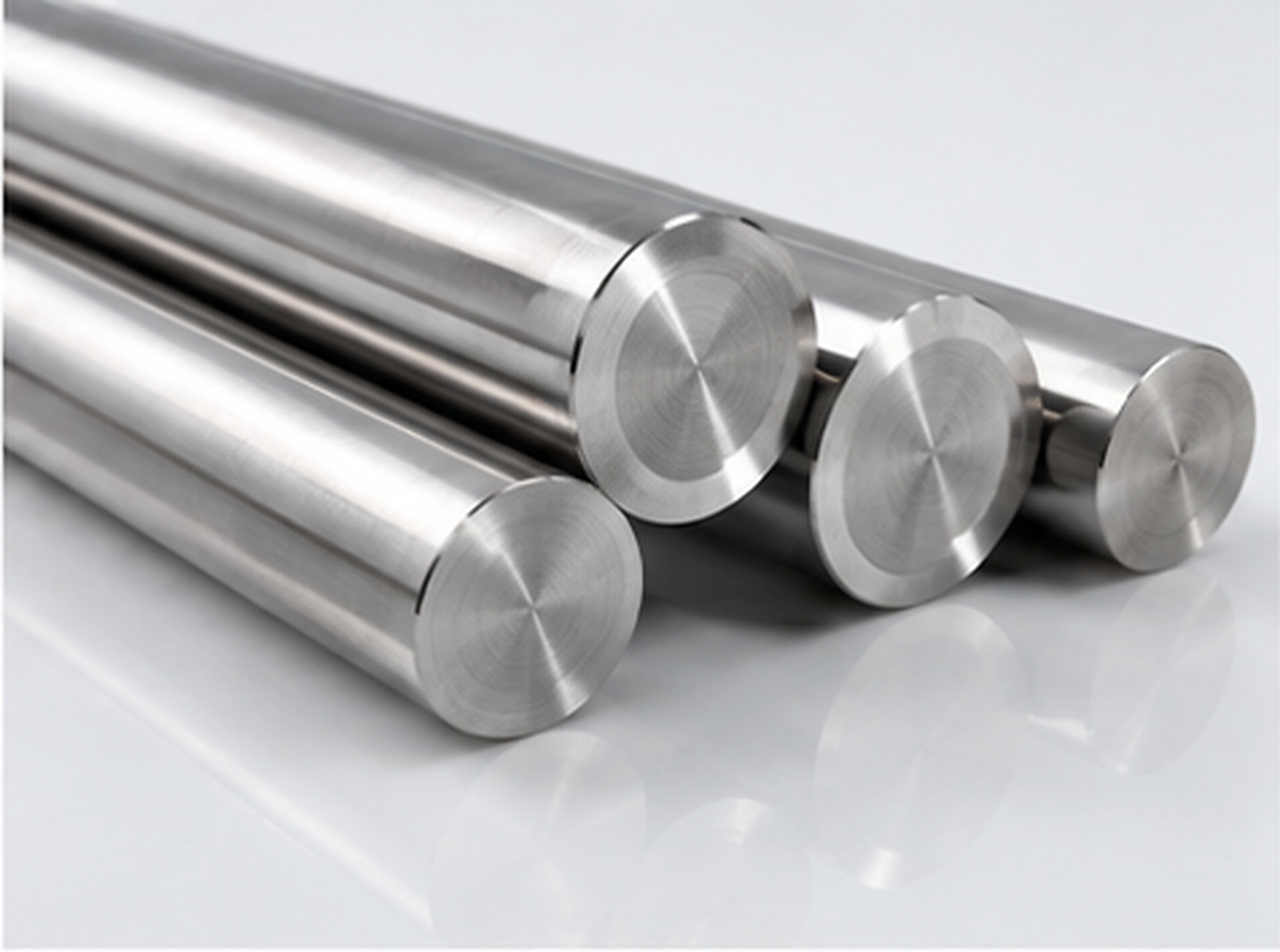
316L Stainless Steel · AISI 316L · UNS S31603 · ASTM Standard · MTC / MTR · EN 10204 3.1 · PMI
AISI 316L / UNS S31603
Plate / Sheet / Pipe / Tube / Bar
ASTM Product Standard
Dimensions & Tolerance
Surface Finish
Heat Treatment
MTC / MTR
EN 10204 3.1
PMI
Heat-Number Traceability
Inspection & Testing
316L Stainless Steel · AISI 316L · UNS S31603
Define the Chemistry, Weld and Corrosion Boundaries
316L is a low-carbon, molybdenum-bearing austenitic stainless steel. Chemical composition, welding, surface condition and the actual corrosion environment should be reviewed together.

Three Technical Boundaries to Confirm
Grade identity is the starting point; service and fabrication determine the final requirement.
Chemical Composition
Confirm heat-specific chemistry against the applicable product standard.
- Low carbon
- Chromium
- Nickel
- Molybdenum
Welding & Fabrication
Lower carbon reduces sensitization concerns, but welding and post-fabrication condition still matter.
- Welding
- Cold forming
- Machining
- Pickling & passivation
Corrosion Environment
Molybdenum improves localized-corrosion resistance but does not make 316L immune to chloride attack.
- Chlorides
- Pitting corrosion
- Crevice corrosion
- Temperature
316 vs 316L
316L has a lower carbon limit than standard 316. Confirm carbon content and chemical composition against the applicable specification and MTC / MTR.
Service Conditions
State the medium, chloride concentration, temperature, flow or stagnation, fabrication route and required surface finish before confirming 316L corrosion resistance.
Review 316L Service Conditions
Send the service medium, temperature, product form, ASTM standard and fabrication requirements for supply review.
316L Production Route · Inspection · Traceability
Confirm the Production Route Only After the Order Requirements Are Clear
Product standard, manufacturing route, heat number, inspection results and MTC / MTR should remain linked to the actual material supplied.
Production Route & Order Traceability
Keep the approved item definition consistent through production, inspection and shipment release.
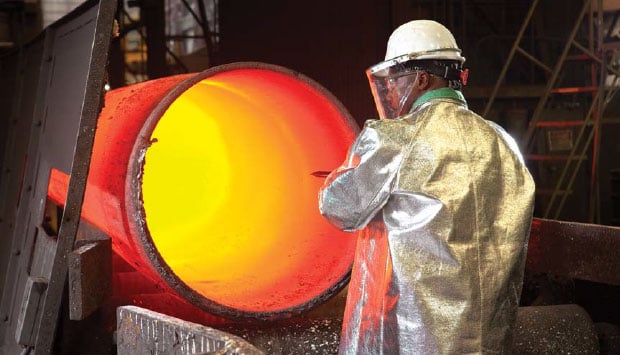
Route Review
Confirm product form, manufacturing route, dimensions, condition, finish and inspection requirements.
- Product standard
- Dimensions
- Condition
- Inspection
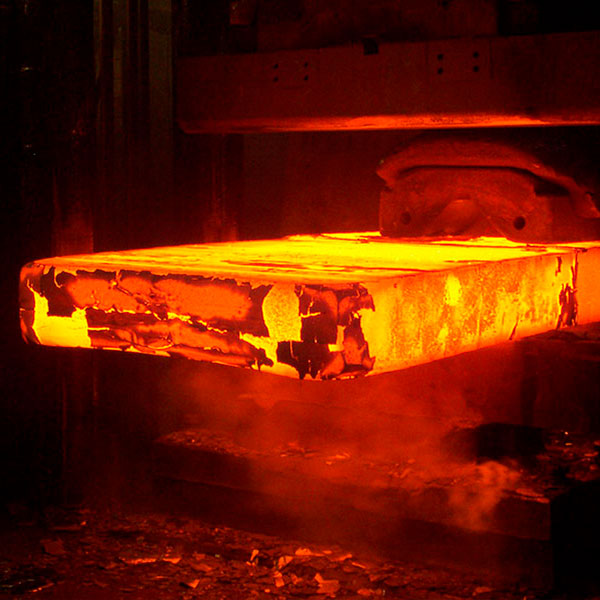
Production Evidence
Preserve heat identity and production records needed to verify the ordered material condition.
- Heat number
- Heat treatment
- Dimensions
- Surface results
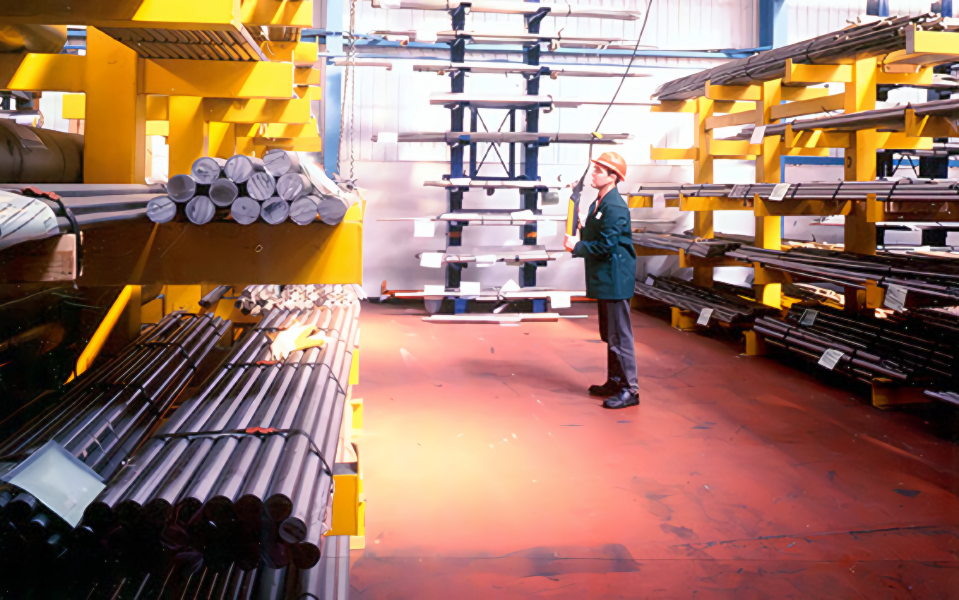
Release Reconciliation
Match material, inspection records, marking, quantity and packing documents before shipment.
- MTC / MTR
- Marking
- Quantity
- Packing list
Order-Specific Evidence
Equipment capability does not replace traceable evidence for the actual heat and shipment.
Material Identity
Grade, heat number and heat-specific chemical composition.
Ordered Condition
Dimensions, tolerance, heat treatment and surface finish.
Release Documents
MTC / MTR, inspection results, material marking and packing list.
ASTM flat products:
ASTM A240 plate, sheet and strip use ASTM A480/A480M general requirements where applicable. Pipe, tube and bar follow their respective product standards.
First-Order Document Check
Request Sample MTC & Document List
Review the Document Package Before the First Order
Review a sample MTC / MTR and document list first; final acceptance should use the actual heat-specific shipment records.
316L Quality Release · MTC / MTR · Heat Traceability
Release 316L Stainless Steel with Evidence Your Quality Team Can Check
Match the purchase item, heat identity, inspection results, MTC / MTR, marking and shipment documents before final release.
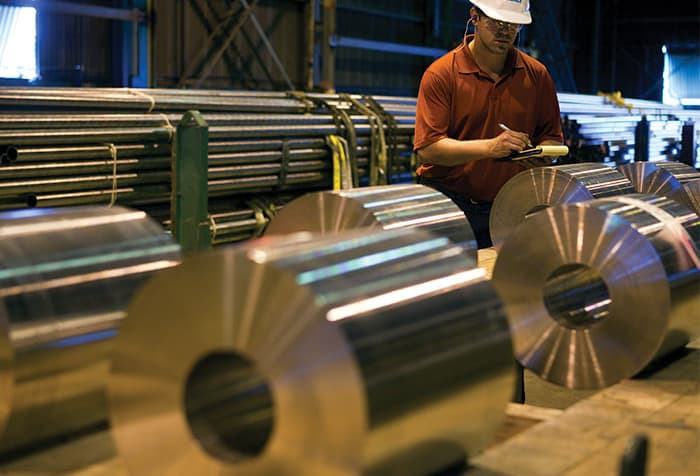
316L Quality Release Checks
Keep material identity, inspection evidence, document authority and shipment records linked to the same order.
01 · Material Identity
Confirm the Material Before Reviewing the Test Results
The purchase item, physical material and quality documents should describe the same 316L stainless steel product before the certificate is accepted.
Grade & Product Standard
Confirm AISI 316L / UNS S31603 and the applicable ASTM product specification for the delivered plate, sheet, pipe, tube or bar.
Heat Number
Heat or lot identity should remain traceable between the material marking, MTC / MTR and shipment records.
Product Form & Dimensions
Form, size, dimensions and ordered condition should match the purchase item rather than a generic 316L description.
Physical Identification
Material marking and identification should allow the supplied quantity to be reconciled with its inspection documents.
Accept
Grade, form, standard and heat identity reconcile across the order, material and documents.
Hold
Heat number, product form or material identity is missing or inconsistent.
02 · Inspection Results
Check the Results Required by the Ordered Specification
Required chemistry, mechanical properties, dimensions, surface condition and supplementary examination should be linked to the actual material supplied.
Chemical Composition
Verify heat-specific chemical results against the applicable 316L product specification rather than relying only on nominal composition.
Mechanical Properties
Review tensile, yield, elongation or other required mechanical results for the ordered product form and condition.
Dimensions & Surface
Check ordered dimensions, tolerance, surface finish and other form-specific acceptance requirements.
Supplementary Examination
PMI, NDT or additional examination should be included when specified by the product standard, drawing or purchase order.
Accept
Required inspection and test results are present and traceable to the supplied heat or lot.
Hold
Required results are absent, incomplete or linked to another heat or sample.
03 · Document Verification
Verify the MTC / MTR and Required Certificate Authority
Certificate type, issuing organization, heat-specific results and required validation should match the approved purchase requirement.
MTC / MTR
Check that the material test certificate identifies the supplied material and reports the required inspection results.
EN 10204 Type 3.1
EN 10204 3.1 documentation should be included when specified by the purchase order or applicable project requirement.
Document Issuer
Review the issuing legal entity, manufacturing or inspection scope and document authority where relevant.
Validation
Required signatures, validation fields or third-party records should be present when called for by the order.
Accept
Certificate type, issuer, heat identity and required values match the purchase requirement.
Hold
Certificate is generic, incomplete or cannot be reconciled with the supplied material.
04 · Shipment Release
Reconcile the Quality File with the Physical Shipment
Final release should confirm that the approved inspection file describes the same material, quantity and package that is being shipped.
Material Marking
Grade, heat number and required identification should remain visible on the material or approved package marking.
Quantity
Piece count, weight or ordered quantity should reconcile with the inspection and commercial records.
Packing List
Package references, quantities and material descriptions should match the final release file.
Heat Traceability
Traceability should remain intact through packing, shipment documentation and final handoff.
Accept
Marking, quantity, packing and heat traceability match the approved shipment file.
Hold
Quality records and shipment documents describe different material, heat numbers or quantities.
Supplementary Requirements
PMI, NDT, supplementary examination and EN 10204 3.1 documentation should be included when required by the applicable product specification, drawing or purchase order.
Release-Packet Preview
Request a 316L Release-Packet Preview
Review the Expected Quality File Before Ordering
Preview the expected MTC / MTR, inspection, heat-traceability and shipment-document fields before the first order.
Supplier Approval · Quality · Export Documentation
Review Quality Evidence Before Supplier Approval
Confirm the main company, certification, material and shipment information needed for your supplier-approval process before placing an order.
20+ Years
Reported metal manufacturing experience
30,000+ m²
Reported production base
3 Alloy Groups
Stainless steel · Titanium · Nickel alloys
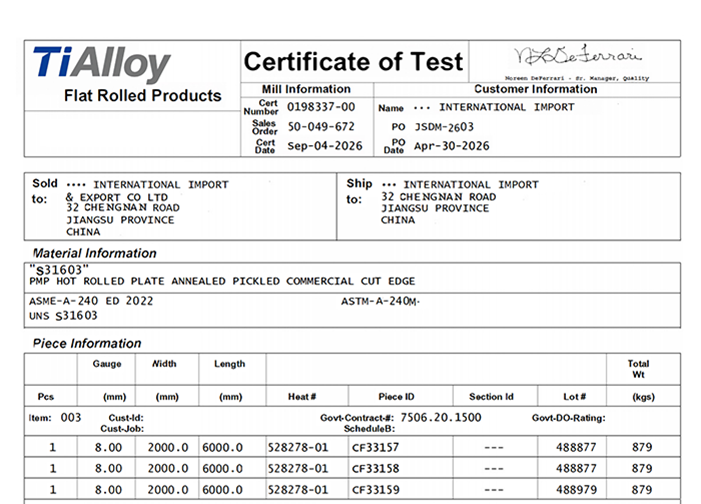
Supplier Approval Checks
Review the company information, certification scope, material documents and shipment details relevant to your purchasing requirements.
01
Legal Entity
Confirm the company name and contracting information required for your purchasing records.
02
Site & Scope
Review the relevant location, certification standard, scope and listed activities.
03
Material Evidence
Review heat-linked MTC / MTR and inspection results required for the ordered 316L material.
04
Export Data
Confirm origin, destination and shipment information required for the applicable order.
Approval Documents
The exact document package can be aligned with your supplier-registration and purchase-order requirements.
| Item | Information to Review | Recommended Follow-Up |
|---|---|---|
| Company | Company name, address, contracting information and supplier-registration details. | Confirm any additional company documents required by your internal approval procedure. |
| Certification | Applicable standard, company or site information, certification scope and validity period. | Request the current certificate or supporting information when required for supplier qualification. |
| Material | Heat number, MTC / MTR, chemical and mechanical results, inspection requirements and material marking. | Confirm any additional tests, inspection documents or EN 10204 requirements before production. |
| Shipment | Country of origin, destination, quantity, packing information and applicable export documentation. | Confirm destination-specific document requirements before shipment. |
Certificate Information
Management-system certificates normally identify the certified company or site, applicable standard, certification scope and validity information. These fields can be reviewed as part of the buyer’s normal supplier-approval process.
Trade & Shipment Documents
Request Supplier-Approval Documents
Confirm the Documents Required for Your Destination
Origin, destination and other trade-related information can be prepared according to the product, destination and buyer documentation requirements.
For applicable United States steel imports, additional origin or melt-and-pour information may be requested under current import requirements.
316 vs 316L · Grade Selection
316 vs 316L Stainless Steel: Grade Selection Guide
The main difference between 316 and 316L stainless steel is carbon content. Both are molybdenum-bearing austenitic grades, while 316L is selected for welded fabrication where lower carbon and resistance to sensitization are important.
Quick Difference
Type 316L / UNS S31603 limits carbon to 0.030% maximum, helping reduce sensitization and intergranular corrosion risk in heat-affected areas after welding.
| Selection Point | 316 Stainless Steel | 316L Stainless Steel |
|---|---|---|
| Carbon Content | Type 316 permits a higher maximum carbon content. | 316L carbon content is limited to ≤0.030%. |
| Welding | Suitable for welding with the correct fabrication procedure. | Often preferred for welded pipe, tube, plate and fabricated equipment because lower carbon reduces sensitization risk. |
| Intergranular Corrosion | Thermal history and carbon level influence sensitization behavior. | Lower carbon improves resistance to sensitization-related intergranular corrosion after welding. |
| Corrosion Resistance | Molybdenum-bearing grade with good corrosion resistance in many industrial environments. | Similar general corrosion-resistance family; low carbon does not automatically provide higher chloride resistance. |
| 304L | No molybdenum; lower material cost | Not suitable for sustained chloride exposure |
| 316Ti | Titanium-stabilized against sensitization | Elevated-temperature strength and machinability trade off against 316L |
| 1.4435 (316L variant) | Richer Mo band, ferrite capped <1.0% | Not automatically dual-certified with 1.4404 |
| 904L | Higher nickel and molybdenum, super-austenitic | Cost premium is significant; reserve for chlorides 316L/317L cannot hold |
When 316L Is Selected
316L is widely specified for welded fabrication where low carbon, welding performance and intergranular corrosion resistance are important.
Review Chloride Service Separately
Chloride environments should be assessed for concentration, temperature, pitting corrosion and crevice corrosion rather than selecting 316L only because it is the low-carbon grade.
Purchase Specification
Specify 316 or 316L according to the applicable product standard, design requirement and service condition. The ordered grade should also be identified on the MTC / MTR.
AISI 316L · Type 316L · UNS S31603
316L Stainless Steel Chemical Composition and Mechanical Properties
316L is a low-carbon, molybdenum-bearing austenitic stainless steel. The data below provides a practical ASTM A240/A240M flat-product reference for 316L chemical composition and room-temperature mechanical properties.
Grade
316L Stainless Steel
AISI / Type
316L
UNS
S31603
Structure
Austenitic
Reference
ASTM A240/A240M
316L Chemical Composition
UNS S31603 composition limits, % by weight.
Carbon (C)
≤ 0.030%
Chromium (Cr)
16.0–18.0%
Nickel (Ni)
10.0–14.0%
Molybdenum (Mo)
2.00–3.00%
Manganese (Mn)
≤ 2.00%
Silicon (Si)
≤ 0.75%
Nitrogen (N)
≤ 0.10%
Phosphorus (P)
≤ 0.045%
Sulfur (S)
≤ 0.030%
Iron (Fe)
Balance
316L Mechanical Properties
ASTM A240/A240M flat-product reference at room temperature.
Tensile Strength
Ultimate tensile strength
≥ 485 MPa
Yield Strength
0.2% offset
≥ 170 MPa
Elongation
Minimum elongation
≥ 40%
Hardness
Maximum reference hardness
≤ 95 HRB
Density
Approximate room-temperature density
8.03 g/cm³
Low Carbon
Low carbon content supports welded fabrication and helps reduce sensitization risk.
Molybdenum Bearing
Molybdenum improves pitting and crevice-corrosion resistance compared with 304L.
Austenitic Structure
316L offers good ductility, welding characteristics and cold-forming capability.
Product-Standard Note
These values are a flat-product reference. 316L pipe, tube and bar should be checked against the applicable ASTM product standard and ordered condition.
316L RFQ · Order Brief · Quotation
Shorten Quote Cycles with a Complete 316L Order Brief
Quotation Basis
A complete 316L order brief helps suppliers quote the same technical, inspection and delivery scope, reducing clarification before a firm price and lead time are confirmed.

316L Order Brief Requirements
Define the technical specification, quality documentation and commercial delivery scope before requesting a final quotation.
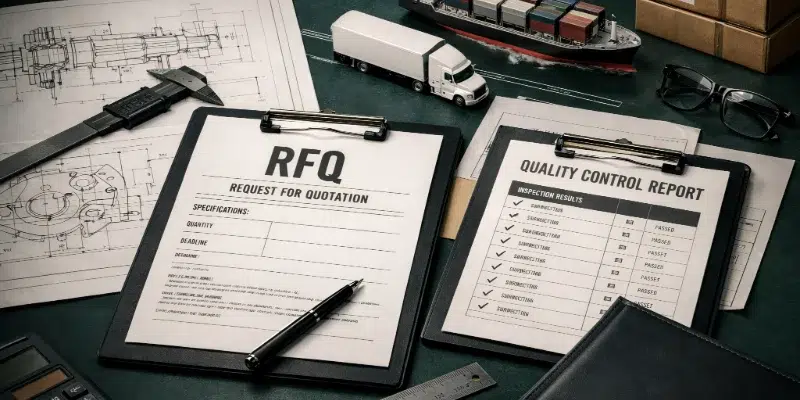
Technical Specification
Define the service conditions, product form, applicable standard, dimensions and delivered condition.
- Service
- Product Form
- ASTM Standard
- Dimensions
- Condition
Quality & Documentation
State the required evidence, inspection, testing, material traceability and approval requirements.
- Evidence
- Inspection
- Testing
- MTC / MTR
- Traceability
- Approval
Commercial & Delivery
Confirm quantity, processing, logistics, packing, Incoterm, destination and required delivery date.
- Quantity
- Processing
- Logistics
- Packing
- Incoterm
- Destination
- Required Date
Define the Quote Scope
Processing, inspection and delivery requirements can materially change the final 316L stainless steel price and lead time.
01
Base Material
Grade · Product form · ASTM standard · Dimensions · Tolerance · Condition
02
Processing
Cutting · Forming · Machining · Polishing · Pickling · Passivation · Special ends
03
Testing & Documents
MTC / MTR · EN 10204 3.1 · PMI · NDT · Third-party inspection when specified
04
Delivery
Quantity · Packing · Incoterm · Destination · Shipping marks · Required date
Unknown RFQ Fields
If part of the specification is still open, identify it in the RFQ so the supplier can state the quotation assumption or provide an optional scope instead of making an unseen substitution.
Current Quotation
Upload Your 316L Order Brief
316L Price & Lead Time Basis
316L stainless steel price and lead time depend on product form, dimensions, quantity, processing, inspection requirements and delivery scope. Send the complete RFQ for a current quotation.
316L Stainless Steel Engineering Tools
Access our specialized technical utilities to streamline your specification, evaluate service conditions, and verify compliance documentation.
Product Form Standard Router
Identify common ASTM purchase routes based on delivered forms and intended applications for 316L materials.
Open Tool
Service Condition Brief Builder
Define specific operating environments and pressure-temperature parameters to generate accurate material engineering briefs.
Open Tool
Release Packet Readiness Scorecard
Verify quality assurance documentation, testing reports, and compliance certificates before finalizing procurement.
Open Tool
316L Stainless Steel FAQ
316L Questions Buyers Ask Before Ordering
Quick answers on 316L grade identity, corrosion service, ASTM standards, material certificates and quotation requirements.
AISI 316L / Type 316L is associated with UNS S31603. The exact chemistry, mechanical properties and acceptance requirements should still follow the applicable product standard for plate, sheet, pipe, tube or bar.
The main difference between 316 and 316L stainless steel is carbon content. 316L limits carbon to 0.030% maximum and is selected for welded fabrication where reduced sensitization and improved resistance to intergranular corrosion are important.
316L is widely used in marine and coastal environments, but it is not automatically suitable for continuous or severe seawater service. Chloride concentration, temperature, flow, deposits and crevices can increase the risk of pitting corrosion and crevice corrosion.
Common examples include ASTM A240/A240M for 316L plate, sheet and strip; ASTM A312/A312M TP316L for pipe; ASTM A269/A269M for general-service tube; and ASTM A276/A479 for bar, depending on the application and purchase requirements.
A heat-linked MTC / MTR can report grade, heat number, chemical composition, required mechanical properties and applicable inspection results. EN 10204 Type 3.1 documentation can be specified where required by the purchase order and applicable supply route.
For a current 316L stainless steel supplier quotation, state the product form, ASTM standard, dimensions, quantity, finish or processing, inspection and document requirements, destination and required delivery date. These factors determine the final 316L price and lead time.
Technical Note
Product form, applicable standard and service conditions take precedence over a generic grade description when defining the final 316L purchase requirement.