Get in Touch with TiAlloy Company
Ti-6Al-4V (Grade 5 Titanium): Bar, Plate, Sheet, Tube & Forgings
Ti-6Al-4V, the alpha-beta titanium alloy known as Grade 5 titanium, cuts component weight by roughly 45% against stainless steel while holding 950 MPa (138 ksi) annealed tensile strength and AMS 4911/4928 compliance. We melt, forge and roll it in-house to UNS R56400, and ship every heat with EN 10204 3.1 mill certification and full smelt-to-product traceability.
Traceability & Compliance
Every heat of Grade 5 titanium is strictly controlled in-house. Our delivery includes comprehensive EN 10204 3.1 mill test certificates ensuring full smelt-to-product compliance with aerospace and critical industrial standards.
Request a Quote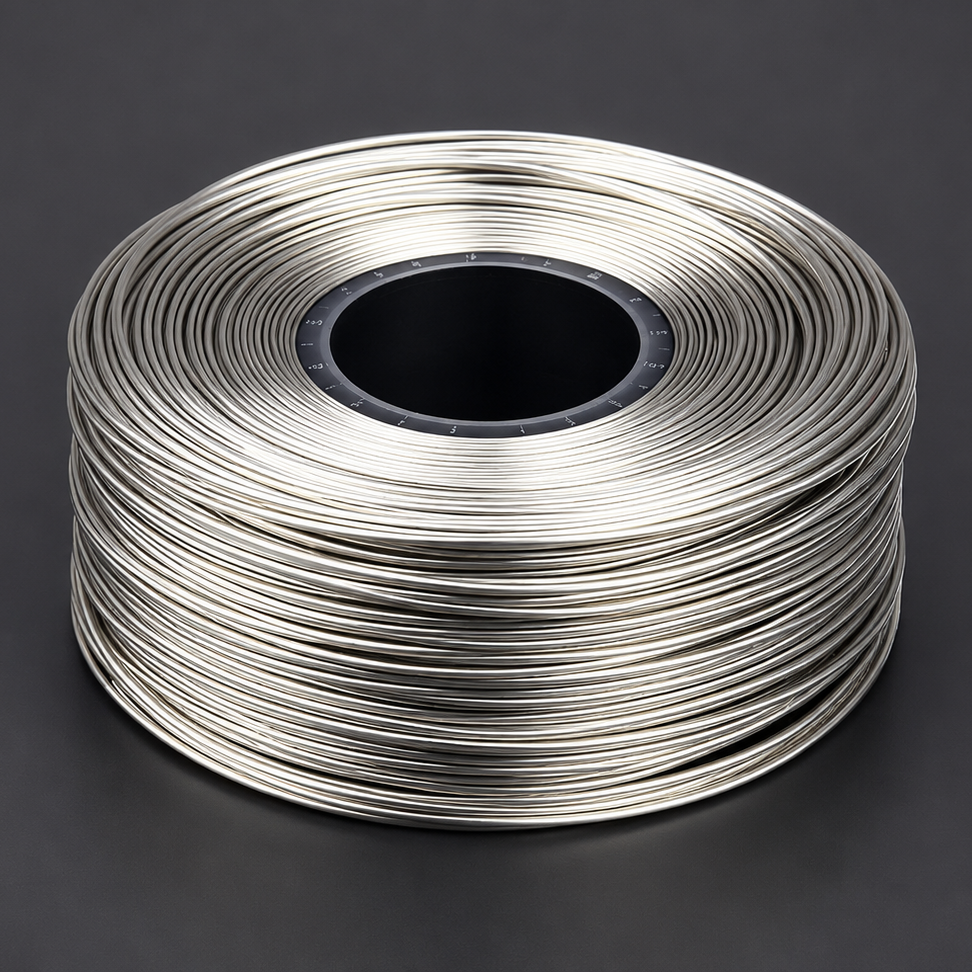
Material Properties Data
R56400
UNS designation
4.43
g/cm³ density
950 MPa
UTS, annealed
6 forms
bar · plate · sheet · tube
Gr5 + Gr23
standard + ELI supply
3.1 MTC
per-heat certification
What Ti-6Al-4V Is, and Why Specifying It Is Harder Than It Looks
What’s Ti-6Al-4V (Grade 5 titanium)?
Ti-6Al-4V is an alpha-beta titanium alloy of ~90% titanium, 6% aluminum and 4% vanadium, designated ASTM Grade 5 and UNS R56400. It is the most commonly used titanium alloy, over half of all titanium tonnage, combining high specific strength, seawater corrosion resistance and heat treatability.
Grade 5 is the workhorse alloy, but “just send me Ti-6-4” hides three decisions that decide whether the metal in the crate actually fits your job.
01
02
03
Temper changes the numbers, and getting it wrong is an expensive mistake. Annealed Ti-6Al-4V runs 950 MPa (138 ksi) tensile, while solution-treated-and-aged (STA) reaches 1170 MPa (170 ksi) — a strength figure without a temper is meaningless.
Grade 5 isn’t always the “best” titanium. For fracture-critical or implant work, Grade 23 (Ti-6Al-4V ELI) has tighter interstitials and better damage tolerance; for jobs that only need corrosion resistance, CP Grade 2 or Grade 9 cost less.
The alloy is only as good as its paperwork. Standard-conforming chemistry plus a traceable mill certificate, not a supplier’s “improved” tweak, is the real quality signal.
Those decisions bite because a single grade name spans a wide property range. Since TiAlloy melts, forges and certifies every heat in-house to ISO 9001, the grade, temper and chemistry on the certificate match the metal you receive.
Engineering note, alpha-beta structure
Aluminum stabilizes the alpha (HCP) phase; vanadium stabilizes the beta (BCC) phase. That dual-phase (bimodal) microstructure is what makes Grade 5 heat-treatable, and what separates it from single-phase commercially pure titanium, which can’t be strengthened the same way.
Chemical Composition & Mechanical Properties
What are the key properties of Ti-6Al-4V?
Annealed Ti-6Al-4V has a density of 4.43 g/cm³, ultimate tensile strength of 950 MPa (138 ksi), yield strength of 880 MPa (128 ksi), 14% elongation, an elastic modulus of 113.8 GPa and Rockwell C 36 hardness. It stays serviceable to about 400 °C and is non-magnetic.
Buyers searching Ti-6Al-4V properties, composition and hardness hit a dozen data sheets that disagree, usually because they mix annealed and heat-treated numbers into one table. Below, values are split by condition and cross-checked against ASM/MatWeb and the AMS 4928 specification.
Chemical composition (per AMS 4928 / ASTM B348)
| Element | Min % | Max % |
|---|---|---|
| Aluminum (Al) | 5.50 | 6.75 |
| Vanadium (V) | 3.50 | 4.50 |
| Iron (Fe) | — | 0.30 |
| Oxygen (O) | — | 0.20 |
| Carbon (C) | — | 0.08 |
| Nitrogen (N) | — | 0.05 |
| Hydrogen (H) | — | 0.0125 |
| Titanium (Ti) | Balance (~90%) | |
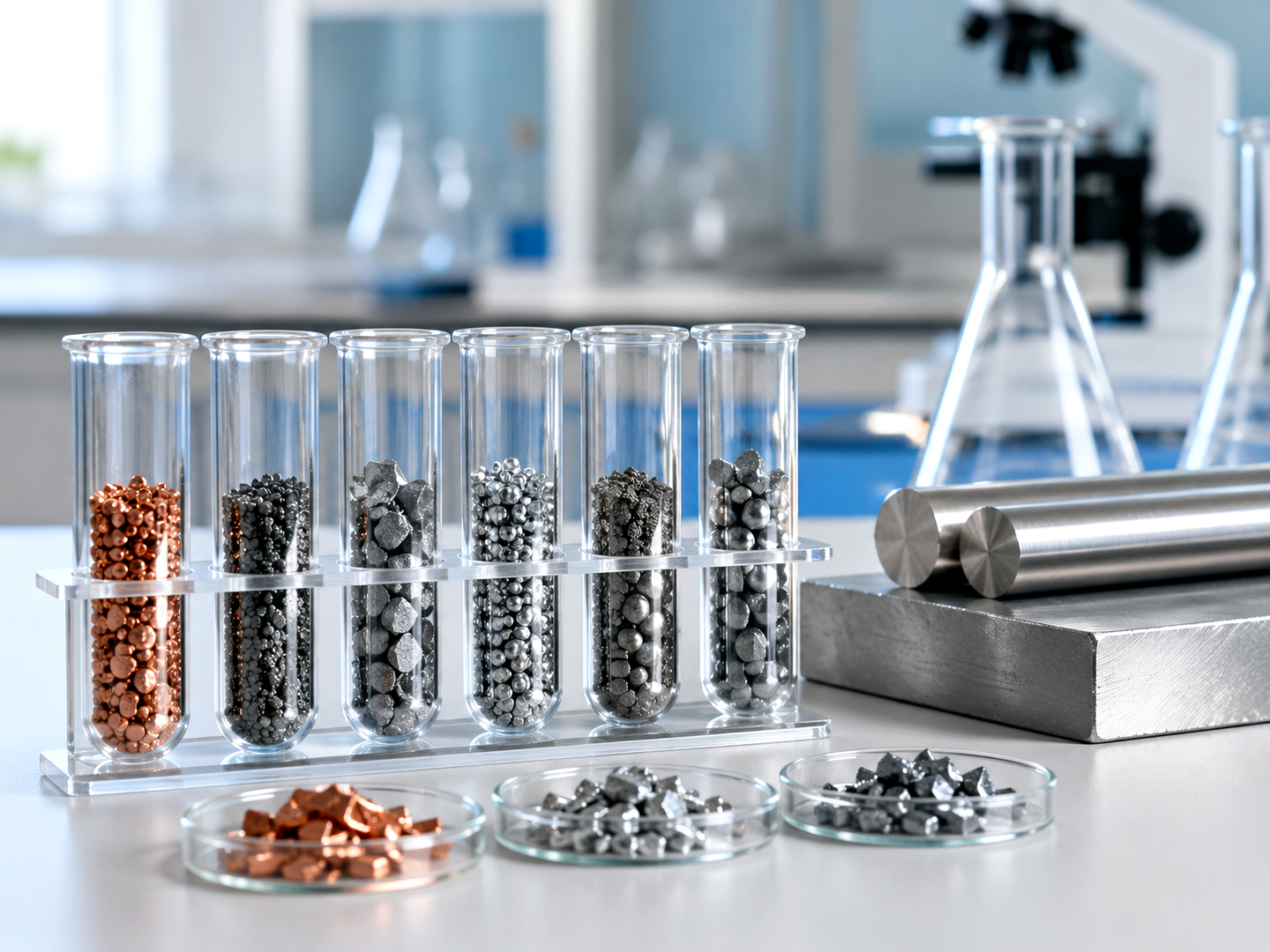
The oxygen ceiling matters: standard Grade 5 caps oxygen at 0.20%, while the ELI (Grade 23) variant tightens it to 0.13% for better fracture toughness. We control interstitials by heat, not by nominal grade name.
Physical & thermal properties
Grade 5 titanium melting point sits at 1604–1660 °C, and its grade 5 titanium strength holds to roughly 400 °C, well past where aluminum softens.
| Property | Value |
|---|---|
| Density | 4.43 g/cm³ (0.160 lb/in³) — ~57% the weight of steel |
| Elastic modulus | 113.8 GPa (16,500 ksi) |
| Shear modulus / Poisson’s ratio | 44 GPa / 0.342 |
| Shear strength (annealed) | 550 MPa (80 ksi) |
| Thermal conductivity | 6.7 W/m·K (low) |
| Coefficient of thermal expansion | 8.6 µm/m·°C (20–100 °C) |
| Melting range / beta transus | 1604–1660 °C / 980 °C |
| Max service temperature | ~350–400 °C (660–750 °F) |
| Magnetic permeability | Non-magnetic (1.00005) |
Mechanical properties by condition
| Property | Annealed | AMS 4928 min (bar, ≤2″) | Solution-treated & aged |
|---|---|---|---|
| Ultimate tensile | 950 MPa (138 ksi) | 130–135 ksi | 1170 MPa (170 ksi) |
| Yield (0.2%) | 880 MPa (128 ksi) | 119–125 ksi | 1100 MPa (160 ksi) |
| Elongation | 14% | 8–10% | 10% |
| Hardness | 36 HRC (334 HB) | — | 41 HRC (379 HB) |
| Fracture toughness KIc | 75 MPa·m½ | — | — |
| Fatigue (1e7, unnotched) | 510 MPa | — | — |
Read the AMS 4928 column for aerospace acceptance, not the looser “supplier range” tables that blend forms and thin sections. Solution-treat-and-age heat treatment lifts strength by roughly 20%, but at the cost of elongation, the classic strength-versus-ductility trade you tune per application.
Honest trade-off
Grade 5 is strong, but its elastic modulus is nearly the same as commercially pure titanium, alloying buys strength, not stiffness. Its low thermal conductivity (6.7 W/m·K, roughly a twentieth of aluminum) concentrates heat at the tool edge, which is exactly why the alloy is difficult to machine and why feeds, coolant and tooling matter more than raw horsepower.
TiAlloy tensile-tests every heat to the ordered condition, so the strength on your certificate is measured on that lot, not copied from a catalog.
Ti-6Al-4V Product Forms We Manufacture
What forms is Ti-6Al-4V available in?
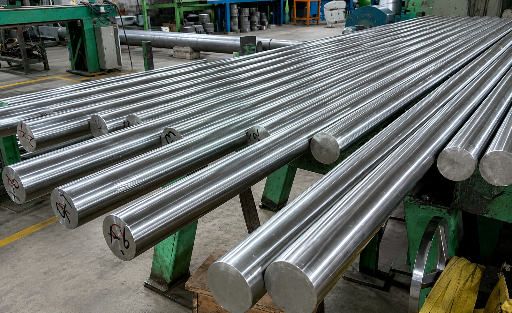
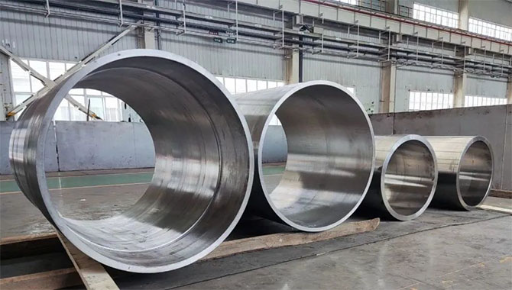
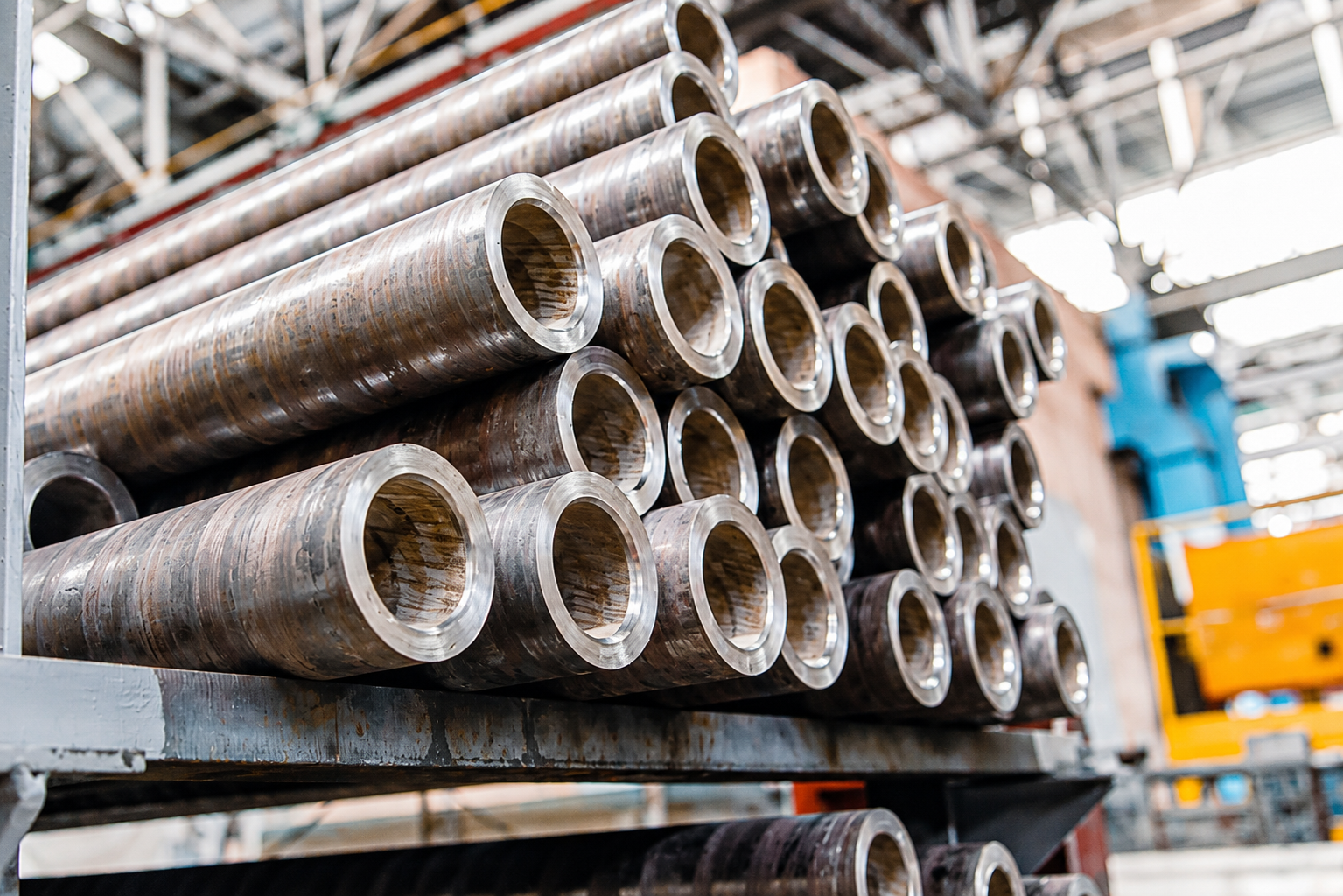
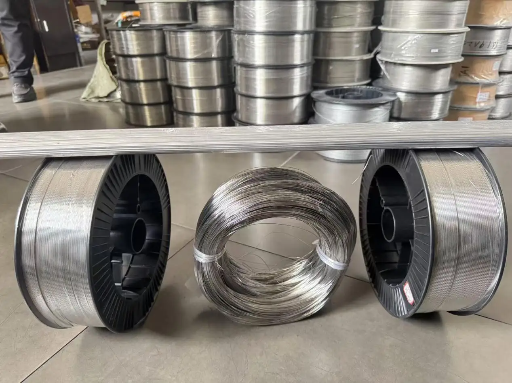
We supply Grade 5 titanium as round bar, flat/rectangular bar, plate, sheet, cold-drawn and welded tube, wire, and forged billet, plus the Grade 23 ELI variant on the same routes. Each form carries its own AMS/ASTM specification and mill certificate.
Most listings for “titanium alloy bar” are distributors reselling mill stock. We run the mill: vacuum-melted ingot forged and rolled to finished product under one roof.
| Form | Dimensions & Standard | Application & Finish |
|---|---|---|
| Round & Flat Bar |
Ø6–300 mm · flat/hex AMS 4928 · ASTM B348 |
Fasteners, machined parts, forging stock. Straightened, peeled or centerless-ground finishes. |
| Plate & Sheet |
plate 4–100 mm · sheet 0.5–6 mm AMS 4911 · ASTM B265 |
Airframe panels, pressure-vessel and marine hardware; hot- and cold-rolled, pickled and leveled. |
| Tube & Pipe |
cold-drawn & welded ASTM B338 · B861 |
Heat exchangers, hydraulic and condenser service where wall control and corrosion resistance count. |
| Wire |
welding & spring wire AWS A5.16 (ERTi-5) |
GTAW filler and spring stock; matching or ELI filler to protect the weld from oxygen pickup. |
| Forgings & Billet |
open-die · rings · discs AMS 4928 · ASTM B381 |
Near-net shapes for aerospace and rotating parts, forged just below the 980 °C beta transus. |
| Grade 23 (ELI) |
UNS R56401 · O ≤0.13% ASTM F136 · ISO 5832-3 |
The extra-low-interstitial variant for implant and fracture-critical work, supplied to the same traceability. |
Need a size that isn’t on a standard chart? Custom diameters, cut-to-length and rectangular sections ship against your drawing.
See how these tie into our full titanium bar, Ti-6Al-4V plate and titanium forging ranges across our complete titanium alloy program.
Standards & Specifications, AMS · ASTM · ISO · UNS
Bar and forgings ship to AMS 4928 and ASTM B348; sheet and plate to AMS 4911 and ASTM B265; solution-treated-and-aged bar to AMS 4965. Medical implant stock uses the ELI grade under ASTM F136 and ISO 5832-3. The alloy’s UNS number is R56400 (Grade 23 ELI is R56401).
A certificate that references chemistry but not your order’s product form, section size and inspection scope leaves a gap. ASTM F136 is specifically the ELI implant standard, do not accept it as a substitute for standard-interstitial B348/B265 Grade 5. We map each release to the exact form-and-condition spec you order against.
Hover to Scan Data
| Specification | Scope | Product form |
|---|---|---|
| AMS 4928 | Annealed | Bar, forgings, rings, wire |
| AMS 4911 | Annealed | Sheet, strip, plate |
| AMS 4965 | Solution treated & aged | Bar, forgings |
| AMS 4967 | Annealed, heat-treatable | Bar, forgings |
| ASTM B348 | Standard Grade 5 | Bar, billet |
| ASTM B265 | Standard Grade 5 | Sheet, strip, plate |
| ASTM B381 | Standard Grade 5 | Forgings |
| ASTM F136 / F1472 | Implant (ELI / standard) | Surgical implant stock |
| ISO 5832-3 | Surgical implant | Wrought Ti-6Al-4V |
| UNS R56400 · DIN 3.7165 · TC4 | Cross-designations for the same alloy |
Correction Notice
One correction worth making up front: several online data sheets print “UNS R56200” for Grade 5. That’s wrong, Grade 5 is UNS R56400. We certify to the correct designation on every release.
Procurement Pitfall
The mistake buyers get wrong is treating one accreditation as proof for the whole order, at the low end, suppliers may mix grades or relabel a lower alloy as premium. Because TiAlloy runs its own melting and rolling, each product form is certified to its own AMS/ASTM spec and tensile-tested per heat.
The Grade 5 Selection Matrix, Gr5 vs Gr23 (ELI) vs Gr2 vs Gr9
Which titanium grade is best, Grade 5, Grade 23, Grade 2 or Grade 9?
No single grade wins every job. Grade 5 (Ti-6Al-4V) leads on structural strength-to-weight; Grade 23 (ELI) wins fracture-critical and implant work; Grade 2 (CP) suits corrosion service at the lowest cost; Grade 9 fits cold-formed tubing and hydraulics. Match the grade to strength, toughness, formability or cost, not reputation.
Here’s the counter-intuitive part most buyers miss: Grade 5, the alloy everyone treats as premium “aerospace titanium,” isn’t the right pick for every titanium job. The best grade depends on whether you’re chasing strength, toughness, formability or cost.
Grade Comparison Data
UTS (annealed)
950 MPa
Yield
880 MPa
Elongation
14%
Oxygen max
0.20%
Fracture toughness
good
Formability / weldability
low / good
Best-fit use
structural high-strength
UTS (annealed)
860–900 MPa
Yield
795–830 MPa
Elongation
15%
Oxygen max
0.13%
Fracture toughness
superior
Formability / weldability
low / good
Best-fit use
implants, fatigue-critical
UTS (annealed)
345 MPa
Yield
275 MPa
Elongation
20%
Oxygen max
0.25%
Fracture toughness
n/a
Formability / weldability
high / excellent
Best-fit use
corrosion service, low cost
UTS (annealed)
620 MPa
Yield
500 MPa
Elongation
15%
Oxygen max
0.15%
Fracture toughness
good
Formability / weldability
high / good
Best-fit use
tubing, hydraulics
Ti-6Al-4V vs Stainless Steel vs Aluminum, When Titanium Earns Its Premium
| Metric | Ti-6Al-4V | SS 316L | SS 17-4 PH (H900) | Al 7075-T6 |
|---|---|---|---|---|
| Density (g/cm³) | 4.43 | 8.00 | 7.78 | 2.81 |
| UTS (MPa) | 950 | 515 | 1310 | 572 |
| Specific strength (MPa·cm³/g) | 214 | 64 | 168 | 204 |
| Seawater corrosion | excellent (TiO₂) | pits/crevice risk | moderate | moderate |
| Max service temp | ~400 °C | ~550 °C | ~300 °C | ~150 °C |
| Relative material cost | high | low | low | low |
2–3×
the service life of stainless steel in chloride/marine environments, with zero corrosion-driven coating maintenance — the offset that flips a 3–5× higher upfront titanium price into lower total cost of ownership.
Based on industry lifecycle data; the advantage is strongest in weight-critical and aggressive-chloride service. For many general applications stainless steel can remain the life-cycle-cost choice.
This grade 5 titanium vs stainless steel comparison turns on corrosion and weight, not headline strength. Because titanium’s TiO₂ film reforms in milliseconds, TiAlloy Grade 5 resists seawater to about 260 °C where 316 stainless pits, corrosion behavior we verify by chemistry on every heat.
Applications by Industry
What is Ti-6Al-4V used for?
Ti-6Al-4V serves four main markets: aerospace and defense (compressor blades, discs, airframe brackets and fasteners), medical implants (usually the Grade 23 ELI variant), marine and offshore hardware, and chemical and energy equipment. It is chosen wherever high strength-to-weight, seawater corrosion resistance and service to ~400 °C must coexist.
Grade 5 shows up wherever weight, strength and corrosion resistance have to coexist. The alloy accounts for over half of all titanium used worldwide, and its component list reads across four industries.
Aerospace & Defense

Aerospace & Defense
Jet-engine compressor blades, discs and rings, airframe brackets, landing-gear components, fasteners and weapon structures, the alloy’s high specific strength to ~400 °C is the reason.
Medical Implants

Medical Implants
Orthopedic joint stems, bone screws, spinal and dental implants, usually the Grade 23 ELI variant under ASTM F136 and ISO 5832-3 for biocompatibility and fatigue life. See our medical implant applications.
Marine & Offshore
Marine & Offshore
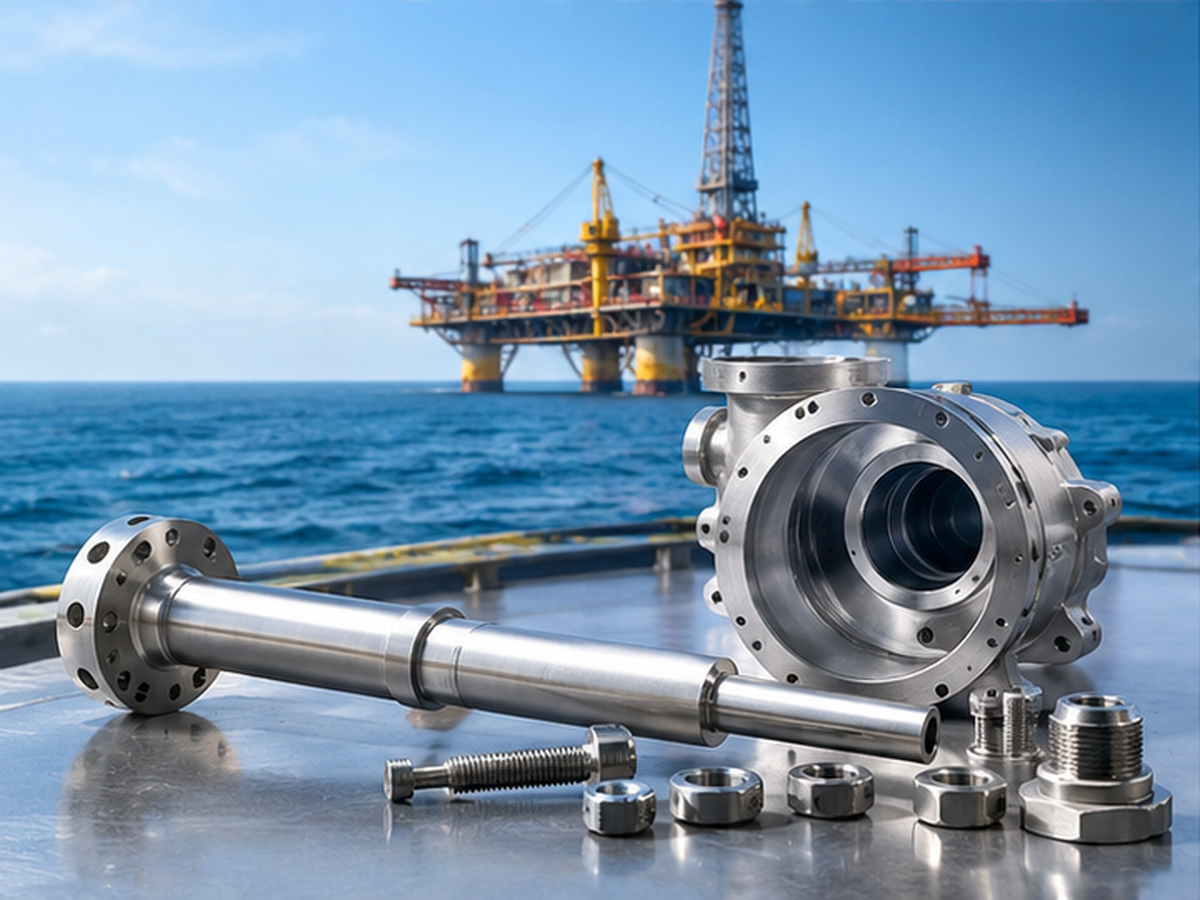
Seawater pump shafts, subsea housings and fasteners that ride out chloride attack without cathodic protection or coatings.
Chemical & Energy
Chemical & Energy
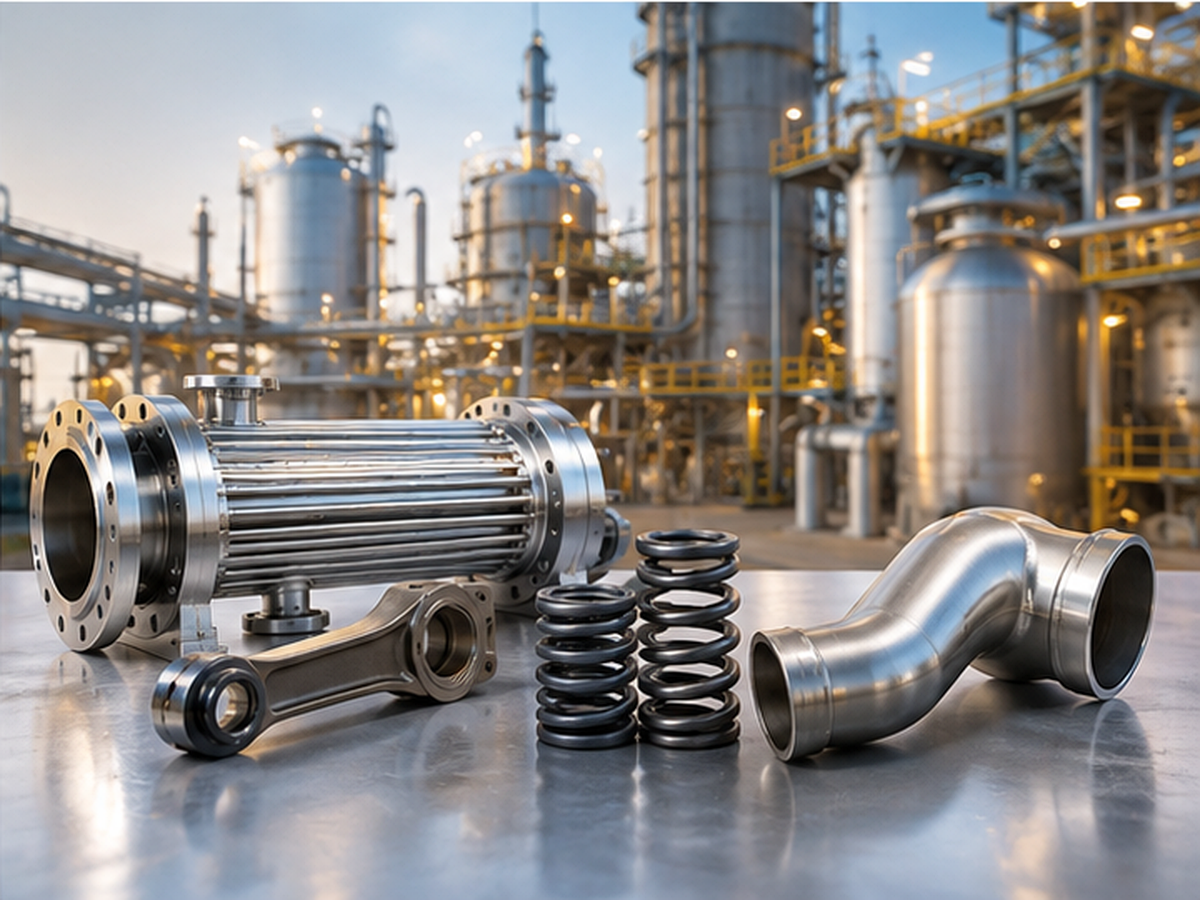
Reactor internals, heat exchangers and pressure-vessel parts in oxidizing and chloride-bearing media; automotive exhausts, valve springs and connecting rods where weight is paid for in performance.
Manufacturing, Testing & Traceability, the Real Quality Question
How do I verify the quality of Chinese-sourced Grade 5 titanium?
Ask for a third-party-issued or heat-specific mill test certificate (EN 10204 3.1) whose heat number traces to a named melt, backed by per-heat chemistry, mechanical testing and ultrasonic inspection, not a generic self-issued sheet. Standard-conforming chemistry and full smelt-to-product traceability, not a proprietary “improvement,” is the quality signal.
Buyers sourcing Grade 5 from China tell the same story on the forums: the anxiety isn’t price, it’s whether the certificate in the email matches the metal in the crate. Without traceability and certification, that origin can’t be verified, so we built the process to answer it.
“We don’t hand a customer a certificate that references chemistry and stops there. Every Ti-6Al-4V heat leaves with the melt route, the tensile results and an ultrasonic record tied to that heat number, because the paperwork is part of the product, not an afterthought.”
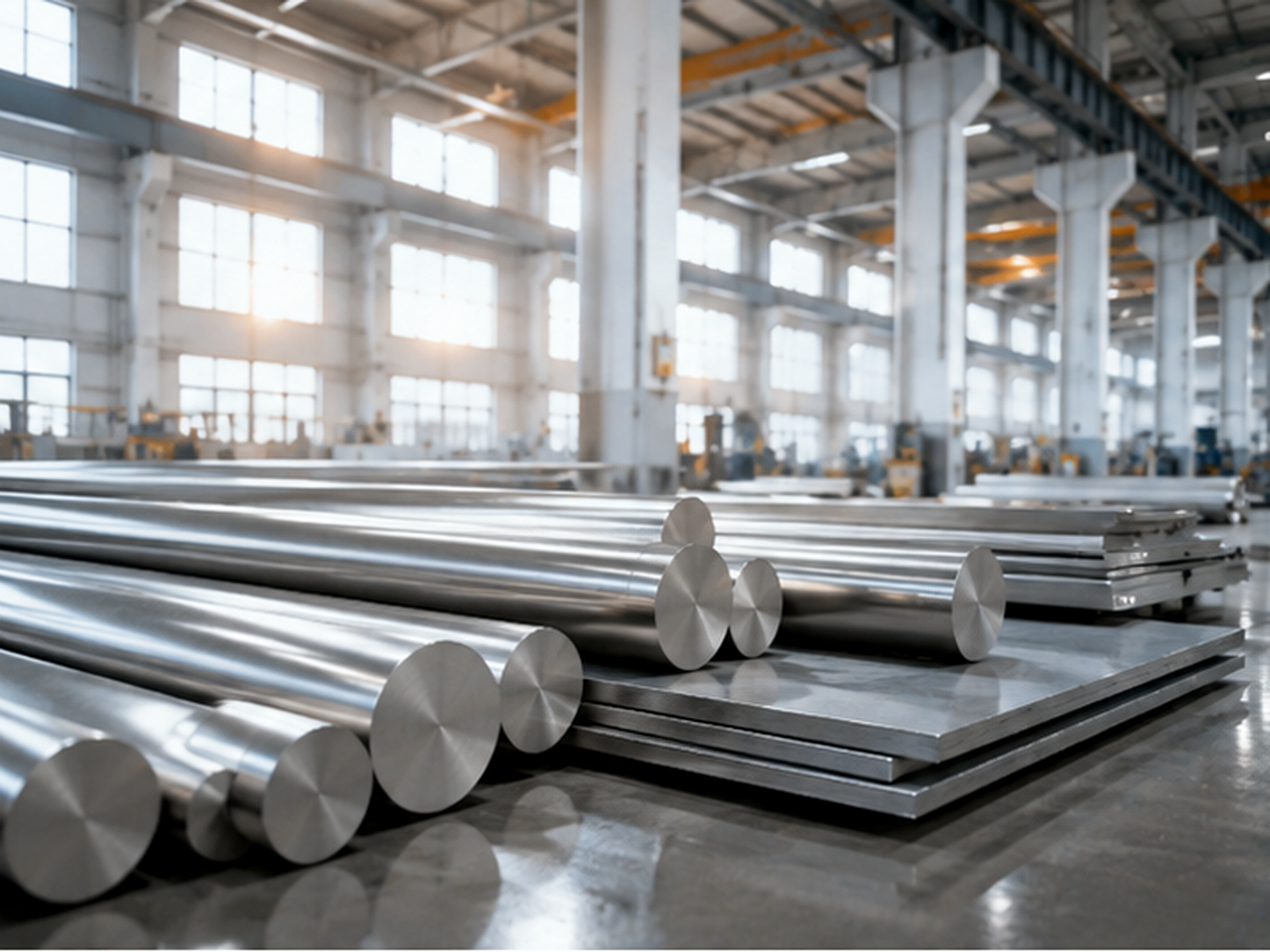
- Melting, Vacuum Arc Remelting (VAR) with cold-hearth electron-beam (EB) and plasma-arc (PAM) melting for reactive titanium; multiple remelts control chemistry and cleanliness, with the melt route recorded on the heat trail.
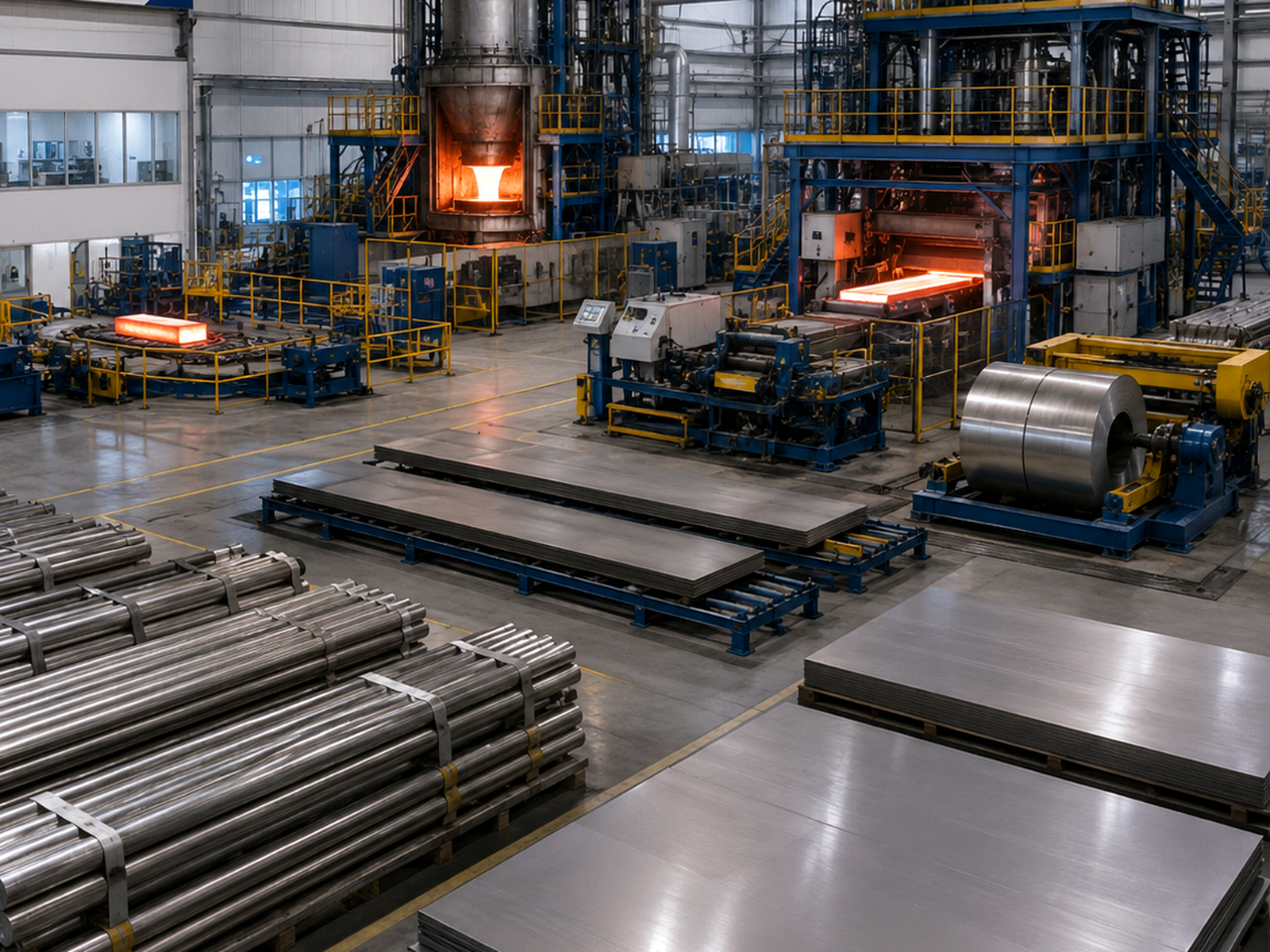
- Hot working, hydraulic forging presses and hammers, then hot and cold rolling mills for bar, plate and sheet.
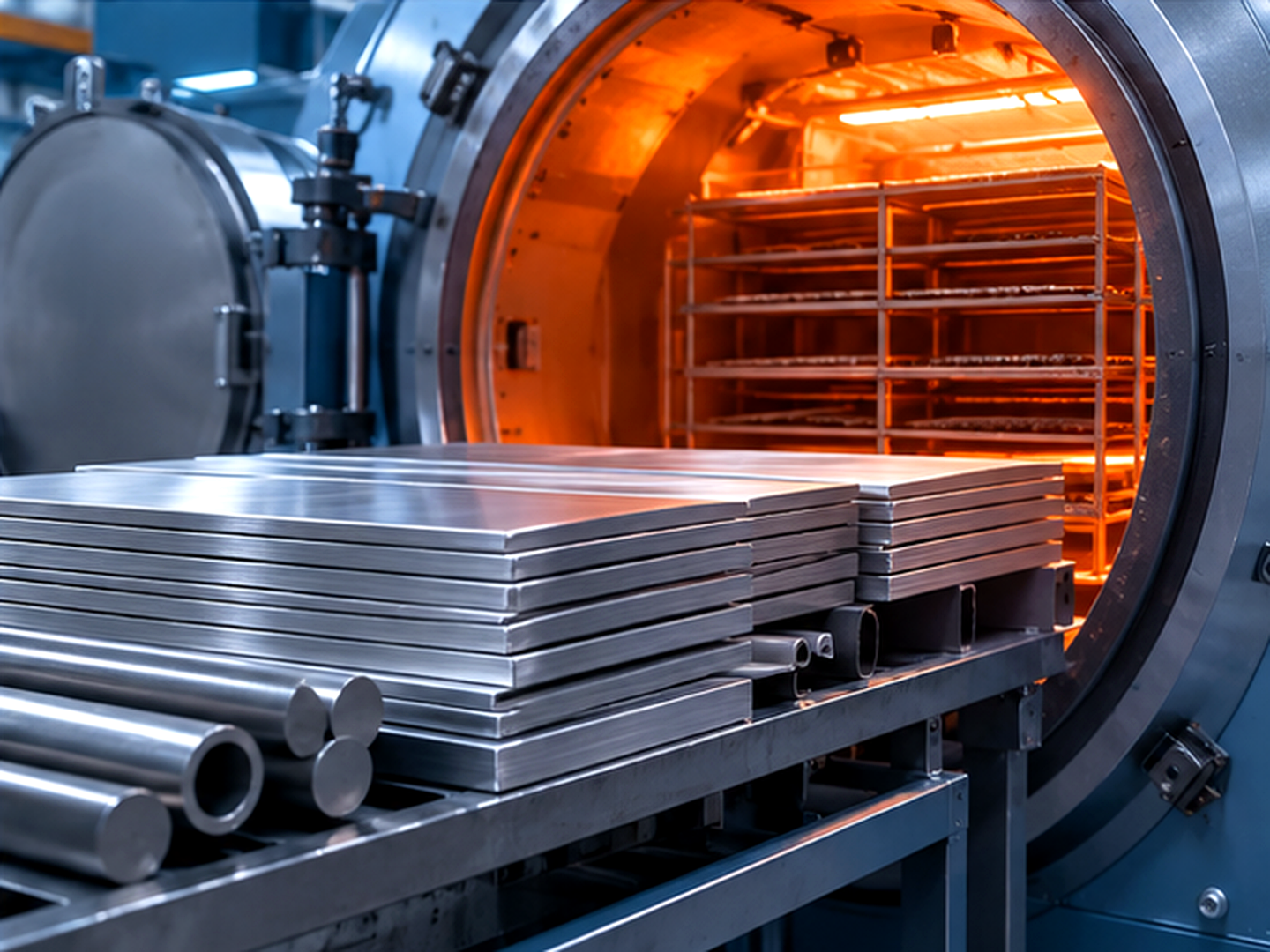
- Thermal and finishing, solution and bright annealing furnaces, pickling and passivation, straightening, peeling and centerless grinding.
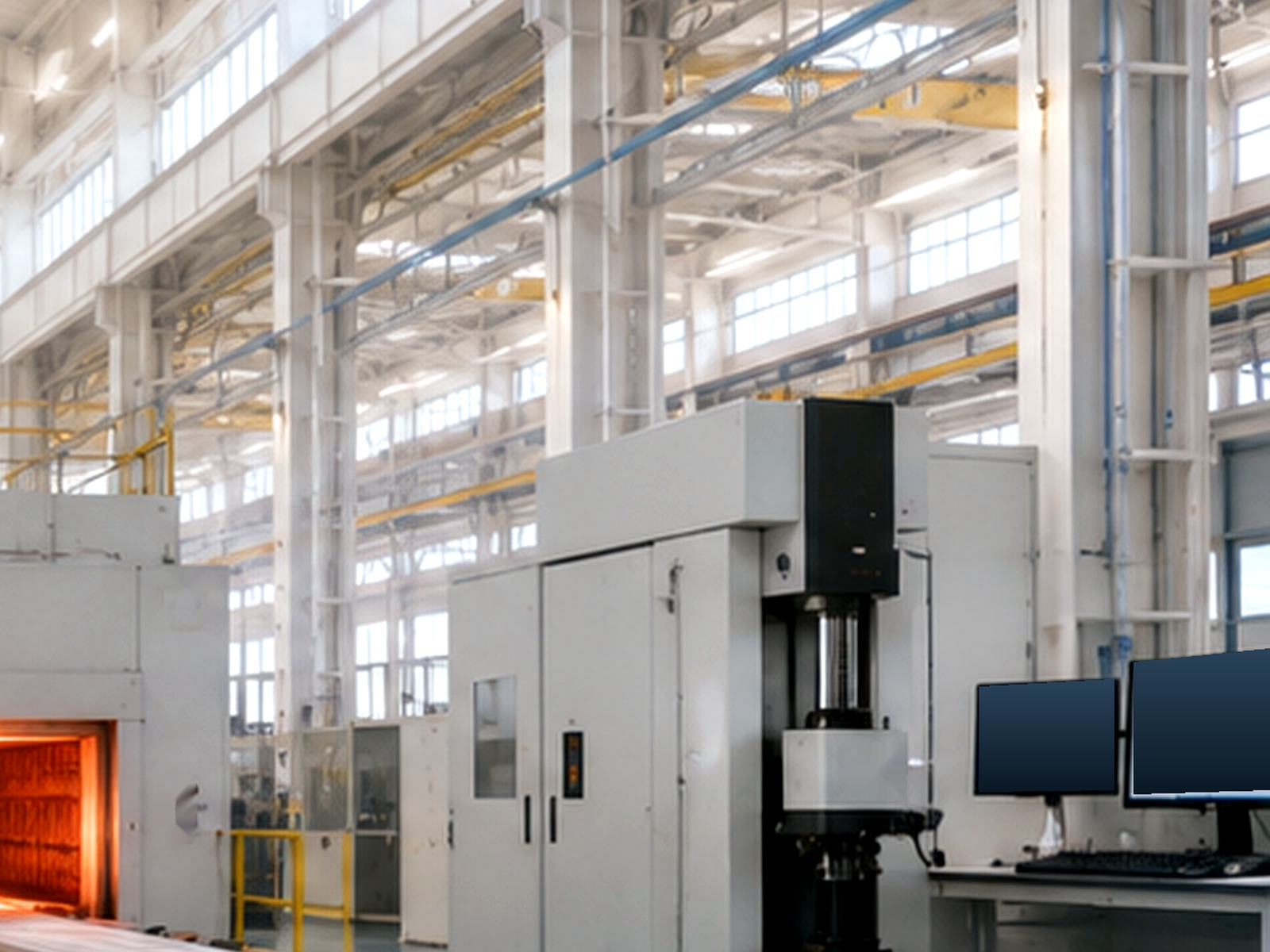
- Chemistry by spectrometer, reported per heat against the AMS 4928 / ASTM B348 window.
- Tensile and hardness testing to the ordered condition (annealed or STA).
- Ultrasonic inspection for internal soundness; dimensional and surface checks before release.
If your program is governed by DFARS 252.225-7009, the pass/fail test is where the metal was melted, not where it was bought, Chinese-melted Grade 5 won’t clear that specialty-metals clause regardless of the certificate. We’re transparent about melt source and position our material for the broad industrial, marine, chemical and commercial markets where full traceability and spec compliance, not country-of-melt restrictions, are the requirement.

20+ yrs
Metal manufacturing
ISO 9001
Quality management
ISO 14001
Environmental
ISO 45001
Occupational H&S
EN 10204 3.1
Mill cert per heat
Procurement Guide, Sizes, Lead Time, MOQ & Documentation
What should I confirm before ordering Ti-6Al-4V?
Confirm five things: grade and temper (Gr5 vs Gr23, annealed vs STA), product form and section size, the governing spec (AMS/ASTM), the certification package (EN 10204 3.1 + traceability), and lead time against your form. Price enters the decision after those five gates clear.
Titanium buying has shifted from a single price line to a qualification chain. A documentation failure can stop otherwise-conforming metal at incoming inspection, the mistake is treating paperwork as an afterthought, so we structure quotes around the factors that actually drive cost and delivery.
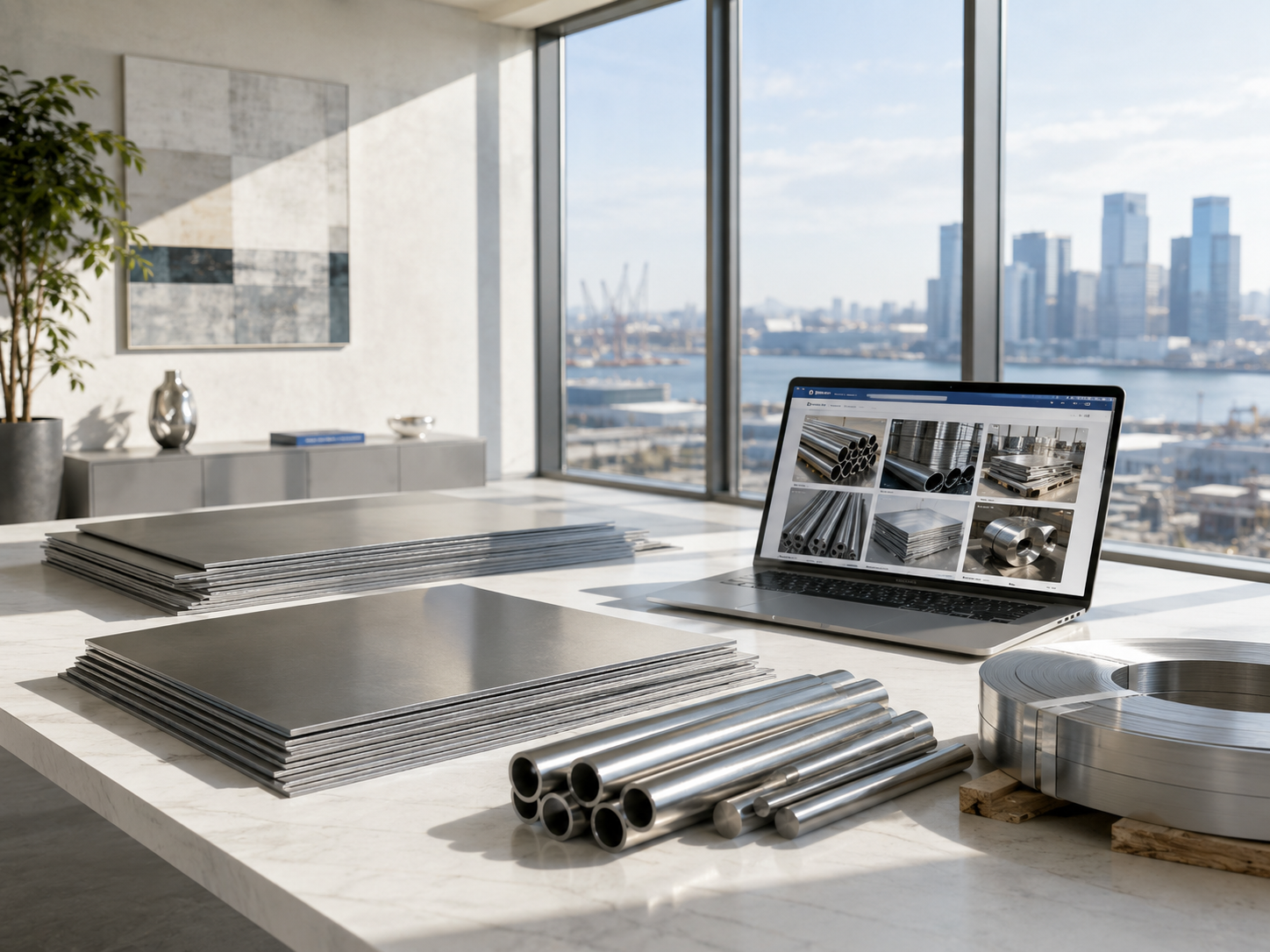
Pricing factors (we quote to your parameters)
Grade and condition, standard Grade 5 vs ELI Grade 23; annealed vs solution-treated-and-aged.
Product form and size, bar diameter, plate thickness, tube wall, or forged near-net shape.
Certification scope, EN 10204 3.1, additional third-party testing, or customer-specific approvals.
Order volume and finish, mill, peeled, ground or cut-to-length.
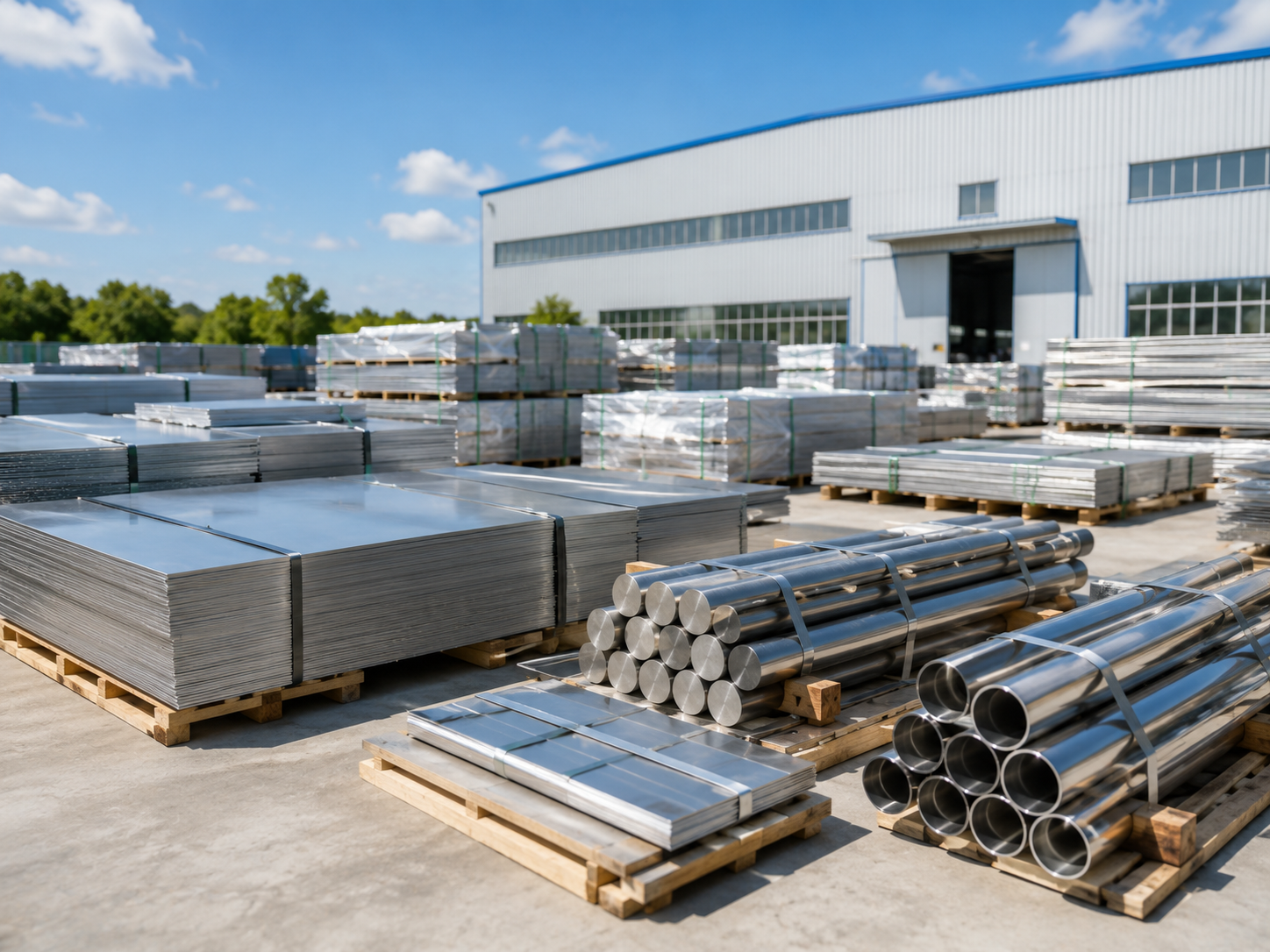
What ships with your order
Every release includes the EN 10204 3.1 mill test certificate (chemistry + mechanicals tied to the heat number), traceability from melt to finished product, and the inspection records for that lot. Backed by our ISO 9001 quality system, custom sizes and drawing-specific work are quoted with a lead-time estimate against the specific form.
Start a formal titanium request
, or contact us for a detailed quotation and lead time based on your application parameters.
Ti-6Al-4V (Grade 5) Engineering Tools
Weight Estimator
Calculate the estimated weight of Ti-6Al-4V materials based on standard dimensions. Essential for logistics and structural load planning.
Grade Selector
Compare titanium grades against specific mechanical and chemical requirements. Ensure optimal material performance for your application.
Unit Converter
Seamlessly translate industrial measurements between metric and imperial systems. Streamline your international procurement process.
FAQ: Ti-6Al-4V Grade 5 Titanium
It’s the composition: ~6% aluminum and ~4% vanadium, with the balance titanium. Aluminum stabilizes the alpha phase and vanadium the beta phase, producing the alpha-beta structure that makes Grade 5 heat-treatable.
Yes. Ti-6Al-4V, Grade 5, Ti-64, Ti 6-4, UNS R56400 and DIN 3.7165 all name the same standard-interstitial alloy. The ELI (extra-low-interstitial) version is Grade 23, UNS R56401.
No. Ti-6Al-4V is non-magnetic (relative permeability ~1.00005), which is one reason it’s used for medical implants and instruments that must not interfere with magnetic fields.
The trade-off for its strength is real: it’s difficult to machine (chemically reactive, 6.7 W/m·K thermal conductivity, springy under load), has poor cold formability, and costs several times more than stainless steel. Its stiffness is no higher than commercially pure titanium, and it’s less corrosion-resistant than CP grades in the most aggressive acids.
Grade 5 is roughly 2–3× stronger and heat-treatable; Grade 2 is softer, far more formable and weldable, and slightly more corrosion-resistant. Pick Grade 5 for structural strength-to-weight and Grade 2 for corrosion service that needs easy fabrication.
A mill certificate is tied to a specific heat, not a calendar. What matters is that the heat number on the certificate traces to the actual material you receive. Insist on an EN 10204 3.1 certificate with per-heat chemistry and mechanicals matched to your lot, not a generic sheet.
Implant use normally specifies the ELI (Grade 23) variant under ASTM F136 or ISO 5832-3 for its higher fracture toughness and controlled interstitials. Standard Grade 5 is not automatically the implant grade, confirm the ELI spec for body-contact parts.
Grade 5 bar typically runs several times the price of stainless per pound, and machined parts cost more due to slower feeds and shorter tool life. Exact pricing depends on form, size, condition and certification, request a quote against your parameters.