
Get in Touch with TiAlloy Company

TiAlloy · Titanium Wire Manufacturing
Titanium Wire Manufacturer
Fine Wire · Industrial Wire · Welding Wire · Additive Wire
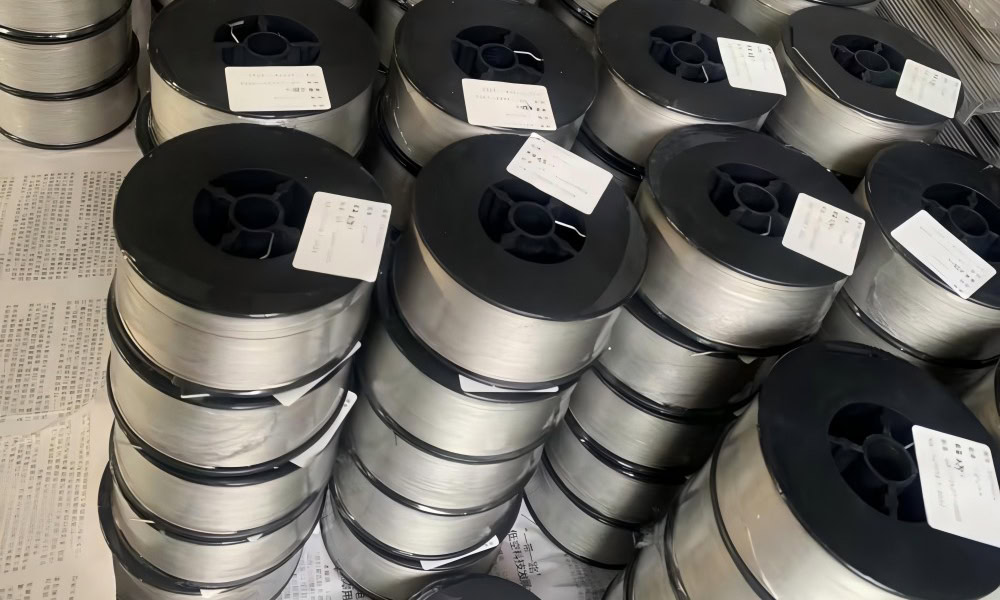
TiAlloy supplies titanium wire for industrial fabrication, welding, precision applications and wire-fed manufacturing. Wire can be produced and supplied in coil, spool or straight lengths according to the required grade, standard, diameter, tolerance, surface condition and inspection scope.
Material Route
ASTM B863-26
·
CP Titanium
·
Ti-6Al-4V
·
Ti-6Al-4V ELI
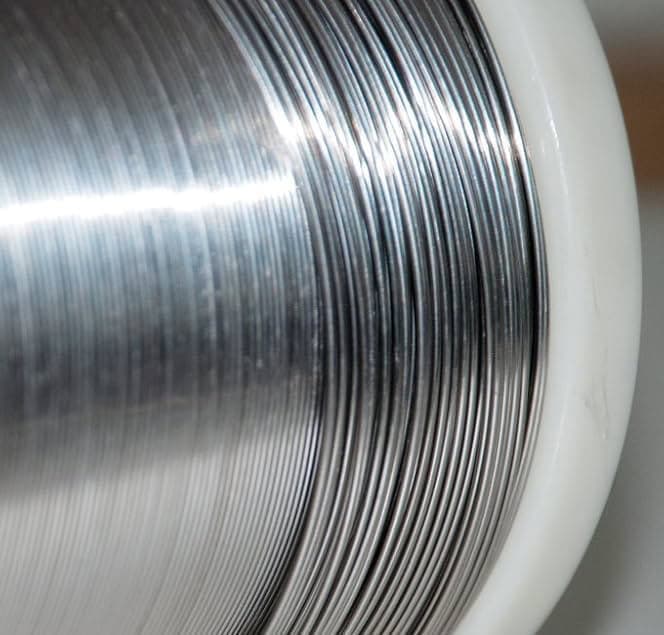
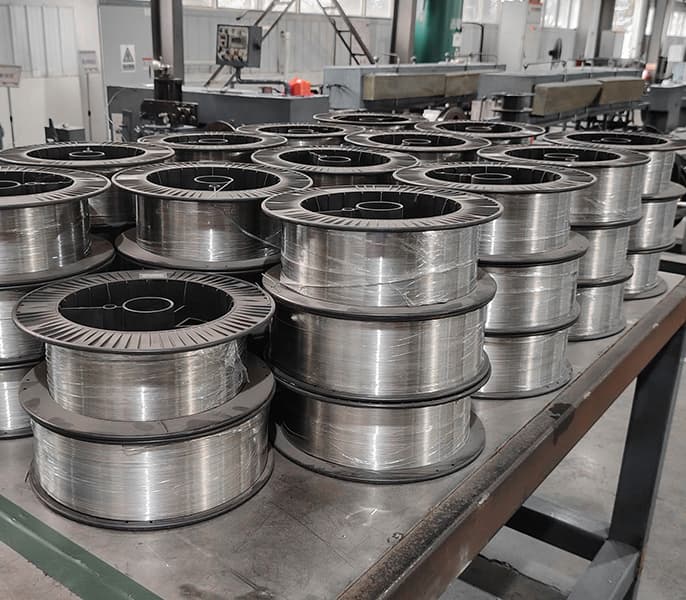 Wire Surface / Finish
Precision Wire Built Around the Final Application.
Diameter, tolerance, surface condition, straightness, supply form and testing are defined around the actual purchasing requirement.
Wire Manufacturing & Supply
Wire Production
→
Diameter & Surface Control
→
Inspection
→
Coil / Spool / Straight Length
→
Traceable Packing
Product Range
Industrial titanium wire, precision fine wire, titanium welding and filler wire, and wire for additive manufacturing are supplied against the required material route, dimensions, surface condition, packaging and order-specific inspection requirements.
What Titanium Wire Does TiAlloy Manufacture?
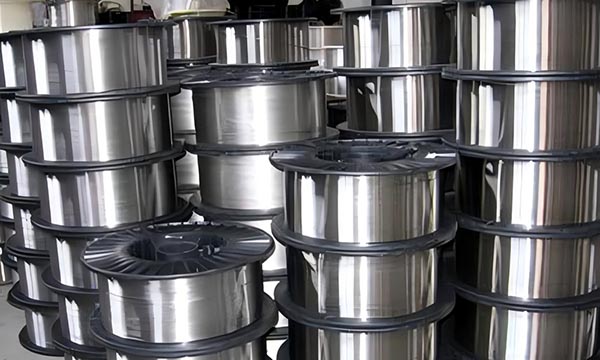
TiAlloy manufactures and supplies industrial titanium wire, precision fine wire, titanium welding and filler wire, and titanium wire for additive manufacturing. Products can be supplied in coil, spool or straight lengths according to the specified titanium grade, wire standard, diameter, tolerance, surface condition, testing and documentation requirements.
Have a Titanium Wire Diameter, Grade or Drawing?
Send the titanium grade, standard, diameter, tolerance, supply form, quantity and required inspection documents. TiAlloy can review the wire route and quotation requirements.
Titanium Wire Types & Product Forms
Buy the Wire at the Right Manufacturing Stage.
Titanium wire rod, finished wire, precision fine wire, welding wire and additive wire describe different product stages or end-use routes. Defining the correct product first avoids mixing upstream feedstock with a finished wire specification.
Product Definition
Wire rod is not simply “large finished wire.” It is an upstream rolled product used for further processing. Finished wire is subsequently drawn and finished for the required diameter, condition, surface and supply form.
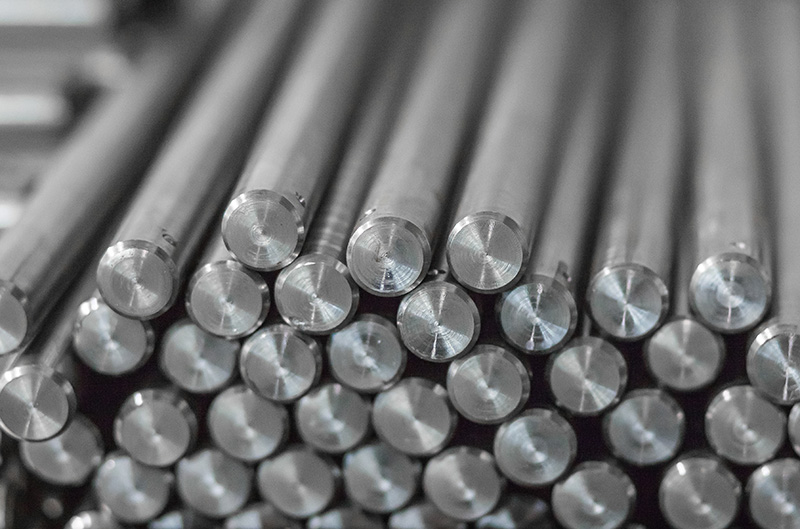
Titanium Wire Rod
Rolled coil product used as starting material for subsequent drawing, finishing and forming routes.
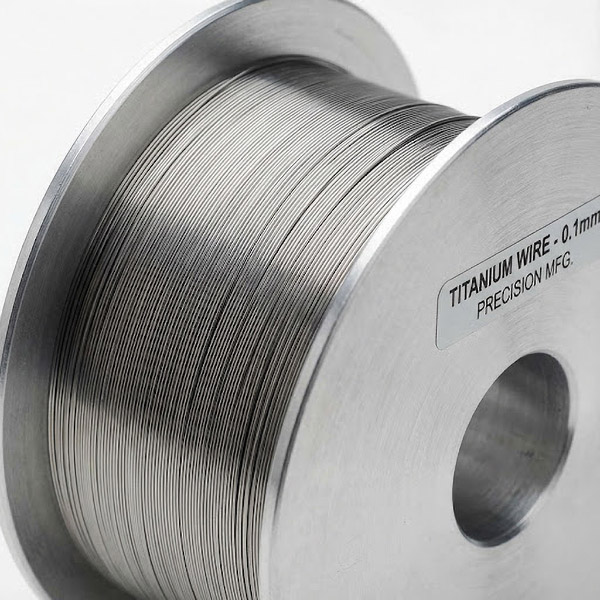
Finished / Fine Titanium Wire
Drawn and finished to the ordered diameter, condition, surface and supply form for industrial or precision use.
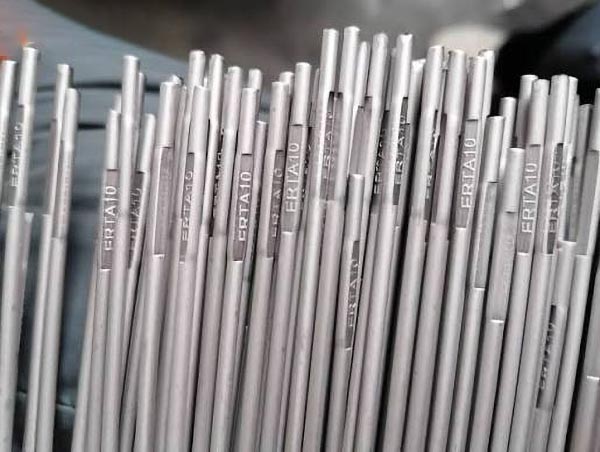
Welding Wire
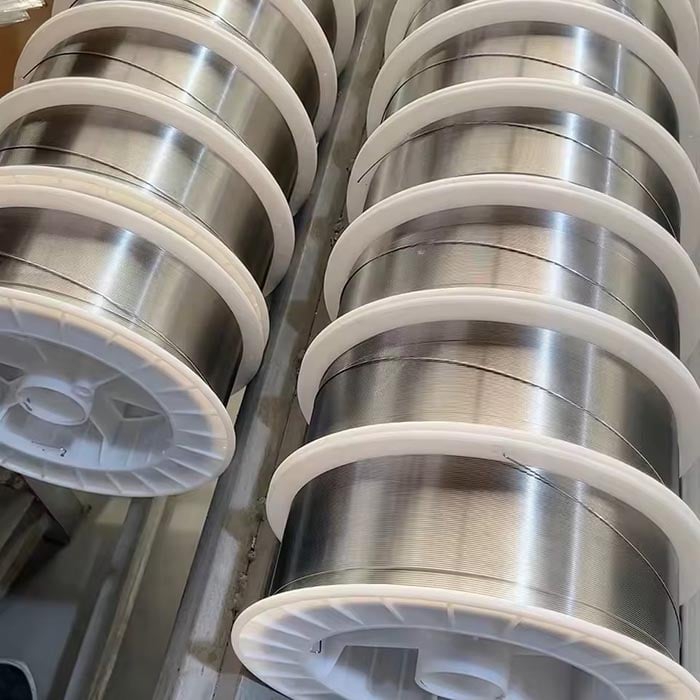
Additive Wire
Wire Rod
Upstream Rolled Product
Coil-form feedstock intended for further drawing, forming or downstream processing rather than being treated automatically as the final wire product.
Finished / Fine Wire
Final Drawn Product
Finished titanium wire supplied to the required diameter, tolerance, material condition and surface; fine wire is a precision small-diameter finished-wire category.
Welding Wire
Filler-Metal Product
Titanium filler wire or rod purchased against the required welding classification, alloy chemistry and delivery form rather than by generic wire diameter alone.
Additive Wire
Controlled AM Feedstock
Wire prepared for wire-fed additive processes where diameter stability, surface condition, straight feeding and spool behavior become part of the product requirement.
Supply Form ≠ Product Type
Coil
·
Spool
·
Straight Length
—
the available delivery form depends on wire type,
diameter, process route and order requirement.
What Types of Titanium Wire Are Available?
Titanium wire products include upstream wire rod for further processing, finished industrial and precision fine wire, welding and filler wire, and controlled wire feedstock for additive manufacturing. Finished products can be supplied in coil, spool or straight lengths depending on the wire type, diameter, specification and end-use requirement.
Not Sure Which Titanium Wire Product You Need?
Send the application, grade or alloy, required diameter, standard and preferred supply form. TiAlloy can identify the correct wire route before quotation.
Titanium Wire Diameter · Precision · Supply Form
From Ultra-Fine Wire to Heavy-Diameter Titanium Wire.
Titanium wire purchasing starts with diameter, but the usable manufacturing envelope also depends on alloy, condition, tolerance, surface requirement and delivery form. TiAlloy reviews each combination against the final application and order route.
Diameter Capability
One tolerance does not apply to every wire diameter. Fine-wire precision, industrial wire sizes and heavy-diameter wire are produced through different combinations of drawing, finishing, condition and inspection requirements.
Fine-Wire Diameter Envelope · Minimum
0.0127
mm
Maximum Diameter
13.97
mm
Ultra-Fine / Fine Wire
Industrial / Heavy Wire
±0.0025 mm
Precision capability down to this level on applicable fine-wire sizes. Actual tolerance is confirmed against diameter, titanium grade, condition, surface and order requirement.
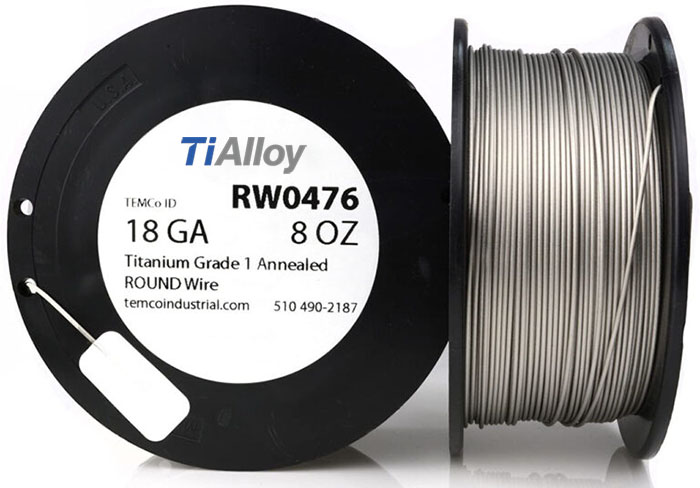
Spool Programs for Continuous Wire Supply
Up to 227 kgMaximum spool weight depends on wire type, diameter, alloy, spool configuration and order route.
Supply Forms
Coil
·
Spool
up to 227 kg on applicable programs
·
Straight Length
size dependent / by order
Common RFQ Diameters
Ø0.5 mm
·
Ø0.8 mm
·
Ø1.0 mm
·
Ø1.2 mm
·
Ø1.6 mm
·
Ø2.0 mm
·
Ø2.4 mm
·
Ø3.0 mm
·
Custom Diameter
Capability Envelope
0.0127 mm, 13.97 mm, ±0.0025 mm and 227 kg are individual capability-envelope limits, not one universal combination. Final availability depends on grade, condition, surface and inspection requirements.
Have a Titanium Wire Diameter or Tolerance to Check?
Send the titanium grade, required diameter, tolerance, surface condition, supply form, quantity and inspection scope. TiAlloy can review the manufacturing combination before quotation.
Titanium Wire Grades & Alloy Routes
CP, Ti-6Al-4V, ELI & Beta Titanium Wire.
Select the alloy family first, then define the applicable wire specification, diameter, condition, tolerance, surface and supply form.
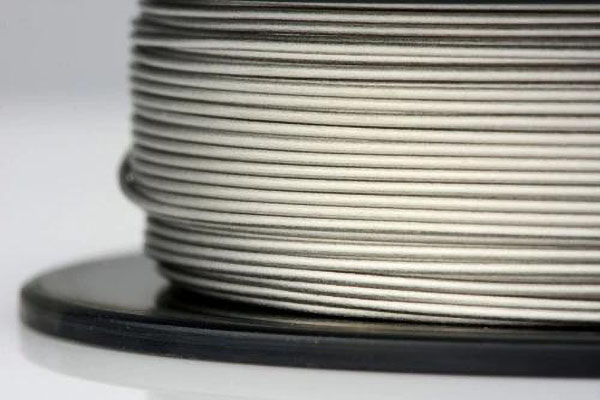
Commercially Pure to High-Strength Beta Alloy Routes
Commercially Pure Titanium
CP Titanium Wire
Grade 1 · 2 · 3 · 4
CP routes for forming, fabrication, welding, precision and corrosion-service requirements.
Alpha + Beta / High Strength
High-Strength Titanium Wire
Grade 5 · Grade 9 · Grade 23
Ti-6Al-4V, Ti-3Al-2.5V and ELI routes for higher-strength and specification-driven wire.
Beta & Near-Beta Titanium
TB-Series Titanium Wire
TB2 · TB5 · TB6 · TB8
Chinese beta and near-beta alloy routes for fasteners, forming, springs and specialty applications.
Corrosion-Resistant Routes
Service-Driven Alloy Selection
Grade 7 · Grade 12
Palladium-bearing and Ti-Ni-Mo routes selected where the service condition requires them.
ASTM / International Grade Index
Grade 1
UNS R50250
Commercially Pure
Grade 2
UNS R50400
Commercially Pure
Grade 3
UNS R50550
Commercially Pure
Grade 4
UNS R50700
Commercially Pure
Grade 5
UNS R56400
Ti-6Al-4V
Grade 7
UNS R52400
CP Titanium + Pd
Grade 9
UNS R56320
Ti-3Al-2.5V
Grade 12
UNS R53400
Ti-0.3Mo-0.8Ni
Grade 23
UNS R56407
Ti-6Al-4V ELI
Chinese Beta / Near-Beta Routes
TB2
Ti-3Al-5Mo-5V-8Cr
TB5
Ti-15V-3Cr-3Sn-3Al
TB6
Ti-10V-2Fe-3Al
TB8
Ti-15Mo-3Al-2.7Nb-0.25Si
Grade ≠ Complete Wire Specification
Final orders still define the applicable wire standard, diameter, tolerance, material condition, surface, supply form and required testing.
TB-Series Specification Route
TB2, TB5, TB6 and TB8 are Chinese alloy designations, not ASTM B863 grades. The finished wire route follows the applicable Chinese specification or technical agreement.
Continue
Grade 2 Titanium
Grade 5 / Ti-6Al-4V
Wire Standards
Diameter & Tolerance
Titanium Materials
Need a Specific Titanium Wire Grade?
Send the grade, diameter, condition, standard, supply form and quantity.
Titanium Wire Standards by End Use
Start With the End Use — Then Choose the Standard.
Industrial wire, welding filler, aerospace welding wire, medical material and TB-series fastener wire follow different specification routes. The correct standard begins with what the finished wire is expected to do.
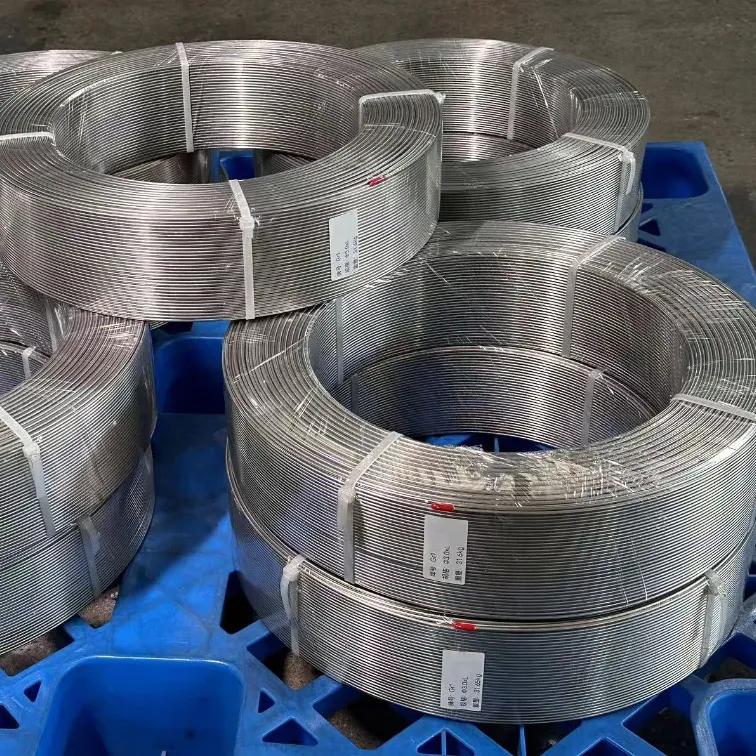
Industrial Wire Is Not the Same Purchase Route as Welding Filler.
Define the wire function first; the material or filler-metal specification follows from that product route.
Which standard route fits the order?
01
ASTM B863-26
Industrial / Finished Titanium WireUse for titanium and titanium-alloy wire when the order is based on a wire product specification . Specify grade, diameter, tolerance, condition and finish.
02
AWS A5.16 · AMS4951 / 4954 / 4956
Welding / Aerospace Filler WireUse AWS for ERTi filler classification; use the applicable AMS route when the aerospace drawing or PO specifically calls for CP, Ti-6Al-4V or Ti-6Al-4V ELI welding wire .
03
ASTM F67 · ASTM F136
Medical Titanium Material RouteUse F67 for applicable commercially pure titanium medical material and F136 for wrought Ti-6Al-4V ELI material. Material conformance is not finished-device approval.
04
GB/T 3623 · GB/T 42159
China / TB / Fastener Wire RouteUse the applicable Chinese wire or fastener-wire route for TA / TC / TB alloys. TB-series orders should identify the exact alloy, condition and GB/T or technical agreement .
Do Not Mix the Routes
Material specification, wire product specification and filler-metal classification are different purchasing controls. Similar titanium chemistry does not make ASTM B863, AWS A5.16, AMS welding-wire specifications or medical-material specifications interchangeable.
Which Standard Applies to Titanium Wire?
ASTM B863 is used for industrial titanium and titanium-alloy wire products. AWS A5.16 classifies titanium welding filler metals, while AMS4951, AMS4954 and AMS4956 cover specific controlled welding-wire routes. Medical wire can require ASTM F67 or ASTM F136, while Chinese titanium and TB-series fastener-wire orders can follow applicable GB/T specifications.
Which Titanium Wire Standard Should Be on Your RFQ?
Send the grade, application, diameter, wire type, customer specification and supply form. TiAlloy can review the applicable ASTM, AWS, AMS or GB/T route before quotation.
Titanium Wire Precision & Feed Behavior
The Diameter Is Only Half the Story.
Equal nominal diameter does not guarantee equal handling or feeding behavior. Surface, material condition, dimensional consistency, straightness and spool geometry also matter.
Precision Wire Principle
Diameter tolerance works together with condition, surface, straightness and — where relevant — controlled cast and helix.
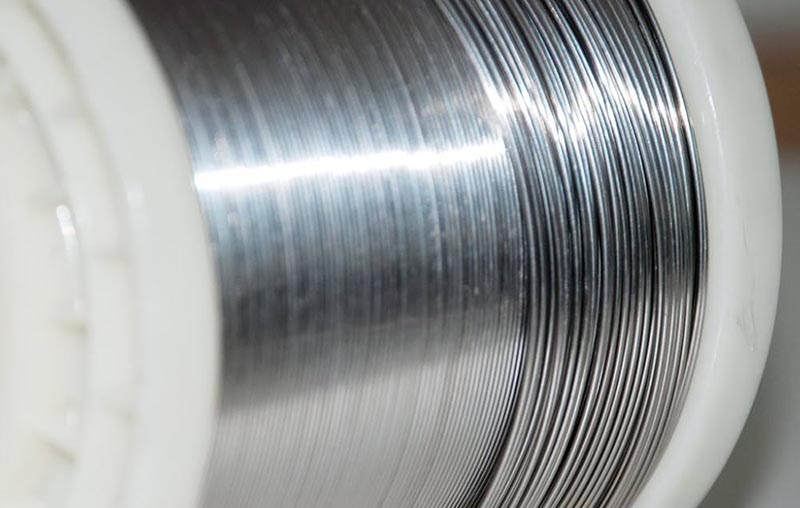
Surface Detail
Wire Quality Becomes Visible When the Wire Starts Moving.
What the Feeding Process Actually Sees
Surface, Condition and Geometry Work Together.
Surface
Bright, polished or conditioned finishes are specified according to the wire route and application.
Material Condition
Annealed and cold-worked wire behave differently; the ordered condition must match downstream use.
Diameter & Roundness
Consistent cross-section supports predictable contact with guides, dies, straighteners and feeders.
Straightness · Cast · Helix
Straightness and retained spool geometry affect how wire leaves the package and reaches the process point.
What Controls Titanium Wire Feeding?
Diameter consistency, roundness, condition, surface, straightness and spool geometry together influence feed behavior.
Cast & Helix
Cast is the free-loop diameter; helix is the loop’s rise from a flat surface. Limits are specified when the spool-fed process requires them.
Order Definition
Annealed / Cold-Worked
·
Bright / Polished / Conditioned
·
Straightness
·
Cast / Helix When Specified
—
Final requirements follow grade, diameter, supply form and purchase specification.
Need Titanium Wire to Feed or Form Precisely?
Send the grade, diameter, tolerance, condition, surface, supply form and any required feed controls.
Titanium Wire Manufacturing Process
From Wire Rod to Finished Titanium Wire.
Titanium wire is produced through conditioning, controlled drawing, route-dependent thermal processing, final sizing, surface finishing and inspection.
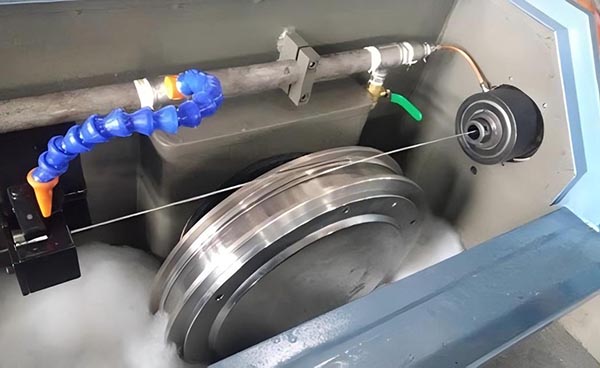 01
01
Starting Material
Wire Rod / Hot-Rolled Coil
Conditioning → Drawing Preparation
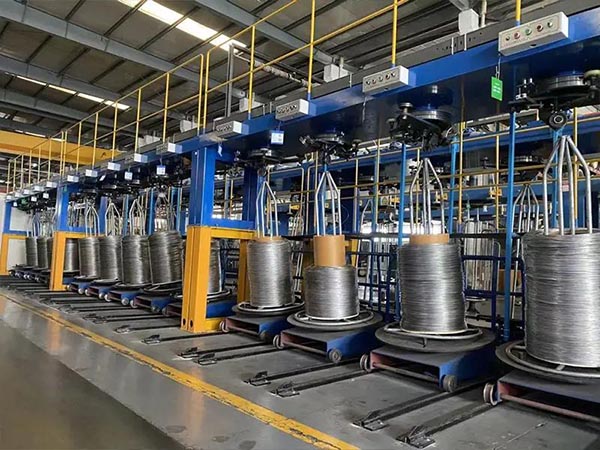 02
02
Controlled Reduction
Multi-Pass Drawing
Drawing → Anneal When Required → Final Drawing
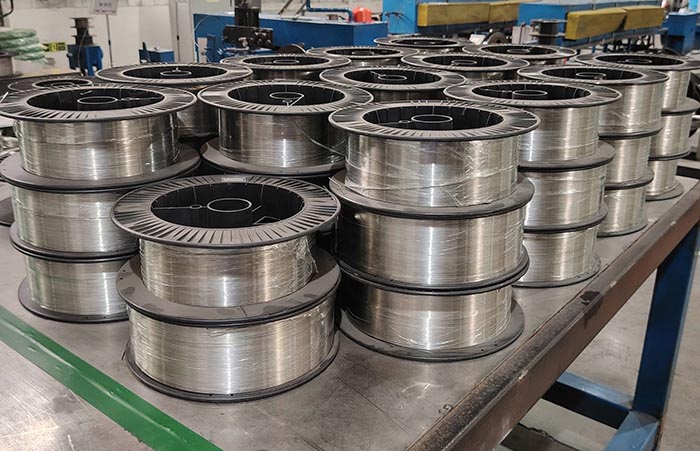 03
03
Finished Product
Finish · Form · Inspect
Surface Finish → Spool / Coil / Straight Length → Inspection
How Is Titanium Wire Manufactured?
Qualified wire rod is conditioned and progressively drawn to final diameter, with intermediate thermal processing used when required by the manufacturing route.
Route Depends on Grade & Size
Drawing passes, reduction and annealing are not universal; they depend on grade, diameter, condition, tolerance and final use.
Continue
Wire Rod vs Finished Wire
Precision & Feed Behavior
Manufacturing Equipment
Wire Inspection
Need Titanium Wire to a Specific Diameter and Condition?
Send the grade, diameter, tolerance, condition, surface, supply form and quantity.
Titanium Additive Manufacturing Wire
Additive Wire Has to Feed Like a Process Material.
For WAAM and wire-fed DED, titanium wire is a continuously metered feedstock. Diameter consistency, surface condition, winding and feed behavior all matter before the wire reaches the deposition zone.
227 kg
Up to · Applicable Spool Programs
Precision-Wound Additive Wire
Spool configuration and winding are matched to the applicable feed system.
Wire Feed → Melt Pool → Layer Deposition
Consistent wire delivery supports controlled material input as the build progresses.
Near-Net Titanium Preform
Titanium wire becomes feedstock for a controlled layer-by-layer manufacturing route.
Feedstock Consistency Before the Melt Pool
Stable Diameter. Clean Surface. Controlled Pay-Off.
Additive wire should maintain consistent diameter, clean surface condition and predictable feeding from spool to deposition point.
Additive Wire RFQ
Alloy
·
Diameter / Tolerance
·
Surface
·
Cast / Helix
·
Spool
·
AM Process
Wire Supplier
Controls the Feedstock.
Chemistry, diameter, surface condition, winding and specified feed characteristics.
AM Process
Controls the Deposition.
Energy input, feed speed, shielding, travel strategy and deposition parameters.
Titanium Wire for WAAM & Wire-Fed DED
Select the titanium alloy and wire specification from the component requirement and qualified additive-manufacturing process.
Sourcing Titanium Wire for WAAM or Wire-Fed DED?
Send the alloy, diameter and tolerance, AM process, spool requirement and any specified feed characteristics.
Titanium Welding & Filler Wire
Specify the Filler Metal — Not Just the Base-Metal Grade.
Titanium welding wire is ordered by filler classification, chemistry, diameter and supply form. Grade 5 base metal does not automatically define an ERTi-5 welding-wire order.
AWS A5.16 Filler Classification
Final filler selection follows the applicable WPS, drawing or customer specification.
ERTi-2
Commercially Pure TitaniumERTi-5
Ti-6Al-4VERTi-23
Ti-6Al-4V ELI
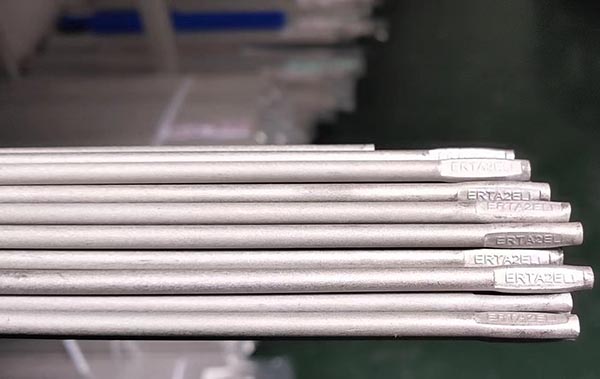
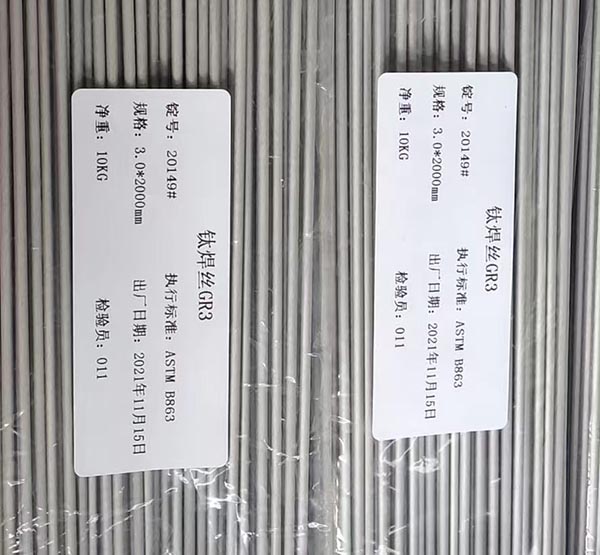
Filler Chemistry · Clean Surface · Qualified Welding Route
The Welding Procedure Determines the Filler Route.
Base Metal ≠ Filler Classification
Specify the Required Welding-Wire Route.
AWS A5.16/A5.16M classifies titanium welding electrodes, wires and rods by filler-metal chemistry. Confirm the filler classification from the WPS, drawing, service requirement or customer specification.
AMS Welding-Wire Routes
AMS4951L — commercially pure titanium
AMS4954M — Ti-6Al-4V
AMS4956J — Ti-6Al-4V ELI
Need ERTi-2, ERTi-5, ERTi-23 or AMS Titanium Welding Wire?
Send the required classification or AMS specification, diameter, supply form, quantity and documentation requirements.
Medical Titanium & Precision Fine Wire
Medical Wire Starts With the Material Route.
Medical and precision titanium wire combines the governing material specification with controlled diameter, condition, surface, straightness and traceability.
Commercially Pure Titanium Wire
Grade 1 · Grade 2 · Grade 3 · Grade 4
Medical-material route for unalloyed titanium wire used in the manufacture of surgical implant components.
Define the Order
Review Wire Standards
F67 + grade + diameter + condition + surface + mechanical and documentation requirements.
Medical Material Control
Standard + alloy + condition + finished wire requirement.
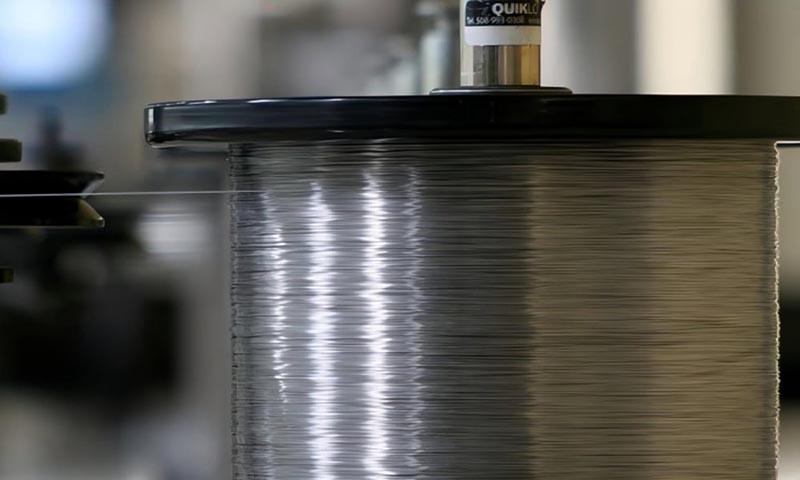
Fine Diameter Is Only One Part of the Requirement.
Surface condition, straightness, identification and controlled supply form are reviewed together with the required medical-material specification.
Fine Diameter
·
Clean Surface
·
Straightness
·
Heat / Lot Traceability
Ti-6Al-4V ELI Wire
UNS R56401
Wrought annealed Ti-6Al-4V ELI material route, including wire, for surgical implant manufacturing.
Define the Order
Inspection & Traceability
F136 + R56401 + diameter + condition + surface + dimensional, mechanical and documentation scope.
Sourcing ASTM F67, ASTM F136 or Precision Fine Titanium Wire?
ASTM F67 covers applicable CP Grade 1–4 medical titanium material, while ASTM F136 covers Ti-6Al-4V ELI, UNS R56401. Send the standard, alloy, diameter, tolerance, condition and documentation scope for review. Material conformance does not by itself constitute finished medical-device approval.
Titanium Wire Applications
Where Titanium Wire Ends Up.
Titanium wire becomes welding filler, aerospace hardware, medical components, additive preforms, electrochemical assemblies and precision formed parts. The application determines the alloy, condition and specification.
 01
01
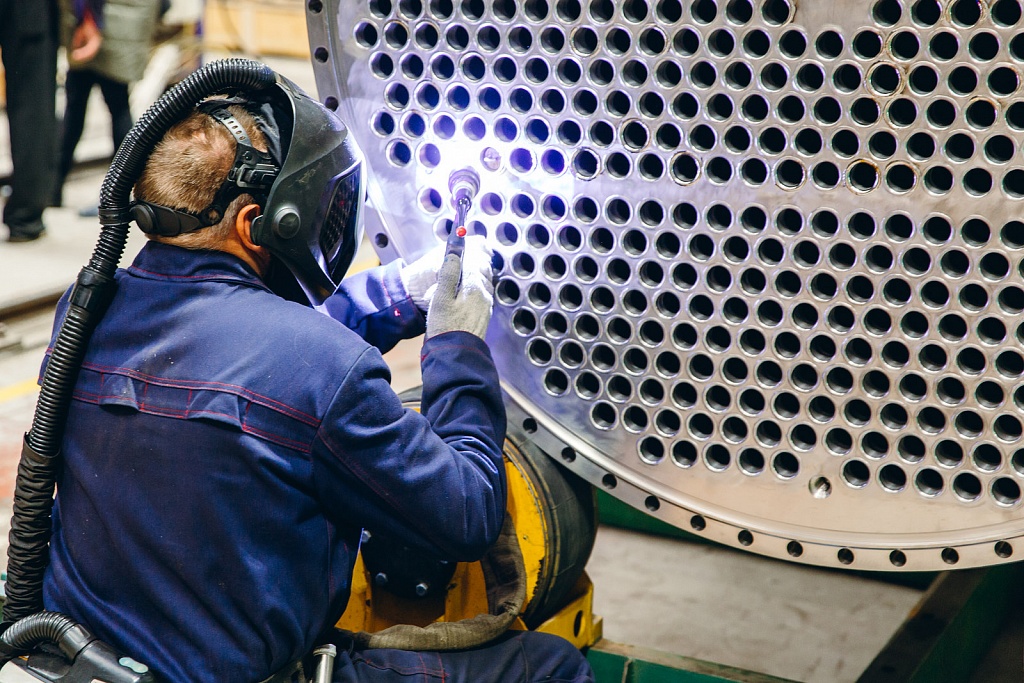
Welding & Fabrication
Welded Titanium Assemblies
Spool / Straight Filler Wire → welded joints and fabricated assemblies.
Welding Wire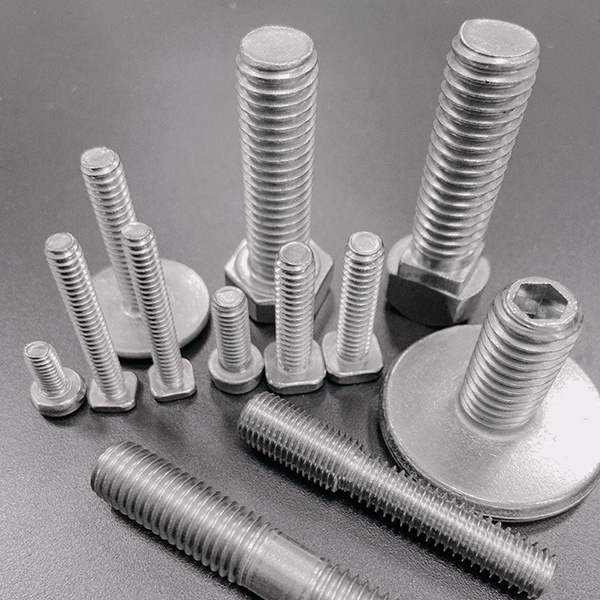 02
02
Aerospace
Fasteners · Lock Wire · Springs
Forming / Spring Wire → lightweight aerospace hardware.
Alloy Routes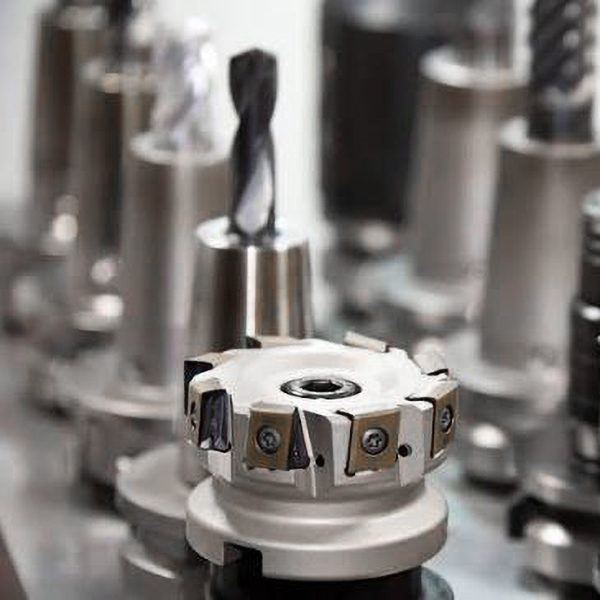 03
03
Medical
Precision Medical Components
CP / ELI Fine Wire → implant and surgical-component preforms.
Medical Wire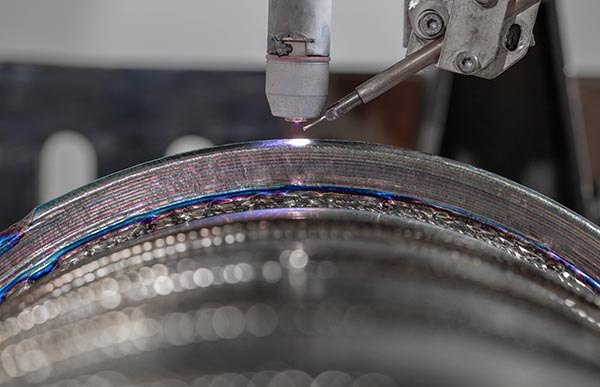 04
04
Wire-Fed Additive
WAAM / DED Titanium Preforms
Precision Spool Wire → layer-deposited near-net preforms.
Additive Wire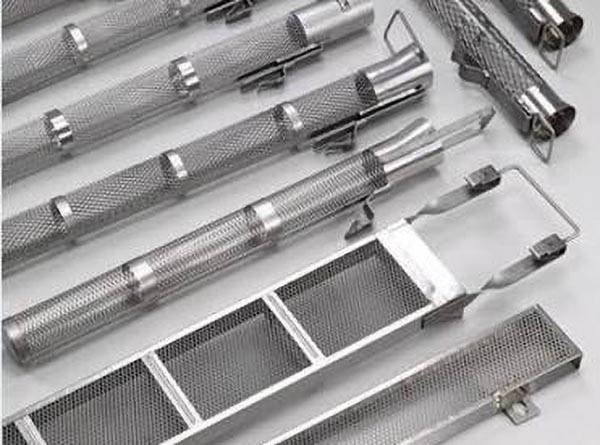 05
05
Chemical & Electrochemical
Mesh · Electrode Support · Basket
Formed / Woven Wire → corrosion-resistant process components.
Titanium Materials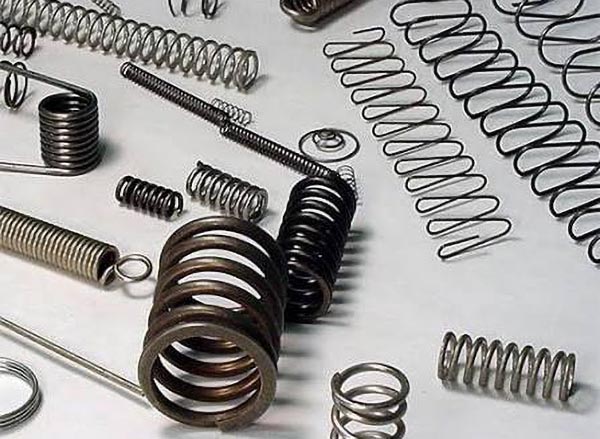 06
06
Precision Industrial
Springs · Clips · Fine Fasteners
Fine / Spring Wire → precision mechanical components.
Precision RequirementsWhat Will Your Titanium Wire Become?
Send the final component, grade, diameter, standard, condition and quantity for review.
Titanium Wire Inspection & Traceability
The Spool, the Test Results and the MTC Should Tell the Same Story.
Finished titanium wire is controlled through its production identity. Heat or lot information, process records, final inspection, spool identification and material documentation are kept aligned so the delivered wire can be traced back to its applicable test results.
Same-Order Traceability
Heat / Lot
→
Process Record
→
Final Inspection
→
Spool / Coil Label
→
MTC / Inspection Documentation
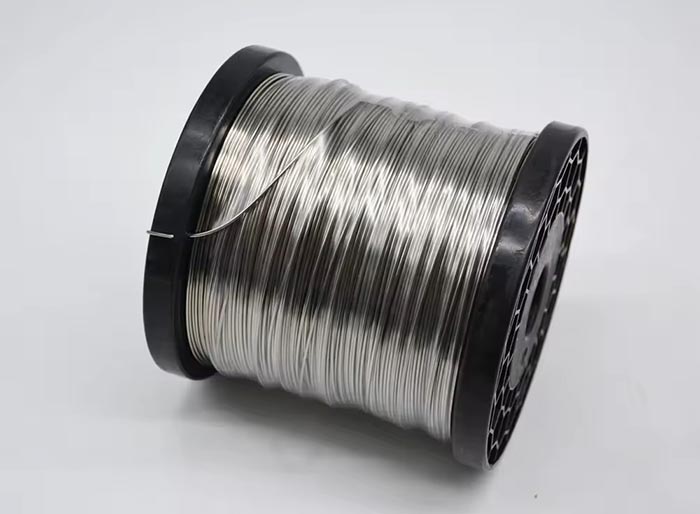
Inspection Belongs to the Material Identity.
Final dimensions and surface condition are checked against the applicable order requirements before the finished spool or coil is identified for delivery.
Same-Order Evidence
Can This Spool Be Matched to This MTC?
Yes — the delivery identity should connect the finished wire back to its Heat / Lot and applicable inspection record. Spool identification and material documentation form the final visible links in that traceability chain.
Inspection Scope by Order
Chemistry · applicable material specification
Mechanical · tensile / other required properties
Finished Wire · diameter · surface
When Specified · straightness · cast / helix
Documentation · MTC / EN 10204 3.1 when specified
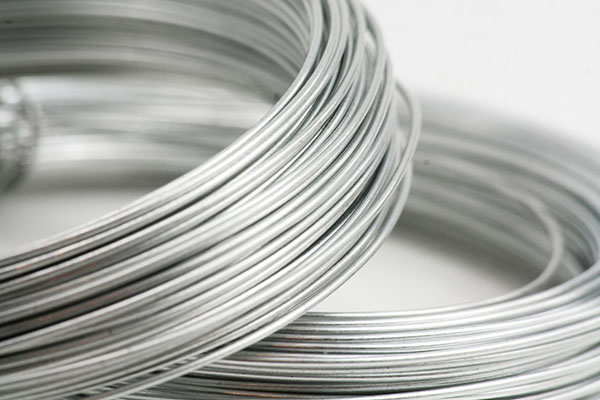
Mechanical Verification
Tensile and other applicable properties follow the governing material specification and order.
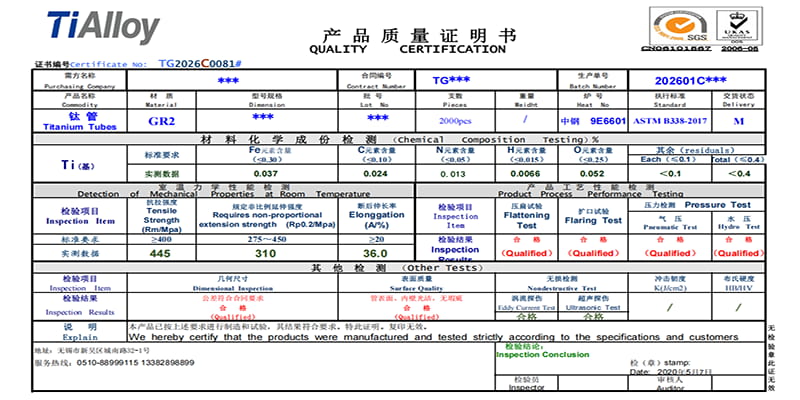
MTC & Delivery Identity
The documentation route is matched to the applicable Heat / Lot and finished material identity.
What Inspection and Documentation Does Your Titanium Wire Order Require?
Send the material standard, grade, diameter, tolerance, required mechanical tests, surface / straightness requirements, cast & helix limits when applicable, and documentation scope. MTC and EN 10204 3.1 documentation can be reviewed when specified by the order.
Titanium Wire Buyer FAQ
Questions That Change the Purchase Specification.
Titanium wire terminology can look simple until diameter, filler classification, packaging, medical material routes and inspection requirements enter the RFQ. These are the questions worth resolving before price and lead time are fixed.
Before comparing quotations, confirm whether the enquiry is for industrial wire, welding wire, medical wire, straight lengths, spooled wire or another defined route. Small wording differences can change the applicable material and supply condition.
Diameter
Classification
Supply Form
Packaging
MTC Route
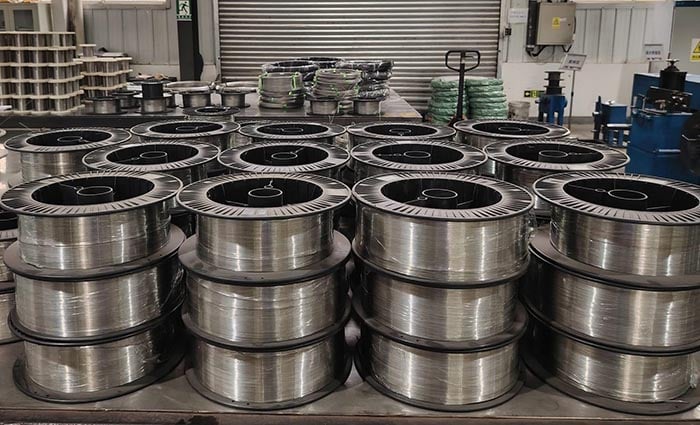
Purchasing Reminder
The RFQ becomes clearer when the grade, diameter, supply form, downstream use and documentation route are confirmed together instead of being treated as separate afterthoughts.
01 What is the difference between titanium wire and wire rod?
Wire rod is normally an upstream rolled product used for further processing, while finished wire has been drawn and finished toward its final diameter and supply condition. The distinction matters when specifying size, tolerance, finish and downstream processing. See Wire Types
02 What is ERTi-2 — and is Grade 5 the same as ERTi-5?
ERTi designations are AWS welding-filler classifications based on filler-metal chemistry. Grade 5 is a Ti-6Al-4V material grade; ERTi-5 is a welding filler classification. One should not automatically replace the other on a purchase order. Welding Wire
03 Should titanium wire be ordered on a coil or a spool?
A spool supports controlled pay-off from a reel and is often preferred for automatic feeding. A loose-wound coil may suit different diameters, handling or downstream processing. Specify the machine, diameter and preferred package. Supply Forms
04 Can titanium wire be supplied in straight lengths?
Yes, straight lengths can be supplied for applicable wire sizes and product routes. Required length, diameter and straightness should be stated in the RFQ because availability is size-dependent. Straightness Requirements
05 What is the minimum diameter for fine titanium wire?
There is no useful universal minimum for every alloy. The achievable fine-wire diameter depends on grade, condition, tolerance, surface requirement and quantity. Confirm the full combination rather than applying one minimum diameter to every titanium grade. Diameter Capability
06 Can titanium wire be supplied with an MTC?
Yes—when material documentation is required, state the certificate route in the RFQ or PO. Heat / lot, spool or coil identity and material documentation should remain traceable to one another. If EN 10204 3.1 is required, specify it contractually. Inspection & Traceability
07 Is Grade 23 titanium wire automatically ASTM F136 material?
No. If the order requires ASTM F136, specify the ASTM F136 material route and UNS R56401 together with the required wire condition and dimensions. A generic “Grade 23” description alone should not replace the actual medical-material specification. Medical Wire
08 When do cast and helix matter on titanium wire?
They matter most when wire must leave a spool and track predictably through welding, additive or automated feeding equipment. Required limits are process-specific, so provide the feeder, WPS, additive process or customer requirement rather than assuming one universal value. Additive Wire
Still Resolving a Titanium Wire Specification?
Send the grade, diameter, standard, supply form or application question. We can clarify the wire definition before the final RFQ.
Grade
Diameter
Supply Form
Packaging
Application
Documentation
Trending now