Get in Touch with TiAlloy Company

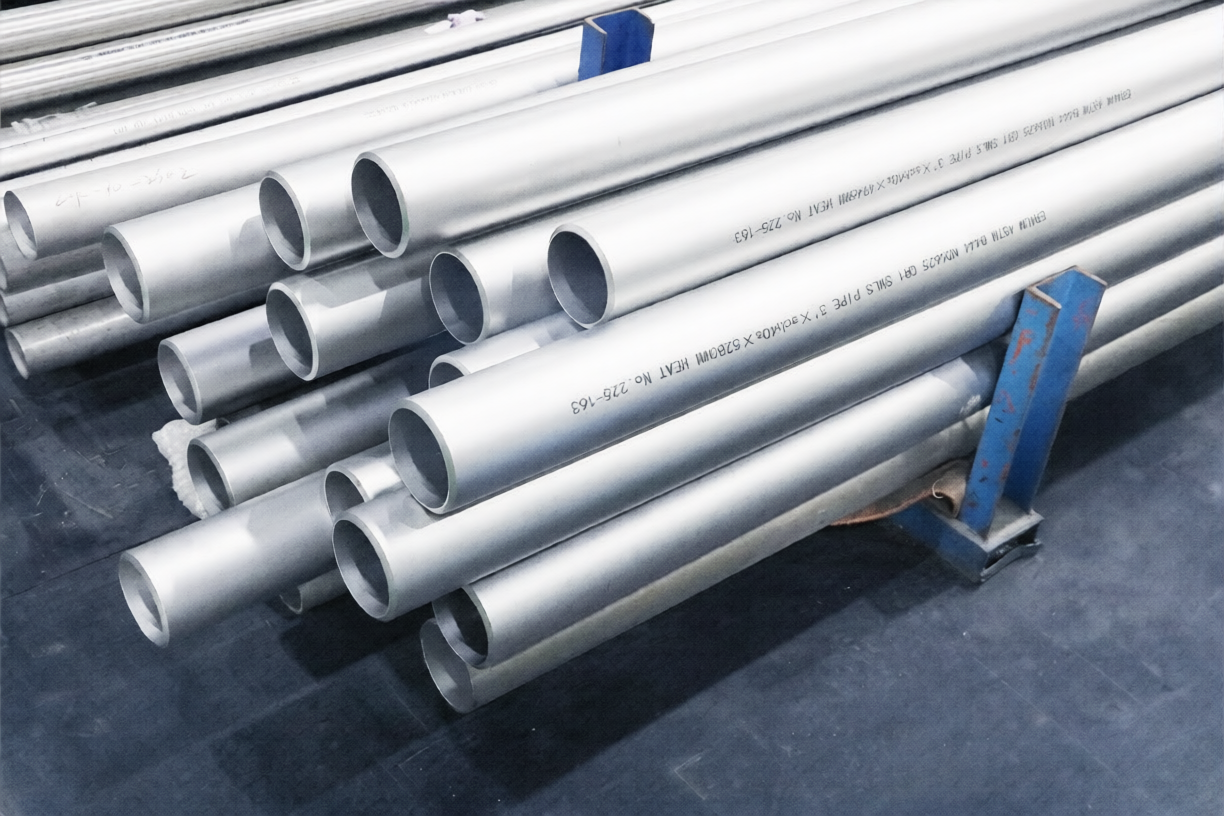
Alloy C22 UNS N06022 W.Nr. 2.4602
Alloy C22 Hastelloy C-22 Supplier for Plate, Sheet, Pipe, Tube and Bar
Nickel-Chromium-Molybdenum-Tungsten Corrosion-Resistant Alloy
TiAlloy supplies Alloy C22 / UNS N06022 in plate, sheet, strip, seamless and welded pipe or tube, bar and rod forms. Product specification, dimensions, delivery condition, inspection and documentation are confirmed against each enquiry.
UNS N06022 is commonly searched as Hastelloy C-22. Final material source and manufacturer are identified according to the confirmed order route.
Product Forms
Plate · Sheet · Strip · Pipe · Tube · Bar · Rod
Common ASTM Routes
B575 · B574 · B622 · B619/B619M · B626
Supply Basis
Stock matching and made-to-order supply
Inspection & Documents
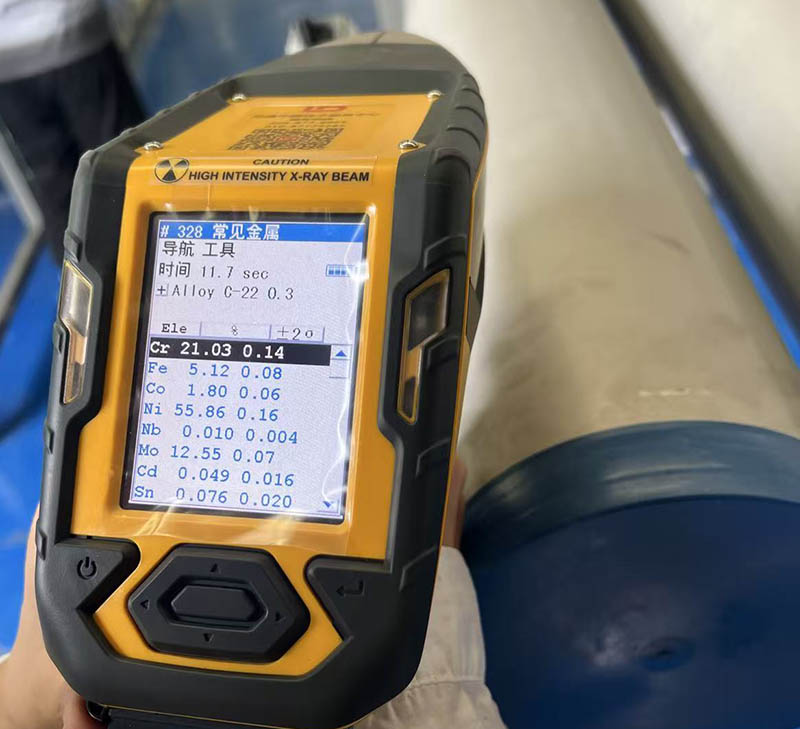
MTC · Traceability · PMI / NDT when specified
Product View
Flat Products
ASTM B575 plate, sheet and strip
Seamless Tubular
ASTM B622 pipe and tube
Welded Tubular
ASTM B619 pipe · ASTM B626 tube
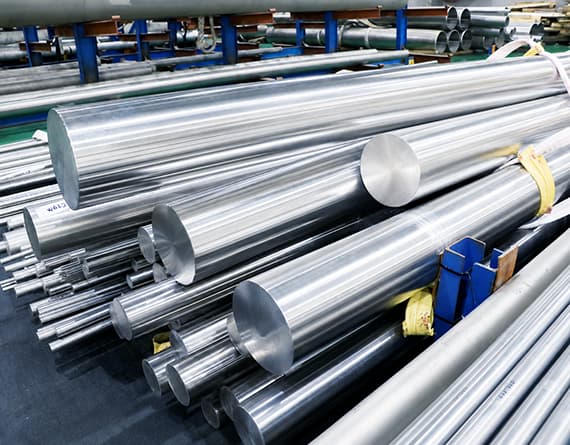
Bar & Rod
ASTM B574 rod and bar
Alloy C22 · Product Forms
Alloy C22 Hastelloy C-22 Products & Available Forms
TiAlloy supplies Alloy C22 / UNS N06022 in flat, tubular and long-product forms. The applicable ASTM or ASME product specification, dimensions, condition and inspection scope are confirmed for each enquiry.
UNS N06022
Product form and specification are confirmed together
Flat Products
Alloy C22 Plate, Sheet and Strip
Alloy C22 flat products are supplied for corrosion-resistant vessels, heat-transfer equipment, fabricated components and other chemical-process applications. See our chemical processing materials page for related specification guidance.
Common specification
ASTM B575 / ASME SB-575 where applicable
Available forms
Plate, sheet, strip and cut flat product according to confirmed source and order requirements
RFQ information
Thickness, width, length, quantity, condition, surface, tolerance and inspection requirements
Seamless Tubular
Alloy C22 Seamless Pipe and Tube
Seamless UNS N06022 tubular products can be reviewed for chemical piping, process equipment and heat-transfer requirements where the seamless construction route is specified.
Common specification
ASTM B622 / ASME SB-622 where applicable
Product definition
Seamless pipe or tube must be identified by the actual product requirement rather than the alloy grade alone
RFQ information
OD or NPS, wall thickness, length, quantity, dimensional tolerance, condition, testing and certificate scope
Welded Pipe
Alloy C22 Welded Pipe
Welded Alloy C22 pipe is a separate product route from welded tube and should be ordered against the correct pipe specification, dimensions and inspection requirements.
Common specification
ASTM B619/B619M / ASME SB-619 where applicable
Supply review
Construction, dimensions, weld route, condition and required testing are confirmed against the purchase specification
RFQ information
NPS or OD, schedule or wall thickness, length, quantity, specification, inspection and documentation
Welded Tube
Alloy C22 Welded Tube
Welded C22 tube can be reviewed for heat-transfer, condenser and general corrosion-service requirements where a welded tubular construction is permitted.
Common specification
ASTM B626 / ASME SB-626 where applicable
Buyer distinction
ASTM B626 is the welded tube route and should not be treated as interchangeable with ASTM B619 welded pipe
RFQ information
OD, wall thickness, length, quantity, application, test method, condition and documentation requirements
Long Products
Alloy C22 Bar and Rod
UNS N06022 bar and rod can be supplied for machining, valve components, fastener stock and corrosion-resistant fabricated parts according to the required diameter and condition.
Common specification
ASTM B574 / ASME SB-574 where applicable
Available form review
Round bar, rod and processed long product subject to diameter, condition, tolerance and source availability
RFQ information
Diameter, length, quantity, surface, tolerance, cutting requirement and inspection scope
Drawing-Based Supply
Alloy C22 Cut, Machined and Custom Components
Cut blanks and machined Alloy C22 components can be reviewed when the required parent material, dimensions, machining allowance and inspection route are defined by the enquiry.
Supply basis
Parent plate, bar or other confirmed material form with downstream processing according to quotation scope
Processing review
Cutting, turning, drilling, grinding or machining can be discussed according to drawing and tolerance requirements
RFQ information
Drawing revision, finished dimensions, machining allowance, quantity, parent material requirement and inspection scope
Availability Basis
Product availability is confirmed by form, specification, dimensions, quantity and delivery condition. A grade name alone does not establish that a particular size is stocked or immediately available.
Need a specific Alloy C22 product form or size?
Send the product form, specification, dimensions and quantity to check the applicable UNS N06022 supply route.
Alloy C22 · Supply Capability
Alloy C22 / Hastelloy C22 Supply & Processing Capability
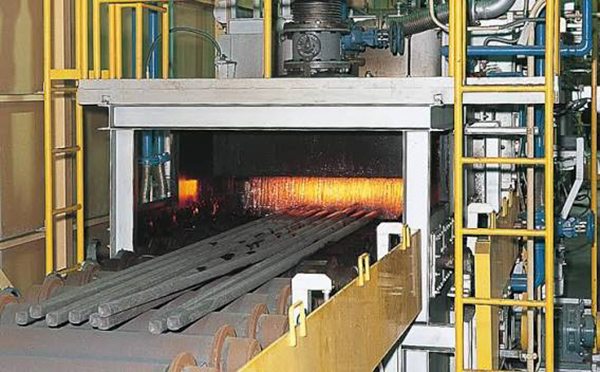
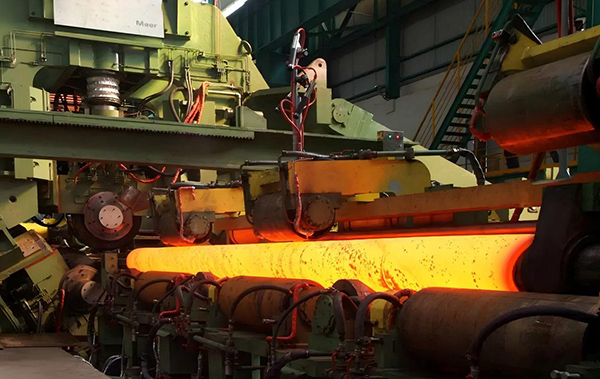
TiAlloy coordinates Alloy C22 / UNS N06022, commonly known as Hastelloy C-22, through source mills, qualified processors, inspection resources and export preparation according to the product form and confirmed purchase requirements.

Material Source
Source mill and product route
Alloy C22 / UNS N06022 material is matched to the required product form, specification, dimensions, delivery condition and order quantity before quotation or production release.
Processing
Qualified downstream processing
Cutting, machining, forming, welding or other downstream work can be coordinated through the applicable processing route when it forms part of the confirmed supply scope.
Inspection & Release
Documentation before export
Heat identity, ordered dimensions, material documents, specified inspection requirements, marking and packing are reviewed before shipment release.
Source mill
Provides the applicable Alloy C22 parent material and mill documentation according to the confirmed supply route.
Qualified processor
Performs agreed cutting, machining, fabrication or other downstream work where processing is included in the order.
Inspection resources
PMI, NDT, laboratory testing or third-party inspection can be coordinated when required by the applicable specification, RFQ or purchase order.
TiAlloy coordination
TiAlloy coordinates the commercial order, product route, processing scope, documentation, marking, packing and international delivery requirements.
20+ years metal supply and international export experience
Nickel alloy, titanium and stainless steel supply
Made-to-order processing where required
Export documentation and packing coordination
Supply Responsibility
The actual source mill, processor, inspection route and manufacturer identification depend on the ordered product. TiAlloy does not treat all melting, rolling, tube production, machining or laboratory operations as a single in-house production route unless that scope is specifically confirmed.
Need Alloy C22 supplied with a specific processing route?
Send the product form, specification, dimensions, quantity, processing and inspection requirements so the appropriate material and processing route can be confirmed.
Alloy C22 · Material Data
Alloy C22 Composition & Engineering Properties
Alloy C22 / UNS N06022, commonly known as Hastelloy C-22, is a nickel-chromium-molybdenum-tungsten alloy. Published values provide a technical reference; purchase acceptance remains subject to the applicable specification and certified material records.
UNS
N06022
Werkstoff
2.4602
Common Name
Hastelloy C-22
Alloy System
Ni-Cr-Mo-W
Nominal Chemistry
Alloy C22 major alloying elements
Published nominal composition by weight. Certified heat chemistry should be checked against the governing product specification.
Ni
Nickel
Balance
Base matrix
Cr
Chromium
22%
Nominal
Mo
Molybdenum
13%
Nominal
W
Tungsten
3%
Nominal
Fe
Iron
3%
Nominal
Co · Cobalt
≤ 2.50%
Mn · Manganese
≤ 0.50%
Si · Silicon
≤ 0.08%
C · Carbon
≤ 0.01%
V · Vanadium
≤ 0.35%
Cu · Copper
≤ 0.50%
Chemistry Basis
Contractual chemistry acceptance follows the governing product specification and certified heat analysis.
Published Typical Values
Room-temperature tensile properties
Published averages vary with product form and size and are not universal ASTM acceptance limits.
Product Form
Published Size
0.2% Yield
Tensile Strength
Elongation
Sheet
0.7–3.2 mm
407 MPa
800 MPa
57%
Plate
6.4–19.1 mm
372 MPa
786 MPa
62%
Bar
Ø12.7–50.8 mm
359 MPa
765 MPa
70%
Physical Properties
Key physical data
Reference values for material weight, thermal review and preliminary engineering comparison.
Density
8.69 g/cm³
Room temperature
Elastic Modulus
206 GPa
Dynamic modulus · RT
Thermal Conductivity
10.1 W/m·°C
At 50°C
Thermal Expansion
12.4 µm/m·°C
Mean · 24–100°C
Melting Range
1357–1399°C
Published range
Procurement Note
For purchase acceptance, use the applicable Alloy C22 / UNS N06022 specification and certified MTC values for the supplied heat.
C22
Need certified Alloy C22 material data?
Request the specification, technical data or MTC for your Alloy C22 / UNS N06022 requirement.
Alloy C22 · Product Specifications
Alloy C22 ASTM, ASME & EN Standards by Product Form
Alloy C22 / UNS N06022, commonly known as Hastelloy C-22, is purchased against a product-form specification rather than by alloy name alone. Confirm the product form, specification, dimensions, condition and inspection scope before order release.
UNS N06022
W.Nr. 2.4602
NiCr21Mo14W
Hastelloy C-22
Product Form
ASTM
ASME
Procurement Scope
Plate · Sheet · Strip
ASTM B575
ASME SB-575
Confirm thickness, width, length, condition,
surface and inspection requirements.
Rod · Bar
ASTM B574
ASME SB-574
Confirm diameter, length, condition,
tolerance and downstream machining scope.
Seamless Pipe · Tube
ASTM B622
ASME SB-622
Specify OD or NPS, wall thickness,
length, condition and required testing.
Welded Pipe
ASTM B619/B619M
ASME SB-619
Welded pipe route; do not substitute welded tube
terminology when the order requires pipe.
Welded Tube
ASTM B626
ASME SB-626
Welded tube route, including heat-transfer
applications where this product specification is required.
Fittings · Forgings
B366 · B462 · B564
SB-366 · SB-462 · SB-564
Applicable route depends on the fitting,
forging type and governing design requirement.
European Designation
2.4602 · NiCr21Mo14W
Confirm the exact European product specification required by the purchase order.
Welding Consumables
ERNiCrMo-10 · ENiCrMo-10
Final consumable selection follows the qualified welding procedure and project specification.
Service Standards
NACE / ISO when specified
Alloy designation alone does not establish automatic compliance with a service standard.
Purchase Order
Specify Alloy C22 / UNS N06022 together with product form, ASTM or ASME specification, controlled edition when required, dimensions, quantity, condition, testing and documentation.
C22
Need the correct Alloy C22 specification for your RFQ?
Send the product form, dimensions and project requirements to confirm the applicable ASTM / ASME supply route.
Alloy C22 · Corrosion Resistance
Alloy C22 Corrosion Resistance & Service Environments
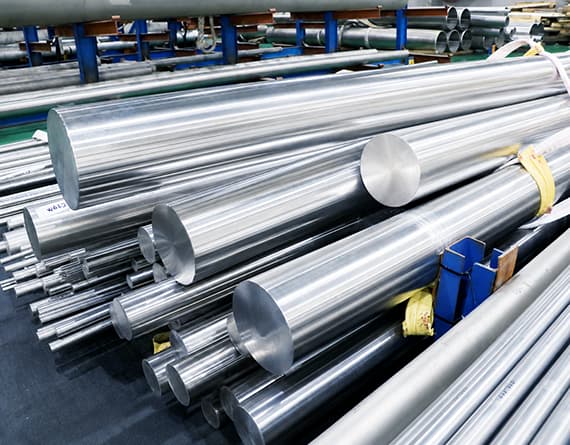
Alloy C22 / UNS N06022, commonly known as Hastelloy C-22, is used where oxidizing or reducing chemicals, chlorides and localized corrosion create demands beyond many conventional stainless steels. Suitability still depends on the complete operating environment.
Material
UNS N06022 · 2.4602
Alloy System
Ni-Cr-Mo-W
Localized Attack
High resistance to pitting & crevice attack
Chloride SCC
High resistance under published test conditions
Service Environments
Where Alloy C22 commonly enters material selection
These environments explain why C22 may be shortlisted. They are not blanket approval for a particular process, concentration, temperature or equipment design.
Environment
Why C22 Is Considered
What Must Be Confirmed
Oxidizing & mixed chemical media
High chromium together with molybdenum and tungsten
supports broad corrosion resistance in demanding chemical
environments containing oxidizing or mixed conditions.
Acid type, concentration, temperature, dissolved oxygen,
ferric or cupric ions and other oxidizing contaminants.
Chloride-bearing environments
C22 is known for high resistance to chloride-induced
pitting and crevice corrosion compared with conventional
austenitic stainless steels.
Chloride level, temperature, pH, deposits, crevice
geometry, stagnant zones and surface condition.
Hot contaminated acids
Alloy C22 is used in chemical-processing environments
involving contaminated mineral acids and complex process
streams where several corrosive species may be present.
Worst-case chemistry, operating temperature,
impurities, process upset conditions and cleaning cycles.
Organic acids & fine chemicals
Published applications include acetic acid,
formic-acid-related service, pharmaceutical processing
and fine chemical equipment.
Product-contact chemistry, cleaning media,
concentration, temperature and required surface condition.
Localized corrosion risk
Nickel-chromium-molybdenum-tungsten chemistry provides
strong resistance where pitting and crevice attack are
key material-selection concerns.
Crevices, deposits, weld geometry, heat tint,
flow conditions, surface finish and shutdown exposure.
Stress corrosion cracking risk
C22 shows high resistance to chloride-induced stress
corrosion cracking in published laboratory testing.
Applied and residual stress, chloride chemistry,
temperature, fabrication route and welded condition.
Before Material Approval
Service conditions that can change the result
A material name alone is not enough to predict corrosion performance. RFQs for corrosion service should include the worst-case operating and fabrication conditions.
Chemistry
Medium + impurities
Concentration
Normal + upset
Temperature
Min · normal · max
Flow Condition
Flow · stagnant · deposits
Fabrication
Welds · crevices · surface
Stress
Applied + residual
Test Data Boundary
Published ASTM G48-type pitting and crevice-corrosion data and other laboratory corrosion results apply only to the stated test solution, temperature, exposure time and specimen condition. They should not be treated as universal service-temperature limits or corrosion guarantees.
C22
Supplying Alloy C22 for a defined corrosion service?
Send the product form, dimensions, quantity and service conditions so the applicable Alloy C22 supply route can be quoted.
Alloy C22 · Processing & Fabrication
Alloy C22 Heat Treatment, Welding & Fabrication
Alloy C22 / UNS N06022, commonly known as Hastelloy C-22, requires controlled heat treatment, forming and welding practices to maintain the intended material condition and corrosion performance. Processing routes are confirmed according to the ordered form and fabrication scope.
Annealing Temperature
1121°C / 2050°F
Published C22 annealing temperature
Hold Time
10–30 min
Depends on section thickness
Cooling
WQ preferred
Rapid air cooling may suit thin sections
Cold Work Reference
≥7% O.F. elongation
Re-annealing important for optimum corrosion performance
Fabrication Practice
Forming and welding considerations for Alloy C22
Fabrication parameters depend on section size, equipment, joint design and qualified procedure. The items below summarize published C22 processing guidance rather than replacing the applicable WPS, project specification or fabrication code.
Forming & Heat Treatment
UNS N06022Hot Forming
Alloy C22 can be hot forged, rolled, upset, extruded and formed. The hot-working range is narrower than for common austenitic stainless steels, so temperature and deformation rate require tighter control.
Cold Forming
C22 is stiffer and work-hardens more readily than most austenitic stainless steels. Greater forming force, staged cold work or intermediate annealing may be required.
Re-Annealing
Re-annealing is important after substantial cold work, particularly at about 7% or greater outer-fiber elongation, when optimum corrosion performance is required.
Welding & Filler Metal
Qualified ProcedureWelding Methods
GTAW / TIG
GMAW / MIG
SMAW
Matching Filler
ERNiCrMo-10 wire / rod and ENiCrMo-10 covered electrodes are matching C22 welding consumables. Final selection follows the qualified welding procedure and project requirements.
Heat Input
Excessive heat input should be avoided. Published guidance favors stringer beads, controlled travel speed and interpass temperature generally at or below 93°C / 200°F; argon backing is used for GTAW or GMAW root passes.
Processing Scope
TiAlloy can coordinate qualified heat treatment, cutting, forming, machining and other downstream processing where required. The actual processor, procedure, dimensional tolerance and inspection scope are confirmed against the ordered product and drawing rather than presented as one universal in-house production route.
C22
Need Alloy C22 material with additional processing?
Send the product form, dimensions, quantity, drawing and required processing so availability can be confirmed with the quotation.
Alloy C22 · Sizes & Processing
Alloy C22 Sizes & Custom Processing
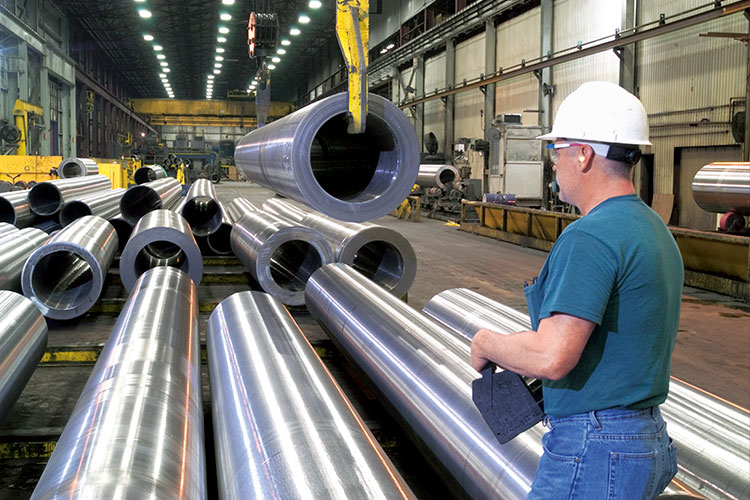
TiAlloy supplies Alloy C22 / UNS N06022 in plate, sheet, strip, pipe, tube, bar and drawing-based forms. Send the required specification and dimensions for current availability, processing feasibility and quotation.
Dimensions confirmed per enquiry
Flat Products
Plate · Sheet · Strip · ASTM B575
Thickness × width × length
Cut-to-size, slitting and edge preparation can be coordinated where required.
Pipe & Tube
ASTM B622 · B619/B619M · B626
OD / NPS × wall thickness × length
Specify seamless or welded route together with dimensional tolerance and required end condition.
Bar & Custom Parts
ASTM B574 · Drawing-based supply
Diameter × length / finished drawing
Saw cutting, turning, grinding and machining can be coordinated against the confirmed requirement.
RFQ Format
Send dimensions clearly
Plate / Sheet
T × W × L
Thickness · width · length
Pipe / Tube
OD × WT × L
Outside diameter · wall · length
Bar / Rod
ØD × L
Diameter · length
Custom processing
Cut to size · Saw cutting · Slitting · Turning · Peeling · Grinding · Machining · Edge preparation · End preparation
Processing availability depends on starting material, dimensions, tolerance, quantity and finished requirement.
Stock Matching
Check current material first
Existing Alloy C22 material is matched against form, specification and required dimensions.
Made to Order
For non-standard dimensions
Feasible production or processing route is confirmed together with the quotation.
Drawing Supply
Finished dimensions from drawing
Parent material, tolerance and processing scope are confirmed before machining.
ASTM and ASME specifications do not mean every permitted dimension is held in stock. Current Alloy C22 size availability is confirmed against each enquiry.
C22
Send your Alloy C22 dimensions
Product form · specification · dimensions · quantity · processing
Alloy C22 · Material Comparison
Alloy C22 vs C276, Alloy 625 and Other Corrosion-Resistant Alloys
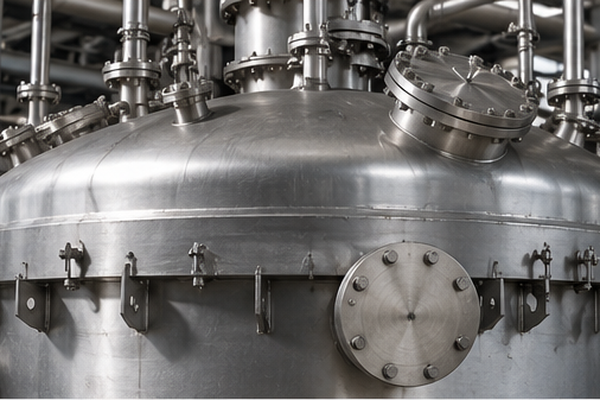
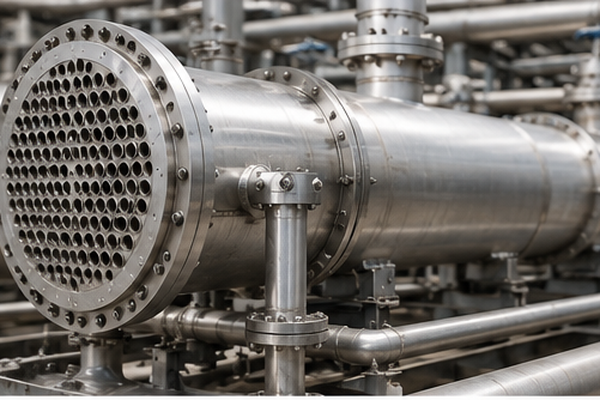
Hastelloy C22 / UNS N06022 is not automatically the best nickel alloy for every corrosive service. C276, Alloy 625, Alloy 59, Alloy 686 and 316L enter the shortlist for different combinations of chemistry, temperature, strength, fabrication and project requirements.
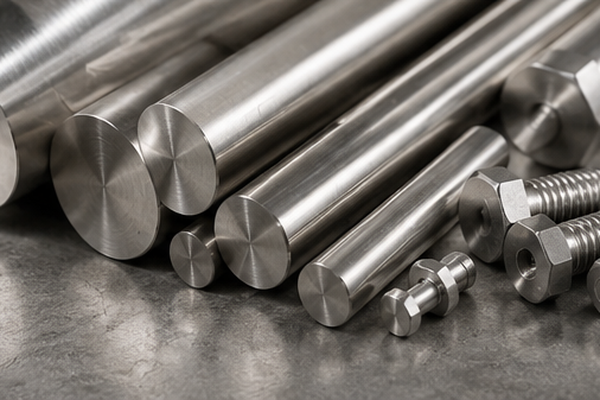
Alloy C22
UNS N06022 · W.Nr. 2.4602
Oxidizing chemistry plus localized corrosion risk
C22 combines high chromium with molybdenum and tungsten. It is often considered where oxidizing media, chlorides, pitting or crevice corrosion are important parts of the service case.
Alloy C276
UNS N10276 · W.Nr. 2.4819
Broad aggressive chemical-service baseline
C276 has a higher nominal molybdenum and tungsten level than C22 and remains a major candidate for severe chemical processing and mixed corrosive environments.
Alloy 625
UNS N06625 · W.Nr. 2.4856
Strength, fabrication and broad corrosion resistance
Alloy 625 enters selection for a different reason: high strength, good fabricability, broad corrosion resistance and useful performance across a wide temperature range.
C22 vs C276
C22’s higher chromium content is especially relevant when oxidizing conditions matter; C276 carries more molybdenum and tungsten. The actual medium, concentration, temperature, contaminants and weld condition determine which direction deserves evaluation.
Other alloys that may enter the shortlist
These grades are alternatives to evaluate, not automatic substitutes for Alloy C22.
Alloy 59
UNS N06059 · 2.4605
High Cr-Mo nickel alloy considered for both oxidizing and reducing environments, including demanding chloride and mixed-acid service.
Alloy 686
UNS N06686 · 2.4606
Highly alloyed Ni-Cr-Mo-W option developed for severe corrosion, including localized attack and aggressive mixed-acid environments.
316L Stainless Steel
Standard Cr-Ni-Mo austenitic stainless steel
A more conventional starting point where the operating environment remains within the capability of molybdenum-alloyed austenitic stainless steel.
Alloy comparison is not substitution approval. Final material selection should consider the actual chemical medium, concentration, temperature, chlorides, oxidizing or reducing conditions, fabrication route, design code and required product form.
C22
Comparing Alloy C22 with another grade?
Send the medium, temperature, product form, dimensions and required standard with your RFQ.
Alloy C22 – Industries and Applications
Where Alloy C22 Is Used
Alloy C22 / UNS N06022 is used in chemical and process equipment where aggressive media, chlorides and localized corrosion can influence material selection. The application images below show the main industrial environments where C22 material may enter the project shortlist.
01
Chemical and Petrochemical
Reactors, process vessels, columns and corrosion-service equipment.
02
Heat Exchangers and Condensers
Tube, pipe and plate for corrosive heat-transfer service.

03
Pharmaceutical and Fine Chemical
Material for reactors, piping and process equipment.

04
Pollution Control and Scrubbers
Selected absorber, exhaust and corrosive condensate systems.

05
Process Piping and Transfer Systems
Pipe and tube for aggressive chemical transfer duties.

06
Machined Parts and Components
Bar and rod for sleeves, connectors and corrosion-service parts.
Application basis
Application type alone does not determine the alloy. Final selection depends on the actual medium, concentration, temperature, contaminants, fabrication condition and project specification.
Alloy C22 supply forms
Plate – Sheet – Strip – Seamless Pipe – Tube – Welded Pipe – Welded Tube – Bar – Rod – Custom Parts
C22
Sourcing Alloy C22 for an industrial application?
Send the product form, standard, dimensions, quantity and service conditions with your RFQ.
Alloy C22 – Inspection and Traceability
Alloy C22 Inspection, Testing and Material Traceability
Alloy C22 / UNS N06022 inspection requirements are confirmed with the purchase specification. Material identity, heat traceability, test records and ordered inspection can be maintained through the supply and release process.
Traceability
Heat number, product identification and supporting records are matched to the supplied material.
Inspection
Dimensional inspection, surface checks, PMI and applicable NDT can be included when specified by the order.
Documentation
MTC, EN 10204 Type 3.1, Type 3.2 and third-party inspection requirements are confirmed before material release when required.
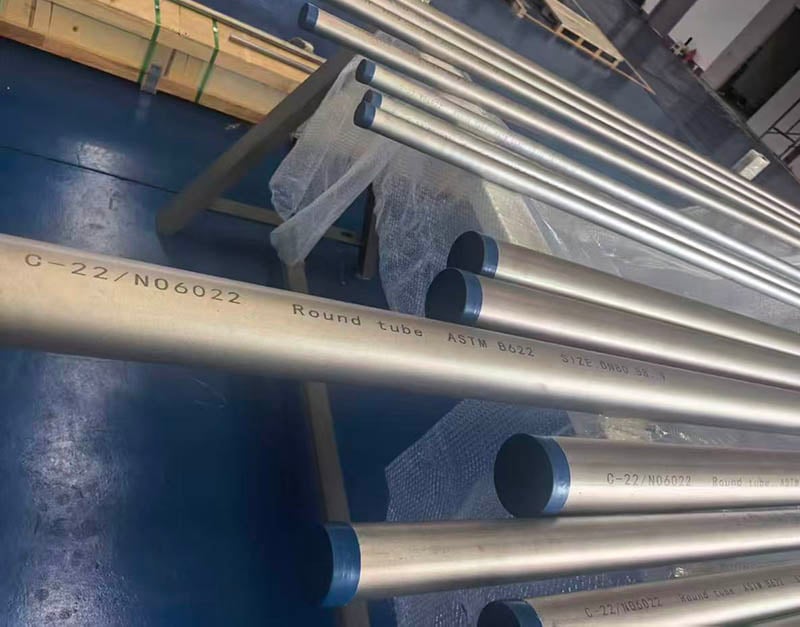
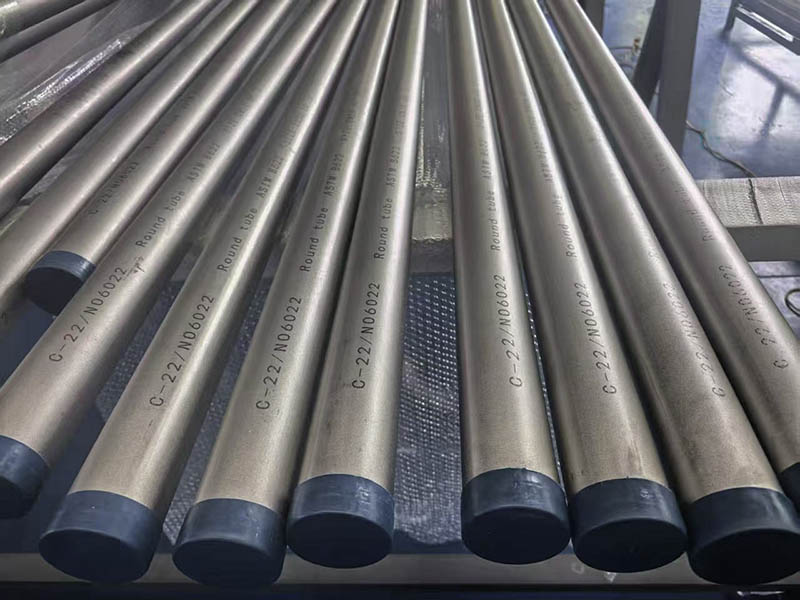
Quality Release
Specify the required package
Heat Number
MTC / MTR
EN 10204 3.1
PMI
NDT
Third Party
PMI and MTC
PMI supports alloy identification when required; certified heat chemistry and mechanical results remain based on the applicable material certificate and governing product specification.
C22
Need an Alloy C22 inspection package?
Add the required certificate, PMI, NDT and third-party inspection scope to your RFQ.
Alloy C22 – Packing and Export Supply
Alloy C22 Packing, Export and Commercial Supply
Alloy C22 / UNS N06022 packing and shipment requirements are confirmed with the quotation and purchase order. Product form, dimensions, inspection scope, destination and delivery terms all influence the final supply route.
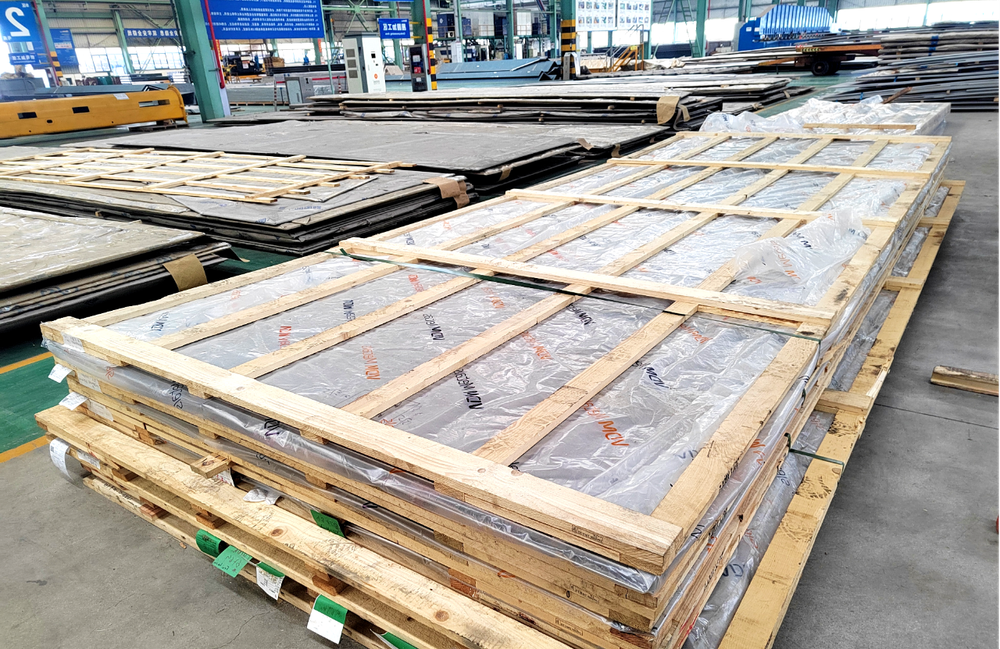
Packing
Product-specific export protection
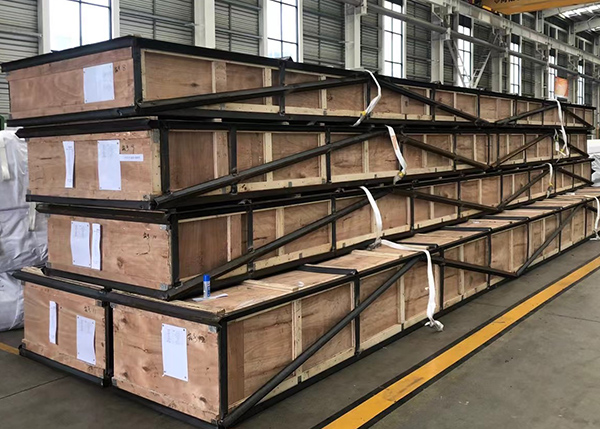
Marking
Material identity follows the shipment
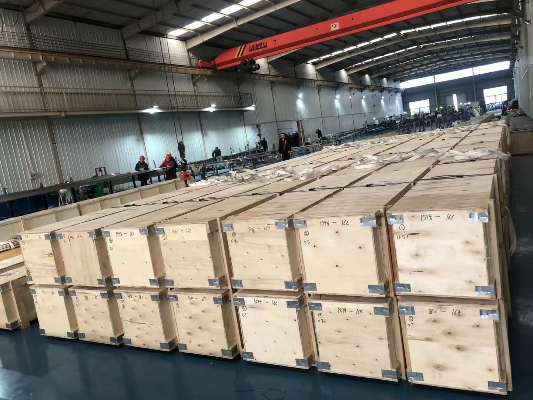
Dispatch
Shipment prepared to the agreed delivery scope
Packing
Bundle, wooden case, surface protection, end protection and other packing requirements are confirmed according to product form and shipment method.
Marking and Documents
Product identification, heat number marking, packing list, certificate copies and shipment documents are coordinated with the confirmed order scope.
Delivery
Destination, port, Incoterm, shipment timing and any special receiving or packing instructions should be stated before final commercial confirmation.
Commercial Supply
Confirm before order
Price
Quoted per requirement
Form, dimensions, quantity and processing affect price.
Lead Time
Confirmed with quotation
Supply route and inspection scope affect schedule.
MOQ
Confirmed by form and size
Trial or small quantities can be discussed where feasible.
Alloy C22 price and delivery should be compared against the complete order scope, not the alloy name alone. Product form, specification, dimensions, quantity, processing, inspection, packing and destination can all change the quotation.
C22
Need Alloy C22 packed for international delivery?
Send the product form, dimensions, quantity, destination and delivery term with your RFQ.
Alloy C22 / UNS N06022 Digital Tool Center
Deploy our precision engineering utilities to streamline RFQ processing, verify compliance documents, and map standards instantly.
SYS.MOD // 01
RFQ Readiness Checker
Evaluate your RFQ completeness prior to submission. Eliminate communication delays by auditing required parameters instantly.
SYS.MOD // 02
Document Package Checklist
Verify your compliance needs. Cross-check EN 10204 3.1/3.2 certificates, PMI requirements, and NDE reporting scopes.
SYS.MOD // 03
C22 Service Fit Matrix
Cross-reference material form capabilities with suitable industrial environments, corrosive media, and thermal conditions.
SYS.MOD // 04
C22 RFQ Standards Map
Navigate the complex web of ASTM/ASME specifications for accurate pricing, production routing, and technical alignment.
Alloy C22 – Frequently Asked Questions
Alloy C22 FAQ for Technical and Purchasing Questions
Quick answers for buyers specifying Alloy C22 / UNS N06022, including product forms, ASTM specifications, material comparison, pricing and quotation requirements.
Faster Quotation
Send the specification before the price request
Grade, product form, standard, dimensions and quantity are the minimum details needed to confirm the applicable supply route.
01
Is Alloy C22 the same as Hastelloy C22?
UNS N06022 is widely searched as Alloy C22, Hastelloy C22 and Hastelloy C-22. HASTELLOY is a trademark of Haynes International. For purchasing, confirm UNS N06022 together with the applicable product specification and product form.
02
What Alloy C22 product forms can TiAlloy supply?
TiAlloy can supply plate, sheet, strip, seamless pipe and tube, welded pipe, welded tube, bar, rod and drawing-based processed forms. Availability depends on specification, dimensions, quantity and current supply route.
03
Which ASTM specifications are commonly used for Alloy C22?
Common specifications include ASTM B575 for plate, sheet and strip; ASTM B574 for rod and bar; ASTM B622 for seamless pipe and tube; ASTM B619/B619M for welded pipe; and ASTM B626 for welded tube.
04
Is Alloy C22 always better than C276 or 316L?
No. C22, C276, Alloy 625, 316L and other alloys have different chemistry, strength, fabrication and corrosion characteristics. The actual medium, concentration, temperature, contaminants and project requirements determine which grades should be evaluated.
05
Can TiAlloy provide a fixed Alloy C22 price online?
Alloy C22 price depends on product form, specification, dimensions, quantity, processing, inspection requirements, packing and destination. Current price and lead time are therefore confirmed against the actual enquiry.
06
What should I send for an Alloy C22 quotation?
Send Alloy C22 / UNS N06022, product form, ASTM or ASME specification, dimensions, quantity, delivery condition, surface or processing requirements, required inspection and certification, service conditions when relevant, and delivery destination.
C22
Ready to request an Alloy C22 quotation?
Send grade, product form, specification, dimensions, quantity, inspection requirements and delivery destination.
Trending now